Products
846 products
Sort by:
846 products
846 products
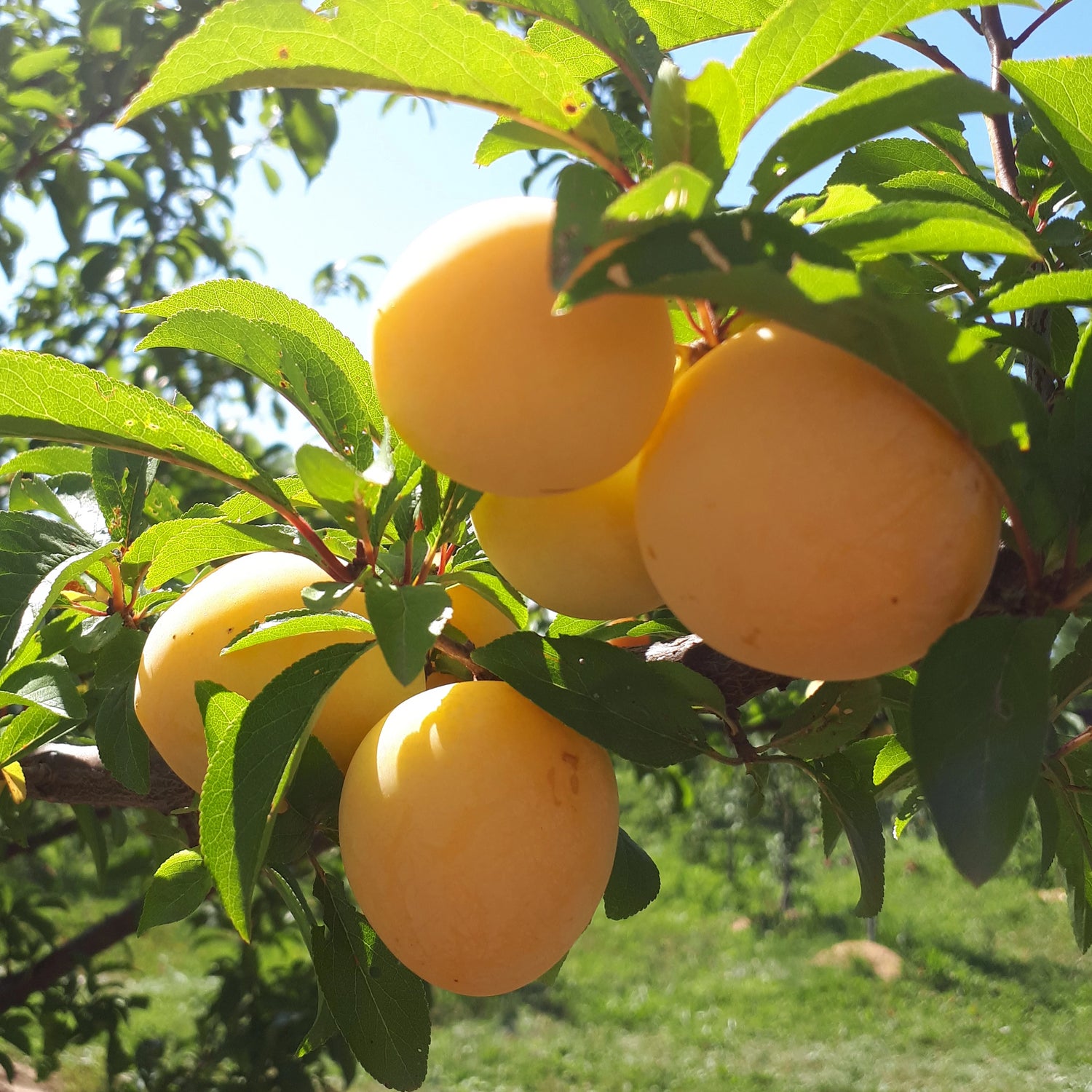
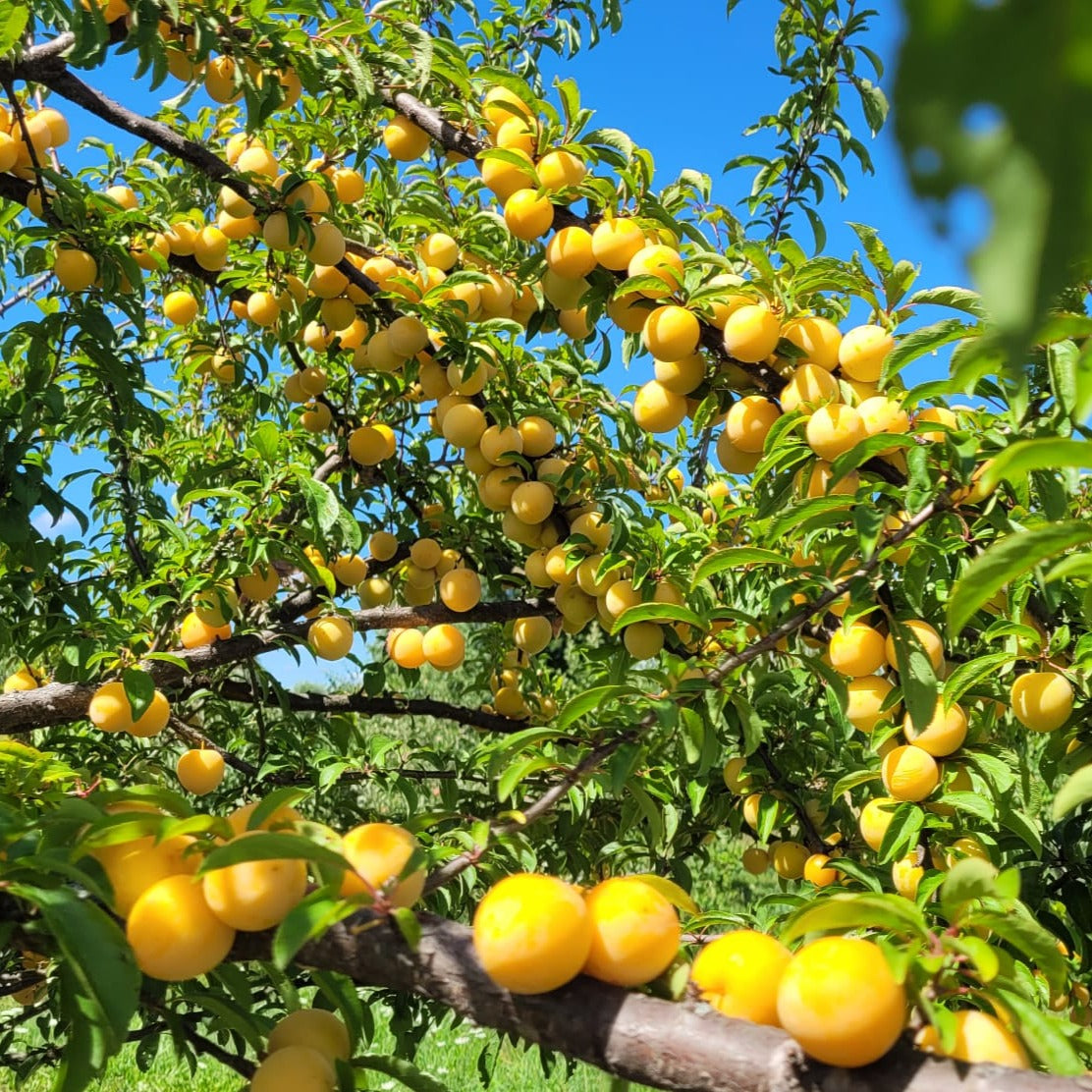
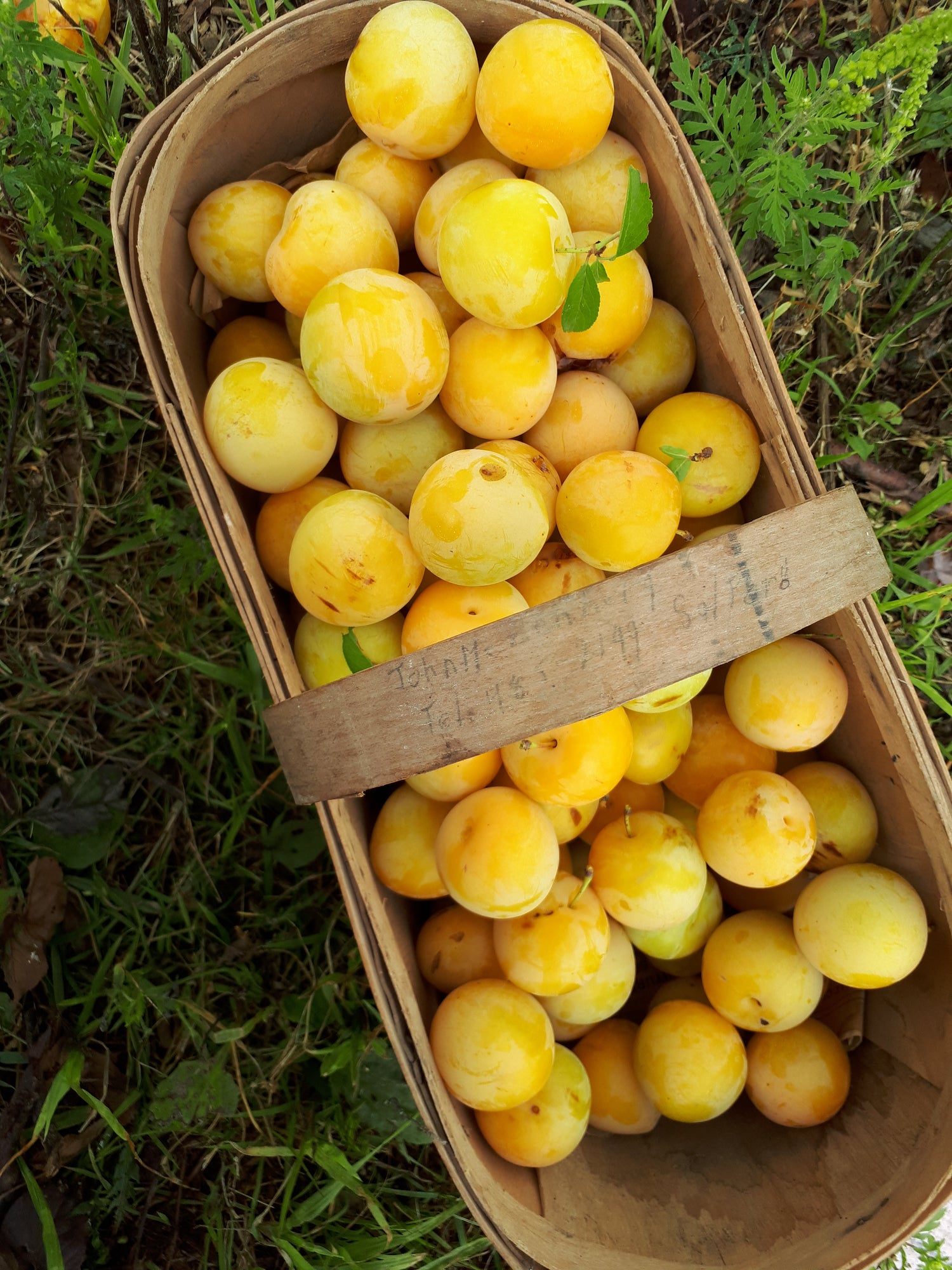
History: Shiro plums (translated from Japanese as 'white') were developed in California and introduced in 1899. They were bred by horticulturalist Luther Burbank who is renowned for his extensive experimentation with creating new plum varieties. Shiro plums are most commonly grown in the United States and Canada.
Why We Grow It: This early Japanese clingstone variety has yellow skin and flesh that is juicy and sweet. The fruit keeps longer than most plums, lasting two to four weeks, and the tree is known for its compact growth and heavy crops.

History: Shizuka (translated as "quiet" or "calm") was created at the Aomori Apple Experiment Station in Japan in the 1930s. It is a cross between Golden Delicious and Indo, the same parentage as its sister apple Mutsu.
Why We Grow It: Although it resembles Mutsu with its large yellow-green fruit, sometimes featuring a reddish-orange blush, Shizuka is sweeter and less acidic. This is an excellent fresh-eating apple for farm gate sales and it also keeps well. It is also great in salads due to its slow browning.
History: Shizuka (translated as "quiet" or "calm") was created at the Aomori Apple Experiment Station in Japan in the 1930s. It is a cross between Golden Delicious and Indo, the same parentage as its sister apple Mutsu.
Why We Grow It: Although it resembles Mutsu with its large yellow-green fruit, sometimes featuring a reddish-orange blush, Shizuka is sweeter and less acidic. This is an excellent fresh-eating apple for farm gate sales and it also keeps well. It is also great in salads due to its slow browning.

World-renowned expert Martin Crawford covers both common fruit bushes and lesser-known edible shrubs. He takes us on a journey into the world of exotic spice trees, shrubs with medicinal parts, and nitrogen fixing plants. All these can be grown in temperate climates, allowing us to diversify our diets and design beautiful, productive gardens while showing us how we can integrate agroforestry into our smallholdings and farms to create new income streams.
Martin Crawford's expertise has been a great resource for us and much of the information he has collected over the years has helped us to understand our own plants better.
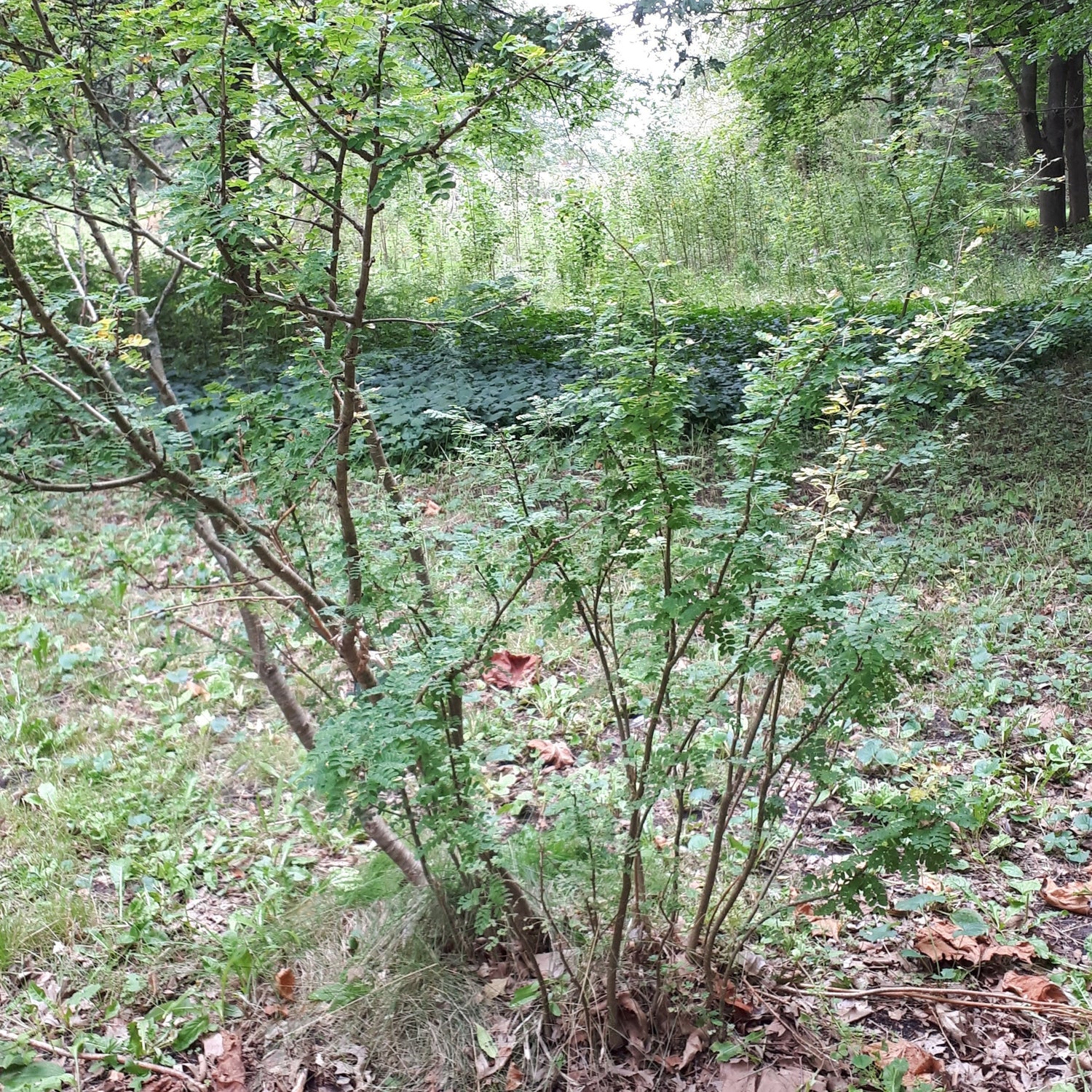
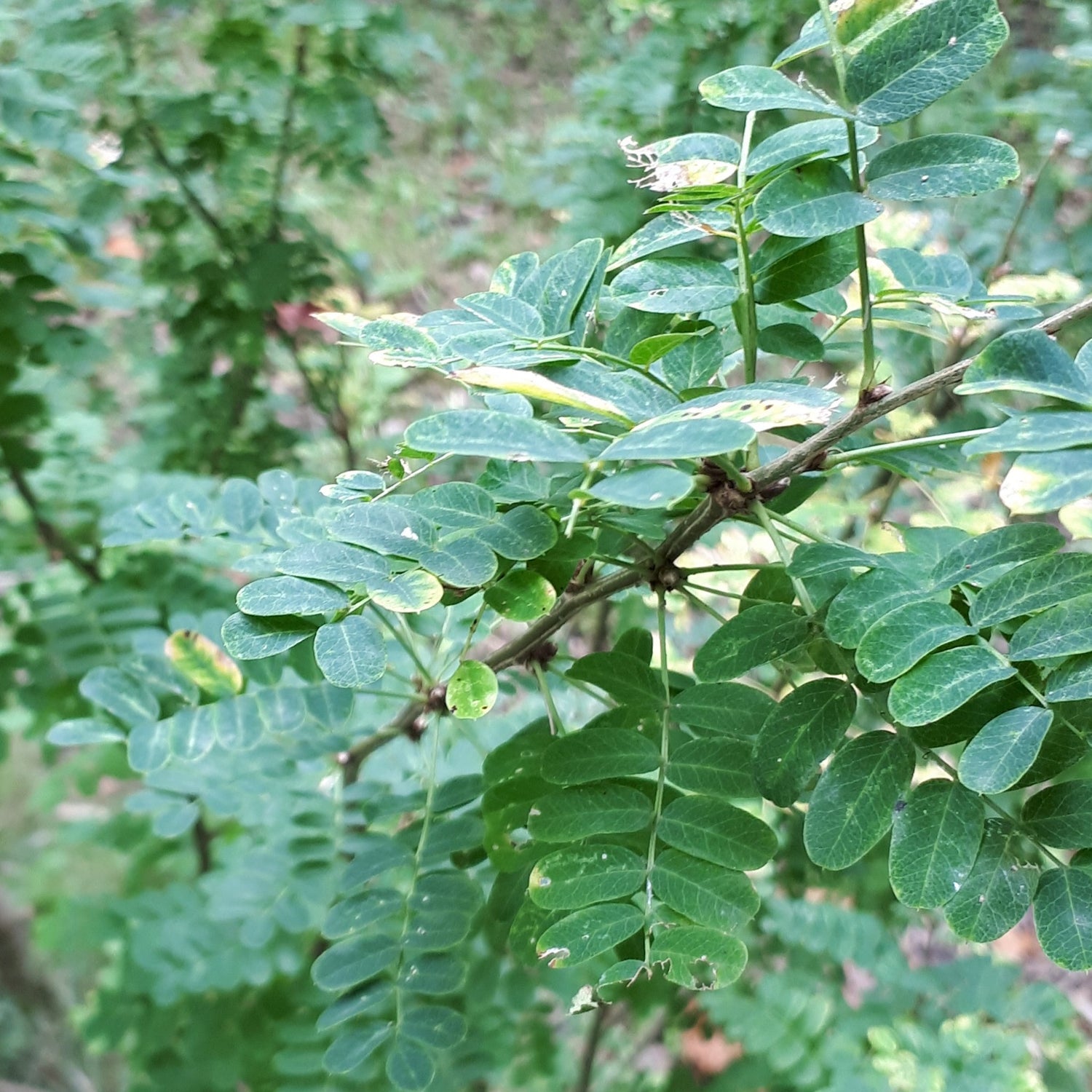
Species: Caragana arborescens
History: As the name implies, Siberian pea shrubs are native to Siberia but also parts of China, Mongolia, and Kazakhstan. They came to the US with Eurasian immigrants who used the pods as a source of food while traveling. It has been planted ornamentally and as bonsai, and can be used as erosion control. It is also unfortunately invasive in some parts of the US.
Why We Grow It: A classic permaculture plant! Siberian pea shrubs are nitrogen fixing, very hardy, disease and drought resistant, and, above all, edible. The flowers and young pods can be eaten fresh while the older pods are cooked. The plants are also attractive to pollinators.


Why We Grow It: Although it failed to take off commercially, Silken is an excellent early fresh-eating apple. It is attractive with pale yellow skin sometimes with a faint pinkish blush. The fruit has crisp, juicy flesh that is quite sweet with a little bit of acidity. The tree grows quickly and tends to start bearing fruit at a young age.

Species: Shepherdia argentea
History: Silver Buffaloberries are native to the southern parts of the prairies, parts of the northern US with scattered populations further south. It is an important source of food and habitat for many species including Saskatchewan's provincial bird the sharp-trailed grouse. It is traditionally used by indigenous peoples in its range as food, seasoning, medicine, dyes, and in coming-of-age ceremonies for girls.
Why We Grow It: Silver Buffaloberries are an excellent addition to native gardens, food forests, and hedgerows! They are tolerant of a wide array of conditions and are also nitrogen-fixing. These shrubs are some of the first to produce flowers each spring, making them good resource for pollinators. The berries, which are often red but may be orange or yellow, are a good source of food for birds later in the season. The edible berries are on the bitter/tart side but are much more enjoyable when made into jams, jellies, and pies! Just be mindful these shrubs are thorny and will spread over time.


Show off your appreciation for holistic gardening/agriculture and Silver Creek Nursery with this bandana! The pattern by Bentley Schieckoff features a variety of the fruits we grow, and our wonderful helpers including bees, worms, and birds!
The bandanas were made in Canada and are a blend of 55% hemp and 45% organic cotton.

We've got hats! You can keep the sun out of your eyes and show off your love for
Silver Creek Nursery with these nifty baseball caps!
This hat is made from 100% organic cotton.
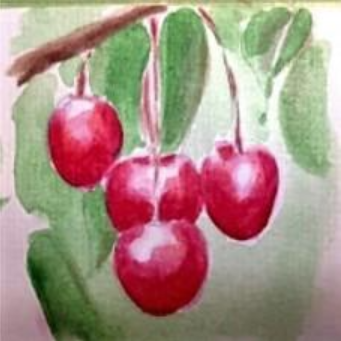
History: Skeena was developed at the Summerland Research and Development Centre in British Columbia in 1976 as part of an initiative to create a high quality cherry that ripens later in the season than other varieties. It is a cross between several self-pollinating varieties and was introduced in 2000.
Why We Grow It: These dark red cherries are often considered an improvement over Lapins with their larger size, good firmness, and general ease of harvest due to the spreading way the tree grows. The flavour is sweet with a touch of acidity. The tree itself grows vigorously and tends to start bearing fruit at a young age.

History: In the 1830s in Lancaster County, Pennsylvania, a seedling apple tree grew beside the smokehouse of William Gibbons. Perhaps it sprang from a core that some one had tossed there while they tended the fire. Who knows? What we do know is that the aptly named Smokehouse was commonly grown in the area until its popularity waned as sweeter apple varieties appeared on the market. Still, this variety has stood the test of time due to its great flavour.
Why We Grow It: Traditionally Smokehouse apples are picked a little early and used for baking, but if they're allowed to ripen fully on the tree, some people have described the balanced flavour as being “like drinking fresh-pressed cider!”.
History: In the 1830s in Lancaster County, Pennsylvania, a seedling apple tree grew beside the smokehouse of William Gibbons. Perhaps it sprang from a core that some one had tossed there while they tended the fire. Who knows? What we do know is that the aptly named Smokehouse was commonly grown in the area until its popularity waned as sweeter apple varieties appeared on the market. Still, this variety has stood the test of time due to its great flavour.
Why We Grow It: Traditionally Smokehouse apples are picked a little early and used for baking, but if they're allowed to ripen fully on the tree, some people have described the balanced flavour as being “like drinking fresh-pressed cider!”.
History: In the 1830s in Lancaster County, Pennsylvania, a seedling apple tree grew beside the smokehouse of William Gibbons. Perhaps it sprang from a core that some one had tossed there while they tended the fire. Who knows? What we do know is that the aptly named Smokehouse was commonly grown in the area until its popularity waned as sweeter apple varieties appeared on the market. Still, this variety has stood the test of time due to its great flavour.
Why We Grow It: Traditionally Smokehouse apples are picked a little early and used for baking, but if they're allowed to ripen fully on the tree, some people have described the balanced flavour as being “like drinking fresh-pressed cider!”.
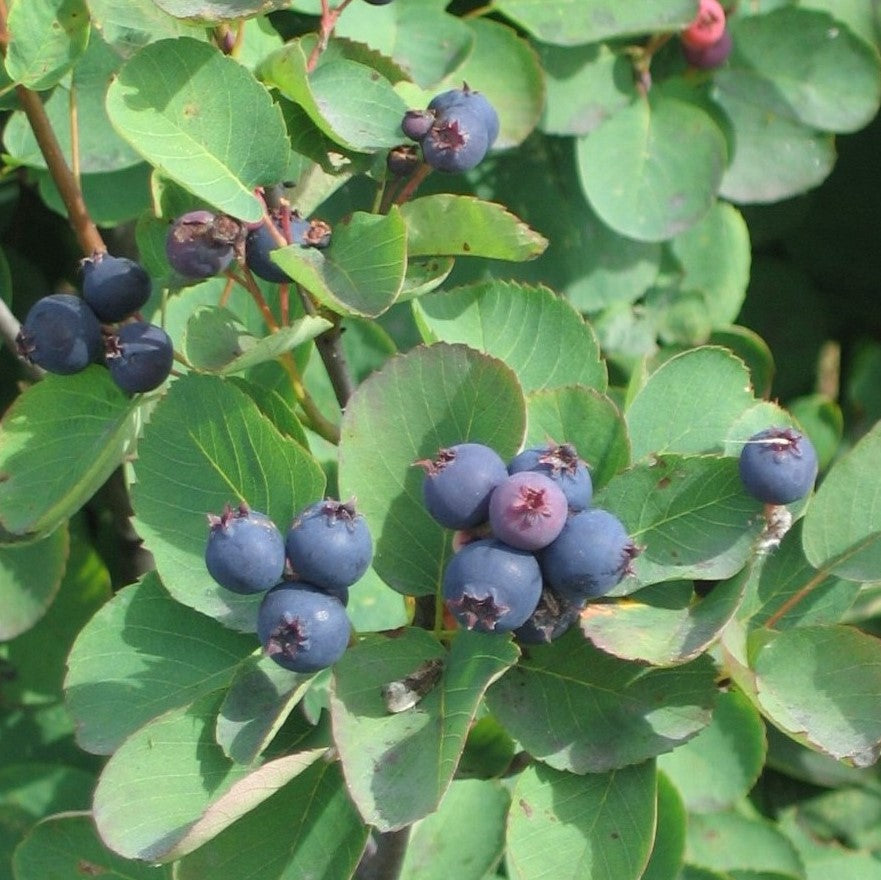
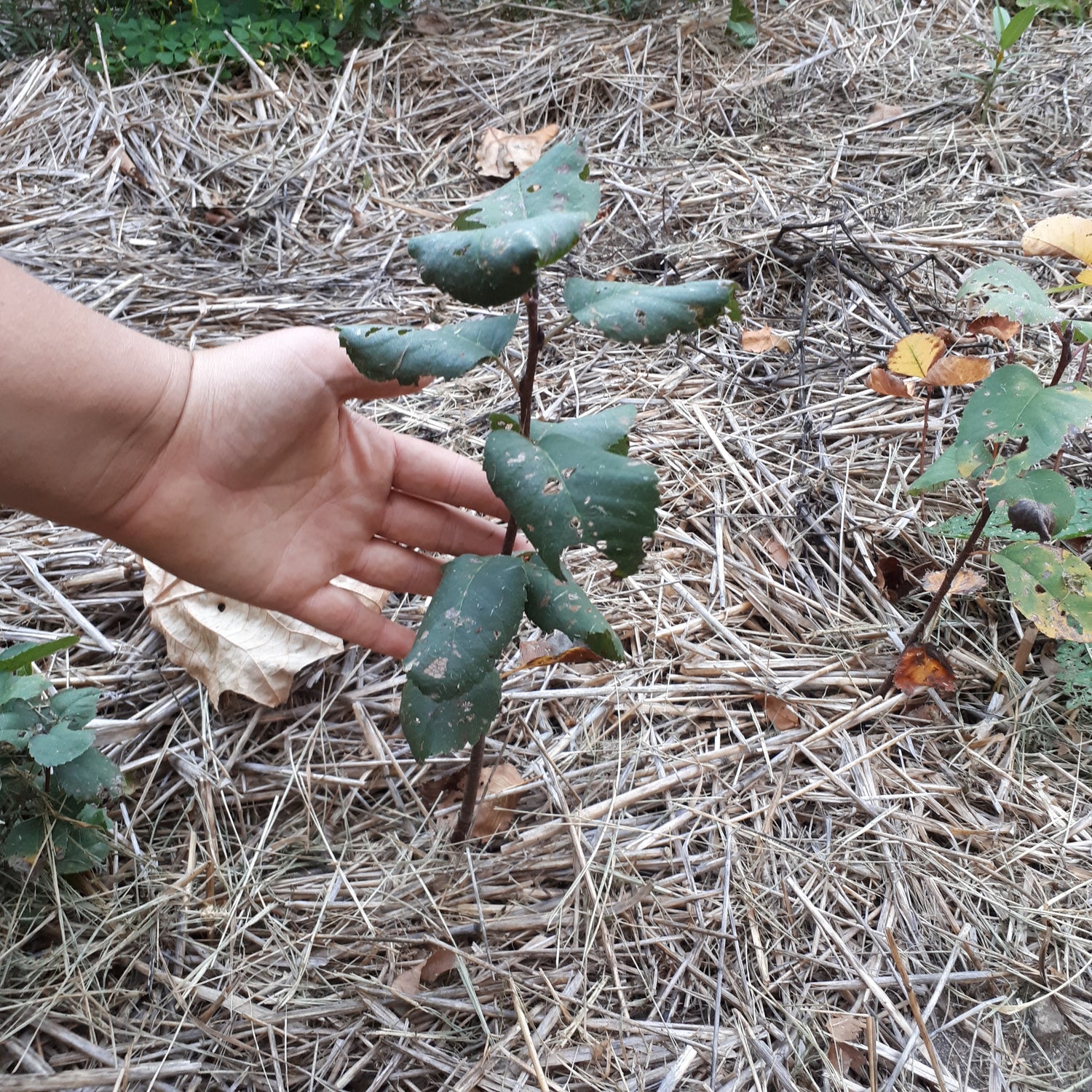
Species: Amelanchier alnifolia (aka Western Serviceberry)
History: Smokey (sometimes spelled Smoky) likely originated in Alberta. This productive variety was once the main cultivar grown in Canada commercially.
Why We Grow It: Smokey saskatoon berries are optimal for the fresh eating market with a mild sweet flavour. These berries are a great substitute for blueberries. Smokey is one of the best yielding varieties, and grows up to 12 feet tall. Saskatoons by nature are slow growing, and while they will bear fruit in 1-3 years, it can take up to 15 years for a full crop.
Photo by Cindy Malette from Burst
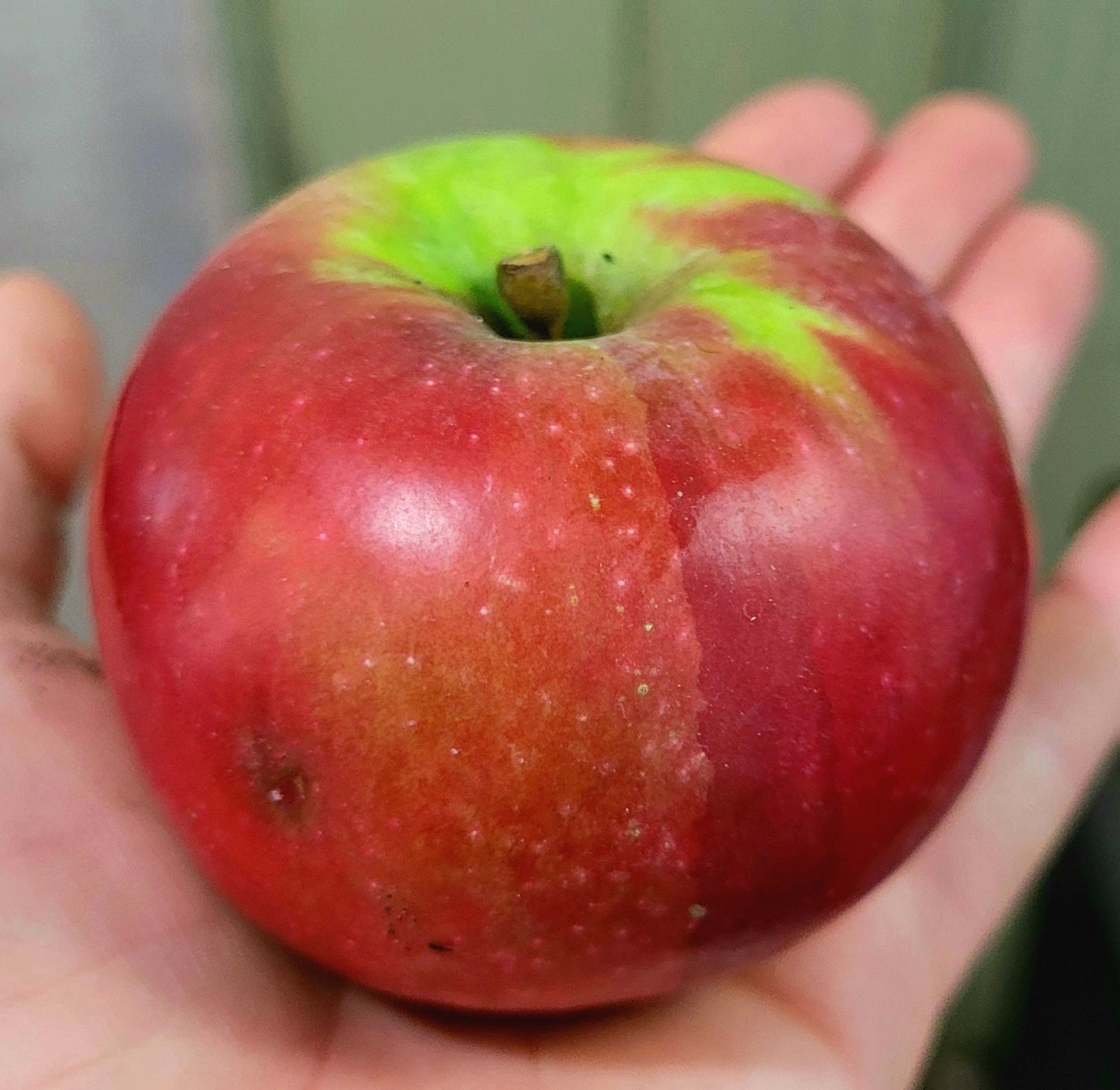
History: Snow, aka Fameuse, apples originated near Lake Champlain in Quebec some time before the 1730s. The exact origin is unclear but this variety is thought to have originated from a seedling or cutting brought from France. From about 1750-1850, this was one of the most commonly grown apples in Quebec until the orchards were almost wiped out in the latter half of the 19th century by disease and failed to regain their popularity. However, these lovely apples may still be with us in their own way as they are one of the potential parents of McIntosh.
Why We Grow It: It is easy to see why Snow apples were once so popular. These apples have a lovely deep red skin with pure white flesh with a sweet strawberry flavour. These trees are also quite cold hardy and produce heavy crops.
History: Snow, aka Fameuse, apples originated near Lake Champlain in Quebec some time before the 1730s. The exact origin is unclear but this variety is thought to have originated from a seedling or cutting brought from France. From about 1750-1850, this was one of the most commonly grown apples in Quebec until the orchards were almost wiped out in the latter half of the 19th century by disease and failed to regain their popularity. However, these lovely apples may still be with us in their own way as they are one of the potential parents of McIntosh.
Why We Grow It: It is easy to see why Snow apples were once so popular. These apples have a lovely deep red skin with pure white flesh with a sweet strawberry flavour. These trees are also quite cold hardy and produce heavy crops.
2026/2027 Staff Favourite
Snow is Mouse's favourite this year! In their eyes, “Snow is a standout Canadian heritage variety! This cold hardy apple is named for its snow-white flesh and it has a distinctively sweet flavour. For fans of Canadian and/or heritage apples, Snow apples are often a favourite!”
All Staff Favourites are 20% off. The Staff Favourite Discount cannot be combined with other quantity discounts.
History: Snow, aka Fameuse, apples originated near Lake Champlain in Quebec some time before the 1730s. The exact origin is unclear but this variety is thought to have originated from a seedling or cutting brought from France. From about 1750-1850, this was one of the most commonly grown apples in Quebec until the orchards were almost wiped out in the latter half of the 19th century by disease and failed to regain their popularity. However, these lovely apples may still be with us in their own way as they are one of the potential parents of McIntosh.
Why We Grow It: It is easy to see why Snow apples were once so popular. These apples have a lovely deep red skin with pure white flesh with a sweet strawberry flavour. These trees are also quite cold hardy and produce heavy crops.

History: So Sweet has a so obscure history. It is apparently an older variety that was discovered growing along the banks of the St Lawrence river. It is quite possible that a pear core was tossed from a passing boat and it either landed on the shore or washed up where a seed eventually grew into the lovely pear tree we have today.
Why We Grow It: So Sweet produces small, unusually round green pears that, as the name suggests, are just oh so sweet! The fruit is great for fresh eating and can be made into jams or preserves which is fortunate since it only keeps about a month. The tree itself is self-pollinating, extremely cold hardy, starts bearing fruit at a young age, and is very productive. Overall, a great pear to have around!

Phosphorous is one of the most important nutrients required by plants, aiding in root growth among other aspects of plant development! Soft rock phosphate, aka colloidal phosphate, comes from clay collected from basins of former hard phosphate mining operations. The clay nature of this product means it does not leach out of the soil due to water, allowing it to better stay in place and remain accessible to plants.
Application Rates:
- About 1 cup per tree dusted into backfill soil when planting. One bag has around 5 cups (2kg).
- Light Applications: Apply 3.2kg per 1,000 square feet, ¼ cup per plant, or 0.45kg per 20 foot row of vegetables.
- Normal Applications: Apply 5.5kg per 1,000 square feet, 1/3 cup per plant, or 1kg per 20 foot row.
- Please Note: If you are adding phosphorous to your soil via fertilizers such as bone meal or soft rock phosphate and also using the Root Rescue mycorrhizal inoculant, reduce the application rate of the phosphorous source by 1/4-1/2. Too much phosphorous will negatively impact the mycorrhizal fungi, potentially slowing or even preventing your plants from forming a relationship with these incredible fungi.

Working with Nature to Build Soil Health
Healthy soil means thriving plants. Yet untangling the soil food web and optimizing your soil health is beyond most gardeners, many of whom lack an in-depth knowledge of the soil ecosystem.
Soil Science for Gardeners is an accessible, science-based guide to understanding soil fertility and, in particular, the rhizosphere – the thin layer of liquid and soil surrounding plant roots, so vital to plant health.
Robert Pavlis, a gardener for over four decades, debunks common soil myths, explores the rhizosphere, and provides a personalized soil fertility improvement program in this three-part popular science guidebook. Coverage includes:
- Soil biology and chemistry and how plants and soil interact
- Common soil health problems, including analyzing soil's fertility and plant nutrients
- The creation of a personalized plan for improving your soil fertility, including setting priorities and goals in a cost-effective, realistic time frame.
- Creating the optimal conditions for nature to do the heavy lifting of building soil fertility
Written for the home gardener, market gardener, and micro-farmer, Soil Science for Gardeners is packed with information to help you grow thriving plants.
Publisher: New Society Publishers
Pub. Date: 2020-04-07
ISBN: 9780865719309
Format: Paperback - 224 pages
Size: 6" x 9" (w x h)

Internationally-respected peace and environment activist Satish Kumar has been gently setting the agenda for change for over 50 years. As 350.org founder Bill McKibben says, "There is no one on the planet better-equipped to make you think and rethink how you're living and how you might change."
The age of sustainability is grounded on the knowledge that we ourselves are very much part of nature; that what we do to nature we in fact do to ourselves; and that the earth has a soul, which we share. Drawing on the example of Rabindranath Tagore, Kumar advocates living with awareness that our personal choices have political and poetic resonance. In this book, he inspires readers with the knowledge we are all leaders and can create change in our structures and mindsets for lasting peace and a sustainable culture and society. Celebrating an emerging global consciousness that reveres nature, the book explores how, as a global society, we need to embrace diversity and be aware of our role as pilgrims on this earth. Joyful and heart-centered, Satish Kumar reminds us that to bring about change in the world, we must embody the change we wish to see.
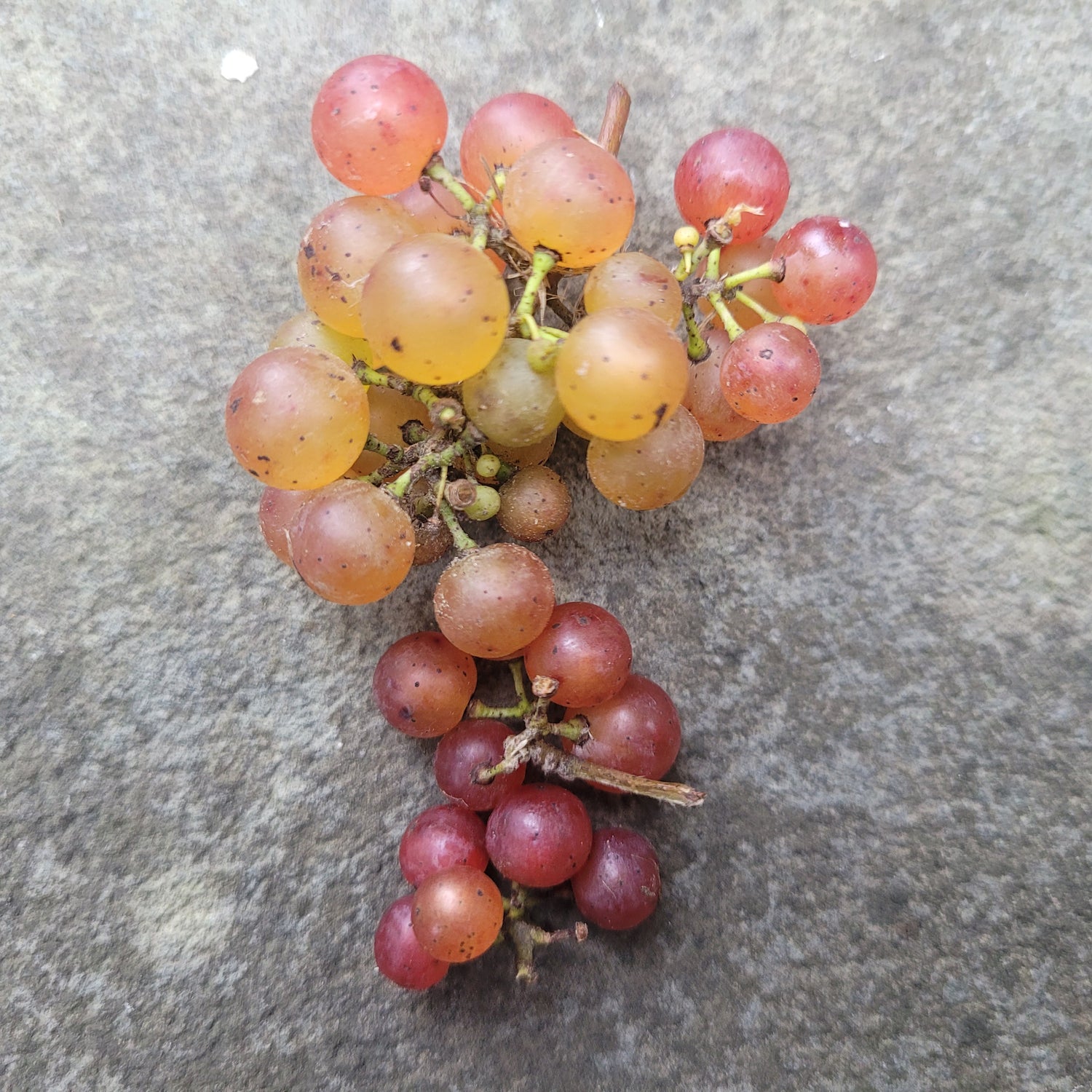
Species: Vitis labrusca x Vitis riparia x Vitis vinifera, and small amounts of other species of different Vitis from North America
History: Bred by Elmer Swenson in Wisconsin, Somerset is one of numerous varieties he created for growing in our cooler North American climates. This cultivar has become increasingly popular in recent years and has good potential for commercial growing. The variety was released in 2002.
Why We Grow It: One of the hardiest, highest quality seedless grape varieties out there, this is an excellent table grape: sweet, spicy, with strong notes of strawberry. The grapes have beautiful pink flushed skin and are most decadent if allowed to sit on a sunny window sill for a week or so after harvest. Although the fruit is on the smaller to medium end of the scale, the vines produce large, heavy clusters that more than compensate for the size of the individual grapes. The grapes have a firm texture with some crunch.

History: Somerset Redstreak originated in Somerset, England in the early 1900s. This cider apple is still widely planted in the UK.
Why We Grow It: These attractive apples, yellow with red blush and striping, create a nice bittersweet juice with no sharpness.
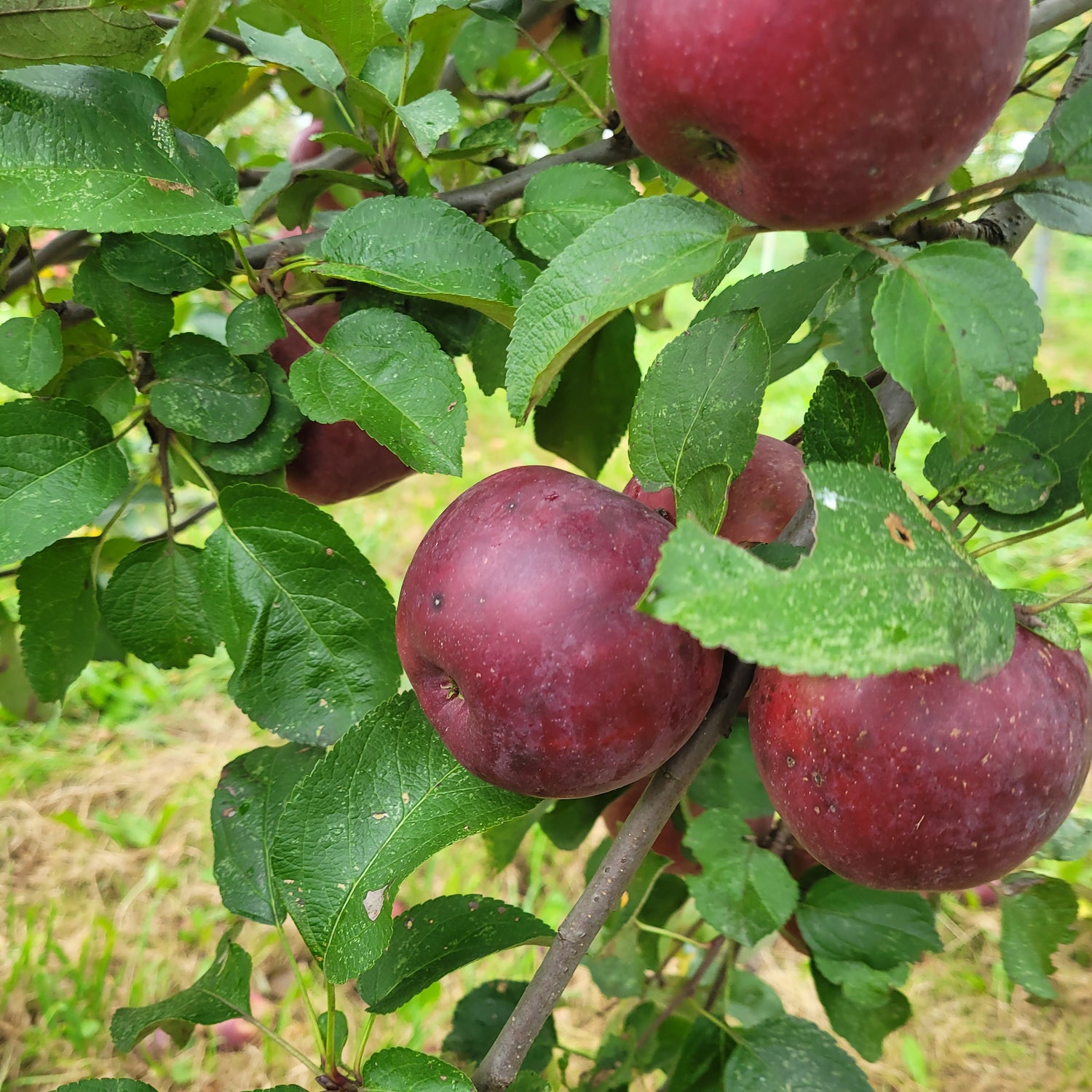
History: Spartan apples are a Canadian variety that was developed at the Pacific Agri-Food Research Centre in Summerland, BC in 1936 by Dr. R.C. Palmer. Of particular interest is the fact that Spartan apples are the first apple variety created by a formal scientific breeding program. They have been popular in North America ever since and are even commonly found in gardens in the UK.
Why We Grow It: This variety is known for its sweet/acid flavour and pleasant crunch, especially when eaten fresh off the tree. They tend to soften rather quickly after they are picked but luckily the fruit hangs on the tree 2-3 weeks after its ripe which helps to extend the optimal time to enjoy this variety. Spartan apples are also known for being relatively easy to grow, having decent disease resistance, heavy crops, and an ability to keep all winter.
History: Spartan apples are a Canadian variety that was developed at the Pacific Agri-Food Research Centre in Summerland, BC in 1936 by Dr. R.C. Palmer. Of particular interest is the fact that Spartan apples are the first apple variety created by a formal scientific breeding program. They have been popular in North America ever since and are even commonly found in gardens in the UK.
Why We Grow It: This variety is known for its sweet/acid flavour and pleasant crunch, especially when eaten fresh off the tree. They tend to soften rather quickly after they are picked but luckily the fruit hangs on the tree 2-3 weeks after its ripe which helps to extend the optimal time to enjoy this variety. Spartan apples are also known for being relatively easy to grow, having decent disease resistance, heavy crops, and an ability to keep all winter.
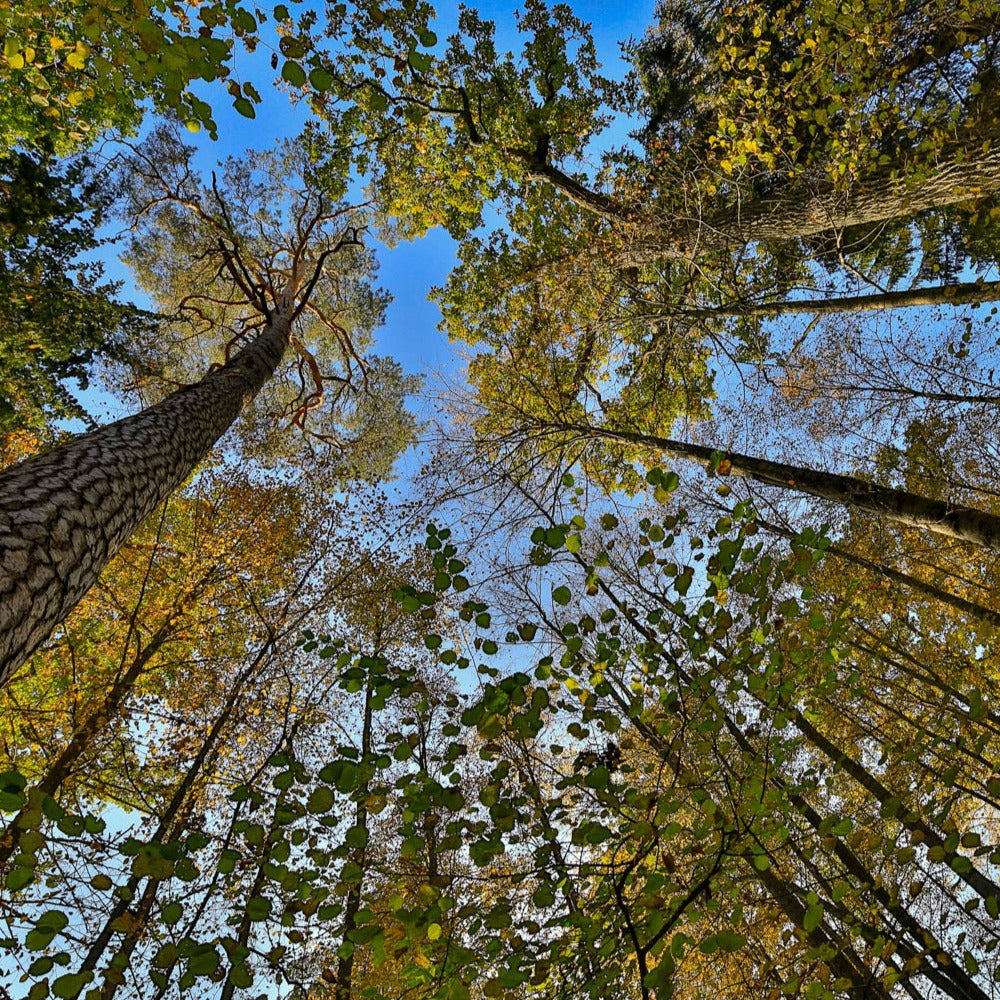
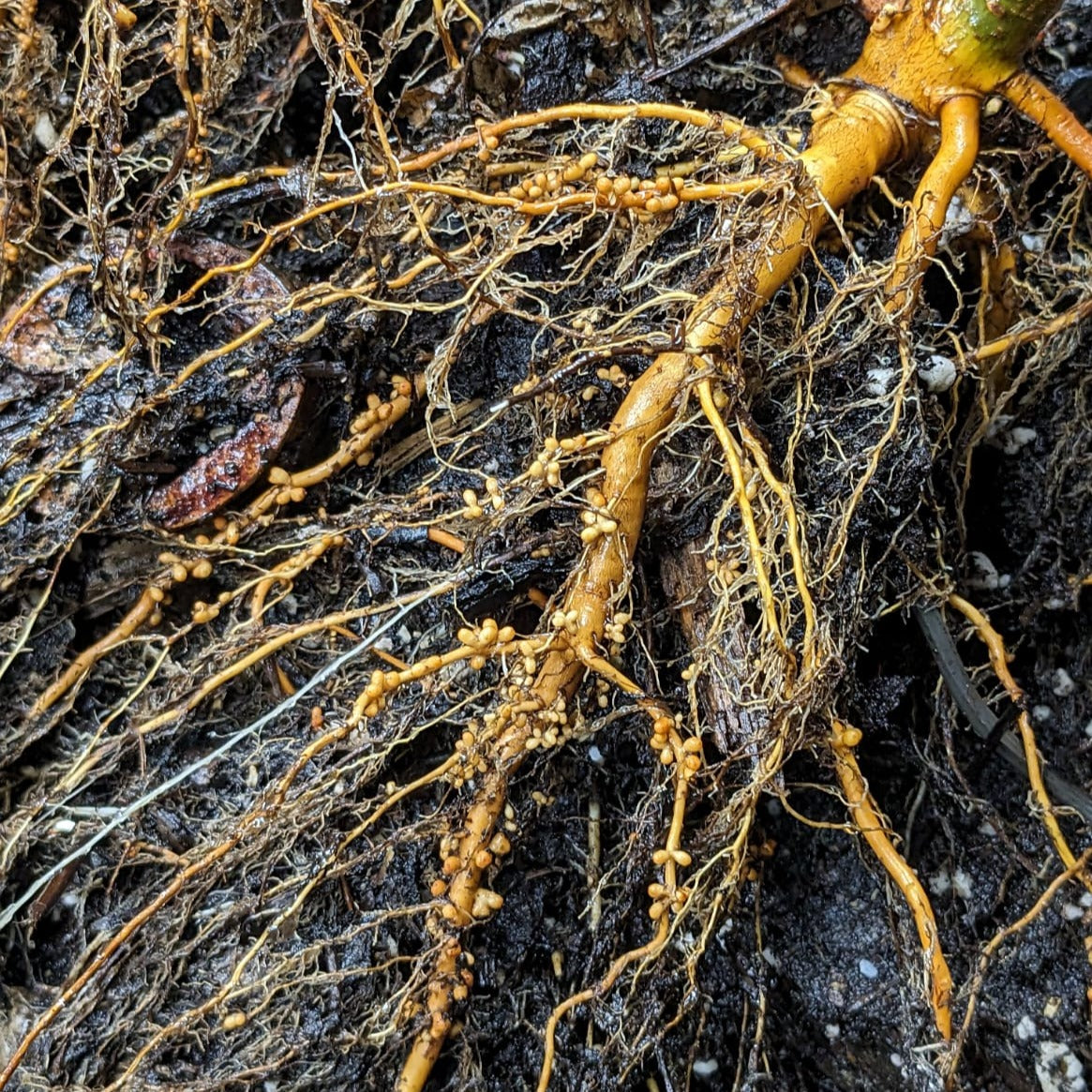
Species: Alnus incana (likely subsp. rugosa)
History: Native to large portions of the Northern Hemisphere including parts of North America, Europe, and Asia, this widespread tree is often divided into six subspecies. We likely offer Alnus incana subsp. rugosa but with seedlings it is hard to say for sure. Indigenous people have used these trees for medicine and dyes, and they can also be used for erosion control. This subspecies in general is unique for its cold hardiness and ability to fix nitrogen, making it a useful companion plant in permaculture settings.
Why We Grow It: Named for the white lenticels that dot the reddish-gray bark, Speckled Alders can make a useful addition to a permaculture with their ability to fix nitrogen. However, keep an eye on this tree as it tends to spread via suckering (sending up new shoots) and layering (branches rooting into the ground) and can form dense thickets.

Species: Lindera benzoin
History: Spicebush is native to eastern North America, although in Canada it can only be found in Ontario. It has been used medicinally by several indigenous peoples and early land surveyors used it to find good agricultural land due to its propensity to grow in good soil. It remains a popular ornamental plant along with its uses for spices and teas. Spicebush is also the only host plant for the spicebush swallowtail.
Why We Grow It: If you want to source your own spices locally, try this aromatic, native shrub! The leaves and berries can be used as substitutes for cinnamon, nutmeg, and allspice. It is attractive to butterflies and the early bloom time means it is a good source of pollen in the spring. The shrub is also quite pretty in autumn when its leaves turn a bright yellow.

History: Spigold (aka Spy Gold) was developed at the New York Agricultural Experiment Station in Geneva, New York and released in 1962. It is a cross between Red Spy and Golden Delicious that has remained somewhat popular in North America.
Why We Grow It: Spigold marries the best qualities of Golden Delicious and Red Spy. It produces very large apples that are crisp and juicy with a honeyed sweet/tart flavour. These large apples are excellent for fresh eating, making applesauce, baking into pies, and making into cider. They also store quite well and some say the flavour actually improves in storage.
History: Spigold (aka Spy Gold) was developed at the New York Agricultural Experiment Station in Geneva, New York and released in 1962. It is a cross between Red Spy and Golden Delicious that has remained somewhat popular in North America.
Why We Grow It: Spigold marries the best qualities of Golden Delicious and Red Spy. It produces very large apples that are crisp and juicy with a honeyed sweet/tart flavour. These large apples are excellent for fresh eating, making applesauce, baking into pies, and making into cider. They also store quite well and some say the flavour actually improves in storage.


Use these spiral guards to keep mice, rabbits, and other critters from girdling your tree. 24 inches high.
We are pleased to offer two options for spiral guards:
- White plastic guards - The white colour helps to avoid damage from the sun and trapping excessive heat around the base of your tree.
- Green biodegradable guards - The biodegradable guards are made of starch based plastic and rated for 2 years, which is nearly as long as the plastic spirals last.
Both types of guards will get brittle after a few years and begin cracking/disintegrating. With the green biodegradable guards, there is no plastic waste to reclaim from your orchard once they begin breaking down.