Silver Creek Nursery Blog

Lemony Eastern Redbud Blossom Cornbread Cake

Silver Creek Nursery Blog

Lemony Eastern Redbud Blossom Cornbread Cake

by Jodi Roth on Apr 24 2026
What a fun way to celebrate spring blooms with a gorgeous, flowery, cake-y lemon-y loaf! I tried this recipe last spring and saved my photos and recipe so that I could share it with you this season since it was tasty and something I'll definitely make again! 

Silver Creek Nursery Blog

Aronia & Black Bean Chili

by Jodi Roth on Apr 11 2026
Did you know you can use Aronia berries in savoury dishes such as chilis and stews?! Aronia berry bushes grow quickly and offer bountiful crops once established. They're easy to grow (easier than blueberries in my opinion) and are lovely for use preserves and cooked dishes, although I don't typicially recommend them for fresh eating. Learn more about the plants themselves here, and on we go to the recipe: I've made modified versions of this recipe several times now, including a "clean out the fridge/freezer" crock pot version (see notes section below).  The Aronia berries blend well with the rest of the flavours, adding their healthy vitamin and antioxidant qualities as well as some berry notes. They lose their mouth-drying effect, and it can be a fun guessing game for guests to try to figure out what your unique ingredient is!! Here's the original recipe (serves 8): 2 c chicken or other broth 1 c Aronia berries (fresh or frozen) Heat 1 cup of broth and pour over the Aronia berries in a small saucepan, set this and remaining broth aside.  1 TBSP olive oil 1 c onion, chopped 1 TBSP garlic, fresh chopped 2 tsp jalapeño, finely chopped In a large saucepan, sauté onion in oil for about 5 minutes, then add garlic and jalapeño and cook another minute.  2 c cooked turkey (ground or chopped up) 1 red or green pepper, chopped  4 tsp chili powder 1.5 tsp cumin 1 tsp dried mustard 1 tsp coriander 0.5 tsp dried oregano 4 c tomatoes, chopped 1 can (16oz) black beans 1/4 c cilantro, fresh chopped salt to taste Add the turkey, seasonings tomatoes and remaining broth to the large saucepan. Bring to a boil and reduce heat to simmer for about 5 minutes before adding the black beans, Aronia mixture and cilantro. Heat thoroughly. If desired, you can reserve some cilantro for garnishing, along with tortillas, sour cream and shredded cheddar cheese. In our household, corn chips are also a family favourite to serve alongside chili. Additional Notes: I've created a vegetarian version of this in a crock pot as described below. I was doing a freezer clean-out and using a large crock pot. I just put everything into it and turned it on high for 2 hours, stirred it, and then left it for around 8 hours on low. Keep in mind I pretty much doubled the volume of the above recipe for this crock pot version, but I wasn't initially planning on a blog post; I didn't totally track quantities of everything so it's all approximations. I just wanted to provide an example of how versatile a chili recipe is for substitutions and modifications to suit your needs and what you have on hand!  Instead of broth, I used some frozen homemade pumpkin soup (~2.5c) and watered it down with about 2 c water.  I added around 2.5 cups of frozen Aronia berries, doubled the garlic and used around 1 TBSP chopped jalapeño. I swapped out the turkey for quinoa (~1.5c, uncooked) and grated zucchini (~1c) and also chucked in around 1.5c frozen shredded kale. I skipped the coriander and cilantro because I don't like them, but I added all the other spices in larger quantities for the larger recipe, along with tomatoes and beans in larger quantities. I also found some frozen roasted chestnuts and chopped them up into it (they added a nutty sweetness), as well as 2-3 TBSP grated frozen ginger.   Overall, the crock pot version turned out much better than I expected and I was actually sad that I hadn't kept track of any of the exact quantities to help me recreate it. Fortunately when it comes to chili, the spices pull it all together and in a big batch you can easily hide bland ingredients such as the zucchini and kale if you need to use up old food. If you have other frozen fruit that needs using, don't hesitate to try out substituting other berries or even small amounts of chopped frozen peaches, American persimmons or other fruit harvests if you want! 
Why You Should Plant Your Bareroot Trees in the Snow

Silver Creek Nursery Blog

Why You Should Plant Your Bareroot Trees in the Snow

by Jodi Roth on Feb 13 2026
1
We tend to think of gardening and growing as spring & summer season activities. This is especially true of newer growers and folks who are unfamiliar with purchasing bareroot plants.  Before I began working here at Silver Creek Nursery, I couldn’t imagine snowy planting - to me, that would be way too early! 
Harvesting & Storing Scionwood

Silver Creek Nursery Blog

Harvesting & Storing Scionwood

by Jodi Roth on Jan 30 2026
Before we get too far through winter, here is a blog post to cover how scionwood is cut and stored! We also have info about this on various help resources on our website, so perhaps you've already found it there. Just in case, here it is in blog form.
Planning Your Most Important Spring Orchard Task

Silver Creek Nursery Blog

Planning Your Most Important Spring Orchard Task

by Zack Muma on Jan 13 2026
1
It’s also one of the most common mistakes new fruit tree growers make!  Many of our customers question why we tell them to prune away approximately 1/3 of their young 1 or 2 year old tree as part of the planting process after their purchase, so we thought we’d begin our pruning blog series with an outline of why  you should care so much about pruning, and what you should begin planning for.
How to Spring Prune Your Fruit Trees

Silver Creek Nursery Blog

How to Spring Prune Your Fruit Trees

by Steph Muma on Jan 13 2026
4
If you read our first pruning blog post in this series, you’ll already know how important spring pruning is for your fruit trees of any age, but in particular for your fruit trees’ first 3-5 years of life! Today we’re going to go into lots of detail about how to do dormant spring pruning, tree anatomy, and the terms you’ll hear orchardists saying, so buckle up!
Pruning Berry Bushes & Vines

Silver Creek Nursery Blog

Pruning Berry Bushes & Vines

by Steph Muma on Jan 13 2026
There are key things it is worth knowing for certain berries & vines, and that’s what we’ll cover below. We will look at any relevant details for all seasons of pruning (dormant spring pruning and/or summer or fall pruning) for each berry/vine type. Remember that everyone prunes a bit differently, including professionals, so you can do (or experiment with) what works best for you!
Pruning an Old, Neglected Apple Tree

Silver Creek Nursery Blog

Pruning an Old, Neglected Apple Tree

by Steph Muma on Jan 13 2026
If you’re ready to rejuvenate your old fruit trees, or you’ve inherited a space that has an old tree (or forgot to prune your trees for the past decade - it happens!), you just need to spend some time learning about pruning and you're in the right place!
Summer Pruning

Silver Creek Nursery Blog

Summer Pruning

by Steph Muma on Jan 13 2026
There are lots of factors that can impact a tree’s growth and fruit-bearing capacity, (such as soil nutrients, watering, etc.), however, we are specifically looking at summer pruning for control of a tree’s size, shape and fruitfulness. The following factors will help determine how much and when we do summer pruning:
Mycorrhizal Fungi (A mindful alternative to Black Friday chaos)

Silver Creek Nursery Blog

Mycorrhizal Fungi (A mindful alternative to Black Friday chaos)

by Zack Muma on Nov 25 2025
Let's Celebrate GREEN FRIDAY:  Why Mycorrhizal Fungi Are the Best Investment You Can Make in Your Soil  While Black Friday is all about doorbusters and discounts, Green Friday invites us to slow down, think sustainably, and choose investments that actually give something back to the planet. And what gives back more generously than mycorrhizal fungi—the tiny soil allies that quietly supercharge plant health, soil integrity, and long-term garden resilience!? **(Mycorrhizal refers to the symbiotic relationship between a fungus and a plant's roots, where both organisms benefit.) Let’s dig deeper, folks. Instead of buying gadgets destined for the landfill, consider supporting what really sustains us: healthy soil. Yes, we are doing our nerdy soil dance, over here… Here's why adding mycorrhizal fungi to your garden or landscape is the smartest “Green Friday” investment you can make. Mycorrhizal Fungi Multiply Your Garden’s Nutrient Efficiency Plants and mycorrhizal fungi form one of nature’s most powerful partnerships. These fungi expand the plant’s root system by up to **100–1000 times**, creating an underground network that pulls in: Phosphorus Nitrogen Water Micronutrients like zinc + copper With a stronger nutrient pipeline, plants grow more vigorously—naturally. Did you know that over-applying phosphorus fertilizer can inhibit mycorrhizal fungi? When phosphorous fertilizer is over applied, plants don’t want to spend energy feeding mycorrhizal when they have more than enough right there.  Plants can release antifungal compounds when phosphorus is too high in the soil as well. They Dramatically Boost Water Retention Drought stress is becoming more common, and plants need all the help they can get. Mycorrhizae improve soil structure and increase a plant’s ability to hold and absorb water. That means: Better drought tolerance Fewer watering needs More resilient gardens/trees A Green Friday win for your plants & our water bill!! Healthier Plants = Better Blooms, Bigger Harvests Whether you're growing vegetables, fruiting shrubs, perennials, or trees, adding mycorrhizal fungi promotes: Higher yields Faster establishment Stronger flowering Richer flavor development It's like giving your garden a natural upgrade—without synthetic fertilizers or harsh inputs. Natural Pest & Stress Resistance The presence of mycorrhizal fungi help plants: Resist soil pathogens Withstand transplant shock Better handle temperature extremes Build long-term immunity This underground support system offers continuous protection—all season long. The Ultimate Green Friday Choice: Soil Regeneration Every time you use mycorrhizal inoculants, you’re participating in living regeneration as these fungi are involved in: Build humus Increase carbon storage Improve soil texture Encourage beneficial microbes Mycorrhizal Fungi provides phosphorus by up to 10 000x more than plant roots! They help plants access water and other nutrients like nitrogen, zinc, manganese and copper. Instead of consuming more, you’re restoring more. We are offering our readers to take advantage of our Green Friday promotion, this is the perfect weekend to stock up on: * Mycorrhizal inoculants - 40% OFF Root Rescue  * Soil enhancers  (TM-7 Humic Acid) * Microbial blends  (TerraBiosa) * You can also take a look at regenerative how-to books: https://www.thepermaculturestudent.com/shop/regenerative-soil-science-amp-solutions-manual-pre-order Or this one by Michael Phillips - available from us! These are purchases that pay you back in healthier soil for years.       When you are ready to plant, you can follow our QUICK START GUIDE: 1.        Do a root dip at the time of planting: The 22.5g of Root Rescue is good for about 10 trees and the 45g is good for 20-25. We recommend taking about a tablespoon, adding it to a 5gal pail, adding a small amount of soil (preferably clay, so the spores stick to the roots better), and then filling it with water to create a slurry. Then dip the trees in the mix before planting them to inoculate the roots.  Once the trees are all planted, fill the bucket with water again and use it as a soil drench to make the most of the mixture. 2.        Use a holistic spray with effective microbes and liquid fish on the soil after planting to help support fungi and beneficial bacteria 3.        Add mulch and organic matter to feed fungi over time   Fungi like higher CARBON:NITROGEN ratio material; doing the above will lead to better soil structure, increased organic matter and better water retention.   Happy roots = happy shoots!      
Autumn Orchard Care

Silver Creek Nursery Blog

Autumn Orchard Care

by Jodi Roth on Oct 23 2025
Aside from harvesting the fruits of your spring and summer tree care labours, what should you do for your fruit trees in the fall? Autumn is a great time to mow, mulch, and add critter protection...
Basil, Peach & Tomato Jam

Silver Creek Nursery Blog

Basil, Peach & Tomato Jam

by Jodi Roth on Oct 01 2025
...Steph pronounced when she tasted it, this recipe is like summer in a jar! Sweet, savoury, and a hint of spice makes this recipe pair well with cheeses ...smear it over goat cheese on fresh sourdough like I did, or add to a snack, cheese or charcuterie board!
Let's Talk ACV Extractions!

Silver Creek Nursery Blog

Let's Talk ACV Extractions!

by Jodi Roth on Sep 13 2025
Not only can you use vinegar to create garden amendments, which is what we'll discuss in this blog post, you can brew your own cider vinegar from your apple trees, using up otherwise wasted apples and returning them to the Earth as a healthful part of your orchard management!
Sea Buckthorn Juice Gummies

Silver Creek Nursery Blog

Sea Buckthorn Juice Gummies

by Jodi Roth on Sep 11 2025
Sea Buckthorn berries are high in vitamin C and taste delicious in this quick and simple gummy recipe! 
Elderflower Oxymel

Silver Creek Nursery Blog

Elderflower Oxymel

by Steph Muma on Jun 21 2025
Making an elderflower oxymel is a great way to preserve the flavours and healthful qualities of elderflower blossoms for use out of season.
Elderflower Fritters and Tempura

Silver Creek Nursery Blog

Elderflower Fritters and Tempura

by Steph Muma on Jun 18 2025
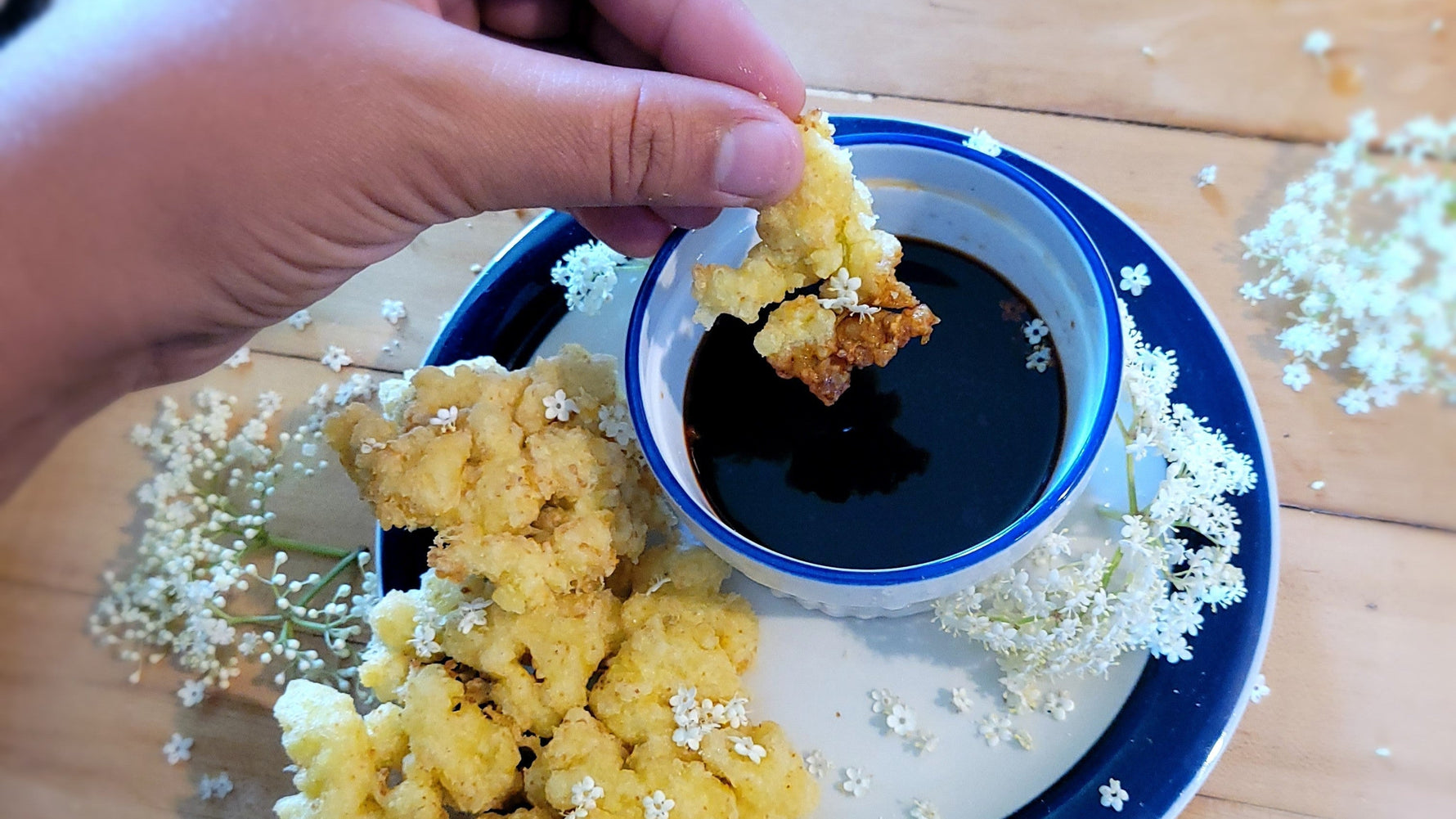
Have you ever tried using elderflowers in-season for a special weekend breakfast of elderflower fritters?  Or would you like to try making your own elderflower tempura to pair with sushi or a salmon budda bowl?  Elderflowers are about to be blooming and this is your chance to plan ahead and try out both!! 
Salt-Brine Sunchoke Ferment

Silver Creek Nursery Blog

Salt-Brine Sunchoke Ferment

by Steph Muma on Apr 29 2025
This blog post will be a quick one; I just want to get a little something foodie posted since we've been so busy with spring goings-on (plant orders, dormant grafting, planting, etc.) that we haven't posted any recipes over the past two months! 
Aronia Berry Vinaigrette

Silver Creek Nursery Blog

Aronia Berry Vinaigrette

by Steph Muma on Feb 14 2025
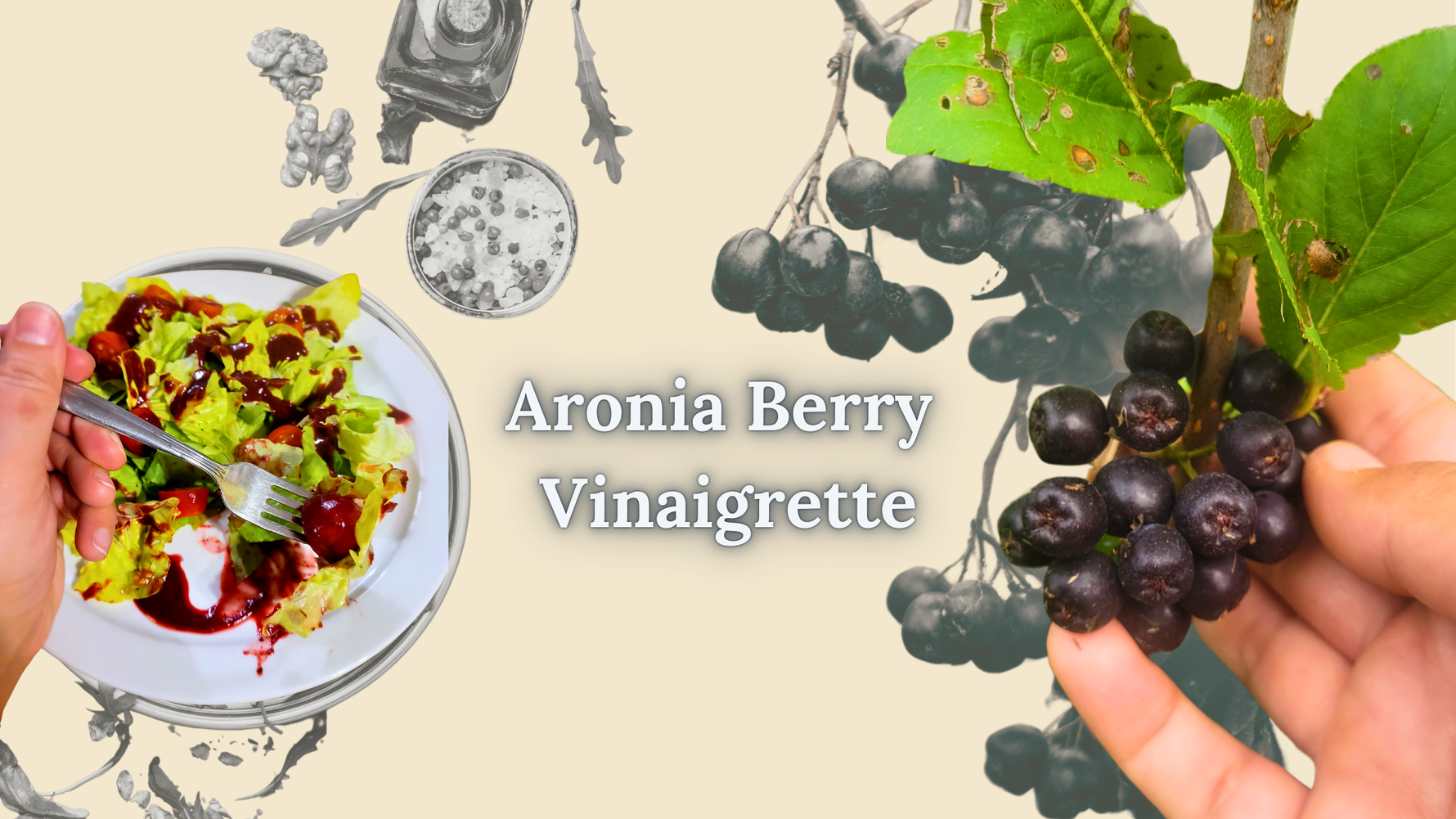
It’s so easy to bake desserts with fruit, but they can also make wonderful additions to your main meals! To that end, here is a quick aronia berry vinaigrette recipe that can very easily be modified to suit what you’ve got on hand in your kitchen and pantry.
Warming Winter Spiced Quince Jam

Silver Creek Nursery Blog

Warming Winter Spiced Quince Jam

by Zack Muma on Jan 30 2025
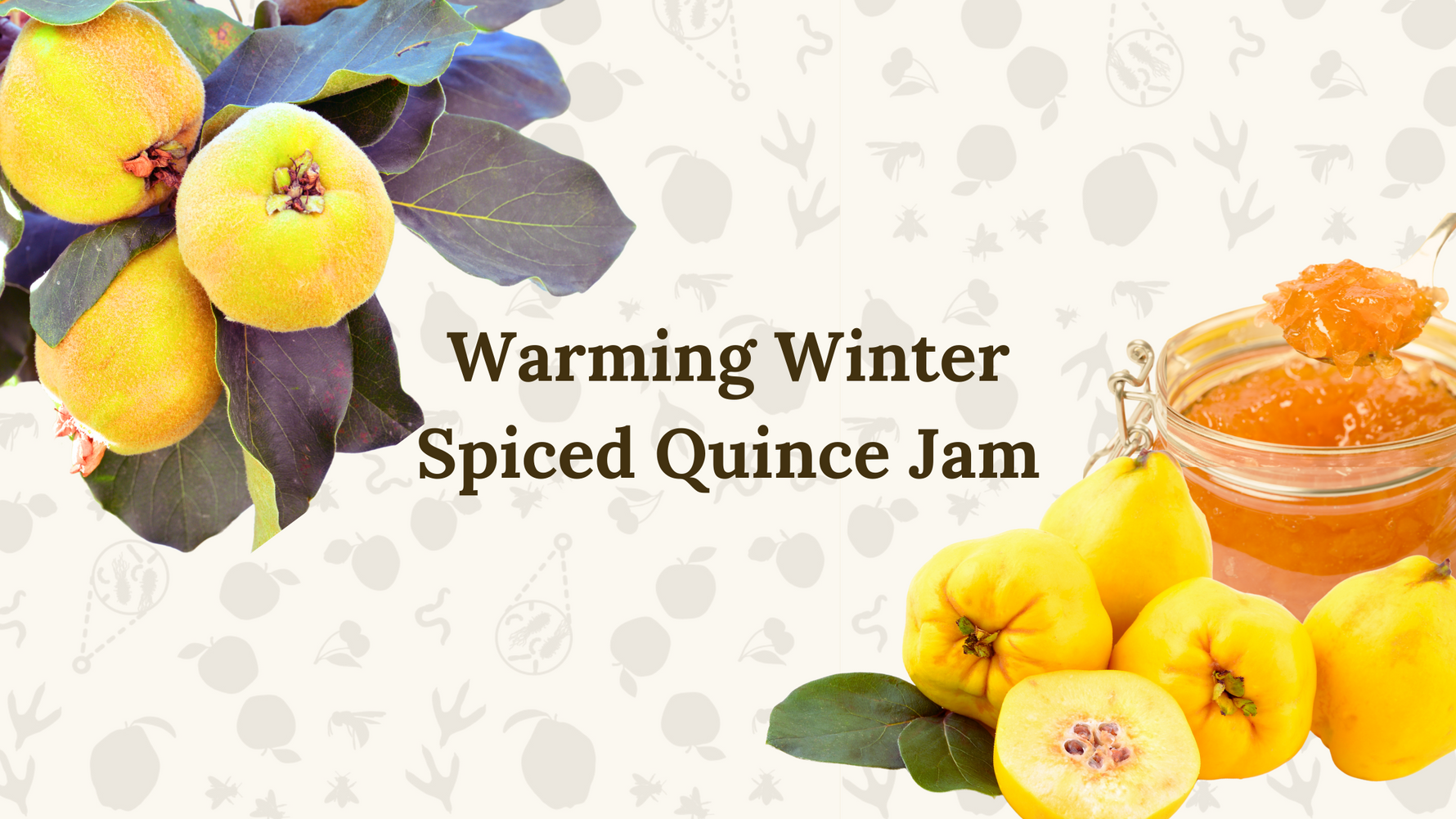
The optional quantities above do reflect the final amounts that I put into my 2kg of puree, to give you a good idea where you could start. My recipe turned out quite lovely with the spices being present and noticeable, but not at all overpowering. 
winter wassail making collage

Silver Creek Nursery Blog

Winter Wassail

by Zack Muma on Jan 09 2025
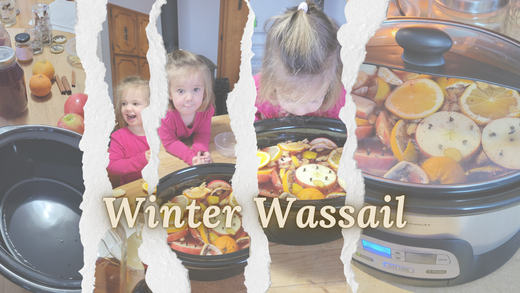
Originally, Wassail was tied to the tradition of wassailing, an old Yuletide tradition of drinking and salutation along with door-to-door charity-giving or used to ensure a good harvest the following year. Wassails are typically made with hot mulled ciders, ales, wines and spices, adding apples, oranges or other fruit as well.