Scionwood

Scionwood
For those looking to graft heritage and unique trees, we are happy to provide scionwood directly from our orchards! Every year we get tons of requests for rootstock and scionwood. While our main business is in the finished product (grafted fruit trees), we also like to support those wishing to learn the grafting process for themselves. We can attest that it is a very enjoyable (and rather addictive) pastime!
ORDERING SCIONWOOD: Scionwood orders generally open in December and must be placed by the end of February. We require a minimum 25% deposit upfront.
If you are interested in scionwood but the sale season has ended, we are happy to add you to our request list for the following spring! Just send us a list of the varieties and quantities you are interested in and we will add you to our list.
SHIPPING/PICKING UP SCIONWOOD: We generally recommend that customers receive their scionwood orders by mid-April at the latest to ensure it arrives dormant, but can hold it longer if customers accept the risk that the scionwood may start breaking dormancy.
Due to the nature of nature, sometimes scions begin budding out early and we want to ensure you receive dormant scionwood that you will have time to graft with. If you need to hold your scionwood dormant until May, you will need to decide how you will do that. It is relatively simple, and you can learn more about storing scionwood at home here. If you are picking up your scion order, we recommend doing so ASAP after you receive your pickup notification via email.
For those new to the grafting process, we also offer the following resources:
- Our annual in-person Apple Grafting Workshop!
-
Fruit Tree Grafting for Everyone, a handy grafting guide co-authored by Steph who owns Silver Creek Nursery!


Sort by:
184 products
184 products


History: Summer Rambo was first described in 1535 in France where it is known as Rambour d'Ete, named for its early ripening and the village of Rambures. It arrived in colonial America where it was called Summer Rambour which became Summer Rambo sometime before the 1850s. Its short shelf life means it never reached commercial success but it is a popular early apple at u-pick orchards and farmers' markets.
Why We Grow It: Summer Rambo produces oblong apples that are green with a red blush that ripen relatively early in the summer. This crisp, aromatic apple has a wine-like flavour that is good for fresh eating, cider, and sauce. Although it does not store well, it is a delightful summer treat!
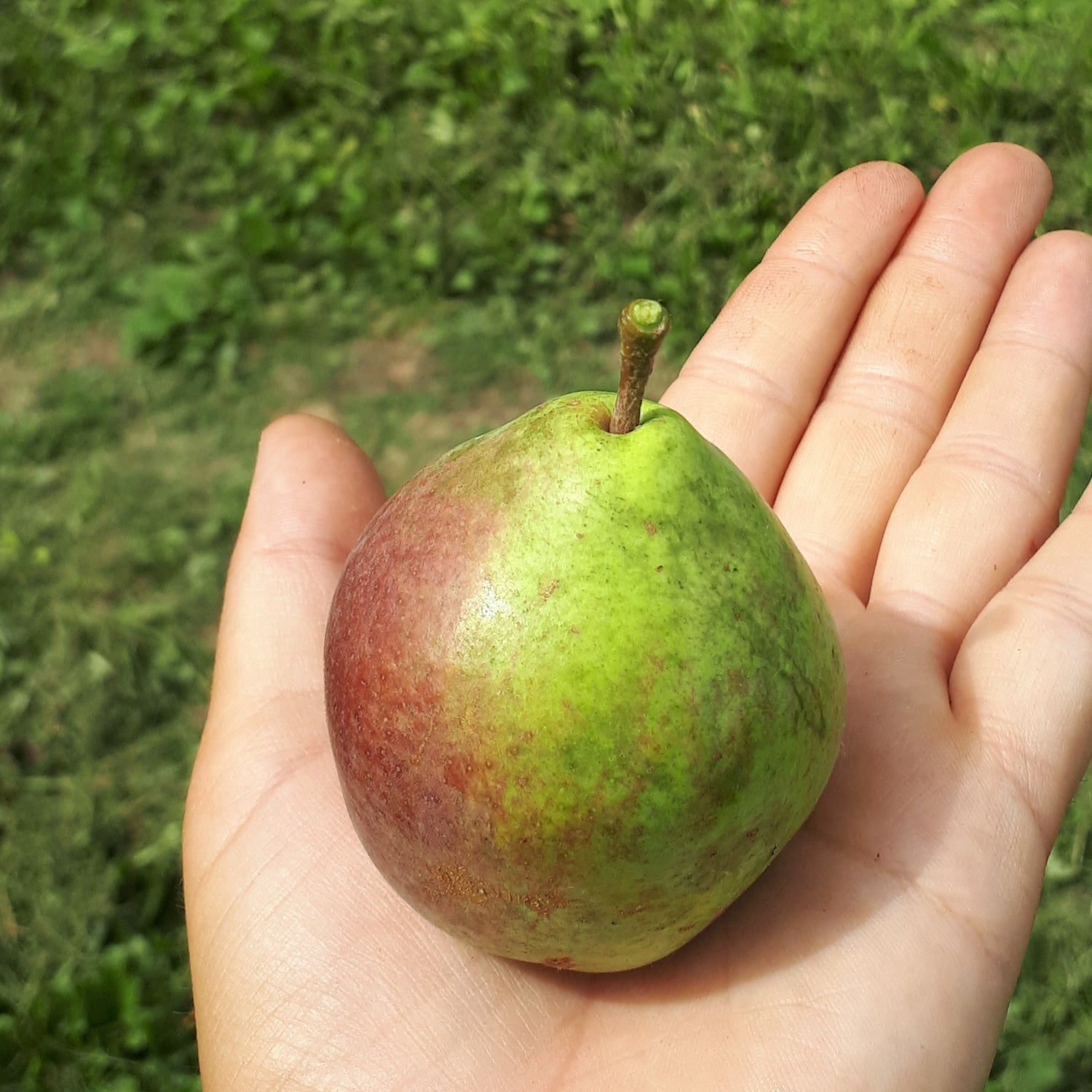
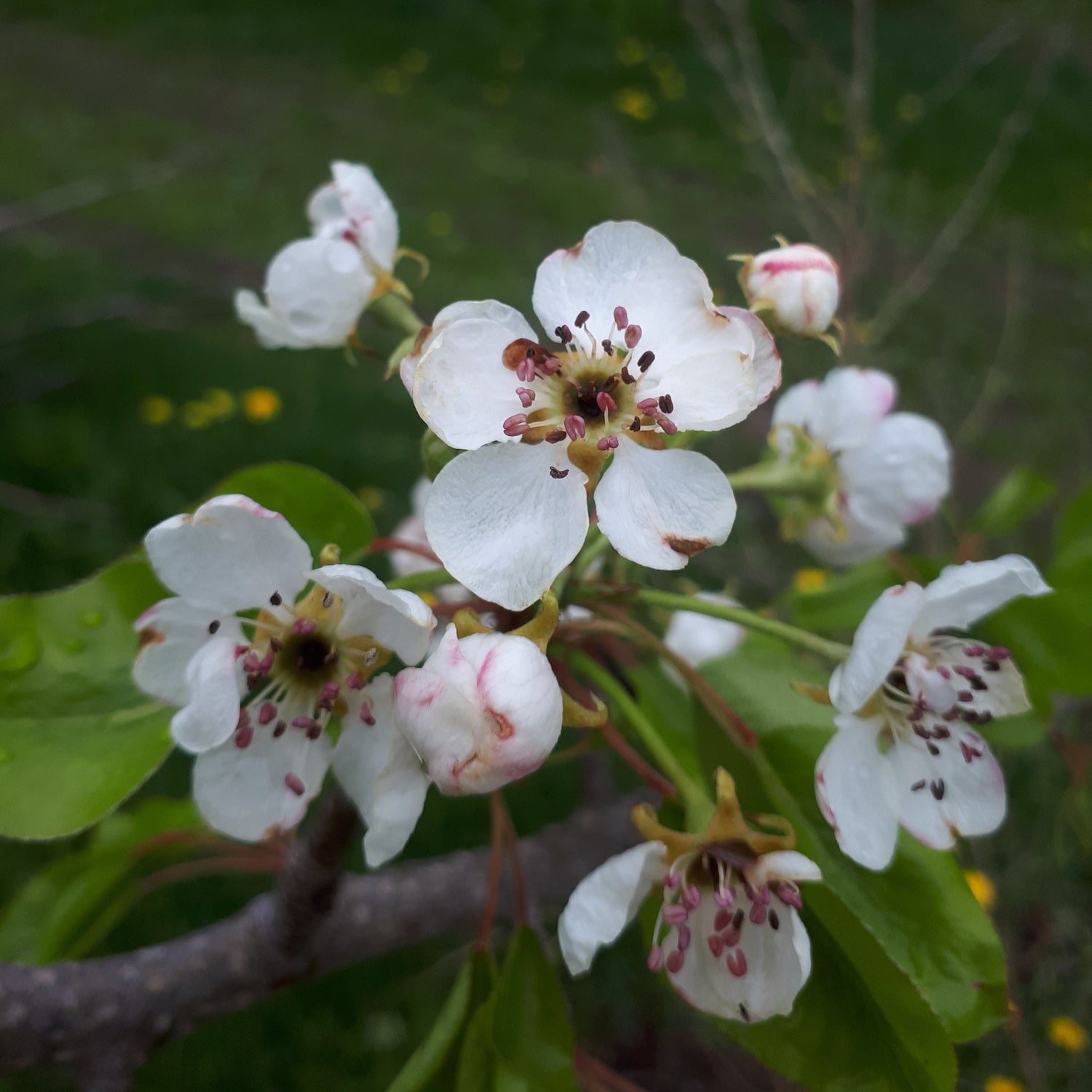
History: Summercrisp pears were developed by the University of Minnesota in an effort to create a cold hardy pear. They were successful in creating a hardy and delicious pear, releasing the variety in 1985. Its name is derived from the fact it ripens in summer (very early for a pear!) and that it is great right off the tree when still crisp.
Why We Grow It: Summercrisp performs amazingly in our test orchard, producing lots of freckled beauties that ripen uniformly and hang well on the tree. This early cold-hardy pear has a really sweet, pleasant flavour and is not gritty or dry. The fruit are average-sized with yellow skin and red blush. For optimal eating they should be picked before fully ripe and stored in the fridge until eating. This variety deserves to be more widely planted.
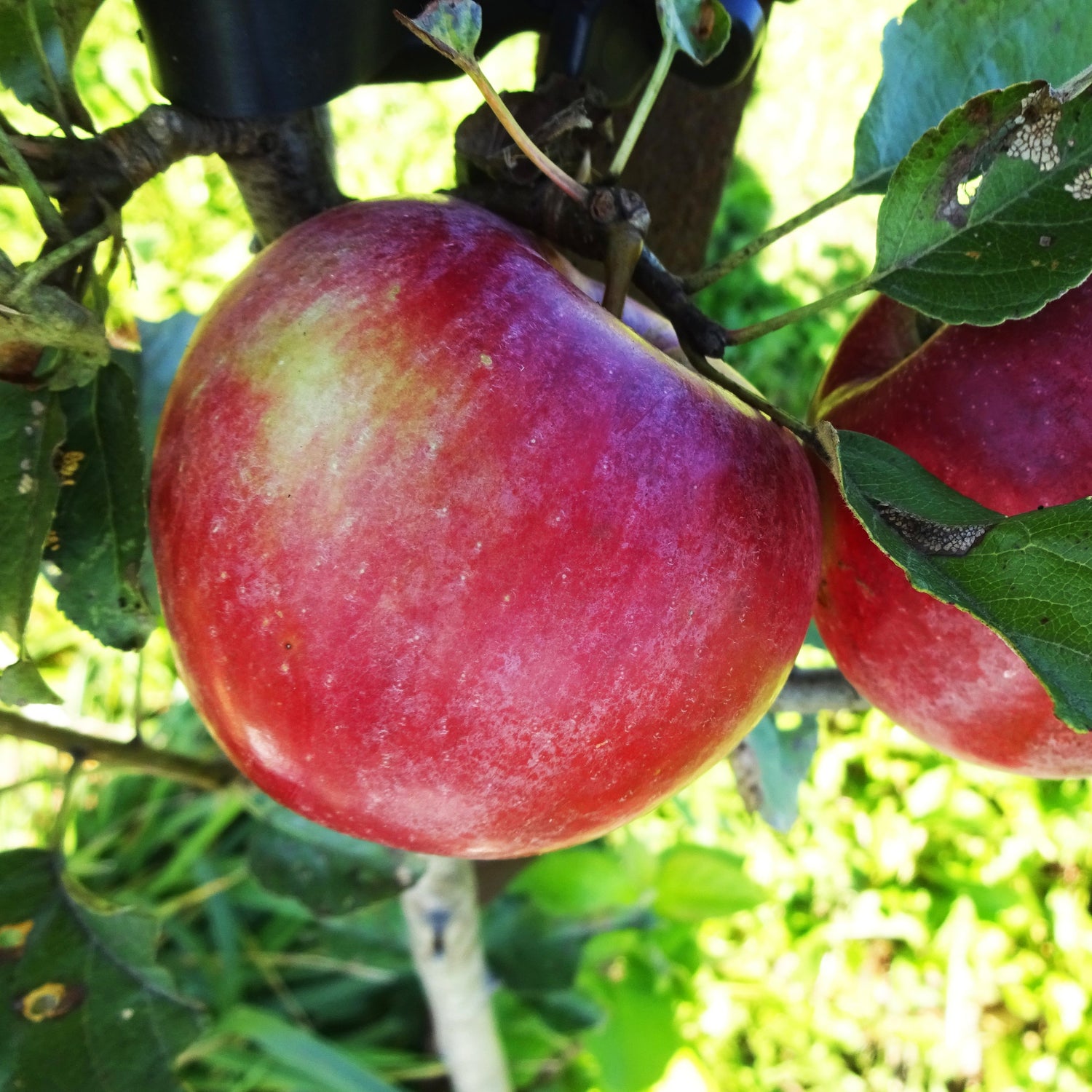
History: Sweet Sixteen was developed by the University of Minnesota and introduced in 1977. It is one of nearly thirty varieties released by the university since its breeding program began in 1888.
Why We Grow It: Some apples taste better when grown in colder climates, and Sweet Sixteen is one of them. For a fresh-eating apple, this is a favourite. Sweet Sixteen provides that crisp first bite that so many people love in an apple, and the pure white flesh will not disappoint for flavour with a very unique, distinct honeyed flavour. Its cold-hardiness and general disease-resistance (tolerant of scab and cedar rust) make it winner for the grower too.


History: Sweetheart was developed at the Pacific Agri-Food Research Centre in Summerland, BC as a cross between Van and Newstar. The cross was made in 1975, the variety selected for further testing in 1982, and then finally released in 1994. It is the parent of several other sweet cherry varieties and was awarded the Outstanding Cultivar Award by the American Society for Horticultural Science in the 2010s.
Why We Grow It: These cherries boast the longest harvest period of any sweet cherry, and stores well too. The bright red, heart-shaped fruit are sweet and crack-resistant.
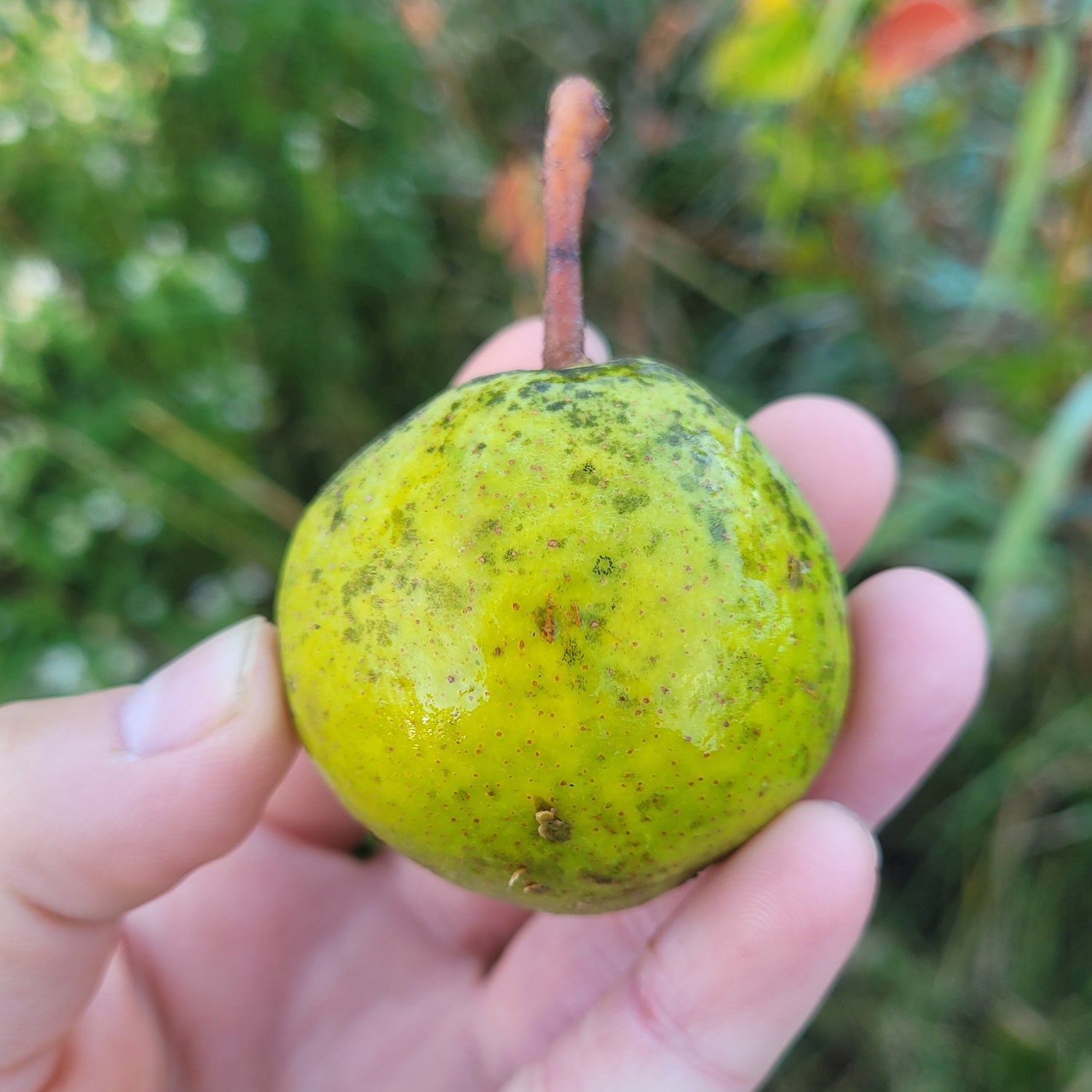
History: Little is known about the origins of Taynton Squash. Its name is derived from the village of Taynton in England where it was discovered at the parish. It was possibly discovered at some point in the 17th century as writings on it from 1811 describe it as an old variety. It was noted at the time for producing an excellent perry although now it is considered rather average.
Why We Grow It: This ancient English perry pear produces 4-5cm round green fruits in heavy crops. They should be blet for two days at most before being turned into perry, of which they make an average quality single-variety perry.
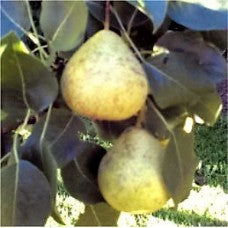
History: Thorne was discovered in Gloucestershire, England, in 1670. It was originally grown for cooking and fresh eating but is now primarily used to make perry. It is still commonly grown for perry production in England today.
Why We Grow It: This is the most reliable of the English perry pears for Canadian growing. Although this pear can be eaten fresh, it packs an astringent punch and is best made into a good perry instead.

History: Timpurii de Dâmboviţa (potentially translated from Romanian as Early Dâmboviţa) was introduced in 1967 from the Research Station for Fruit Growing located in the village of Voinești in the county of Dâmbovița in Romania. It was the first pear released from this breeding program which focused on creating fruit of excellent quality.
Why We Grow It: Timpurii de Dâmboviţa is a nice early ripening pear. It is great for fresh eating.
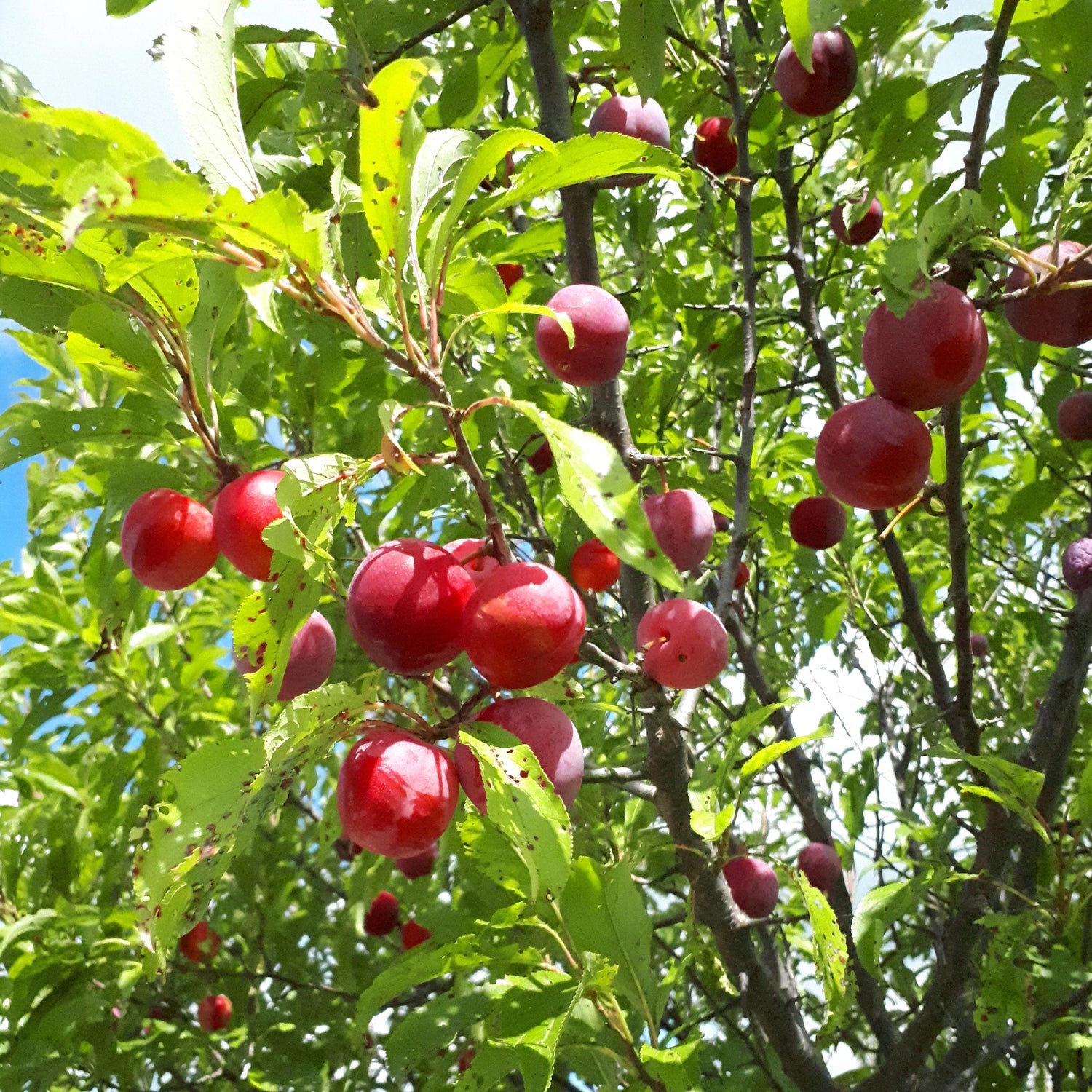
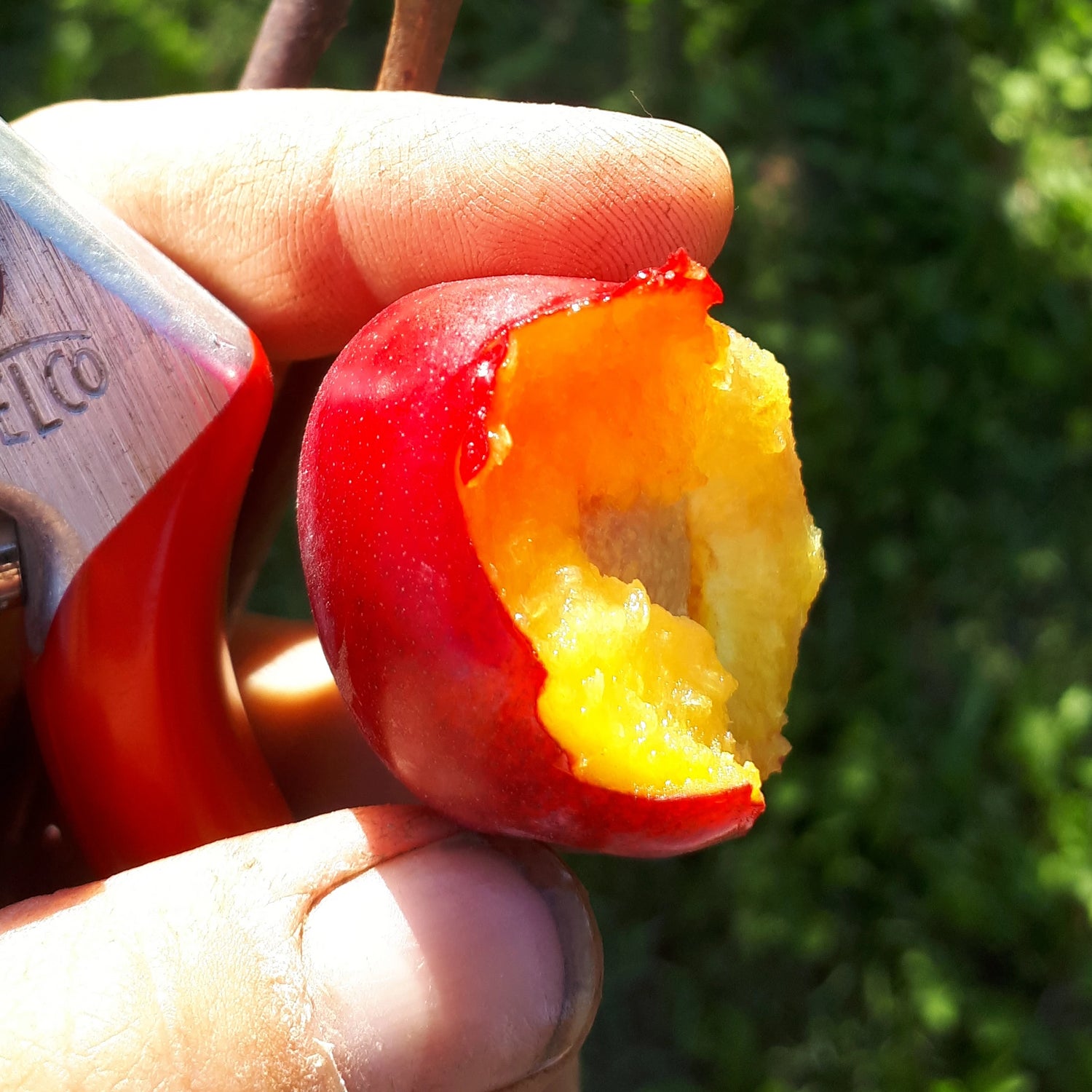
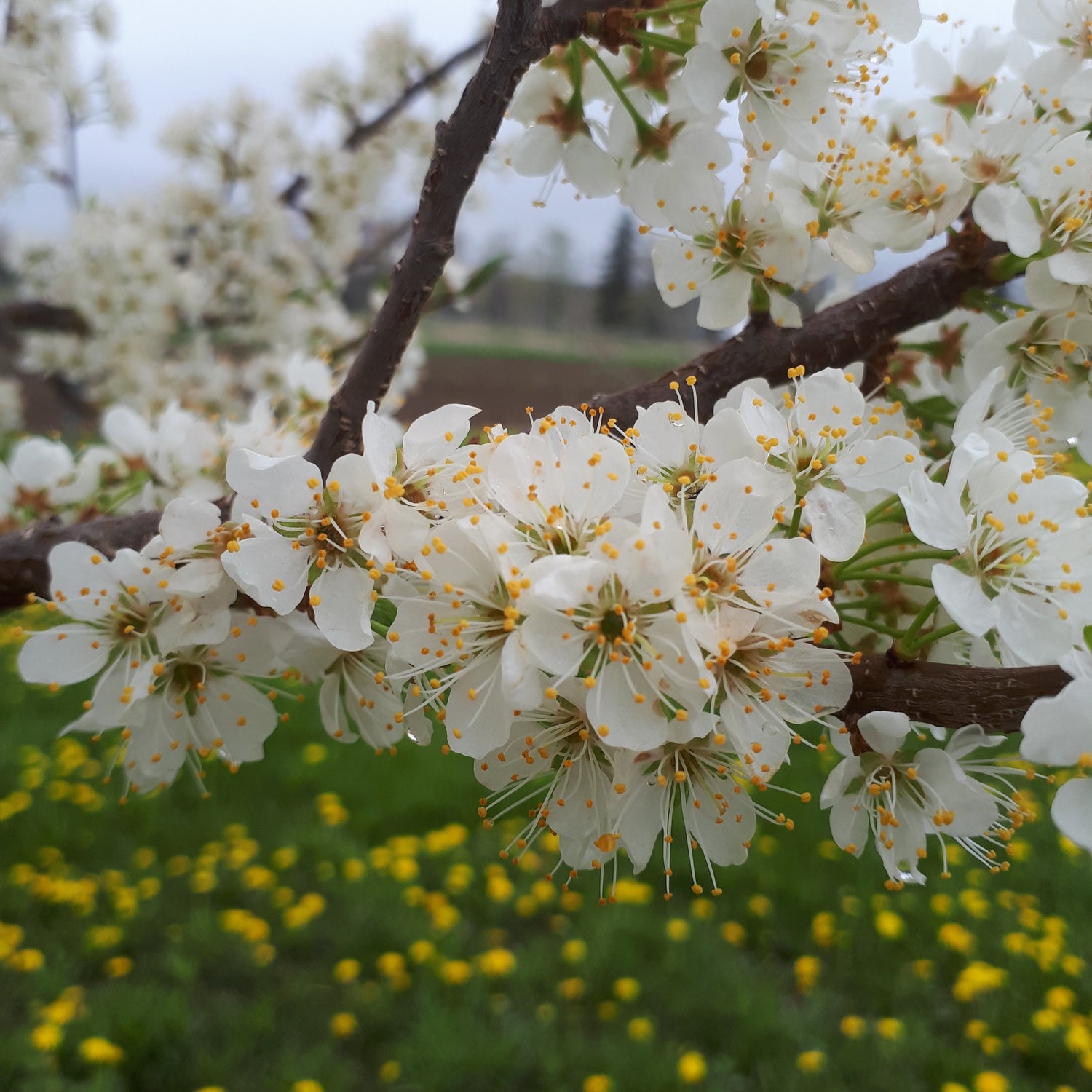
History: Toka is a hybrid of an American plum (Prunus americana) and a Japanese plum (Prunus salicina) that was created by Dr. N.E. Hansen who is known for his extensive career in developing cold hardy plant varieties. He developed Toka at the South Dakota Experiment Station and introduced it in 1911. It is unclear what 'Toka' translates to in English but 'toka' can mean 'etc/among other things' or 'river crossing' in Japanese
Why We Grow It: Toka is also known as Bubblegum plum due to its flavour and smell which bears an uncanny resemblance to bubblegum. These plums are incredibly aromatic, and will fill your kitchen with their perfumed scent as they sit out to ripen. The semi-clingstone fruit features deep red skin and bright yellow flesh that is firm but juicy. It is good for fresh eating or preserving.
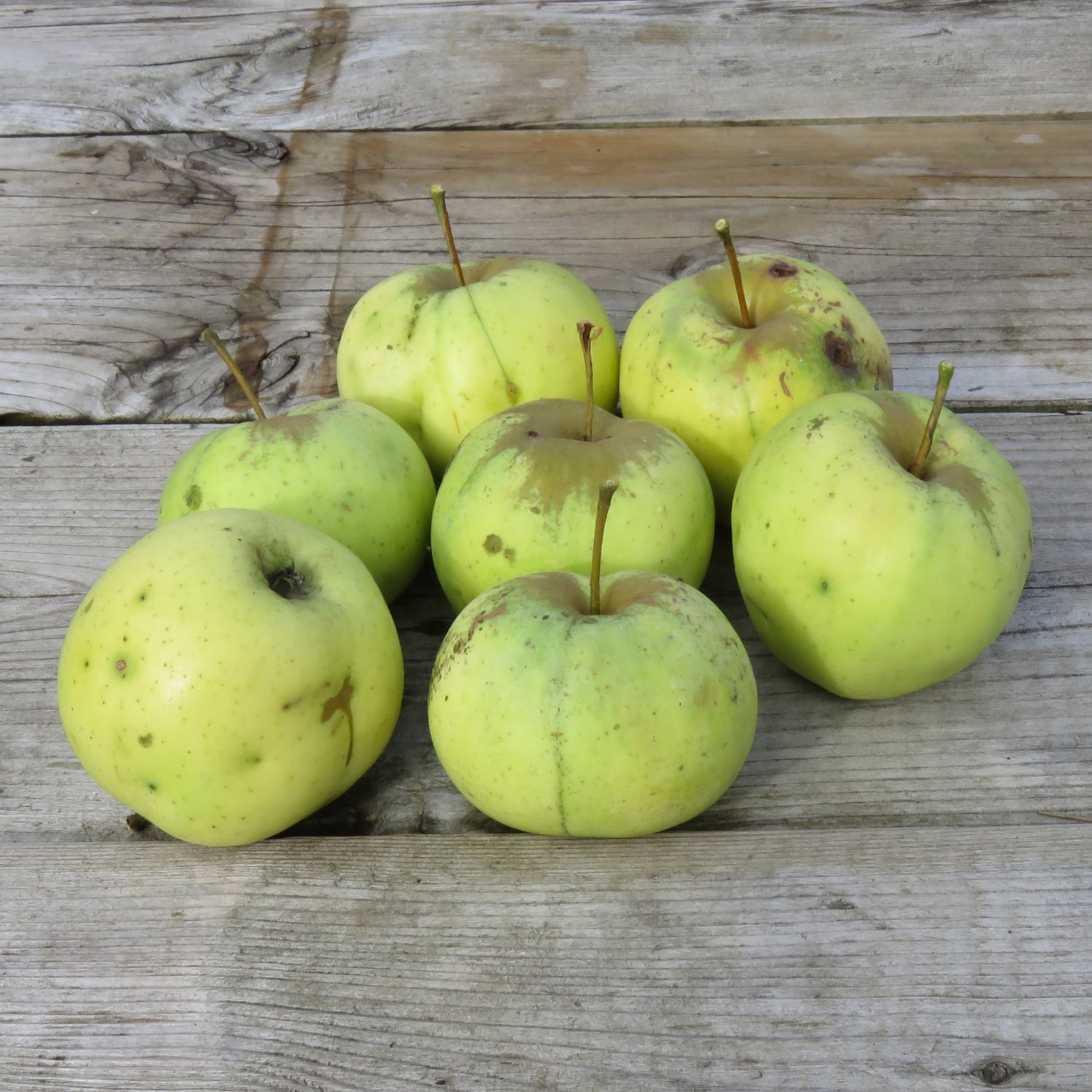
History: Little is known about the origin of this heritage apple, but Tolman Sweet has been highly valued since its discovery. It is uncertain whether it came from Massachusetts or New York in the 18th or 19th century but it was first recorded in 1822. This hardy tree was used as a source of rootstock at one time.
Why We Grow It: Tolman Sweet is a great all-purpose apple. The fruit are medium-sized with yellow skin, and have a distinctly sweet, dry flesh. They are nice for fresh eating but can also be used in baking, drying, and pickling. Their unusually low acid content helps to reduce acidity in both sweet and hard cider.
For the most up-to-date information see Claude Jolicoeur's website here!
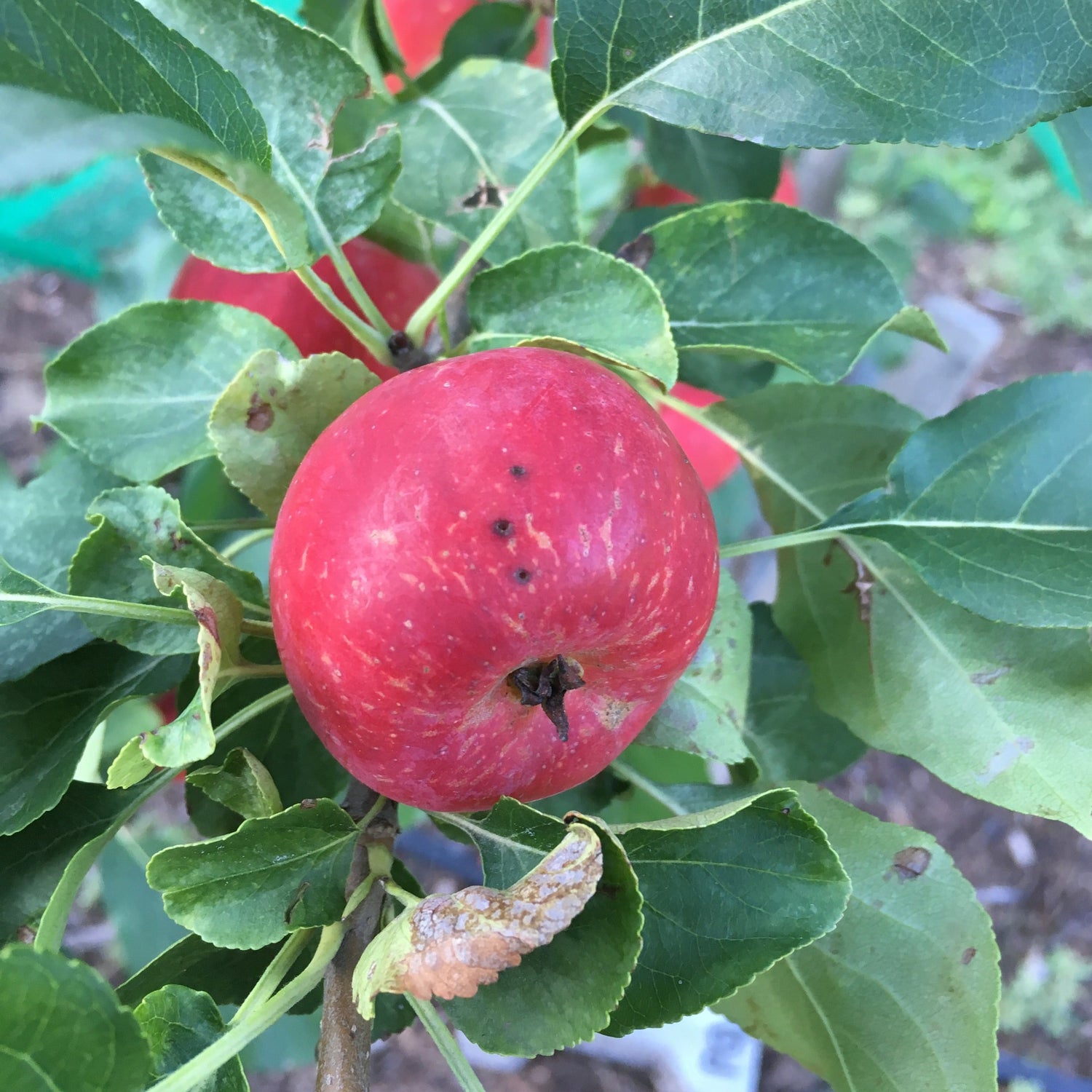
History: This particular iteration of Trail, previously referred to as Bilodeau, has a bit of a messy history. A Trail crabapple tree was mislabeled at a Quebec nursery in the 1980s and sold to an unknowing customer named Claude Bilodeau who thought he was purchasing a pear tree. Later on Claude Jolicoeur, well-known Quebecois cider-maker and pomologist, took a cutting from this tree and found that the fruit (definitely not a pear!) was excellent for making cider. Since it was still a mystery what the original variety was, the crabapple was named Bilodeau by Jolicoeur after the owner of the tree - only for Paul Kron from the University of Guelph to confirm that it was actually Trail via DNA testing in 2022. The Trail crab was bred at Ottawa from a cross of Northern Queen x Rideau, it was selected in 1913 and introduced in 1920.
Why We Grow It: Despite the confusion, we are regardless happy to have this apple in our catalogue! This bittersharp cider apple has excellent cider-making qualities and, unlike most crabapples, is also great when eaten fresh or made into jelly!

History: Tremlett's Geneva Bitter (aka Geneva Tremlett's Bitter) come from a tree that was believed to be Tremlett's Bitter, an English cider variety. It was imported to Geneva, New York from England in the 1960s but at some point there was a mix-up and the mistake was only uncovered after many American growers had received scions from the erroneous tree.
Why We Grow It: Although this isn't the traditional bittersweet cider apple popular in England, Tremlett's Geneva Bitter still produces a good quality bittershap cider. Some say it is even better than the original!
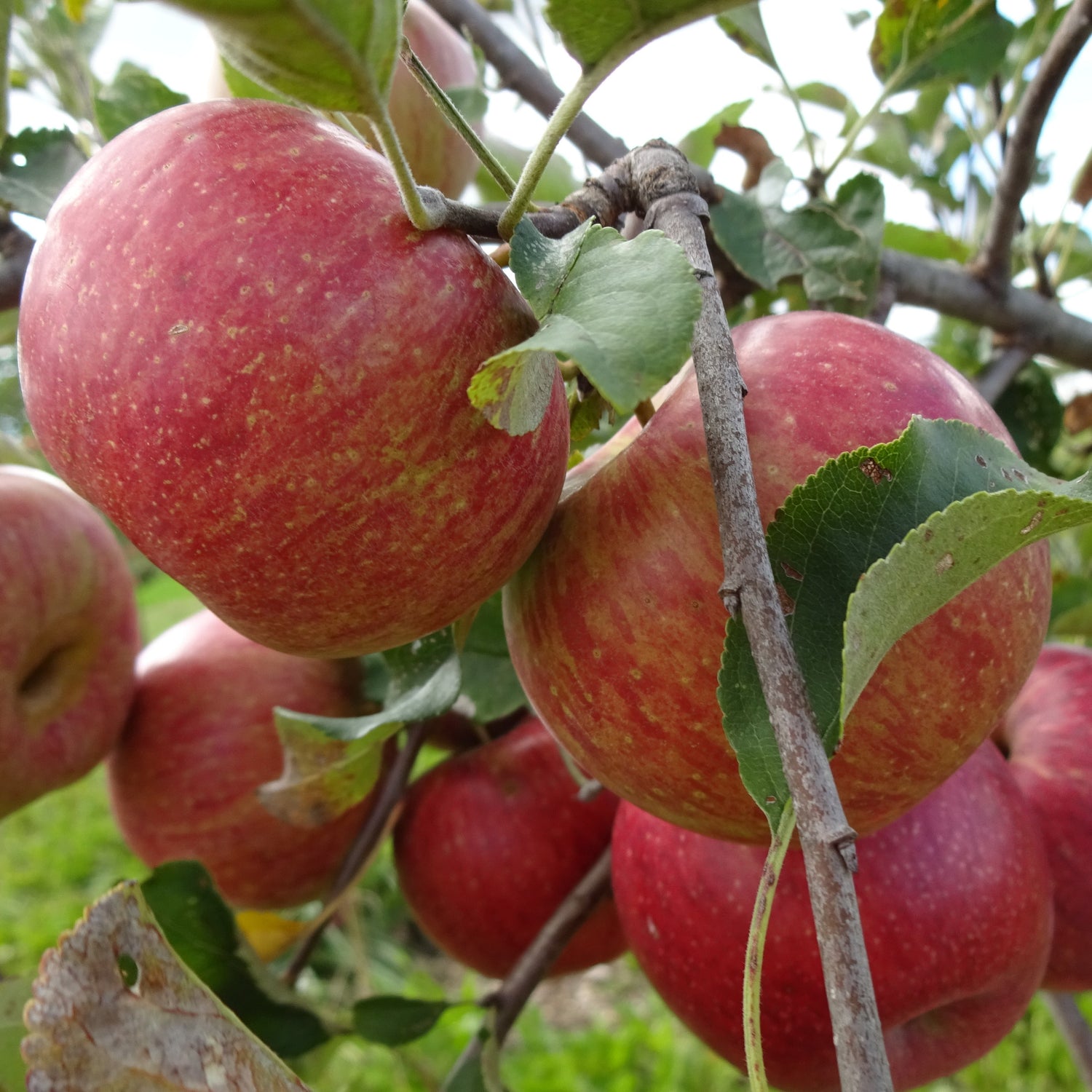
History: Tsugaru is another apple that was created at the Aomori Apple Experiment Station in Japan and released in 1975. It was likely named after Tsugaru, a nearby city, or the Tsugaru samurai clan that controlled the area during the Edo period. This variety is quite popular in Japan and represents the sweetness that is coveted among Japanese apple fans.
Why We Grow It: If you love sweet apples, you need to give Tsugaru a try. It has a very mild flavour with virtually no acid. It is performing very well in our test orchard, providing an abundance of nice clean fruit. It is one of Steph's favourites.

History: Twenty Ounce (aka Cayuga Redstreak) was discovered sometime in the early 1800s in Cayuga County, New York. It was first officially described in an 1844 issue of "The Magazine of Horticulture" by C.M. Hovey who called it Twenty Ounce due to its notable size.
Why We Grow It: These very large apples are excellent for cooking and make wonderful pies and applesauce. Save time with peeling and coring! They are a little tart for eating fresh, but makes an exceptional ingredient that keeps its shape when cooked.

History: Vernon was developed at the Horticultural Experiment Station at Vineland, ON. It is an open-pollinated seedling of Windsor that was selected in 1925 and released in 1937. Like the other Vineland selections, its name starts with a 'v' to honour its origins. While it was grown commercially for some time, it has since faded out of commercial orchards as it became eclipsed by newer, better varieties.
Why We Grow It: Vernon produces a large, dark-fleshed cherry that is similar to its parent but is generally larger, firmer, and of better quality. It is unfortunately more prone to cracking than Windsor.

History: Veteran peaches were developed in Vineland, Ontario and released in 1928.
Why We Grow It: Very hardy and of Canadian origin, Veteran is perhaps the most cold-hardy peach we offer. The freestone fruit is large with yellow flesh and an easy-to-peel skin. Although it has slightly mealy flesh, it boasts an excellent flavour and makes a great pie! This is the best preforming peach in our test orchard.

History: Vista Bella was created at Rutgers University in New Jersey in the 1950s and released in 1974. Although its poor keeping ability prevents it from being a commercial success, this early ripening variety is still a nice way to herald in the apple harvest season every year.
Why We Grow It: Vista Bella is the first red apple of the season. The flavour and texture are of better quality than other early apples, making Vista Bella an excellent choice for early farmer’s market sales and roadside stands. The flesh is crisp and juicy, although it softens quickly and, like other early apples, does not keep long.
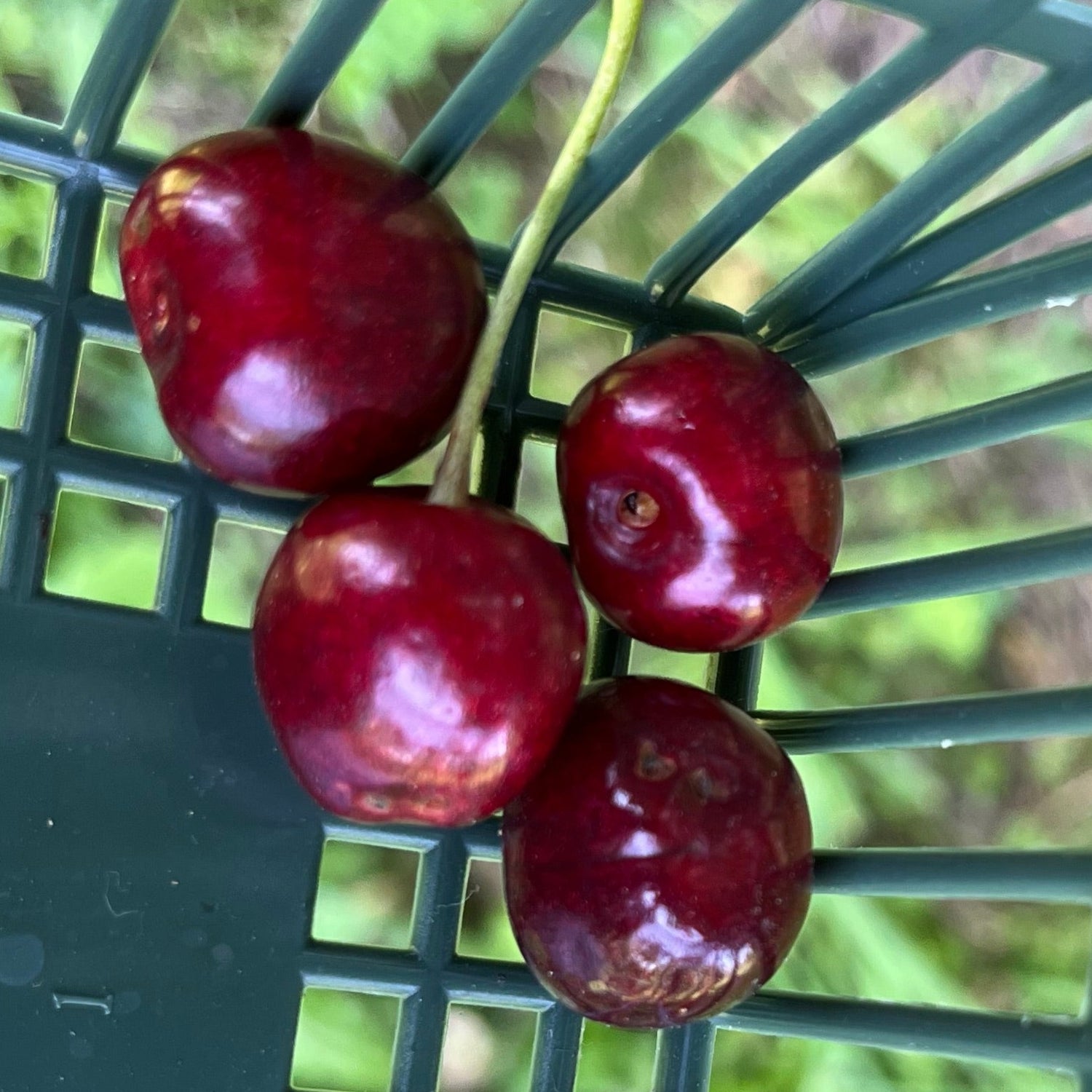
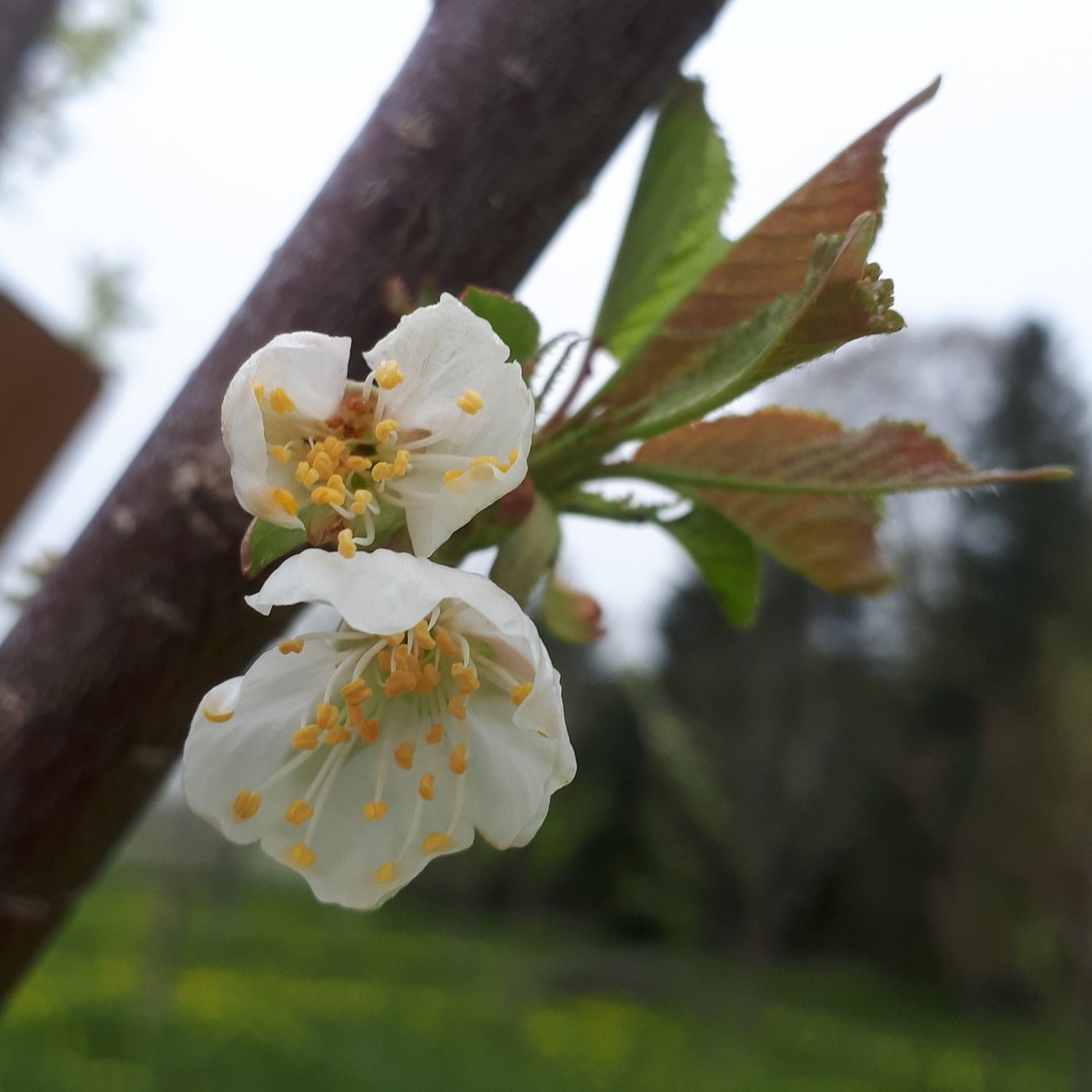
History: Viva originated in 1935 as a possible hybrid of Hedelfingen and Victor.
Why We Grow It: Viva produces medium-sized, dark red cherries with good flavour. They are suitable for many uses including fresh eating, cooking, and preserving. They are one of the first cherry varieties to ripen, creating a pleasant start to the cherry season.

History: Wagener apples come from a seed that was planted by George Wheeler in the Finger Lakes area of New York in 1791. In 1796, Abraham Wagener purchased Wheeler's property and planted the seedling on his own property in Penn Yan village where the tree was known for producing attractive, tasty fruit in abundance every year. The variety was named after Wagener and became popular for its excellent storage qualities.
Why We Grow It: Wagener is ideal for the self-sufficient homesteader who values a late keeper, lasting until April in an ordinary cold cellar. When first picked they have a sharp, acidic taste and are great for cooking. In storage, they mellow to an excellent sweet, crisp apple that is perfect for fresh eating.
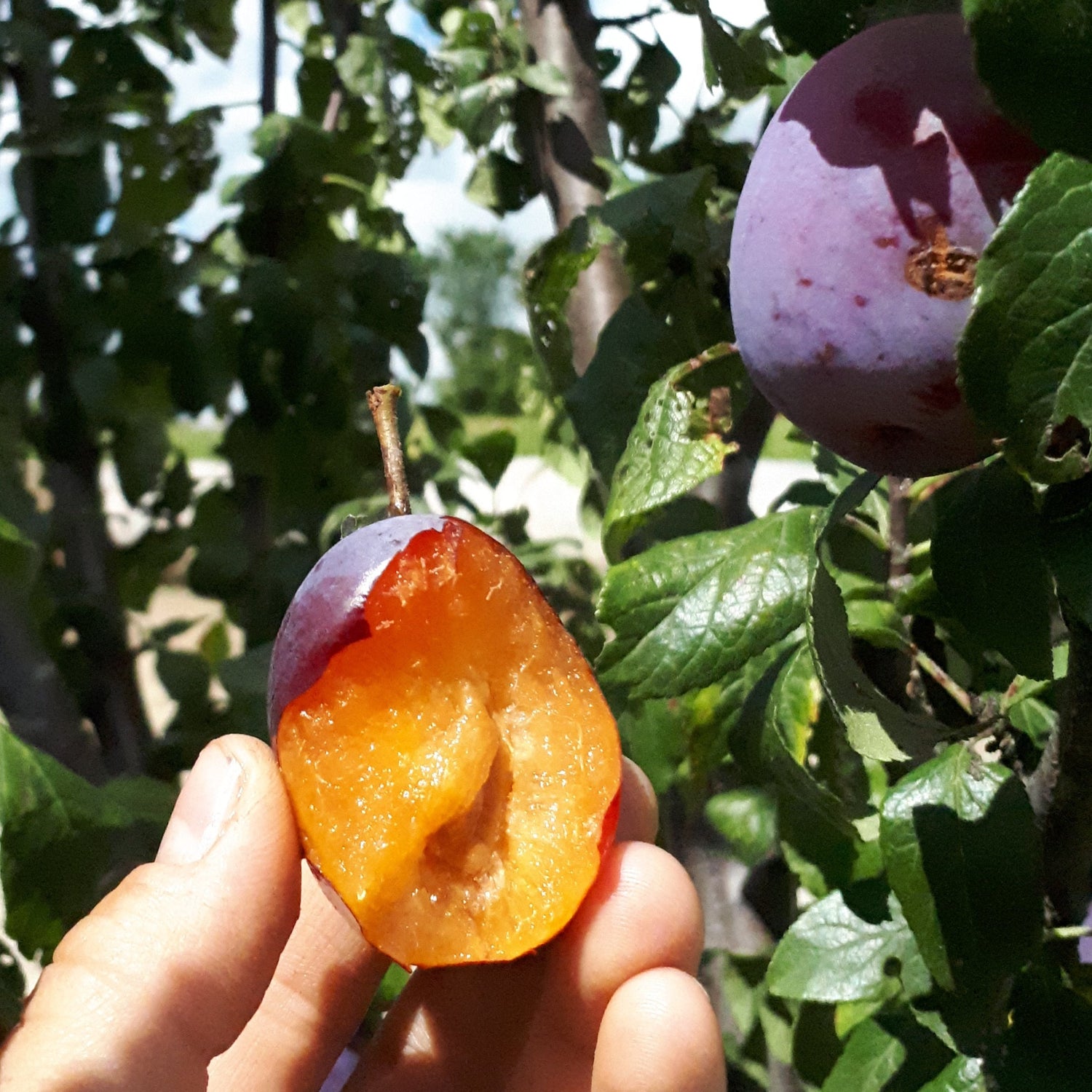
History: Waneta is a hybrid of Japanese plums (Prunus salicina) and American plums (Prunus americana) developed at the South Dakota Experimental Station by NE Hansen and introduced in 1913. It was developed at a time when hybrid plums were more important as a commercial crop. It was named after a Yanktonai man who played a prominent role in the War of 1812 and later became chief.
Why We Grow It: Waneta is a juicy and sweet clingstone plum with tart red skin. The flesh is a yellowish colour. The tree naturally stays a little smaller and has good crops, paired with decent cold hardiness.
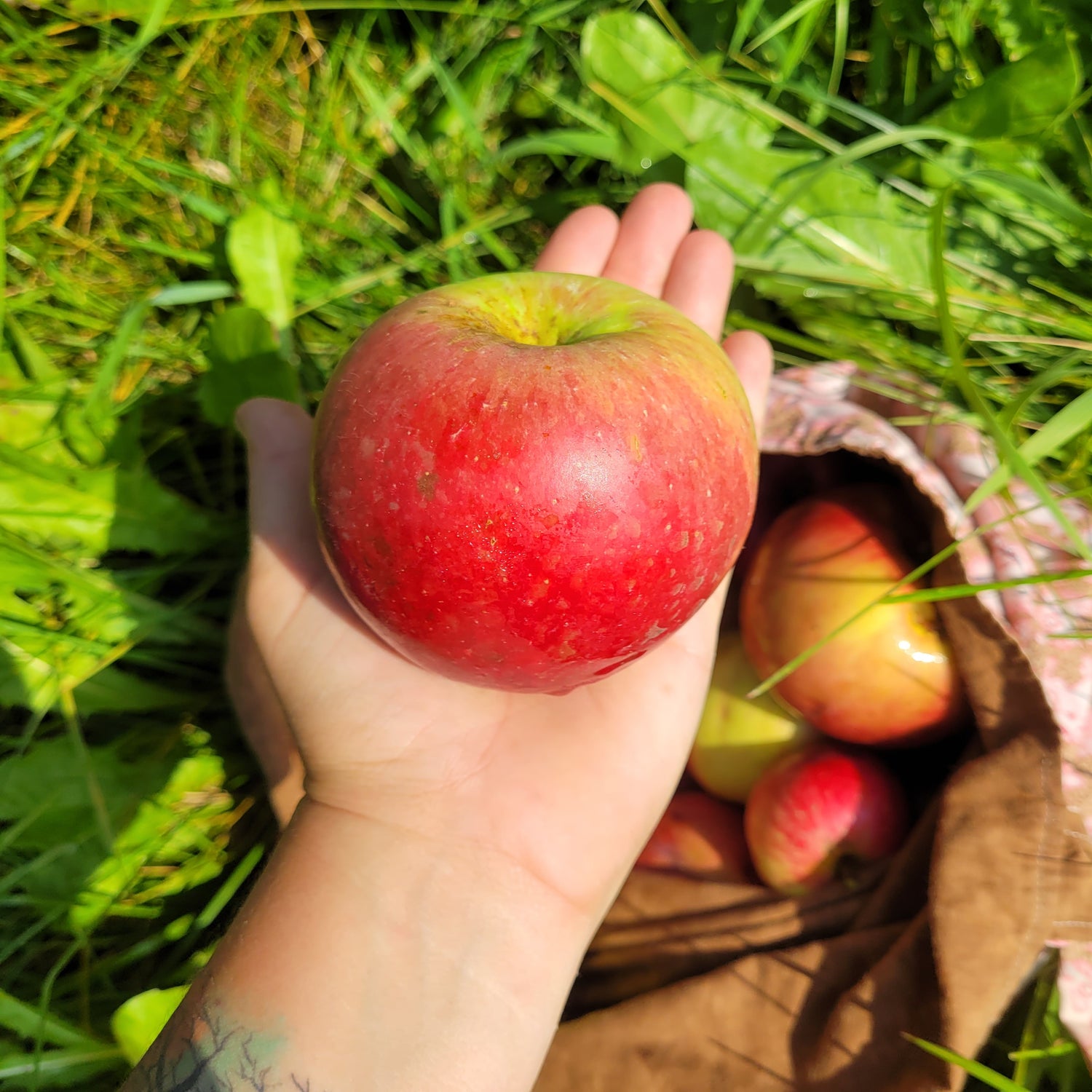
History: Wealthy apples were created by horticulturalist Peter Gideon after spending years trying to breed an apple variety that could survive Minnesota's harsh winters. With the very last of his money, he purchased seeds and scions in 1868 in one final attempt and was able to produce the Wealthy apple which he named after his wife, Wealthy Gideon. He gave scions away freely and Wealthy became one of the top five apples grown in the US.
Why We Grow It: A medium to large sized apple, Wealthy makes splendid applesauce, but is also very good for fresh eating with a balanced sweet-tart crunch. The tree is scab resistant and cold hardy, makes an excellent pollinator for other apples, and is well-suited for organic orchards.

History: Westfield Seek-No-Further was discovered in Westfield, Massachusets in the 1700s. Its flavour is reminiscent of popular fresh eating apples in England which is probably why this apple was so popular among English colonizers. It was the most popular fresh eating apple in New England during the 1800s.
Why We Grow It: Historically a favourite eating apple, Westfield-Seek-No-Further's sharp, nutty flavour is as unique as its quaint name! It now has potential as an addition to cider blends.

History: White Jersey is another English cider apple whose origins are a little obscure. It was popular in the Somerset area of England during the 1800s where it was first recorded in 1895. It is still grown in modern cider orchards in the UK today.
Why We Grow It: Although it has been deemed an apple with 'average quality juice,' White Jersey is still worth checking out if you are interested in cider making. It does well in the Great Lakes area and it compensates for its average juice quality with good productivity and a tendency to start bearing fruit early.
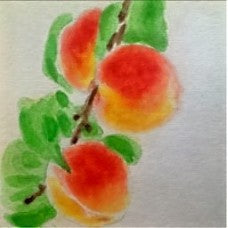
History: White Lady was created by Zaiger Genetics in California as part of their fruit breeding enterprise. It was selected for its unique white flesh, reddish skin, and overall excellent fruit quality. The variety was introduced in 1986.
Why We Grow It: White Lady is a unique variety featuring red blush over white skin and firm, white flesh. This freestone peach has quite low acidity giving it a very sweet flavour and it is great for fresh eating, canning, preserving, and baking. The tree itself is adaptable and the blossoms tolerate unpredictable spring weather better than most.


History: Windsor sweet cherries originated on the farm of James Dougall in the 1800s and were introduced in 1871. His farm was located in Windsor, Ontario and the variety was named after the area.
Why We Grow It: Windsor produces large bright red fruit with firm, flavourful flesh. Along with being great for fresh eating, it is one of the very best for canning.
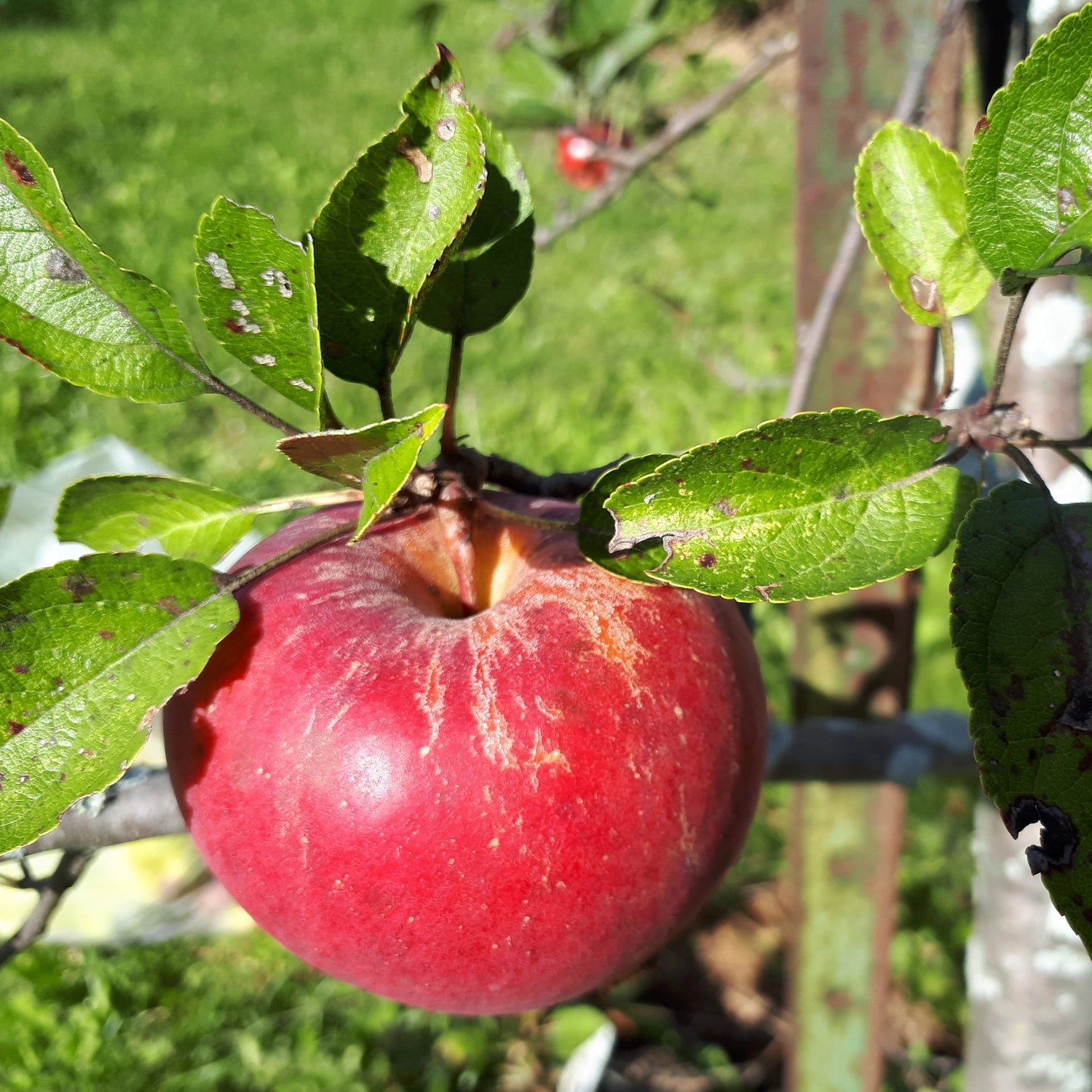
History: Winesap's origins are unclear but it is believed to have originated from New Jersey pre-1800s where it was popular for making cider. It is first mentioned in a couple of books on apples in the early 1800s. Winesap was popular in the US until the 1950s due to its good keeping ability but the advent of better storage technology allowed better tasting apple varieties to eclipse it. It is still quit popular with backyard orchardists.
Why We Grow It: Winesap's all-purpose nature helps to explain why it hasn't faded into total obscurity like some other varieties. The medium-large red and yellow skinned fruit is good for cooking and making cider. It has sweet flesh with some tang or 'winey' flavour that is also decent for fresh eating. On top of that, the tree is productive, very resistant to fireblight, and the fruit stores well.
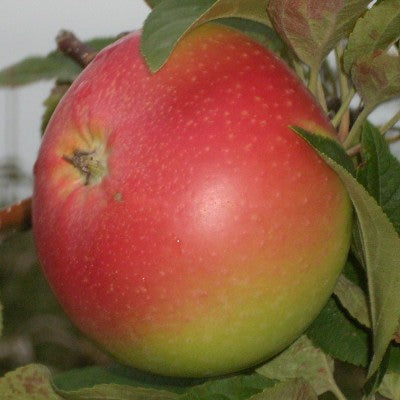
History: Winter Banana originated on David Flory's farm in Indiana around 1876. It was named Winter Banana due to the apparently banana-like aroma it gives off when ripe. It is also named Flory Banana or Flory Apple after David Flory. Winter Banana was grown on the west coast and gained some popularity in England and Germany. The thin skin of this variety is easily bruised which prevented it from being a commercial variety but it is still commonly found in gardens and farmer's markets.
Why We Grow It: This all-purpose apple is extremely attractive with pale yellow skin and a pinkish-red blush. The banana-like aroma is accompanied by sweet flesh with an acid tang. The flavour improves in storage and the apples can be kept all winter.
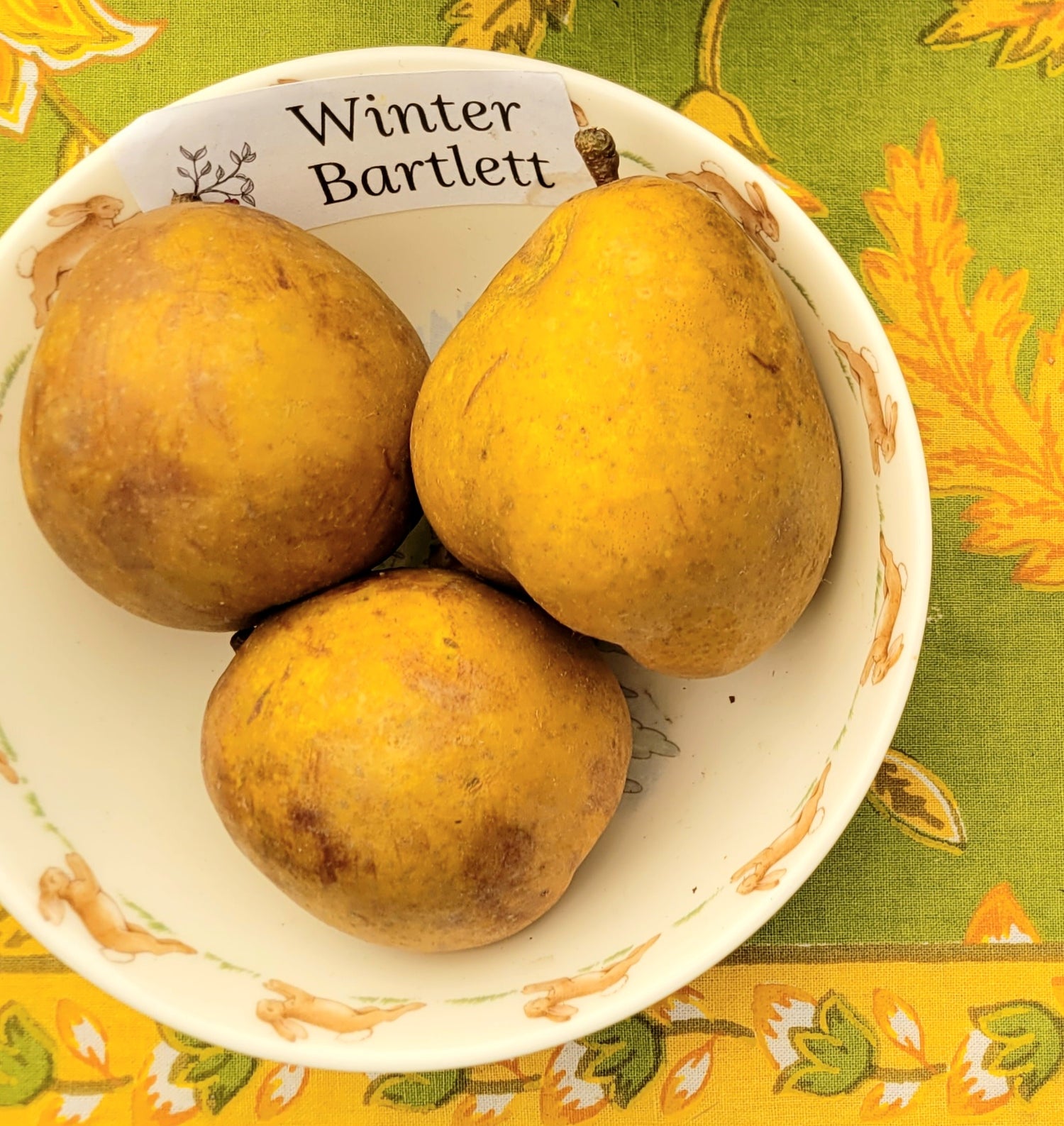
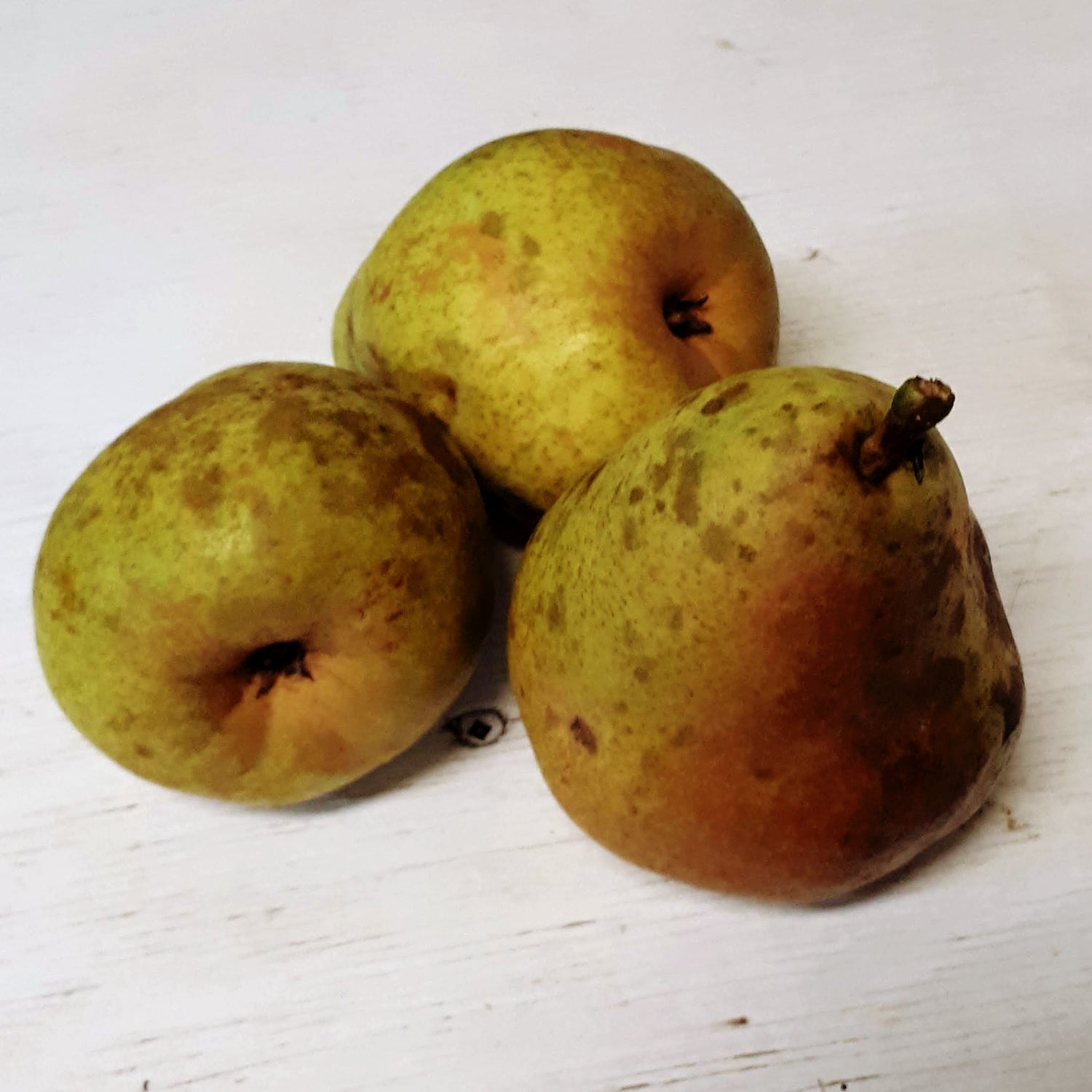
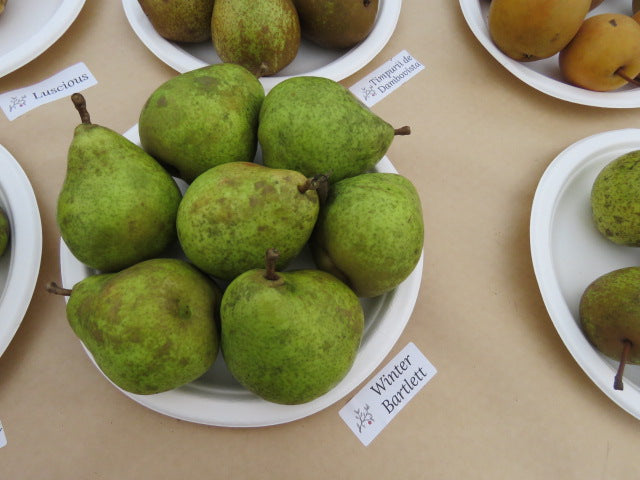
History: Winter Bartlett pears originated on the western coast of the United States, likely in Eugene, Oregon. They were introduced by D.W. Coolidge in 1880 but it is believed the variety may have existed for some time before that. It earned its name from it's resemblance to the Bartlett pear in taste and shape and it's designation as a winter pear.
Why We Grow It: As opposed to summer pears which are meant to be eaten shortly after picking, winter pears are supposed to be allowed to ripen for months in cold storage and enjoyed during later seasons. It is worth the wait for this variety, which produces a medium to large fruit with golden-yellow skin covered in patches and dots of russet and red streaks. It has a sweet and slightly subacidic flavour paired with firm, coarse, juicy white flesh. It is also great for cooking.
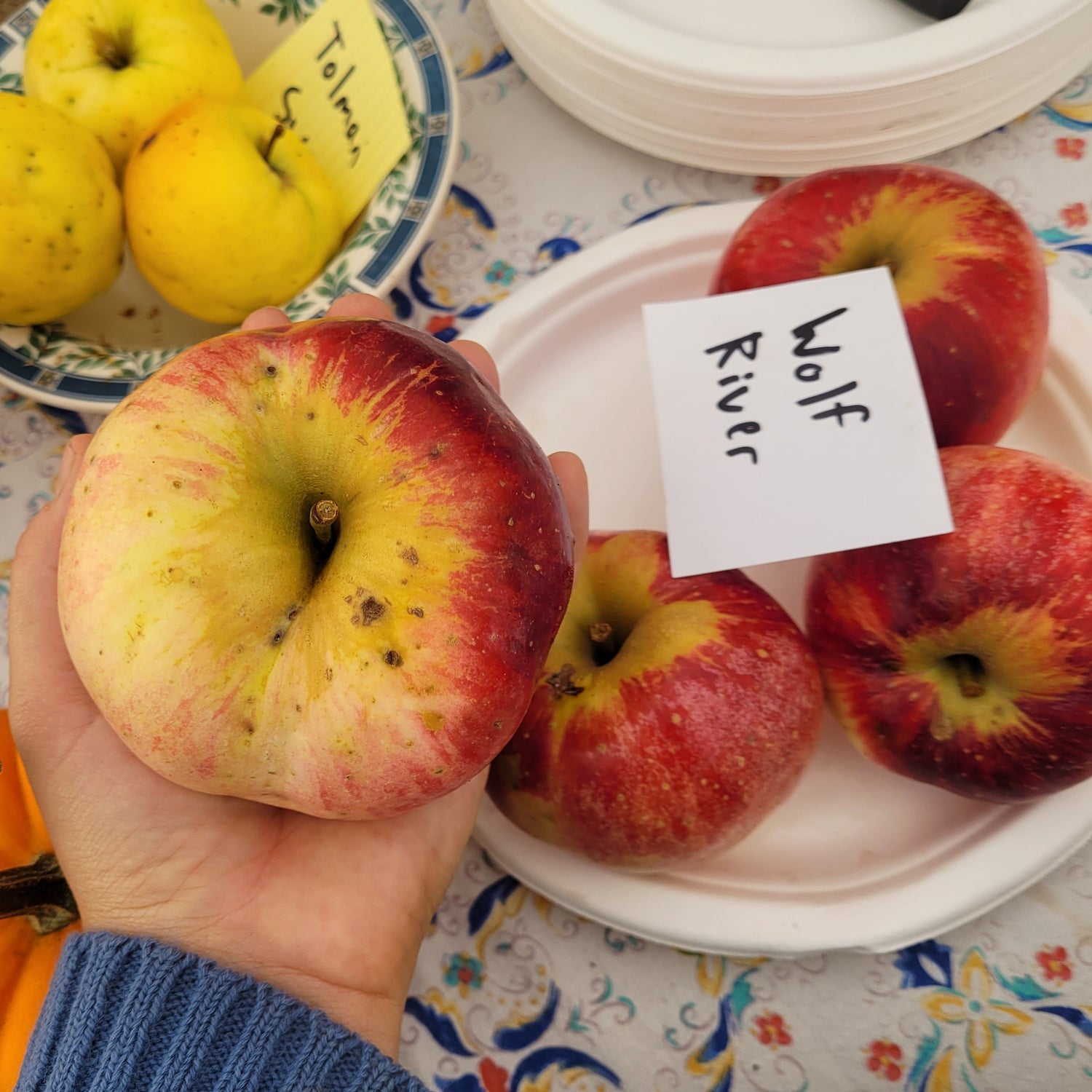
History: Wolf River was raised from seed by Quebec lumberman William Springer in the latter half of the 19th century. When Springer and his family were moving by wagon to Wisconsin, they bought a bushel of Alexander apples along the way. Upon arriving at their new home, he planted the seeds from said apples along the bank of the Wolf River and the Wolf River apple grew from there. This variety has since garnered a reputation as a good cooking apple and for the incredible size of its fruit.
Why We Grow It: First and foremost, Wolf River is legendary for the huge size of its fruit. The apples can weigh a pound or more and there are stories of pies being made from a single apple. The fruit, green with red blush and stripes, has a sweet and tart flavour that is good for cooking and it holds its shape well when cooked. The tree itself is hardy and relatively disease resistant as well.


History: Woolbrook Pippin originated in 1903 at Woolbrook Nursery in the UK. It was discovered by J.H. Stevens and Son. It is a Cox's Orange Pippin seedling and received an Award of Merit from the Royal Horticultural Society in 1929.
Why We Grow It: Woolbrook Pippin produces a greenish apple overlaid with bright red stripes that is excellent for fresh eating. The fruit is firm, crisp, and juicy with a sweet, aromatic flavour balanced by a bit of tartness. This is a great choice for fans of Cox's Orange Pippin!
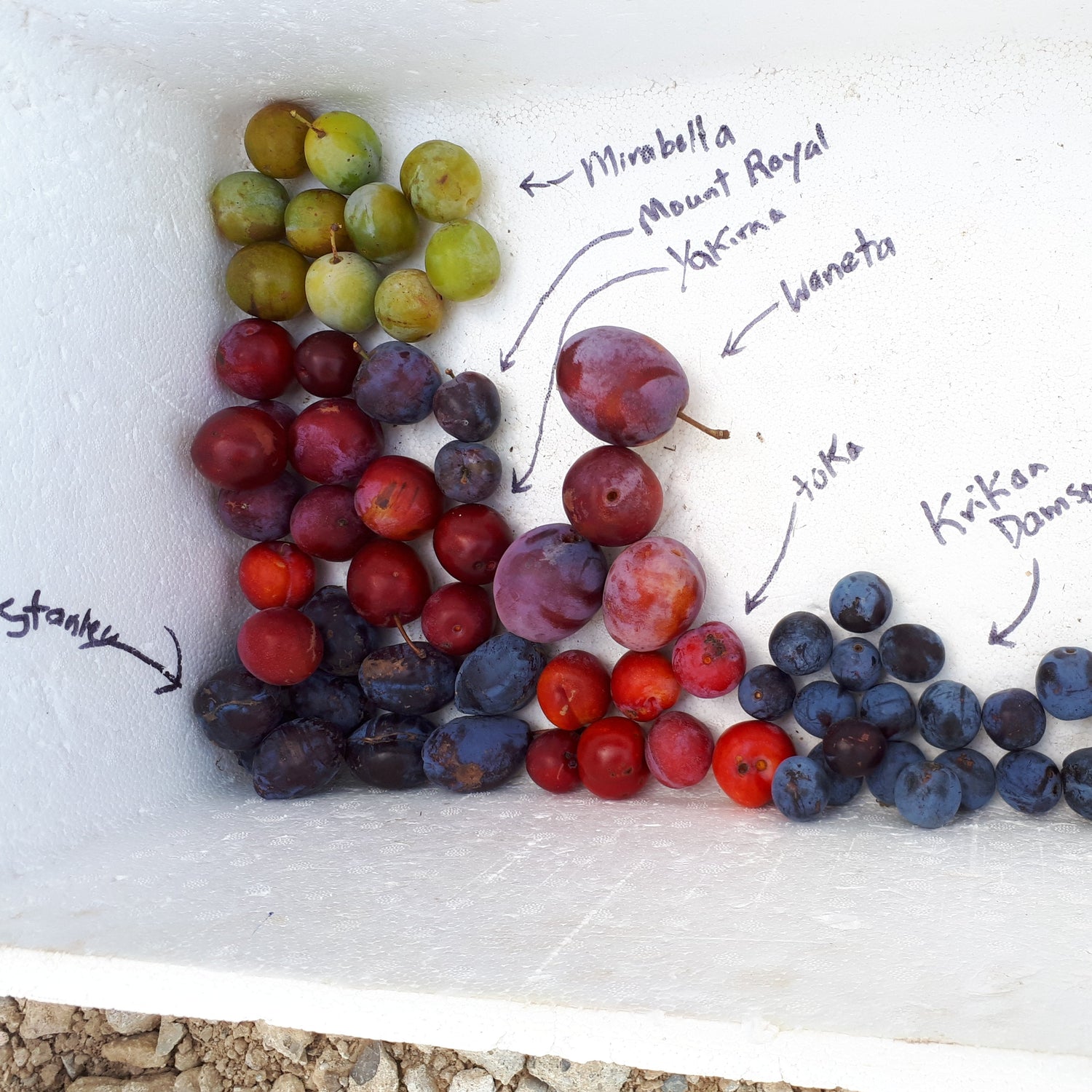
History: The origins and history of this variety are unknown based on our current research.
Why We Grow It: This variety produces a medium-sized freestone plum with purple-pink skin and yellow flesh that is sweet and juicy. It is one of the hardiest European plums around, making it a good choice for our colder climate!