Ontario Planting Favourites

Ontario Planting Favourites
Handpicked varieties perfectly suited for Ontario's climate (zones 4-6 only).
These hardy fruit trees, berries, and orchard essentials thrive in Ontario's growing conditions and are ready to plant now for best spring establishment. From cold-hardy apples to productive berry bushes, each variety has been selected for reliable performance in Ontario gardens and orchards.
200 products
Sort by:
200 products
200 products


History: Florina, aka Querina, was developed in France in the 1980s at the Station de Recherches d'Arboriculture Fruitiere. Despite being developed in France, its ancestry is made up of American varieties. Since its introduction it has become quite popular in continental Europe.
Why We Grow It: One of Steph and Mouse's favourites! Florina is a wonderful all-around apple for the backyard offering both rich flavour and easy care. The sweet, crisp fruits it produces are perfect right off the tree but also keep a few months. They are also great for organic production: resistant to scab, fireblight, mildew, and rosy apple aphid.


GRO BioDiverse Compost is a locally made compost certified for use in organic operations! This 100% natural amendment has a variety of benefits including:
- Improved water retention
- Better plant growth
- Increased soil fertility and health
- Better soil structure
- Improved soil biology through the addition of beneficial organisms such as protozoa, bacteria, nematodes, and fungi
This product is not sterilized.
Note on Pricing and Shipping:
Due to the size and weight of the bags of compost, shipping it adds an additional $10 in shipping fees. We have included this in the price of the compost so please select either the Pickup Only option below if you are purchasing a bag for pickup or the Shipping Only option if you want your order shipped.


History: Karneval (translated from Czech as 'Carnival') was developed at the Institute of Experimental Botany in Prague in the Czech Republic by Dr. Jaroslav Tupý. It is a cross between Vanda and Cripps Pink. It was released in 2011 and like many other modern apples, boasts a sweeter flavour and good disease resistance. However, the main reason this apple was likely selected and given its fun name was for the bright red striped that adorn it.
Why We Grow It: Karneval is medium sized apple that is sweet, juicy and just a little tart and aromatic. However, this apple is best known for its unique appearance: yellow skin with distinct red stripes that would make it feel at home at the circus. Great flavour, striking visual appeal, good storage capabilities, and good disease resistance make this apple an excellent choice for any grower.
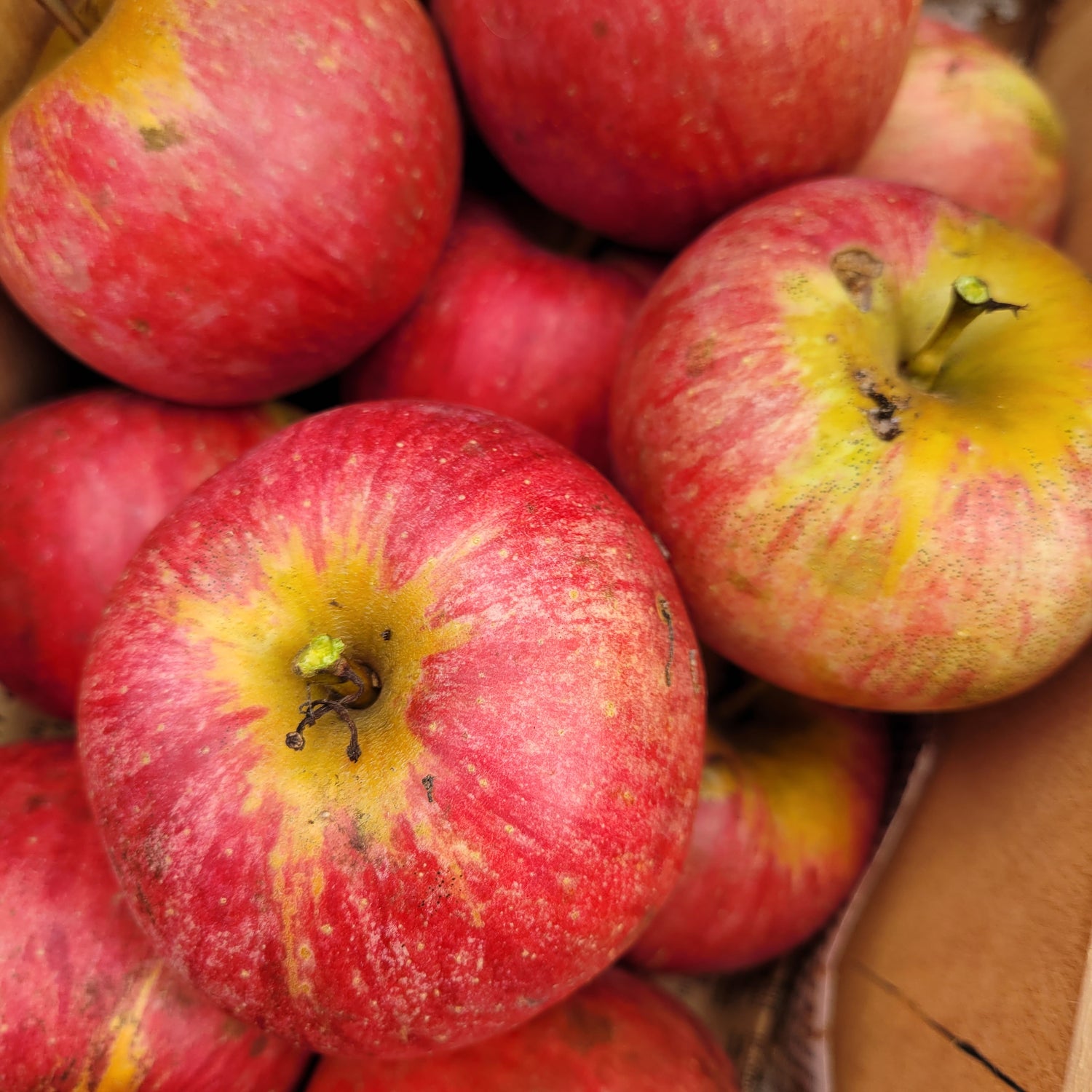
History: Northern Spy was first discovered in New York around 1800. It tends to be irregularly shaped and bruises easily, so it is not a popular commercial apple but it is still commonly grown in certain regions in the States today. It is featured in several poems and in 1953 a box of Northern Spy apples was sent to Senator Joseph McCarthy by the Toronto Globe and Mail during his infamous hunt for 'communist spies.'
Why We Grow It: Northern Spy apples are juicy with a balanced sweet-tart honeyed flavour, although they do tend to bruise easily due to their thin skin. To make up for that, they are known for making wonderful pies. The trees are cold hardy and vigorous.

Wollastonite comes from the area around Seeleys Bay in Ontario. Its source is a high grade calcium silicate deposit that when mined and ground down provides an excellent rock dust made up of approximately 27% silicon, 16.5% calcium, and 4% magnesium. Although most soils can benefit from the calcium addition, it is the silica content here that is of interest.
Silica is a crucial mineral, as it contributes greatly to building the strength of cell walls, which not only encourage upright plant structure, but they trigger a range of natural defense in turn. Strong cell walls protect the plant from pests that seek to chew and suck on the plant structures. A cell wall fortified with adequate silica levels also protects the plant from assault by the different fungal pathogens by making it much more difficult for the fungal pathogens to be able to eat their way through the cell walls into the cell center where it then gains a foothold and spreads.
Silica also boosts photosynthesis and chlorophyll development. The nutrient pathways in the plant- the xylem and phloem- govern the movement and translocation of mineral nutrients throughout the plant. It is silica that is responsible for the creation and maintenance of these pathways. And without adequate levels of silica in its structure, plants will all too often succumb more readily to the stresses brought on by drought and low water conditions.
"The stronger the cell wall, the more stress-resistant the plant, whether that stress is from pathogens or non-living factors." Graeme Sait, Australian Agronomist
This product is approved for organic use.
Application: 1 cup per tree, work the dust into the top 3in of the soil
Use at a rate of approximately 1/2 cup per cubic foot of soil mix.
Equivalency Measurement - 7 cups/2kg


FELCO 2 (Right-handed) - Flagship pruning shears/secateurs is easy to understand when you experience their smooth cutting action for the first time.
The ergonomic form and contoured finger grips of the FELCO 2 immediately provide a safe, comfortable and reassuring feel. This is underlined by the robust, reinforced anvil blade - which is directly riveted onto the one-piece aluminum handle - ensuring the FELCO 2 is strong enough to tackle heavy-duty pruning.
Rubber shock absorbers protect against wrist strain while rubber handles provide comfort. The micro-metric setting mechanism allows easy adjustment of the cutting head precisely to your own requirements, while maintaining the trademark clean FELCO cut. The FELCO 2 is the best quality universal cutting and pruning tool for anyone who enjoys the sense of satisfaction that comes from a job well done.


Species: Myrica pensylvanica
History: Northern Bayberry can be found from Ontario to Newfoundland and south to North Carolina, most frequently growing along the west coast. Its berries are a food source for several birds and small mammals. The berries also produce a waxy coating that European colonists used to make candles.
Why We Grow It: This hardy, nitrogen-fixing shrub is a great addition to fencelines, native gardens, and areas that need erosion control. The berries are a good food source for several species and the crafty gardener can also use the berries to make clean-burning candles. They will spread over time.
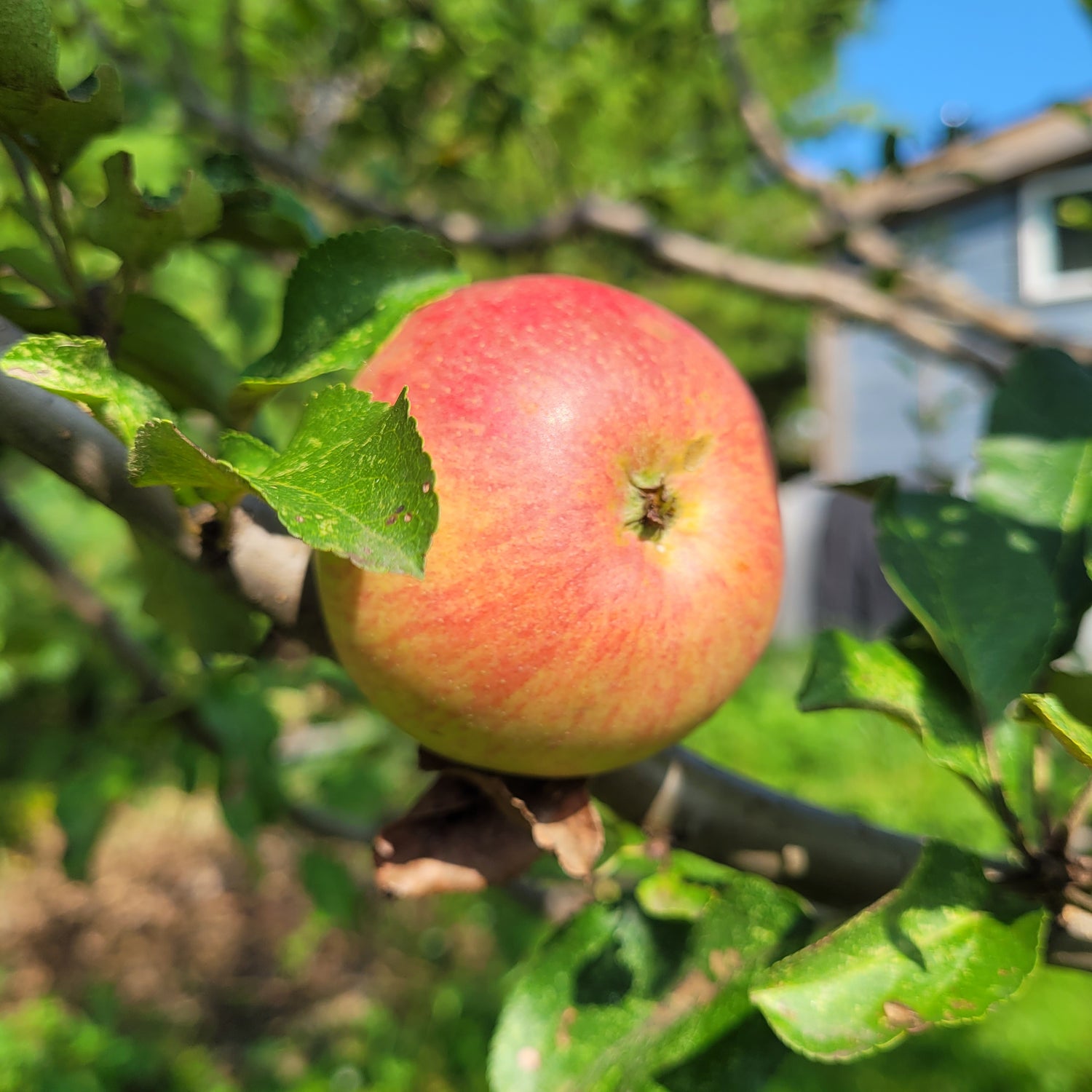
History: Alkmene, aka Early Windsor, was developed by M. Schmidt and H. Murawski at the Kaiser-Wilhelm-Institut für Züchtungsforschung in Müncheberg, Germany in the 1930s.* It was named after Hercules' mother Alcmene. After the chaos of WW2, it took about 30 years for Alkmene to be introduced to the rest of the world. It was released in 1962 and given the name Early Windsor for better marketability. It remains a popular apple in Europe today.
Why We Grow It: Alkmene produces a medium-sized crisp, juicy apple that has yellow skin overlaid with red stripes. The aromatic fruit is known for its rich flavour that is both honeyed and notably sharp. The tree is known to be quite a heavy cropper!
*While the Kaiser Wilhelm Institute was heavily involved with the Nazis during WW2, at the time of Alkmene's development the institute's president was Max Planck, a scientist who staunchly defended his Jewish colleagues. The institute was renamed in his honour following WW2. That is to say, we're not selling a Nazi apple.



Stella Natura Biodynamic Planting Calendar for 2027 Working with Cosmic Rhythms.
The Stella Natura® Biodynamic Planting Calendar joins in the long ancestral tradition of orienting our work on the land with the rhythms of the cosmos.
Founded on the work of Rudolf Steiner, the approach taken in the Stella Natura Calendar seeks to renew ancestral agrarian wisdom through modern spiritual scientific research.
The mission of this Calendar is to help awaken human partnership with the cosmos in the service of tending to the farm, garden, and natural world, especially plants! To this end, the
Sun and Moon are the planetary bodies upon which this Calendar places the strongest emphasis, as the rhythms of their relationships and influences are most closely observable and practically applied in relation to plant growth.
The charts in this calendar offer advice for when to sow seeds and best times to cultivate the garden and farm crops to enhance their roots (carrots, beets, etc.), flowers (chamomile, zinnias, etc.), leaves (lettuce, spinach, kale …), or fruits (squash, beans, tomatoes, …). This is based on the Moon’s passage through the constellations of the zodiac. Unfavorable times for sowing are also indicated, to help avoid those inexplicable crop failures.
Initiated by Sherry Wildfeuer in 1978, Stella Natura has been heartfully produced by her since that time. After 46 years at the helm, Sherry identified Alex Tuchman, director of Spikenard Farm Honeybee Sanctuary, as her chosen successor in this work. Alex and Sherry have worked mindfully and joyously together on this transition and have collaborated closely on the last several issues.
Since Steiner’s time, great contributions towards developing this new star wisdom have been taken by Lilly Kolisko, Elisabeth Vreede, Willi Sucher, Maria Thun, as well as contemporary colleagues like Sherry Wildfeuer, Dennis Klocek, Jonathan Hilton, Mary Stewart Adams, Brian Gray, Malcolm Gardner, and many more.
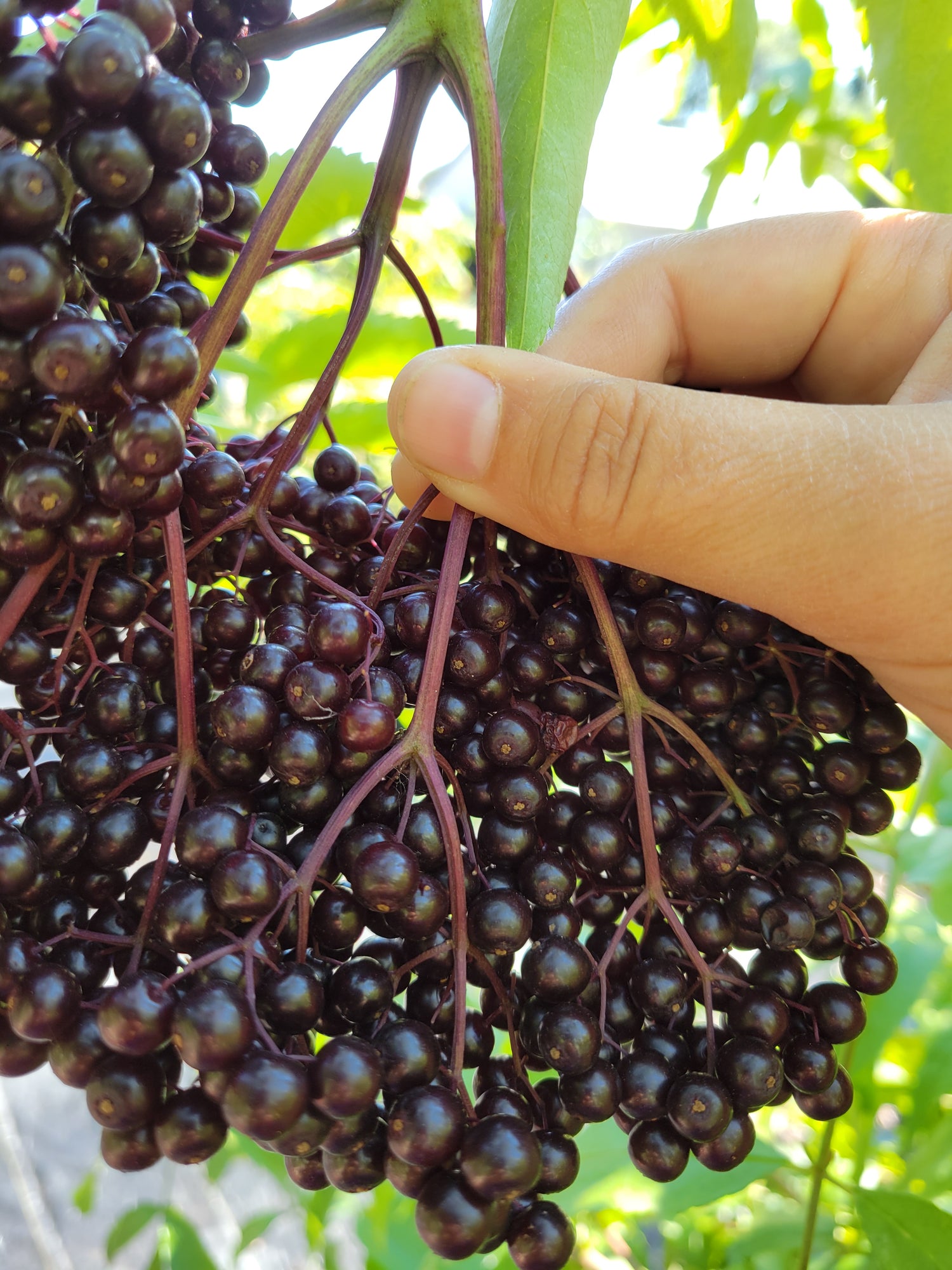
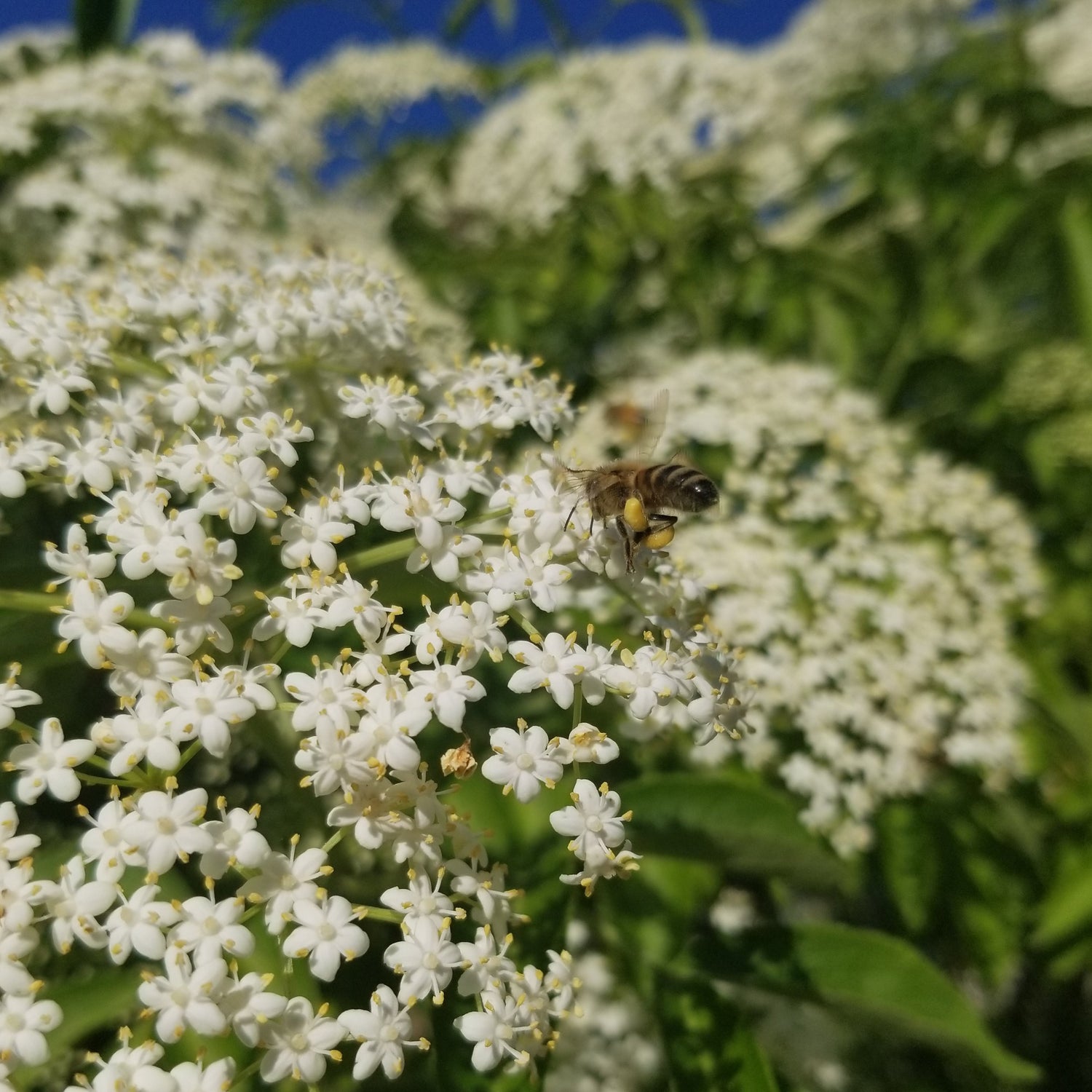
Species: Sambucus canadensis
History: York was developed at the New York Agricultural Experiment Station in Geneva, New York in 1964. It is a cross between the varieties Adams 2 and Ezyoff.
Why We Grow It: York is known for producing exceptionally large berries that are quite flavourful. This variety is also quite productive, a good choice for fans of these delightful dark purple berries! Eating the raw elderberries can cause adverse reactions so it is recommended that you cook them first.

Species: Amelanchier x wiegandii (likely a hybrid of A. arborea and A. sanguinea)
History: There is little information on the origin of Isaac although it is believed to be a cross between the Common Serviceberry (A. arborea) and the Roundleaf Serviceberry (A. sanguinea). It was likely selected for its large, sweet berries.
Why We Grow It: Isaac produces very large berries with a lovely sweet flavour. Like other serviceberries they are great for fresh eating, cooking, baking, and preserving. Isaac makes a nice ornamental shrub with its rounded shape and white blooms in the spring. It is generally an adaptable and cold hardy plant as well!
2026/2027 Staff Favourite
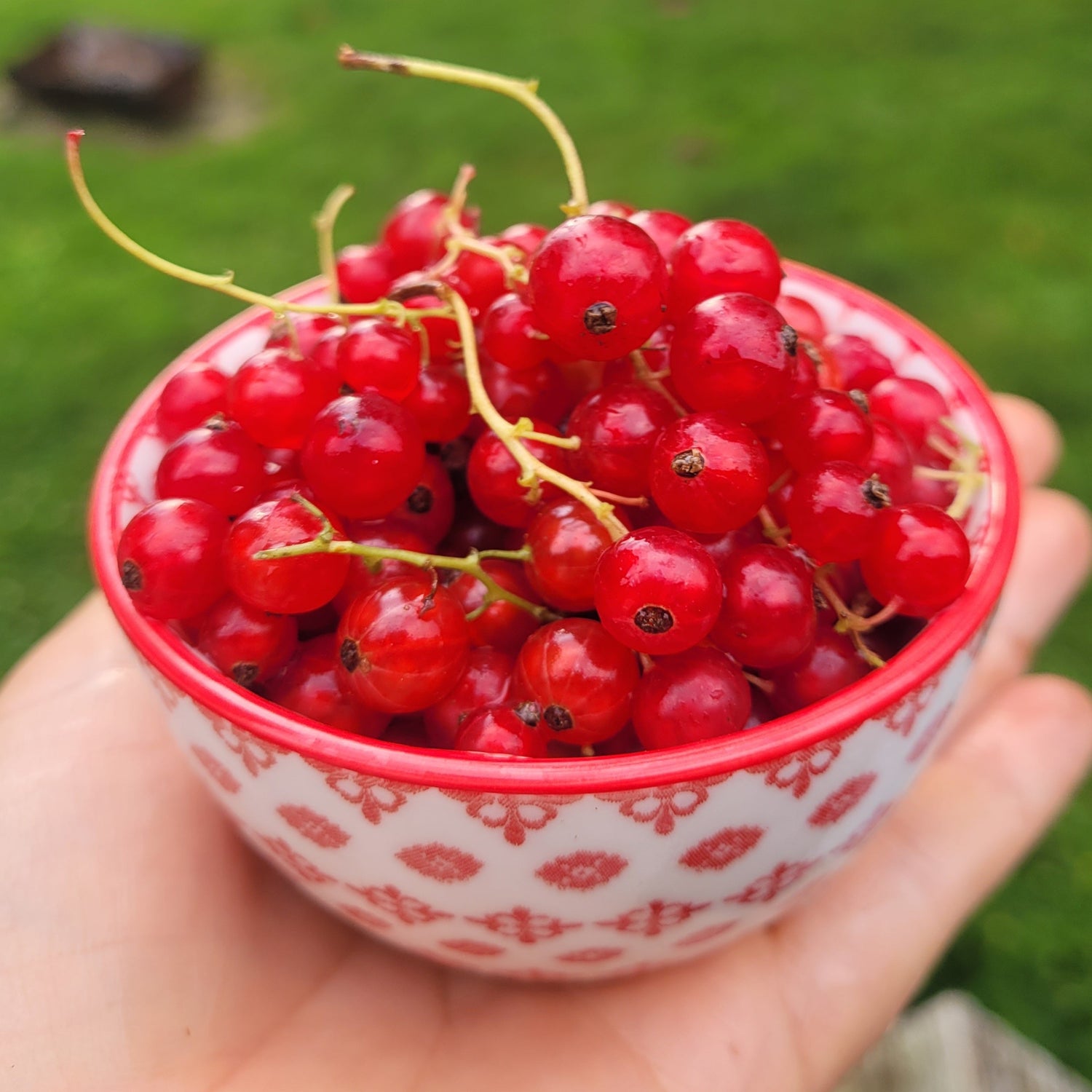
Becker currants are Jenni's favourite this year! In her words: “What I enjoy most is turning these currants into a homemade cordial. Their bold, tangy taste creates a rich syrup that captures the essence of summer. Mixed with chilled bubbly water, the cordial becomes an incredibly refreshing drink—crisp, lightly sweet, and bursting with distinctive flavour. It's simple to make and super packed with Vitamin C which helps boost your immune system, reduce inflammation, and support heart health. For me, Becker red currants represent a way of preserving something delicious, and they transform an ordinary glass of sparkling water into a refreshing treat!”
All Staff Favourites are 20% off. The Staff Favourite Discount cannot be combined with other quantity discounts.
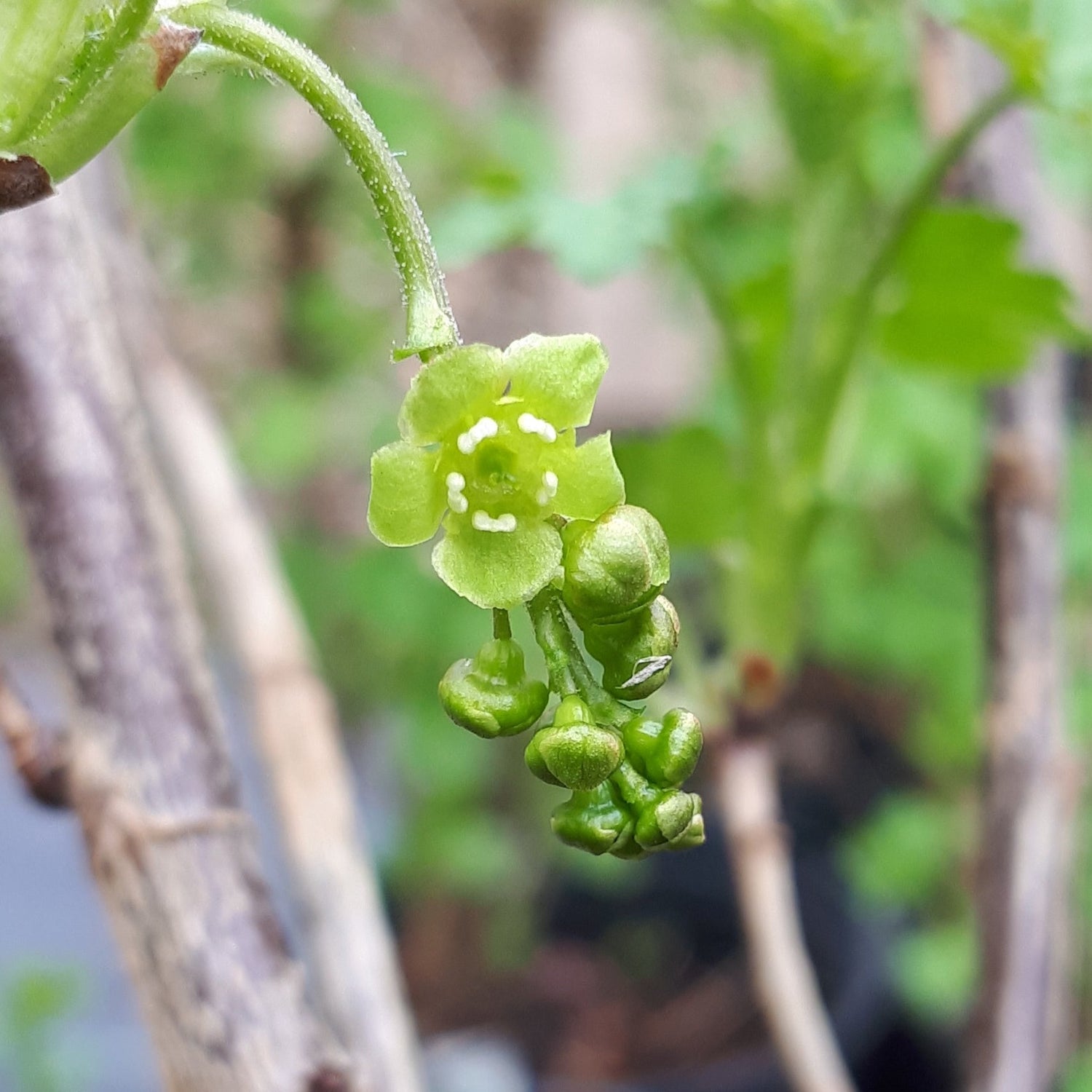
Species: Ribes rubrum
History: These red currants come from the Becker family homestead near Wellesley, Ontario where we are located. This is a great way to try something truly local!
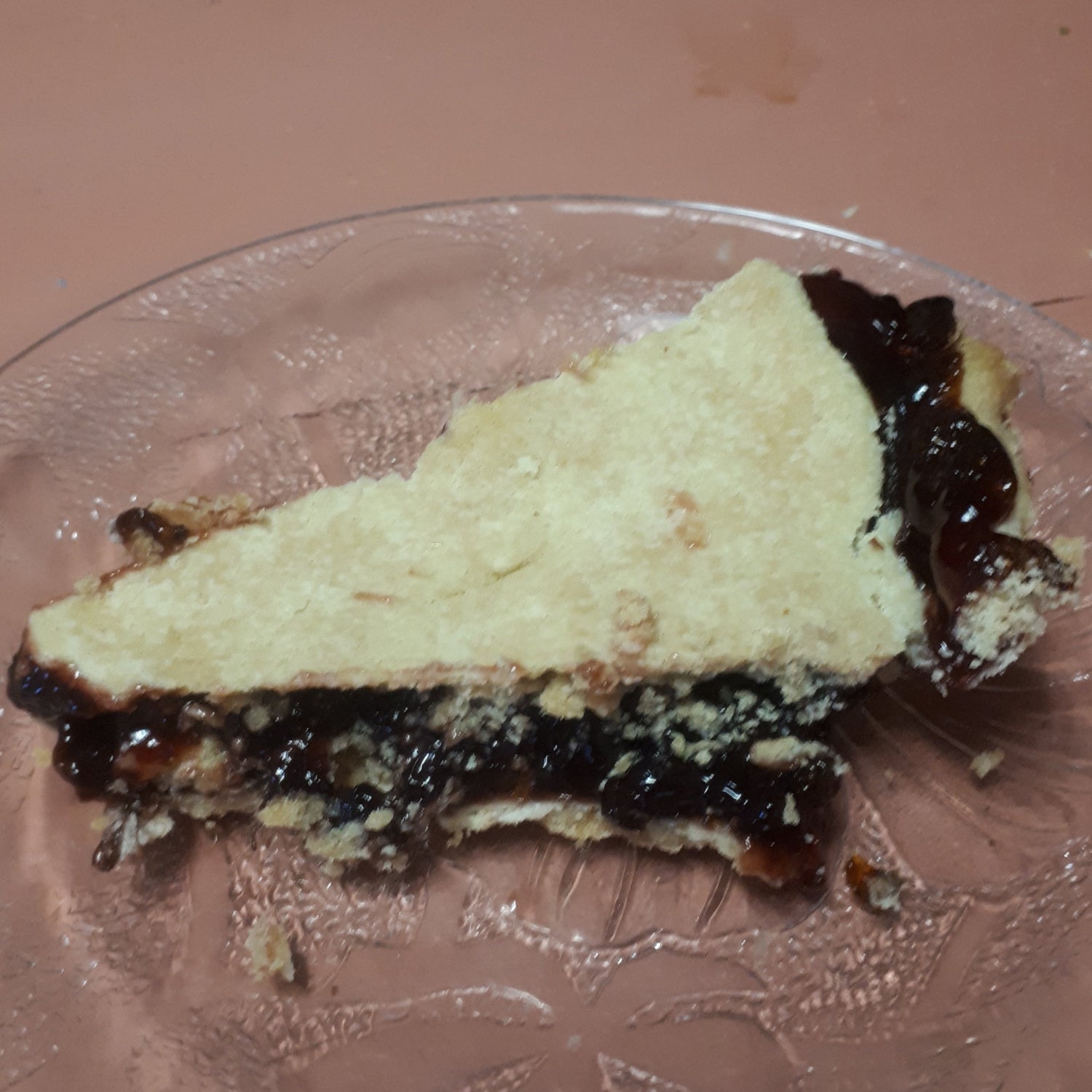
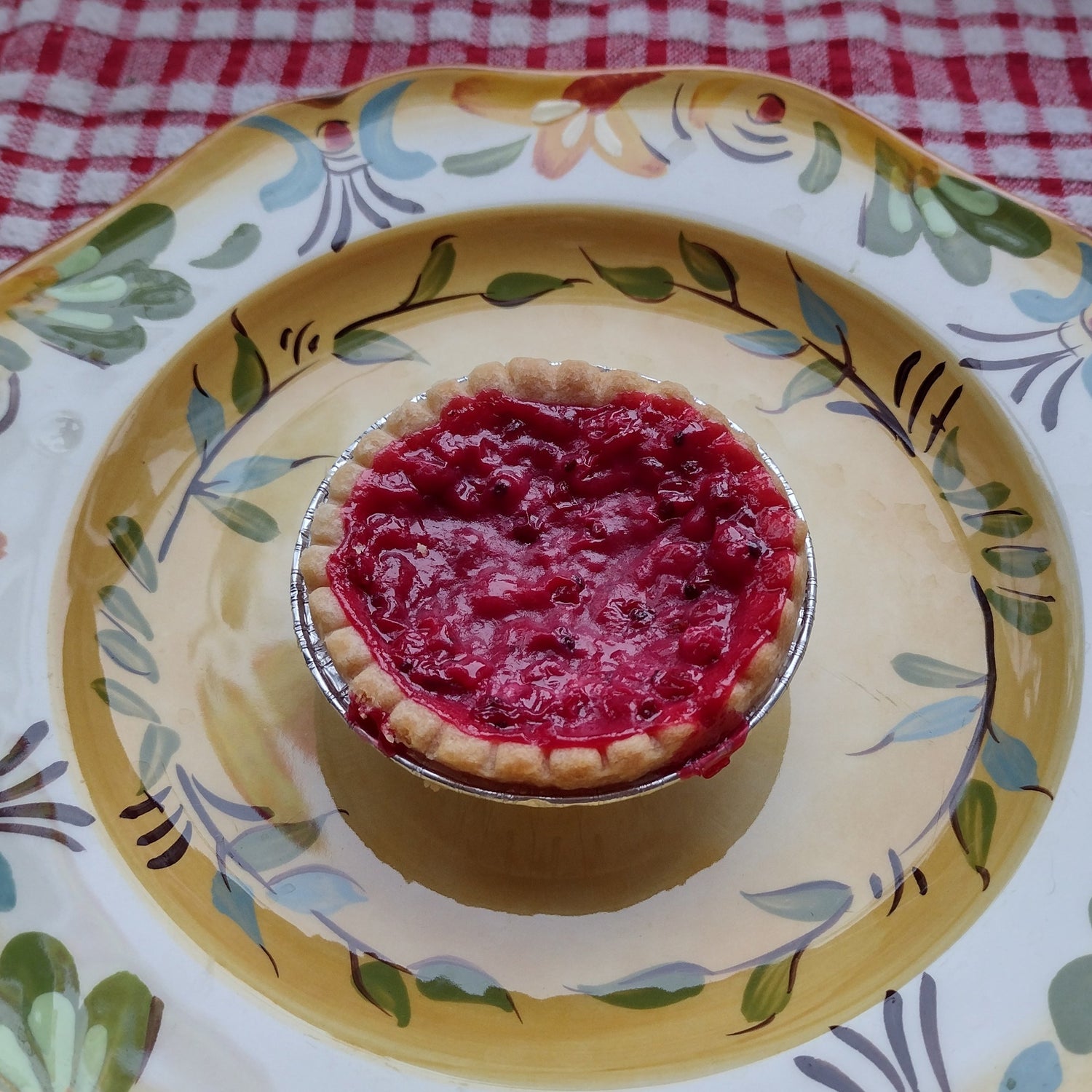
Why We Grow It: In our experience, Becker red currants are reliable and productive. The fruit produced by Becker red currants are larger than those produced by Red Lake and make a wonderful juice. They can also be used for cooking and baking, such as the tarts made by Steph that are pictured here!
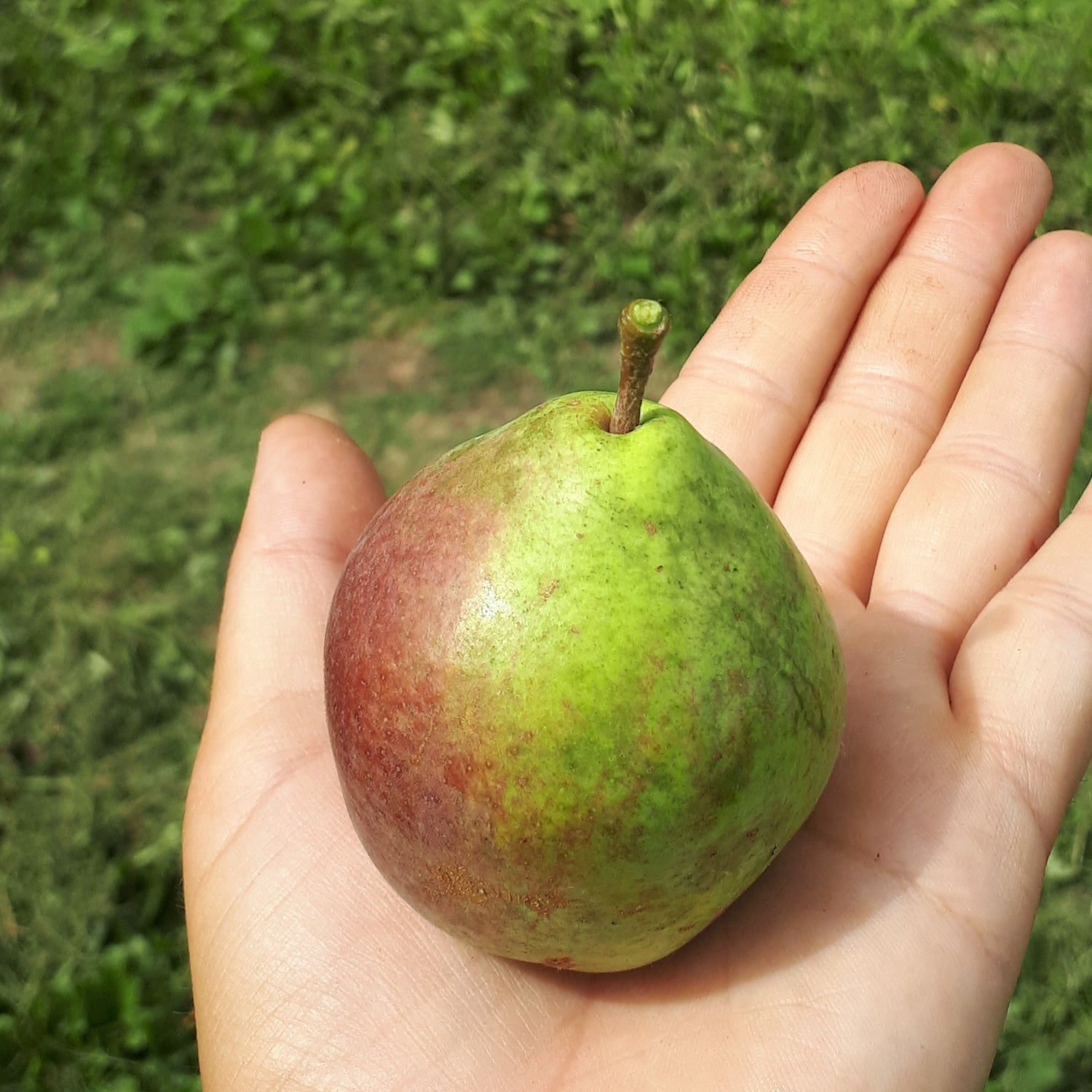
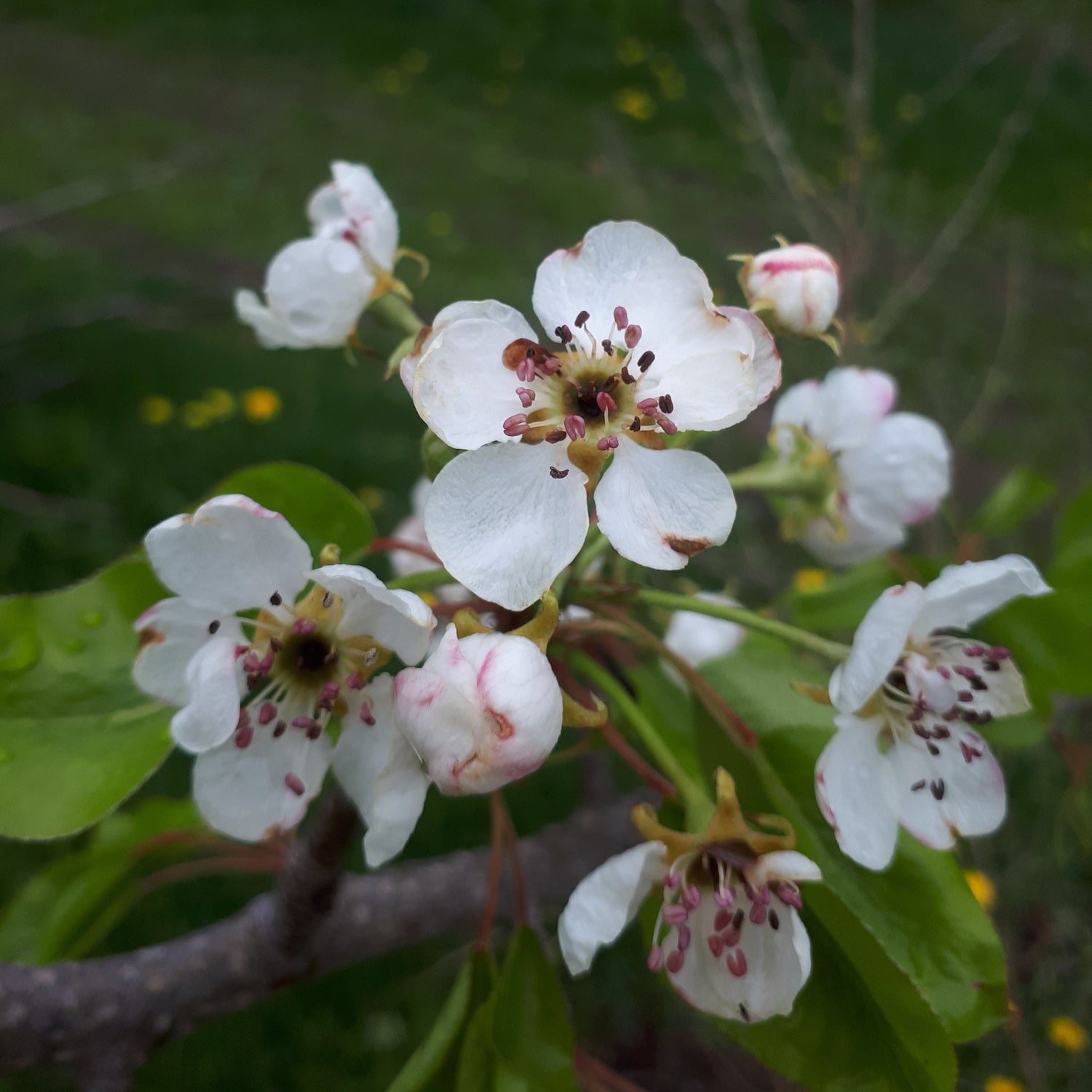
History: Summercrisp pears were developed by the University of Minnesota in an effort to create a cold hardy pear. They were successful in creating a hardy and delicious pear, releasing the variety in 1985. Its name is derived from the fact it ripens in summer (very early for a pear!) and that it is great right off the tree when still crisp.
Why We Grow It: Summercrisp performs amazingly in our test orchard, producing lots of freckled beauties that ripen uniformly and hang well on the tree. This early cold-hardy pear has a really sweet, pleasant flavour and is not gritty or dry. The fruit are average-sized with yellow skin and red blush. For optimal eating they should be picked before fully ripe and stored in the fridge until eating. This variety deserves to be more widely planted.
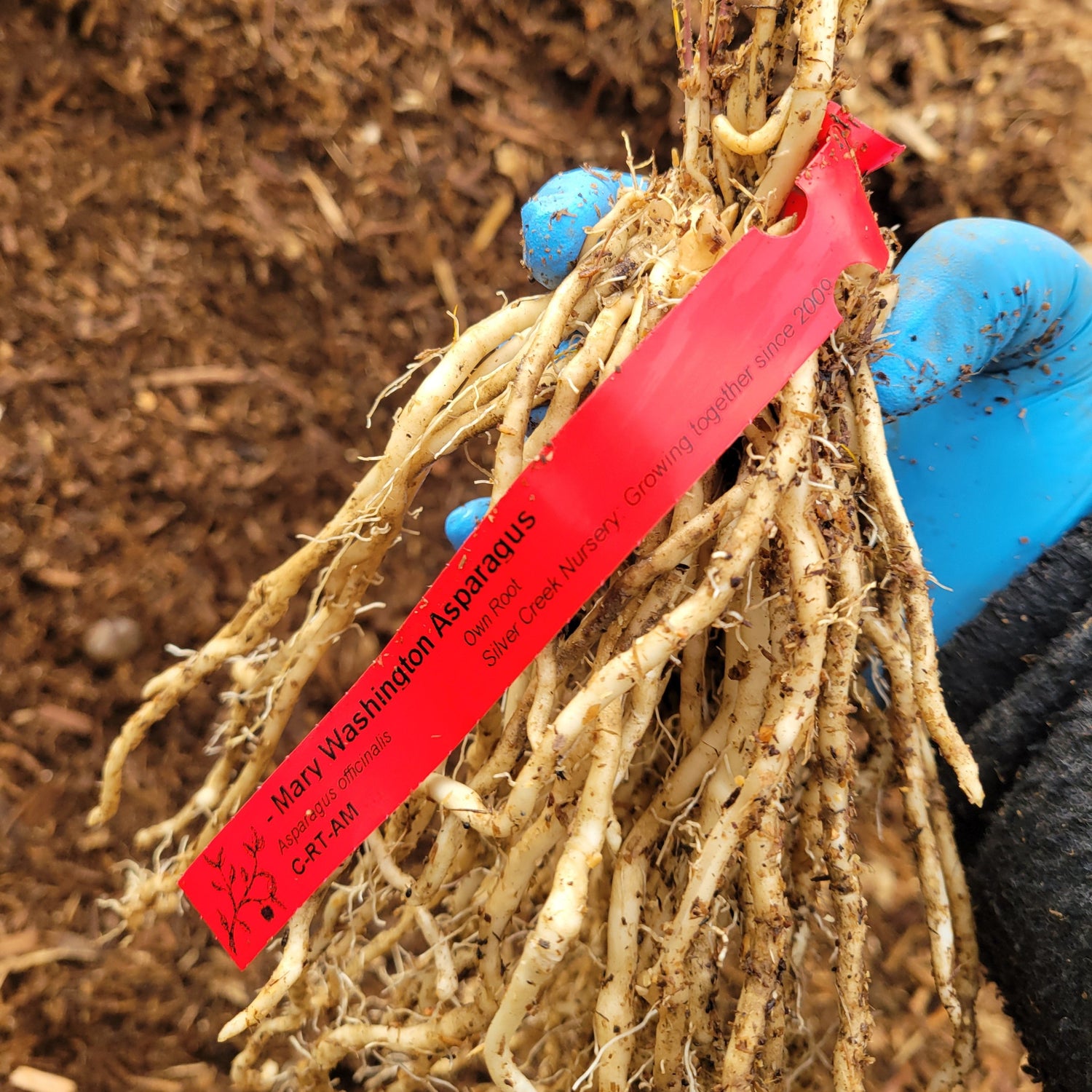
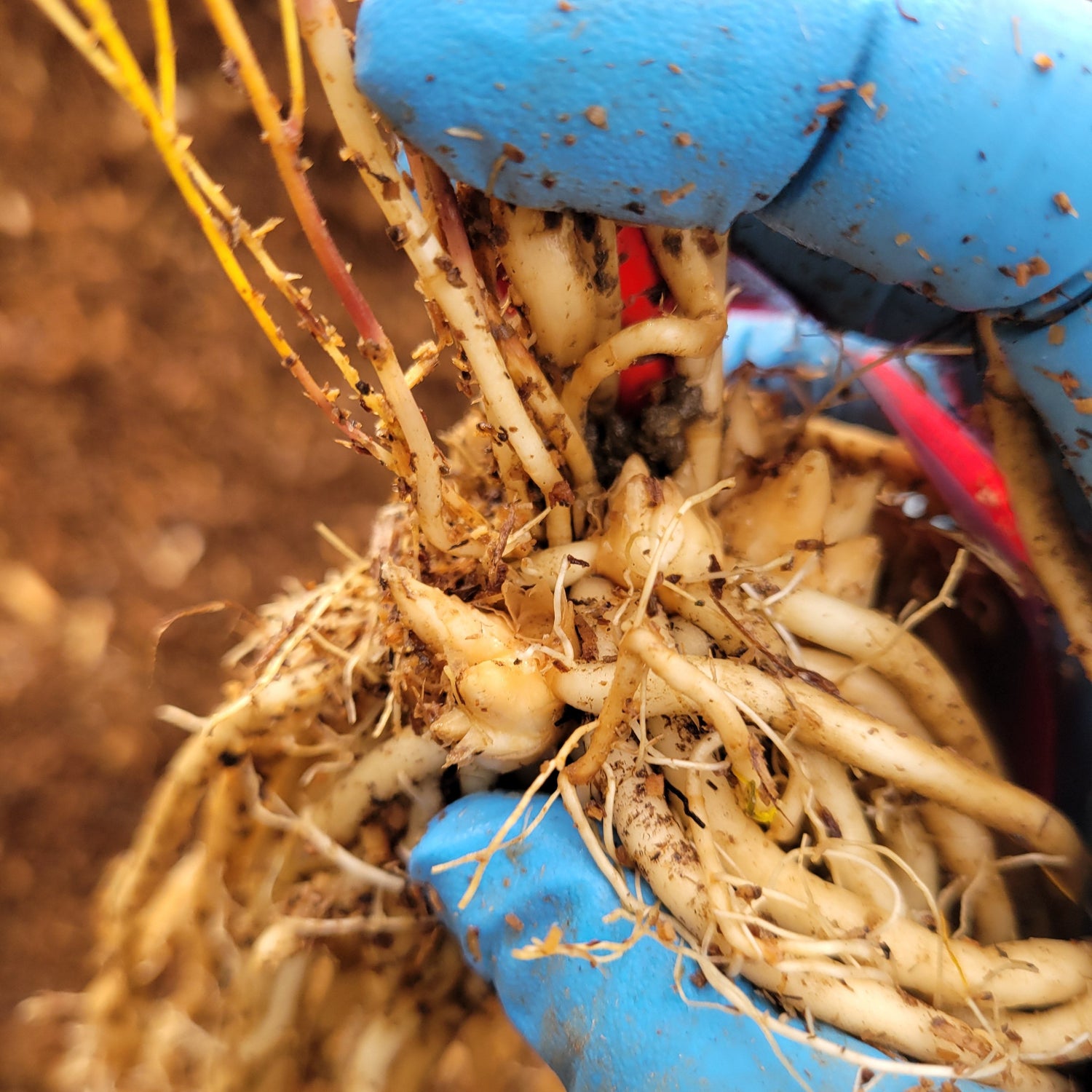
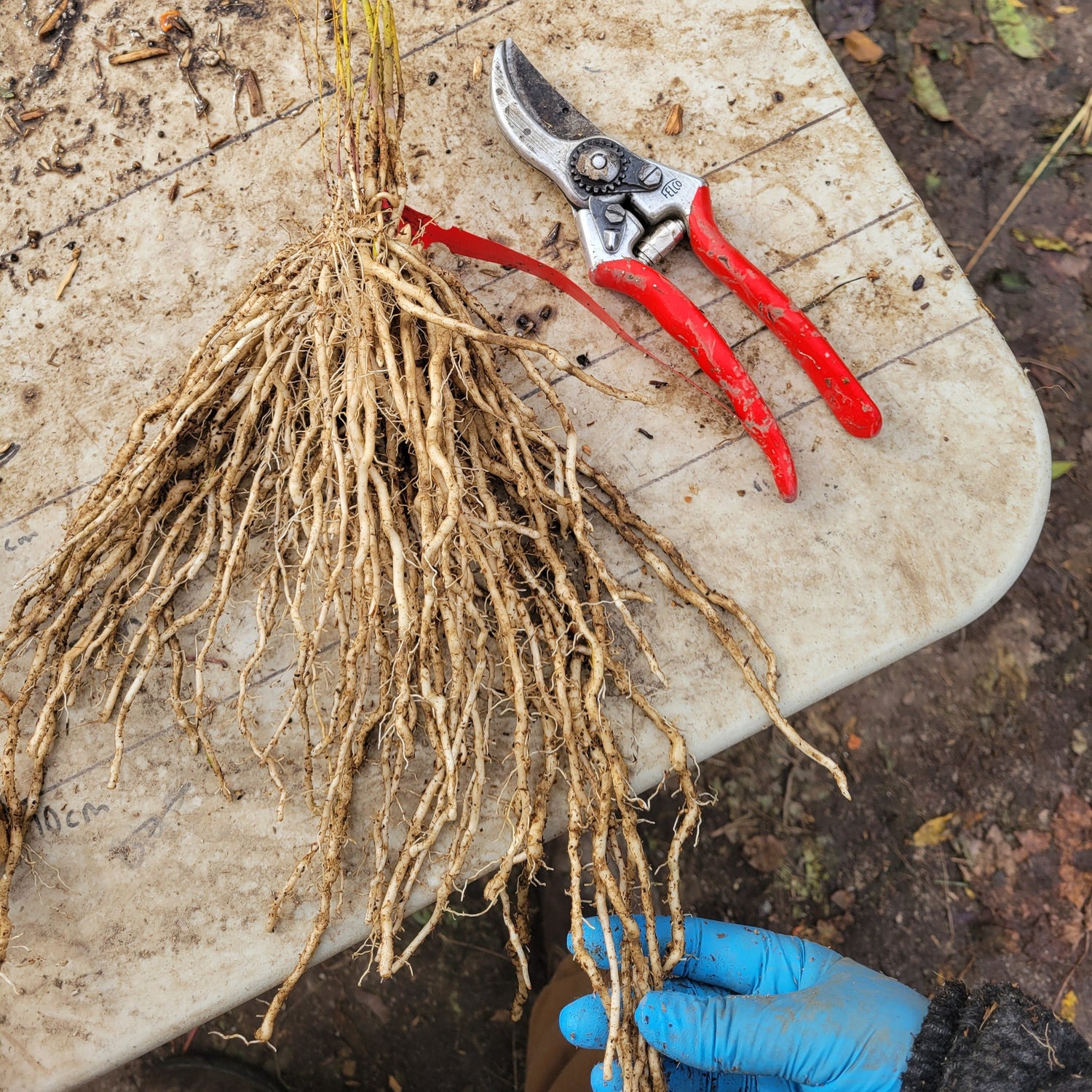
Species: Asparagus officinalis
History: The parent of these seedlings, Mary Washington, was introduced by the US Department of Agriculture in California in 1949. Named after George Washington's mother, it is part of the Washington series of asparagus. Fittingly, it remains one of the most popular varieties of asparagus in the US today. These seedlings may vary from their parents but should bear similar traits!
Why We Grow It: We love offering seedlings as a way to add some diversity to the plants being grown! The parent variety Mary Washington is known for producing large quantities of uniform spears in the spring. They have an excellent nutty and buttery flavour and are known for being resistant to rust. They are hardy against both cold and heat.

History: Mother was first officially introduced to the world in an 1844 edition of the "Magazine of Horticulture." We know it came from General Stephen Gardner's farm in Massachusetts in the US but do not know any other details about its origins. It faded from popularity in the US during the 1900s but remained popular in the UK.
Why We Grow It: Mother produces medium-sized apples with yellow skin that turn deep red where exposed to the sun. This crisp, juicy apple is sweet with hints of pear and vanilla making it an excellent choice for fresh eating. It is also a popular option for baking pies! The fruit stores well, the blooms are tolerant of late spring frosts, and the tree tends to start producing at a young age. It is also susceptible to several common apple diseases, but we believe its other qualities outshine that fact.
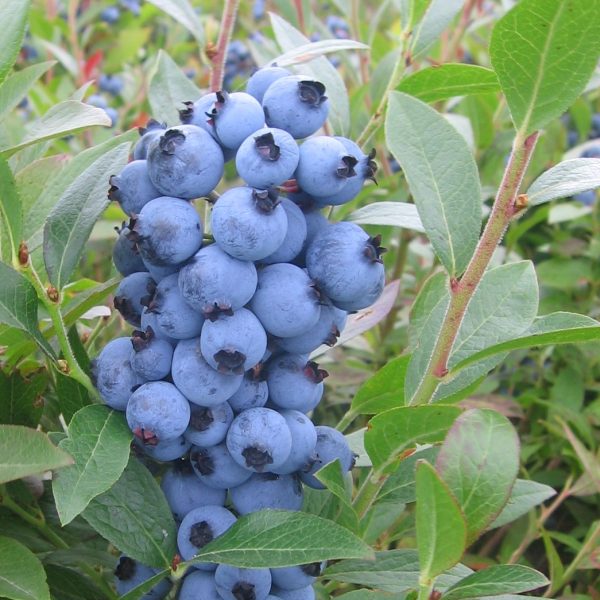
Species: Vaccinium corymbosum x V. angustifolium
History: Northblue was bred by the University of Minnesota as part of a hybrid blueberry breeding program that started in 1967. The goal of the program was to cross highbush and lowbush blueberries in order to create high-quality cold hardy varieties. Of the three varieties initially created in this program, Northblue was noted for having the largest fruit and highest productivity. Northblue was introduced to the public in 1983.
Why We Grow It: Northblue produces nicely sized, firm blueberries that store well. The berries have a good sweet flavour akin to that of wild blueberries and are great for a variety of uses. The compact shrub is quite productive and cold hardy.
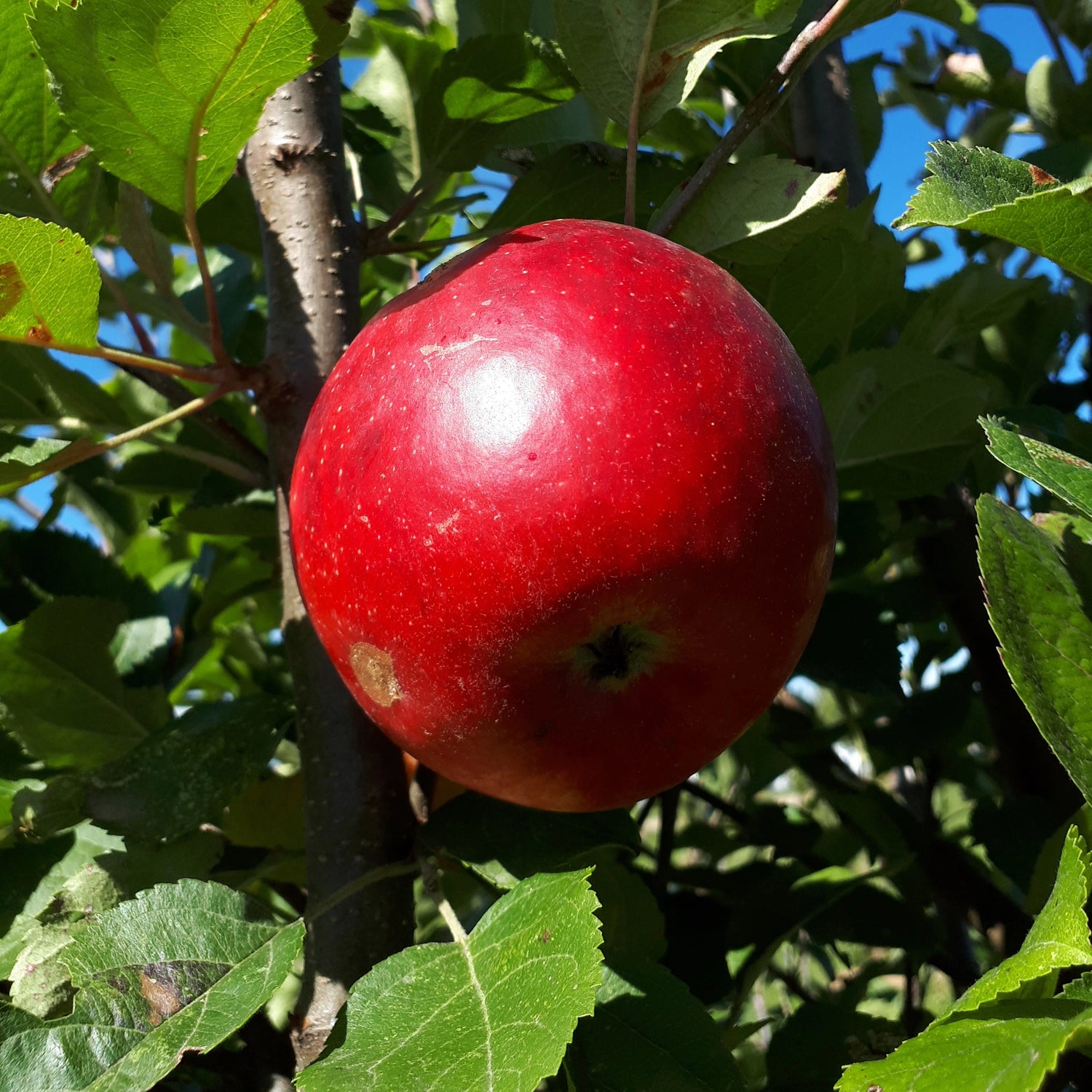
History: Freedom was developed in a breeding program at the New York State Agricultural Experiment Station in Geneva, New York in 1958. The goal was to create an apple that was immune to apple scab, and this particular variety was chosen from 120 other apples that were planted out from seed selected through an intensive breeding program. It was released in 1983 and given the name Freedom to represent its freedom from apple scab.
Why We Grow It: Low maintenance, disease-resistant, vigorous, good flavour, and a good keeper... all in one apple! Freedom is the perfect variety for growing organically, for pick-your-owns, backyards, and community orchards. Large red skinned apple, similar to McIntosh in flavour with sweet, subacidic, sprightly flavour and juicy white flesh. Crunchy, fine grained flesh.

Huplaso is a new basalt from New Brunswick which is proving to be an excellent rock dust option. All basalts originate from volcanic activity and consequently can be rich sources of macro, micro, and trace elements. Huplaso comes from mafic volcanic rock that dates back to the Middle Ordovician times. This deposit emerged from a rapidly cooling magma deposit on the east coast of Canada and contains 57 different mineral elements.
One of the great benefits of basalt is that it generally carries a high paramagnetic reading. The advantage of paramagnetism is not readily embraced by current science. However, most soil scientists are aware of the work of Phil Callahan, who has contributed significantly to the understanding of what constitutes a healthy soil. Because of its own high paramagnetic value, Huplaso is a powerful tool to use in your soils. It is also a valuable liming agent in soils.
This product is approved for organic use.
Equivalency Measurement - 6 cups/2kg
Application: 1 cup per tree, work the dust into the top 3in of the soil. This means a bag will treat 6 trees.
Apply 1/2lb-3lb per cubic foot of soil mix, unless mixing with other rock dusts, in which case adjust accordingly. Use the highest rate for high value crops, poor soils and/or for potentially increased crop yield.
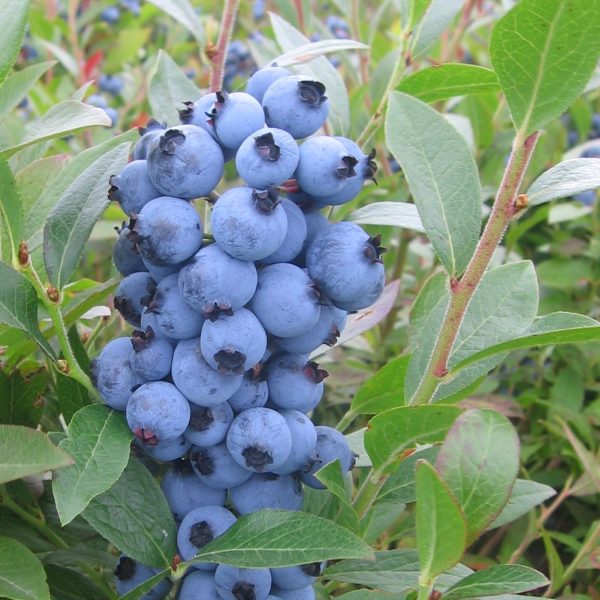
Species: Vaccinium corymbosum x V. angustifolium
History: Northcountry was bred by the University of Minnesota as part of a hybrid blueberry breeding program that started in 1967. The goal of the program was to cross highbush and lowbush blueberries in order to create high-quality cold hardy varieties. Northcountry itself was created in 1968 and was introduced in 1986.
Why We Grow It: Northcountry produces small to medium blueberries with a sweet flavour akin to that of wild blueberries. For those looking to enjoy fresh blueberries as soon as possible each year, this variety is an excellent choice since it ripens quite early. The compact bush is also quite cold hardy and productive!


History: Liberty was developed by the New York State Agricultural Experiment Station in Geneva, NY, in 1955 and released in 1978. It is a cross between Macoun and a Japanese crabapple (Malus floribunda), bred in hopes of achieving the disease resistance of the Japanese crabapple.
Why We Grow It: The creators of Liberty were highly successful in their goal, creating one of the most disease-resistant varieties. Liberty is a favourite for organic production as a result. The fruit is bright red with sweet, creamy flesh and it stores well.

If you crave crisp apples, juicy peaches, or varieties of fruit that can never be found in the store, there's no better way than to grow them yourself. Whether you have one tree or a hundred, Orin gives you all the tools you need, from tree selection and planting practices to seasonal feeding guidelines and in-depth pruning tutorials. Along the way, you'll gain a deeper understanding of the core principles of organic gardening and soil stewardship: compost, cultivation, cover crops, and increasing biodiversity for a healthier garden. This book is more than just a gardening manual; it's designed to help you understand the why behind the how, allowing you to apply these techniques to your own slice of paradise and make the best choices for your individual trees.
Filled with informative illustrations, full-color photography, and evocative intaglio etchings by artist Stephanie Martin, Fruit Trees for Every Garden is a striking and practical guide that will enable you to enjoy the great pleasure and beauty of raising homegrown, organic fruit for years to come.

Phosphorous is one of the most important nutrients required by plants, aiding in root growth among other aspects of plant development! Soft rock phosphate, aka colloidal phosphate, comes from clay collected from basins of former hard phosphate mining operations. The clay nature of this product means it does not leach out of the soil due to water, allowing it to better stay in place and remain accessible to plants.
Application Rates:
- About 1 cup per tree dusted into backfill soil when planting. One bag has around 5 cups (2kg).
- Light Applications: Apply 3.2kg per 1,000 square feet, ¼ cup per plant, or 0.45kg per 20 foot row of vegetables.
- Normal Applications: Apply 5.5kg per 1,000 square feet, 1/3 cup per plant, or 1kg per 20 foot row.
- Please Note: If you are adding phosphorous to your soil via fertilizers such as bone meal or soft rock phosphate and also using the Root Rescue mycorrhizal inoculant, reduce the application rate of the phosphorous source by 1/4-1/2. Too much phosphorous will negatively impact the mycorrhizal fungi, potentially slowing or even preventing your plants from forming a relationship with these incredible fungi.
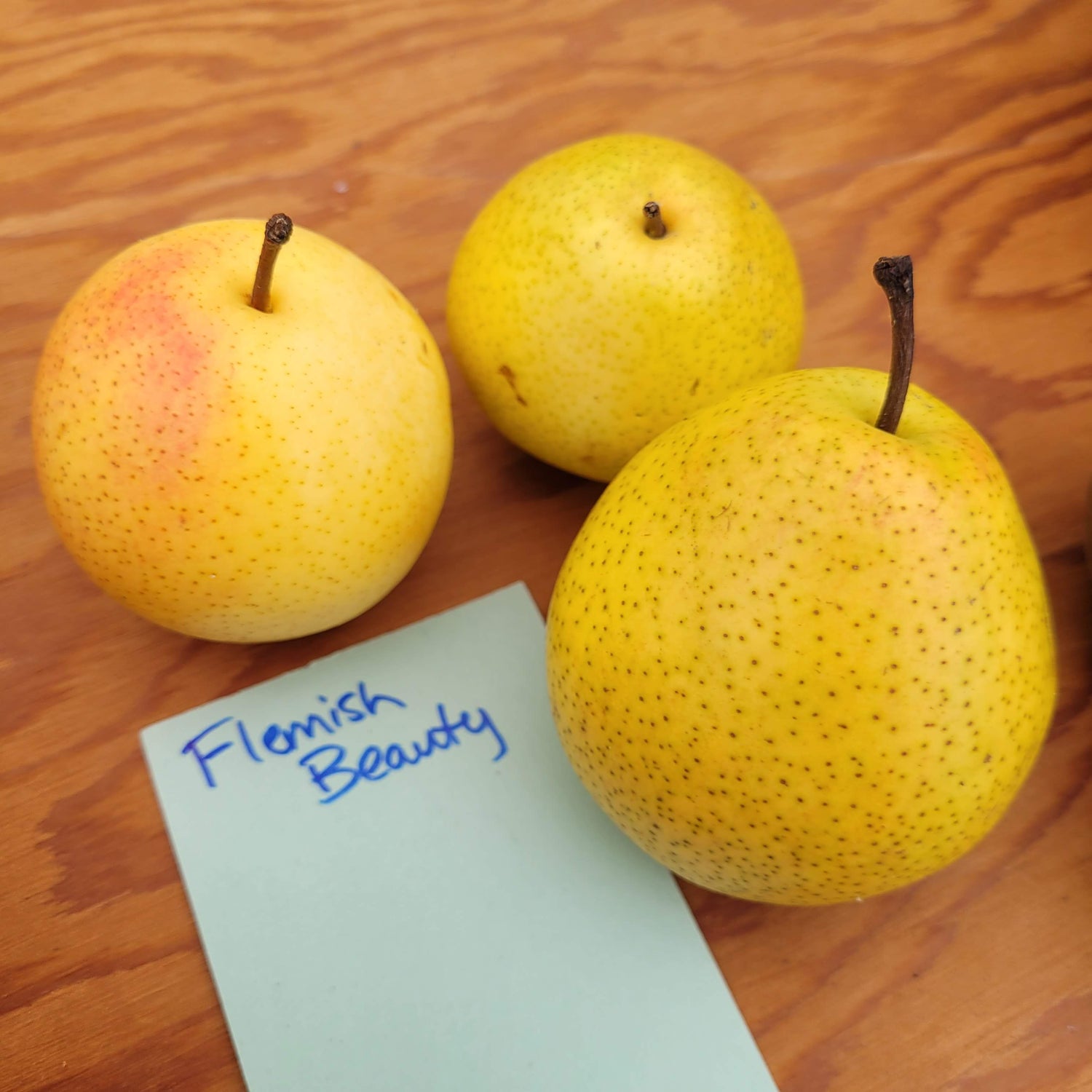
History: Flemish Beauty originated in Belgium in the early 1800s. At one point Flemish Beauty was one of the most common commercial varieties in the US.
Why We Grow It: Flemish Beauty's cold hardiness and good flavour makes this a popular variety. The fruit is large and greenish-yellow without much neck. It is known for being sweet and very juicy, great for fresh eating.


History: Duchess of Oldenburg, or Duchess as we like to call it, originated in the 1700s in Russia. It spread to other countries where it became popular, especially in Victorian England. Its popularity was so great that at one point it was used as a reference cultivar when evaluating other varieties of apples. It is also likely the parent of several other varieties such as Northern Spy.
Why We Grow It: Duchess boasts an attractive fruit that is striped and mottled red over light green. Although these apples don't store well, the flesh is soft and is excellent for pies and applesauce. The trees themselves are quite hardy and disease resistant.
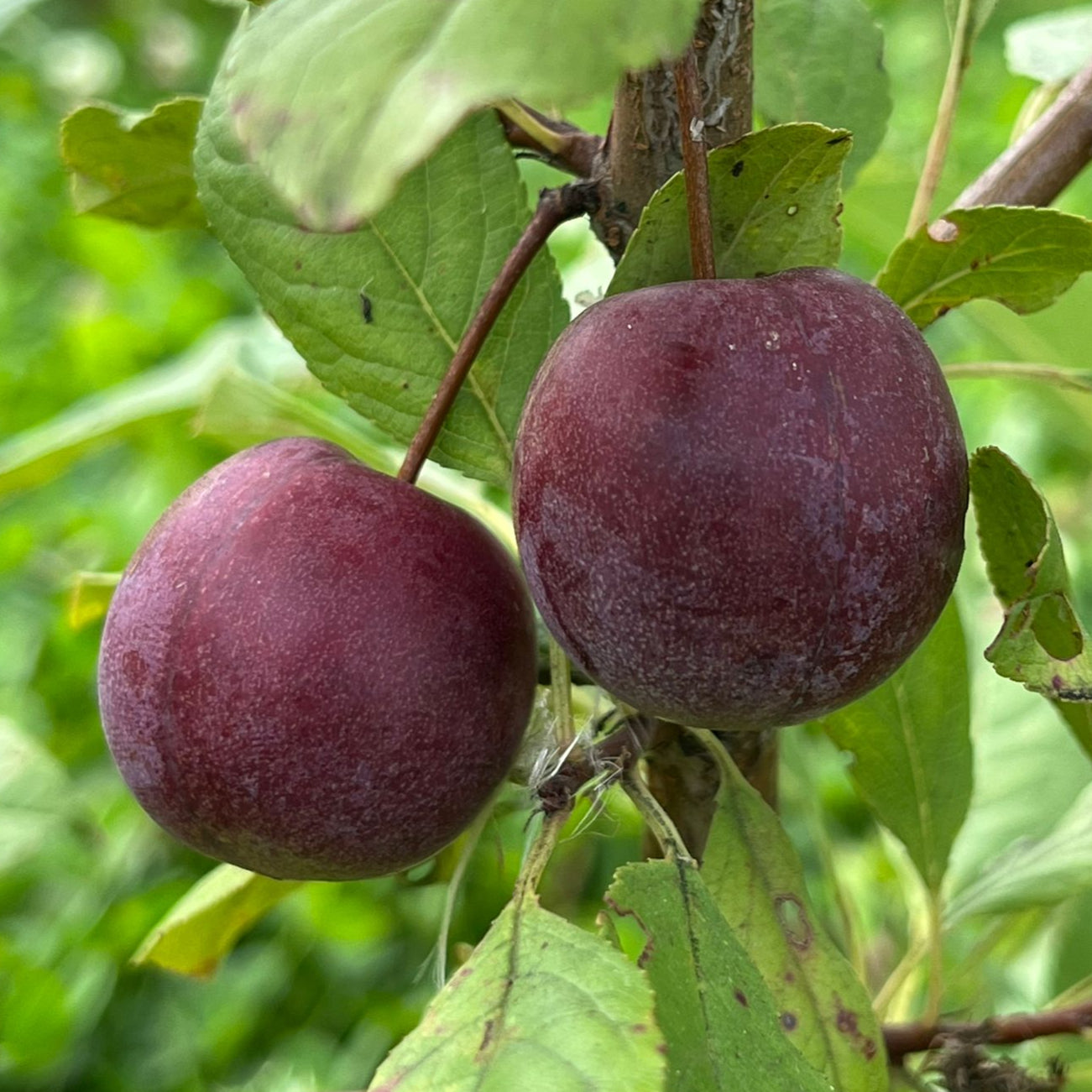
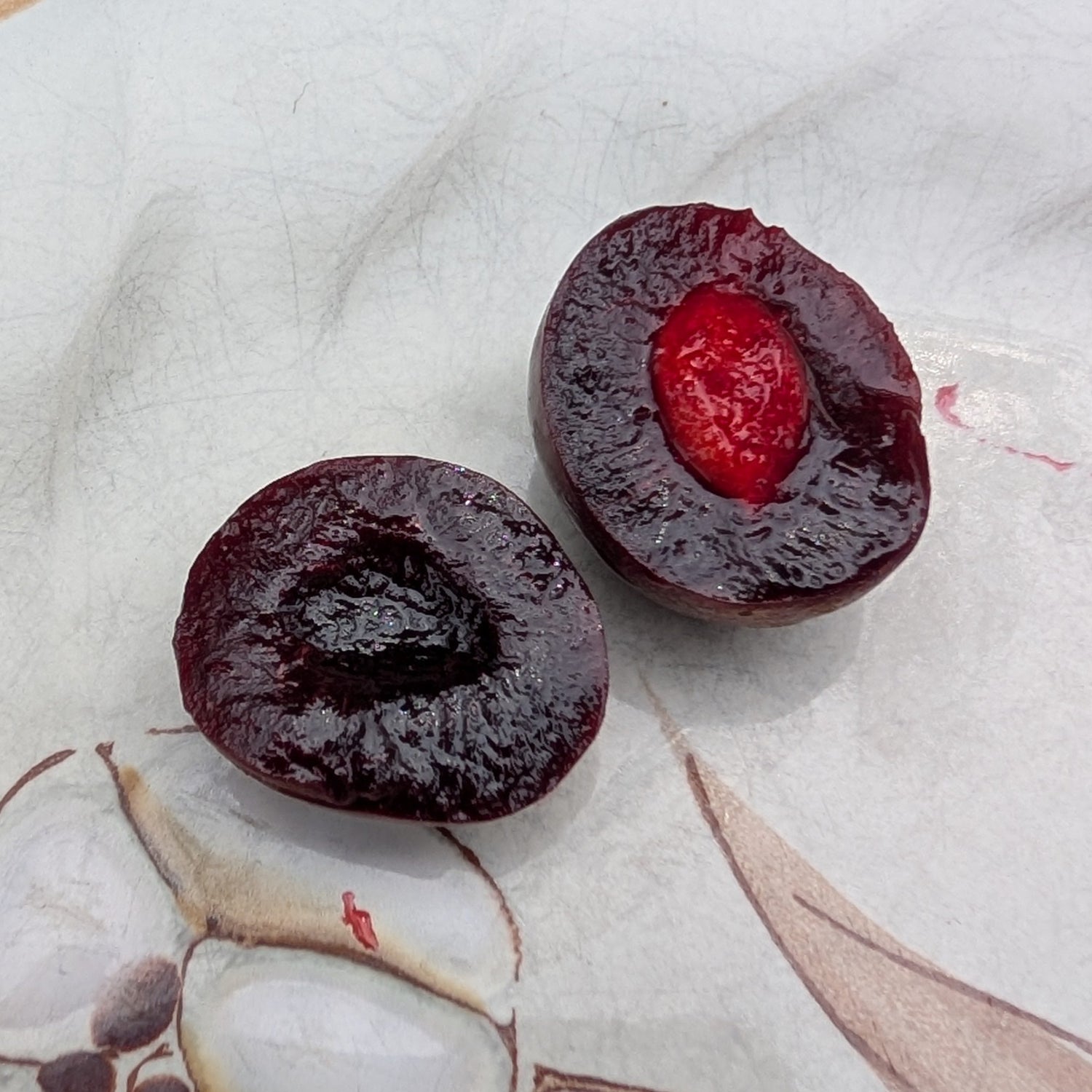
Species: Prunus pumila var. besseyi (Western sandcherry) x P. salicina (Japanese Plum)
History: Sapa (translated as 'black' from Lakota) was developed at the South Dakota Agricultural Experiment Station in the US by renowned plant breeder N. E. Hansen and released in 1908. His goal was to create plants hardy enough to grow in the harsh, northern prairies and was one of the first people to start breeding chums. Hansen had a tendency to name his native plant crosses after words from indigenous cultures of the area, choosing the Lakota word for 'black' in this case due to the dark colour of the fruit.
Why We Grow It: This small, hardy shrub produces purplish fruit with mauve flesh that has a sweet flavour with some tartness. It is good for fresh eating along with a variety of other uses such as cooking, baking, and preserving. It is also quite productive and tends to start bearing fruit at a young age!
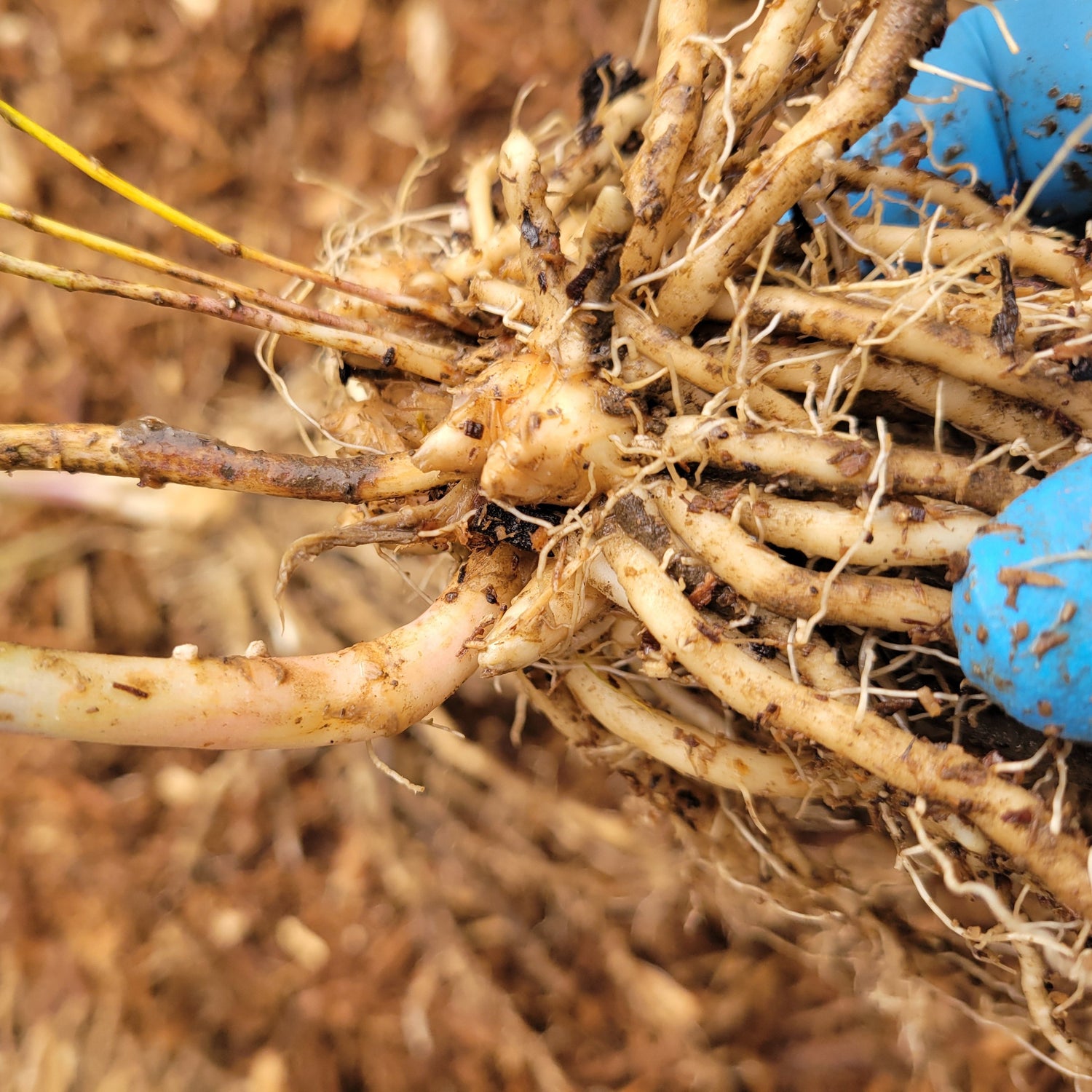
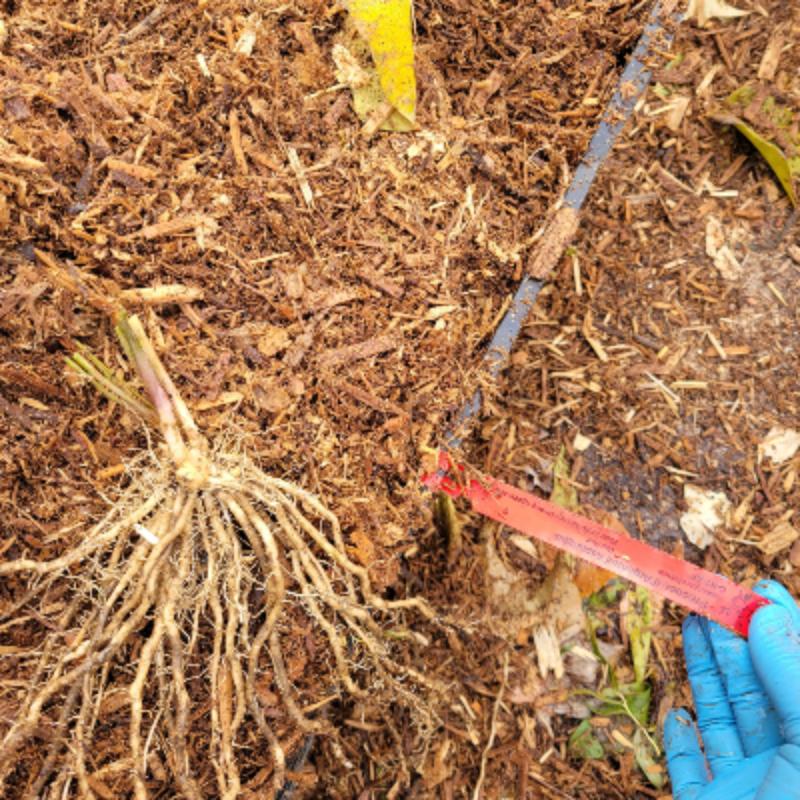
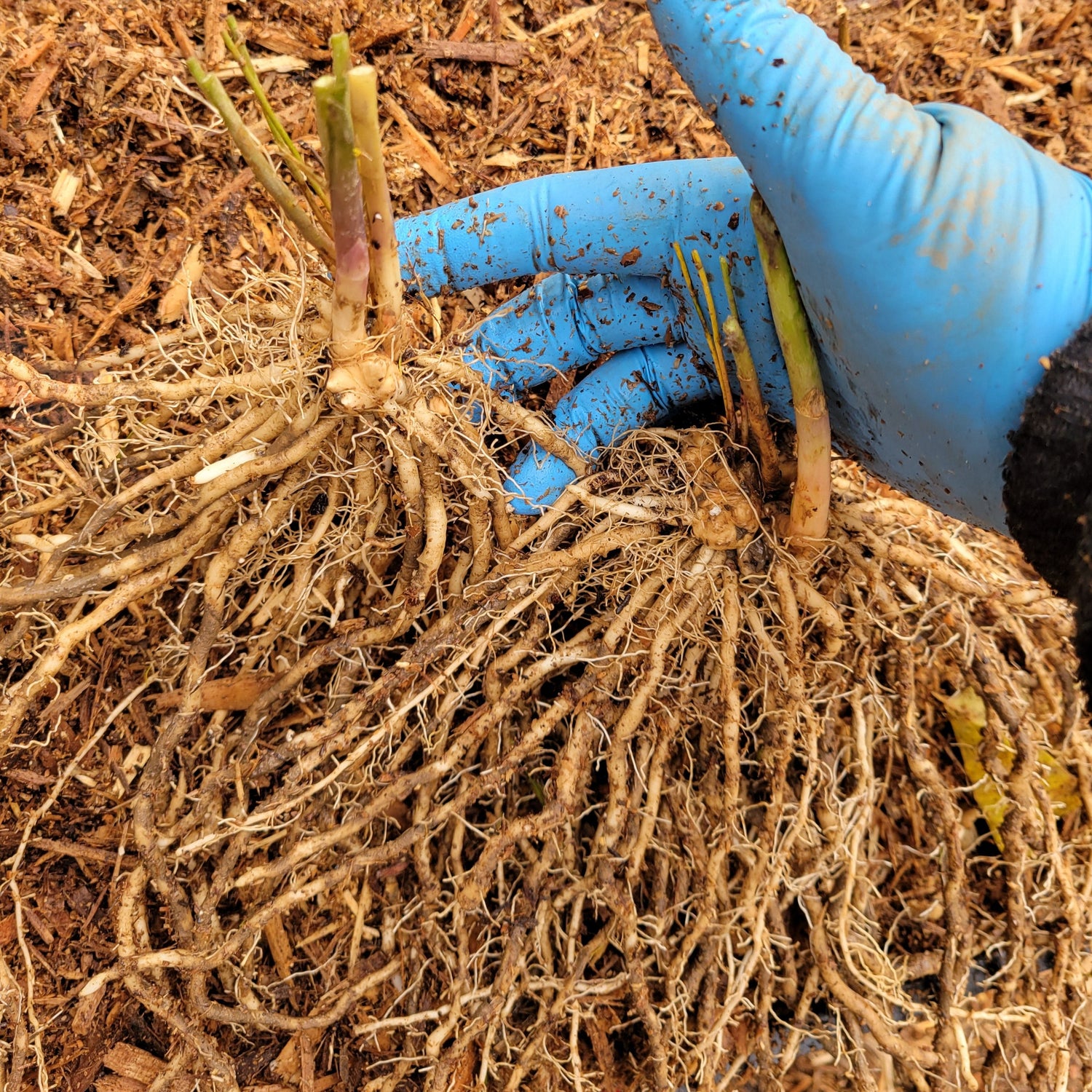
Species: Asparagus officinalis
History: The parent of these seedlings, Precoce d'Argenteuil (translated from French as 'early Argenteuil'), is an heirloom French variety that has been grown since either the 1700s or 1800s depending on the source. It was first listed in 1885 and is a selection from the Giant Dutch Purple variety of asparagus, along with the middle and late Argenteuil varieties which were all likely named after the commune in Paris. It is still commonly used in French dishes to this day. The variety is also sometimes called White Gold if grown without exposure to light, causing the plants to remain white. These seedlings may vary from their parents but should bear similar traits!
Why We Grow It: We love offering seedlings as a way to add some diversity to the plants being grown! The parent variety Precoce d'Argenteuil may not be as productive as modern varieties, but its excellent flavour more than makes up for it! Living up to its name, this variety produces thick shoots quite early in the season as well.

Species: Salix sp, most likely Salix discolor
History: Pussy willows are native to North America, Europe, and Asia and are culturally significant in all three continents. They are a New Years decoration in China and Iran and have been used in various sects of Christianity for purposes such as replacing palm fronds as a decoration for Palm Sunday in Europe and America where palms do not grow.
Why We Grow It: A fluffy signifier of spring, these cute willows are also a great early pollen source for bees and have medicinal uses.
Photo by Huckleberry Hives.
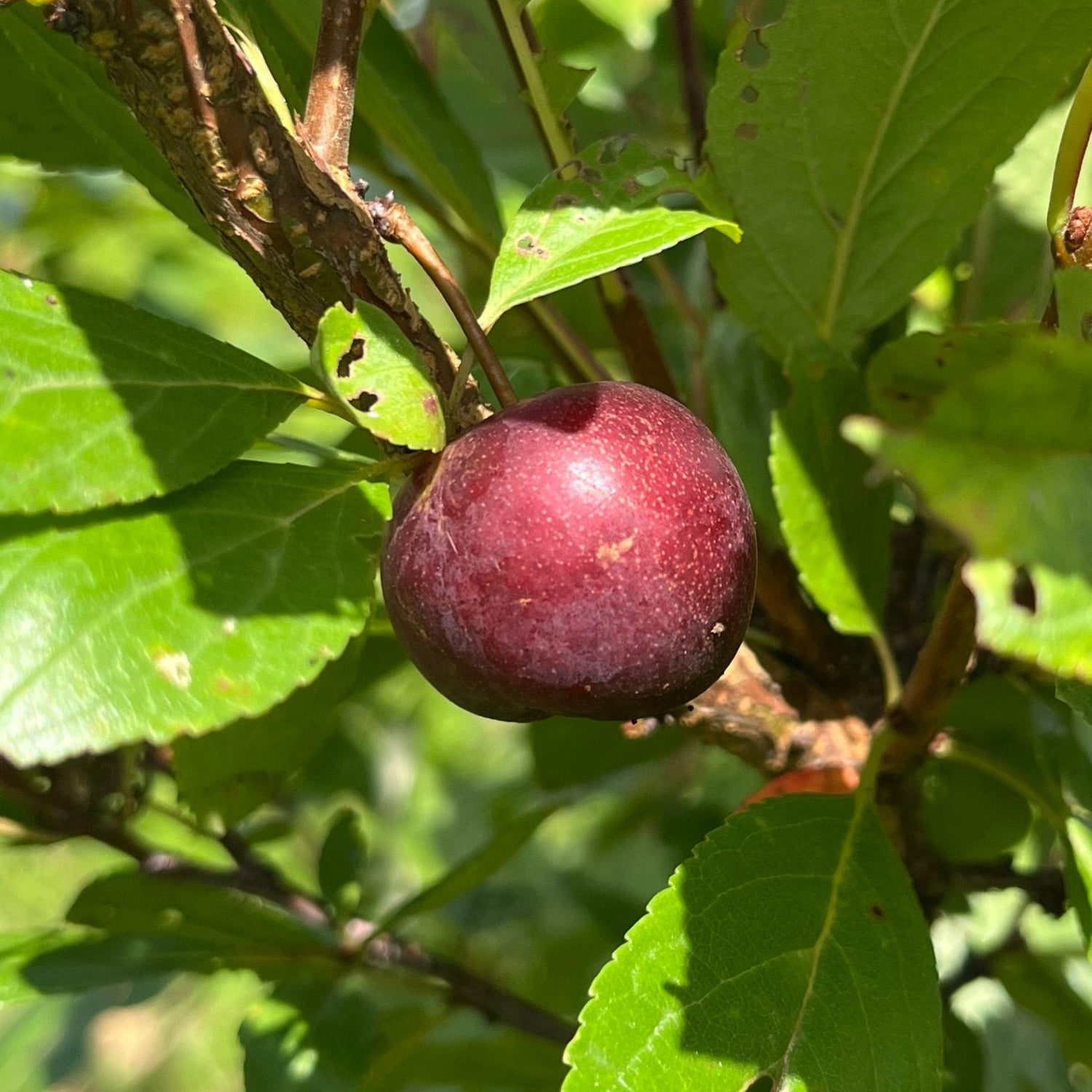
Species: Prunus pumila var. besseyi (Western sandcherry) x P. salicina (Japanese Plum)
History: Dura was developed at the Morden Research Station in Manitoba and was released in 1942.
Why We Grow It: Dura produces small red fruit with sweet mauve flesh. They are good for eating fresh along with cooking/baking, preserving, and juice! This hardy shrub is generally disease resistant and is naturally dwarfing.
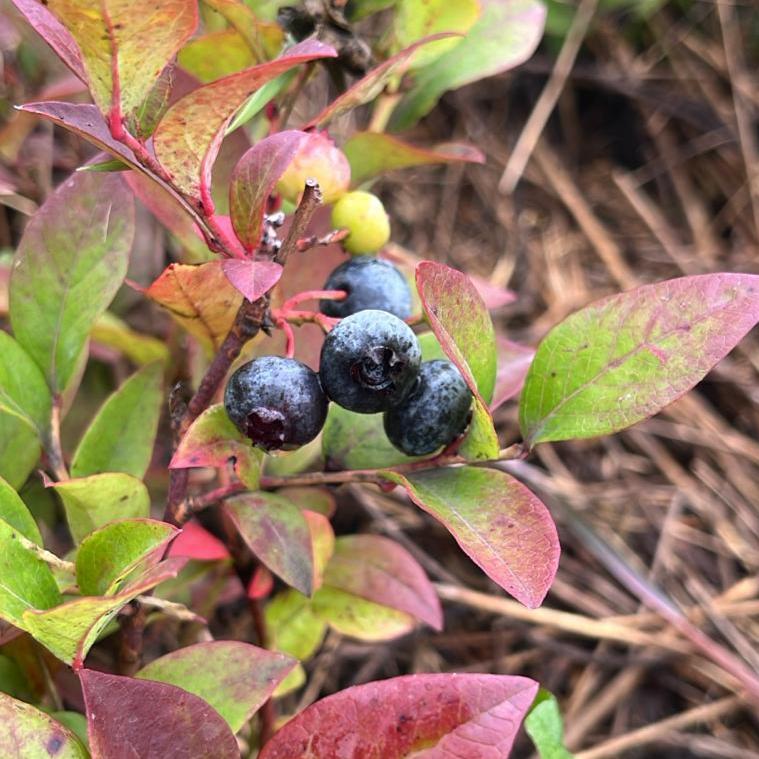
Species: Vaccinium corymbosum
History: Elliott originated in 1947 when Dr. George Darrow of the USDA first bred it. Elliott, and the other blueberries Dr. Darrow bred, were first evaluated by Dr. Arthur Elliott and then by members of the USDA such as Arlen Draper who has bred numerous blueberry varieties. It was released in 1973, over 25 years after the it was originally grown. Elliott was selected for the good quality of its fruit and its exceptionally late ripening time, making it a great variety for extending the blueberry season. It was named Elliott to honour Dr. Elliott's contributions to blueberry breeding efforts.
Why We Grow It: Elliott produces large berries with a mild sweet flavour late in the season. They are great for fresh eating, cooking, baking, and preserving! The bush is very productive and the firm fruit stores well. For those who want to enjoy fresh blueberries for as long as possible, Elliott is an excellent choice due to its very late ripening time!
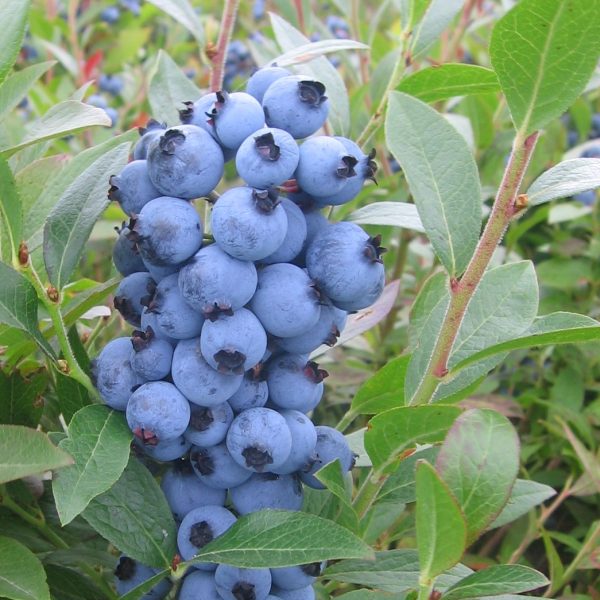
Species: Vaccinium corymbosum
History: Duke was developed in Maryland by Arlen Draper, a blueberry breeder working for the USDA, in collaboration with the New Jersey Agricultural Experiment Station. After ten years of testing it was released in 1987 thanks to its early ripening time, general disease resistance, reliable crops, and suitability for commercial sale. It was named Duke after S. Arthur "Duke" Galetta of the Atlantic Blueberry Company in honour of his support for blueberry breeding efforts over the years.
Why We Grow It: Duke produces good-sized crops of large, firm berries that are a good balance of sweet and tart. This is one of the earlier ripening blueberries and it has received the Royal Horticultural Society's Award of Garden Merit. Duke is an extremely reliable producer thanks to it's later bloom time that allows it avoid late spring frosts. Like other blueberries, it is great for a variety of uses including fresh eating, baking, and preserving!