Ontario Planting Favourites

Ontario Planting Favourites
Handpicked varieties perfectly suited for Ontario's climate (zones 4-6 only).
These hardy fruit trees, berries, and orchard essentials thrive in Ontario's growing conditions and are ready to plant now for best spring establishment. From cold-hardy apples to productive berry bushes, each variety has been selected for reliable performance in Ontario gardens and orchards.
200 products
Sort by:
200 products
200 products


Why We Grow It: These large, red apples boast a high acid content along with high sugars and a strong fruity flavour, making them excellent cooking apples. Like other English cooking apples, it breaks down when cooked.

History: Kandil Sinap* originated in the early 1800s around the Black Sea, although it is debated whether it originally came from the Crimean Peninsula in the Ukraine or the Sinop Peninsula in Turkey. It was at one time commonly exported into Russia.
*There are different thoughts on what Kandil Sinap translates to, some say it is 'candle of Sinop,' others 'sweet apple of Sinap,' and it translates directly from Turkish as 'oil lamp'
Why We Grow It: Kandil Sinap's most prominent feature is the odd shape of the fruit, strangely oblong and conical, almost resembling a candle in appearance. The odd green fruit have a sweet, sprightly flavour and are quite aromatic, although they do bruise easily. The tree naturally stays smaller but produces heavy crops and is great for backyard orchards.

History: Goodland was developed at the Morden Research Station in Manitoba as part of an effort to breed cold hardy apples for the prairies. It is a seedling of Patten Greening that was selected in 1925 and the variety was introduced commercially in 1955.
Why We Grow It: The cold hardy Goodland produces a medium to large yellow apple with red striping. This crisp, juicy apple has sweet/tart flavour that is great for fresh eating, cooking, and sauce. Unlike most early ripening varieties, Goodland will store well for several months.
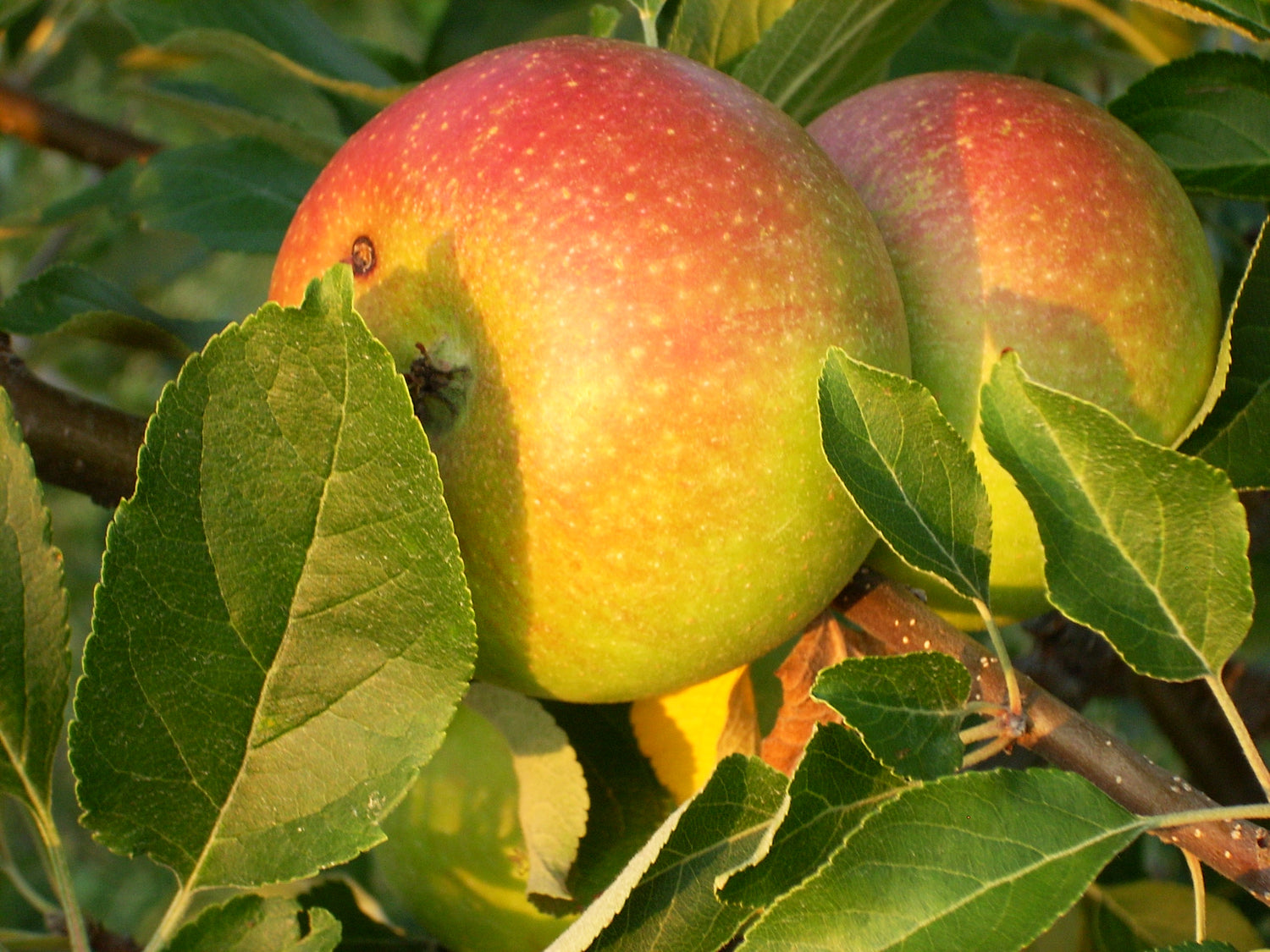
History: Cox's Orange Pippin was first grown in England in 1830 and was named after the retired brewer and horticulturalist who first bred it, Richard Cox. Its excellent flavour has earned it a spot as one of the best fresh eating apples in England where it has remained popular ever since. In fact, it still accounts for over 50% of fresh eating apples grown in the UK today. Despite its reputation, it is seldom grown commercially in North America due to its precocious nature and susceptibility to many common apple diseases.
Why We Grow It: This apple's reputation is hard to ignore with its sweet, subtle, aromatic flavour and attractive orange-red skin. Not only is it good for fresh eating, it is also popular in cider blends.

History: York Imperial was discovered as a seedling tree growing on the farm of John Kline in Pennsylvania. Nurseryman Jonathan Jessop, of Springwood Farm in York, Pennsylvania, began propagating the variety in 1820 after witnessing schoolboys digging through the leaves around the base of the tree in spring and retrieving apples there were in great condition despite spending all winter on the ground. In an age without refrigeration, Jessop knew this variety had excellent commercial potential. It was initially named Jonathan's Fine Winter for its excellent storage properties but was later renamed York Imperial after horticulturalist Andrew Jackson Downing called it the 'imperial of keepers,' again referencing its storability and the location of Jessop's farm. It quickly became popular and remains one of few heritage apples that are still commonly grown in the US today.
Why We Grow It: York Imperial produces a rather lop-sided fruit with yellow skin and red striping. It is crisp and juicy with a lovely sweet, honeyed flavour that is hard to turn down. The fruit is truly all-purpose, also being great for cooking, baking, jelly, juice, drying, and cider and generally storing quite well. While not the fastest growing tree and with a tendency to start producing fruit a little later than other varieties, York Imperial is an exercise in patience that is well worth the wait.

History: Delbarestivale was developed by Delbard, a nursery in France, in the 1950s. Likely named as a portmanteau of 'Delbard' and 'estivale' (translated from French as 'summer') due to its early ripening time, this variety goes by many other names including Delcorf, Monidel, Dalili, and Ambassy. It was bred in an attempt to create an improved version of Golden Delicious. Although not quite as popular as Golden Delicious, it is still grown commercially in parts of France and England and the Royal Horticultural Society awarded it the Award of Garden Merit in 1998.
Why We Grow It: This French apple is very sweet but balanced nicely with a sharp flavour. The flesh is aromatic and crisp and the skin is a lovely, stripey bi-colour with reddish streaks overlaying green. The apples store quite well for an early-ripening variety, although they do tend to bruise easily.

Unsulphured blackstrap molasses are a great way of getting some much-needed nutrients to your trees in a more natural way, generally being considered high in iron, calcium, and magnesium. It is also a key ingredient in our Holistic Spray if you are using effective microbes.
Please note the molasses we carry is not food grade.
Contents: Organic, unsulphured, pasteurized, non-GMO blackstrap molasses
Size: 945mL bottle
Application:
-
Root Drench - 1tsp per 1L of water during vegetative state every 7-14 days
- Root Drench During Bloom - 2tsp per 1L of water every 7-14 days
- Foliar - 1/4tsp of water per 1L of water every 14 days
Soil: Any
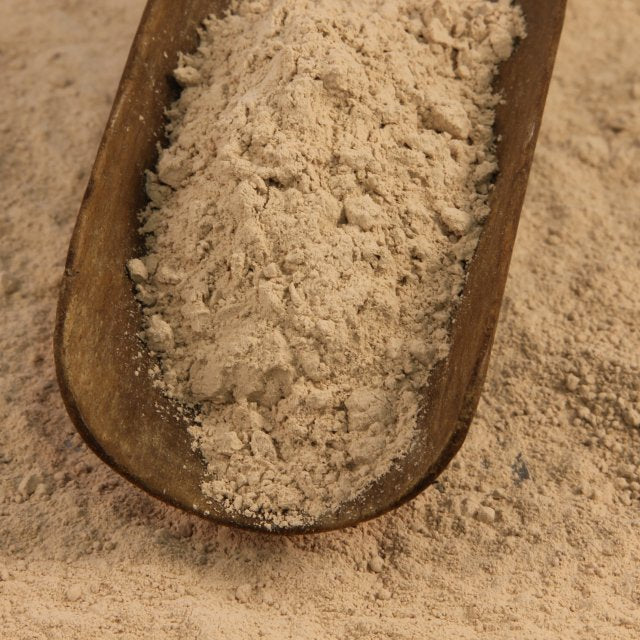
Azomite comes from an old volcanic deposit discovered in Utah in the 40s. It contains an array of minerals and rare earth elements that are beneficial for plants. While it is fairly easy to add macronutrients (NPK; or nitrogen, phosphorous, and potassium) to your soil, many often miss the importance of adding micronutrients like those contained in azomite which your plants also need.
Contents: A unique array of over 70 minerals, trace, and rare earth elements
Size: Bagged in 4.4lb/2kg bag (around 5 cups).
Application: 1/4 to 1/2 cup per tree, work the dust into the top 3in of the soil. This means a bag will treat 10-20 trees.
Soil: Any

History: Holstein was discovered in Schleswig-Holstein, Germany in 1918 and became one of the most popular varieties in the country. It is possibly a seedling of Cox's Orange Pippin.
Why We Grow It: This popular German variety sports attractive yellow skin with an orange/red blush. The flesh is firm, juicy, and aromatic in a way that is reminiscent of Cox's Orange Pippin. In general, this variety is easy to care for and grows vigorously.


Species: Maclura pomifera
History: Osage Orange is originally native to a small portion of Texas, Arkansas, and Oklahoma. It was first introduced to European colonizers in the early 1800s by the Osage Nation, hence the name of the tree, who prized it for its use in making bows. It was then widely planted across the US in hedgerows thanks to the dense, thorny hedges it forms when pruned that were impenetrable to livestock. It was in fact one of the primary trees included in President Franklin Roosevelt's Great Plains Shelterbelt project which started in 1934 and by 1942 had resulted in 220 million trees being planted. The hard, rot-resistant, yellow wood was also useful for making fence posts, tool handles, and dye.
Why We Grow It: Although the fruit produced by the Osage Orange is not considered edible, this tree has plenty of other uses! It is still commonly planted as an ornamental tree and the bright yellow inner wood adds an extra level of appeal.
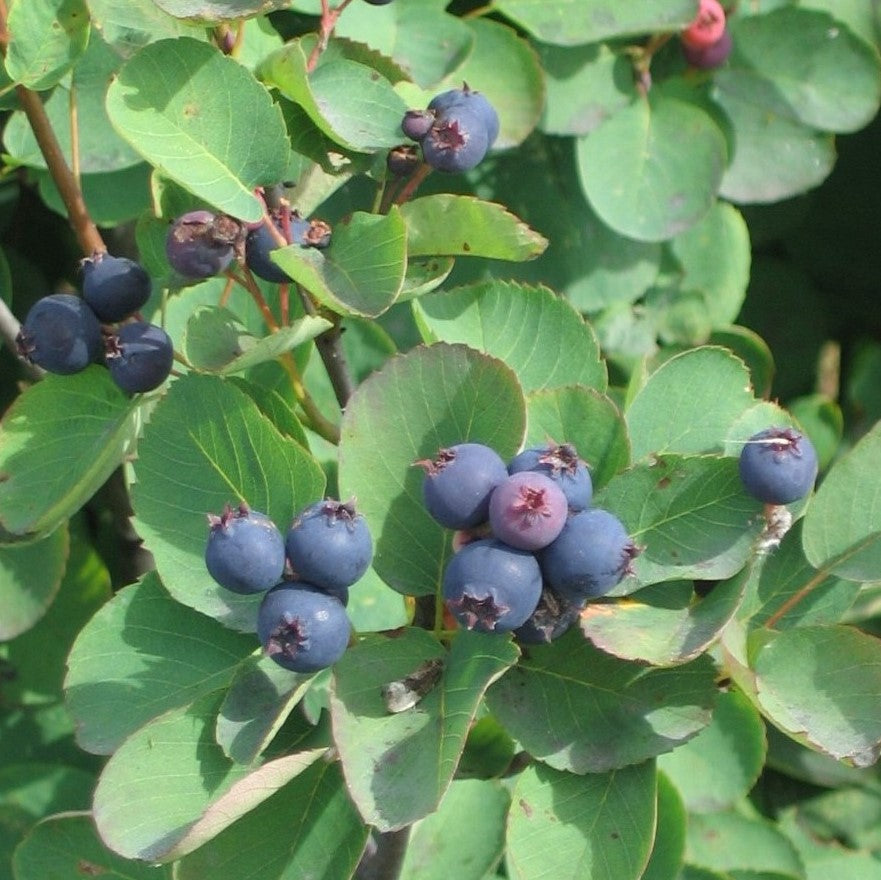
Species: Amelanchier alnifolia (aka Western Serviceberry)
History: Martin was grown by Dieter Martin in Saskatchewan. He selected this variety for its large berries and uniform ripening time.
Why We Grow It: Martin produces deep purple berries that are both flavourful and juicy! The berries are on the larger size and ripen at more or less the same time, making them a good choice for mechanized picking.
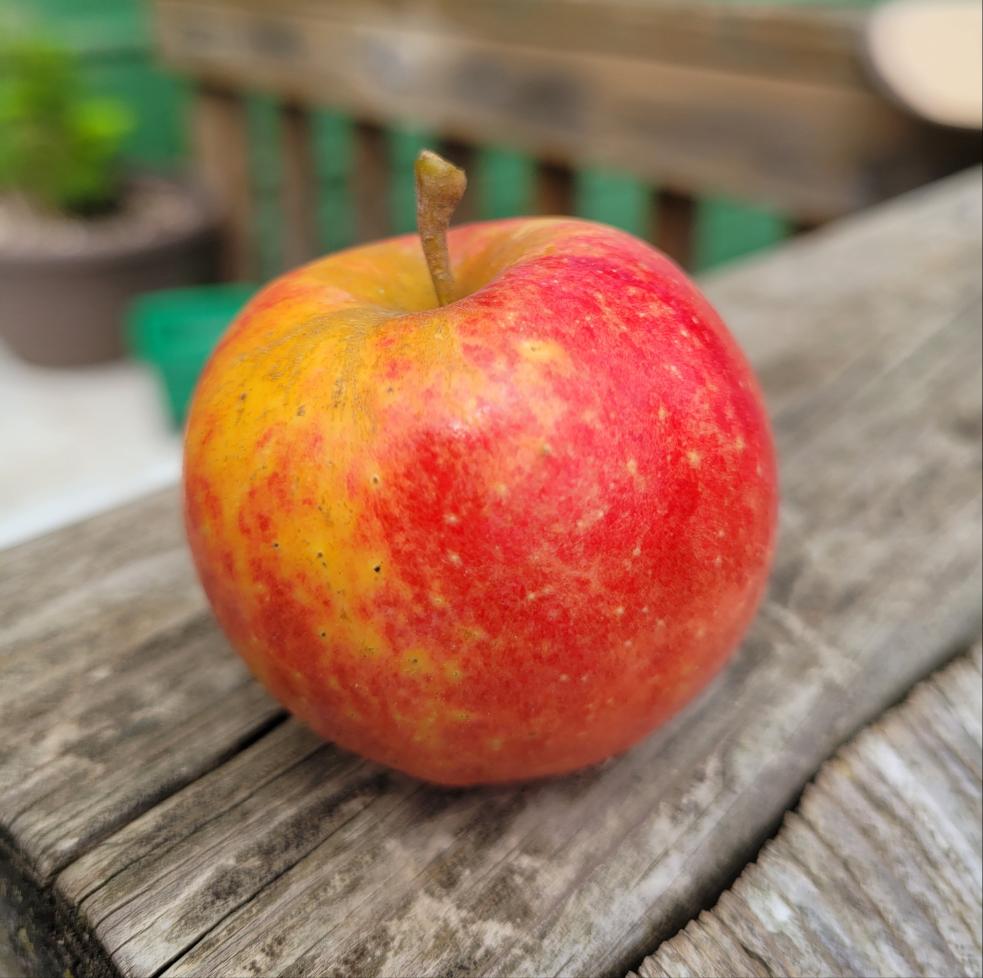
History: Norkent was bred as a cross between Haralson and Rescue at the Morden Research Station. It was one of tens of thousands of seedlings sent across the prairies as part of the Prairie Fruit Breeding Cooperative initiative by Agriculture and Agri-Food Canada in the 1960s. It was planted at the University of Alberta before being moved again to a backyard in Edmonton once the university ran out of space to it grow.
Why We Grow It: This pleasant and aromatic apple is one of the best fresh eating apples for colder climates! The flesh of this red apple is crisp and said to taste like a cross between an apple and pear.
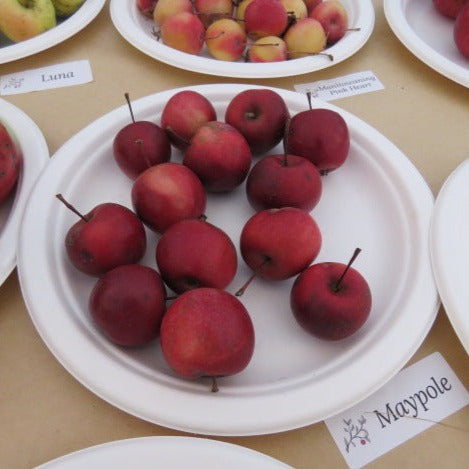
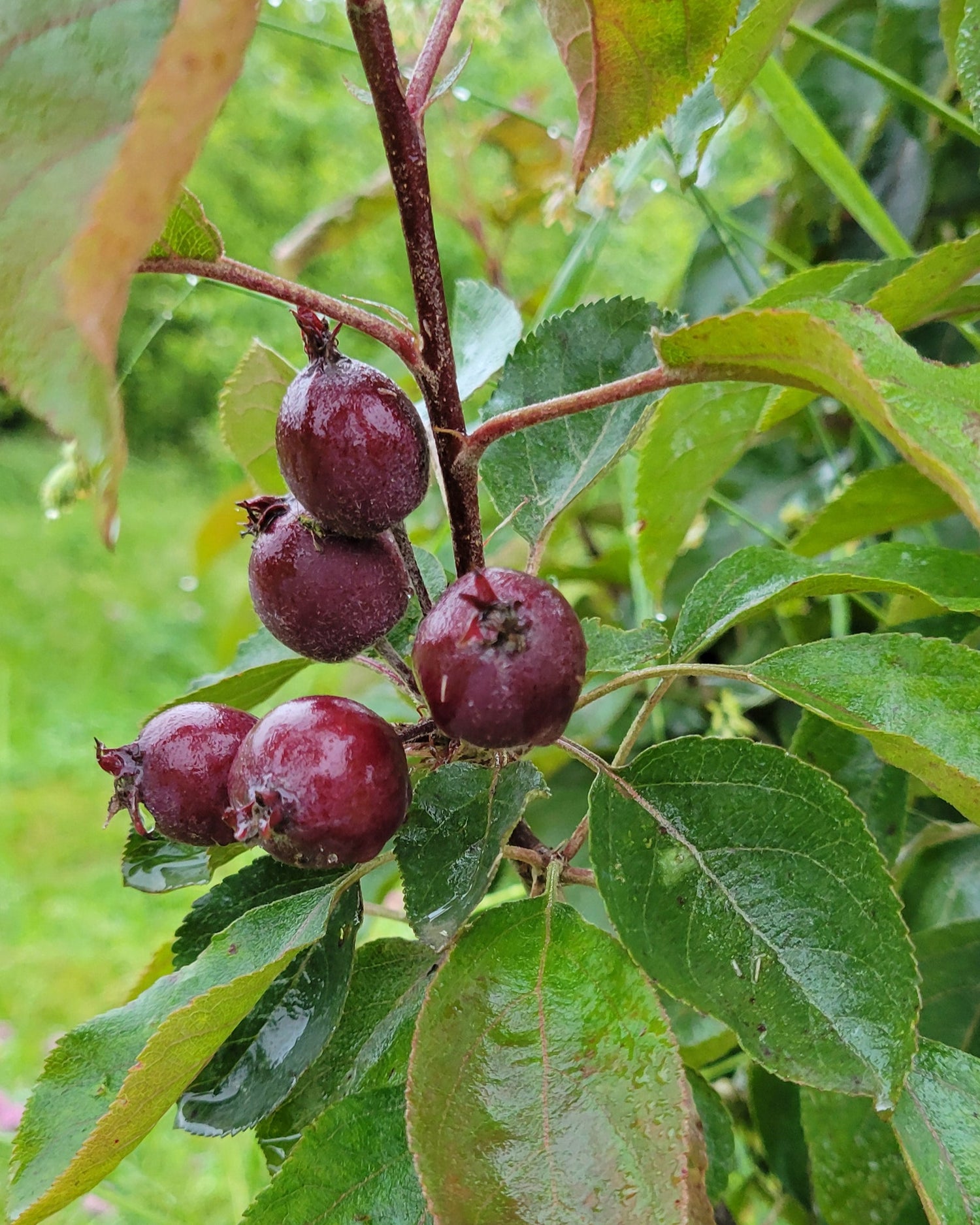
History: Maypole was developed in 1976 by Plant Breeding International at the East Malling Research Station in the UK as a cross between Wijcik Spur McIntosh and Baskatong. Wijcik Spur McIntosh originated as a mutation discovered on a McIntosh tree in 1962 in the Wijcik Orchards in British Columbia, the branch growing oddly straight with little branching. Several varieties were deliberately bred to have this mutation and now Maypole, released in 1986, is one of six columnar varieties developed at the station. This series of trees is known as Ballerina in the UK but due to that name being unavailable in the US, they are known as Colonnade in North America.
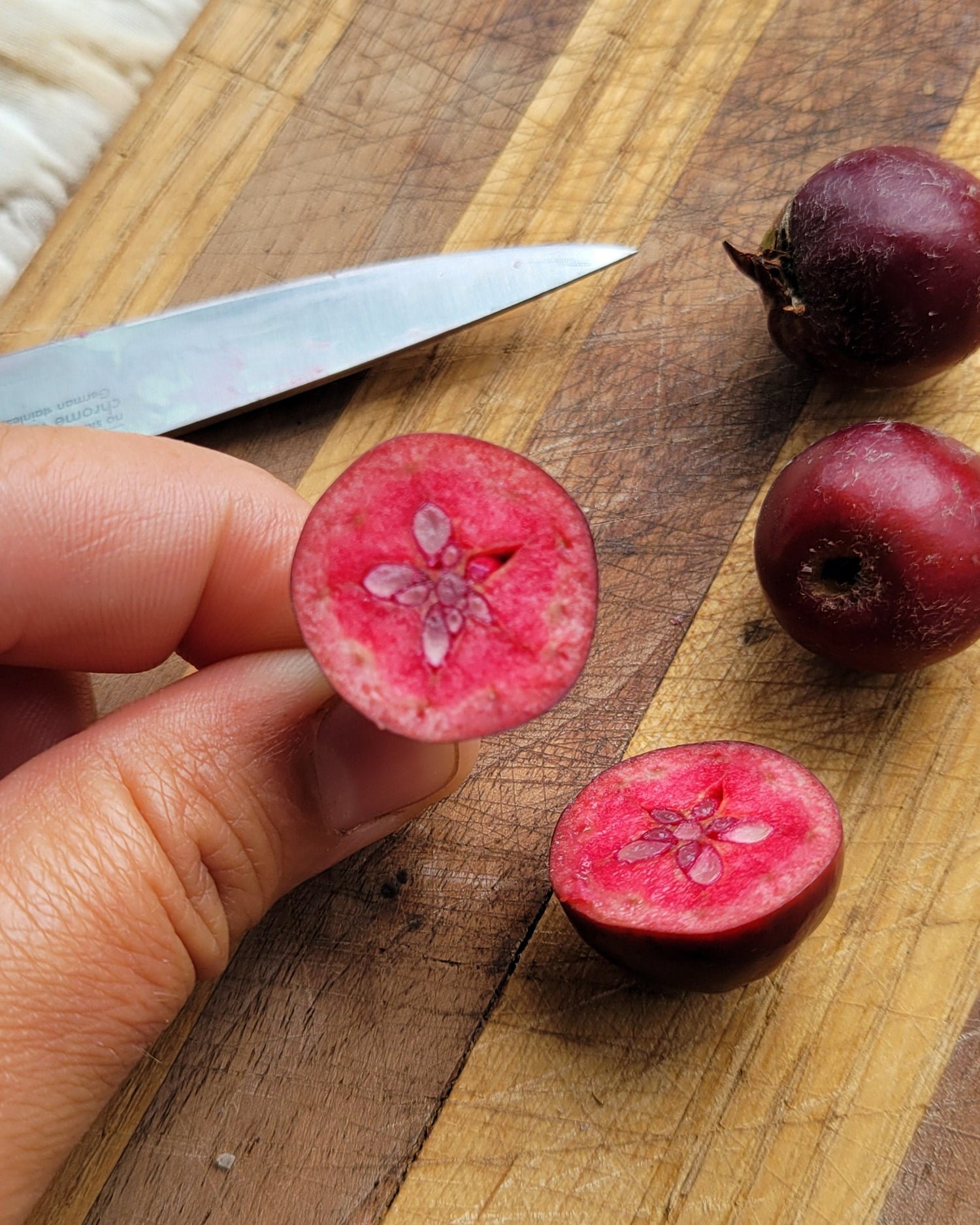
Why We Grow It: Not only is Maypole unique as a columnar apple, this crabapple also boasts lovely red flesh, bronze coloured leaves, and pretty pink blossoms in the spring. This makes it overall a lovely ornamental tree to have, whether planted in the yard or in a pot. The fruit is also excellent for jelly, apple butter, and cider, adding a red hue to each. It can also be eaten fresh although it tends to be quite acidic with a touch of sweetness.
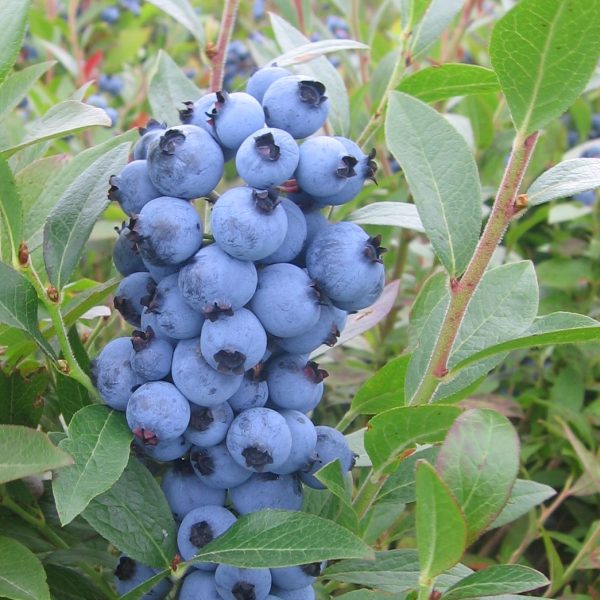
Species: Vaccinium angustifolium
History: BB4 lowbush blueberry was discovered growing wild in a bush near a tissue culture lab near the small municipality of L'Ascension-de-Notre-Seigneur in the Saguenay-Lac-Saint-Jean region of Quebec. Impressed with the quality and flavour, the lab decided to propagate these wild blueberries.
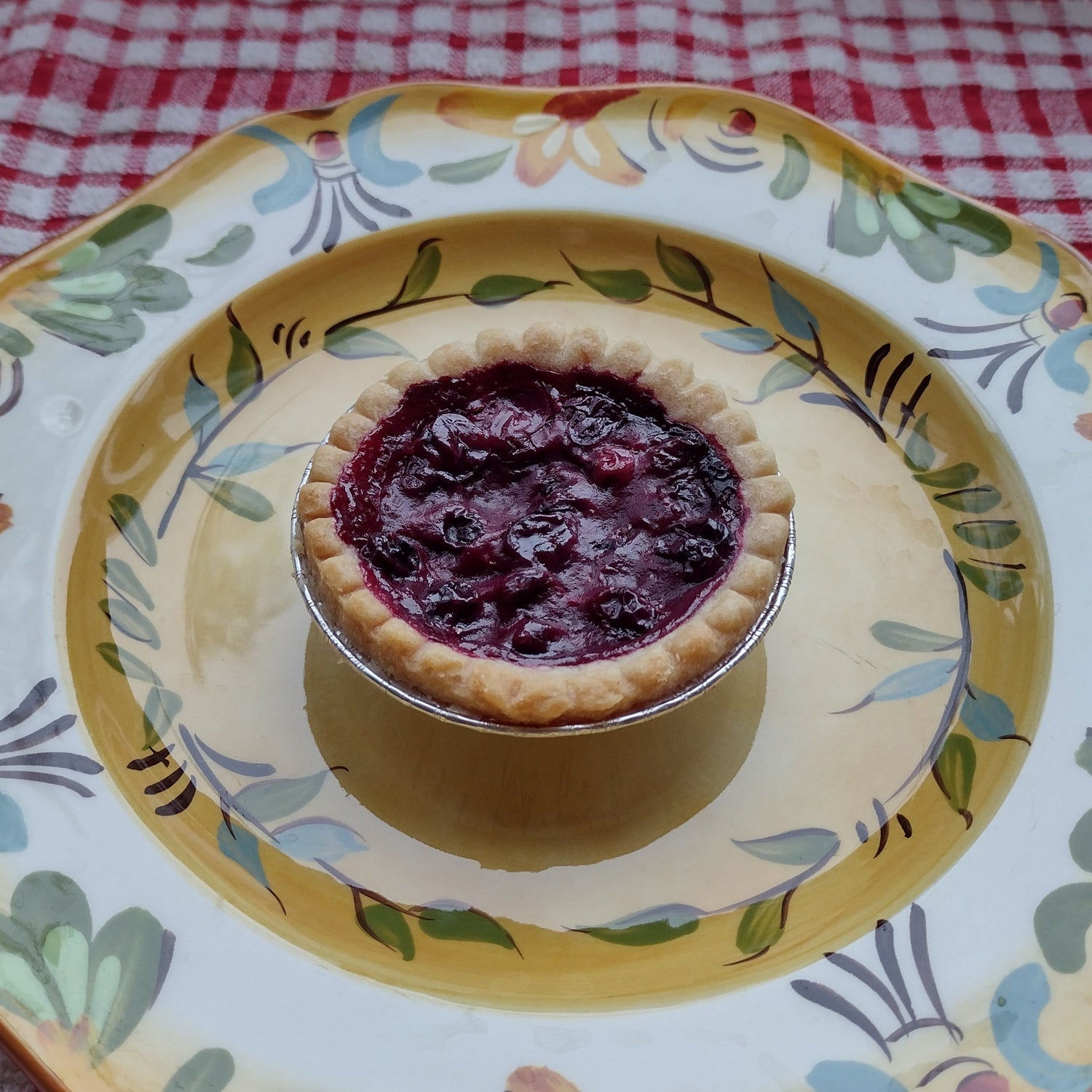
Why We Grow It: BB4 produces medium to large powder-blue berries, with a tasty, sweet flavour. The berries grow in nice clusters, making picking easy. Blueberries are great for baking, for example Steph made some wonderful black currant and blueberry tarts that are pictured here!
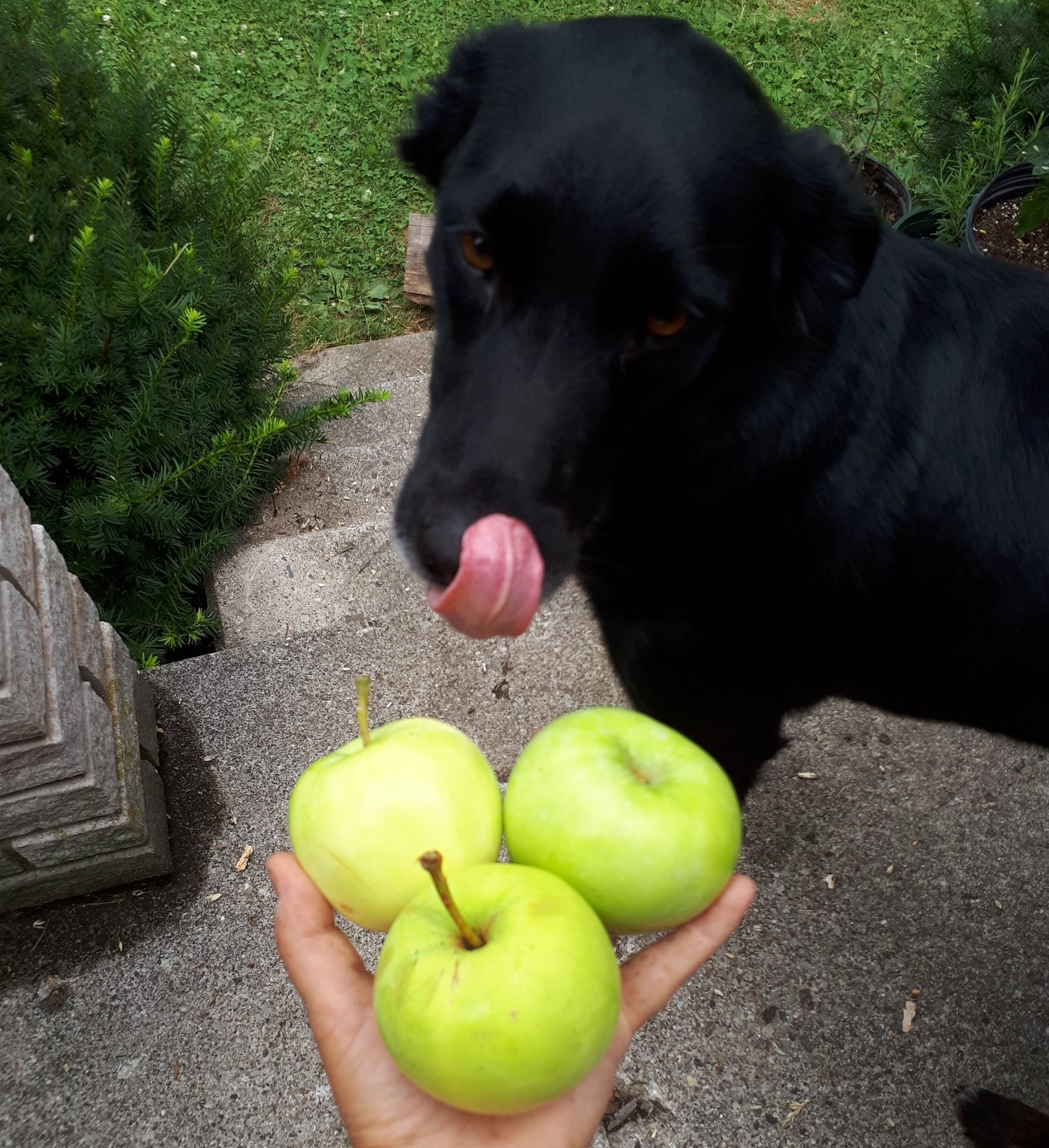
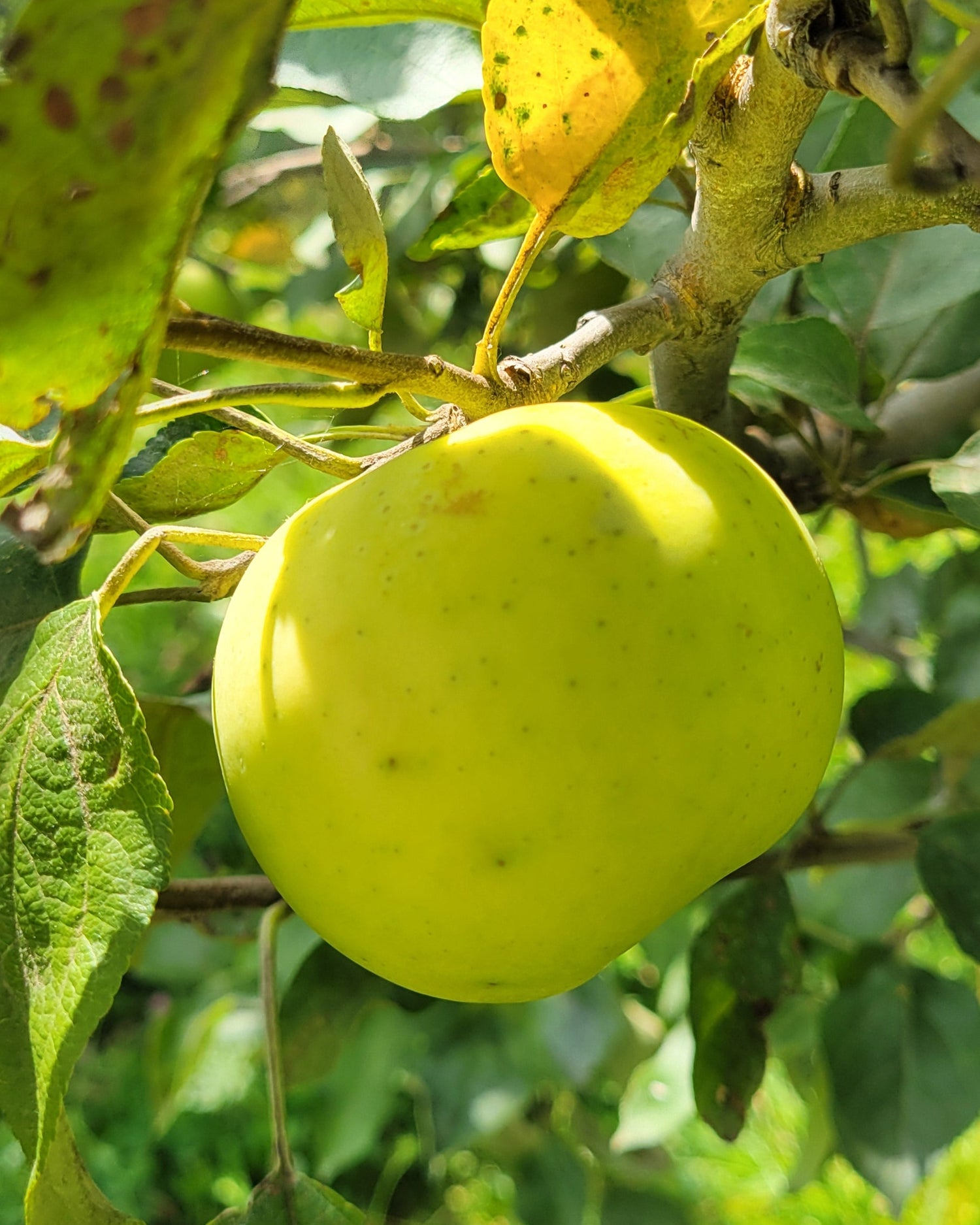
History: Yellow Transparent (aka White Transparent and Glass Apple) originated as a chance seedling in a nursery in Riga, Latvia around 1850. At the time Latvia was part of the Russian Empire so this variety is often considered Russian. Due to its early ripening and cold hardiness, this variety was widely grown in Europe, especially northern countries, where it is still grown today. It was imported to the US in the 1870s as part of an effort to import cold hardy Russian species that could potentially survive in states with harsher winters and became quite popular.
Why We Grow It: This classic early apple deserves a home in every home orchard. The fruit features pale yellow skin that almost looks transparent and white flesh with a sharp, sweet flavour. It can be eaten fresh but also makes a great applesauce. Like many early ripening apples, the fruit does not last long.

History: Major dates back to potentially before the nineteenth century and was commonly grown on farms in Devon and Somerset in England. It remains a traditional English cider variety.
Why We Grow It: Major produces a lovely bittersweet juice that is good both in blends or on its own. It ripens relatively early so it is a nice apple for extending the cider pressing season.

History: Jalander is a little-known apple with a unique history. Eric Hambly, owner of Siloam Orchards, and his wife visited one of New York's experimental farm stations in the 1980s shortly before it shut down. Hundreds of newly developed disease-resistant apple varieties were slated for destruction, so the couple gathered as much material for propagation as possible and grafted the trees back in Ontario. In the end, five of these trees were chosen for their disease-resistance and taste. One of them was Jalander and it is Hambly's favourite apple among all disease-resistant varieties.
Why We Grow It: For those interested in growing truly rare and unique apples, check out Jalander! On top of its disease-resistance, this apple boasts a sweet-tart taste with character (according to Hambly), and is also crisp and juicy.

History: Harrison was first described in 1817 by William Coxe and became a very popular cider variety in New Jersey during the 1800s, making it one of few American varieties renowned for its cider properties. Harrison's popularity declined in the early 1900s and it was believed that this variety was lost to time until it was rediscovered in 1976 growing by an old cider mill in New Jersey. This rediscovery was just in time, as what may have been the last known Harrison trees were cut down only a week later. Following successful propagation, it is once again being grown by cider makers across North America. It is considered one of the best American apples both for fresh eating and cider.
Why We Grow It: Harrison produces a high quality cider and can be made into a single variety cider. Unlike most cider apples, Harrison can also be eaten fresh and has a pleasant if somewhat dry taste. It is also scab resistant and crops reliably each year.


History: The origins of Pomme Gris (translated as 'gray apple' from French) are a bit of a mystery. It may have originated in France in the 1600s as either a seedling or sport of the variety Reinette Gris which was then brought to Quebec by French or Swiss colonizers. Alternatively, it may have its origins in Quebec, perhaps being grown and propagated in Canada from the start. The first instance of this variety's documentation was by a William Forsyth in 1803 who believed the apple originated in Canada and made its way to Europe sometime in the 1700s. Regardless, this variety was grown in Quebec for centuries.
Why We Grow It: Pomme Gris is an excellent all-purpose apple! Although not the prettiest apple in the world, it is crisp, juicy, and aromatic with a nutty flavour and hints of vanilla. It was really a standout when our tree first produced fruit a couple years ago! The fruit can also be used for cooking and the apple would likely be a good addition to cider blends.

History: The history of Blenheim Orange is a bit muddled depending on your source. We know it was discovered by George Kempster (either a baker, a tailor, or a basket weaver depending on who you ask!) in England in 1740 and it was originally named Kempster's Pippin. Some say he found it as a seedling growing along a wall of Blenheim Palace while others claim he grew it in his garden located near Blenheim, England. It was later renamed to Blenheim Orange in the early 1800s, likely when it was sold commercially through nurseries. This variety has many other names, including: Beauty of Dumbleton, Blooming Orange, and Northwitch Blenheim. The tree itself is also known for its sturdy wood and it was at one time popularly used to make railway cogs.
Why We Grow It: These large, somewhat flat apples feature orangey-red stripes over yellow skin with some russet. The fruit is good for fresh eating with a nutty taste and is quite nice when paired with cheese. It is also great for cooking and makes a stiff purée. The tree is highly vigorous but can be slow to come into production, although it has heavy crops once it does.
For the most up-to-date information on this cultivar, see Claude Jolicoeur's website here!
History: Well-known Quebec cidermaker Claude Jolicoeur discovered this variety as a chance seedling growing on his property. The fruit is bitter with a banana-like aroma, and was therefore given the name Banane Amère (translated from French as 'bitter banana').
Why We Grow It: Despite its inedible nature, Banane Amère is an excellent cider apple and produces a bittersweet juice. It shares some characteristics with the popular cider variety Yarlington Mill but tends to ripen better in our climate.
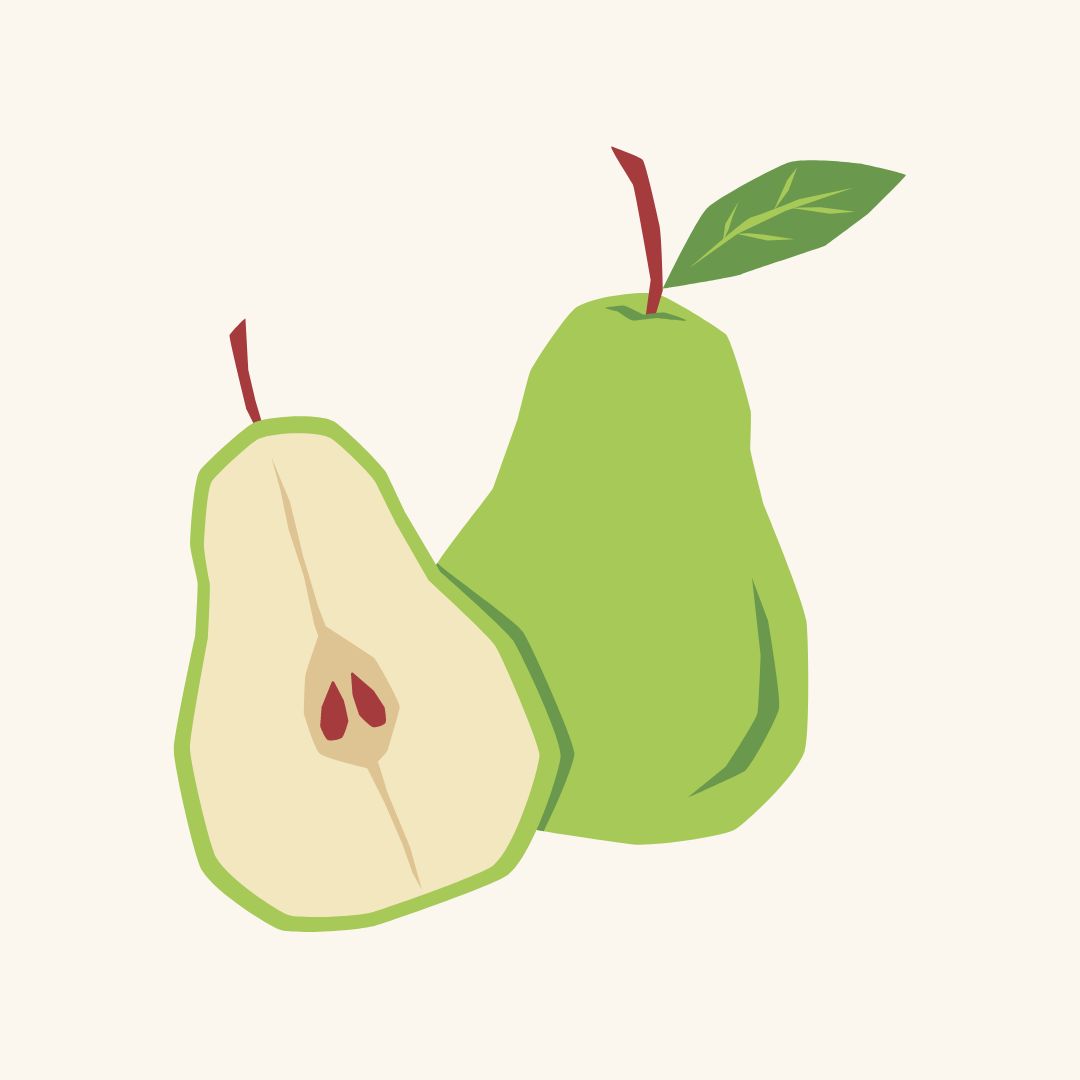
History: Blakeney Red (aka Circus pear, Red pear, and Painted Lady) is believed to have originated in the English village of Blakeney, its birthplace and the prominent red blush on the fruit earning it its name. It may have been originally planted sometime in the 1700s but became better known starting around 1830 and was the most widely planted perry pear. It is still popular in the UK today and is gaining attention in North America as well. A yellow dye can also be made from this variety and it was used to dye khakis for British soldiers during WW1.
Why We Grow It: This perry pear produces small to medium yellow fruit with red blush and some russet. For those interested in perry, it's hard to ignore this variety's long history, although its quality can vary based on growing conditions.

We use this in our orchard for all trees (both in our experimental orchard and nursery stock) as part of out holistic spray system. You can download the holistic spray recipe here.
Full of trace minerals, this liquid seaweed comes from the Ascophyllum nodosum plant in the Atlantic Ocean.
Kelp is one of the first tools you should reach for in the toolbox of plant care. There is hardly a comparable option that has the range of benefits that kelp can provide. Kelp improves seed germination, enhances crop defense mechanisms and growth, promotes stronger roots, resists drought and other environmental stresses- all the while boosting yields and improving soil health. How can a plant not like this stuff?
Because of its immersion in sea water, kelp is widely known for its content of beneficial trace elements such as copper, calcium, iron, magnesium, sodium, sulphur and more. Often people solely focus on the NPK ratios when it comes to their plants, thinking that this is all the plant needs. But the micro minerals are equally important, as very minute amounts of these can be critical to impacting optimum plant health and growth.
However the area where liquid kelp really excels can be found in the added benefit of its containing a range of plant hormones such as cytokinins, gibberellins and auxins as well as phytosanitary agents. It is these hormones that regulate, trigger and direct plant growth, both in the root zone, as well as in the leaflets and growth tips. As plant growth moves through root expansion, to building frame, it then changes over to its reproductive phase, where it begins to flower and set fruit. The plants requirements for the various hormones that trigger and impact these stages varies throughout these cycles.
Auxins are quite important early on in plant growth, as it regulates the expansion of the roots, along with the building of the structure and frame of the plant. Cytokinins are particularly crucial for much of the plant vegetation growth phase, as they initiate rapid cell division and new cell wall production.
Although cytokinins are important throughout all plant growth phases, as it comes into the important flowering stage, the hormone balance shifts more dominantly towards cytokinins. These promote cytokinesis, the process of stimulating cell division. They help improve leaf growth, but more importantly during the transition to reproductive growth, or flowering, they can shorten node length and directly assist in the production of more lateral bud development. This has been shown to increase flower yield and quality levels considerably.
Liquid kelp is also very effective in helping the plant resist plant stress, due to excessive heat conditions and drought.
Liquid quid kelp is best applied directly as a drench to the soil in the early stages of plant growth, so that it can help with root development. But when the plant is transitioning to the flower stage, it is preferable to use as a foliar.
When applying as a foliar, it is always best to spray your plants before 7:00 in the morning- or earlier, as it is in the coolness of the morning before the heat of the sun closes the stomata on the underside of the leaves when the plant is most able to absorb the valuable nutrients that liquid kelp provides. Adding a small amount of liquid yucca as a surfactant helps greatly in the plant absorption process, as this keeps the liquid from 'balling up' and forming droplets on the leaf surface. Instead, the surfactant breaks this water tension down and establishes a much greater liquid coverage of the leaf surface, making the whole process much more efficient.
Application rates are 5-10 ml per litre of water minimum, repeated every 7-30 days. This product is approved for organic use.
945mL bottle is enough for 200L of spray mix, or 4x 50L mixes.

History: Pine Golden Pippin's exact origins are unknown, but it is quite an old variety that either originated in northern England or in Scotland. It was first formally described by nursery worker Thomas Rivers in A Descriptive Catalogue of Fruit Trees in 1863. In 1875, Robert Hogg claimed that Pine Golden Pippin was one of the best fresh eating apples around in his book The Fruit Manual.
Why We Grow It: Robert Hogg was correct about Pine Golden Pippin! Despite the small size of the fruit, it makes up for it with crisp and juicy fruit with a sweet/sharp flavour that has a hint of pineapple and resin. The fruit is great for fresh eating and can also be used in cider blends. It tends to be slower growing but produces good crops.
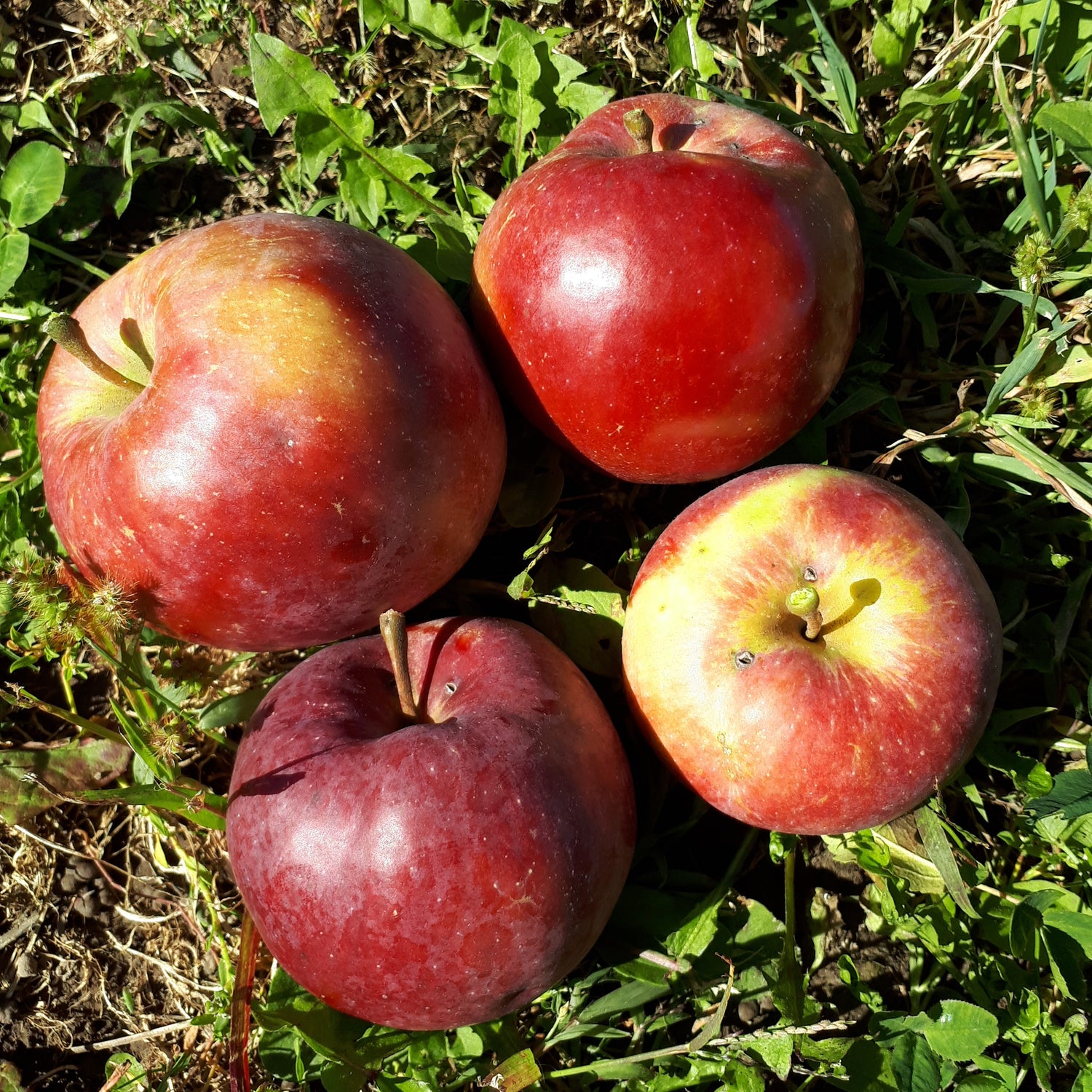
History: Fireside apples originated in 1943 from a breeding program at the Minnesota Agricultural Experiment Station. They are one of nearly 30 varieties that have been introduced by the university's breeding program since it began in 1888.
Why We Grow It: Fireside stands as an icon of toughness in the world of apples, thriving in cold northern areas. But don’t let this image fool you—Fireside has a warm heart! The flesh is amazingly sweet and very juicy.

Exploring the science of symbiotic fungi in layman’s terms, holistic farmer Michael Phillips (author of The Holistic Orchard and The Apple Grower) sets the stage for practical applications for working with mycorrhizal fungi across the landscape. The real impetus behind no-till farming, gardening with mulches, cover cropping, digging with broadforks, shallow cultivation, forest-edge orcharding, and everything related to permaculture is to help the plants and fungi to prosper . . . which means we prosper as well.
Building soil structure and fertility that lasts for ages results only once we comprehend the nondisturbance principle. As the author says, “What a grower understands, a grower will do.” Mycorrhizal Planet abounds with insights into “fungal consciousness” and offers practical, regenerative techniques that are pertinent to gardeners, landscapers, orchardists, foresters, and farmers. Michael’s fungal acumen will resonate with everyone who is fascinated with the unseen workings of nature and concerned about maintaining and restoring the health of our soils, our climate, and the quality of life on Earth for generations to come.


In The Regenerative Grower’s Guide to Garden Amendments, experimental gardener and author Nigel Palmer provides practical, detailed instructions that are accessible to every grower who wants to achieve a truly sustainable garden ecosystem—all while enjoying better results at a fraction of the cost of commercial fertilizer products. These recipes go beyond fertilizer replacement, resulting in greater soil biological activity and mineral availability. They also increase pest and disease resistance, yields, and nutrient density.

History: Pewaukee originated around the mid-1800s when George Peffer, owner of Pewaukee Fruit Farm & Nursery, crossed Duchess of Oldenburg with Northern Spy on his farm in Pewaukee, Wisconsin. The resulting apple, a cross of two varieties well known for their use in cooking, is great for a variety of culinary uses! It was formally recorded as a variety in 1870 and can still be found in old orchards in parts of the US today.
Why We Grow It: Pewaukee produces a yellow apple with red striping that has sweet, crisp flesh with a hint of vanilla. It is great for fresh eating and excels for sauce, cooking, and baking. The tree is known for being hardy and producing fruit at a young age.


Species: Catalpa speciosa
History: Northern Catalpa is native to the midwestern US where it was cultivated starting in the 1750s due to its resistance to rotting. This made it useful as fence posts and, rather unsuccessfully, as railroad ties. This tree has since expanded far beyond its original range as a commonly planted ornamental tree.
Why We Grow It: Catalpas make lovely ornamental trees, featuring large, heart-shaped leaves and twisting trunks. To further the visual appeal, they bloom annually with large, white flowers which turn into dangling bean pods.
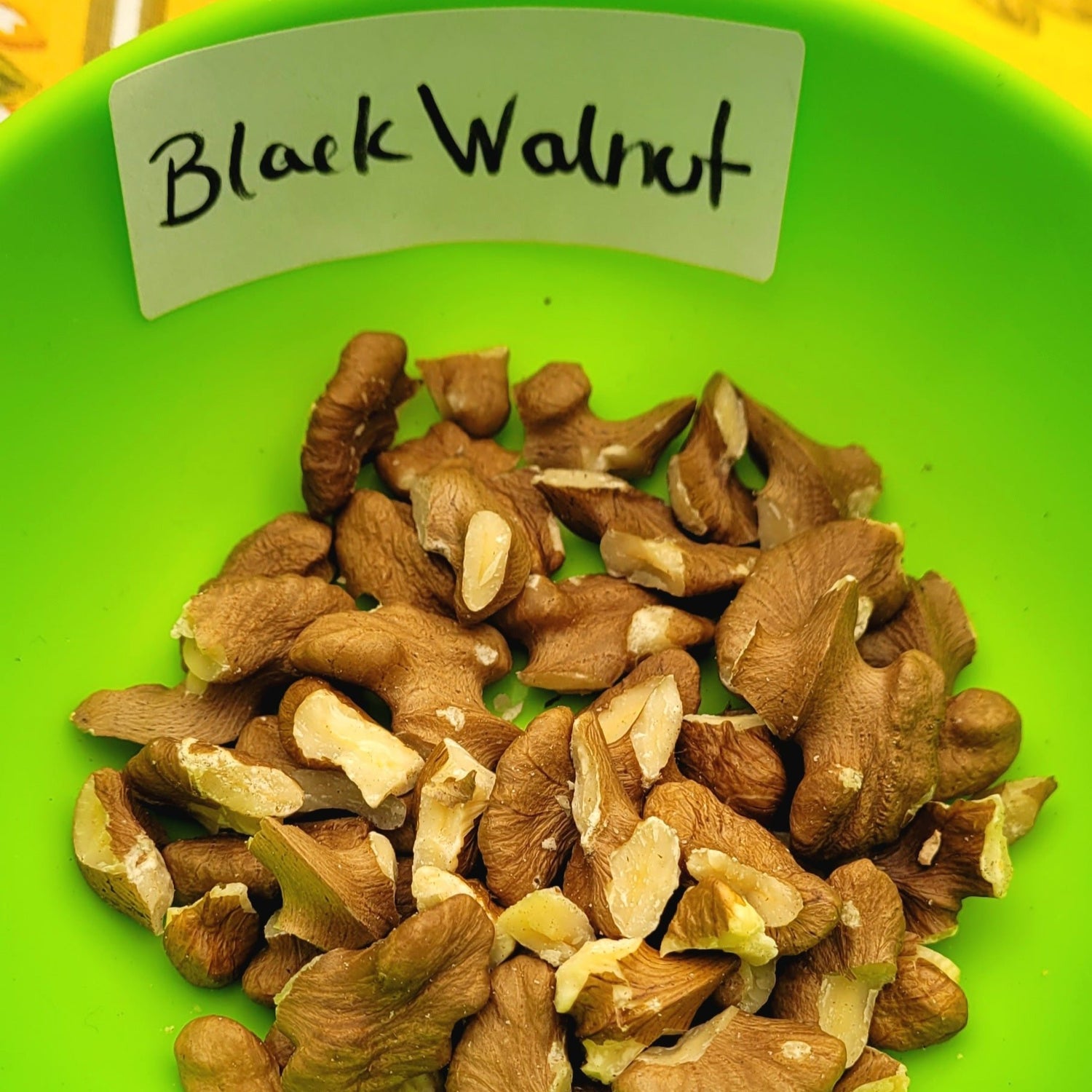
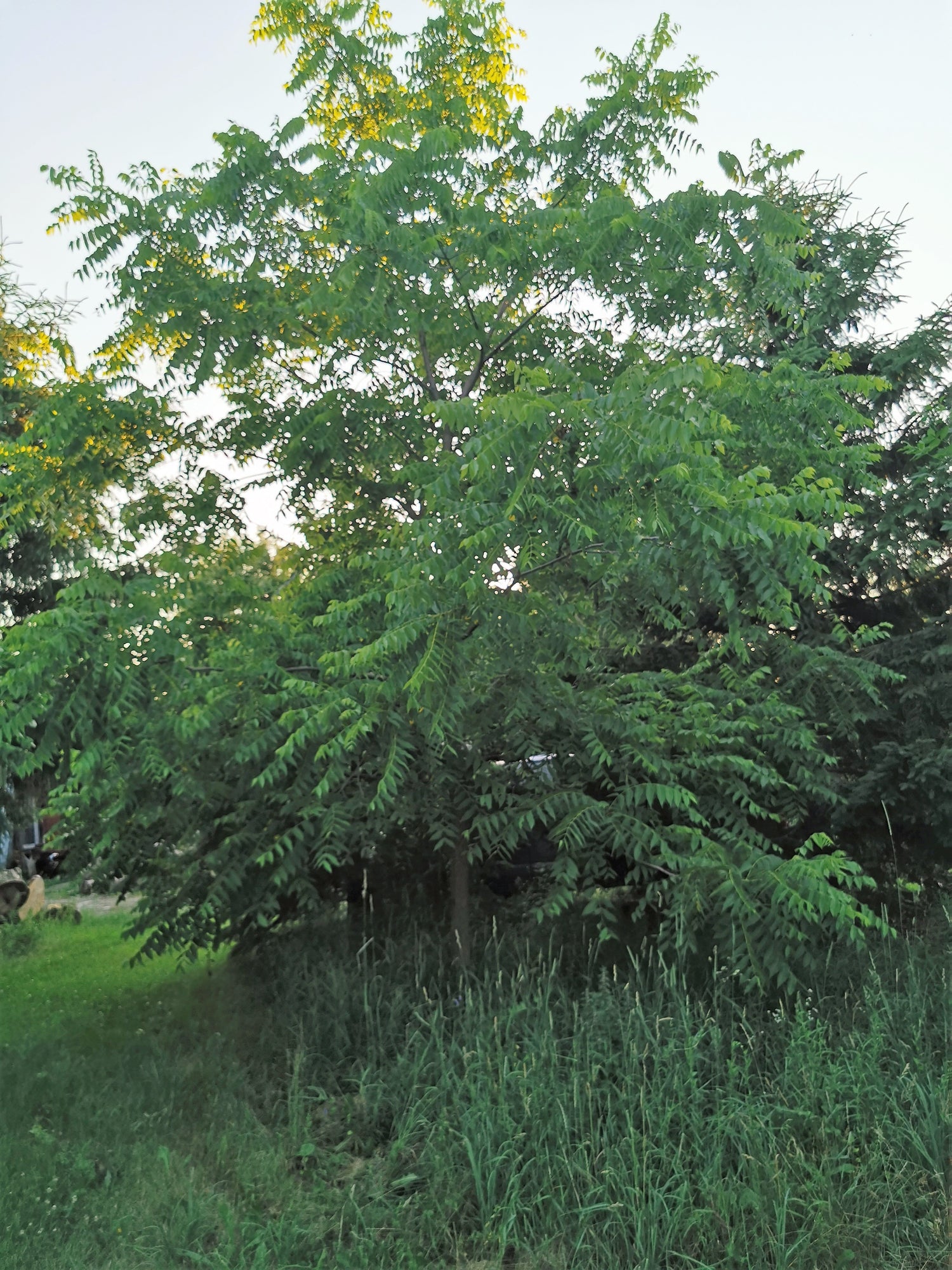
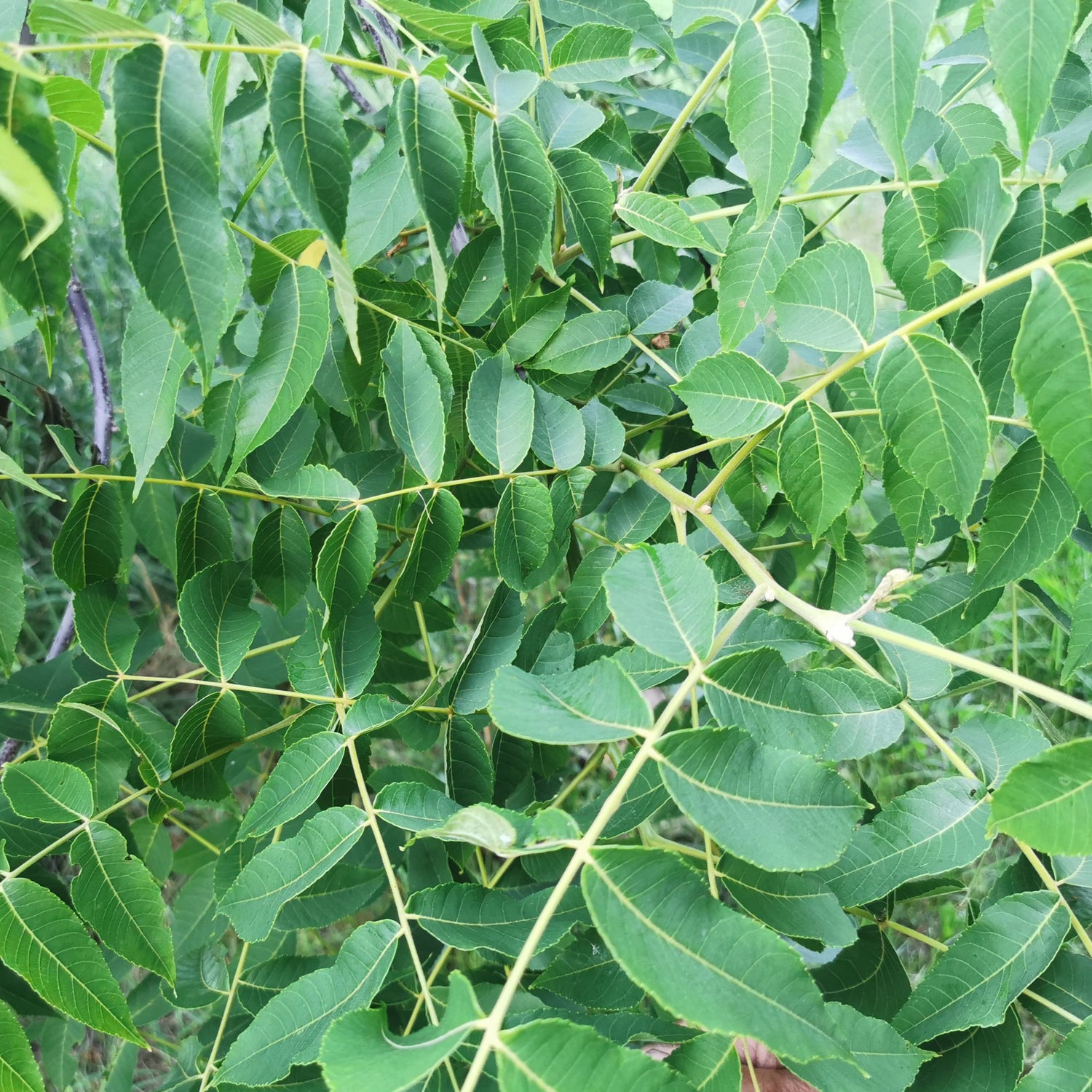
Species: Juglans nigra or hybrid. Our seeds are collected from trees that may have been cross-pollinated by closely related species so the resulting seedlings may be hybrids.
History: Native to much of the eastern and central United States and southern Ontario, Black Walnut has long been used as a source of food, dye, lovely dark wood, and as an ornamental tree. Although it is said to have a better flavour than the English walnut, the Black walnut remains less popular due to the increased difficulty of harvesting the nut meat from within the husk. Black walnut is also infamous for being allelopathic, meaning it secretes toxic chemicals (juglones) into the soil to reduce plant competition.
Why We Grow It: Black walnut is a beautiful tree that produces nuts with a stronger flavour than that of English walnuts. The sap can be boiled to make walnut syrup, which tastes very similar to maple syrup but with notes of caramel and butterscotch. Also, the husks can be used in brewing beer!
Be mindful of the juglones in the in the roots/nut husks, they are toxic to many other species. They require a buffer of about 50'/30m from the edge of the trees canopy for juglone-sensitive plants. This article from The Garden Hoe has a helpful list of plants that tolerate juglones. However there are recent (2019) studies showing healthy soil high in organic matter and mycorrhizal fungi actually reduce the toxicity of juglones suggesting many plants can grow below juglans species in a healthy ecosystem - it will be interesting to see more study done in this area!