Rootstock & Scionwood
Rootstock & Scionwood
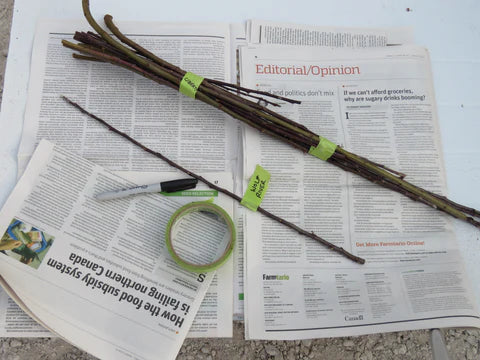
Every year we get tons of requests for rootstock and scionwood. While our main business is in the finished product (grafted fruit trees), we also like to support those wishing to learn the grafting process for themselves. We can attest that it is a very enjoyable (and rather addictive) pastime!
Rootstock - Rootstock can be pre-ordered for Spring 2026! If you are interested in rootstock for Spring 2027; please contact us directly to be added to our waitlist.
Scionwood - Scionwood sales have closed for Spring 2026; please contact us directly if you are interested in being added to our Spring 2027 waitlist. Scionwood orders are generally open from December until the end of February and should be shipped out/picked up by mid-April.
For those new to the grafting process, we also offer the following resources:
- Our annual in-person Apple Grafting Workshop!
-
Fruit Tree Grafting for Everyone, a handy grafting guide co-authored by Steph who owns Silver Creek Nursery!
Sort by:
221 products
221 products

History: Tremlett's Geneva Bitter (aka Geneva Tremlett's Bitter) come from a tree that was believed to be Tremlett's Bitter, an English cider variety. It was imported to Geneva, New York from England in the 1960s but at some point there was a mix-up and the mistake was only uncovered after many American growers had received scions from the erroneous tree.
Why We Grow It: Although this isn't the traditional bittersweet cider apple popular in England, Tremlett's Geneva Bitter still produces a good quality bittershap cider. Some say it is even better than the original!
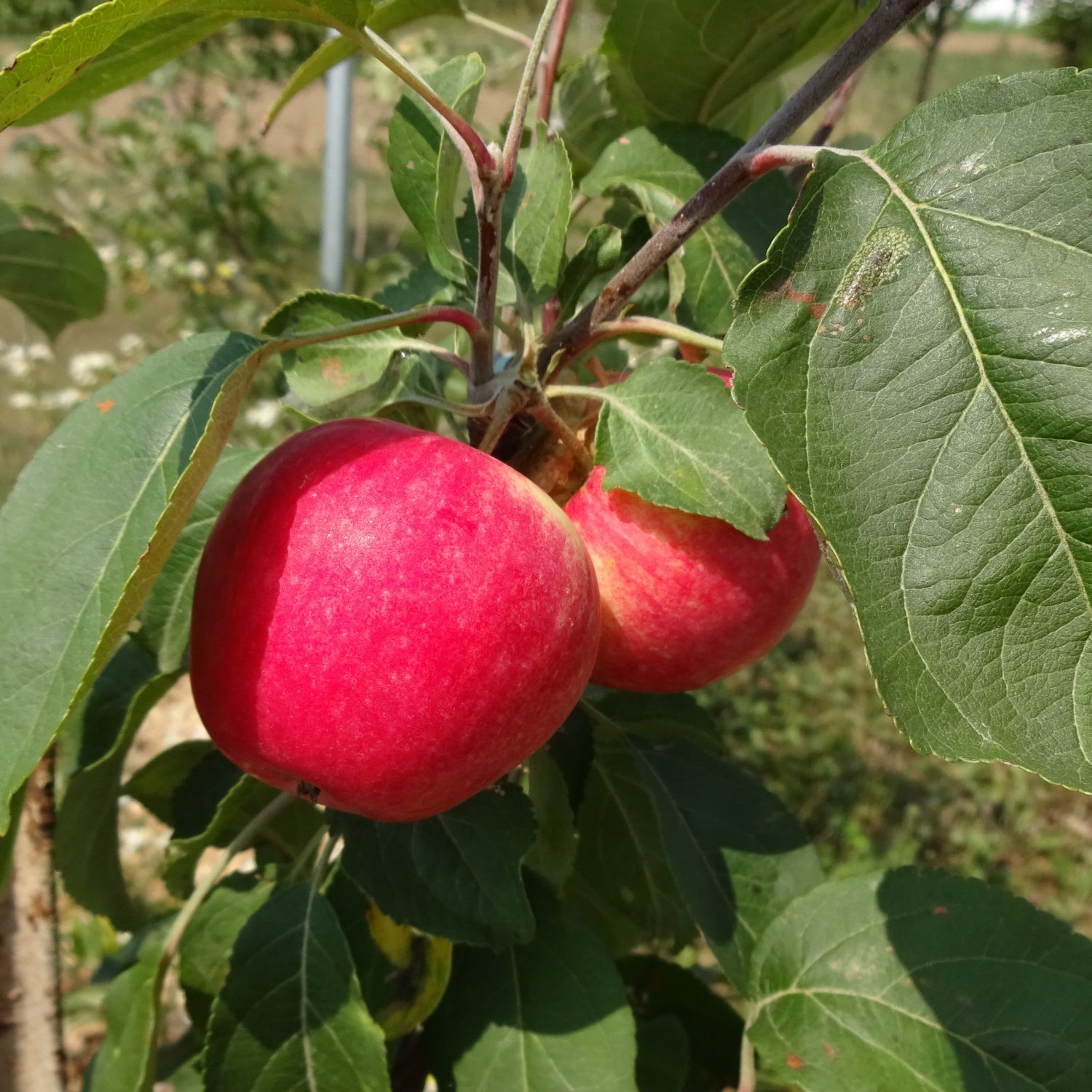
History: Norland apples were created by Dr. C.R. Ure and introduced in 1979 by the Agriculture Canada Research Station in Morden, Manitoba.
Why We Grow It: Since this variety was bred to survive in the prairies, it is very cold hardy. The fruit is medium-sized with sweet flesh that is good for fresh eating or applesauce. It bears heavy annual crops starting early in the life of the tree. A home orchardist in Dacre, ON described the fruit as "lovely with no pest damage; juicy, creamy-fleshed with excellent flavour."
For the most up-to-date information see Claude Jolicoeur's website here!
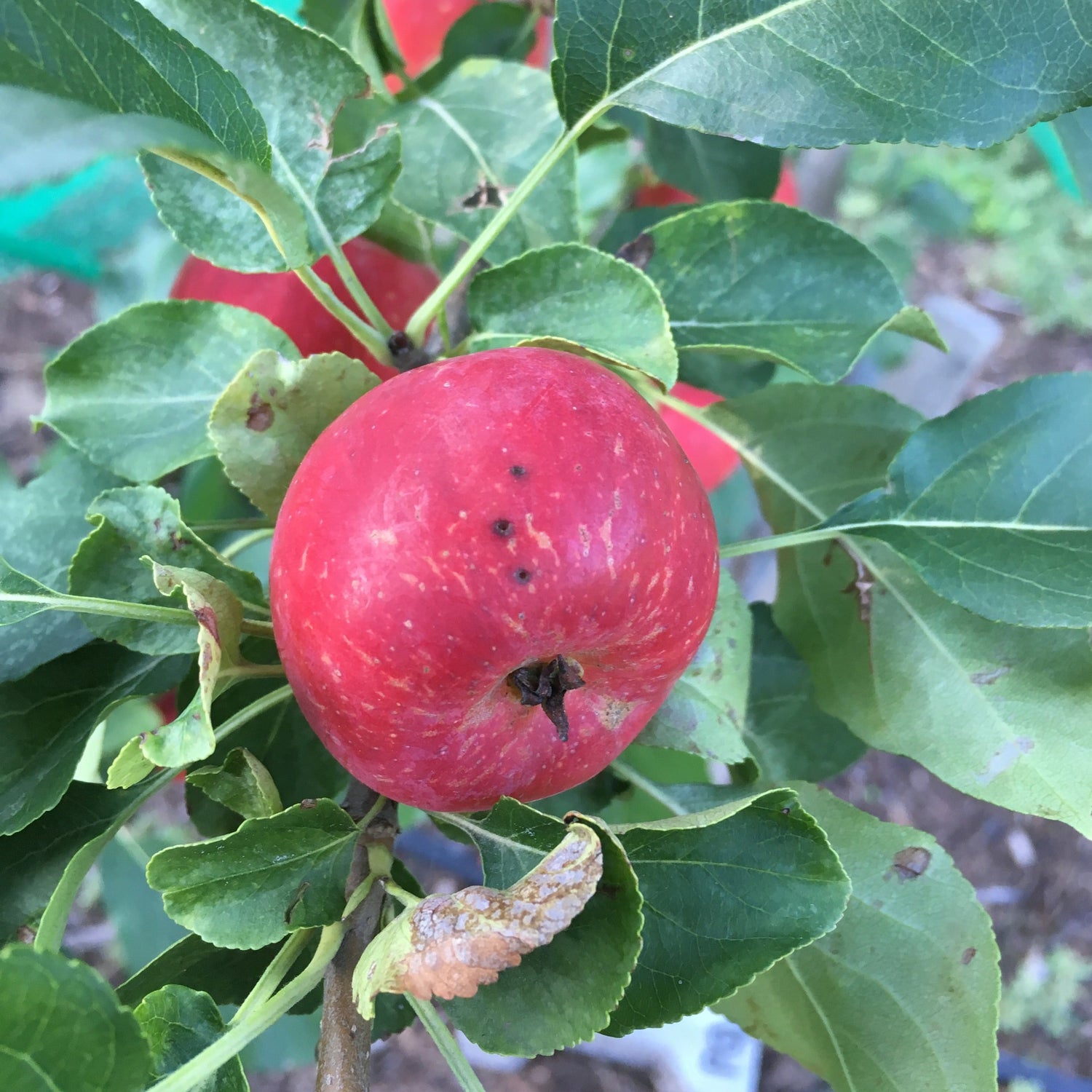
History: This particular iteration of Trail, previously referred to as Bilodeau, has a bit of a messy history. A Trail crabapple tree was mislabeled at a Quebec nursery in the 1980s and sold to an unknowing customer named Claude Bilodeau who thought he was purchasing a pear tree. Later on Claude Jolicoeur, well-known Quebecois cider-maker and pomologist, took a cutting from this tree and found that the fruit (definitely not a pear!) was excellent for making cider. Since it was still a mystery what the original variety was, the crabapple was named Bilodeau by Jolicoeur after the owner of the tree - only for Paul Kron from the University of Guelph to confirm that it was actually Trail via DNA testing in 2022. The Trail crab was bred at Ottawa from a cross of Northern Queen x Rideau, it was selected in 1913 and introduced in 1920.
Why We Grow It: Despite the confusion, we are regardless happy to have this apple in our catalogue! This bittersharp cider apple has excellent cider-making qualities and, unlike most crabapples, is also great when eaten fresh or made into jelly!
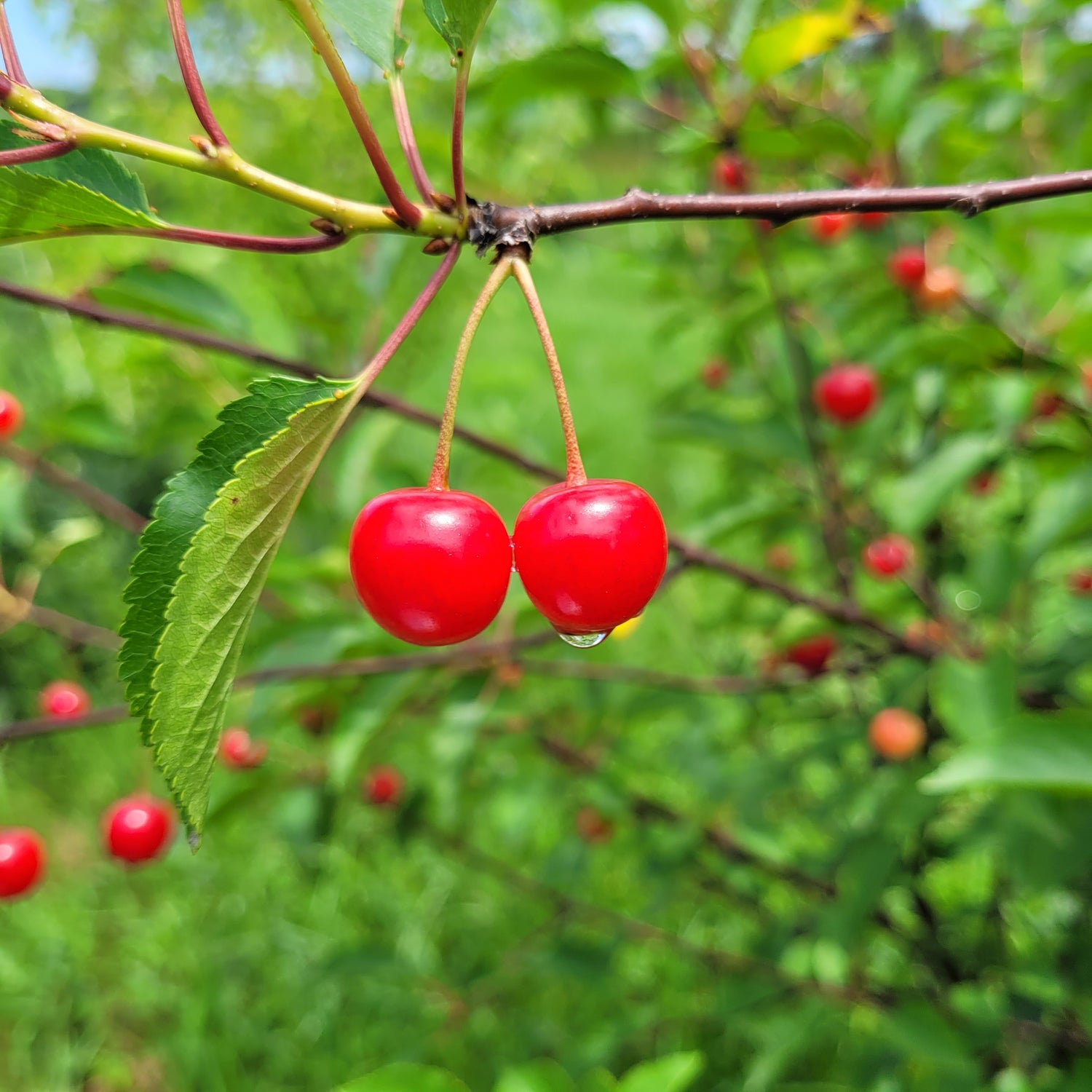

History: North Star sour cherries were created by the University of Minnesota as part of an effort to create varieties that are more resistant to the cold. They were introduced in 1950 and recently have been growing in popularity as a backyard variety.
Why We Grow It: North Star is a sour cherry with bright red skin which darkens as it ripens. It has an excellent flavour. The trees have a compact and weeping growth habit, making them an attractive addition to your yard whether in bloom in spring or bearing fruit in the summer. They are also self-pollinating, very hardy, and resistant to leaf spot and brown rot.
Check our our blog post with some tasty sour cherry recipes!
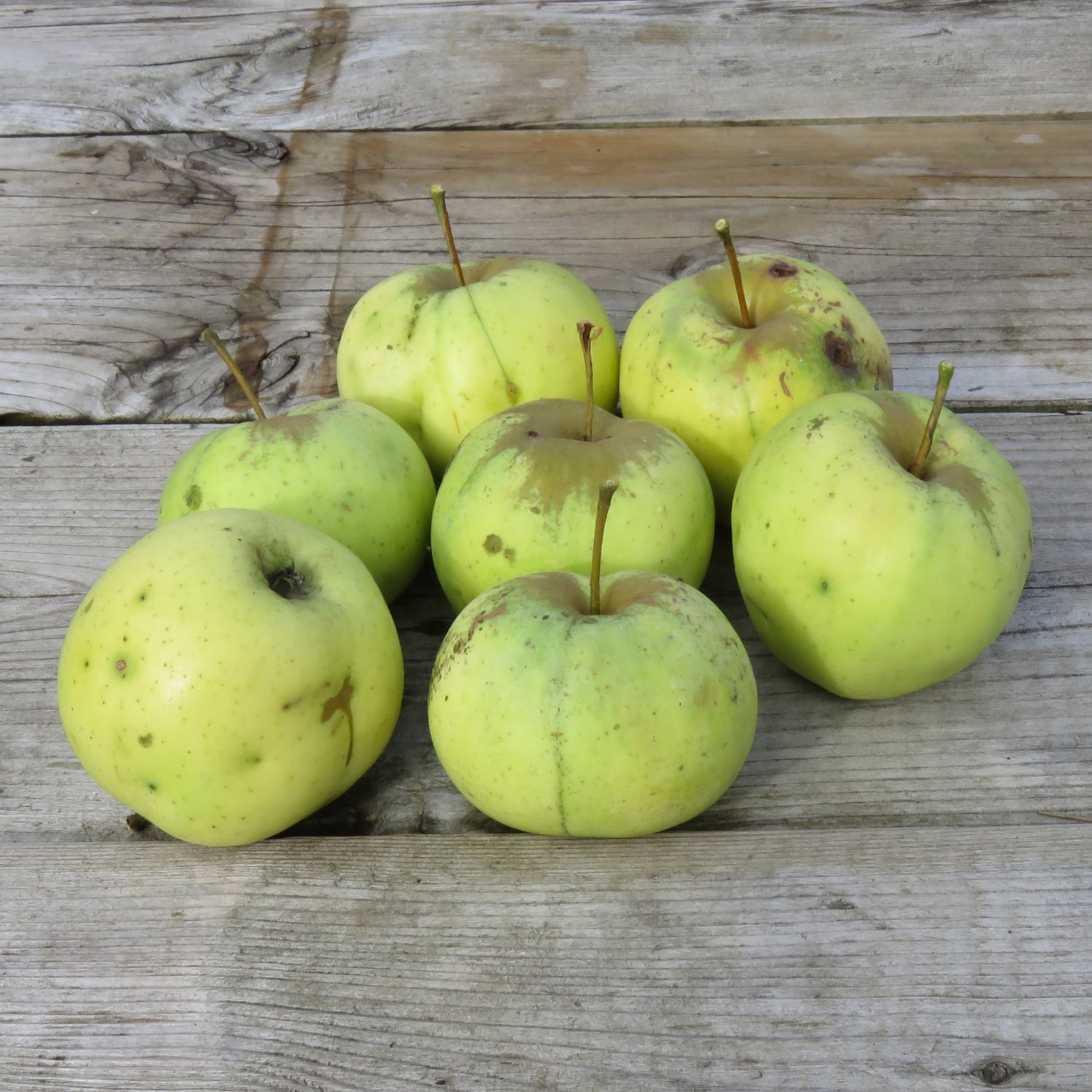
History: Little is known about the origin of this heritage apple, but Tolman Sweet has been highly valued since its discovery. It is uncertain whether it came from Massachusetts or New York in the 18th or 19th century but it was first recorded in 1822. This hardy tree was used as a source of rootstock at one time.
Why We Grow It: Tolman Sweet is a great all-purpose apple. The fruit are medium-sized with yellow skin, and have a distinctly sweet, dry flesh. They are nice for fresh eating but can also be used in baking, drying, and pickling. Their unusually low acid content helps to reduce acidity in both sweet and hard cider.
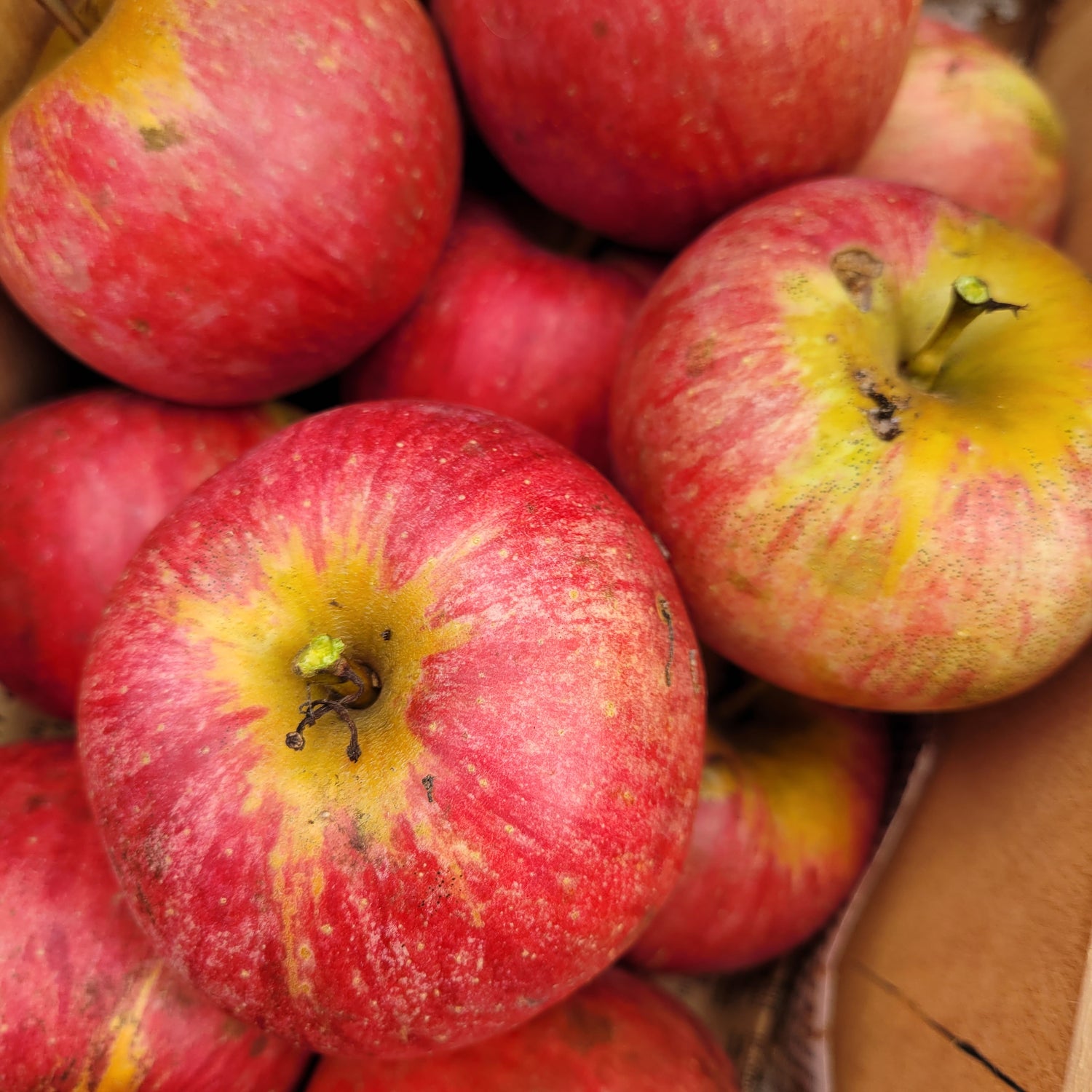
History: Northern Spy was first discovered in New York around 1800. It tends to be irregularly shaped and bruises easily, so it is not a popular commercial apple but it is still commonly grown in certain regions in the States today. It is featured in several poems and in 1953 a box of Northern Spy apples was sent to Senator Joseph McCarthy by the Toronto Globe and Mail during his infamous hunt for 'communist spies.'
Why We Grow It: Northern Spy apples are juicy with a balanced sweet-tart honeyed flavour, although they do tend to bruise easily due to their thin skin. To make up for that, they are known for making wonderful pies. The trees are cold hardy and vigorous.
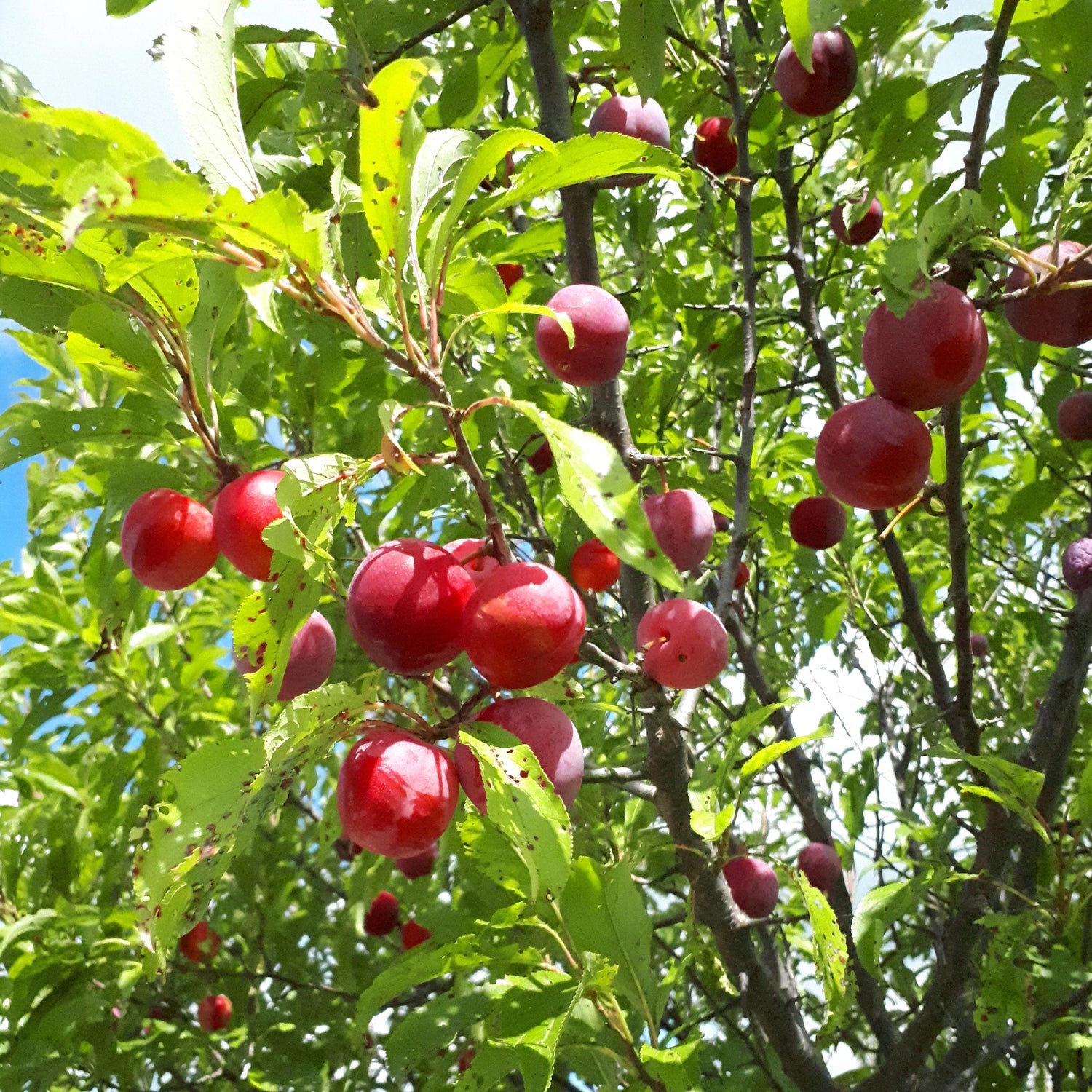
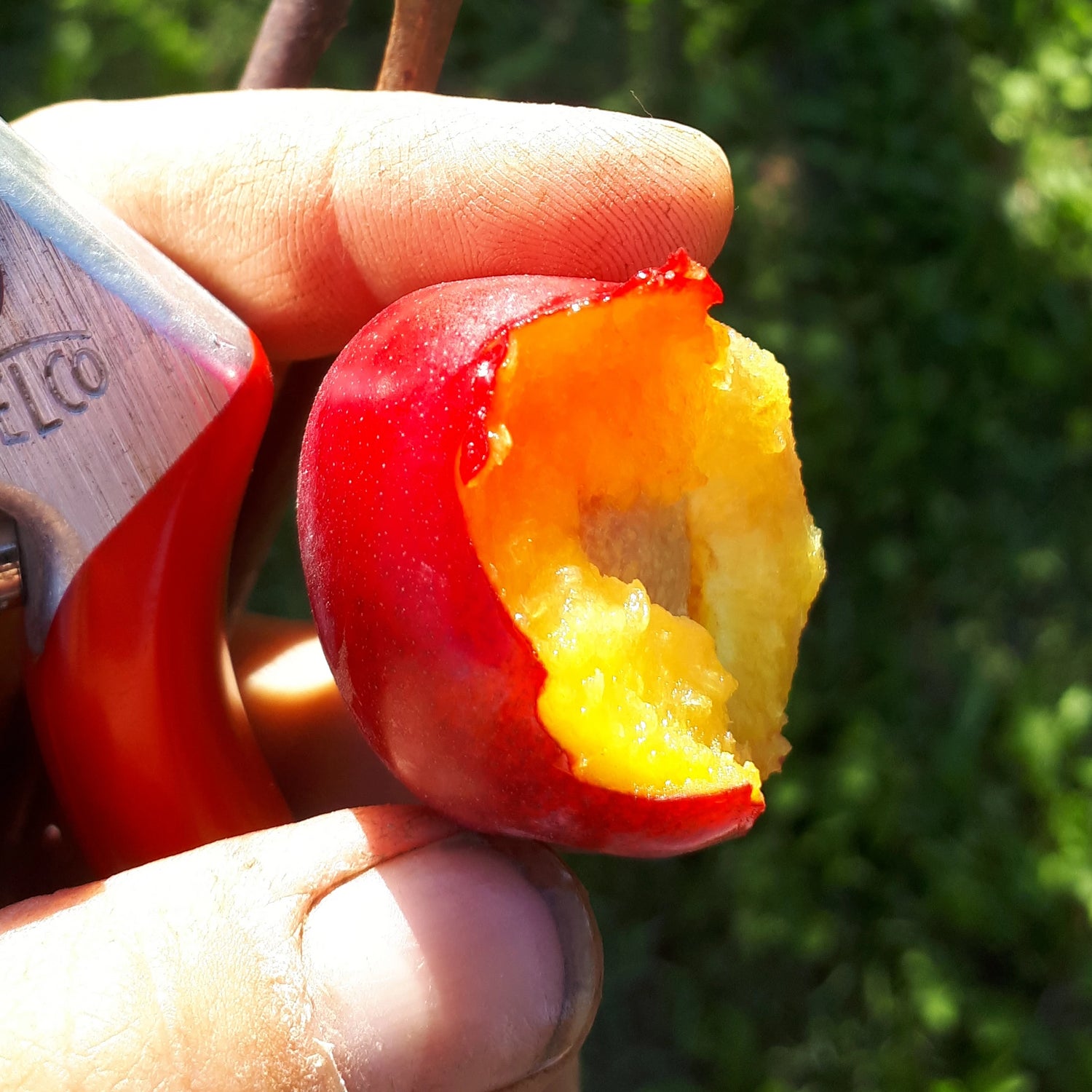
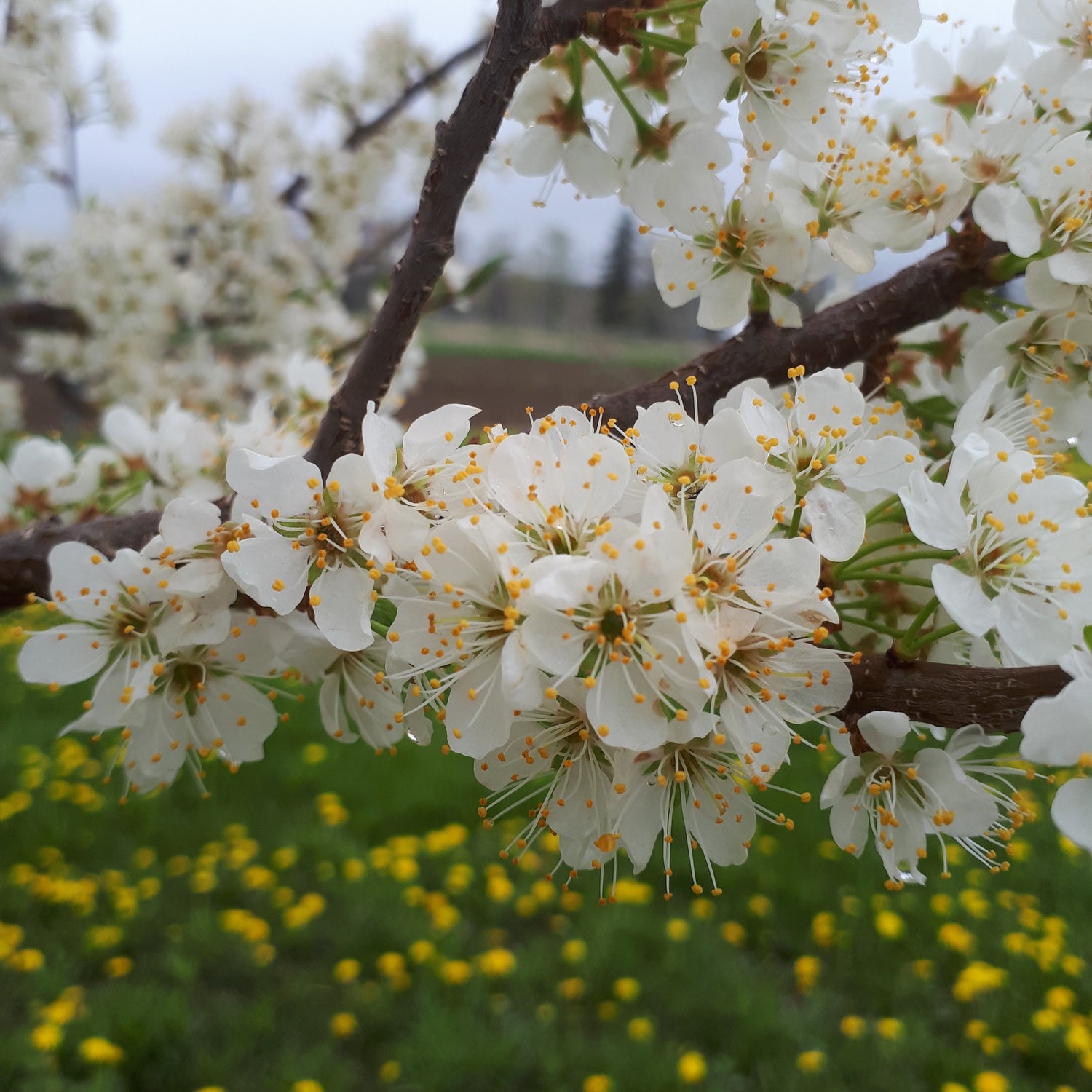
History: Toka is a hybrid of an American plum (Prunus americana) and a Japanese plum (Prunus salicina) that was created by Dr. N.E. Hansen who is known for his extensive career in developing cold hardy plant varieties. He developed Toka at the South Dakota Experiment Station and introduced it in 1911. It is unclear what 'Toka' translates to in English but 'toka' can mean 'etc/among other things' or 'river crossing' in Japanese
Why We Grow It: Toka is also known as Bubblegum plum due to its flavour and smell which bears an uncanny resemblance to bubblegum. These plums are incredibly aromatic, and will fill your kitchen with their perfumed scent as they sit out to ripen. The semi-clingstone fruit features deep red skin and bright yellow flesh that is firm but juicy. It is good for fresh eating or preserving.
History: Thorne was discovered in Gloucestershire, England, in 1670. It was originally grown for cooking and fresh eating but is now primarily used to make perry. It is still commonly grown for perry production in England today.
Why We Grow It: This is the most reliable of the English perry pears for Canadian growing. Although this pear can be eaten fresh, it packs an astringent punch and is best made into a good perry instead.
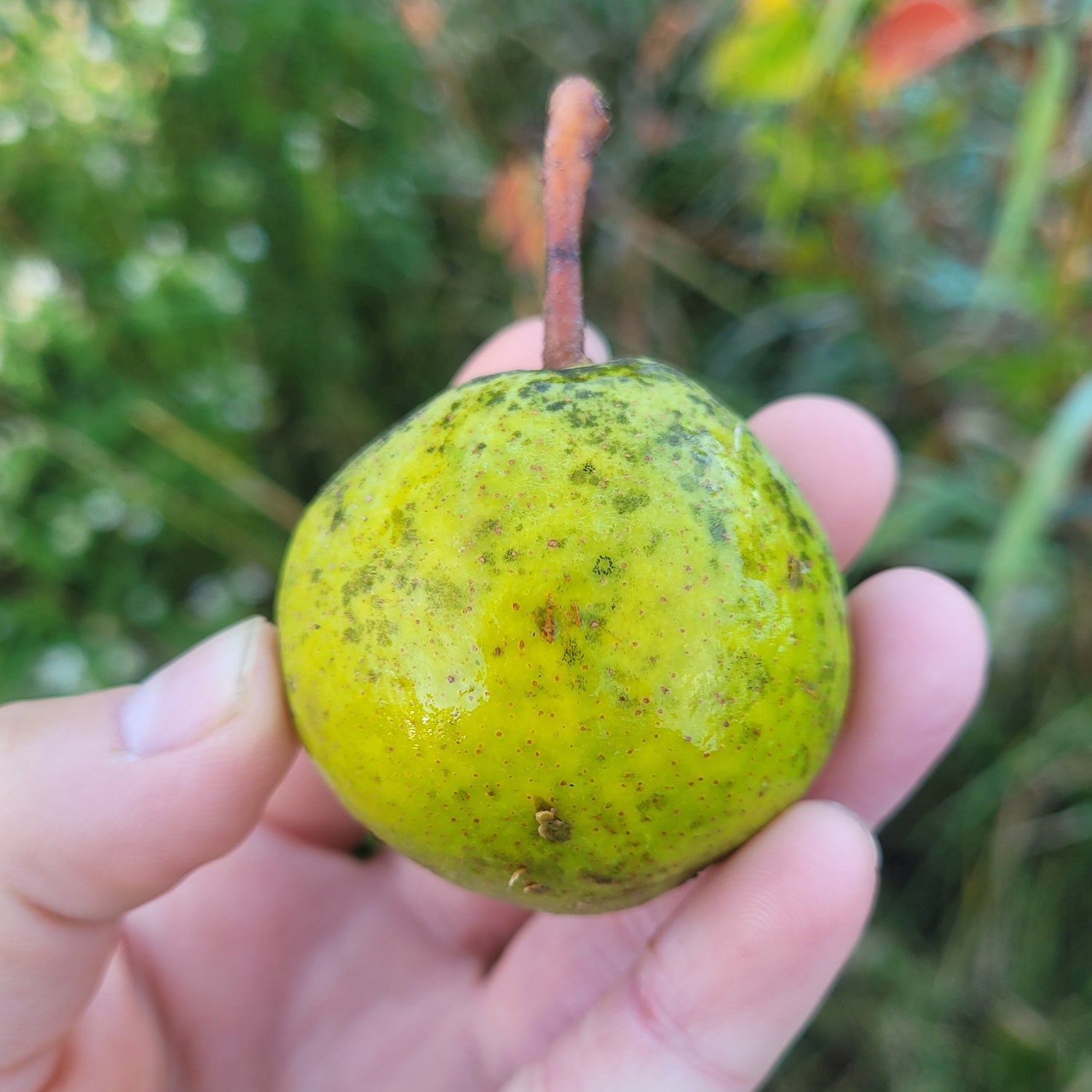
History: Little is known about the origins of Taynton Squash. Its name is derived from the village of Taynton in England where it was discovered at the parish. It was possibly discovered at some point in the 17th century as writings on it from 1811 describe it as an old variety. It was noted at the time for producing an excellent perry although now it is considered rather average.
Why We Grow It: This ancient English perry pear produces 4-5cm round green fruits in heavy crops. They should be blet for two days at most before being turned into perry, of which they make an average quality single-variety perry.


History: Sweetheart was developed at the Pacific Agri-Food Research Centre in Summerland, BC as a cross between Van and Newstar. The cross was made in 1975, the variety selected for further testing in 1982, and then finally released in 1994. It is the parent of several other sweet cherry varieties and was awarded the Outstanding Cultivar Award by the American Society for Horticultural Science in the 2010s.
Why We Grow It: These cherries boast the longest harvest period of any sweet cherry, and stores well too. The bright red, heart-shaped fruit are sweet and crack-resistant.

History: Novaspy (aka Nova Spy) was developed at the AAFC Kentville Research and Development Centre in Nova Scotia by A.C. Crowe. It was bred to be a more disease-resistant version of Northern Spy and has Northern Spy, Nova Easygro, and Golden Delicious heritage. It was commercially released in 1986, its name referencing its province of origin and the apple it was trying to replicate.
Why We Grow It: As with other apples released from the AAFC breeding program in Kentville, NS, you can expect excellent disease-resistance from Novaspy. However, its resemblance to Northern Spy is not close enough to warrant the name-- think of Novaspy as having its own new identity to try out. Tree comes into bearing early in life and is an easy one to take care of. Highly recommended for small-scale organic orchards.
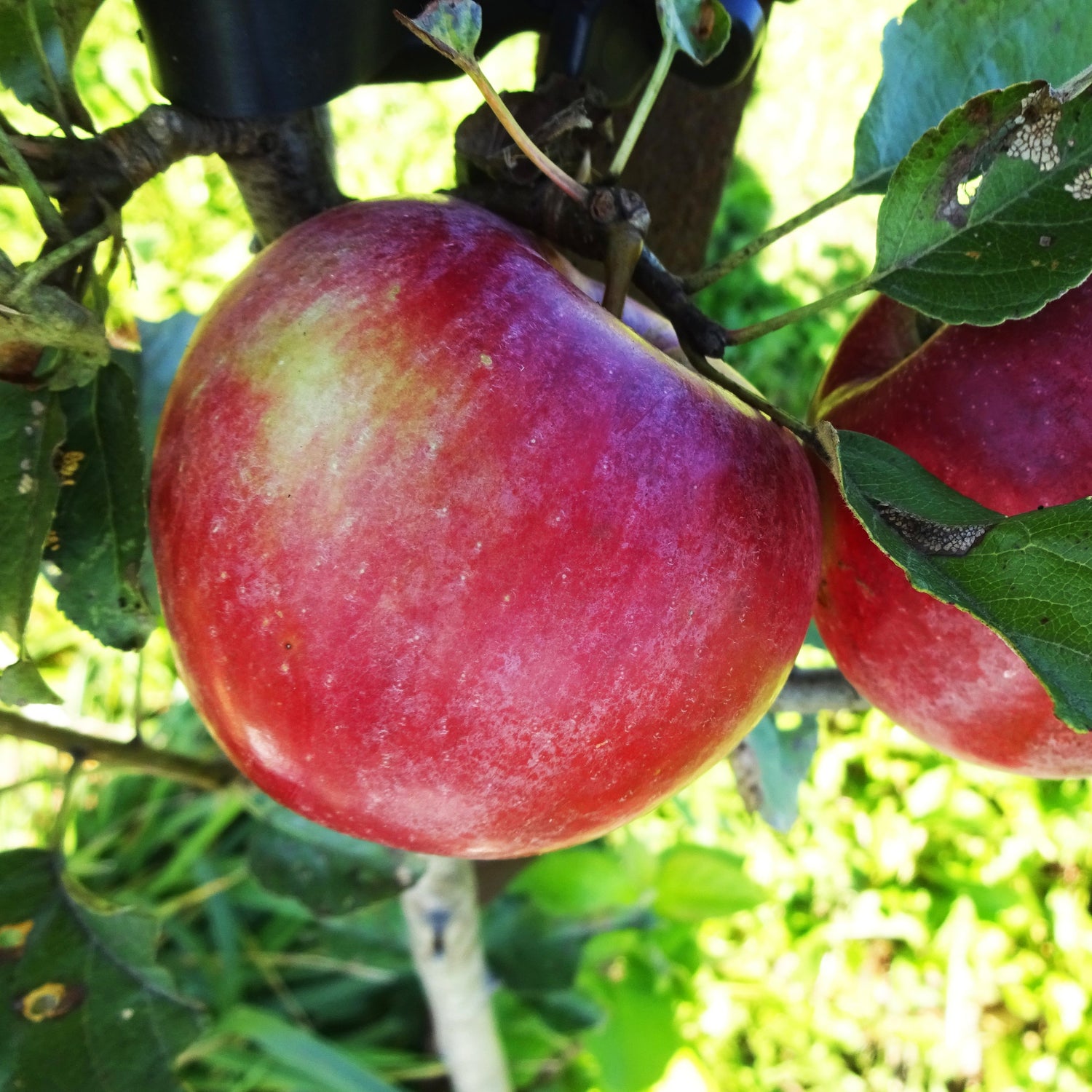
History: Sweet Sixteen was developed by the University of Minnesota and introduced in 1977. It is one of nearly thirty varieties released by the university since its breeding program began in 1888.
Why We Grow It: Some apples taste better when grown in colder climates, and Sweet Sixteen is one of them. For a fresh-eating apple, this is a favourite. Sweet Sixteen provides that crisp first bite that so many people love in an apple, and the pure white flesh will not disappoint for flavour with a very unique, distinct honeyed flavour. Its cold-hardiness and general disease-resistance (tolerant of scab and cedar rust) make it winner for the grower too.


History: Ozark Premier plums were developed by the Missouri State Fruit Experiment Station and introduced in 1946. They are a cross between Burbank and Methley plums.
Why We Grow It: This Japanese plum produces exceptionally large semi-clingstone fruit which are juicy and firm with a flavour that is sweet with a mild tartness. These plums are great for cooking, fresh eating, and canning. The tree has good disease resistance and reliable crops.
History: Packham's Triumph were created by Charles Packham in 1896 in the town of Molong, located in Australia. His goal was to create a late-ripening pear and this popular pear proves he was indeed triumphant. This pear is most commonly grown in the southern hemisphere and the town of Molong is quite proud that such a beloved variety is part of their history.
Why We Grow It: Packham's Triumph is bright-yellow with russet mottling and smooth, white, juicy flesh that has an excellent flavour and smooth texture. The tree produces heavy and reliable crops.
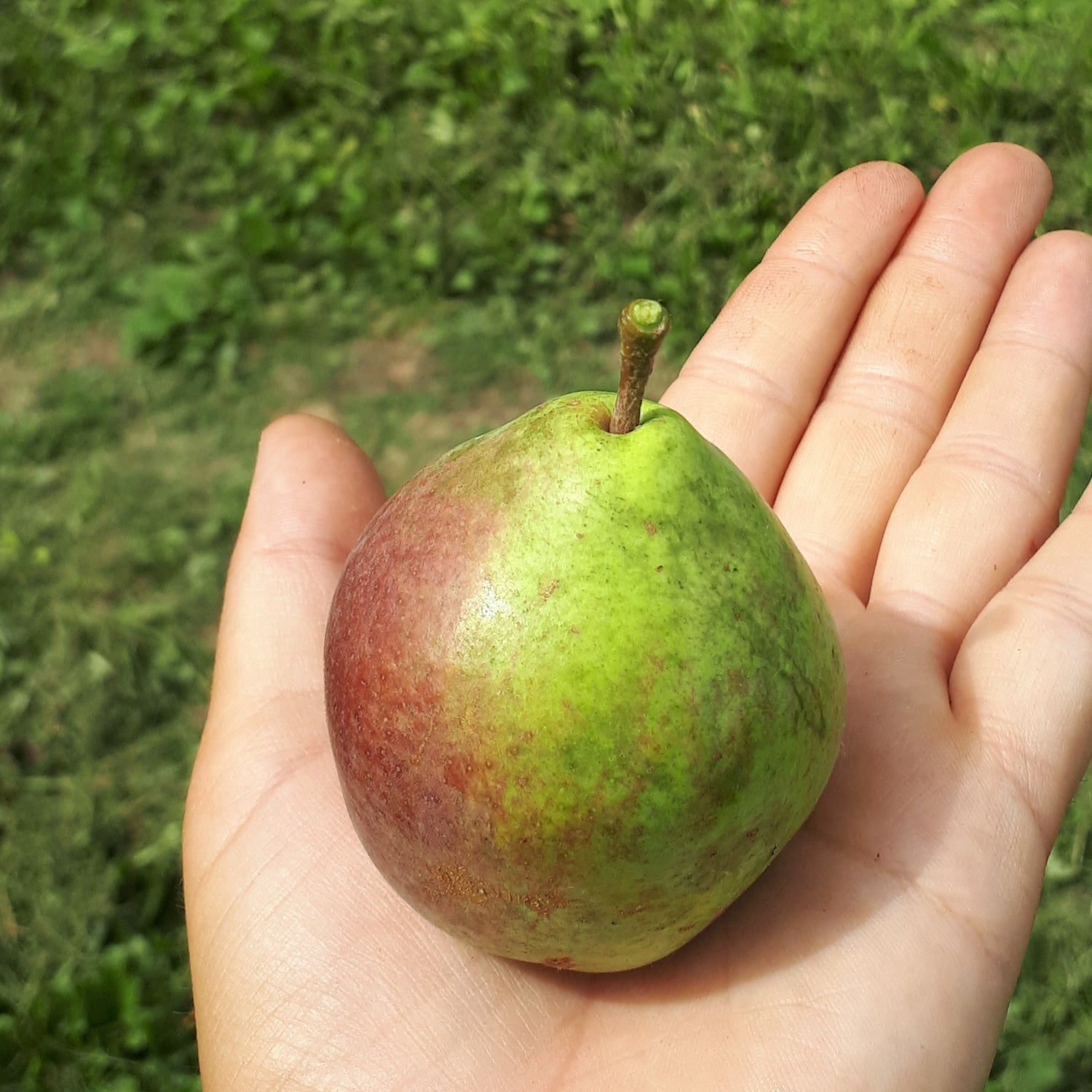
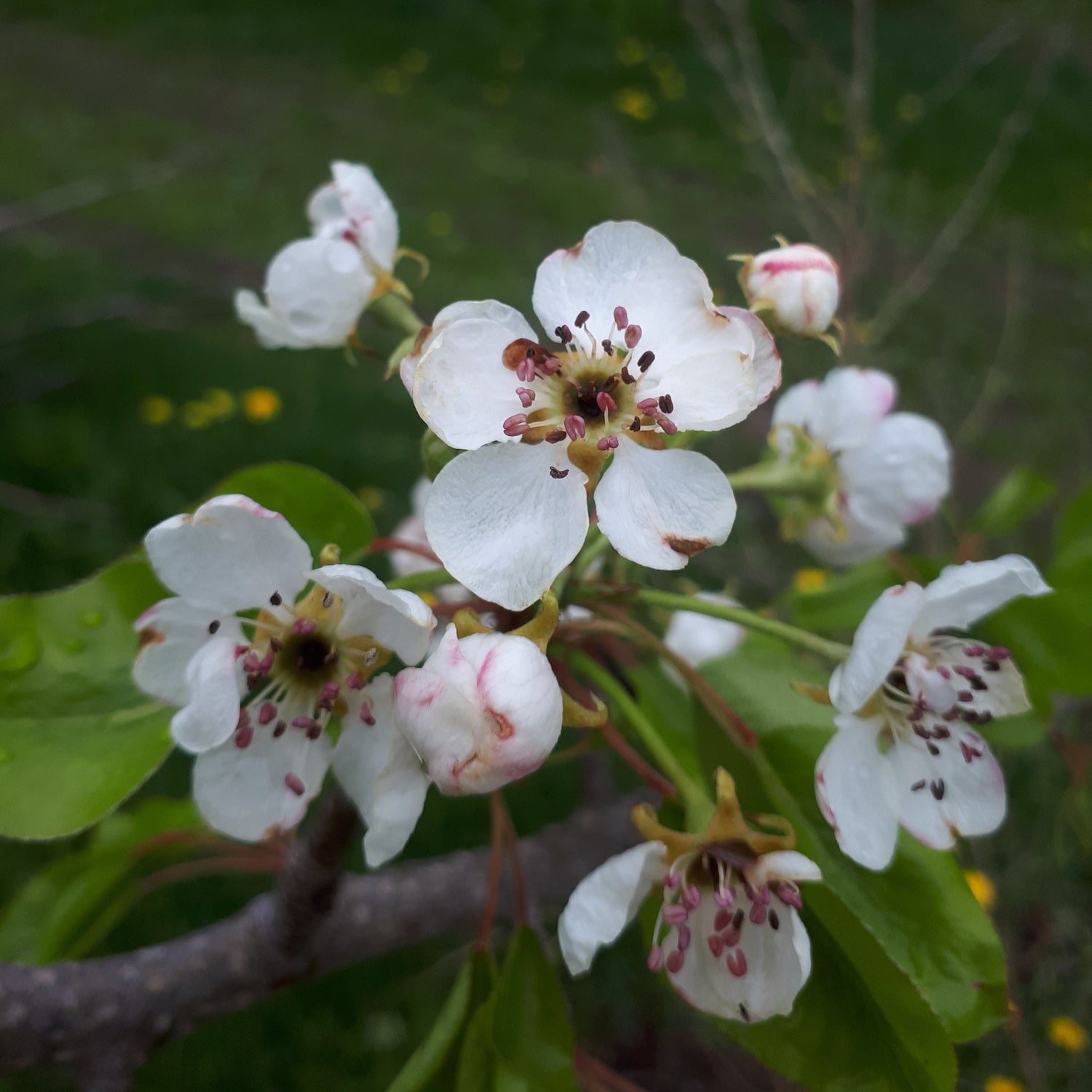
History: Summercrisp pears were developed by the University of Minnesota in an effort to create a cold hardy pear. They were successful in creating a hardy and delicious pear, releasing the variety in 1985. Its name is derived from the fact it ripens in summer (very early for a pear!) and that it is great right off the tree when still crisp.
Why We Grow It: Summercrisp performs amazingly in our test orchard, producing lots of freckled beauties that ripen uniformly and hang well on the tree. This early cold-hardy pear has a really sweet, pleasant flavour and is not gritty or dry. The fruit are average-sized with yellow skin and red blush. For optimal eating they should be picked before fully ripe and stored in the fridge until eating. This variety deserves to be more widely planted.
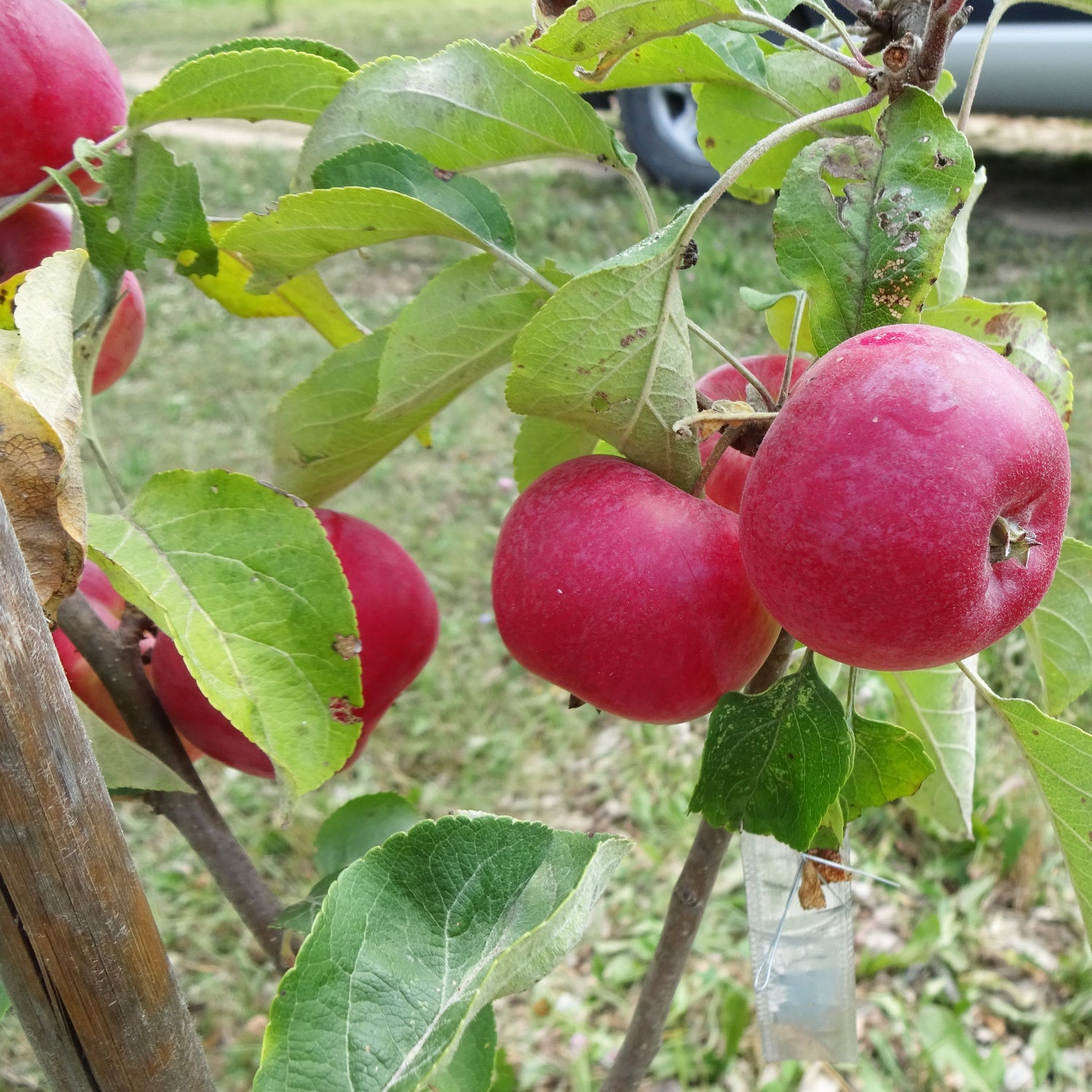
History: Parkland apples were variety created at the Morden Research and Development Centre in Manitoba and released in 1979. Like other varieties developed there, Parkland was designed to withstand the harsh prairie winters and is especially cold hardy. It has become the most commonly grown apple in Alaska after it was brought over in 1985 in an effort to determine which Canadian varieties could survive in the northern state.
Why We Grow It: Parkland is a very satisfying early season apple - sweet and crunchy. It's excellent snacking or applesauce although the fruit is small (about 2" diameter) with creamy flesh and red skin. The tree is quite hardy.

History: Strawberry Pippin is another variety whose history we know little about. All we know is that it likely originated in England where it was first recorded in 1874. The 'pippin' in its name indicates that it was grown from seed by chance.
Why We Grow It: While we may not know much about its past, we do know why we are happy to grow it! Strawberry Pippin has an attractive red striped fruit which is quite firm and sweet. Its excellent flavour is best enjoyed picked fresh right off the tree. In our experience, Strawberry Pippin does well with minimal care, and is an excellent choice for the backyard.
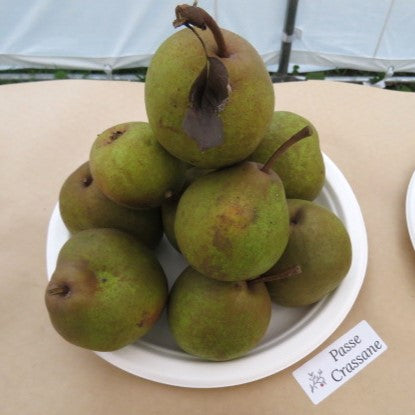
History: The Passe Crassane pear originated in France where it was grown by Louis Boisbunel in 1845 and first bore fruit in 1855. It quickly became popular and was grown in France, Italy, and Spain and commonly exported to Germany and England. The stems were sealed with a red wax to keep in moisture during the pear's long ripening period which became a symbol of the variety. Although its susceptibility to blight has caused its popularity to decline since then, it is still grown on a small scale in parts of France and Italy.
Why We Grow It: This French winter pear is aromatic, floral, and fruity with a melting texture. It is best enjoyed after 4-5 months in storage, usually around February to March. Although the tree is hardy, it is susceptible to mildew and fireblight.
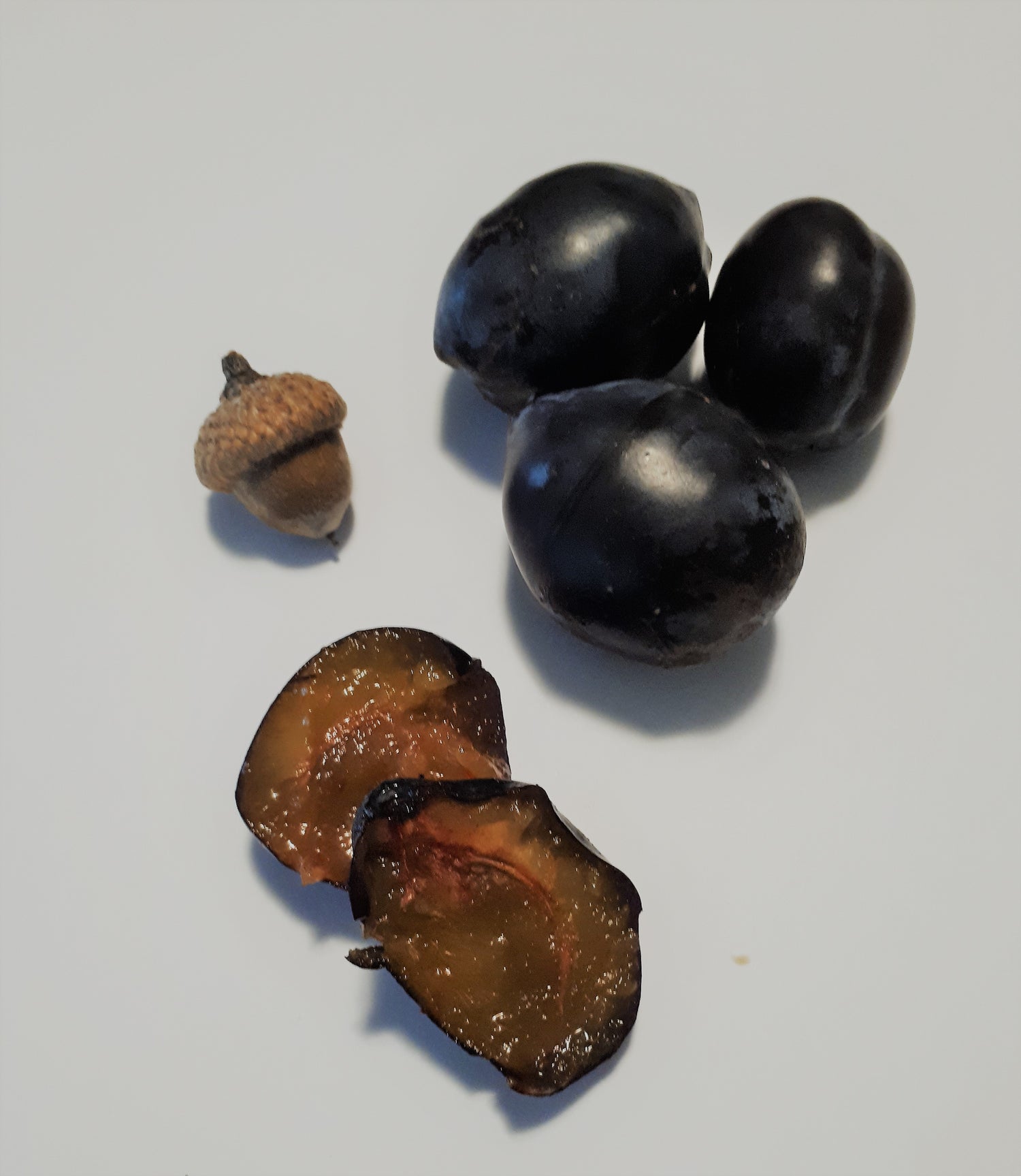
History: Stanley plum was developed in Geneva, New York by Cornell University and released in 1962.
Why We Grow It: This freestone European plum has deep purple skin and meaty, golden flesh, the standard for prunes. It has a sweet juicy flavour and is great for fresh eating, canning, and drying. The tree produces heavy, reliable crops.

History: Paula Red (sometimes written Paulared) was discovered in Michigan in 1960 by Lewis Arends near a ravine where apples were dumped. It was one of several wild apple seedlings that had sprouted up from the discarded seeds. Likely pleased by its attractive red skin and flavour, Arends named it 'Paula Red' in honour of his wife Pauline. It is a cross between Duchess and McIntosh.
Why We Grow It: Paula Red produces medium to large red apples with small yellow/green patches that are juicy and firm with a nice sweet/tart flavour. The flavour has strong vinous and strawberry notes. It is also slower to brown. This early-ripening variety tends to soften relatively quickly which means it does not store very long, but it is great for making applesauce. The tree produces heavy crops although tends to bear every other year as a result.

History: The St. Lawrence apple was discovered in the Montreal area as a seedling of a Snow apple, the most popular variety in Quebec at the time. By 1835, these apples were commonly grown in the area where they were popular for fresh eating and cooking but have since faded into obscurity.
Why We Grow It: Although less popular now, these apples are still good for eating and baking. The boldly striped red skin also makes the fruit very attractive. The tree bears good crops each year and is relatively hardy.
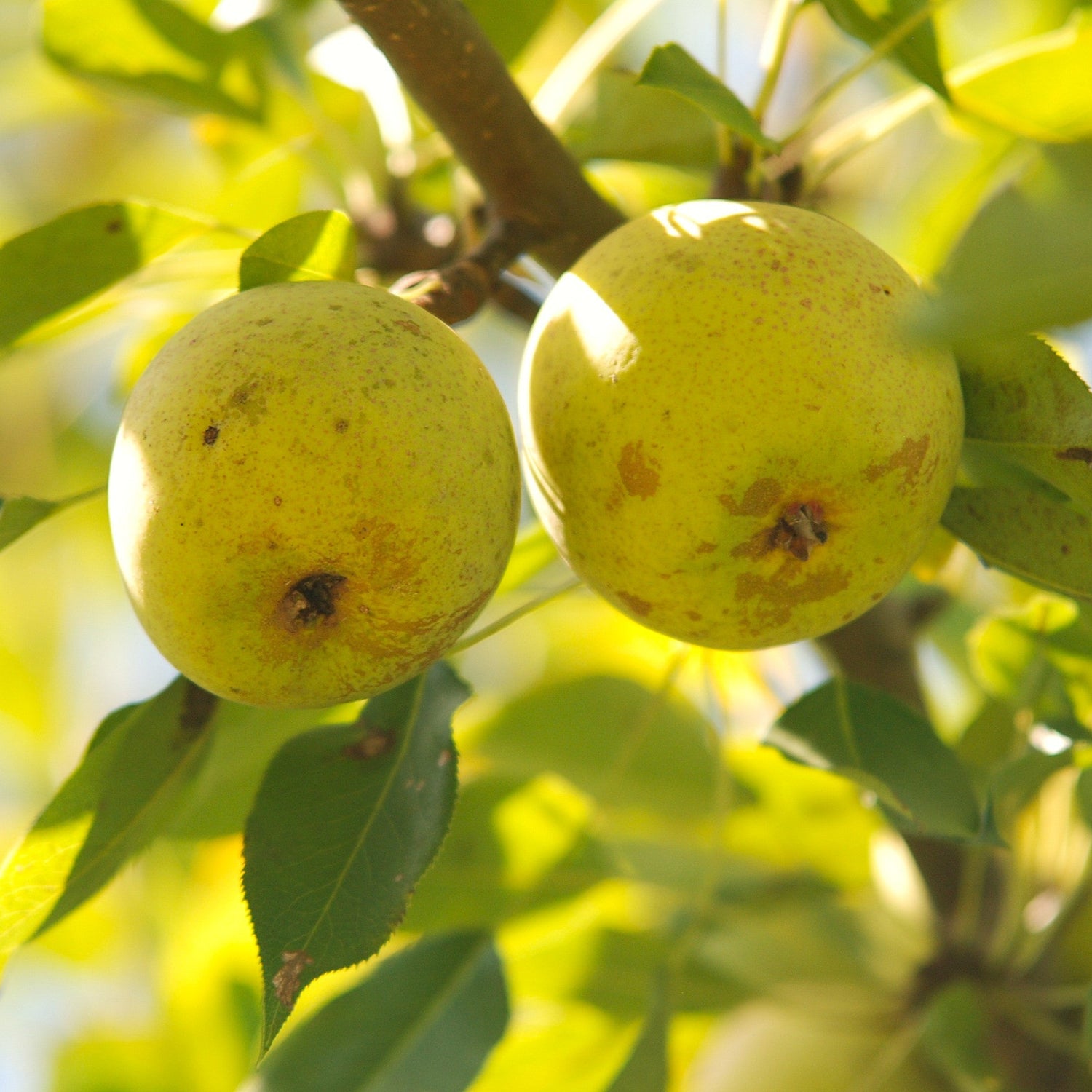
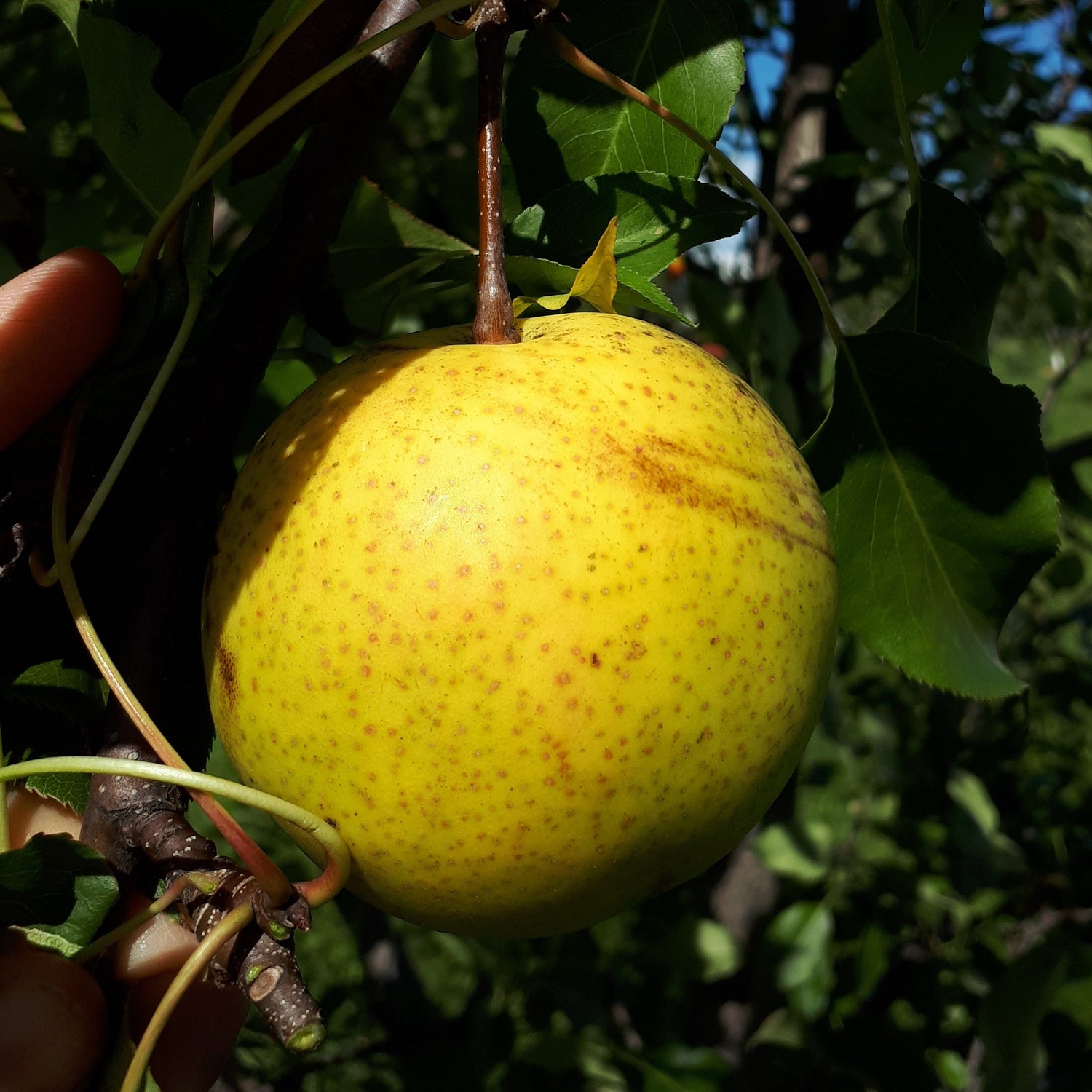
History: Ping Guo Li (translated from Mandarin as 'apple pear') was developed by Jilin Sheng in China and likely named for its round, apple-like shape. While its exact age is unknown, this pear is considered to be an old variety.
Why We Grow It: This Asian pear is nothing but sweet and juicy melting goodness! Its flavour is quite sweet and is comparable to that of a European pear. So far it has performed very well in our test orchard and displays good cold-hardiness.


History: Not to be confused with Pink Lady, Pink Pearl was developed by breeder Albert Etter who had the goal of creating red-fleshed apple varieties from seedlings of Surprise, a red-flashed variety. In 1940, he partnered with the California Nursery Company to bring some of these varieties to the public. Pink Pearl was selected as the best amongst his seedlings and released in 1945.
Why We Grow It: One of Steph's favourites! Pink Pearl is a delicious apple that is crisp with a pronounced unique fruity flavour and a nice blend of sweetness and sharpness. Its yellow-pink skin conceals a bright pink interior that is stunning to see compared to the white-ish flesh of most apples. It is great fresh or for applesauce, and it is relatively slow browning- it can be cut and bagged in the fridge the night before with very little change in colour the next day. Their pink colour adds a unique visual appeal to baked goods as well, such as with the gooseberry and Pink Pearl tarts Steph made pictured here!
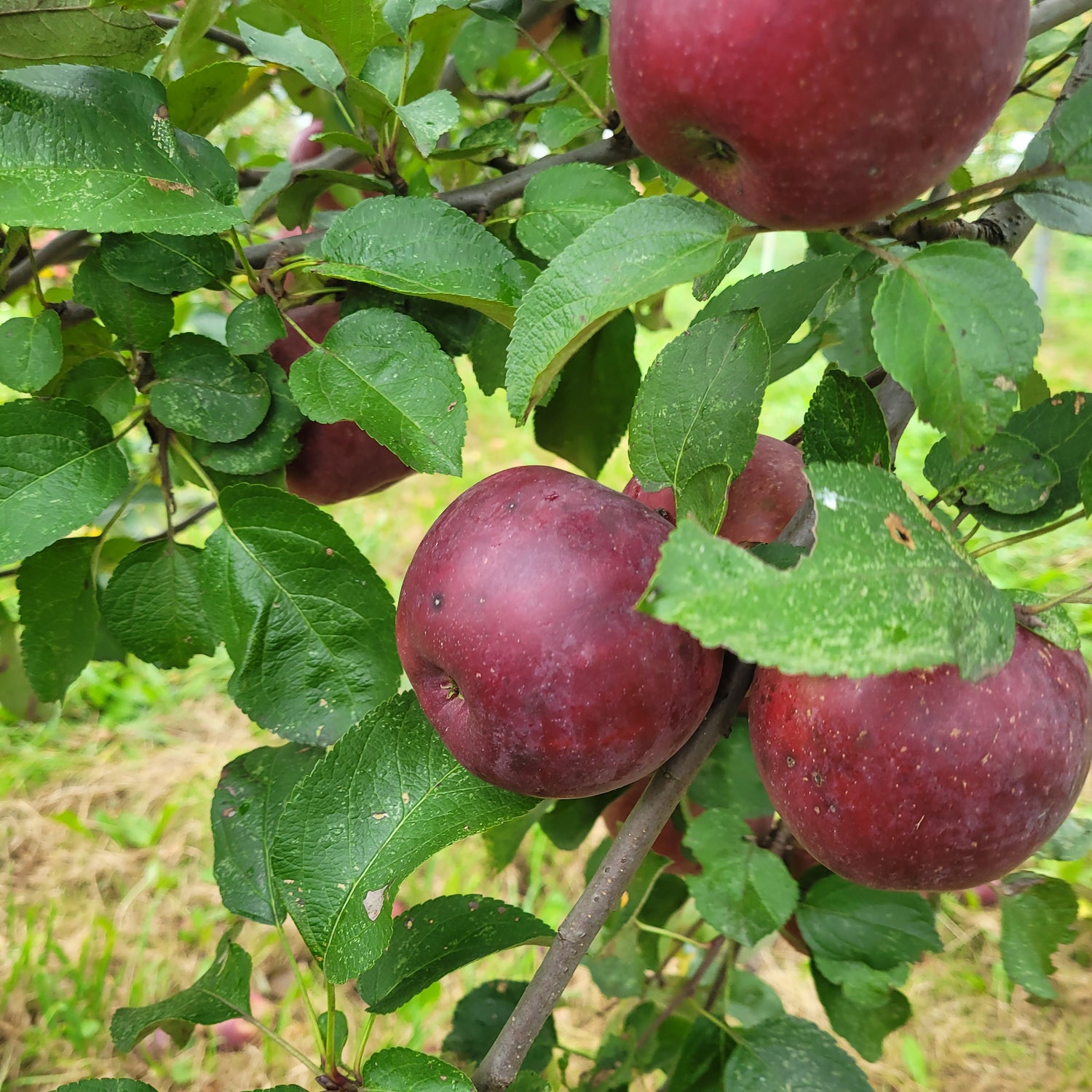
History: Spartan apples are a Canadian variety that was developed at the Pacific Agri-Food Research Centre in Summerland, BC in 1936 by Dr. R.C. Palmer. Of particular interest is the fact that Spartan apples are the first apple variety created by a formal scientific breeding program. They have been popular in North America ever since and are even commonly found in gardens in the UK.
Why We Grow It: This variety is known for its sweet/acid flavour and pleasant crunch, especially when eaten fresh off the tree. They tend to soften rather quickly after they are picked but luckily the fruit hangs on the tree 2-3 weeks after its ripe which helps to extend the optimal time to enjoy this variety. Spartan apples are also known for being relatively easy to grow, having decent disease resistance, heavy crops, and an ability to keep all winter.
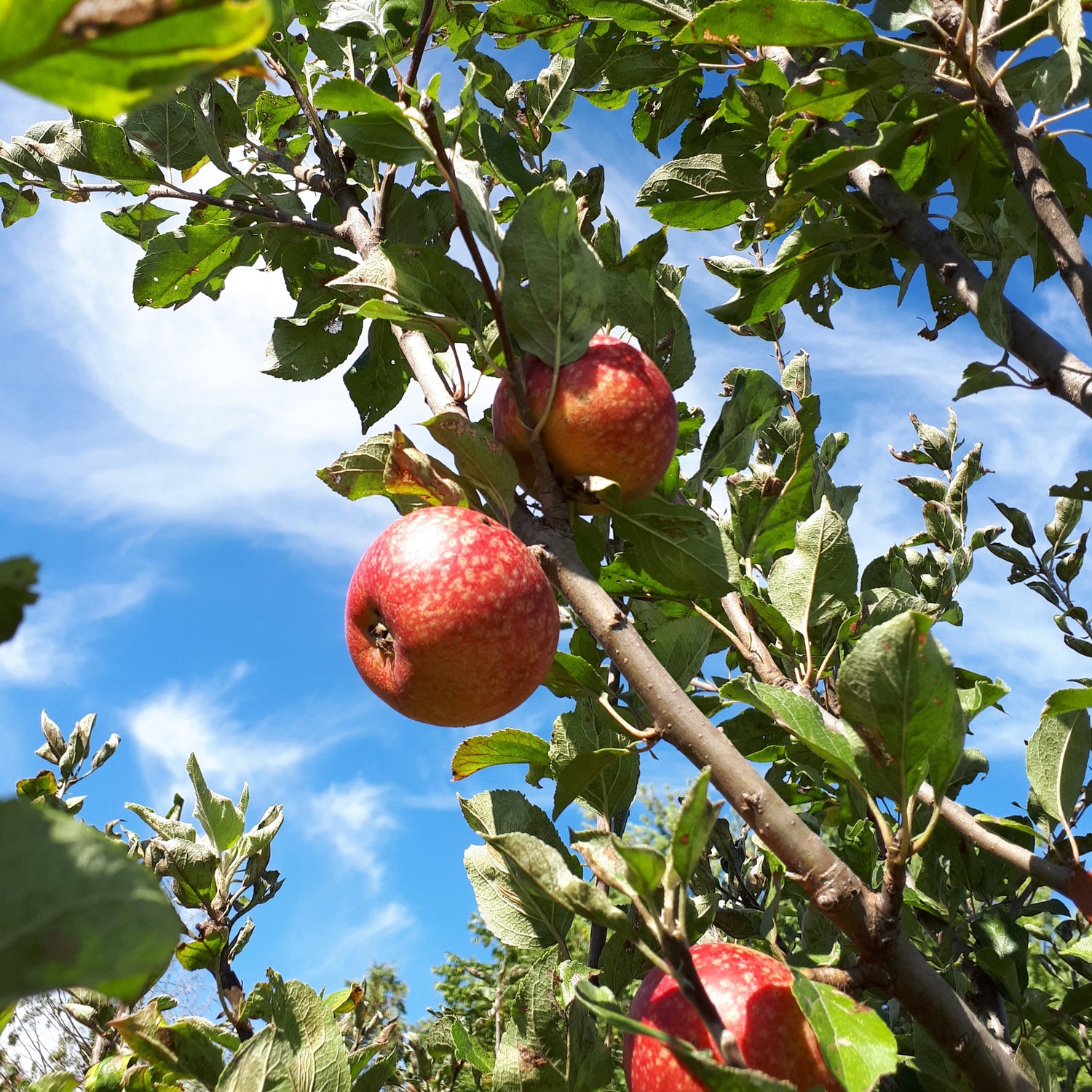
History: Porter's Perfection originated in Somerset in the UK some time in the 1800s. It became extremely popular in England although its popularity began to wane following the 1910s. It is still grown today but not as commonly as it once was. It shows promising results in the North American climate, unlike some other European cider cultivars.
Why We Grow It: This English cider apple produces a medium bittersharp cider. It has done well in different studies in Ontario with the Vineland Research Station with regards to juice composition, disease resistance and overall performance. The tree is a heavy cropper and grows vigorously.
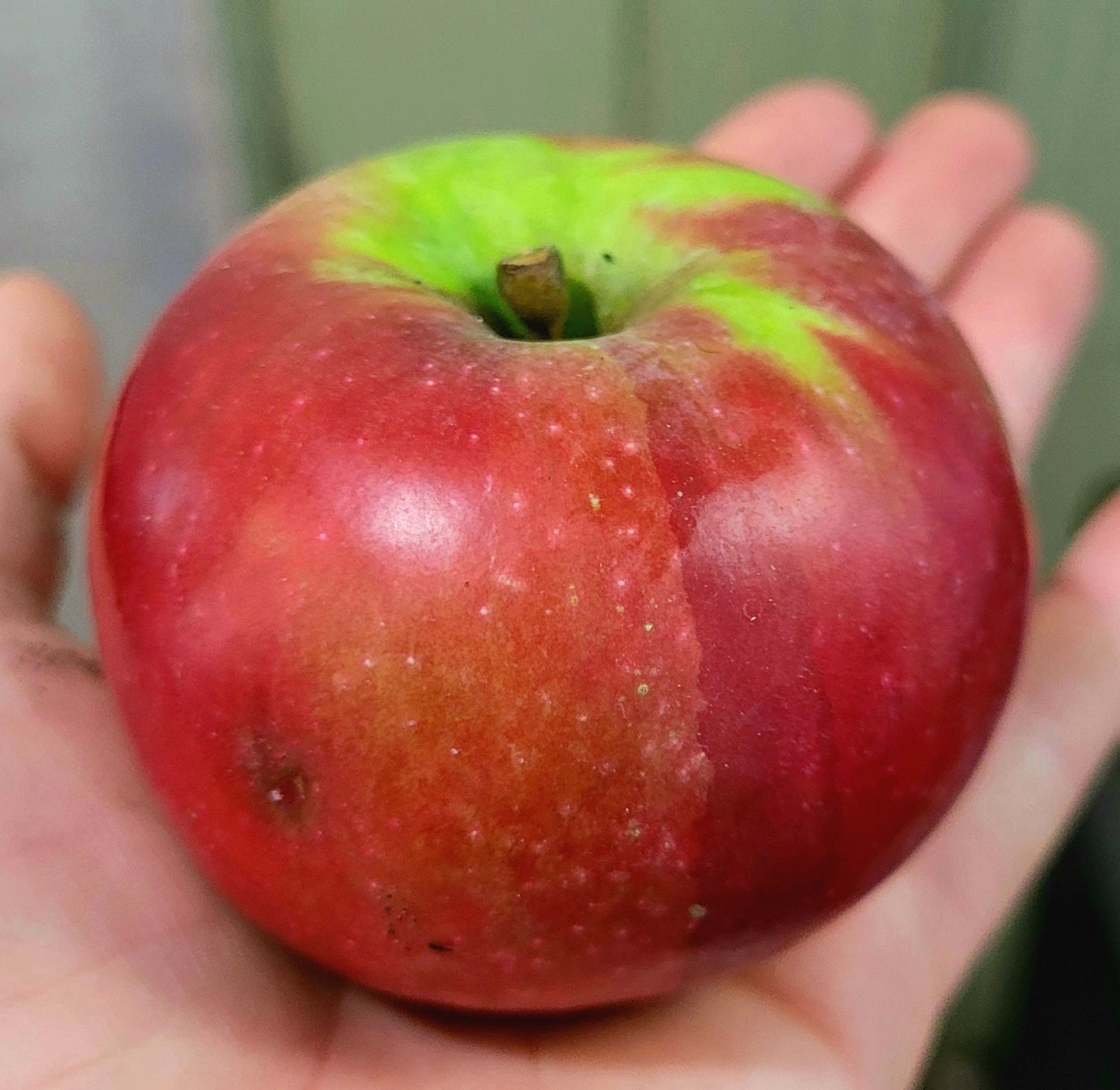
History: Snow, aka Fameuse, apples originated near Lake Champlain in Quebec some time before the 1730s. The exact origin is unclear but this variety is thought to have originated from a seedling or cutting brought from France. From about 1750-1850, this was one of the most commonly grown apples in Quebec until the orchards were almost wiped out in the latter half of the 19th century by disease and failed to regain their popularity. However, these lovely apples may still be with us in their own way as they are one of the potential parents of McIntosh.
Why We Grow It: It is easy to see why Snow apples were once so popular. These apples have a lovely deep red skin with pure white flesh with a sweet strawberry flavour. These trees are also quite cold hardy and produce heavy crops.

History: In the 1830s in Lancaster County, Pennsylvania, a seedling apple tree grew beside the smokehouse of William Gibbons. Perhaps it sprang from a core that some one had tossed there while they tended the fire. Who knows? What we do know is that the aptly named Smokehouse was commonly grown in the area until its popularity waned as sweeter apple varieties appeared on the market. Still, this variety has stood the test of time due to its great flavour.
Why We Grow It: Traditionally Smokehouse apples are picked a little early and used for baking, but if they're allowed to ripen fully on the tree, some people have described the balanced flavour as being “like drinking fresh-pressed cider!”.


History: President plum was first raised by Thomas Rivers at Rivers Nursery in England where he introduced it in 1901. They became quite popular due to their excellent performance as a fresh eating and cooking plum, as well as their late ripening time which means they are available when many other plums are no longer in season. They remain popular in the UK and United States.
Why We Grow It: This European variety is a great way to extend the plum season. The large, oval fruit has dark blue skin and yellow-orange flesh with a pleasant flavour. It is good for fresh eating and cooking. The tree is vigorous and produces heavy crops.


History: Prima is one the apples developed from the collaborative PRI disease-resistant breeding program run by Purdue University, Rutgers University, and the University of Illinois. It was introduced in 1958 but unfortunately is no longer fully scab resistant due to the fungus evolving to overcome the resistance since then.
Why We Grow It: Another great apple for organic production and excellent for the backyard or farmer’s market sales! This apple is sweet, juicy, and flavourful and boasts good disease resistance..

History: Shizuka (translated as "quiet" or "calm") was created at the Aomori Apple Experiment Station in Japan in the 1930s. It is a cross between Golden Delicious and Indo, the same parentage as its sister apple Mutsu.
Why We Grow It: Although it resembles Mutsu with its large yellow-green fruit, sometimes featuring a reddish-orange blush, Shizuka is sweeter and less acidic. This is an excellent fresh-eating apple for farm gate sales and it also keeps well. It is also great in salads due to its slow browning.