All Fruit Trees

All Fruit Trees
Looking for bareroot fruit trees Canada? We offer a wide variety of bareroot fruit trees including apples, apricots, pears, plums, cherries, quince, and peaches that are grown for the Canadian climate & we deliver cold-hardy fruit trees right to your door!
We also offer fruit trees for small gardens, heritage apples Ontario and you can filter all our fruit trees by hardiness zones. Search trees by collection or peruse all the varieties we carry below! We offer flat rate shipping across Canada.




320 products
Sort by:
320 products
320 products

History: Kandil Sinap* originated in the early 1800s around the Black Sea, although it is debated whether it originally came from the Crimean Peninsula in the Ukraine or the Sinop Peninsula in Turkey. It was at one time commonly exported into Russia.
*There are different thoughts on what Kandil Sinap translates to, some say it is 'candle of Sinop,' others 'sweet apple of Sinap,' and it translates directly from Turkish as 'oil lamp'
Why We Grow It: Kandil Sinap's most prominent feature is the odd shape of the fruit, strangely oblong and conical, almost resembling a candle in appearance. The odd green fruit have a sweet, sprightly flavour and are quite aromatic, although they do bruise easily. The tree naturally stays smaller but produces heavy crops and is great for backyard orchards.


History: Karneval (translated from Czech as 'Carnival') was developed at the Institute of Experimental Botany in Prague in the Czech Republic by Dr. Jaroslav Tupý. It is a cross between Vanda and Cripps Pink. It was released in 2011 and like many other modern apples, boasts a sweeter flavour and good disease resistance. However, the main reason this apple was likely selected and given its fun name was for the bright red striped that adorn it.
Why We Grow It: Karneval is medium sized apple that is sweet, juicy and just a little tart and aromatic. However, this apple is best known for its unique appearance: yellow skin with distinct red stripes that would make it feel at home at the circus. Great flavour, striking visual appeal, good storage capabilities, and good disease resistance make this apple an excellent choice for any grower.

History: Little information appears to be available on the origins of Kenko. Some sources say it was developed by Ken Taylor of Green Barn Nursery while others note that it is quite similar to another Asian pear variety called Olympic.
Why We Grow It: Kenko produces a large, brown pear that is crunchy and sweet. Kenko boasts many ideal traits including a long shelf life, good disease resistance, and winter hardiness.


Why We Grow It: These large, red apples boast a high acid content along with high sugars and a strong fruity flavour, making them excellent cooking apples. Like other English cooking apples, it breaks down when cooked.

History: Little is known about Kermerrien aside from the fact it originated in the Quimplerlé region in France. It was exhibited by an orchardist at an event in 1896 and was described in a book on cider apples published in the same year, but it is unknown how old the variety is. It is commonly used to make traditional Breton cider.
Why We Grow It: This bittersweet cider apple produces a good single-variety cider with a nice golden juice. The tree is vigorous and starts bearing at a young age.

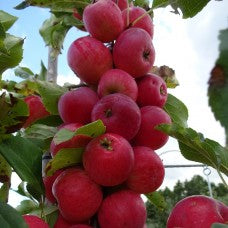
History: Kerr is an applecrab (cross between crabapple and apple) with Dolgo and Haralson parentage. It was developed at the Morden Research Station in Manitoba in the 1950s and named after plant breeder and ecologist William Les Kerr who was working at the station at the time.
Why We Grow It: The fruit is a pleasant dark red and unlike true crabapples, has a pleasantly sweet and tart flavour that makes it good for fresh eating. Although small, the fruit stores well and are quite juicy which makes them good for pressing. The juice does well when added to cider blends.


History: Ketchankookem Trail was discovered in 2022 by Wayne Kuntze while he was vacationing on Manitoulin Island with his family. He found it growing wild along Ketchankookem Trail, being drawn to its bright yellow fruit with a pinkish-red blush. Now we are happy to officially introduce this variety in 2023!
Why We Grow It: This variety is worth growing for the name alone! Ketchankookem Trail shares a lot of similarities with Lodi and Yellow Transparent in terms of its early ripening time, yellow skin, and sprightly flavour. Like these other fine early-ripening varieties, it may also be good for sauce along with fresh eating.
This is a brand new variety and we're still learning about it! For any avid apple growers who decide to plant these out, feel free to keep us updated on how it grows, what you use the fruit for, etc, so we can provide as much information as possible!

History: Kingston Black is named after the English town Kingston St Mary where it was grown in orchards around a parish. Its dark maroon flesh earned the second part of its name, 'black.' This apple produces a great single-variety cider which made it quite popular by the 1800s and by 1950 it was the most commonly grown cider apple in the West of England. Although its popularity has waned due to its poor cropping and disease susceptibility, it is still renowned among cider enthusiasts.
Why We Grow It: This English cider apple produces a well-balanced juice, capable of creating a vintage cider of excellent quality. Although the variety has its downsides, there is a reason it has remained popular with cider enthusiasts.

History: Kordia (aka Attika) originated in the Czech Republic where it was found as a chance seedling near Techlovice in the 1960s. It was released commercially in 1982 and remains popular in Europe along with a smaller commercial market in parts of North America. This variety received the Award of Garden Merit from the Royal Horticultural Society in 2014. .
Why We Grow It: Kordia produces abundant, large, nearly black cherries that are sweet and firm with a touch of acidity. The tree itself boasts generally good disease resistance although it can be sensitive to late frosts.
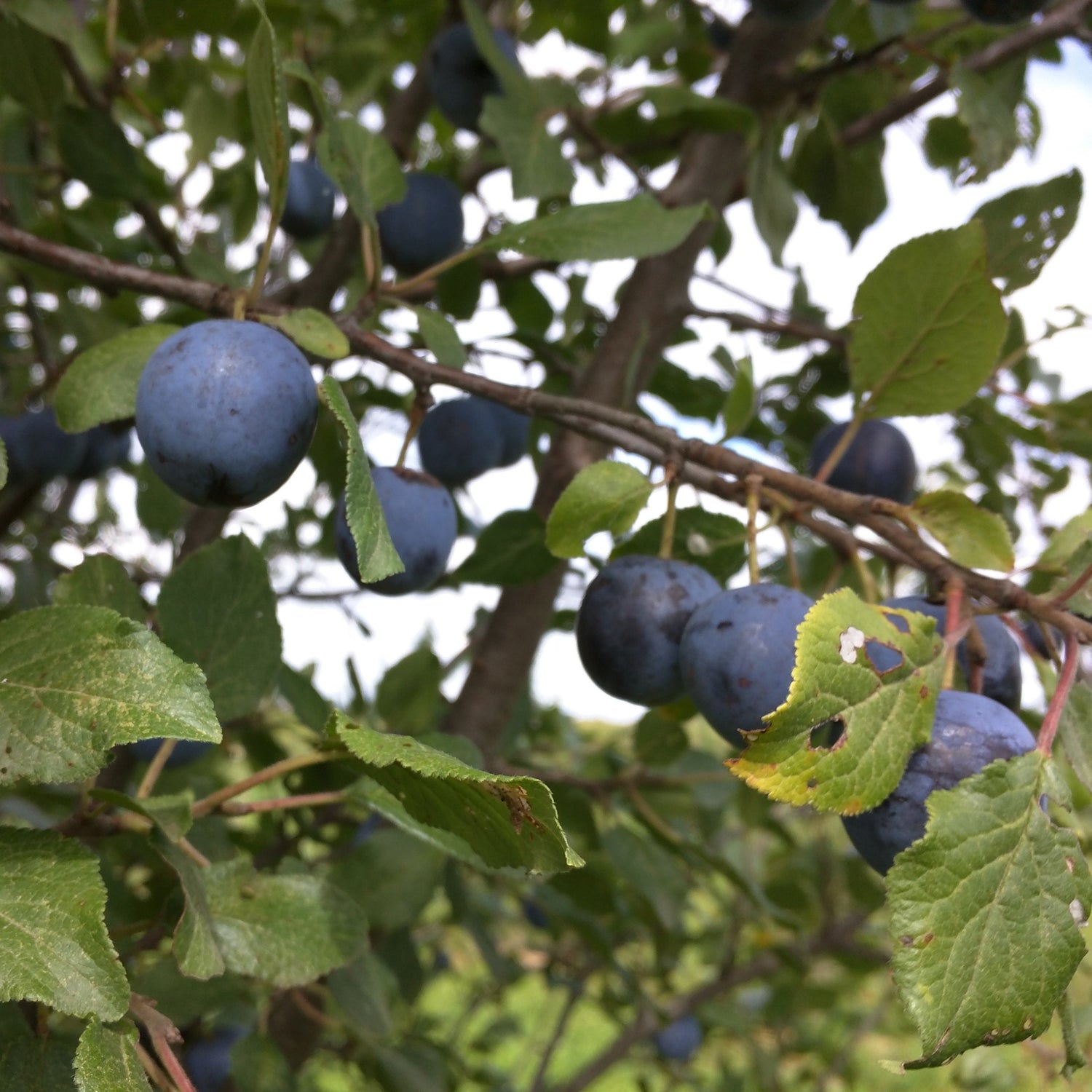
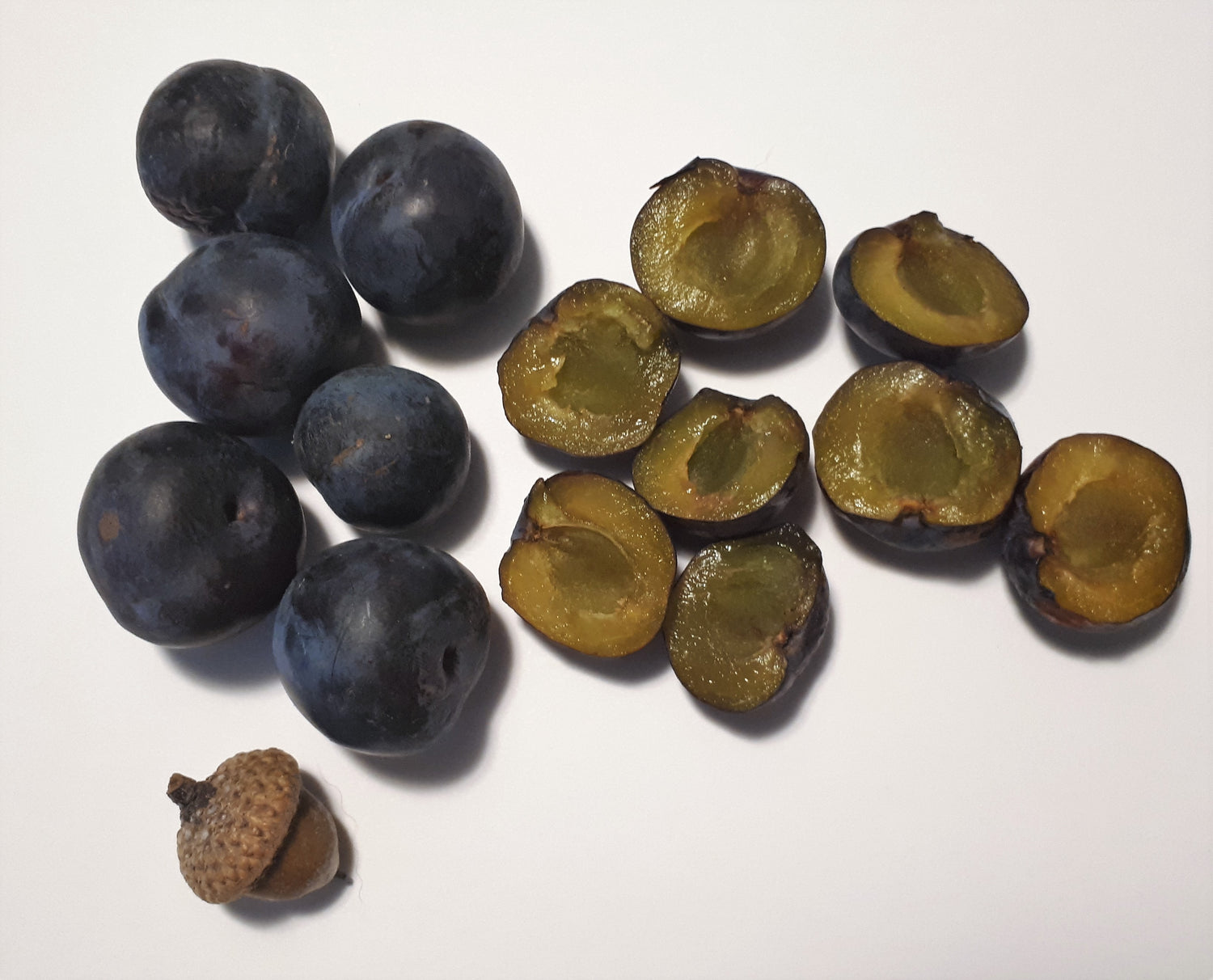
History: Little is known about this particular variety aside from that it's a Damson plum that originated in Sweden. 'Krikon' is the Swedish word for 'damson.'
Why We Grow It: Although its history is a bit of a mystery, we can certainly tell you that this is the best plum variety for very cold regions. It produces small round deep purple fruit that are good for cooking, preserving, and making jam. The flesh has a spicy, sweet flavour although some do not find it that great for fresh eating. Compared to regular Damson's Krikon Damson is a bit smaller, and more flavourful.

History: Lady apples are one of, if not the oldest, apple varieties in existence with a verifiable history. It is said to have originated in the Brittany region of France before 1628 and was grown during the reign of King Louis XIII. This apple goes by several other names as well. It is also known as Api or Pomme d'Api, named after the Forest of Api in France where it is believed this apple may have been discovered. This particular name is similar to Appia, an apple variety popular in Ancient Rome, which some believe is the same apple as Lady. Lady apples are also known as Christmas apples due to their use in adorning Christmas wreaths and trees.
Why We Grow It: It's hard not to be interested in an apple with such a long history as this one. The fruit is small but attractive: red flushed over yellow. The crisp, sweet fruit maintains its good quality all winter in storage.
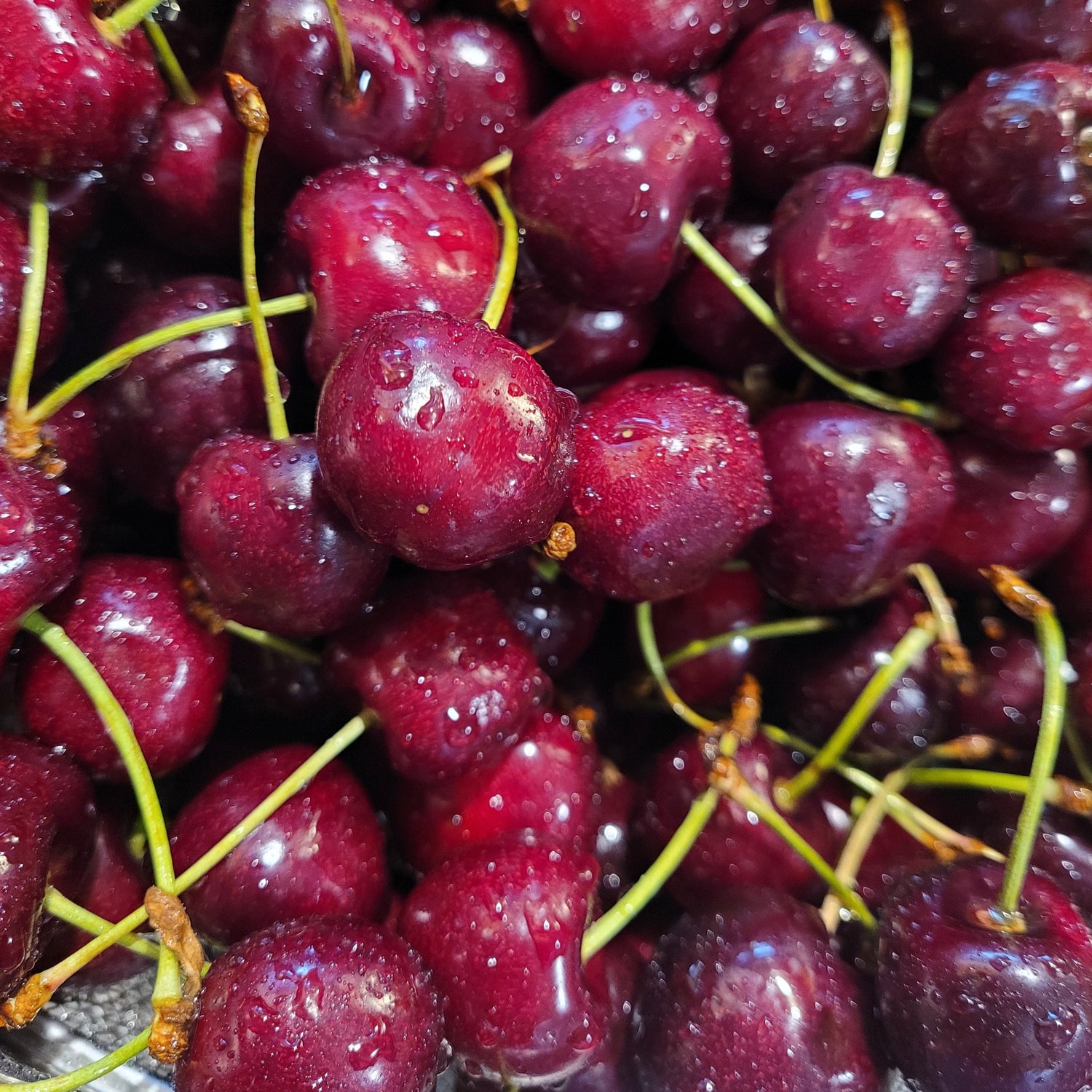
History: Lapins (aka Cherokee) was developed at the Summerland Research Station in British Columbia by Latvian agronomist Karlis Lapins, an important figure in the development of self-pollinating sweet cherry varieties. He created Lapins by crossing Stella and Van sweet cherries, and although the variety was released in 1983 after he retired, it was named in his honour. The variety was also awarded the Royal Horticultural Society's Award of Garden Merit. Although quite popular when it was first released, Lapins have since been supplanted by other cherry varieties due to their popularity and its inconsistent quality when shipped.
Why We Grow It: These lovely deep purple cherries are quite similar to Bing. They have a pleasant, mild flavour and can be used for fresh eating, cooking, and canning. The fruit is resistant to cracking and the tree grows well and begins bearing fruit a little earlier than other varieties.

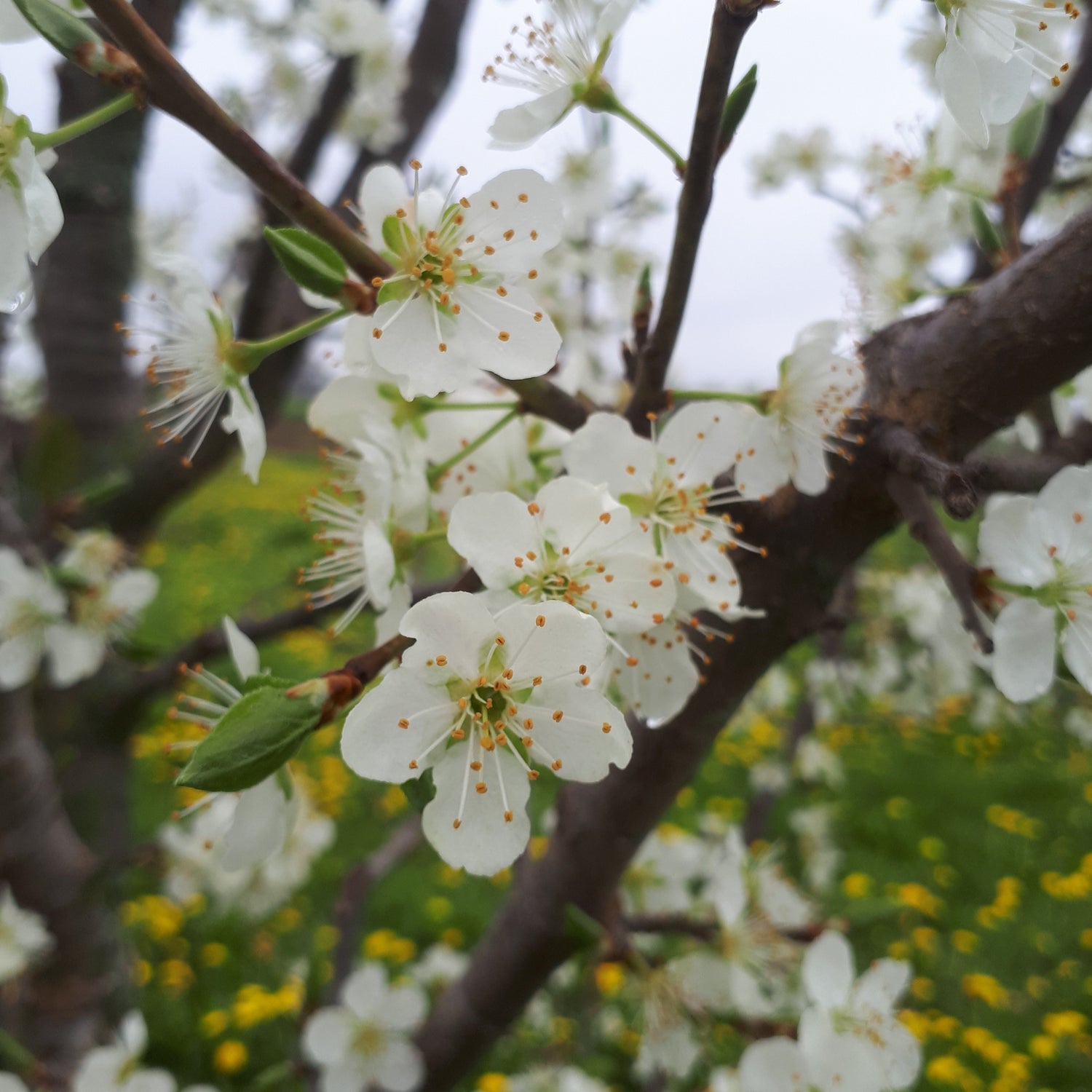
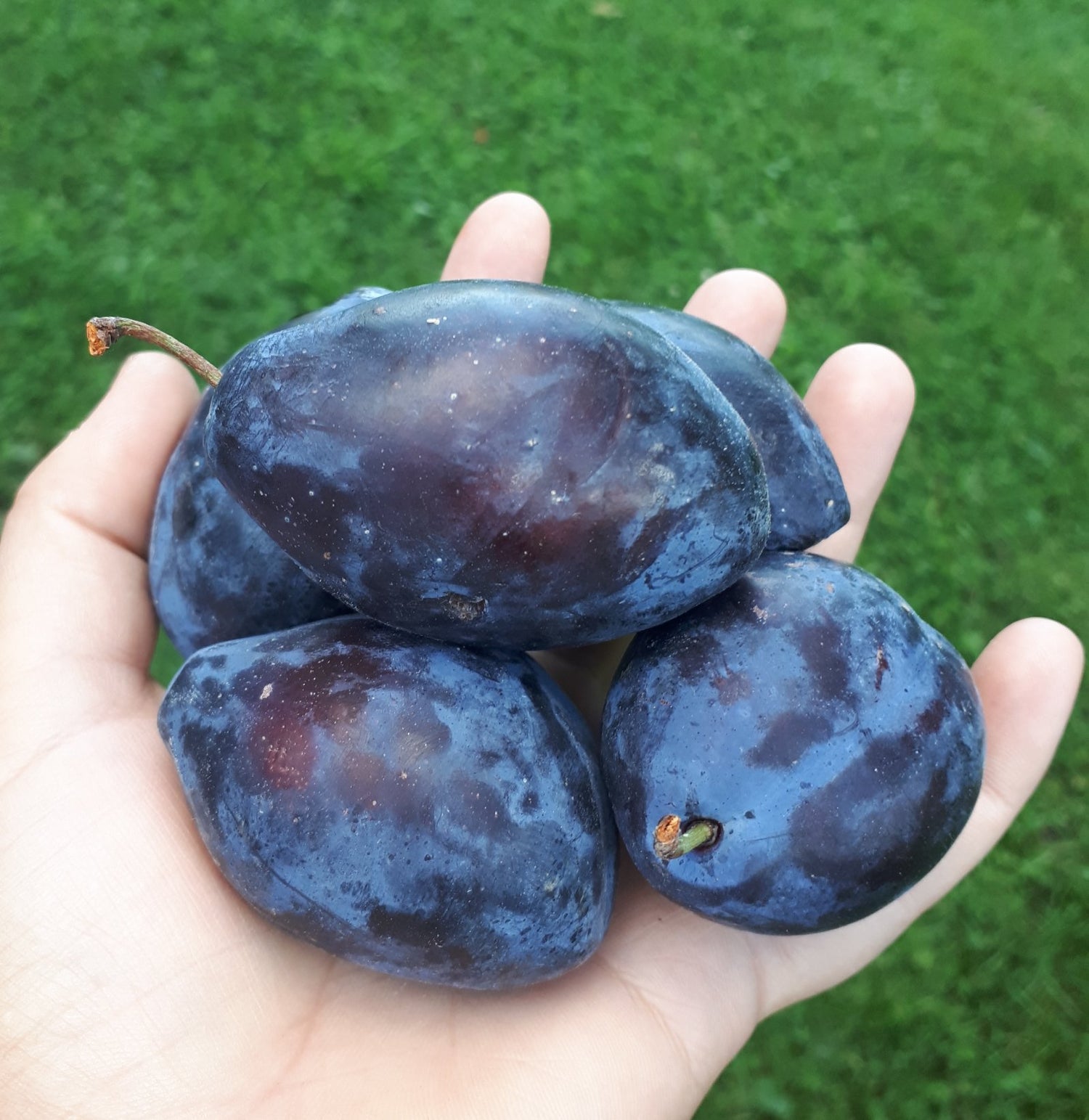
History: Late Italian plums originated in the coastal Mediterranean areas of Italy, although little is known about their history aside from that. They are still grown in Europe and North America today.
Why We Grow It: This European variety produces a large-sized blue plum with sweet yellow flesh. It is an all-purpose plum that is excellent for drying and great eaten fresh, canned, or incorporated into baking, desserts, or salads.

History: AKA Italian Honey fig.
Why We Grow It: Very large, sweet, yellow figs with a long neck and honey coloured flesh. When picked at peak ripeness, the flavour and texture are unsurpassed. Not only does this variety have an exquisite flavour, it's compact growth (container friendly), strong breba cropping habit, and adaptability to cool or warm summers make it an excellent choice for the backyard grower.


History: Liberty was developed by the New York State Agricultural Experiment Station in Geneva, NY, in 1955 and released in 1978. It is a cross between Macoun and a Japanese crabapple (Malus floribunda), bred in hopes of achieving the disease resistance of the Japanese crabapple.
Why We Grow It: The creators of Liberty were highly successful in their goal, creating one of the most disease-resistant varieties. Liberty is a favourite for organic production as a result. The fruit is bright red with sweet, creamy flesh and it stores well.
Showing 165/320
Next