All Fruit Trees

All Fruit Trees
Looking for bareroot fruit trees Canada? We offer a wide variety of bareroot fruit trees including apples, apricots, pears, plums, cherries, quince, and peaches that are grown for the Canadian climate & we deliver cold-hardy fruit trees right to your door!
We also offer fruit trees for small gardens, heritage apples Ontario and you can filter all our fruit trees by hardiness zones. Search trees by collection or peruse all the varieties we carry below! We offer flat rate shipping across Canada.




320 products
Sort by:
320 products
320 products
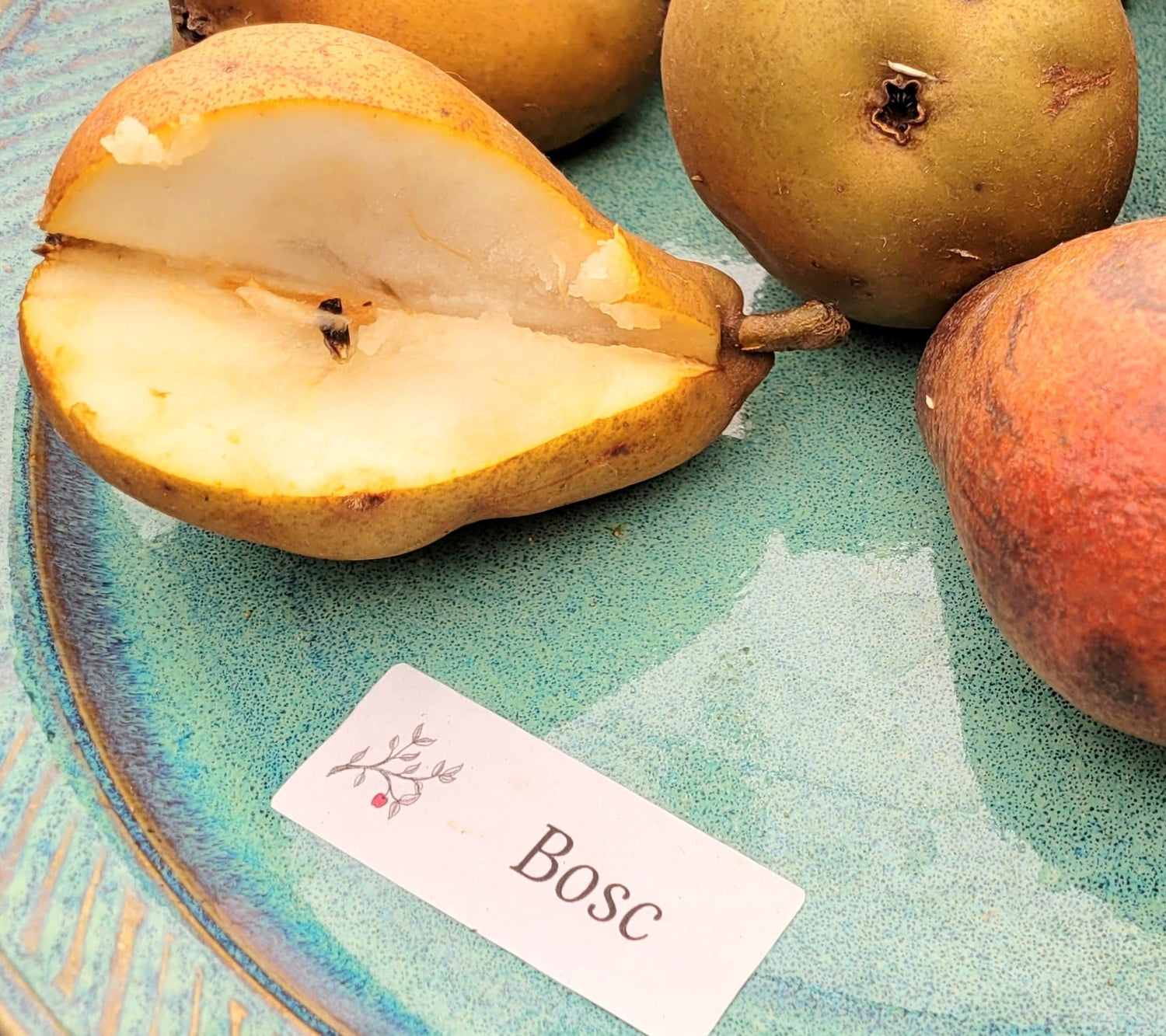
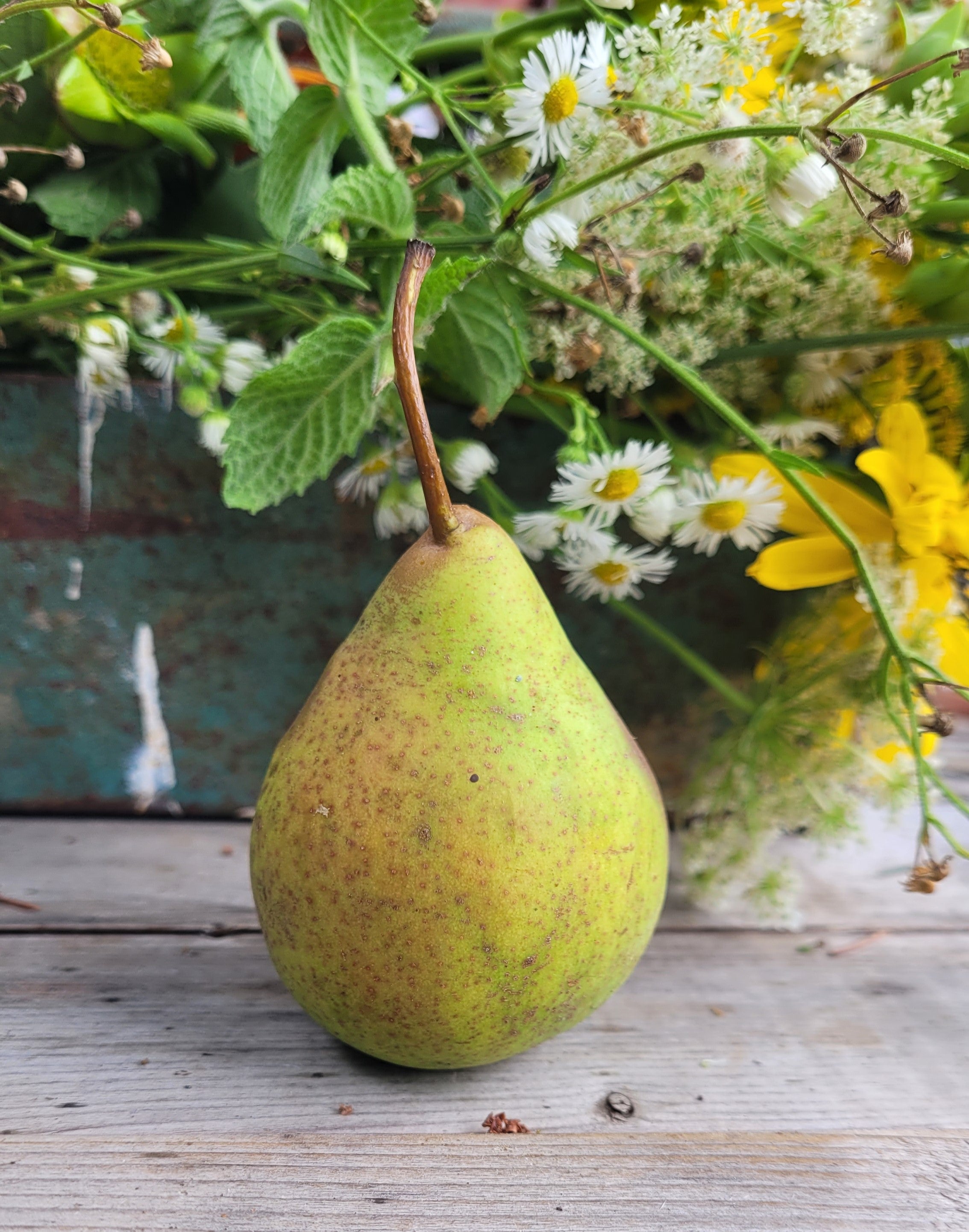
History: Bosc pears have an unclear history, either originating from Belgium or France. Some say that an M. Bosc in Belgium grew it from seed around 1807 while others believe it was found as an old tree in France in the 1830s and named after horticulturalist Louis Bosc. Bosc's alternate names 'Beurre Bosc' refer to its buttery texture and 'Calebasse Bosc' refers to its gourd-like shape. Regardless of its origins, Bosc has remained popular and is grown in numerous countries around the world.
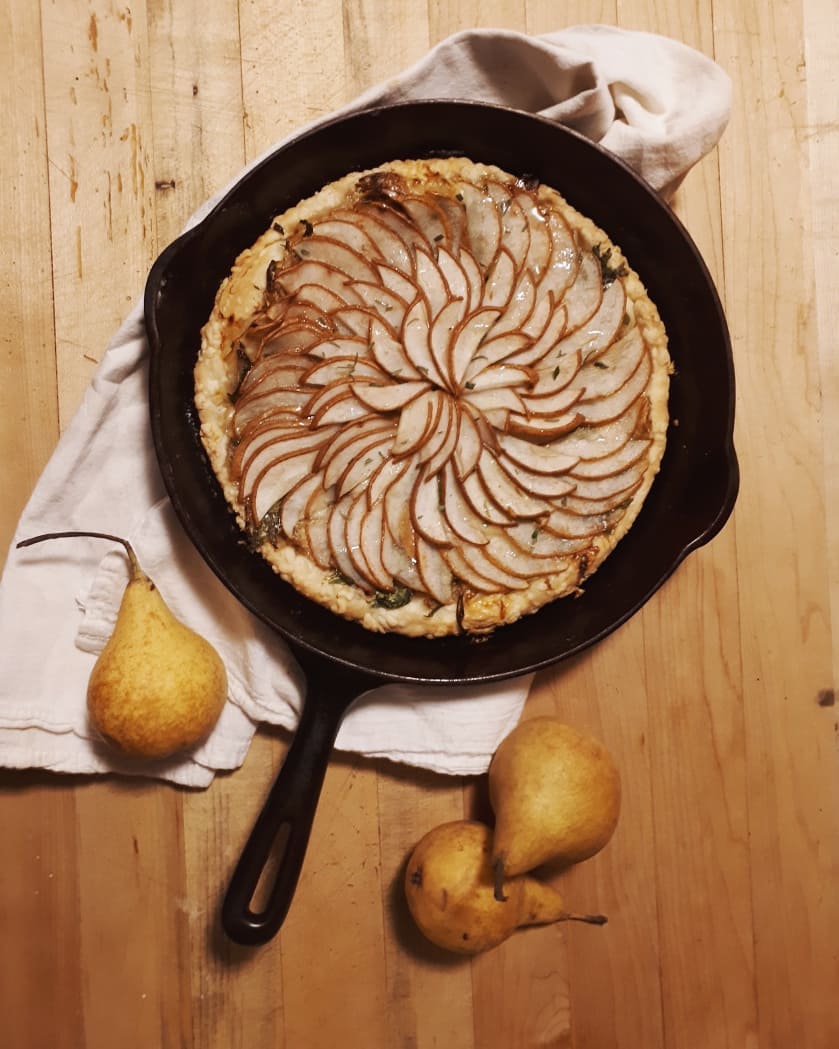
Why We Grow It: Bosc pears are long and slender with golden brown russetted skin. The flesh is of high quality, very sweet, and the pears store much better than most varieties. They can also be used to make a lovely tart, with a sprinkle of thyme for a savory delight!
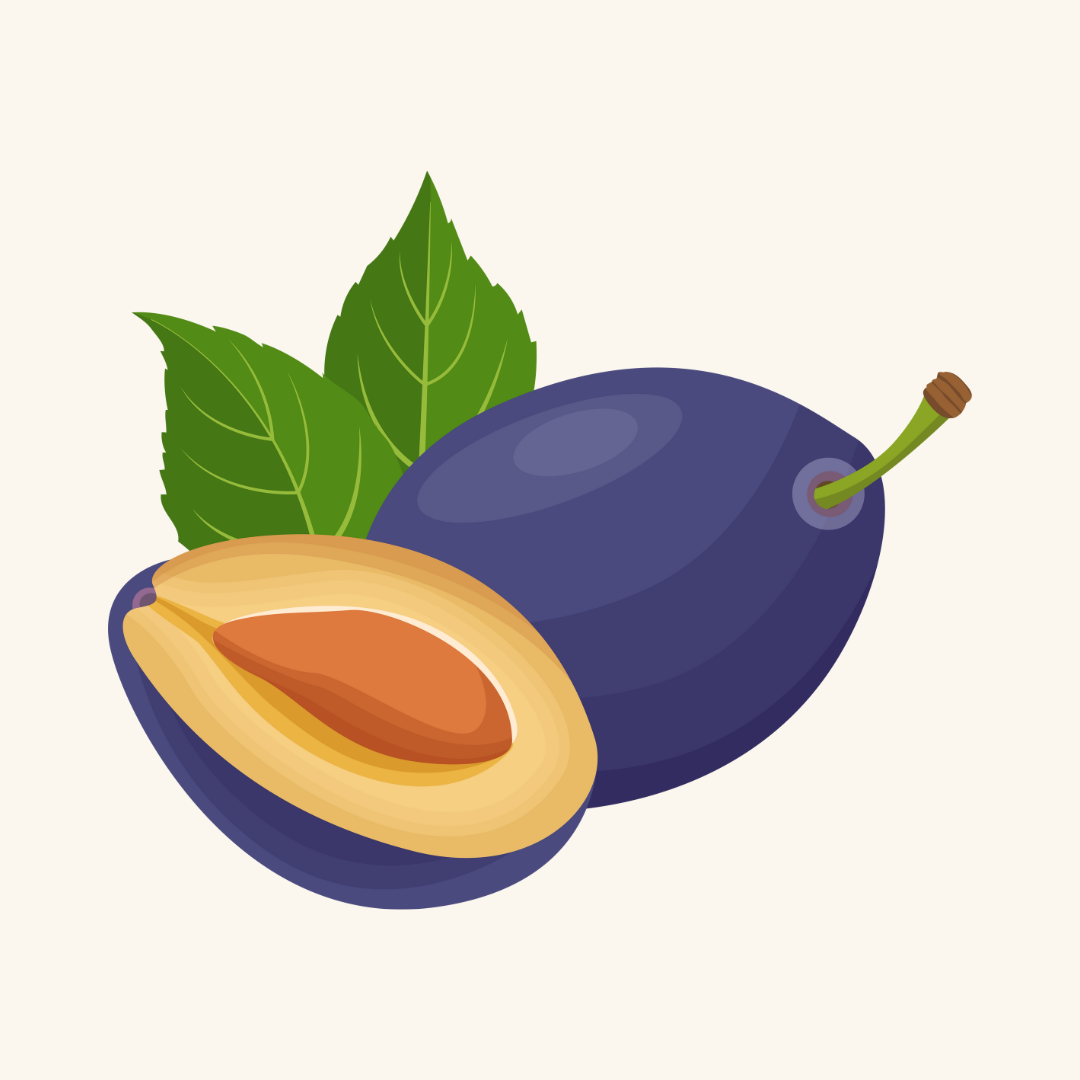
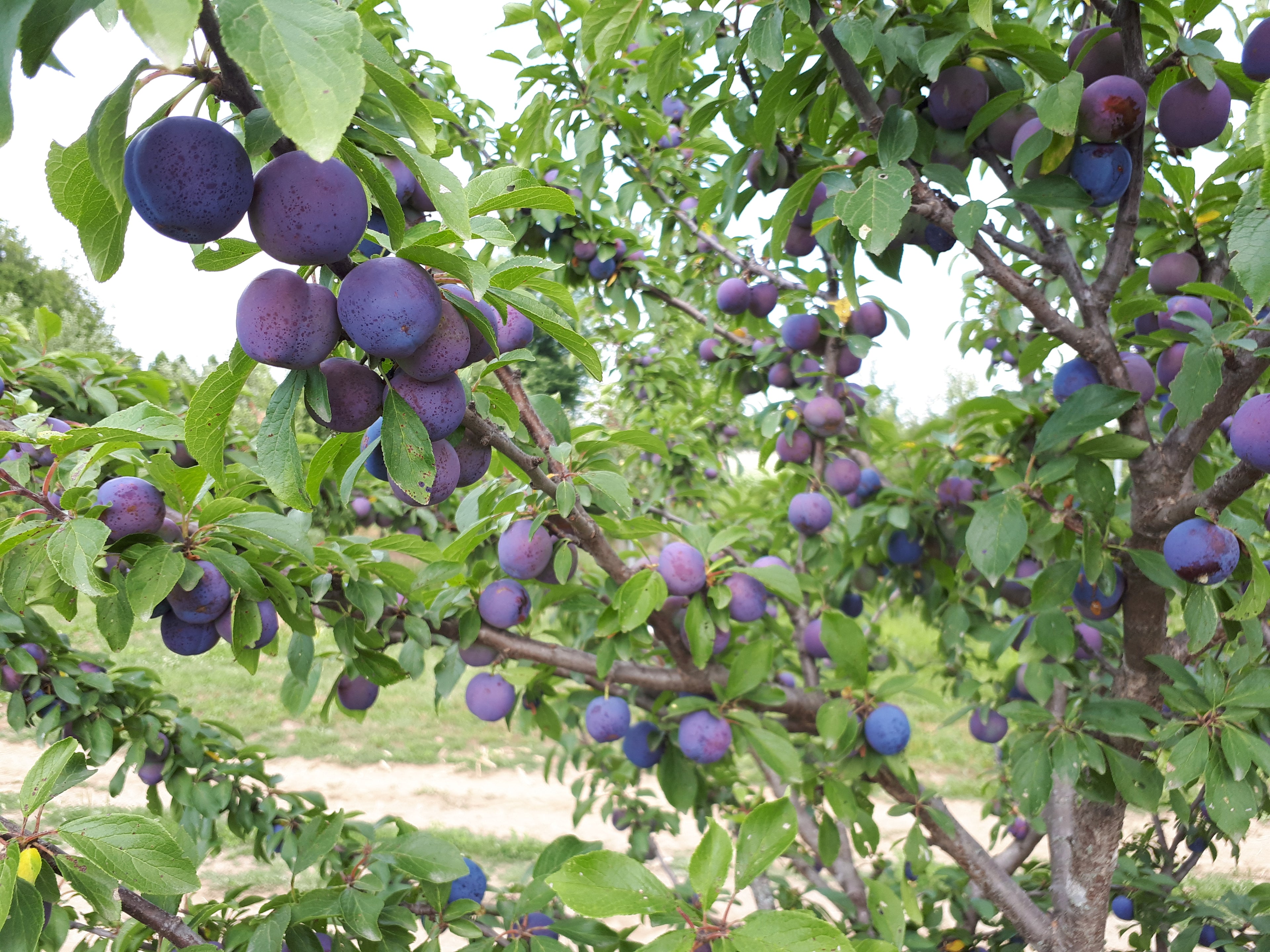
History: Despite once being the most commonly planted commercial plum tree in New York, Bradshaw's origins are quite hazy. It is uncertain whether the variety even originated in Europe or the US. It was named in 1846 by C.M. Hovey who wrote about it in his "Magazine of Horticulture," naming the variety "Bradshaw" after an E.E. Bradshaw who had exhibited excellent specimens of the fruit for several years. Bradshaw has since been eclipsed by other plum varieties.
Why We Grow It: Bradshaw produces relatively large purplish-red plums of good quality. The flavour is pleasantly sweet and the variety is good for fresh eating and likely cooking and processing like other European plums. It is semi-clingstone. The tree is self-fertile, productive, and quite hardy, although it can be slow to start bearing fruit.

History: Discovered in New Zealand by farmer O. Moran in 1952, Braeburn took the world by a storm, becoming one of the most popular commercial apples in the United States and parenting many modern cultivars such as Jazz and Sweetie.
Why We Grow It: Its winning sweet-tart flavour wrapped in an attractive orangey-red skin makes it an excellent fresh eating apple. It is firm and holds its shape well when cooked, and keeps about 4 months. This variety is fairly disease susceptible, meaning it is better for the experienced natural grower or conventional orchards. It is moderately vigorous and a heavy cropper.
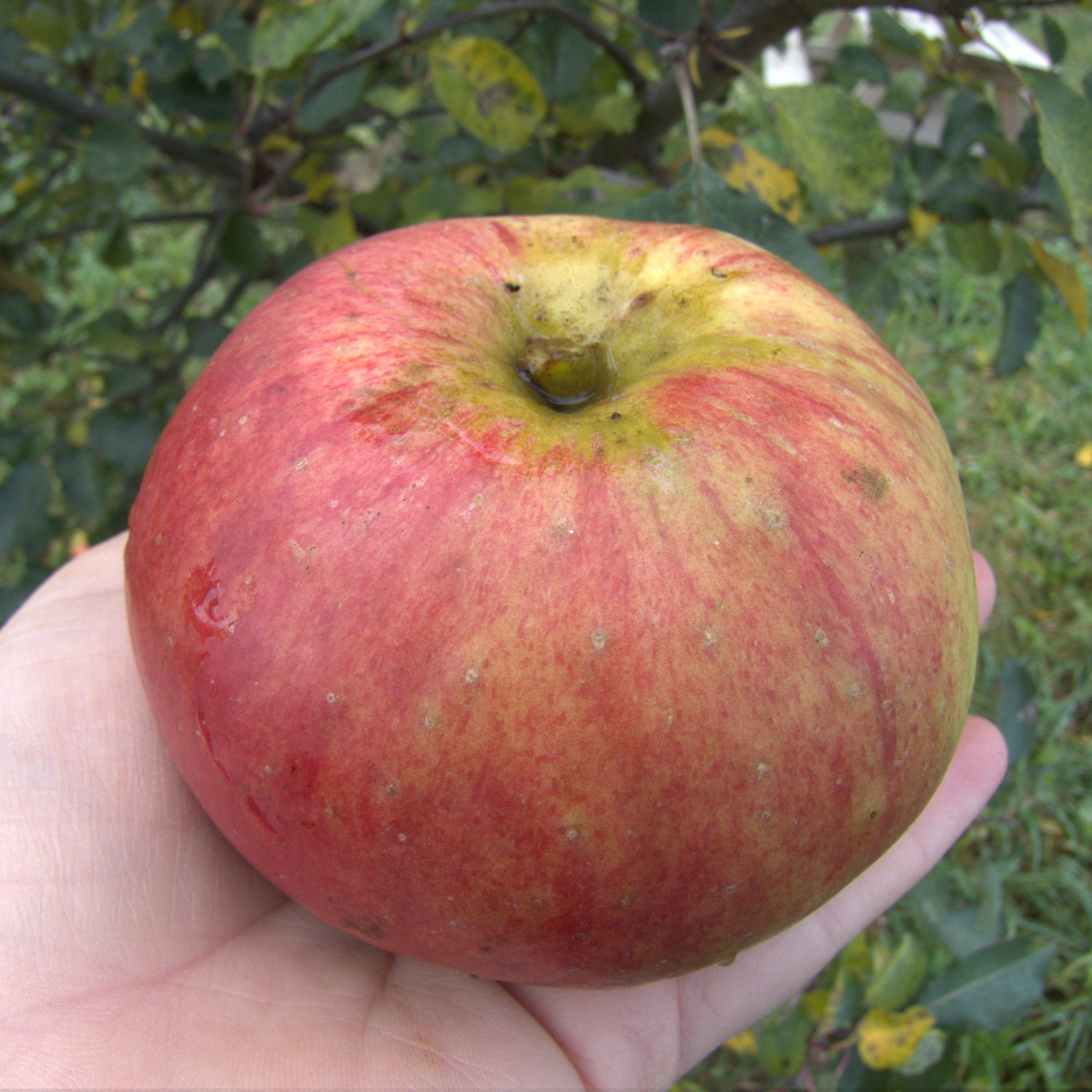
History: Bramley's Seedling was first planted in the UK in 1809 by Mary Ann Brailsford-Trump and was later named after the butcher who bought the property. Long considered the definitive British cooking apple, Bramley's Seedling is celebrated with its own festival, a plaque, and a commemorative window that was installed on its 200th anniversary. The original tree is still growing where it was planted over 210 years ago.
Why We Grow It: With its strong flavour and acidity, this apple is hard to beat when used for cooking, although the fruit doesn't hold its shape as well as other varieties. The fruit is large, greenish-yellow with orange flush and broad red stripes and store all winter. The trees are quite hardy and heavy croppers.

History: Brettacher Sämling (sämling meaning seedling in German) originated as a chance seedling on a farm in Brettach, Germany in the early 1900s. It is possibly a descendent of the French cooking apple, Lebel. It is known for its excellent storage qualities and is still grown commonly in parts of Germany.
Why We Grow It: Brettacher Sämling produces large, juicy apples with a sweet-tart fruity flavour that has a hint of spice. The apples, green with a red blush, are best enjoyed after being stored for two months. They are fairly versatile, also considered suitable for sauce and juice/cider. Compared to other apple trees, this variety is relatively low maintenance and only requires a hard prune every two to three years.
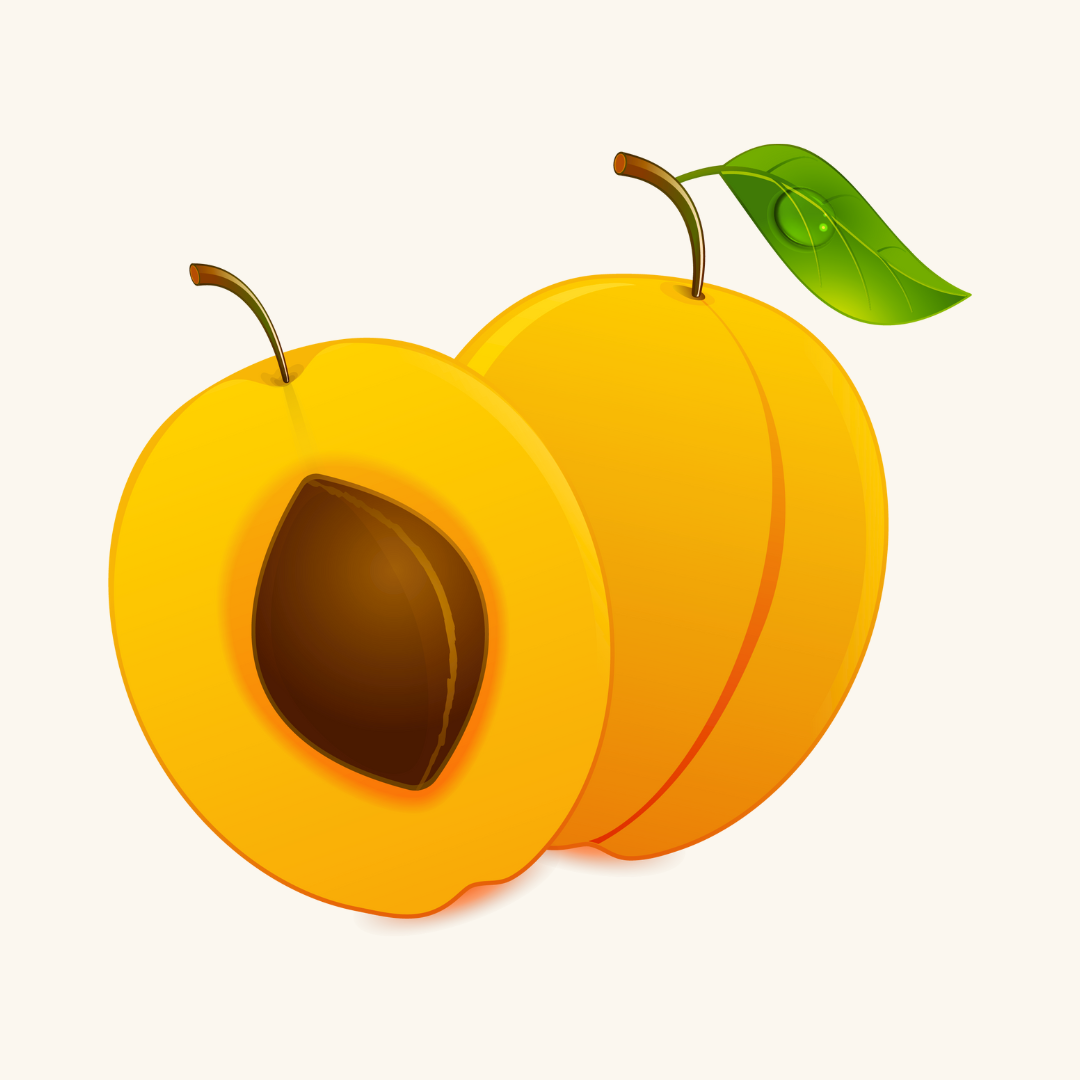
History: Brookgold was developed at the Crop Diversification Centre South in Brooks, Alberta and was named for the town and its golden colour. It was introduced in 1979.
Why We Grow It: Brookgold, like other fruit varieties developed in the prairies, is very cold hardy! Although there is sometimes a trade-off between cold hardiness and fruit quality, this variety still produces small yellow freestone plums that are very sweet, making them great for fresh eating and good for canning and preserving.

History: Brown Snout was discovered on a farm in the UK in the mid-1800s. Its name comes from the brown russet around its calyx. H.P. Bulmer, a cider-making company, further propagated and spread this apple in the UK where it is still used today.
Why We Grow It: This medium bittersweet cider apple has small, uniquely coloured fruit that are sweet, slightly astringent, medium-tannin, and have low acidity.

History: Brown's Apple was discovered in Devon, UK, in the early 1900s and is considered a traditional English cider apple. It remains quite popular in the area.
Why We Grow It: This traditional variety boasts cold-hardiness and a resistance to scab. It is great for making cider thanks to being simultaneously high in both acid and sugar, an uncommon feature in most apples. Brown's Apple presses to a fragrant, vintage quality juice.


History: Bulmer's Norman was imported from Normandy, France to England in the early 1900s by the cider making company H.P. Bulmer. This variety didn't even have a name when it arrived but quickly grew in popularity for use in making cider. This apple has since fallen out of the limelight and is primarily used for grafting other varieties onto its sturdy trunk.
Why We Grow It: Although less popular these days, this variety boasts vigorous growth, decent disease resistance, and a surprising tolerance for cold. This conical, green apple produces a bittersweet juice and is high in tannins.
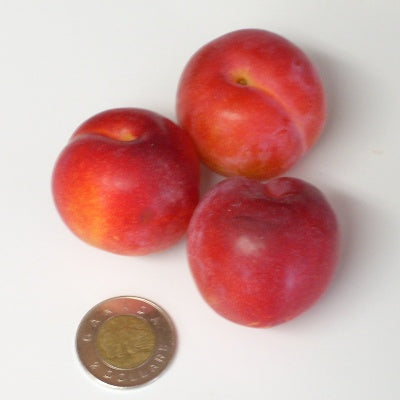
History: Burbank plums were introduced to the West by Luther Burbank, "The Wizard of Horticulture." He grew them from Japanese seedlings he received in 1885 and the variety was named after him, so, somewhat confusingly, they are actually a Japanese plum despite the English name. The variety was introduced commercially in 1897.
Why We Grow It: Burbank plums are lovely with colours ranging from yellow skin and red blush to a dark purplish red. These clingstone plums have good flavour and firm flesh, great for fresh eating, canning, or making into jelly.


History: This apple was developed in New York in 1974. It has never achieved major popularity but remains a curiosity due to the deep red colour of its skin which causes the flesh inside to become stained pink.
Why We Grow It: Along with its visual appeal, this apple boasts a sweet, sub-acidic flavour that makes it suitable for both fresh eating and making cider. Although these apples don't store well, the fruit hangs onto the tree for three weeks which helps to keep it available a little longer.
Picture of Burgundy apples on the tree courtesy of Shannon McInnis
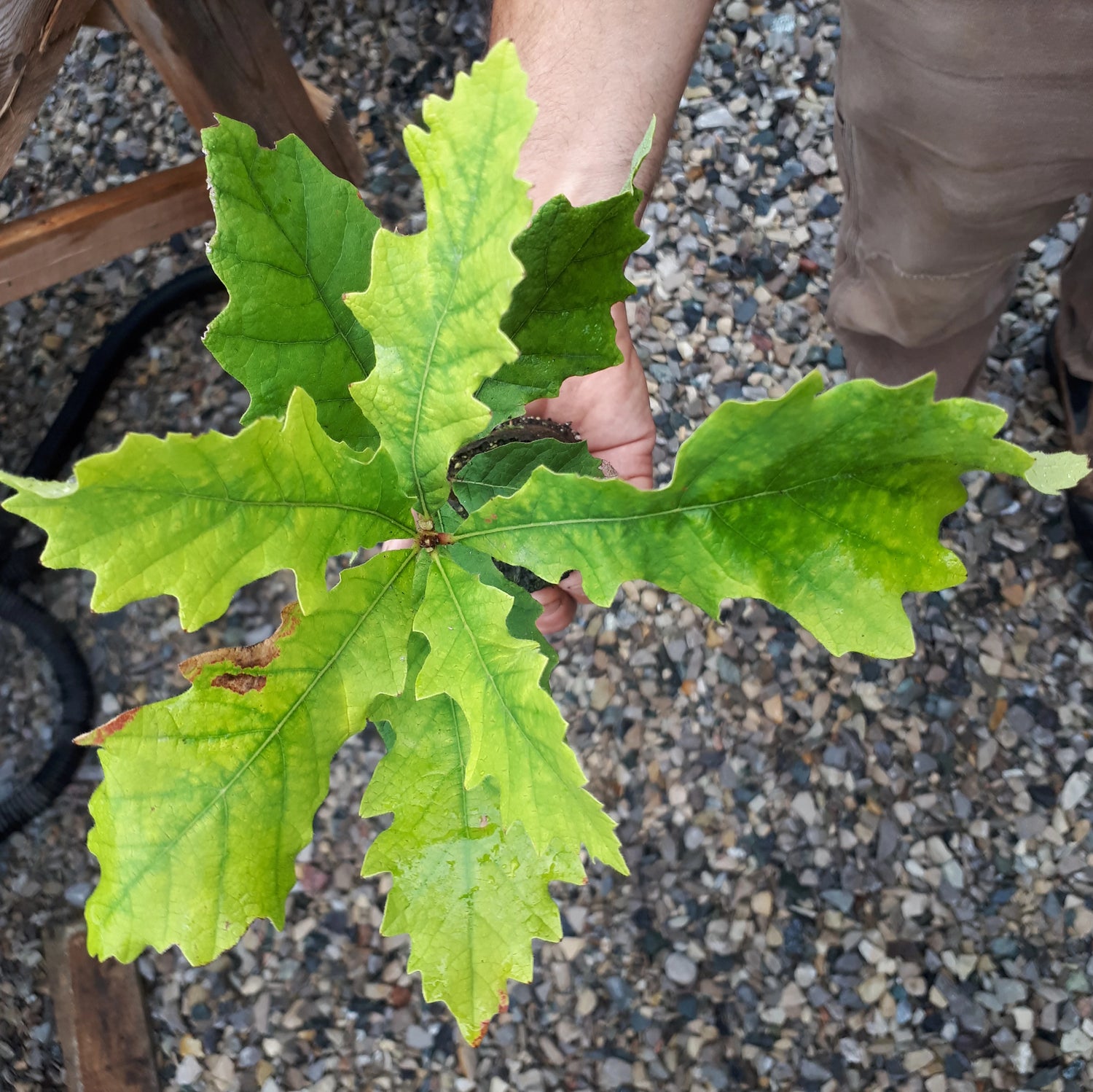
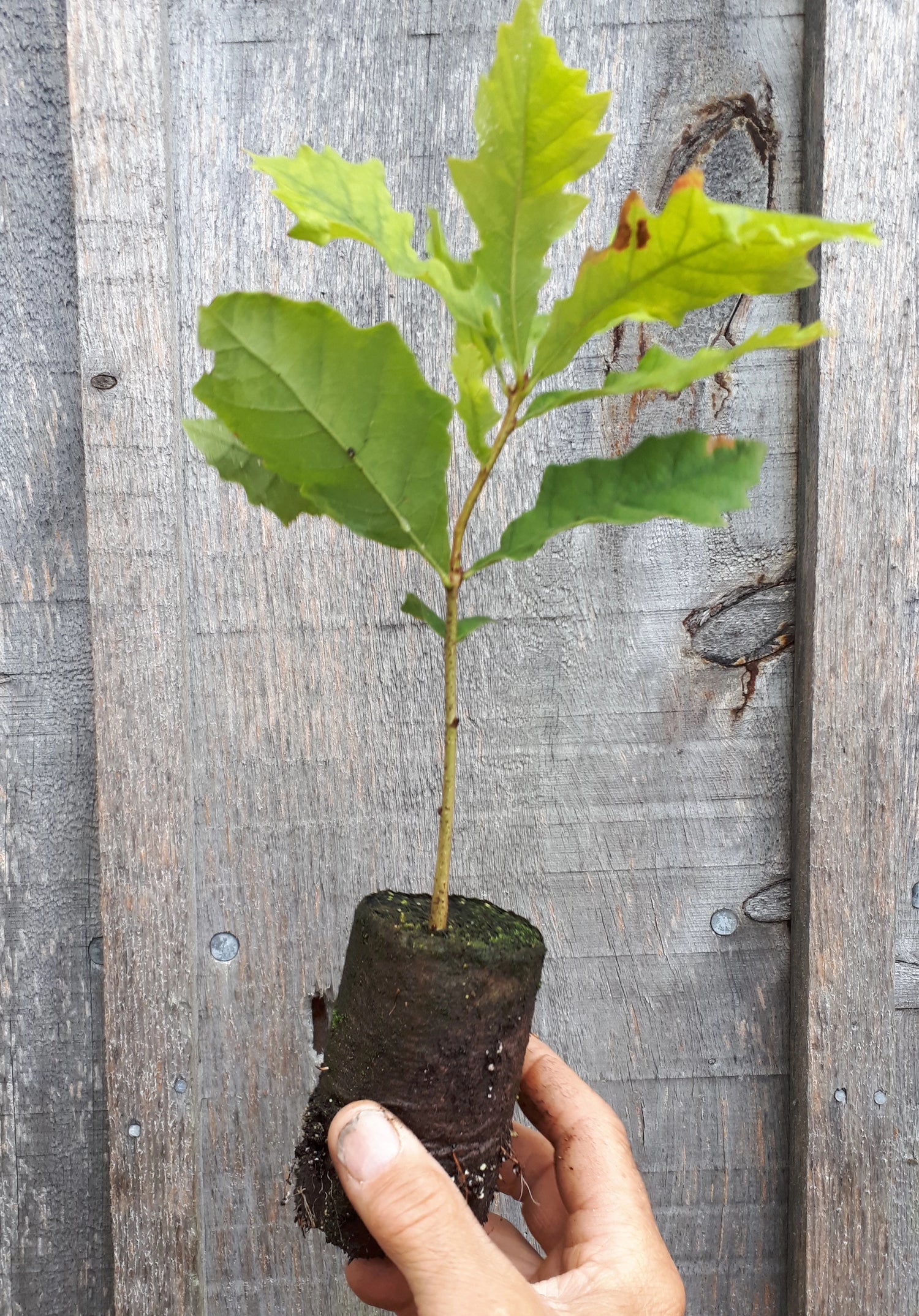
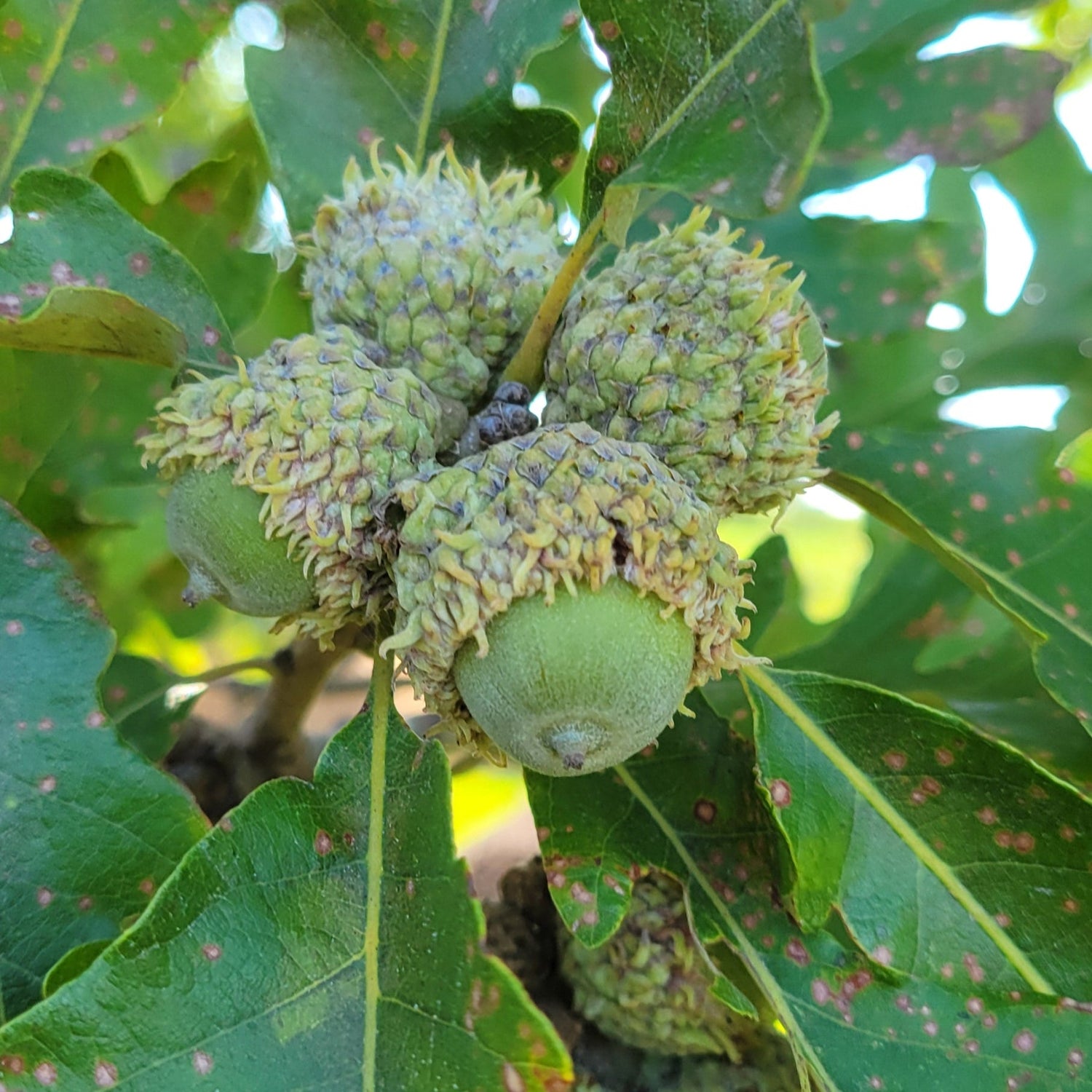
Species: Quercus macrocarpa or hybrid. Our seeds are collected from trees that may have been cross-pollinated by closely related species so the resulting seedlings may be hybrids.
History: Burr Oaks are native to much of the central United States with populations in Canada stretching from Alberta to New Brunswick. The tree has been planted ornamentally across North America and the durable wood has uses such as flooring and barrels. The acorns, the largest in North America, are a source of food for many animals and indigenous peoples use the bark medicinally. Numerous towns and a book of poetry are named after this tree.
Why We Grow It: The Burr Oak's acorns have slightly less tannins than other oaks, making it the preferred choice for eating. It still requires processing to remove tannins, but once done, the nuts can be toasted, and/or made into flour and used in baking. It is one of the largest oaks in North America, making quite the specimen when full grown.
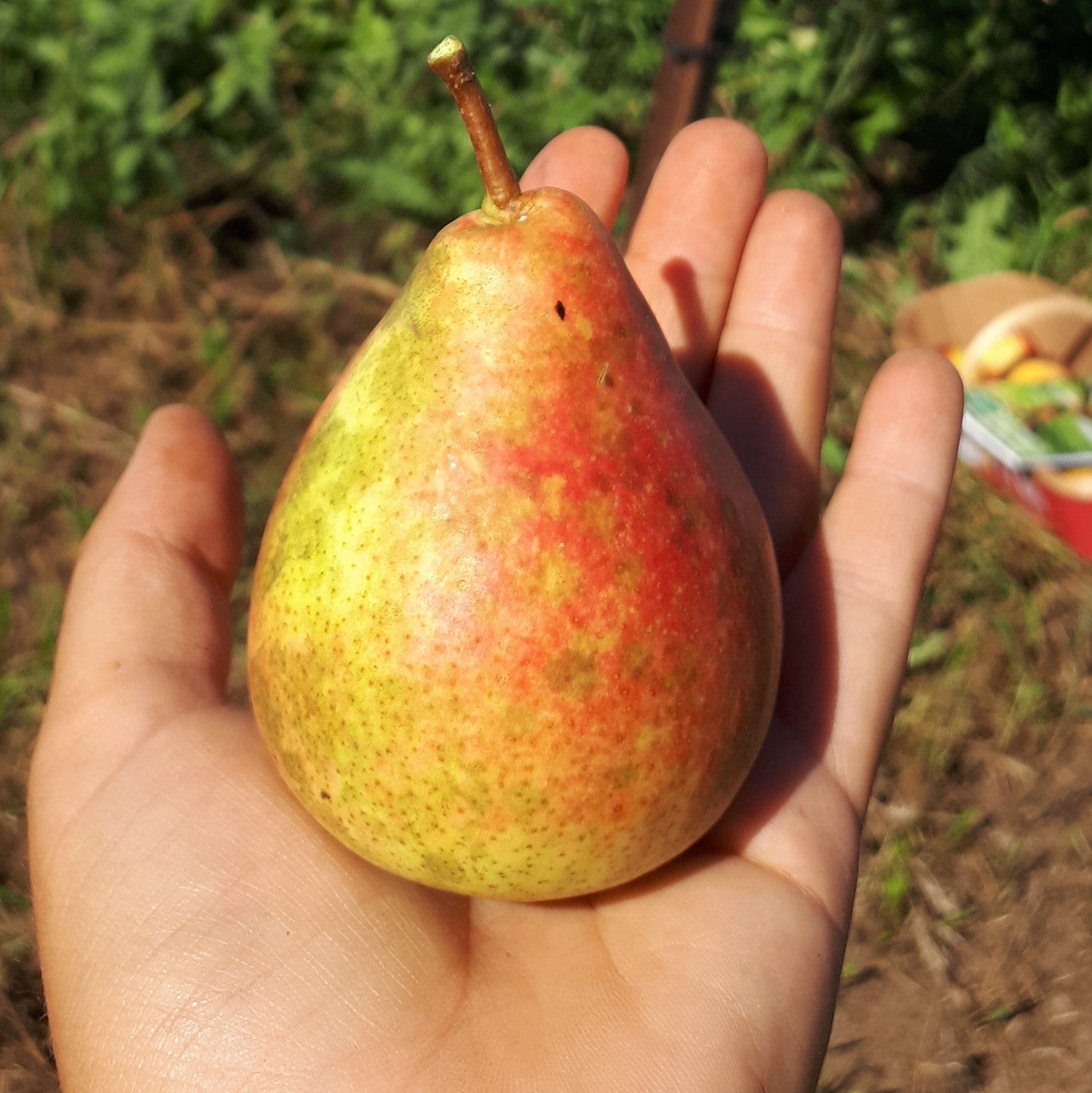
History: Butirra Precoce Morettini was bred as a cross between Coscia and Bartlett in 1956 by A. Morettini as part of an Italian breeding program. It is mainly grown in Italy, Spain, and Portugal.
Why We Grow It: This is an excellent early ripening pear that is sweet and juicy, with crunchy medium-fine grained flesh which mellows in storage to a delectable buttery texture. It has mild floral notes, with just the right amount of sweetness. The tree produces reliable and heavy crops of yellow fruit with a vibrant red flush that store decently well.
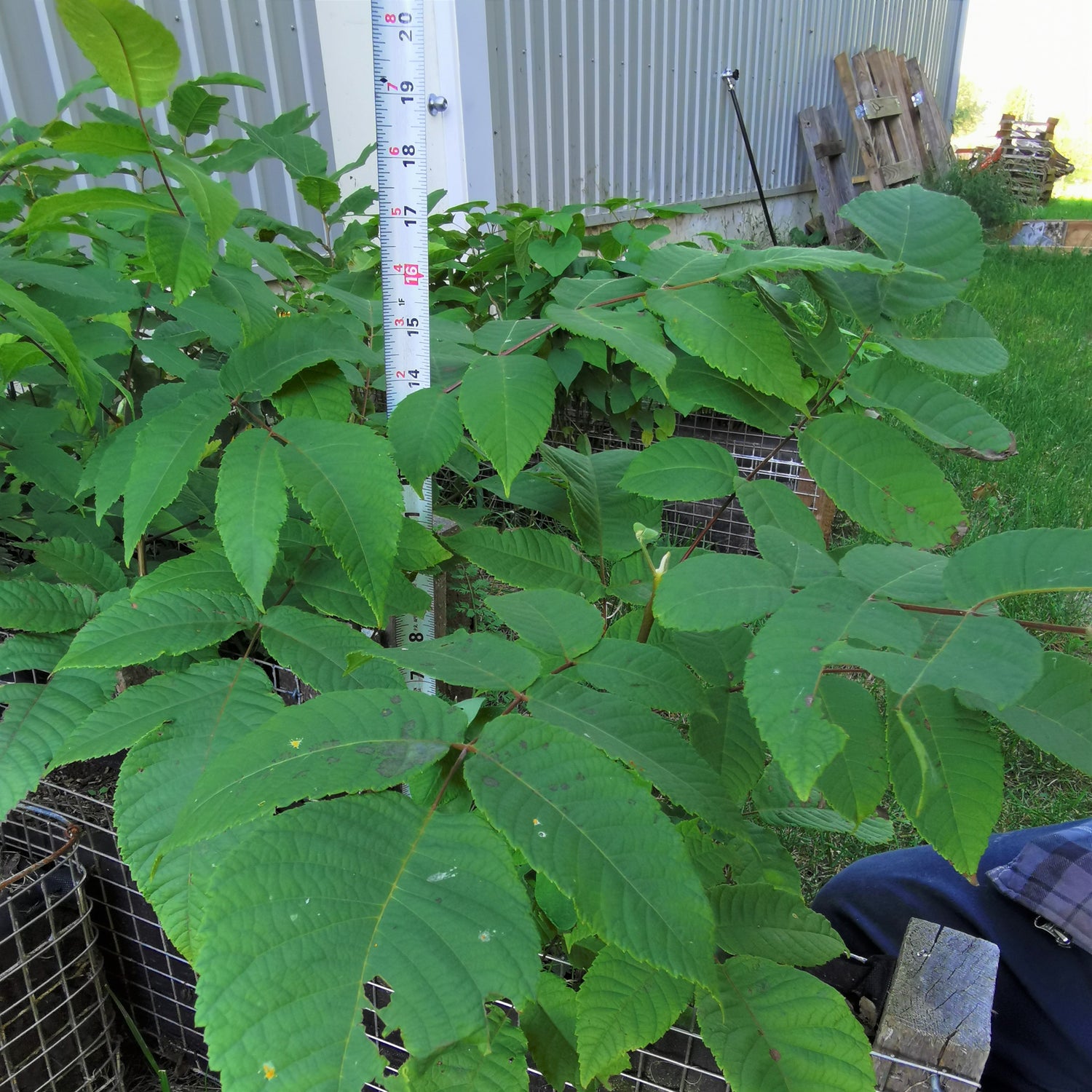
Species: Juglans cinerea or hybrid. NOTE: Butternuts are known to hybridize readily with other closely related species so there is no guarantee on whether these seedlings are pure, though the mother trees appear very true to type.
History: Butternut is an endangered tree native to southeastern Canada and the eastern United States where they grow naturally along sunny stream banks with rich, well-draining soil. The nuts have been used as a source of food and made into a butter-like oil by indigenous peoples. The trees have also been used for making syrup, furniture, and woodcarving. Unfortunately, Butternuts are highly endangered today due to Butternut Canker which has decimated their population within two decades.
Why We Grow It: By planting endangered species, collectively we can help Mother Nature potentially find a naturally resistant variety of Butternut. The nuts are quite similar to other walnuts but with a milder flavour. They can survive in zone 2, but they must be planted somewhere zone 3 or warmer to produce nuts. The sap can be boiled to make walnut syrup, which tastes very similar to maple syrup but with notes of caramel and butterscotch.
Be mindful of the juglones in the in the roots/nut husks, they are toxic to many other species. They require a buffer of about 50'/30m from the edge of the trees canopy for juglone-sensitive plants. This article from The Garden Hoe has a helpful list of plants that tolerate juglones. However there are recent (2019) studies showing healthy soil high in organic matter and mycorrhizal fungi actually reduce the toxicity of juglones suggesting many plants can grow below juglans species in a healthy ecosystem - it will be interesting to see more study done in this area!


History: Calville Blanc d'Hiver was discovered in France and first documented in 1598. It spread to other countries and was even grown by Thomas Jefferson in Monticello.
Why We Grow It: Known for its rather misshapen and lumpy appearance and the odd red splotches on its green skin, this apples exterior belies a strong, sweet-sharp flavour that makes it great for fresh eating, cooking, and cider. Some claim it rivals Bramley's Seedling as one of the best cooking apples with the added benefit that, unlike Bramley's, it holds its shape when baked or cooked. It is also boasts a high Vitamin C content.
Showing 45/320
Next