Products
846 products
Sort by:
846 products
846 products
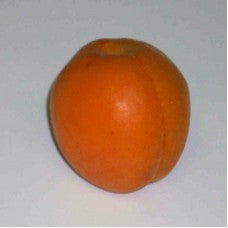
History: Velvaglo was one of several varieties developed in Vineland, Ontario, in an effort to create apricots that could survive in our southern Ontario climate.
Why We Grow It: Velvaglo produces high quality fruit with juicy, flavourful flesh. This variety is a good choice for farmer's markets or roadside sales as well as canning.

History: Vernon was developed at the Horticultural Experiment Station at Vineland, ON. It is an open-pollinated seedling of Windsor that was selected in 1925 and released in 1937. Like the other Vineland selections, its name starts with a 'v' to honour its origins. While it was grown commercially for some time, it has since faded out of commercial orchards as it became eclipsed by newer, better varieties.
Why We Grow It: Vernon produces a large, dark-fleshed cherry that is similar to its parent but is generally larger, firmer, and of better quality. It is unfortunately more prone to cracking than Windsor.

History: Veteran peaches were developed in Vineland, Ontario and released in 1928.
Why We Grow It: Very hardy and of Canadian origin, Veteran is perhaps the most cold-hardy peach we offer. The freestone fruit is large with yellow flesh and an easy-to-peel skin. Although it has slightly mealy flesh, it boasts an excellent flavour and makes a great pie! This is the best preforming peach in our test orchard.

History: Veteran peaches were developed in Vineland, Ontario and released in 1928.
Why We Grow It: Very hardy and of Canadian origin, Veteran is perhaps the most cold-hardy peach we offer. The freestone fruit is large with yellow flesh and an easy-to-peel skin. Although it has slightly mealy flesh, it boasts an excellent flavour and makes a great pie! This is the best preforming peach in our test orchard.


A good grafting knife is an essential tool for anyone interested in grafting. They are quite sharp so they can cleanly slice through scionwood and rootstock, and have a single bevel which is preferred for grafting.
We offer the following options:
Victorinox Grafting Knife (Right- or Left-Handed) - Made of stainless steel, this grafting knife is a good quality, economical, lightweight knife for beginners and casual users. Available in red (left-handed) or green (right0handed).
Victorinox Grafting and Budding Knife with Brass Bark Lifter (Right-Handed) - This stainless steel knife is designed for grafting and budding. It features a uniquely shaped stainless steel blade with a bark lifter along with a separate brass bark lifter.
NO LONGER AVAILABLE - Victorinox Grafting and Budding Knife (Right-Handed) - This stainless steel knife is designed for grafting and budding. It features a flat-tipped stainless steel blade with a bark lifter.

Why We Grow It: It is easy to see why growers were so eager to overlook Viking's scab susceptibility, its flavour providing a sweet-tart taste with notes of rose and lychee. It is an excellent all-purpose apple that can be used for cooking, baking, sauce, and cider. Its great flavour and utility is matched by its attractive appearance, the large fruit featuring dark red skin bordering on maroon. However, it does bruise easily and brown quickly and only stores for about a month at most.
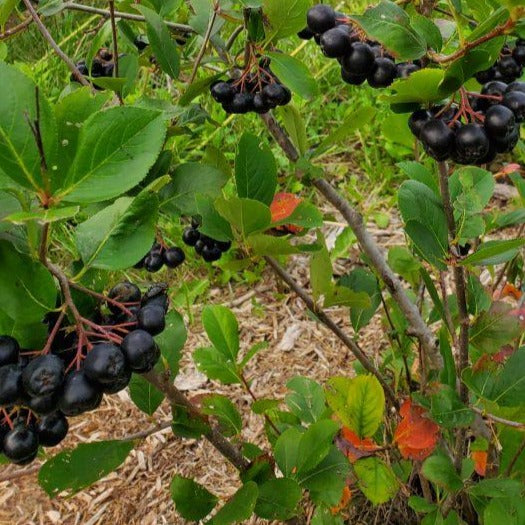
Species: Aronia melanocarpa
History: Viking was developed in Finland around the 1980s, likely looking to increase productivity. They succeeded and Viking is now the most productive of all aronia cultivars.
Why We Grow It: With slightly larger than average berries, very good flavour, and the best productivity of all aronia berries, Viking is a hard variety to turn down. Like other aronia berries, they can be a bit tart for fresh eating but are great when used for cooking, baking, wines, jams, etc. While the berries ripen in August, they can hang onto the bush for a couple months and tend to sweeten over time.


History: Discovered around the 1680s in Versailles, France, though thought to originate in Spain.
Why We Grow It: Deep purple-black skin over dark red, with very rich sweet flesh - one of the best tasting varieties around! The flavour intensifies if let to dry/shrivel slightly on the tree. Adaptable, excellent cropper and flavour, and a great choice for backyard growers.

History: Vista Bella was created at Rutgers University in New Jersey in the 1950s and released in 1974. Although its poor keeping ability prevents it from being a commercial success, this early ripening variety is still a nice way to herald in the apple harvest season every year.
Why We Grow It: Vista Bella is the first red apple of the season. The flavour and texture are of better quality than other early apples, making Vista Bella an excellent choice for early farmer’s market sales and roadside stands. The flesh is crisp and juicy, although it softens quickly and, like other early apples, does not keep long.
History: Vista Bella was created at Rutgers University in New Jersey in the 1950s and released in 1974. Although its poor keeping ability prevents it from being a commercial success, this early ripening variety is still a nice way to herald in the apple harvest season every year.
Why We Grow It: Vista Bella is the first red apple of the season. The flavour and texture are of better quality than other early apples, making Vista Bella an excellent choice for early farmer’s market sales and roadside stands. The flesh is crisp and juicy, although it softens quickly and, like other early apples, does not keep long.
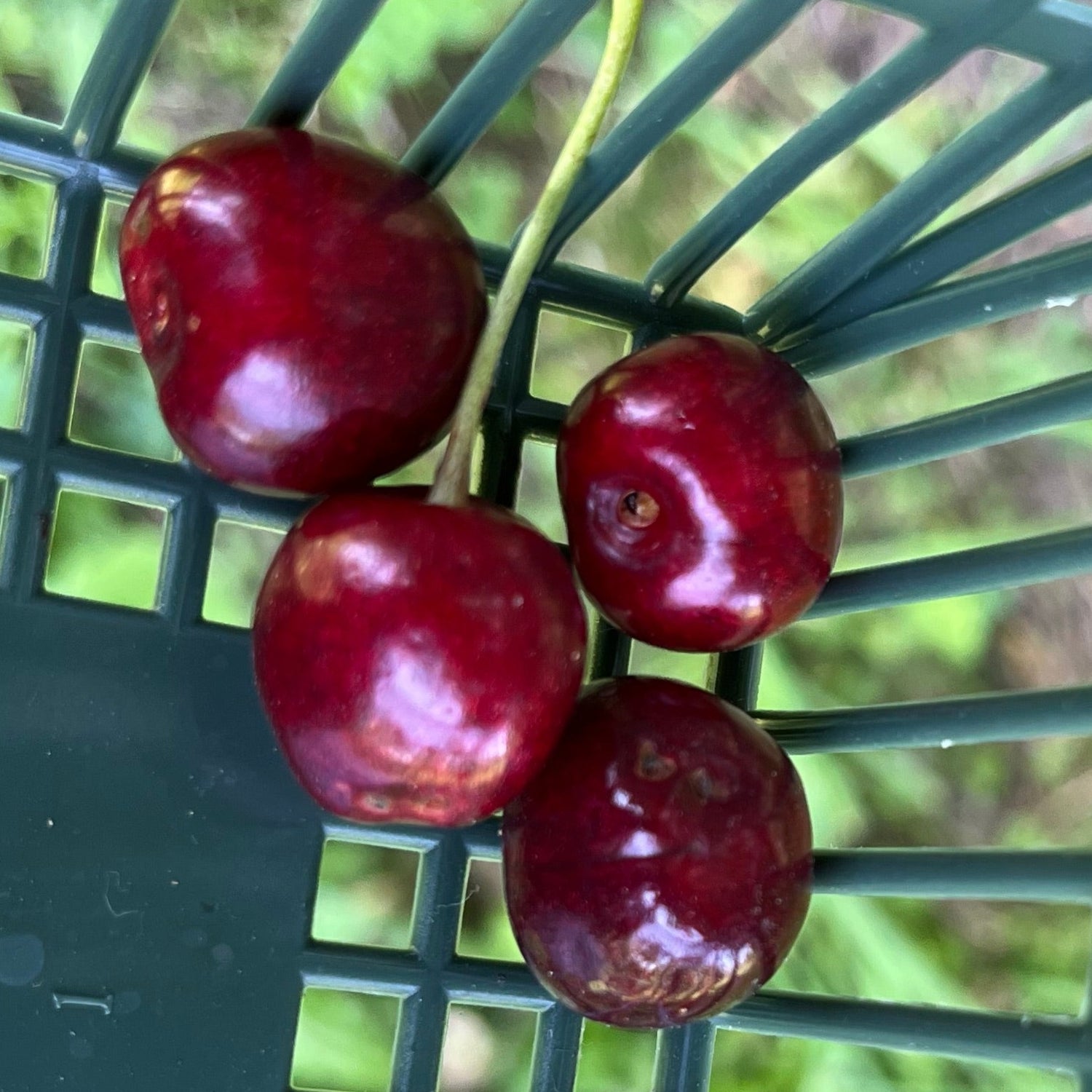
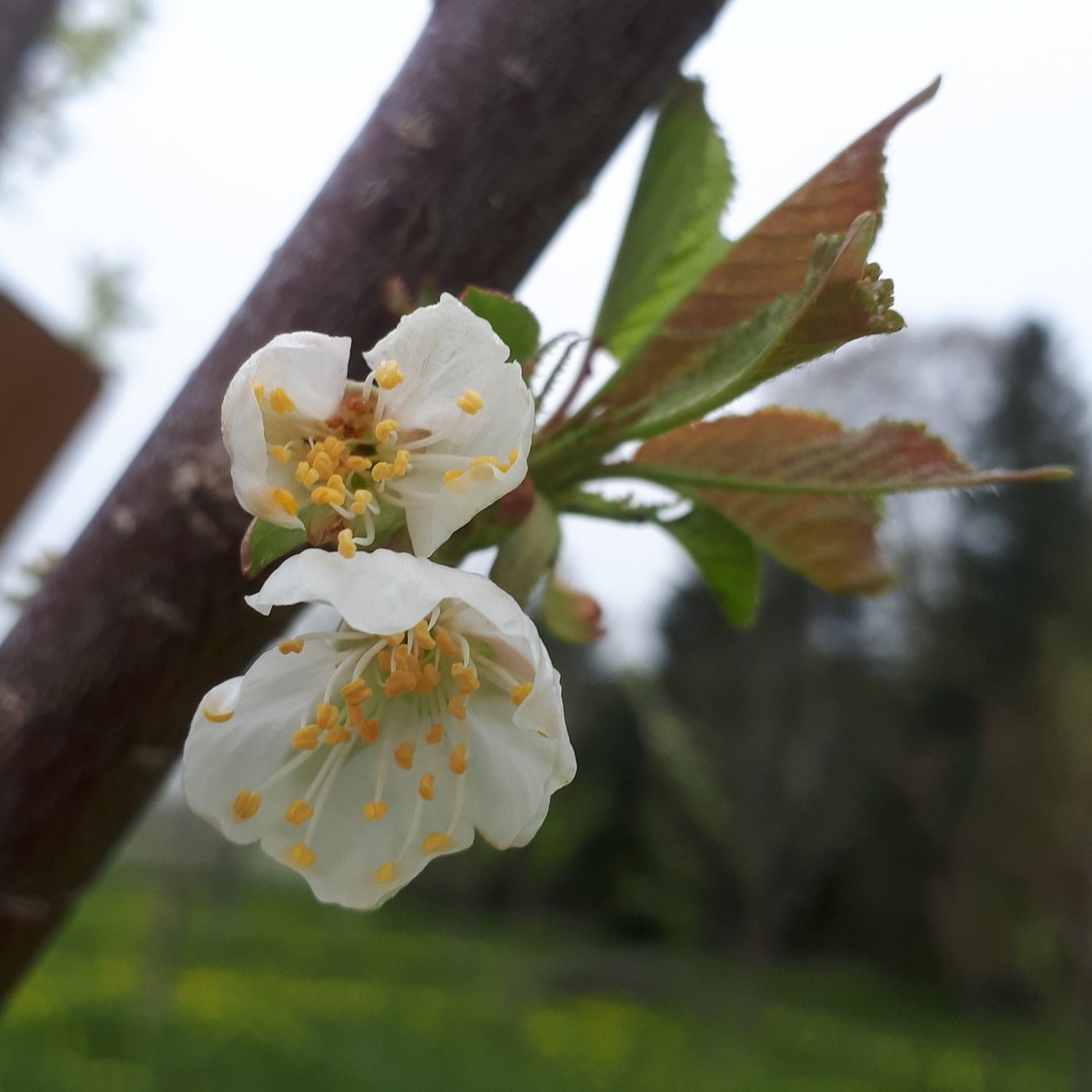
History: Viva originated in 1935 as a possible hybrid of Hedelfingen and Victor.
Why We Grow It: Viva produces medium-sized, dark red cherries with good flavour. They are suitable for many uses including fresh eating, cooking, and preserving. They are one of the first cherry varieties to ripen, creating a pleasant start to the cherry season.
History: Viva originated in 1935 as a possible hybrid of Hedelfingen and Victor.
Why We Grow It: Viva produces medium-sized, dark red cherries with good flavour. They are suitable for many uses including fresh eating, cooking, and preserving. They are one of the first cherry varieties to ripen, creating a pleasant start to the cherry season.

Volcanophos Rock Dust – Mineral-Rich Soil Amendment for Planting Fruit Trees
We like this product because:
Volcanophos rock dust adds phosphorus and trace minerals to soil—ideal for planting fruit trees, boosting root growth, and improving long-term fertility.
Key Benefits:
-
Natural phosphorus source for root growth and fruiting
-
Rich in trace minerals and rare earth elements
-
Enhances soil biology and nutrient availability
-
Ideal for planting fruit trees and orchard establishment
-
Micronized for faster breakdown and improved efficiency
-
Approved for organic use
Volcanophos is a carbonatite/phosphate igneous rock that comes from the Kapuskasing area in Ontario. The unique thing about this mineral is that it is the only igneous rock available in North America that contains apatite, which is a phosphorus source. In addition to this, the igneous base to this deposit means that it contains a profuse range of trace minerals and rare earth elements, which sedimentary rocks generally lack.
This material is micronized. This makes for a more costly product, as the material, which initially comes in a sand like texture, is then ground down into a fine powder. However, this greatly increases surface area of the rock dust, which in turn allows the biology in the soil to more readily access to the material. This results in it being broken down more rapidly.
As with all rock dusts, it is best mixed with a compost or peat carbon source in order to facilitate the breakdown into bio available forms. Therefore this is an excellent material to add to your compost piles at a rate of approx. 10% by volume.
This product is approved for organic use.
Application
VolcanoPhos is typically applied at a rate of 300 to 500 lbs per acre each year until optimal phosphorus levels are reached. In a soil mix, use at a rate of approx 1/2 cup per cubic foot of mix.
A certified agronomist should be consulted with regards to Volcanophos and its application rates specific to your needs.
Equivalency Measurement - 6 cups/2kg

History: Wagener apples come from a seed that was planted by George Wheeler in the Finger Lakes area of New York in 1791. In 1796, Abraham Wagener purchased Wheeler's property and planted the seedling on his own property in Penn Yan village where the tree was known for producing attractive, tasty fruit in abundance every year. The variety was named after Wagener and became popular for its excellent storage qualities.
Why We Grow It: Wagener is ideal for the self-sufficient homesteader who values a late keeper, lasting until April in an ordinary cold cellar. When first picked they have a sharp, acidic taste and are great for cooking. In storage, they mellow to an excellent sweet, crisp apple that is perfect for fresh eating.
History: Wagener apples come from a seed that was planted by George Wheeler in the Finger Lakes area of New York in 1791. In 1796, Abraham Wagener purchased Wheeler's property and planted the seedling on his own property in Penn Yan village where the tree was known for producing attractive, tasty fruit in abundance every year. The variety was named after Wagener and became popular for its excellent storage qualities.
Why We Grow It: Wagener is ideal for the self-sufficient homesteader who values a late keeper, lasting until April in an ordinary cold cellar. When first picked they have a sharp, acidic taste and are great for cooking. In storage, they mellow to an excellent sweet, crisp apple that is perfect for fresh eating.
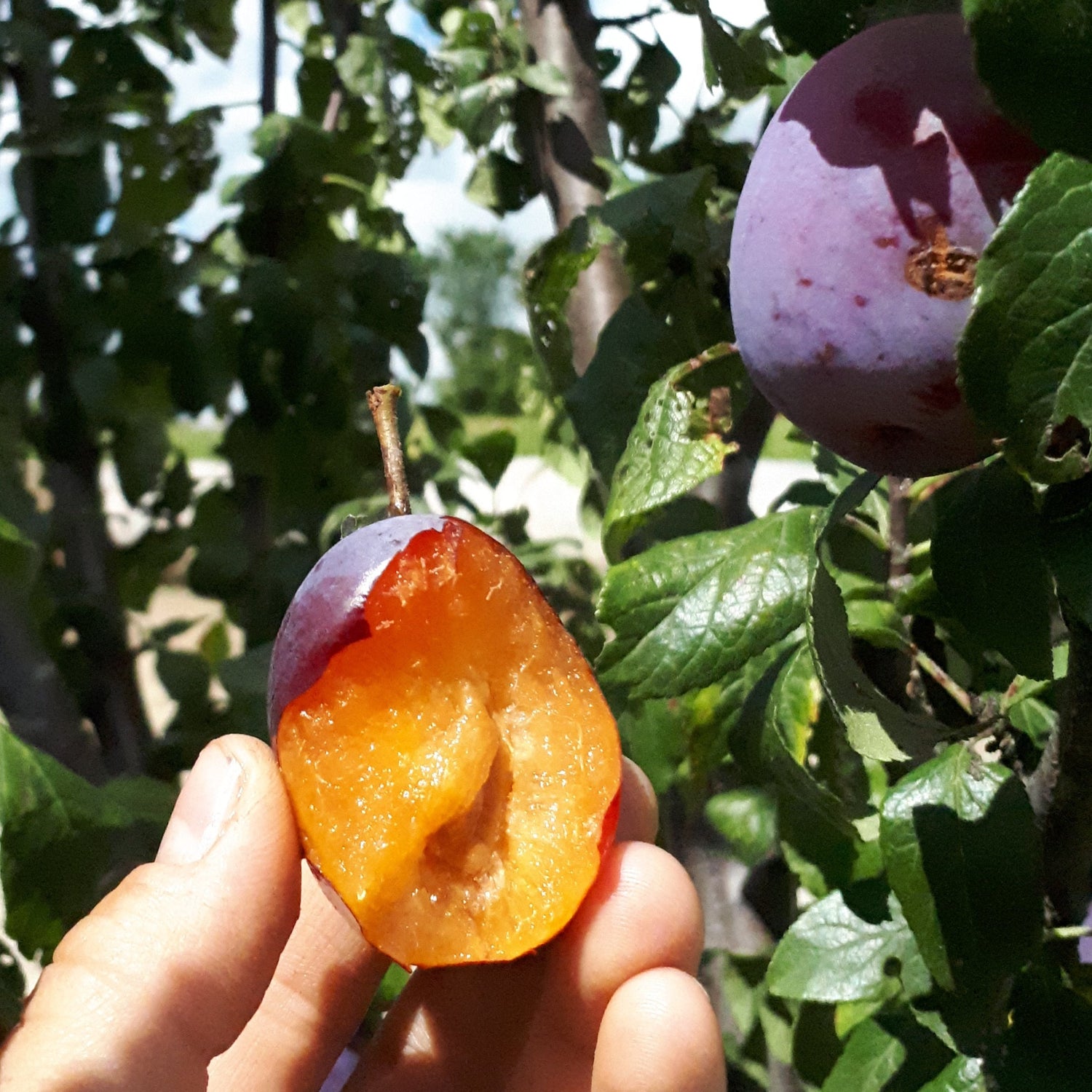
History: Waneta is a hybrid of Japanese plums (Prunus salicina) and American plums (Prunus americana) developed at the South Dakota Experimental Station by NE Hansen and introduced in 1913. It was developed at a time when hybrid plums were more important as a commercial crop. It was named after a Yanktonai man who played a prominent role in the War of 1812 and later became chief.
Why We Grow It: Waneta is a juicy and sweet clingstone plum with tart red skin. The flesh is a yellowish colour. The tree naturally stays a little smaller and has good crops, paired with decent cold hardiness.
History: Waneta is a hybrid of Japanese plums (Prunus salicina) and American plums (Prunus americana) developed at the South Dakota Experimental Station by NE Hansen and introduced in 1913. It was developed at a time when hybrid plums were more important as a commercial crop. It was named after a Yanktonai man who played a prominent role in the War of 1812 and later became chief.
Why We Grow It: Waneta is a juicy and sweet clingstone plum with tart red skin. The flesh is a yellowish colour. The tree naturally stays a little smaller and has good crops, paired with decent cold hardiness.
History: Waneta is a hybrid of Japanese plums (Prunus salicina) and American plums (Prunus americana) developed at the South Dakota Experimental Station by NE Hansen and introduced in 1913. It was developed at a time when hybrid plums were more important as a commercial crop. It was named after a Yanktonai man who played a prominent role in the War of 1812 and later became chief.
Why We Grow It: Waneta is a juicy and sweet clingstone plum with tart red skin. The flesh is a yellowish colour. The tree naturally stays a little smaller and has good crops, paired with decent cold hardiness.


History: Waxing Moon was discovered by Steph's cousin Liam Younger who has spent many summers working here at the nursery! He found it growing as a chance seedling on his family farm in 2023, drawn in by the apple's pale white skin. Naming the variety Waxing Moon for its moon-like appearance, he grafted a small number of the trees here and we are happy to introduce the variety in 2024!
Why We Grow It: Waxing Moon produces an exceptionally pale yellow apple that is nearly white! While one would think it is a Yellow Transparent apple, its mild sweet flavour lacks any of the tartness. Like Yellow Transparent, this variety is good for fresh eating and sauce. It appears to be relatively disease resistant, having produced clean fruit with no care whatsoever.
Since this is a new variety, there is still a lot for us to learn about it! If you grow this variety and have any observations or find any fun uses for the fruit, we'd love to hear from you!
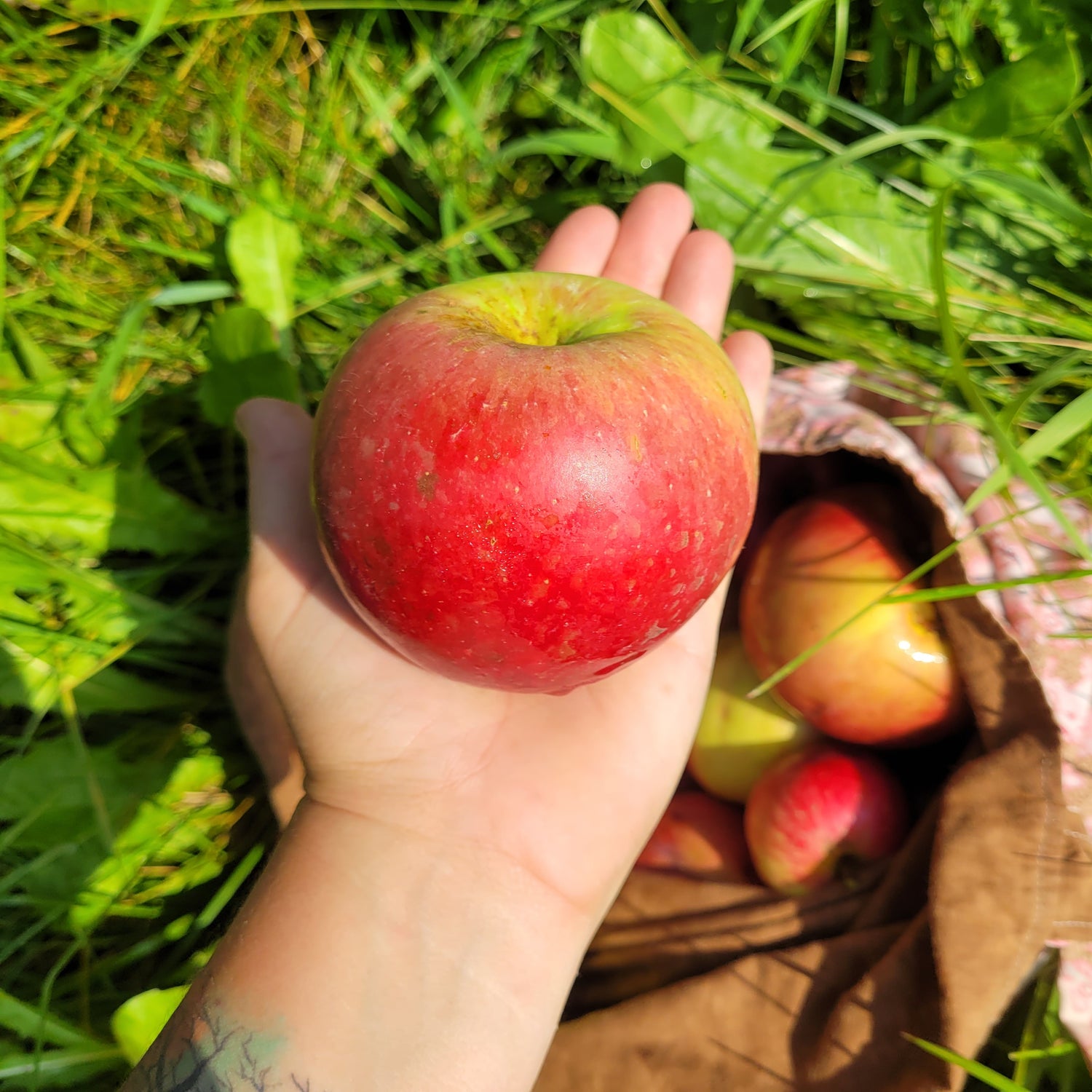
History: Wealthy apples were created by horticulturalist Peter Gideon after spending years trying to breed an apple variety that could survive Minnesota's harsh winters. With the very last of his money, he purchased seeds and scions in 1868 in one final attempt and was able to produce the Wealthy apple which he named after his wife, Wealthy Gideon. He gave scions away freely and Wealthy became one of the top five apples grown in the US.
Why We Grow It: A medium to large sized apple, Wealthy makes splendid applesauce, but is also very good for fresh eating with a balanced sweet-tart crunch. The tree is scab resistant and cold hardy, makes an excellent pollinator for other apples, and is well-suited for organic orchards.
History: Wealthy apples were created by horticulturalist Peter Gideon after spending years trying to breed an apple variety that could survive Minnesota's harsh winters. With the very last of his money, he purchased seeds and scions in 1868 in one final attempt and was able to produce the Wealthy apple which he named after his wife, Wealthy Gideon. He gave scions away freely and Wealthy became one of the top five apples grown in the US.
Why We Grow It: A medium to large sized apple, Wealthy makes splendid applesauce, but is also very good for fresh eating with a balanced sweet-tart crunch. The tree is scab resistant and cold hardy, makes an excellent pollinator for other apples, and is well-suited for organic orchards.
History: Wealthy apples were created by horticulturalist Peter Gideon after spending years trying to breed an apple variety that could survive Minnesota's harsh winters. With the very last of his money, he purchased seeds and scions in 1868 in one final attempt and was able to produce the Wealthy apple which he named after his wife, Wealthy Gideon. He gave scions away freely and Wealthy became one of the top five apples grown in the US.
Why We Grow It: A medium to large sized apple, Wealthy makes splendid applesauce, but is also very good for fresh eating with a balanced sweet-tart crunch. The tree is scab resistant and cold hardy, makes an excellent pollinator for other apples, and is well-suited for organic orchards.

Species: Corylus avellana
History: Wepster was created by the Oregon State University hazelnut breeding program with the goal of creating a good variety for the blanched hazelnut market. It was initially bred by Shawn Mehlenbacher and David Smith in 1997. Despite its small nut size, Wepster was selected for its resistance to Eastern Filbert Blight, excellent quality, high productivity, reliable cropping, and fast growth. It was eventually released by the Oregon Agricultural Experiment Station in 2013. The variety was named Wepster in honour of the Wepster family who were quite active in the Oregon hazelnut industry and made important contributions to the breeding program.
Why We Grow It: Wepster boasts many excellent traits including high productivity and reliability, disease resistance, and great kernel quality. Developed for the baking and chocolate industry, it is a great choice for those who love using hazelnuts in the kitchen.
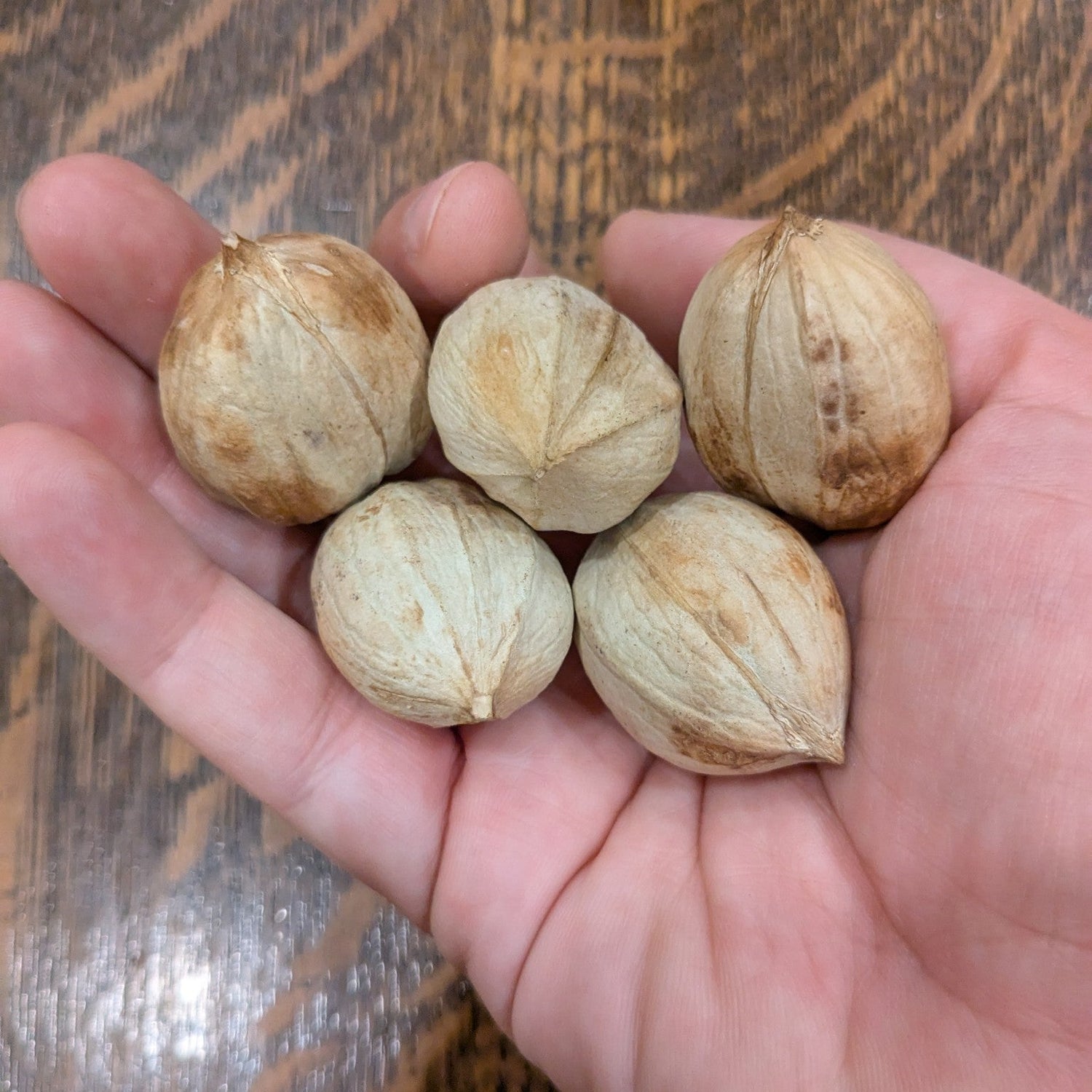
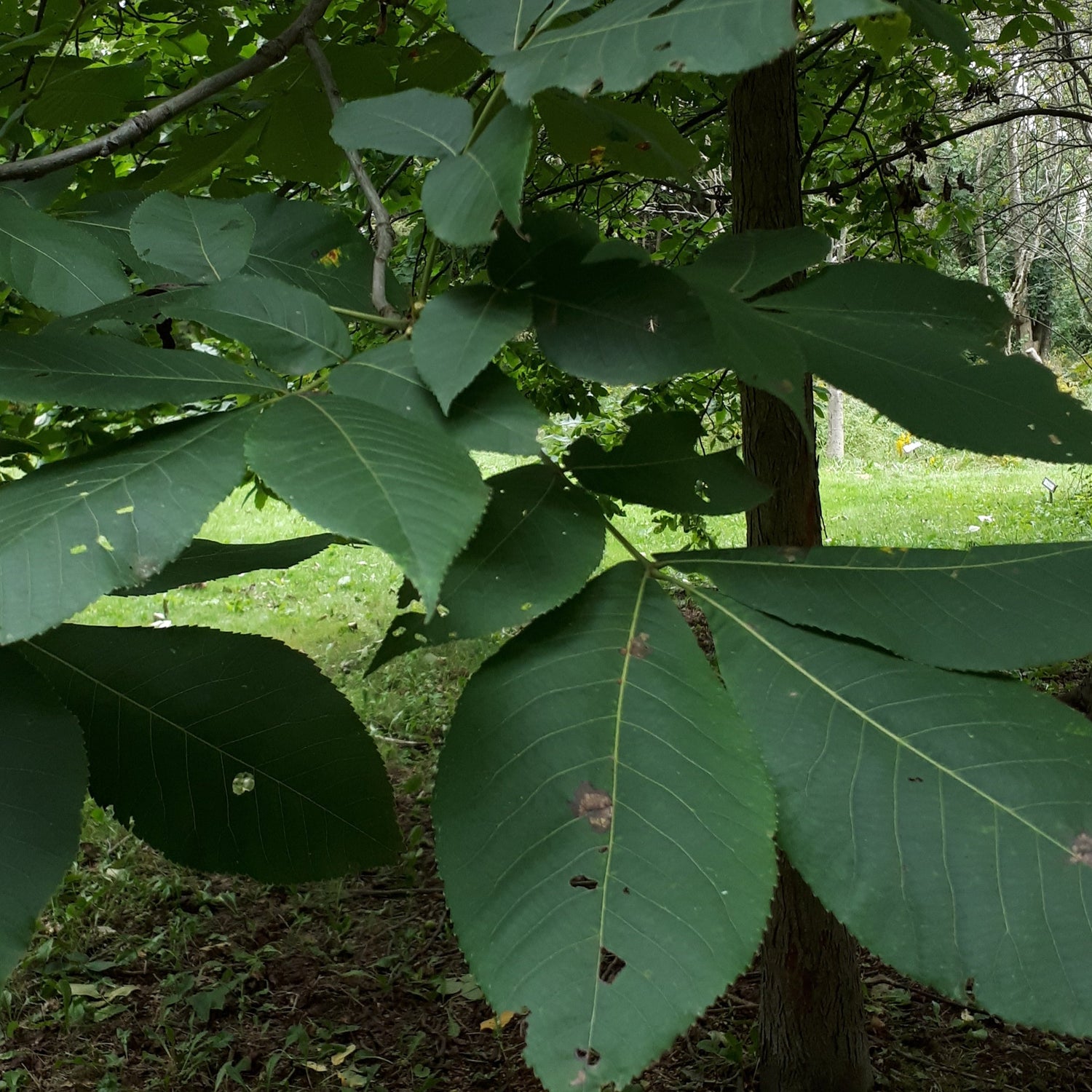
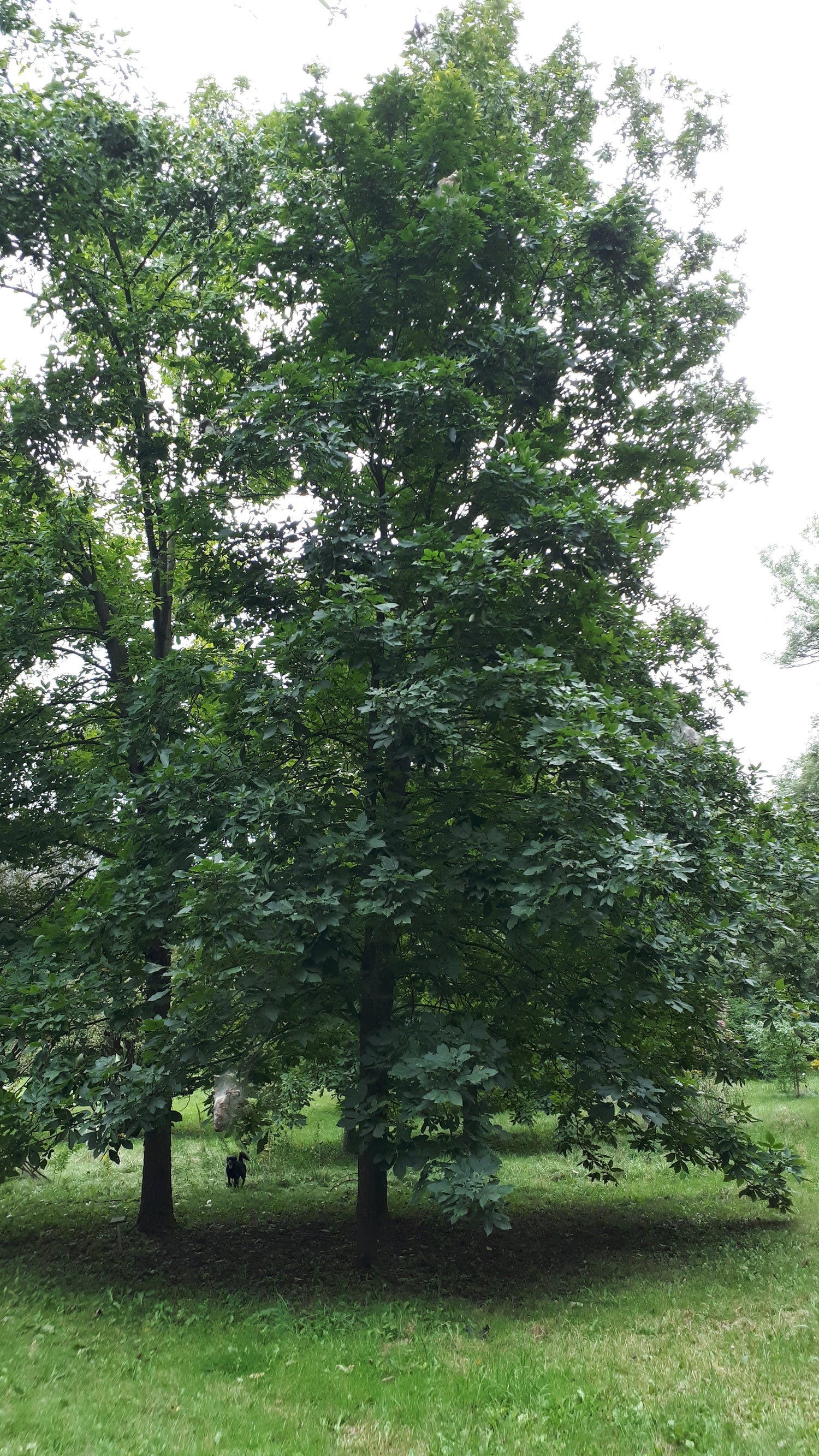
Species: Carya ovata or hybrid. Our seeds are collected from trees that may have been cross-pollinated by closely related species so the resulting seedlings may be hybrids.
History: These are seedlings of Weschke Shagbark Hickories, a variety that was discovered in Iowa by Carl Weschke and named in 1926. It was selected for its excellent flavour.
Why We Grow It: While these seedlings will vary from their parents, the goal is that the excellent qualities of Weschke Shagbark Hickories will be passed along to its offspring! Weshcke Shagbark Hickories are known for having excellent flavour and thin shells that are easier for cracking. For more fascinating nut lore, enjoy this ebook.
History: Westfield Seek-No-Further was discovered in Westfield, Massachusets in the 1700s. Its flavour is reminiscent of popular fresh eating apples in England which is probably why this apple was so popular among English colonizers. It was the most popular fresh eating apple in New England during the 1800s.
Why We Grow It: Historically a favourite eating apple, Westfield-Seek-No-Further's sharp, nutty flavour is as unique as its quaint name! It now has potential as an addition to cider blends.

History: Westfield Seek-No-Further was discovered in Westfield, Massachusets in the 1700s. Its flavour is reminiscent of popular fresh eating apples in England which is probably why this apple was so popular among English colonizers. It was the most popular fresh eating apple in New England during the 1800s.
Why We Grow It: Historically a favourite eating apple, Westfield-Seek-No-Further's sharp, nutty flavour is as unique as its quaint name! It now has potential as an addition to cider blends.
History: Westland apples were developed at the Alberta Special Crops and Horticultural Research Centre in Brooks, Alberta and introduced in 1979.
Why We Grow It: This medium sized pie apple is cold hardy, excellent for the prairies and northern regions. The fruit is large and a pale yellow-ish green with red flush and stripes.

History: White Jersey is another English cider apple whose origins are a little obscure. It was popular in the Somerset area of England during the 1800s where it was first recorded in 1895. It is still grown in modern cider orchards in the UK today.
Why We Grow It: Although it has been deemed an apple with 'average quality juice,' White Jersey is still worth checking out if you are interested in cider making. It does well in the Great Lakes area and it compensates for its average juice quality with good productivity and a tendency to start bearing fruit early.
History: White Jersey is another English cider apple whose origins are a little obscure. It was popular in the Somerset area of England during the 1800s where it was first recorded in 1895. It is still grown in modern cider orchards in the UK today.
Why We Grow It: Although it has been deemed an apple with 'average quality juice,' White Jersey is still worth checking out if you are interested in cider making. It does well in the Great Lakes area and it compensates for its average juice quality with good productivity and a tendency to start bearing fruit early.


History: White Knight was created at the fruit breeding program in Vineland by University of Guelph professor Jayasankar Subramanian. Subramanian specializes in developing new varieties of peaches, plums, nectarines, and cherries for the Ontario market.
Why We Grow It: White Knight is a variety of white peach that produces a tangy, sweet, and juicy clingstone fruit with a hint of raspberry flavour and a tender, chewy texture. The skin is a vibrant ruby red overlaying whitish pink, making it a rather lovely peach.