
berry qty discount




79 products
Sort by:
79 products
79 products
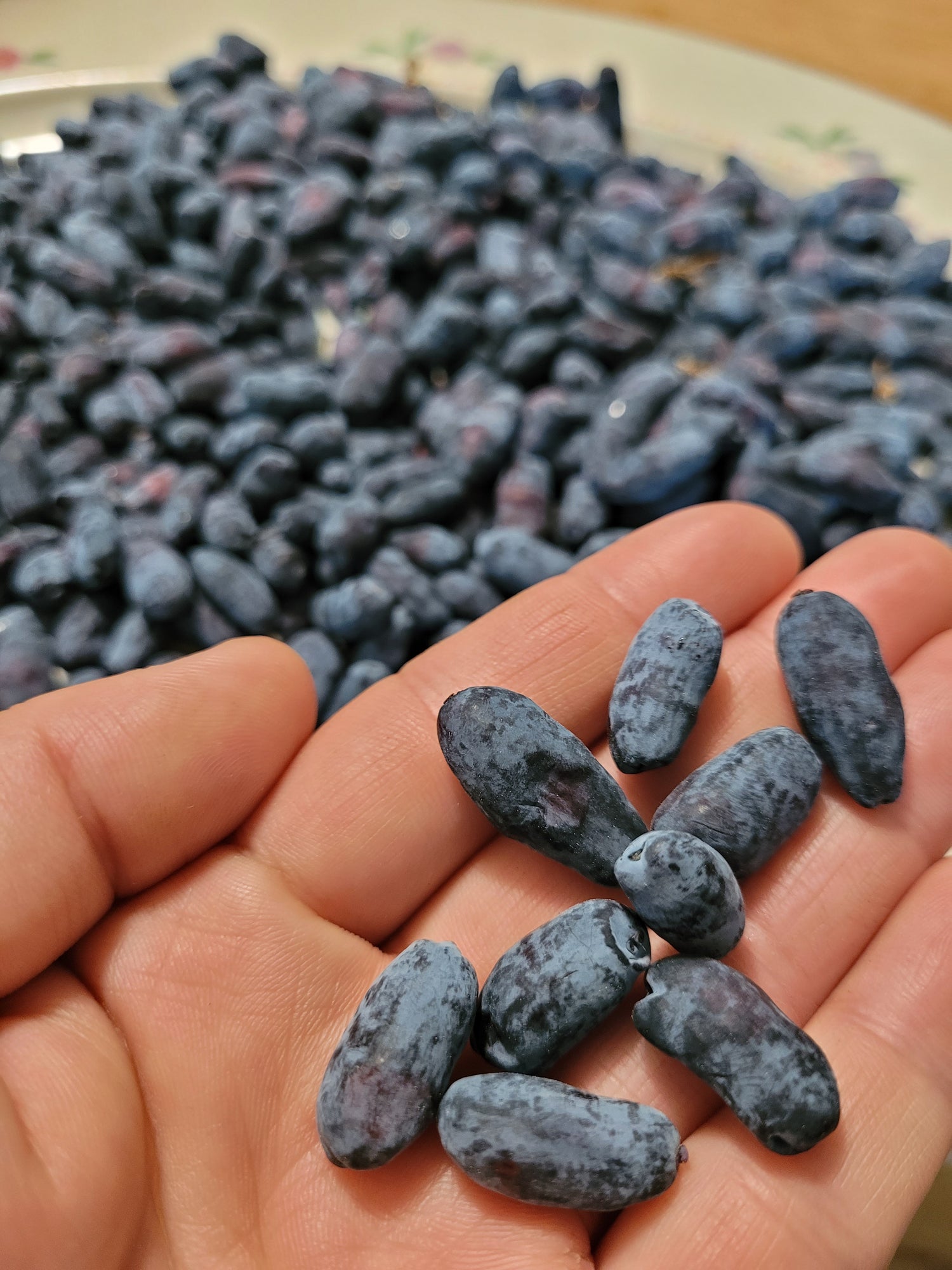
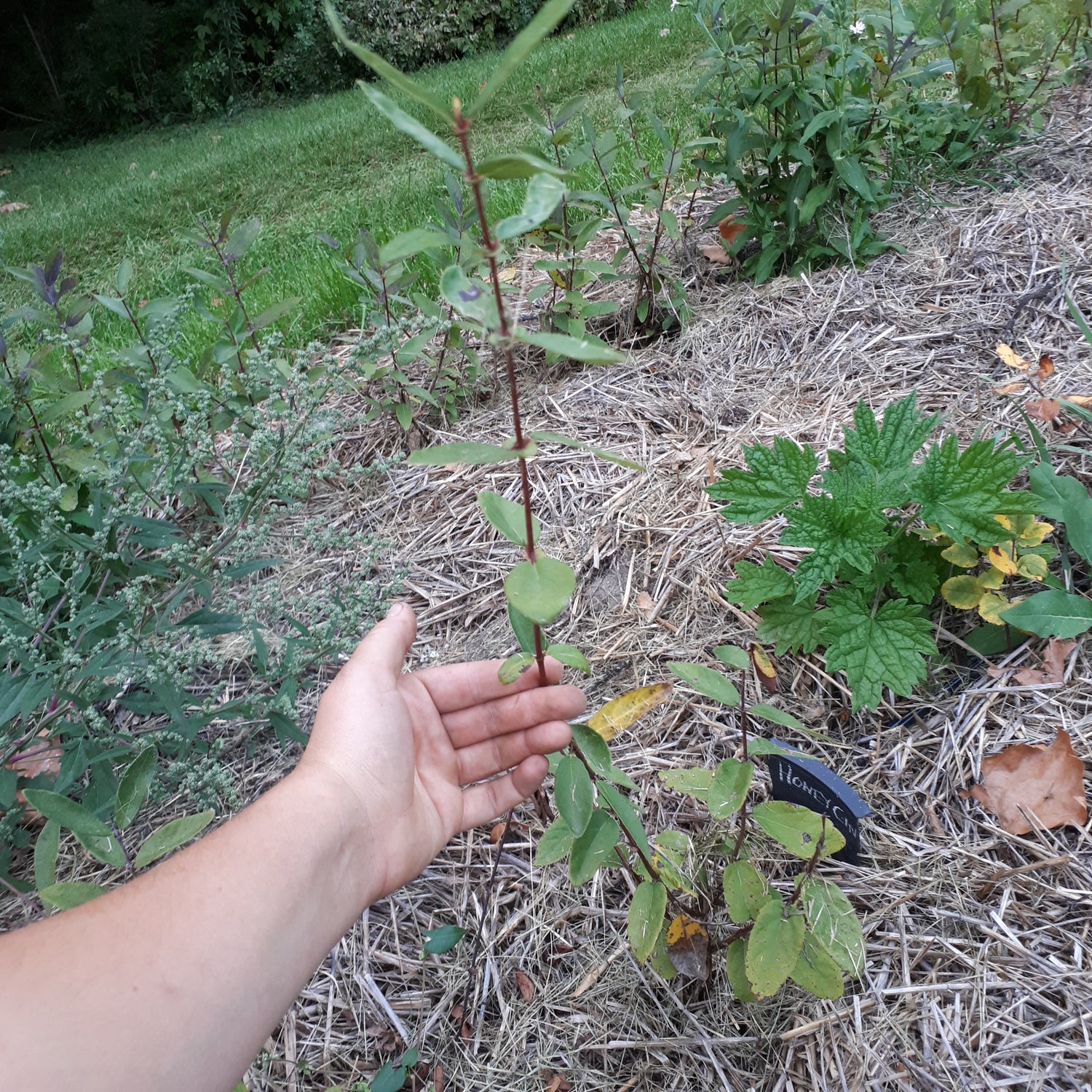
Species: Lonicera caerulea
History: Little is known about the origins of Honey Gin aside from the fact it originated in Russia.
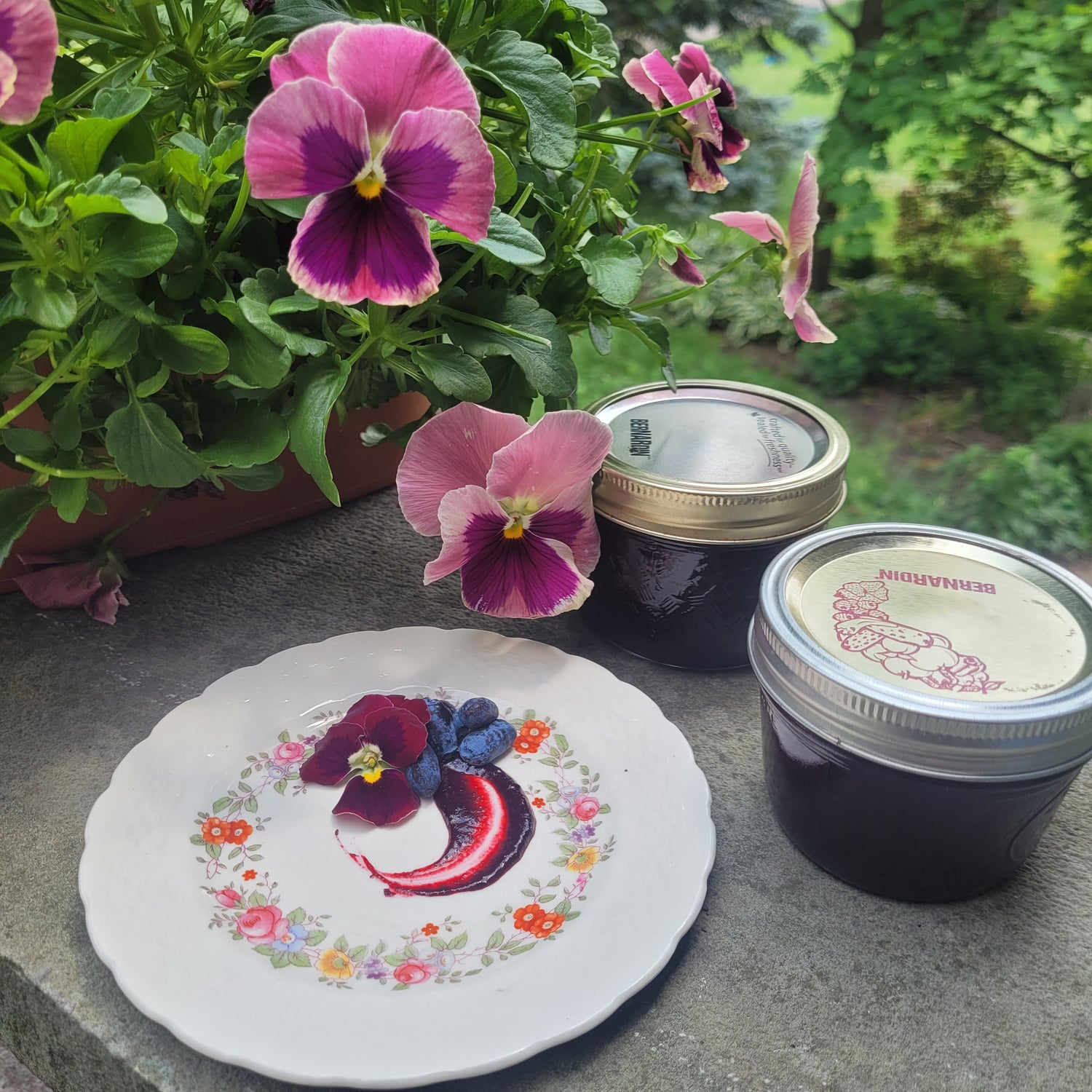
Why We Grow It: This variety boasts a unique sweet flavour with hints of smoked plum. Honey Gin's berries are 2cm long and deep blue and juicy. They can be used in a wide variety of ways such as fresh eating or cooking but are generally noted for their excellence in wine, gin, and vodka production.
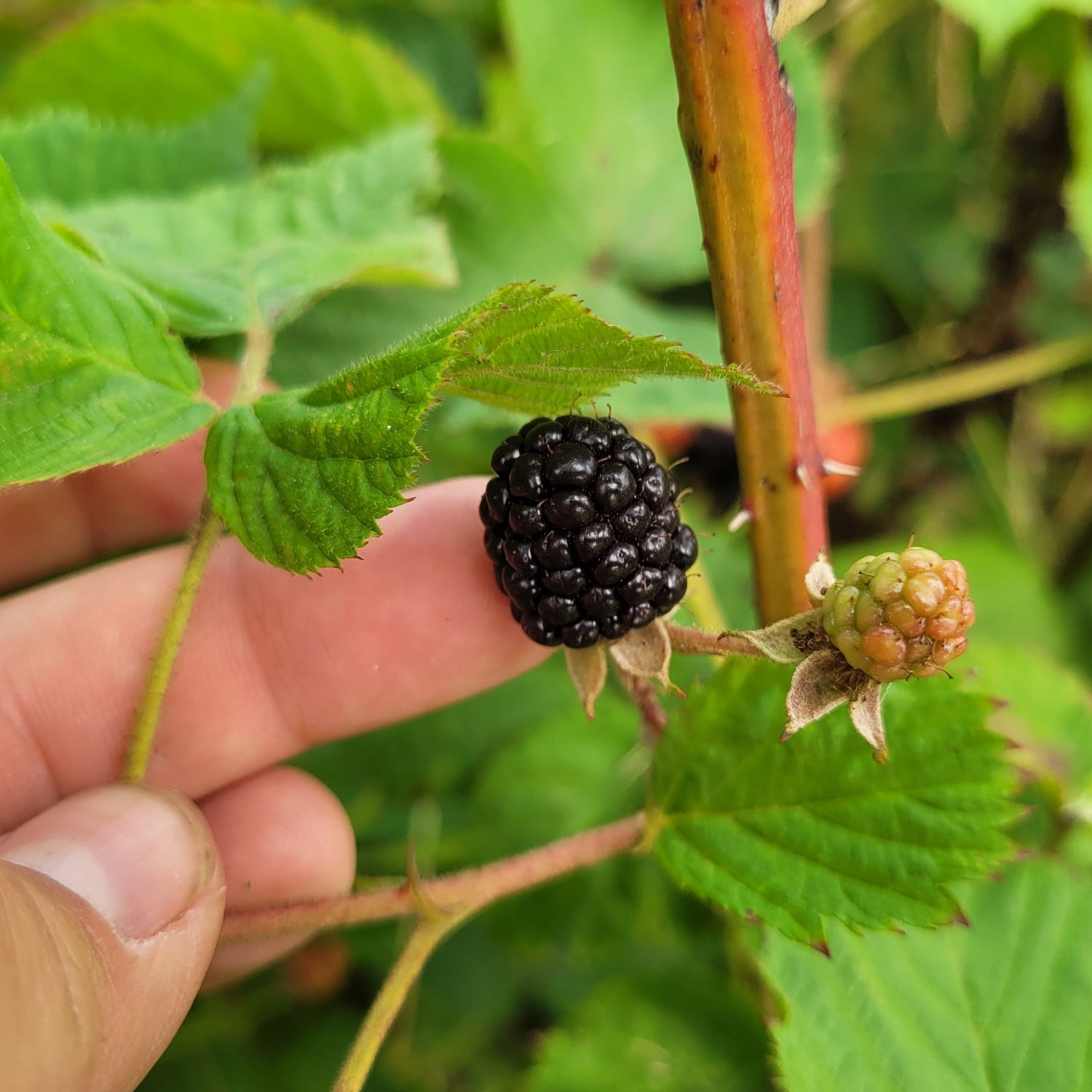
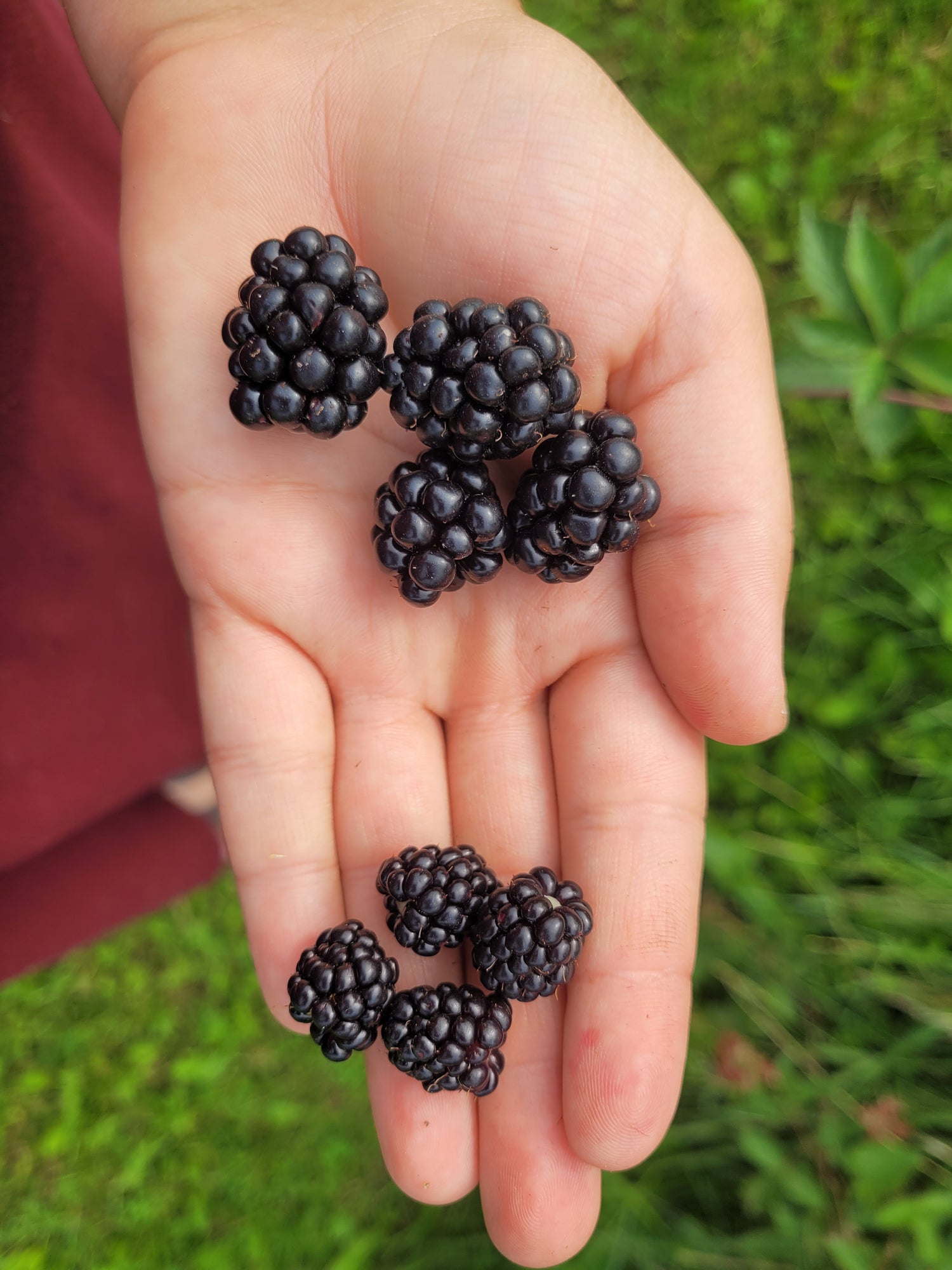
Species: Rubus sp.
History: Illini Hardy was developed as a cold hardy variety by the University of Illinois and released in 1988. It is a cross between Chester Thornless and NY 95.
Why We Grow It: This variety produces very large and abundant berries late in the summer. The dark berries are sweet with some tartness, resembling the flavour of wild blackberries. Its cold hardy nature makes it hard to turn down for Canadian growers.
Pictured on the left: top: Chester, bottom: Illini Hardy

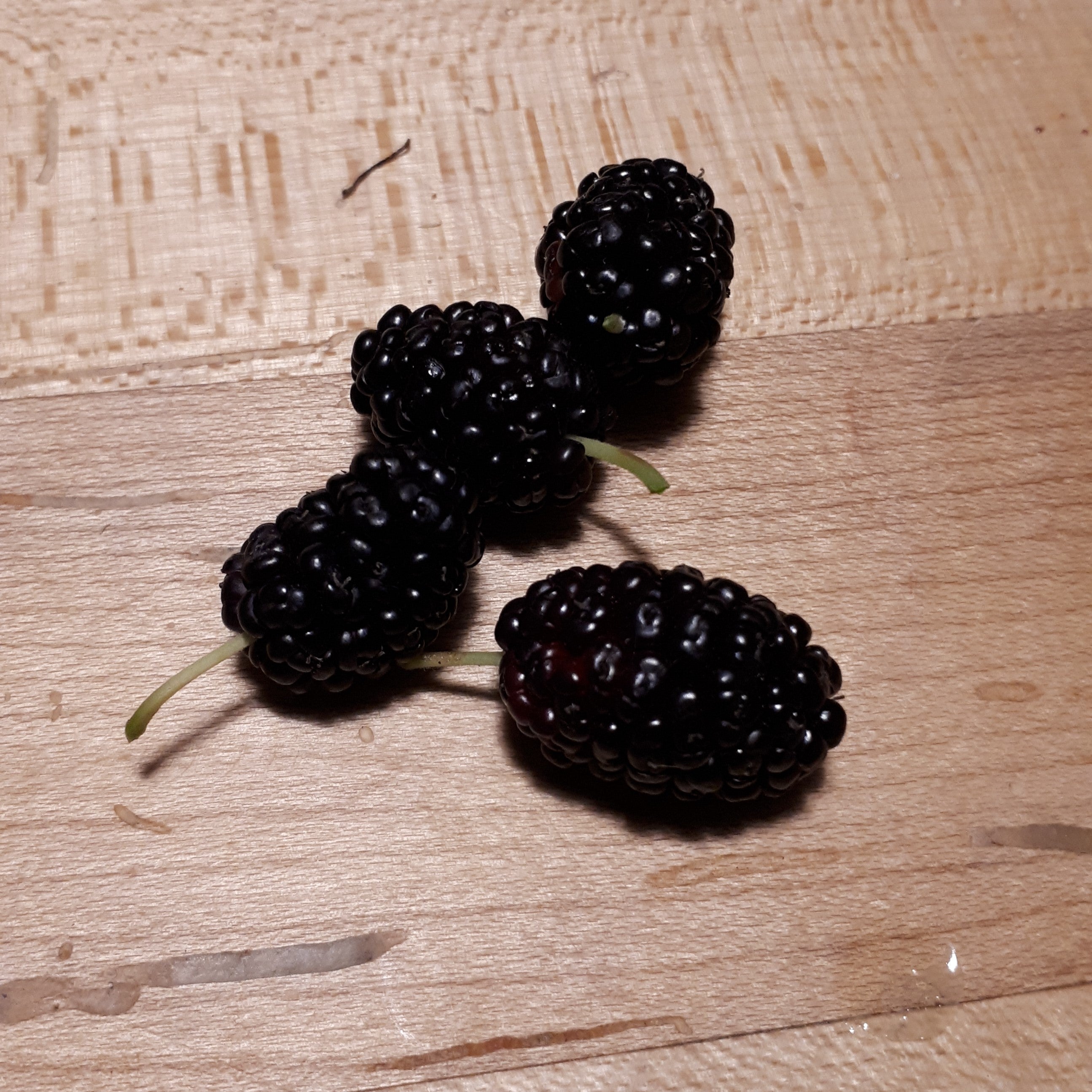
Species: Morus rubra x M. alba
History: Illinois Everbearing was discovered in Illinois, US by the Wabash River and is a natural cross between red mulberries (M. rubra) and white mulberries (M. alba). It was discovered by Peter Glaser in 1947 and likely selected for its excellent fruit quality and everbearing nature. Named for its State of origin and long harvest window, Illinois Everbearing was released in 1958 by Burgess Seed and Plant Co. in Michigan and has since become one of the most popular mulberries in North America.
Why We Grow It: Illinois Everbearing produces large, almost seedless mulberries with an excellent flavour. They are great for eating fresh, baking, or making into jams. Better yet, these excellent mulberries ripen from July into September, providing a wide window to enjoy these tasty treats. The tree itself is hardy and vigorous but is relatively easy to keep pruned to a smaller size.
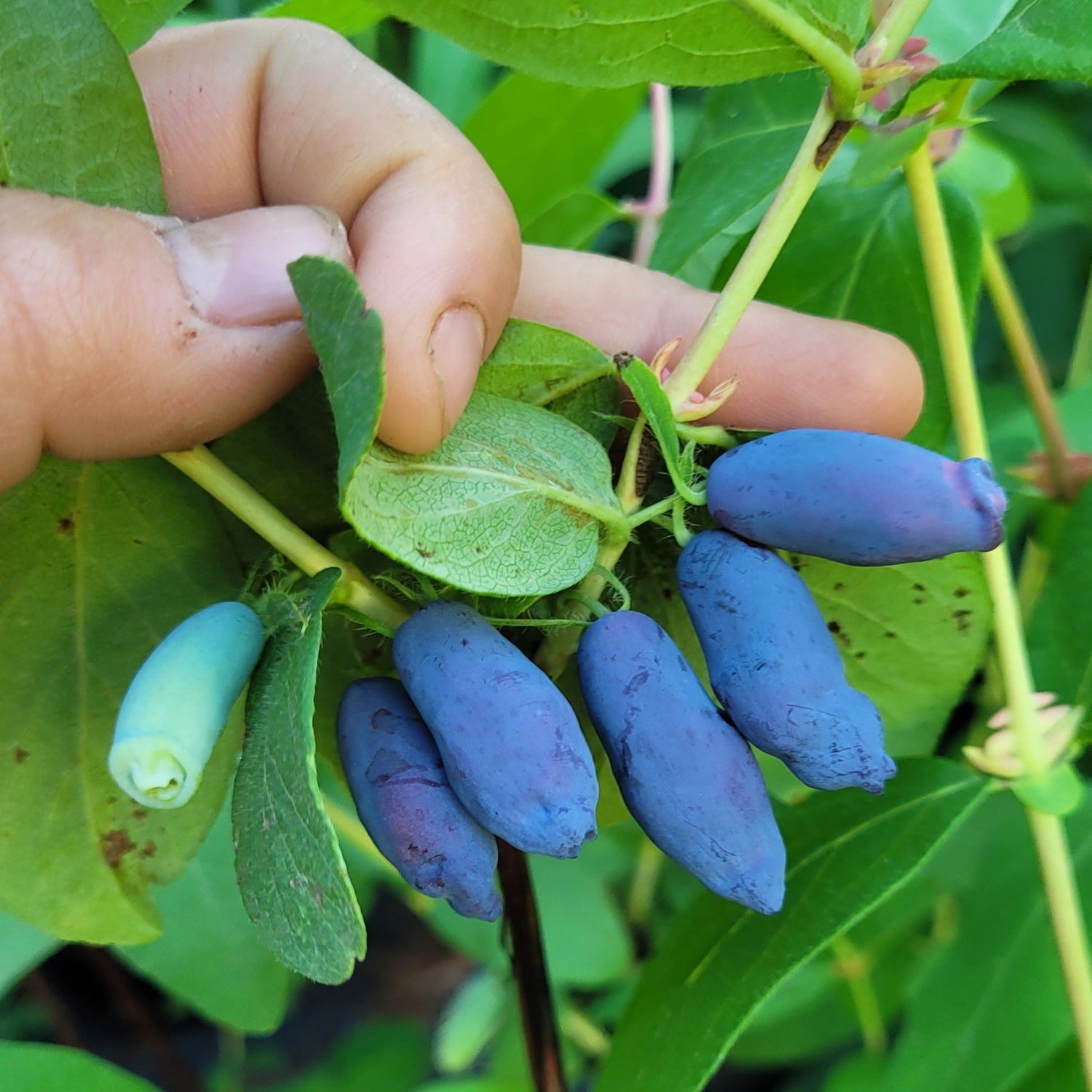
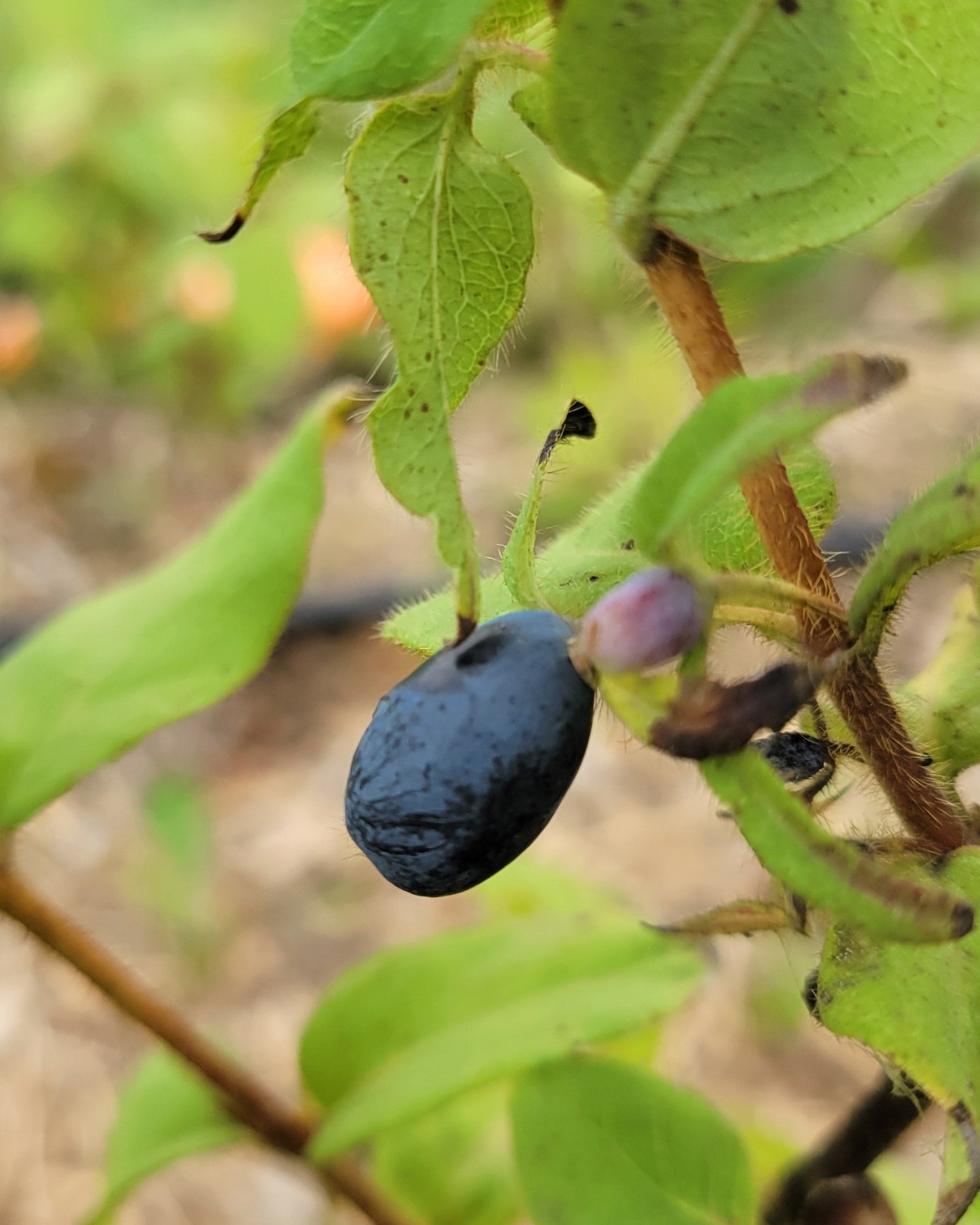
Species: Lonicera caerulea
History: Indigo Gem was bred by Bob Bors at the University of Saskatchewan as part of the Indigo Series, a series of five varieties that all share the same parents. They were bred sometime in the mid to late 2000s and released around 2010/2011. Indigo Gem is the most productive variety of the series.
Why We Grow It: Indigo Gem produces fairly round berries that are sweeter and smaller than most haskaps, although they still have that characteristic tartness to them! It is considered one of the better options for fresh eating and like other haskaps is also great in baking, making preserves, etc.

Species: Amelanchier x wiegandii (likely a hybrid of A. arborea and A. sanguinea)
History: There is little information on the origin of Isaac although it is believed to be a cross between the Common Serviceberry (A. arborea) and the Roundleaf Serviceberry (A. sanguinea). It was likely selected for its large, sweet berries.
Why We Grow It: Isaac produces very large berries with a lovely sweet flavour. Like other serviceberries they are great for fresh eating, cooking, baking, and preserving. Isaac makes a nice ornamental shrub with its rounded shape and white blooms in the spring. It is generally an adaptable and cold hardy plant as well!

Species: Rubus occidentalis
History: Jewel black raspberries were bred by Cornell University in New York in an effort to create productive and vigorous black raspberry varieties. It was bred in 1954 as a cross between Bristol and Dundee black raspberries.
Why We Grow It: Black raspberries are a special treat with less tang than red raspberries, and more of that musky sweetness that black berries (mulberries, blackberries, etc.) have. Steph eats these berries by the handful - delicious! This variety produces nice clusters of sweet juicy berries. The plant itself reaches about a meter high and wide. It can spread over the years, creating a most delicious fence line if you let it!
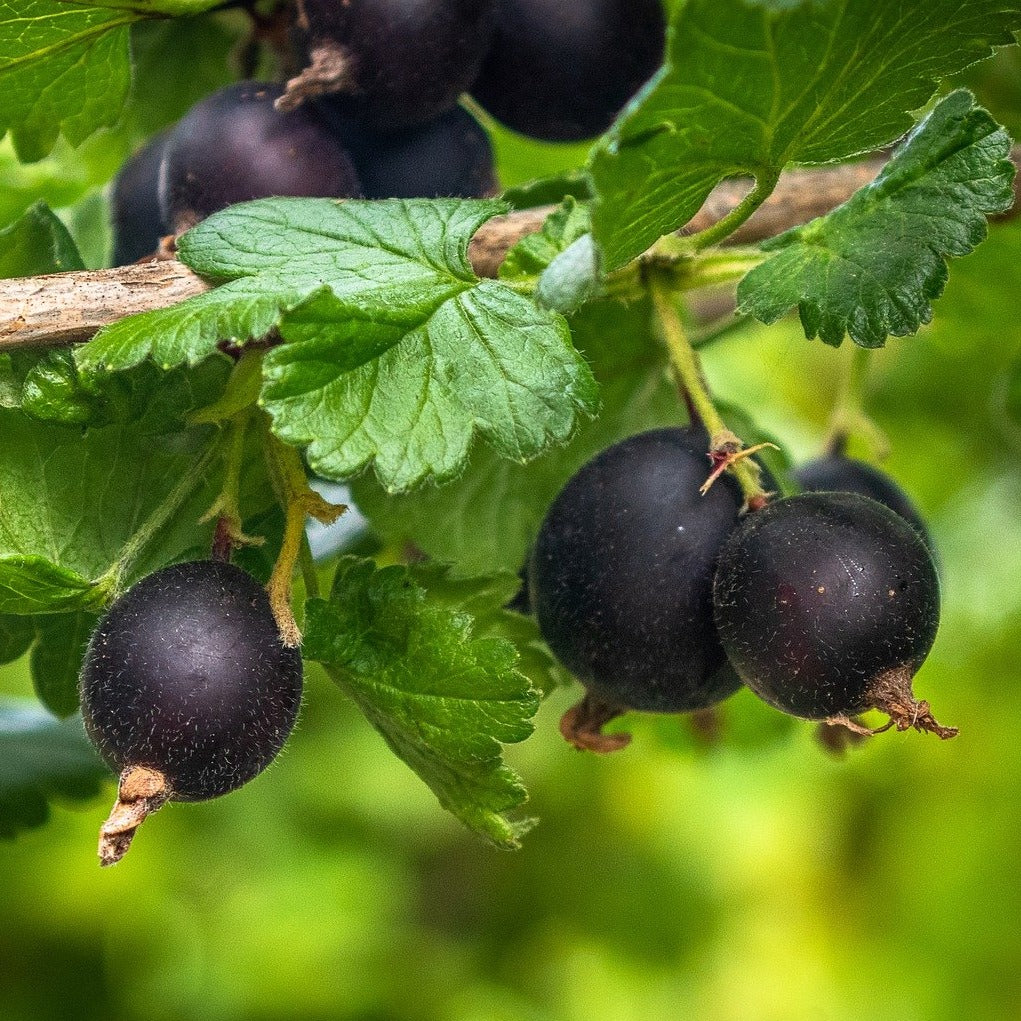
Species: Ribes x nidigrolaria, a cross between Ribes nigrum (black currants), Ribes divaracitum (black gooseberries), and Ribes uva-crispa (European gooseberries)
History: Jostaberries were created in West Germany in 1955 by Dr. Rudolph Bauer, although attempts to cross these three plants had begun as early as 1883 without success. They were eventually released to the public in 1977.
Why We Grow It: Jostaberries are a unique cross between three plants: black currants, black gooseberries, and European gooseberries. The berries taste like gooseberries at first and transition to a black currant taste as they ripen and darken.

Species: Lonicera caerulea
History: Kawai was created by Dr. Maxine Thompson who collected open-pollinated seeds from berry farms in Hokkaido, Japan in 2000. The seeds were planted in Oregon and evaluated. Kawai was selected for its fruit quality, high yields, and high vigour.
Why We Grow It: Kawai produces medium, blocky berries with an excellent, mild flavour. Like other haskaps, the fruit is well suited for fresh eating, baking, and making jelly/jam among many other uses. The cold hardy bush itself is quite vigorous and has high yields.

Species: Hippophae rhamnoides
History: Aside from the fact that Klavdija sea buckthorn originated in Russia, little can be found about the origins of this variety in English.
Why We Grow It: Klavdija, like other Russian-bred sea buckthorns, is noted for its excellent flavour that is on the sweeter side. The bush produces good crops and, unlike other Russian varieties, boasts moderate drought resistance.

Species: Hippohae rhamnoides
History: Lord was developed by Latvian professor of agriculture, Andrejs Bruvelis, and was likely selected for its relatively few thorns and excellent performance as a pollination partner for female plants.
Why We Grow It: A vigorous and strong pollinator, Lord has silvery green leaves which may be used as animal fodder- rather than discarding prunings from the plant, try feeding them to birds, or better yet, let some chickens keep the base of the bush clean and sucker-free by purposefully pasturing them through your plants. Sea Buckthorn have nodules on their roots which help fix nitrogen into the ground, and are a common plant in permaculture orchards for this natural 'fertilizer' effect on plants in their vicinity.
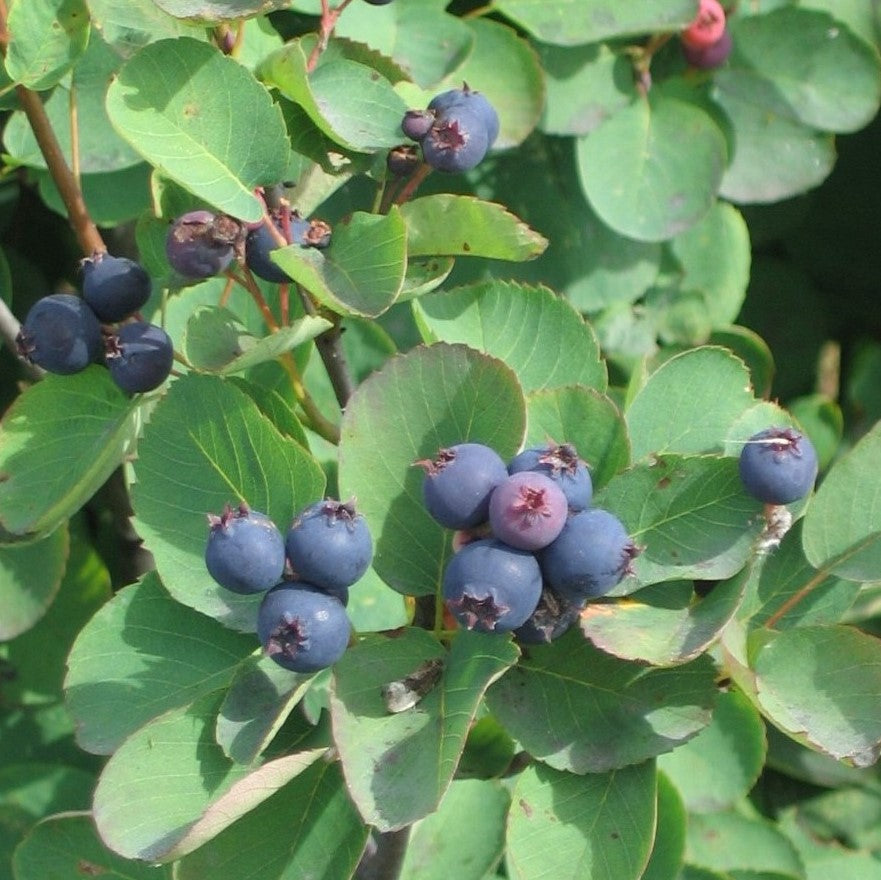
Species: Amelanchier alnifolia (aka Western Serviceberry)
History: Martin was grown by Dieter Martin in Saskatchewan. He selected this variety for its large berries and uniform ripening time.
Why We Grow It: Martin produces deep purple berries that are both flavourful and juicy! The berries are on the larger size and ripen at more or less the same time, making them a good choice for mechanized picking.


Species: Hippophae rhamnoides
History: Mary sea buckthorn, aka Marija Bruvele, is a Latvian variety that was bred by professor of agriculture Andrejs Bruvelis as a cross between the female varieties Botanicheskaya Ljubitelskaya, Chuyskaya, and native male plants from the coastal area of the Baltic Sea. The goal was to create a variety better adapted to maritime climates. The berries are high in oil content so this variety tends to be grown commercially for oil production.
Why We Grow It: A prolific variety that holds onto berries well, prolonging harvest for 4-6 weeks. The berries have a milder flavour compared to other sea buckthorns with much lower acid content. They can be made into a sunshine yellow juice, best diluted 70% with water for a Canadian version of orange juice. It's also nearly thornless, which makes harvesting much easier.
The leaves and young branches are suitable for animal fodder, which we can attest to from the hens that run around our retail area in summer, sampling from our potted sea buckthorn plants whenever Steph isn't around to chase them away. Sea Buckthorn have nodules on their roots which help fix nitrogen into the ground, and are a common plant in permaculture orchards for this natural 'fertilizer' effect on plants in its vicinity.
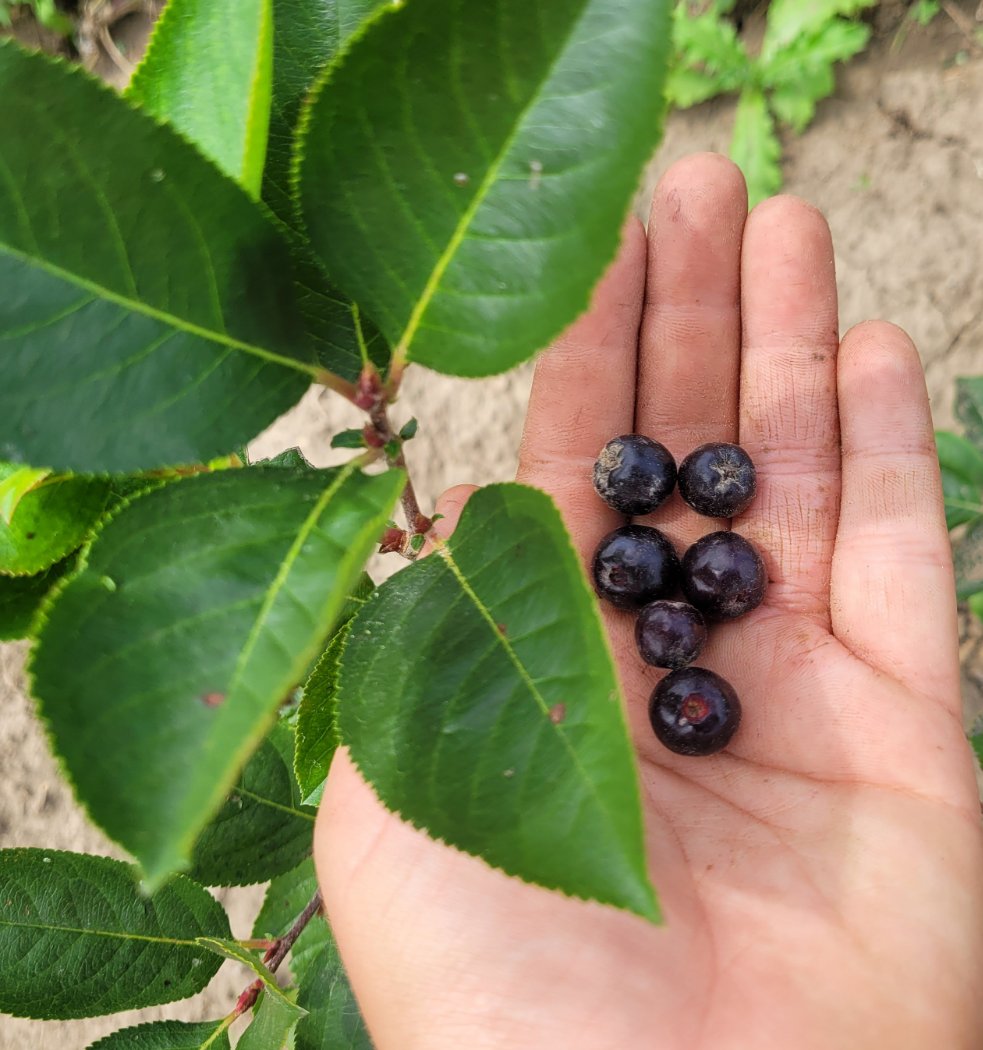
Species: Aronia melanocarpa
History: McKenzie was created by the USDA who, in 1976, planted several seedlings of the variety to evaluate its performance. It was named 'McKenzie' in honour of its first planting site in North Dakota, possibly named after McKenzie County specifically. The variety was officially released in 2008.
Why We Grow It: McKenzie boasts vigorous growth and good production, reliably producing firm blue-black fruit that is tart with an earthy taste. The berry clusters are easy to pick and have a wide range of uses! While the berries ripen in August, they can hang onto the bush for a couple months and tend to sweeten over time.
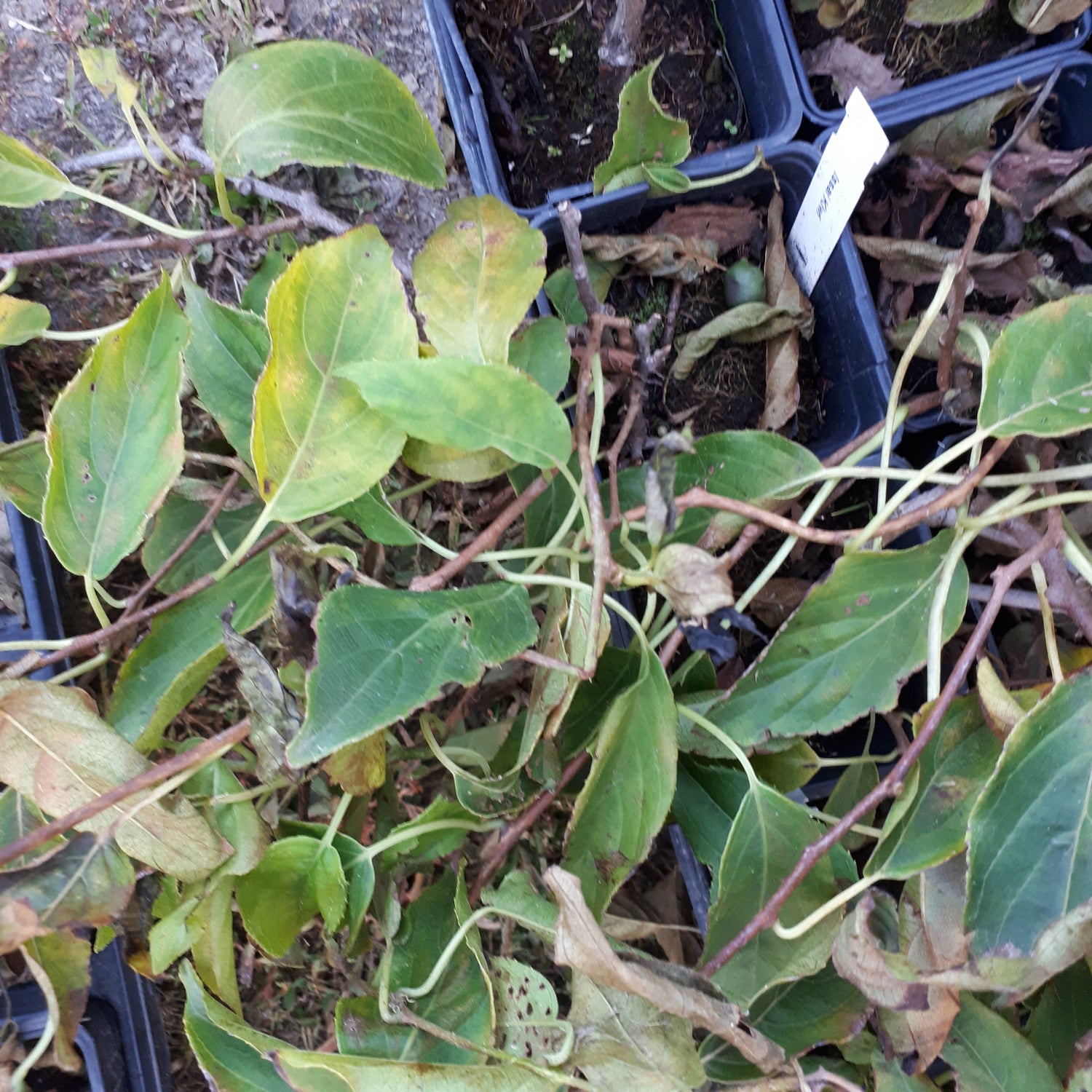
Species: Actinidia arguta
History: Meader hardy kiwi likely originated in Korea and was brought back to New Hampshire by botanist Edmund Meader, after whom it was named, in the 1960s. Meader has become one of the most common varieties of hardy kiwi since.
Why We Grow It: Meader is a male hardy kiwi, making it excellent for pollinating female varieties like Geneva and increasing pollination for Issai. Meader produces lovely flowers, but no fruit. It is an early blooming variety with a long period so it is compatible with most female varieties.
Interested in some more in depth info? Check out this article from the Maine Organic Gardeners and Farmers Association.
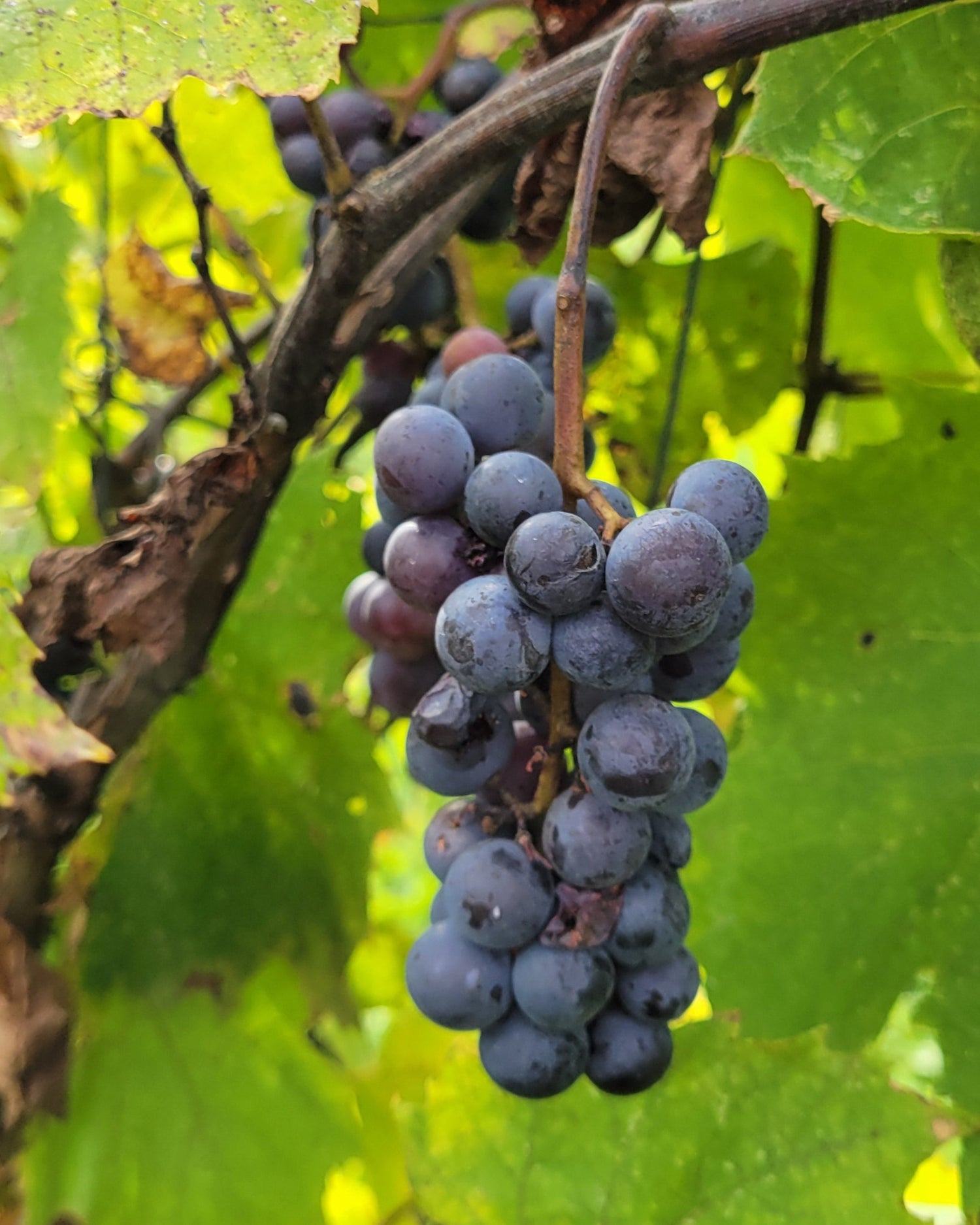
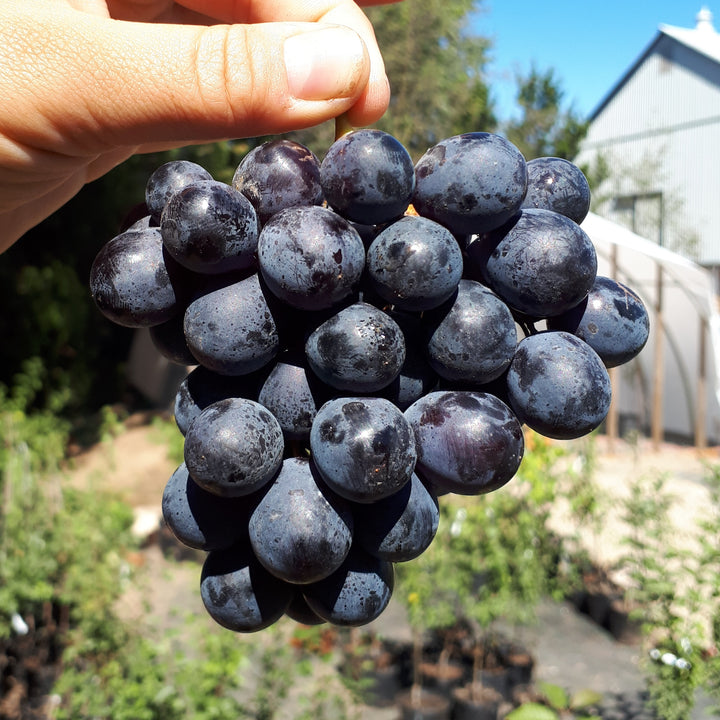
Species: Vitis sp. (hybrid)
History: Montreal Blues is one of the many varieties created by renowned grape breeder Elmer Swenson in Osceola, Wisconsin, as part of his effort to breed cold hardy grapes suitable for growing in the colder climates of North America. This variety was released in 1998 and in some areas is also known as St. Theresa, named for Saint Therese of Lisieux who was a French nun who planted flowers to show her love of God.
Why We Grow It: This variety produces large clusters of blue, Concord-like grapes with a nice, mild sweet flavour. They are quite cold hardy and can be made into pies, jams, or juice!
Showing 45/79
Next