seedling qty discount
48 products
Sort by:
48 products
48 products


Species: Crataegus chrysocarpa syn. C. rotundifolia
History: Round-Leaved Hawthorn (aka Fireberry Hawthorn) is native to much of Canada and the US. The berries are a source of food for various birds and rodents. Traditionally, the leaves, haws (berries), and flowers have been used as a heart medicine.
Why We Grow It: Round-Leaved Hawthorns are a great wildlife plant and make a lovely ornamental shrub as well. Although not great for eating fresh, the bright red haws can be used to make jam or jelly and can be made into tea along with the leaves and/or flowers. This adaptable, hardy shrub can tolerate a wide range of conditions.
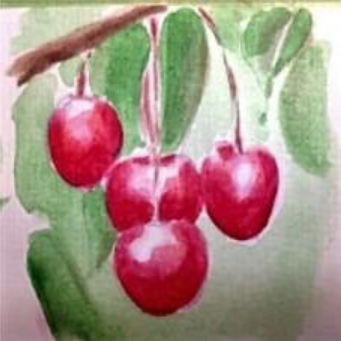
Species: Prunus avium
History: These seedlings are grown from seeds from Sandra Rose sweet cherries sourced in Ontario. Sandra Rose was developed at the Summerland Research and Development Centre in BC.
Why We Grow It: Seedling fruit trees are a great way to add some diversity and mystery to your garden or orchard! Sandra Rose, the parent variety, produces large dark cherries with excellent flavour.
Please Note: Since sweet cherries tend to stay true to type more than apples, these seedlings will likely bear a strong resemblance to their parent variety. However, any specific information listed on this page should be taken with a grain of salt as there may be some variation from the parent tree.

Species: Hippophae rhamnoides
History: Sea buckthorn is native to parts of Europe and Asia where it has been a source of food, medicine, and fodder for centuries. These seedlings were grown by us so it will be a bit of a surprise to see what the mature plants are like!
Why We Grow It: If you're looking for a dense, fruiting bush, look no further! These cold-hardy plants are grown from seed, and unlike cultivated varieties it is uncertain whether each seedling is male or female. The nodules on their roots help fix nitrogen into the soil, and the resilient plants are salt tolerant. They can withstand the juglones from walnuts and will reach up to 6 meters tall, forming virtually impermeable thickets if left to their own devices. The berries have a wide range of uses and the leaves can be enjoyed in tea.
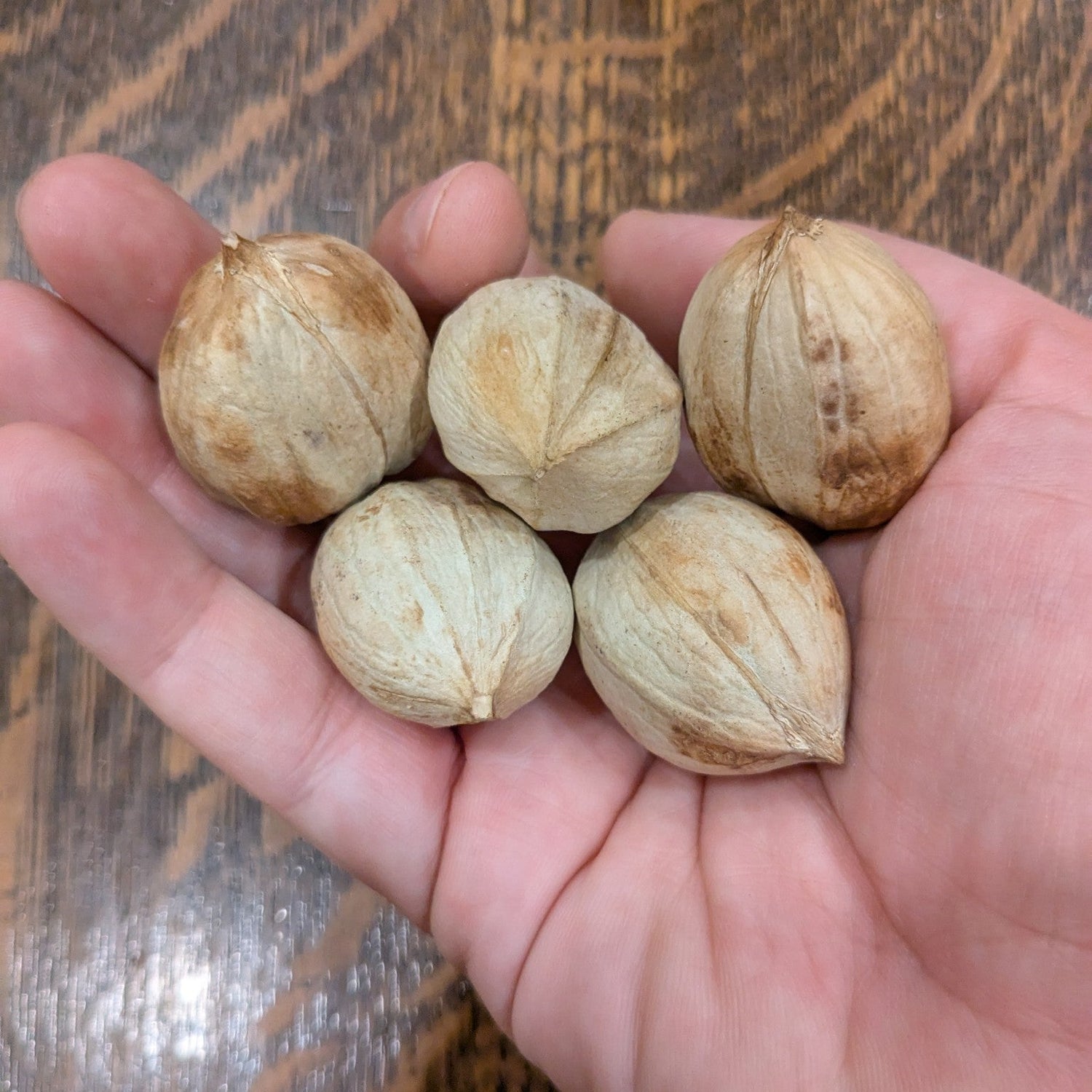
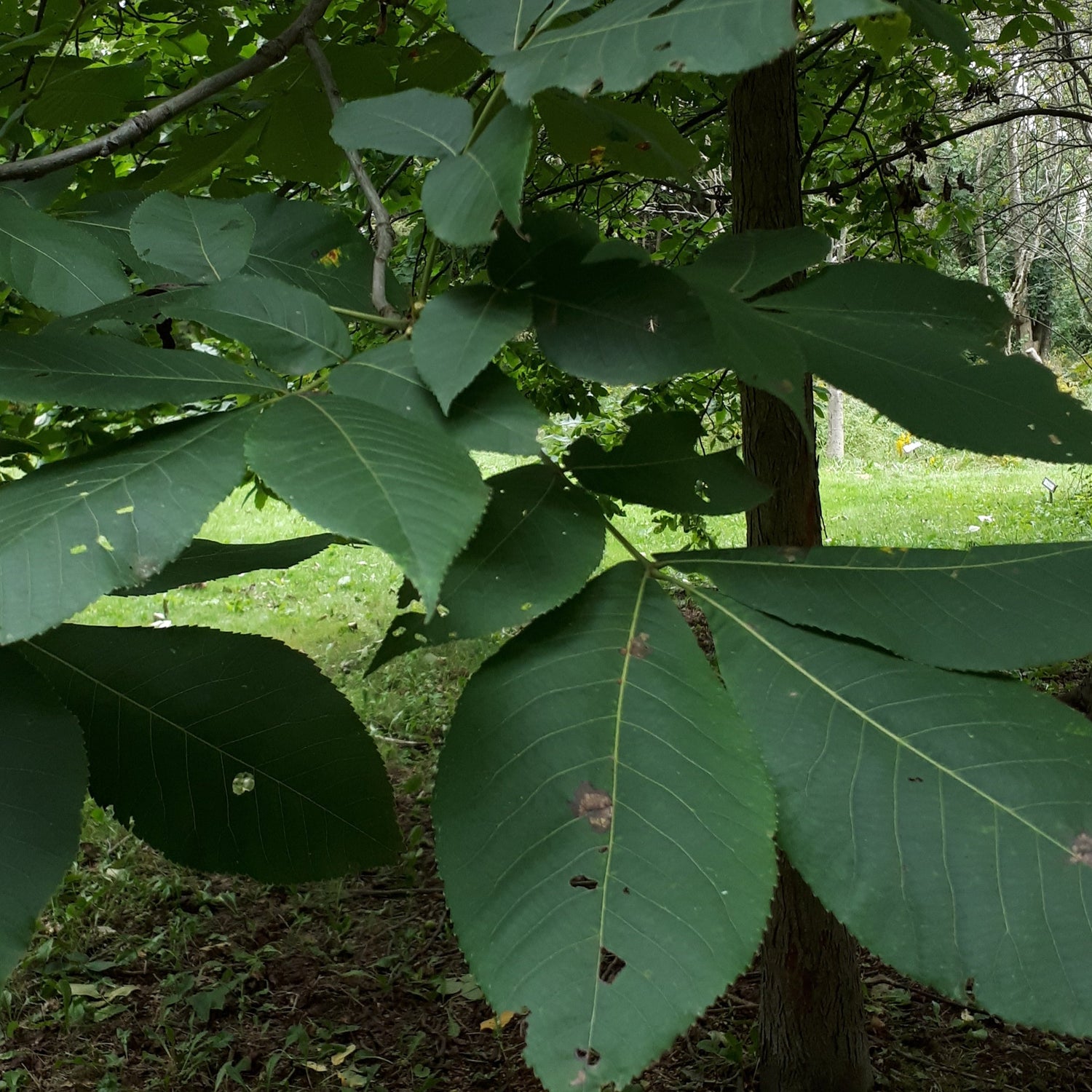
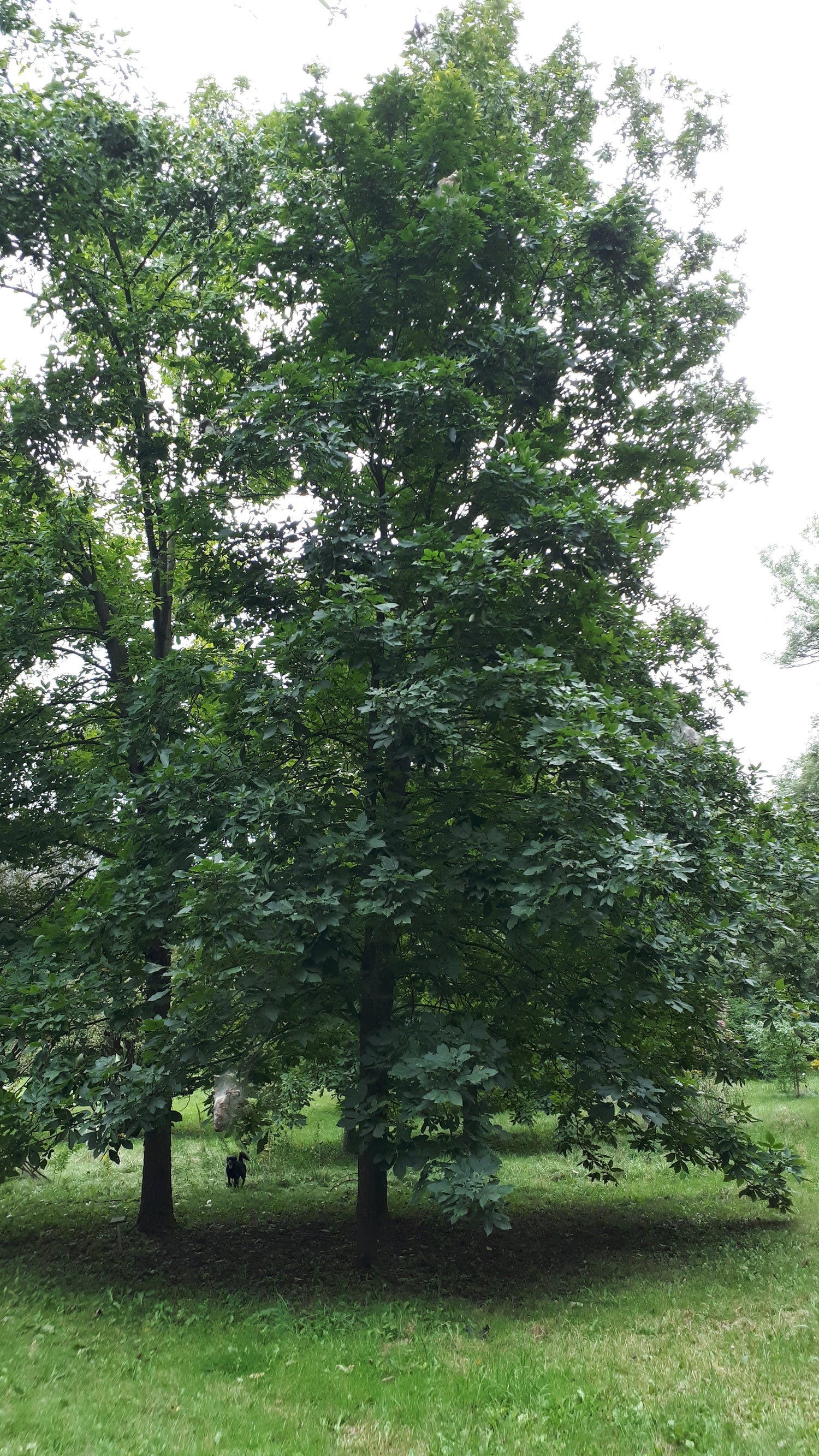
Species: Carya ovata or hybrid. Our seeds are collected from trees that may have been cross-pollinated by closely related species so the resulting seedlings may be hybrids.
History: Shagbark Hickory is native to parts of southern Ontario and much of the eastern United States. Much more common than the Shellbark Hickory, Shagbark Hickory is an important source of food for many species. Indigenous peoples also used the nuts as a food source and made the kernel milk into various dishes, along with using the wood to make bows. The strong wood is also used to make items such as tool handles and drumsticks that require extra durability. Check out this blog post by one of our customers to learn more cool history about these trees.
Why We Grow It: Shagbark Hickory produces an abundant crop of small hickory nuts every year and the sap can also be boiled for a unique flavored syrup (we haven't tried this yet, but would love to hear about it if you have!). The tree gets its name from the unique peeling bark, adding extra visual appeal wherever the tree is planted.
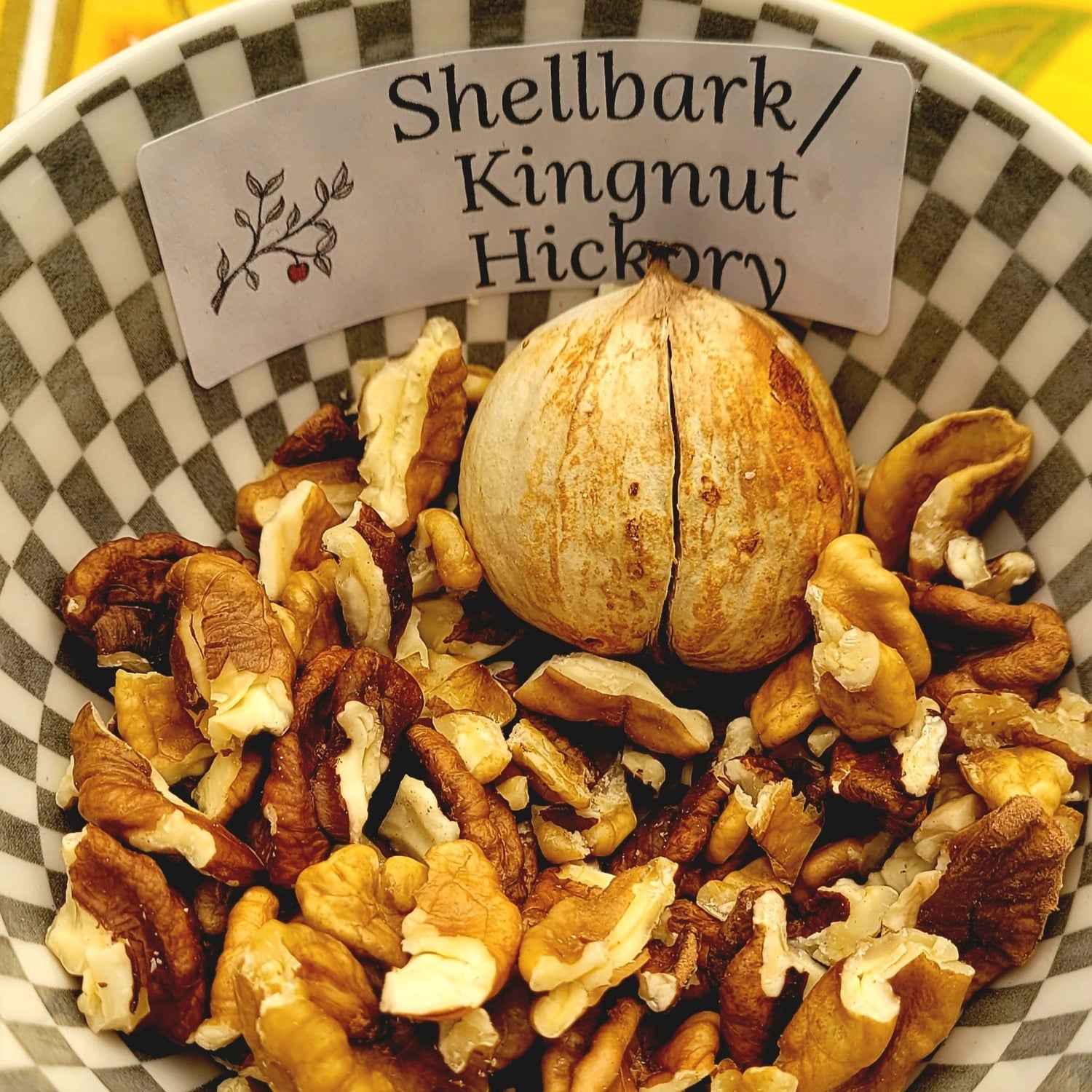
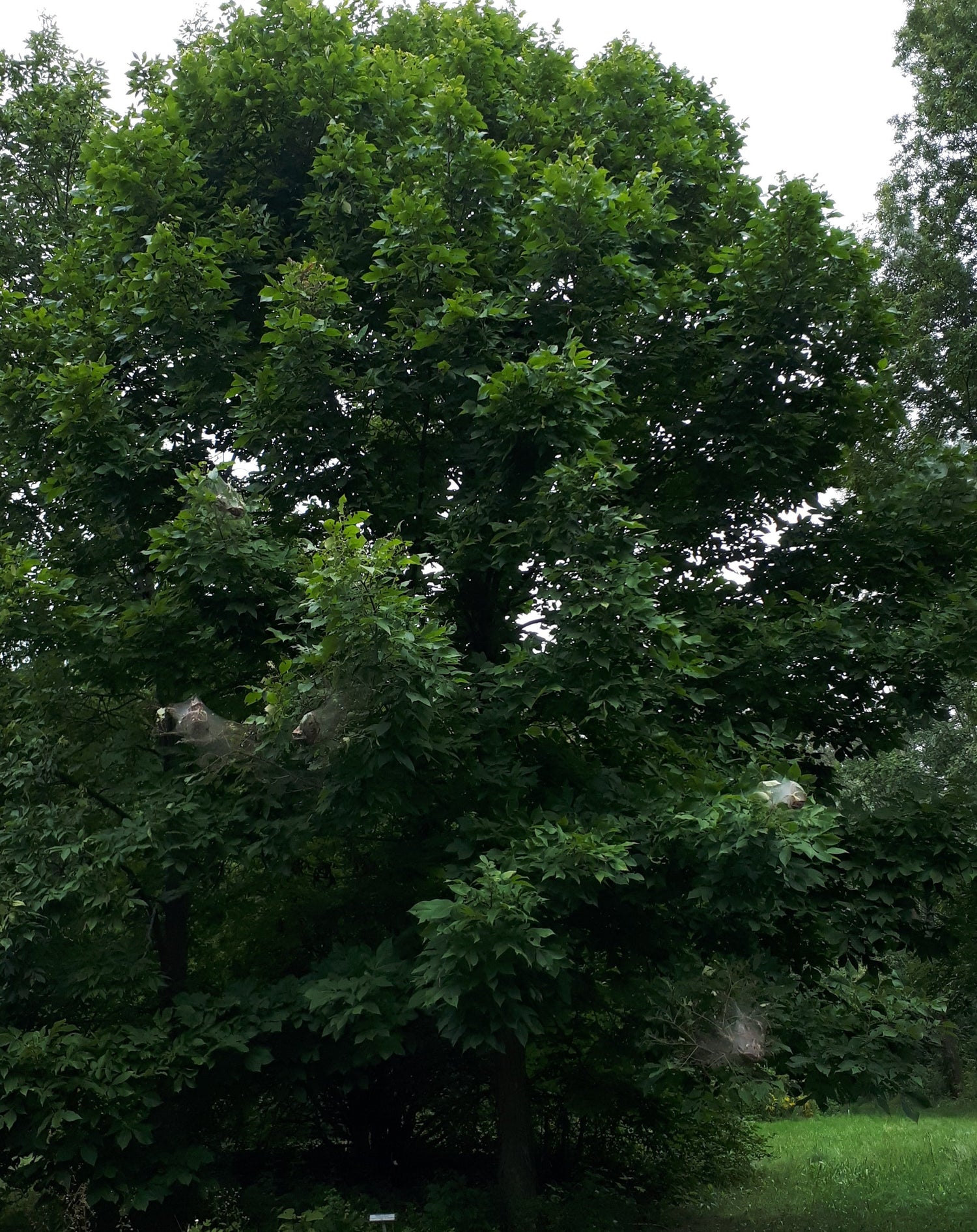
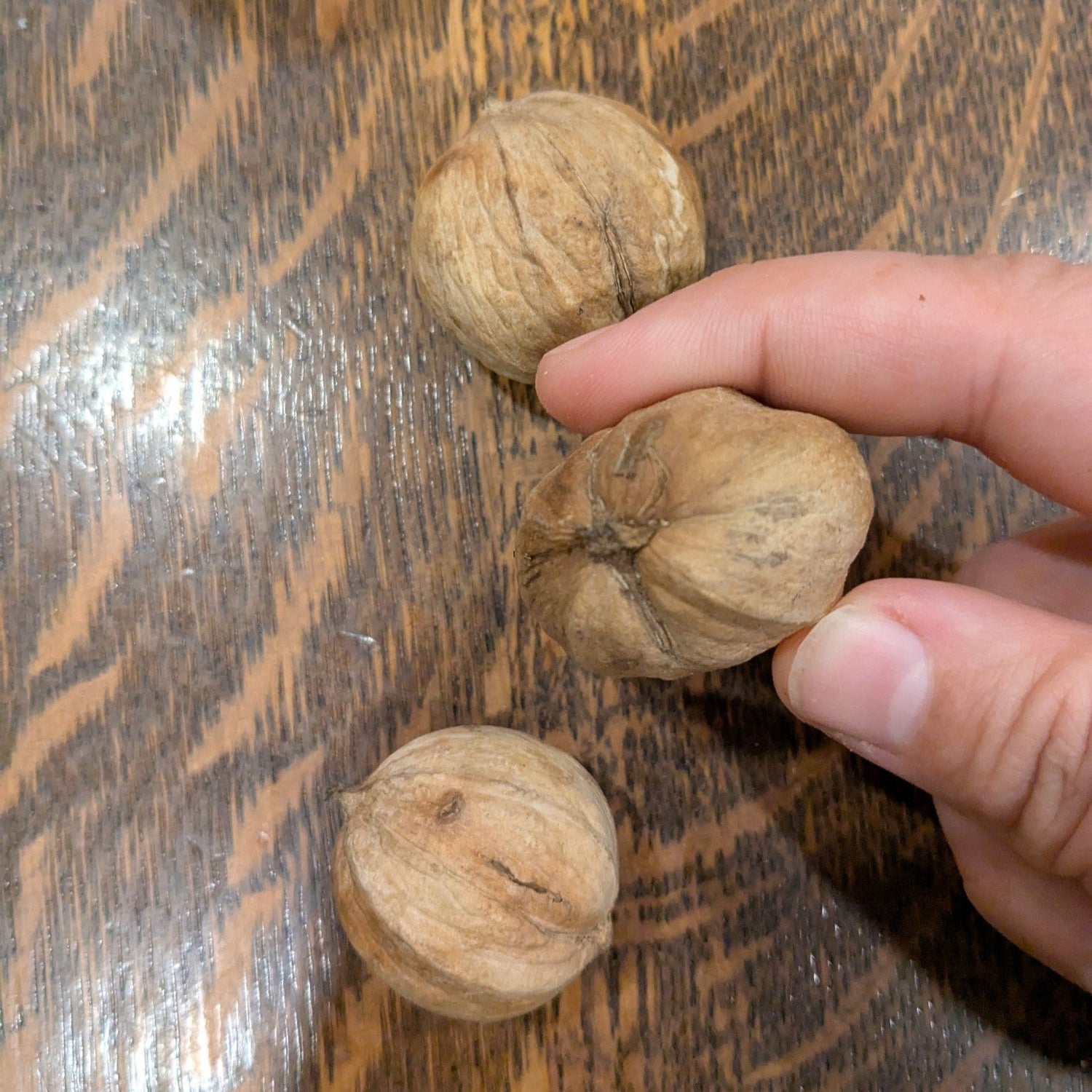
Species: Carya laciniosa or hybrid of C. laciniosa and C. ovata
History: Shellbark Hickory can be found naturally growing in scattered pockets of southern Ontario and parts of the northern and central United States. It is relatively uncommon in its native range due to its poor seed dispersal and human activity has made the tree even more rare. A wide variety of wildlife feeds on the nuts, the largest among the hickories, and there are some plantations although it is not commonly grown commercially as the nuts are quite difficult to crack. The wood, which is hard and strong yet flexible, is used to make furniture and tool handles while the inner bark has been used by indigenous peoples to make items such as baskets and snowshoes. Check out this blog post by one of our customers to learn more cool history about these trees.
Why We Grow It: Although difficult to crack, it is worth the effort to access the sweet nuts which are great eaten raw or baked into pies like pecans. The tree itself is quite attractive with unique bark that looks like it is flaking or peeling in strips once the tree matures.
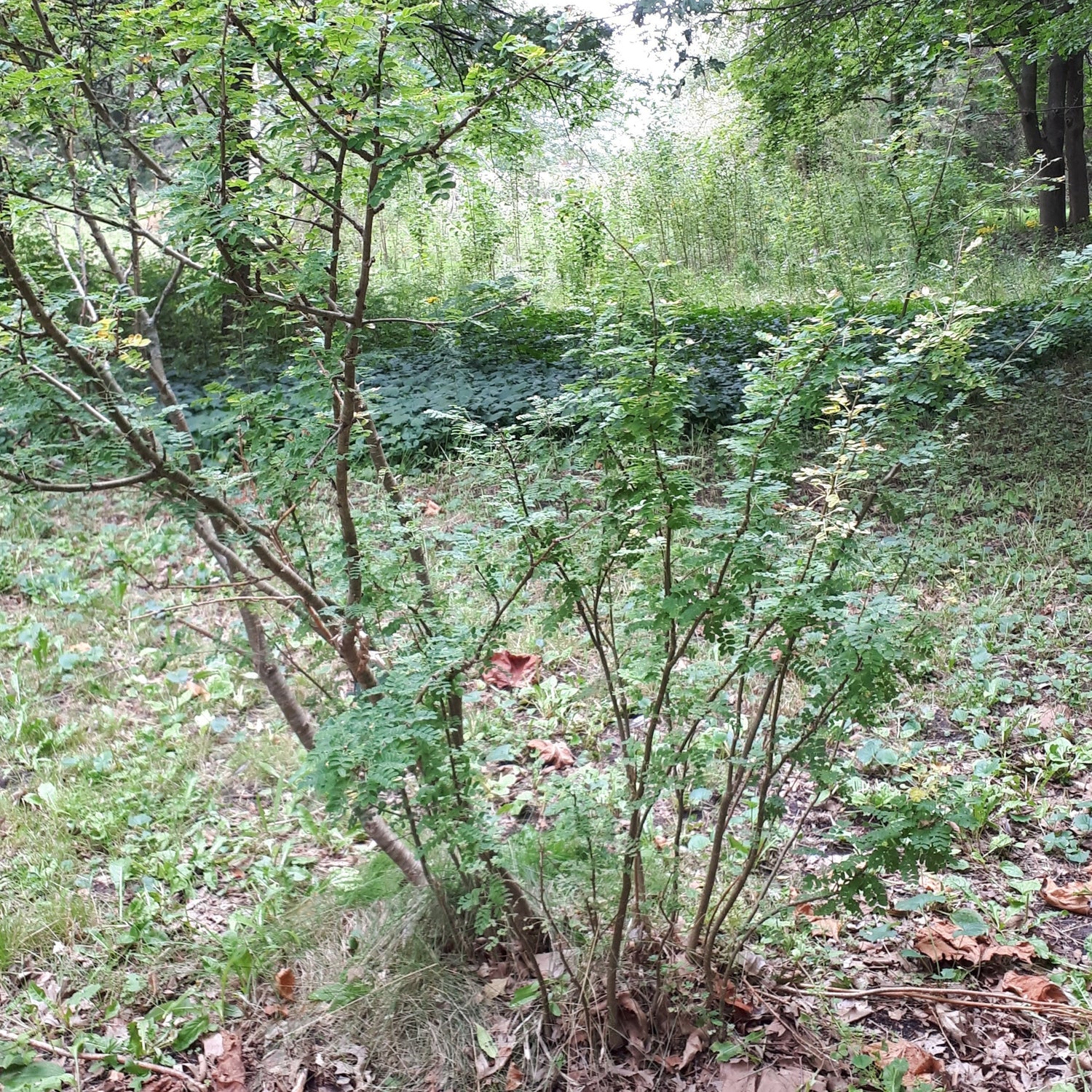
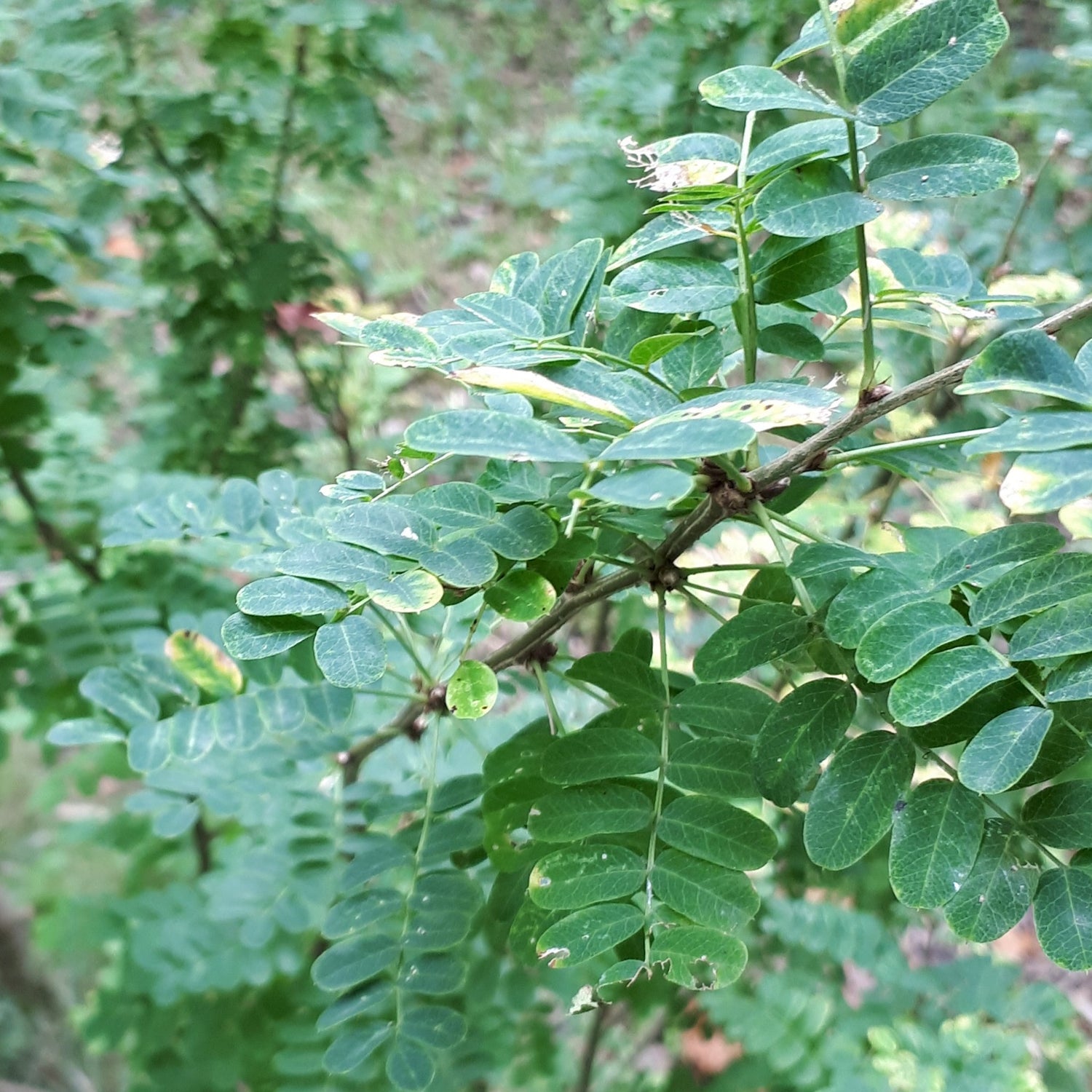
Species: Caragana arborescens
History: As the name implies, Siberian pea shrubs are native to Siberia but also parts of China, Mongolia, and Kazakhstan. They came to the US with Eurasian immigrants who used the pods as a source of food while traveling. It has been planted ornamentally and as bonsai, and can be used as erosion control. It is also unfortunately invasive in some parts of the US.
Why We Grow It: A classic permaculture plant! Siberian pea shrubs are nitrogen fixing, very hardy, disease and drought resistant, and, above all, edible. The flowers and young pods can be eaten fresh while the older pods are cooked. The plants are also attractive to pollinators.

Species: Shepherdia argentea
History: Silver Buffaloberries are native to the southern parts of the prairies, parts of the northern US with scattered populations further south. It is an important source of food and habitat for many species including Saskatchewan's provincial bird the sharp-trailed grouse. It is traditionally used by indigenous peoples in its range as food, seasoning, medicine, dyes, and in coming-of-age ceremonies for girls.
Why We Grow It: Silver Buffaloberries are an excellent addition to native gardens, food forests, and hedgerows! They are tolerant of a wide array of conditions and are also nitrogen-fixing. These shrubs are some of the first to produce flowers each spring, making them good resource for pollinators. The berries, which are often red but may be orange or yellow, are a good source of food for birds later in the season. The edible berries are on the bitter/tart side but are much more enjoyable when made into jams, jellies, and pies! Just be mindful these shrubs are thorny and will spread over time.
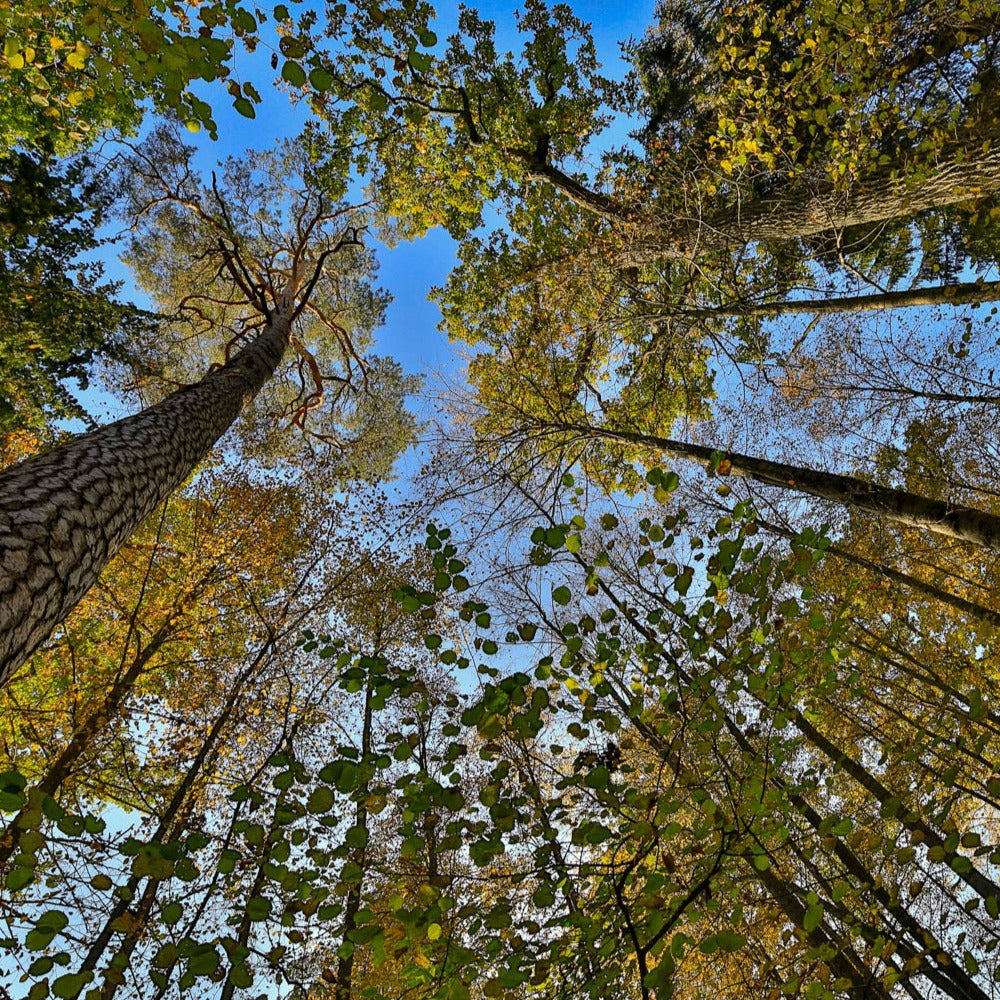
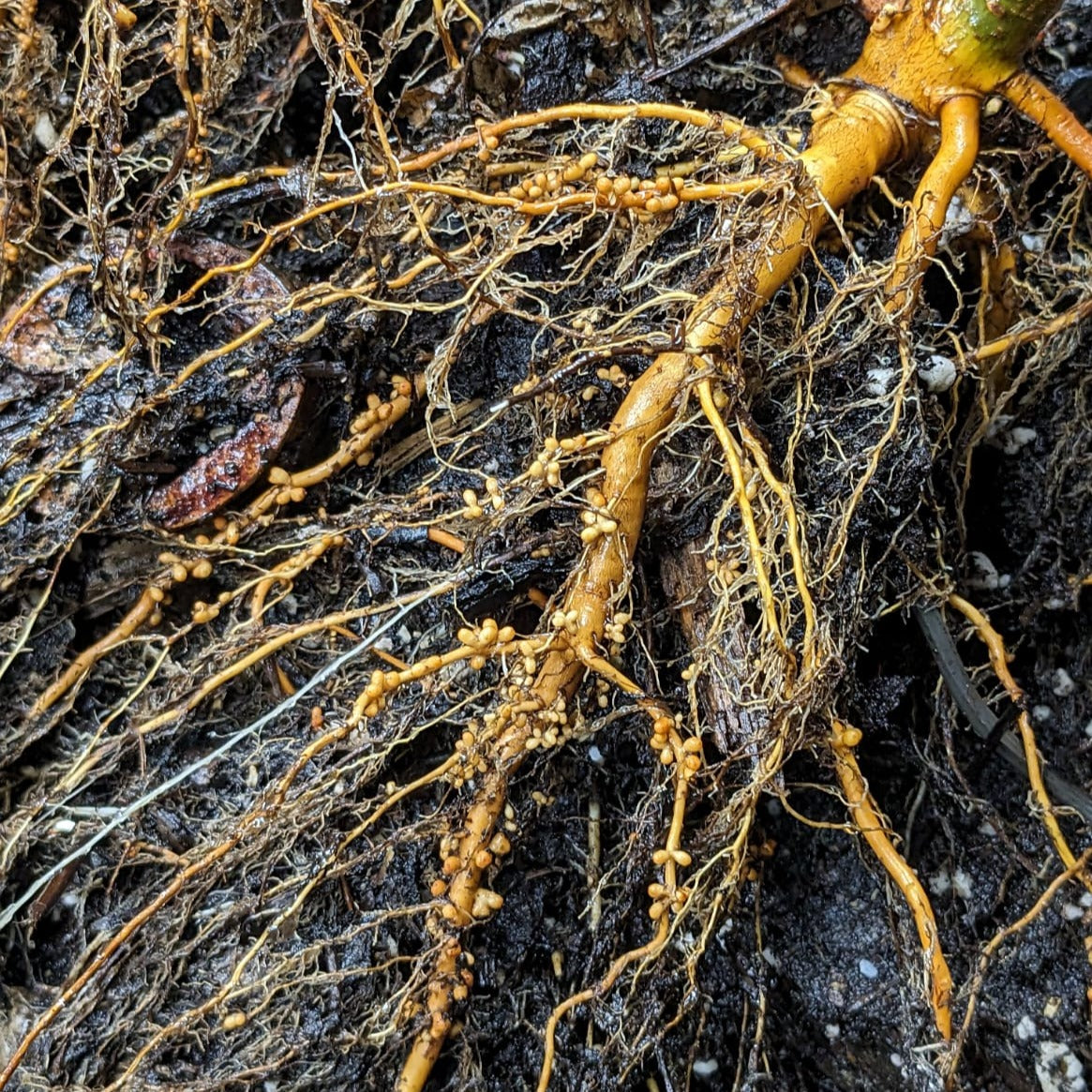
Species: Alnus incana (likely subsp. rugosa)
History: Native to large portions of the Northern Hemisphere including parts of North America, Europe, and Asia, this widespread tree is often divided into six subspecies. We likely offer Alnus incana subsp. rugosa but with seedlings it is hard to say for sure. Indigenous people have used these trees for medicine and dyes, and they can also be used for erosion control. This subspecies in general is unique for its cold hardiness and ability to fix nitrogen, making it a useful companion plant in permaculture settings.
Why We Grow It: Named for the white lenticels that dot the reddish-gray bark, Speckled Alders can make a useful addition to a permaculture with their ability to fix nitrogen. However, keep an eye on this tree as it tends to spread via suckering (sending up new shoots) and layering (branches rooting into the ground) and can form dense thickets.

Species: Lindera benzoin
History: Spicebush is native to eastern North America, although in Canada it can only be found in Ontario. It has been used medicinally by several indigenous peoples and early land surveyors used it to find good agricultural land due to its propensity to grow in good soil. It remains a popular ornamental plant along with its uses for spices and teas. Spicebush is also the only host plant for the spicebush swallowtail.
Why We Grow It: If you want to source your own spices locally, try this aromatic, native shrub! The leaves and berries can be used as substitutes for cinnamon, nutmeg, and allspice. It is attractive to butterflies and the early bloom time means it is a good source of pollen in the spring. The shrub is also quite pretty in autumn when its leaves turn a bright yellow.

SPECIAL PRODUCT:
This year we have extra Pawpaw seeds that are already sprouted!! Take advantage and plant your own pawpaw's this spring!
Only available until 4:30pm today (May 14th)! All remaining seed orders will be shipped out on Monday, May 18th. Orders may ship separately from other plant orders if you have more than one order. If picking up, we recommend planning your pickup appointment ASAP after receiving your notification that your seeds are ready.
Species: Asimina triloba
History: Native to southern Ontario where it is considered a vulnerable species and the central United States, it is believed the range of these trees has shrunk with the extinction of megafauna that likely dispersed the seeds. These oddly tropical fruits have been cultivated by indigenous peoples and European colonizers alike, it is rumoured chilled pawpaw was George Washington's favourite dessert and Thomas Jefferson planted some at Monticello. Although popular among locals and with foragers, pawpaws have failed to achieve any kind of commercial success due to their poor keeping ability and oft difficult pollination.
Why We Grow It: The Pawpaw produces very unique fruit that has a distinct tropical banana/mango flavour and custard-like texture. As it oxidizes fairly quickly once cut open, it is best eaten fresh once fully ripe or made into sauces, ice cream, etc. You can bake and cook with pawpaw like you would with bananas but please take note that some people have reported extreme tummy troubles after consuming cooked pawpaws! Pawpaws have a very slow growth habit and grow naturally as an understory tree, usually not reaching over 35 feet. We grow them from seed for increased hardiness compared to grafted stock.

Species: Quercus bicolor or hybrid. Our seeds are collected from trees that may have been cross-pollinated by closely related species so the resulting seedlings may be hybrids.
History: Swamp White Oak is native to parts of southern Ontario and a few places in Quebec and down into the US. It is an important food source of many animals. Traditionally, the acorns are used by indigenous peoples as a source of food and the bark is used as medicine. The hard, durable wood is used for a variety of purposes including furniture, flooring, boats, and barrels. It is also used for landscaping with some trees planted at the 9/11 Memorial Site.
Why We Grow It: Swamp White Oaks are great trees whether you are looking for a native tree to feed wildlife or a stately addition to your landscape. These trees are easy to transplant and are tolerant of many soil conditions so long as the area is moist. The acorns are a great food source for many species and can also be processed for use in cooking and baking.
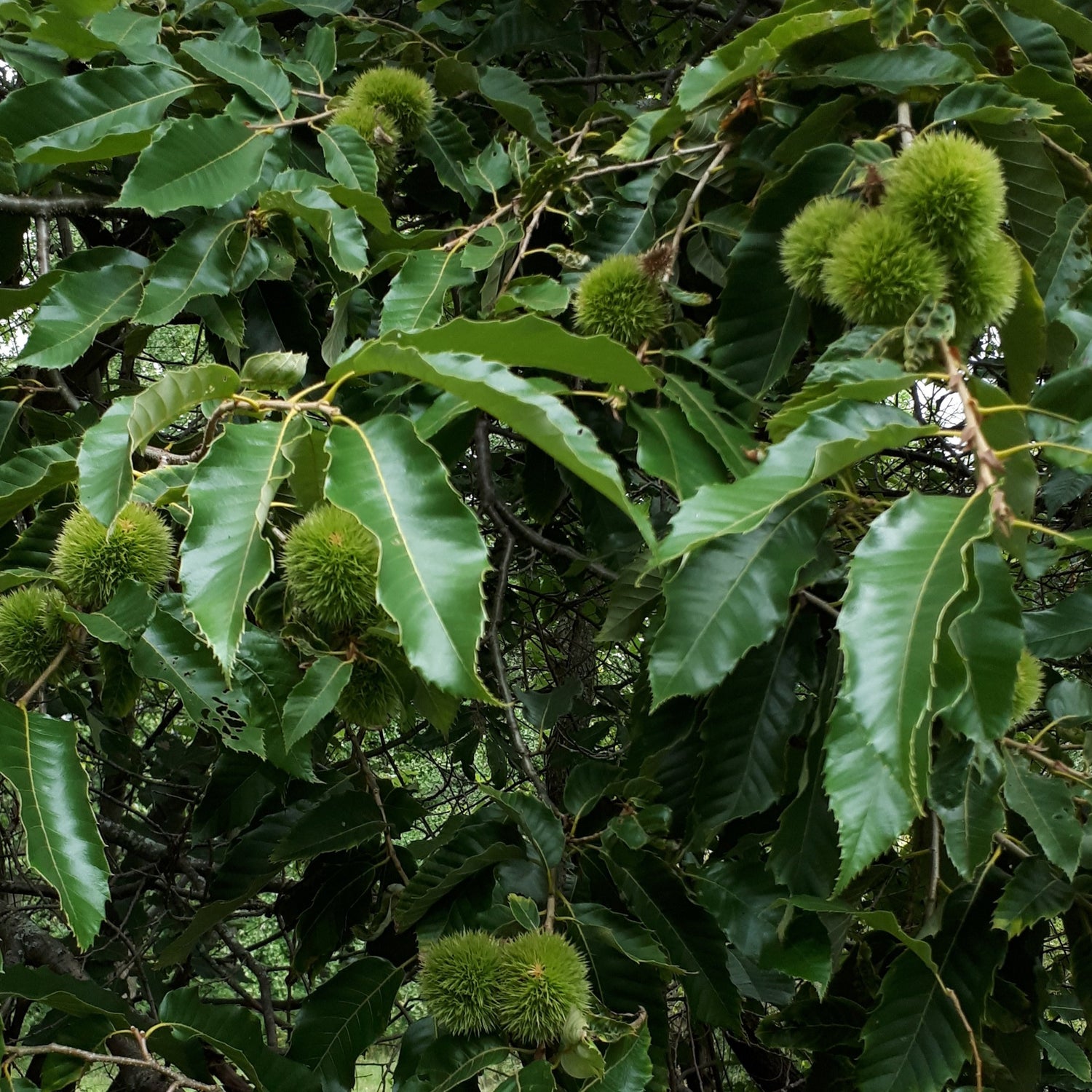
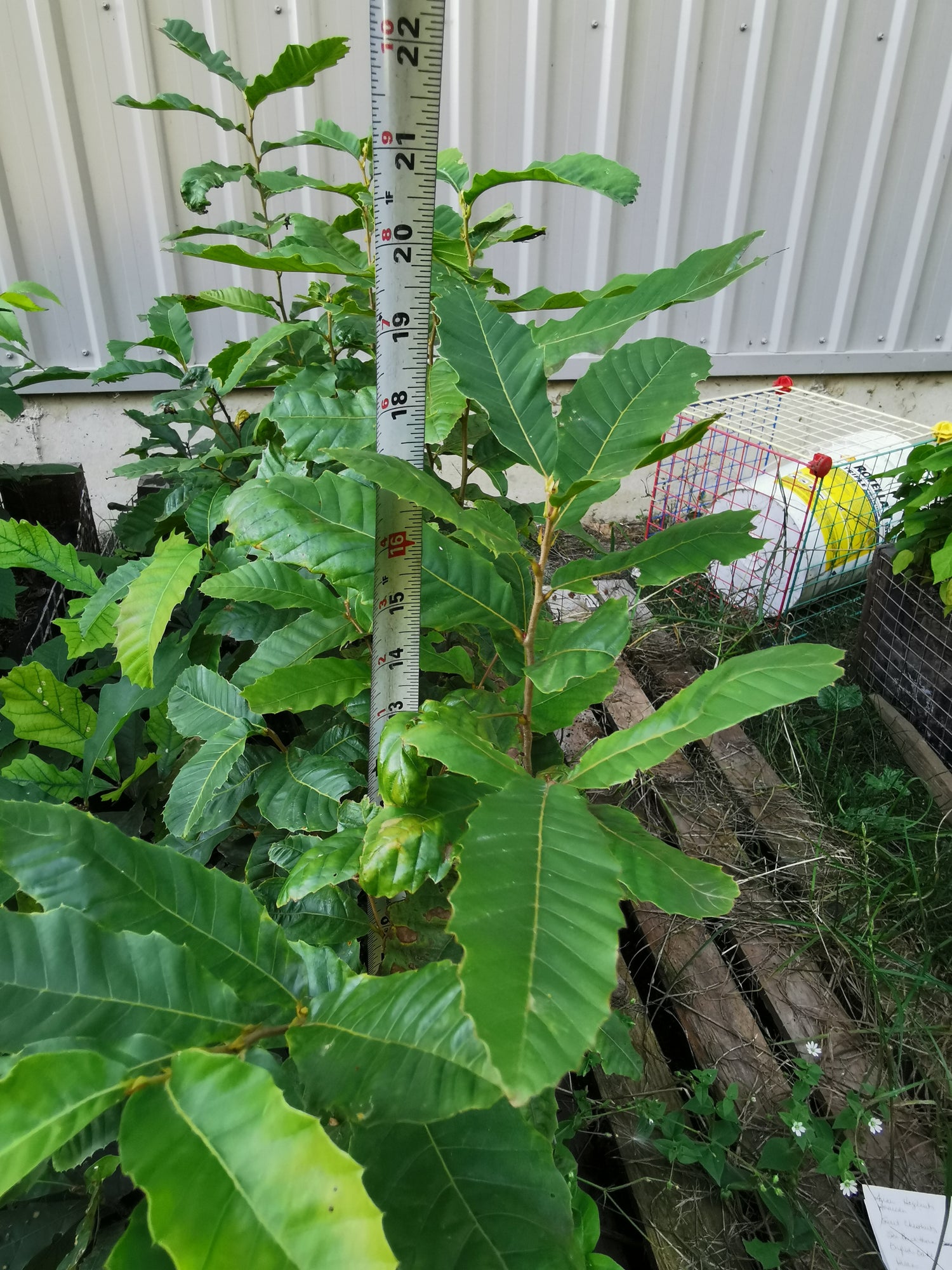
Species: Castanea dentata x mollissima
History: These seedlings are a cross between Chinese chestnuts and American chestnuts grown from seed from Grimo Nut Nursery. As a hybrid of Chinese and American chestnuts, these seedlings have blight resistance along with good cold hardiness.
Why We Grow It: This tree has incredible potential as a truly sustainable food source for humans. High in vitamins and starch, the nuts can be used to make a flour food staple, or pressed for oil to be made into bio fuel. For more inspiration and ideas in growing sweet chestnuts as a crop, we recommend the book Restoration Agriculture: Real-World Permaculture for Farmers by Mark Shepard.

Special Note: We take special care to grade out (remove) any of these seedlings that are showing visible thorns when we dig them in the fall. This increases the likelihood (although we cannot make any guarantees) that you will not have thorns develop on your Thornless Honey Locust Seedling. If you don't mind thorns on your Honey Locust, the ones we grade out are available here at a lower pricepoint.
Species: Gleditsia triacanthos
History: Thanks to its ability to tolerate a host of adverse conditions that would hinder or kill other trees, Honey Locusts have been cultivated for us as ornamental, urban trees. As a result, several thornless varieties have been developed including the mother tree for these seedlings.
Why We Grow It: Honey Locust has many benefits for permaculture and now growers do not need to worry about popping tires with thorns thanks to these thornless trees - though they are seedling so some may develop thorns though most will not; these can be top grafted with a thornless type if needed. Reaching 30 meters tall, this native nitrogen fixing tree benefits many including bees, wildlife, and even humans: we can use the sweet (honey flavoured) pulp inside their pods in baking, tea or for brewing beer. The durable, rot-resistant wood has a variety of uses.


Species: Liriodendron tulipfera
History: Tulip Trees are native to southern Ontario and the eastern United States. The wood of these trees has been used by indigenous peoples to make dugout canoes and to make furniture and cabinets. It is the state tree of Kentucky, Tennessee, and Indiana and George Washington planted some at his home at Mount Vernon in 1758 which are still standing today.
Why We Grow It: These fast growing trees are all around rather wonderful. Their oddly shaped leaves resemble a cartoonish cat head and in the spring and summer the trees bloom with greenish-yellow and orange tulip-like flowers. The flowers and later the seeds they produce are excellent sources of food for various animals.
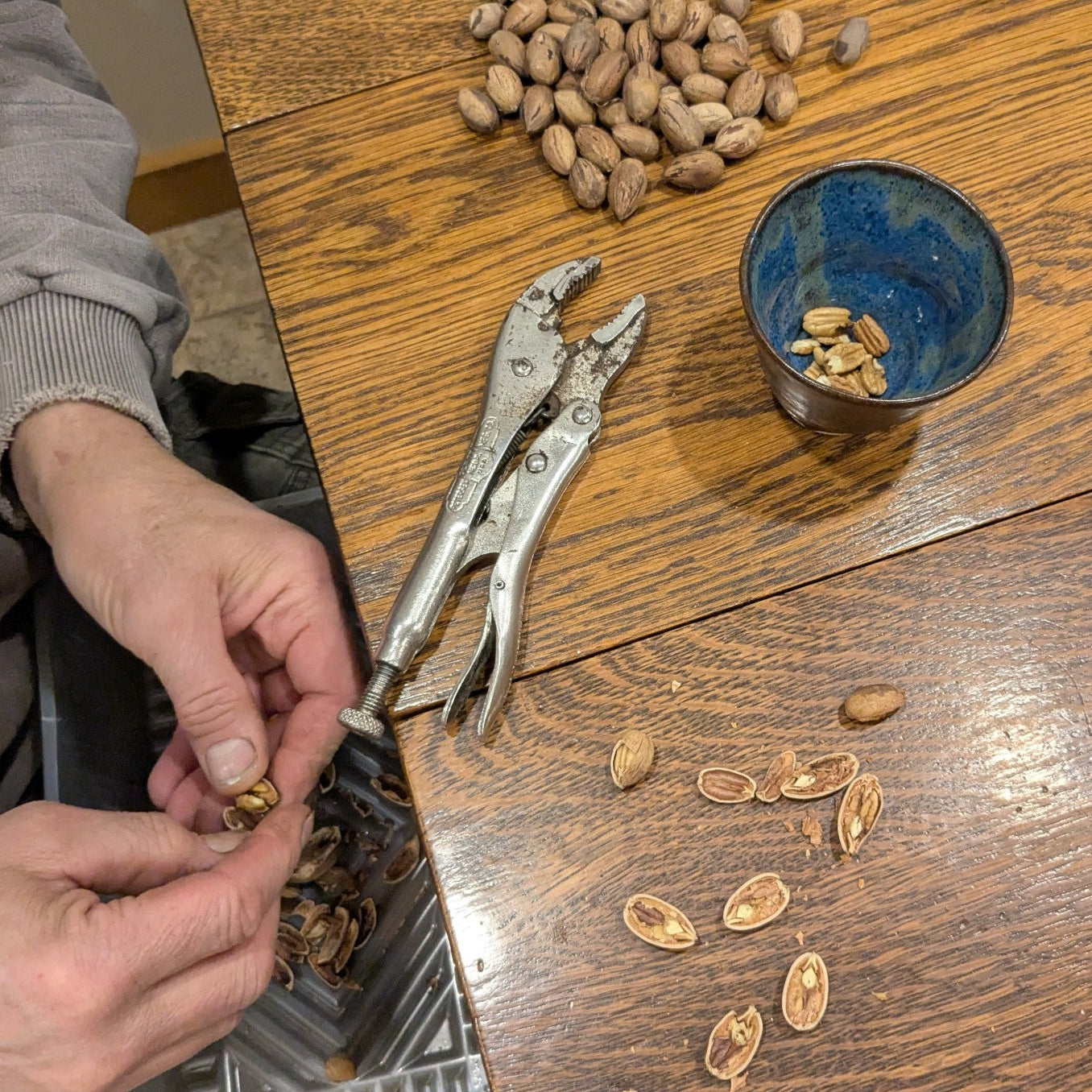
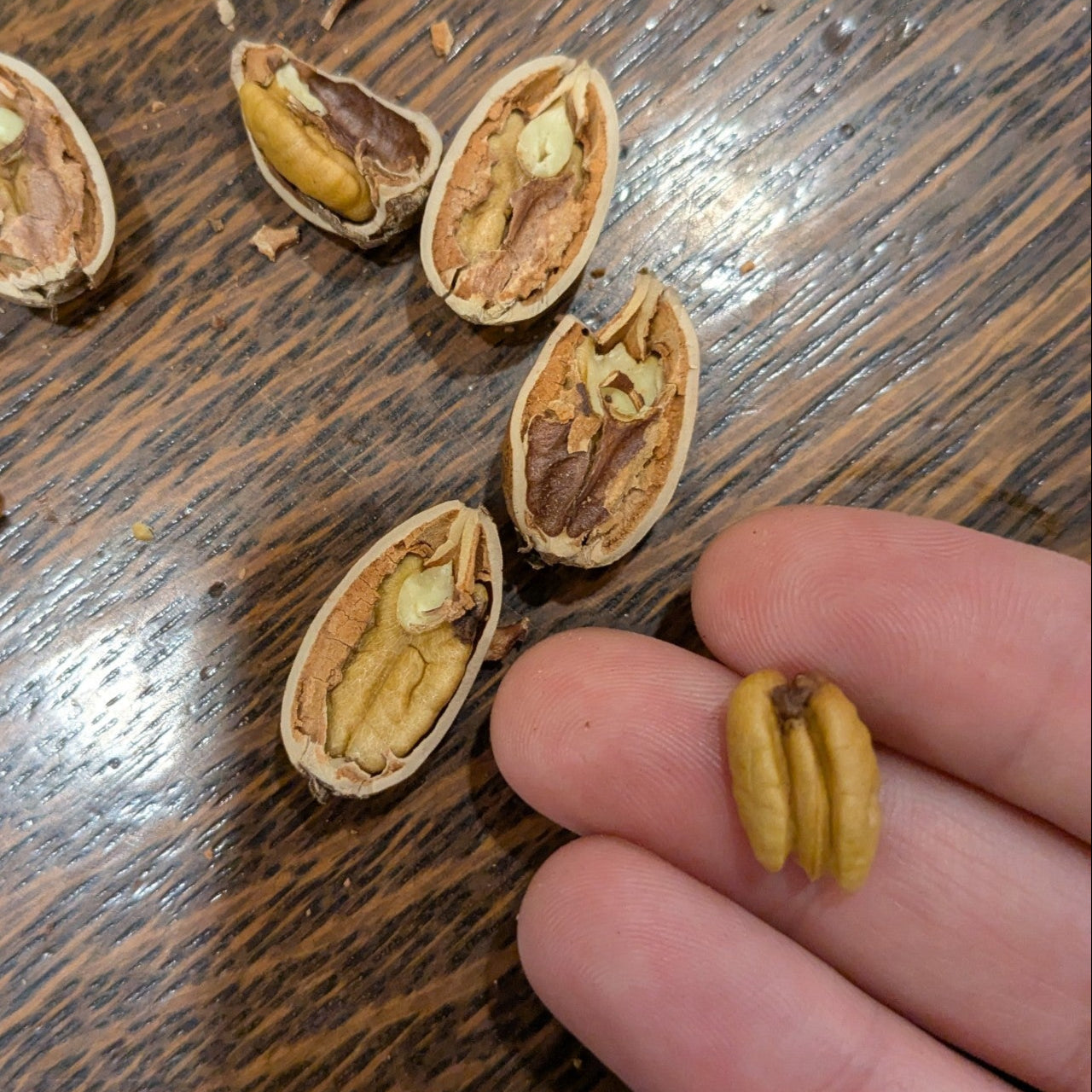
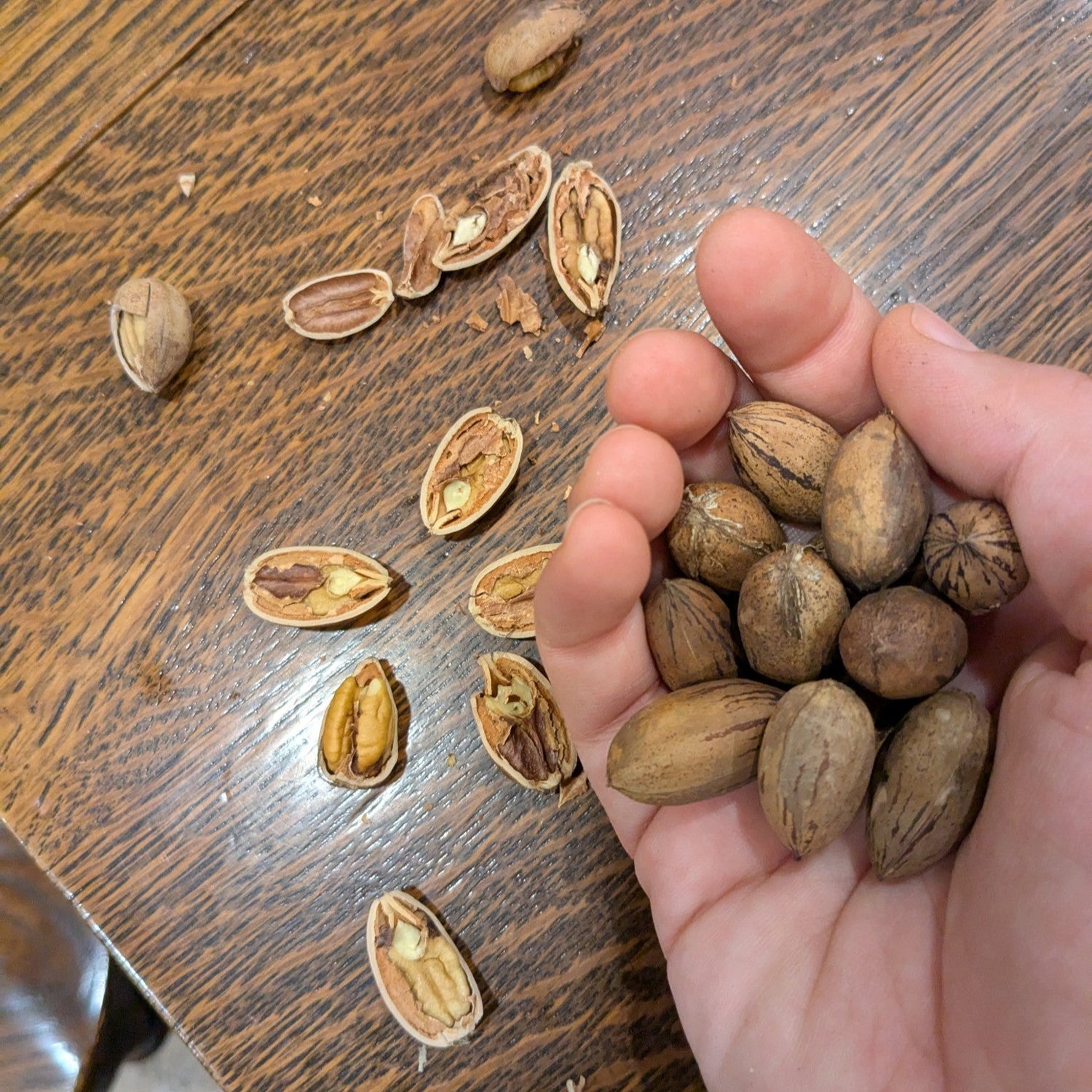
Species: Carya illinoinensis or hybrid. Our seeds are collected from trees that may have been cross-pollinated by closely related species so the resulting seedlings may be hybrids.
History: Pecan enthusiasts John Gordon and Gary Fernald, determined to get pecans to ripen regularly in Ontario, collected nuts and and grafting material from the earliest ripening pecan trees along the northern edge of their range in Iowa and Missouri. These were grown and tested at Grimo Nut Nursery and the best were chosen to form the Ultra Northern pecan strain.
Why We Grow It: Considering the amount of hard work that went into bringing these trees to Ontario, it's hard to turn down the ability to have a pecan tree in your own backyard. Like a regular pecan, the nuts can be used in a variety of ways for cooking and baking, such as the persimmon and pecan cookies Steph made (see pictures)!

Species: Corylus avellana
History: Wepster was created by the Oregon State University hazelnut breeding program with the goal of creating a good variety for the blanched hazelnut market. It was initially bred by Shawn Mehlenbacher and David Smith in 1997. Despite its small nut size, Wepster was selected for its resistance to Eastern Filbert Blight, excellent quality, high productivity, reliable cropping, and fast growth. It was eventually released by the Oregon Agricultural Experiment Station in 2013. The variety was named Wepster in honour of the Wepster family who were quite active in the Oregon hazelnut industry and made important contributions to the breeding program.
Why We Grow It: Wepster boasts many excellent traits including high productivity and reliability, disease resistance, and great kernel quality. Developed for the baking and chocolate industry, it is a great choice for those who love using hazelnuts in the kitchen.
Species: Carya ovata or hybrid. Our seeds are collected from trees that may have been cross-pollinated by closely related species so the resulting seedlings may be hybrids.
History: These are seedlings of Weschke Shagbark Hickories, a variety that was discovered in Iowa by Carl Weschke and named in 1926. It was selected for its excellent flavour.
Why We Grow It: While these seedlings will vary from their parents, the goal is that the excellent qualities of Weschke Shagbark Hickories will be passed along to its offspring! Weshcke Shagbark Hickories are known for having excellent flavour and thin shells that are easier for cracking. For more fascinating nut lore, enjoy this ebook.

Species: Corylus avellana
History: Yamhill was created by the Oregon State University hazelnut breeding program which released it in 2008. It was initially bred by Shawn Mehlenbacher and David Smith in 1990. Despite its small nut size, Yamhill was selected for its resistance to Eastern Filbert Blight, good quality, and high productivity. The variety was named Yamhill after Yamhill County in Oregon where a lot of hazelnut production takes place.
Why We Grow It: Yamhill is a disease-resistant variety that boasts a small but good quality nut that is great for baking (including making chocolate!). The tree is quite productive and also tends to have a more compact growth habit, making it a good option for those with limited space.