seedling qty discount
48 products
Sort by:
48 products
48 products
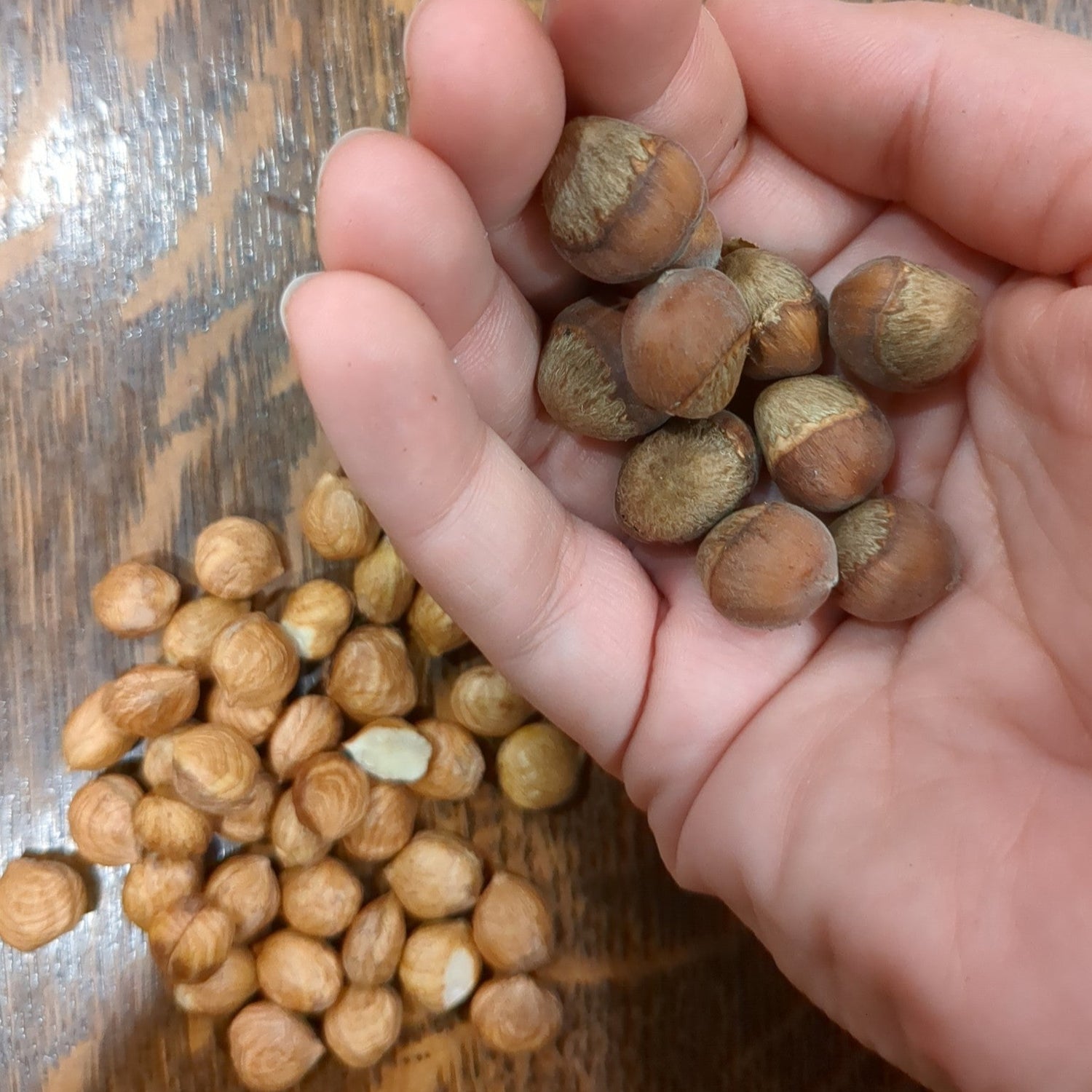
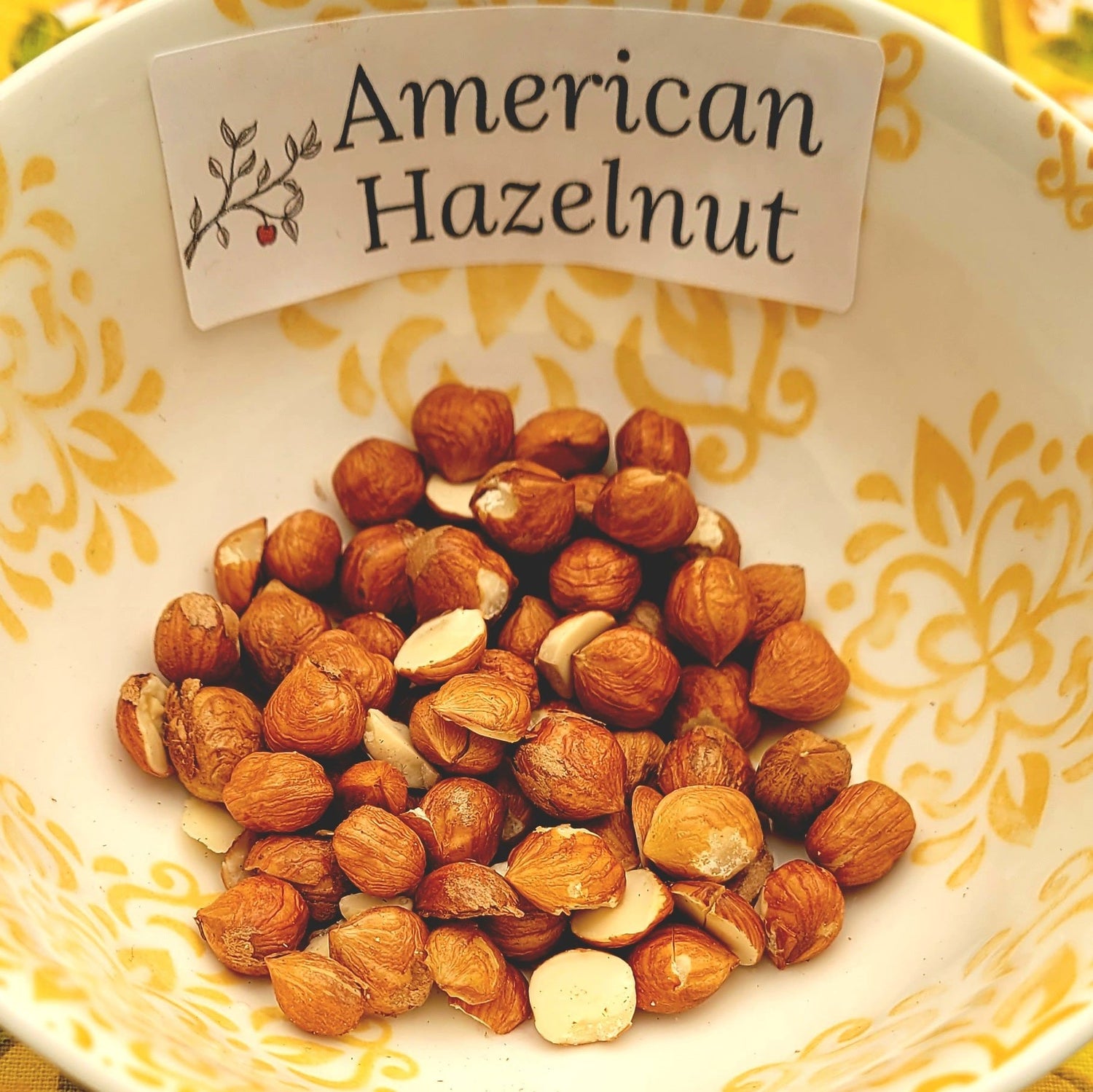
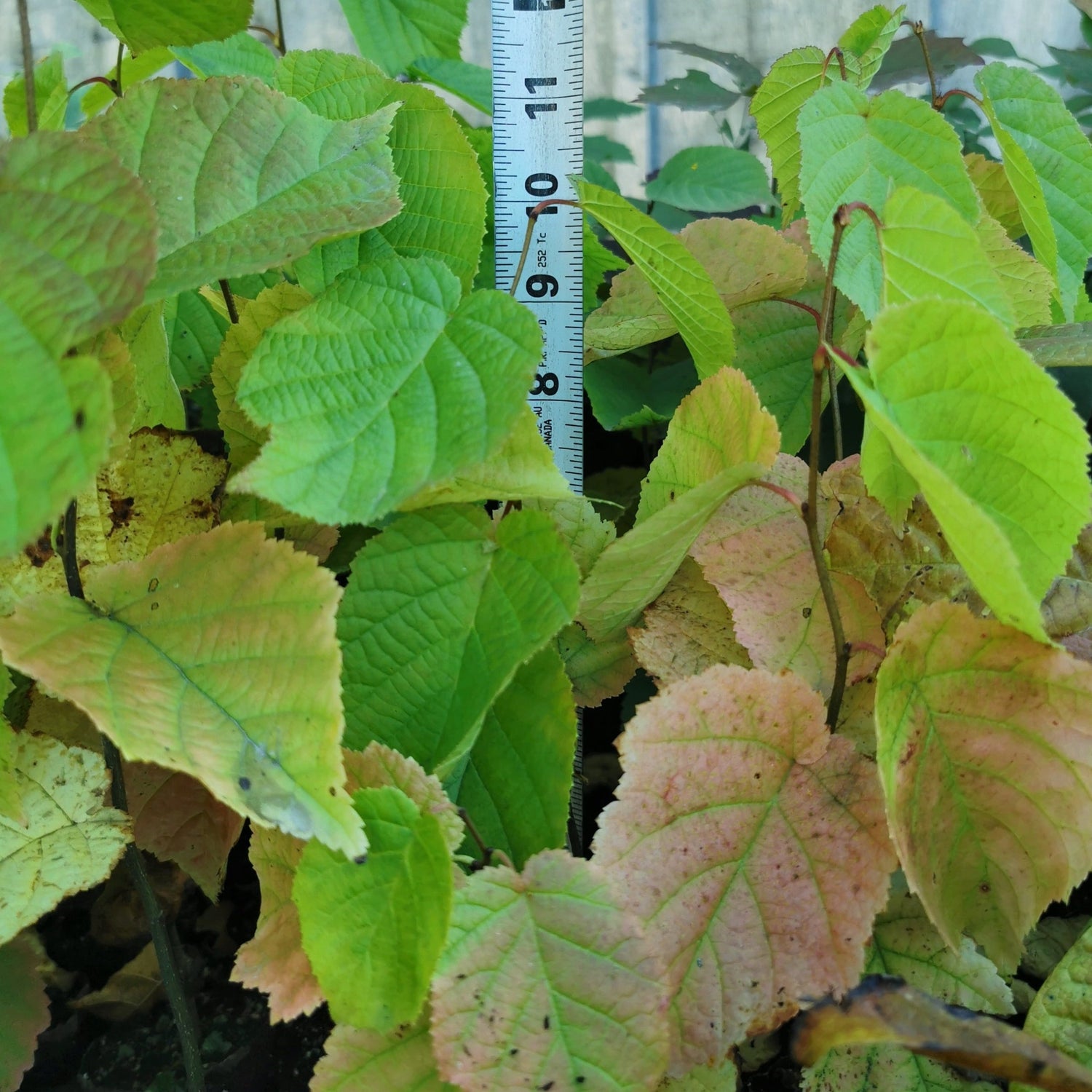
Species: Corylus americana
History: American hazelnuts are native to eastern and central Canada and the US. The nuts are an important food source to many animals and as such the shrubs are most often cultivated for planting in native and wildlife gardens. Indigenous peoples also use the shrub for medicinal purposes.
Why We Grow It: This thicket forming native shrub produces nutritious hazelnuts and fodder for animals. It is an excellent species to incorporate into a pasture/grazing system.


Species: Diospyros virginiana
History: Native to the southeastern and central areas of the United States, American Persimmon has had a long history of cultivation. The word 'persimmon' is an Anglicized version of the words 'putchamin,' 'pasiminan,' or 'pessamin,' which all mean 'dried fruit' in various Algonquin dialects, reflecting the fruits' usage. It is also common in southern states to trick the unwary into eating the unripe fruit which has an incredibly astringent flavour. Other historical uses for the American Persimmon include turning the seeds into buttons during the American Civil War and using the wood to make items such as pool cues and golf clubs.
Why We Grow It: This unique fruit tree produces a succulently sweet orange fruit that must be extremely ripe before you can eat it. Although it ripens in the summer, the fruit can withstand freezing and hang onto the tree until December. The fruit can be used to make a variety of sweet and savoury dishes and are also very popular among wildlife. Steph has found them great for baking into sweets such as tarts or the pecan and persimmon cookies pictured here!
Pictured is a cookie made with our own American persimmons and pecans!
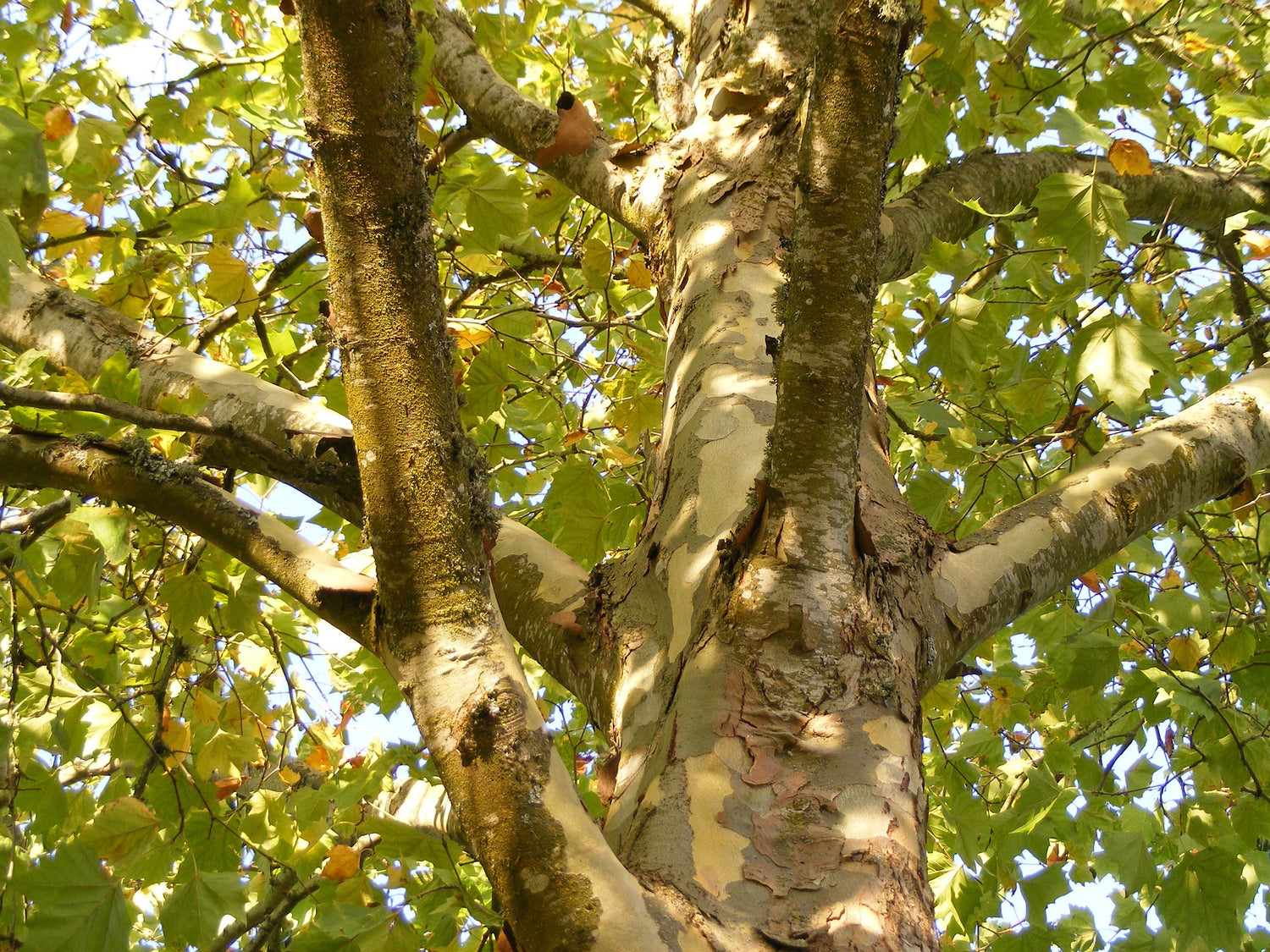
Species: Platanus occidentalis
History: American sycamores (aka American planetree, buttonwood, and water beech) are native to the United States, the most northern parts of Mexico, and the most southern parts of Canada. The bark has traditionally been used by indigenous peoples to make bowls for gathering berries and the wood has been used to make butcher blocks. The tree itself was common as a street tree but its susceptibility to anthracnose made it visually unappealing and it was replaced by the London planetree. The Buttonwood Agreement, the founding document of the New York Stock Exchange, is named for this tree because it was signed under an American sycamore in 1792.
Why We Grow It: American sycamores are an attractive tree with visually unique camo-like bark and curious brown little seed balls that hang on through the winter. They can get quite tall and are a good wildlife tree. Just be mindful that the roots are good at clogging drain pipes so be mindful where you plant it!


Species: Elaeagnus umbellata
History: Autumn Olive (aka Japanese Silverberry) is native to parts of Asia and was introduced to the US as an ornamental plant, erosion control, and wildlife habitat in the early 1800s. Its nitrogen-fixing properties and prolific seed production has caused it to become an invasive species in some parts of the US and Canada, so caution is recommended when planting it so it doesn't spread.
Why We Grow It: Despite its bad reputation, this shrub has many beneficial uses. The small red sweet/tart berries are good for fresh eating and making into jams and condiments while the nitrogen-fixing properties of the shrub make it a useful companion plant in orchards and agroforestry systems and for rebuilding the soil.

Species: Nyssa sylvatica
History: Black Gum (aka Black Tupelo) is native from southern Ontario ranging down to Texas and Florida with a few sporadic populations in Mexico. The name tupelo comes from the Creek words "ito" which means "tree" and "opilwa" which means "swamp" due to its preference for wetter habitats. The tree is a great source of nectar for bees and the small black fruits the tree produces are an important source of food for many species of birds including bluebirds, scarlet tanagers, and pileated woodpeckers. Black Gum produces a hard wood that is difficult to split, leading its use in products such as mauls, pulleys, and wheel hubs. They are quite visually appealing particularly in the fall, so have also been used as ornamental trees. These can be quite long-lived trees with the oldest known specimen being over 700 years old.
Why We Grow It: Black Gum is a lovely native tree whether you're looking for a visually striking autumn display, a great source of food for various wildlife, or nice hard wood. The trees are quite adaptable to different soil conditions and although they generally prefer wetter conditions in the wild, they can tolerate drought and dry soils.


Species: Robinia pseudoacacia
History: Native to small portion of the United States, the tree first became known to Western science in 1607 when British colonists in Jamestown used it to build houses. It was introduced to Britain in 1636 and has since been used as a landscaping tree in many countries around the world. It is unfortunately considered invasive in many places due to its intense suckering habit and ability to fix nitrogen, allowing it to thrive even in poor soils. However, its hard wood has many uses and the flowers are eaten in numerous European countries and Japan, and it is used medicinally in India.
Why We Grow It: While this tree is considered invasive to southern Ontario as it grows quickly and aggressively, we feel when it is grown with control and awareness, it can be a powerful ally for the following reasons:
- it is a great pioneer species in ecologically disturbed spaces thanks to its resilience and ability to grow and produce nitrogen
- even in poor soil it provides erosion control with its spreading, shallow root system
- it's a fast growing hardwood
- it is preferred for firewood and furniture (60x more rot resistant than cedar)
- bees appreciate it's showy blooms, which are edible and can be enjoyed in salads, jams, cooking and baking, check out Fiddlehead Nursery's locust-flower patty recipe!
- On a farm/tended space, they provide valuable shade for livestock, thicken fencerows, provide habitat for wildlife, increase soil health, and add nitrogen, etc. and are easily managed.
However it is strongly advised not to plant in untended bushland due to its quick and aggressive spread, and resilience once it is established in an area making it quite difficult to remove.
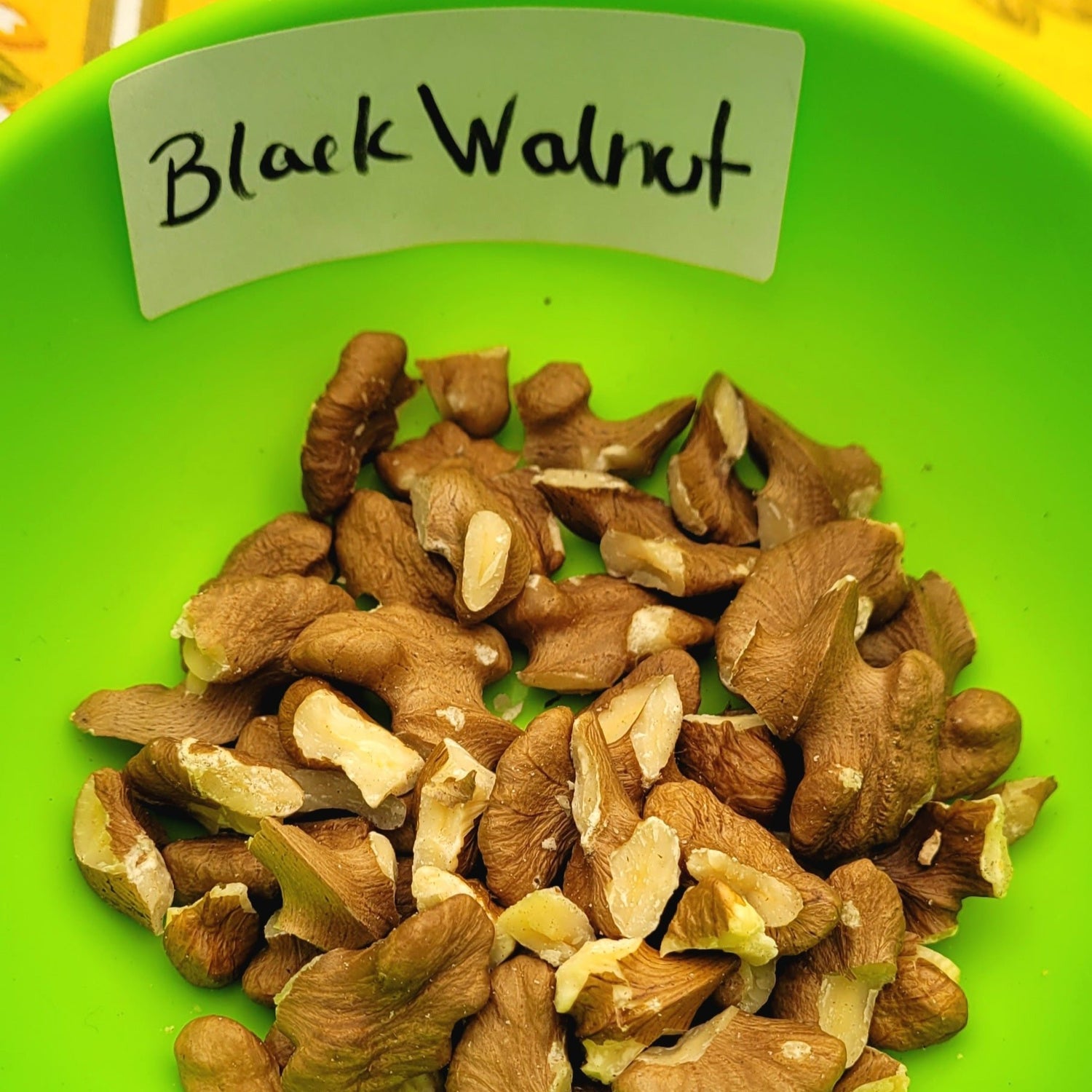
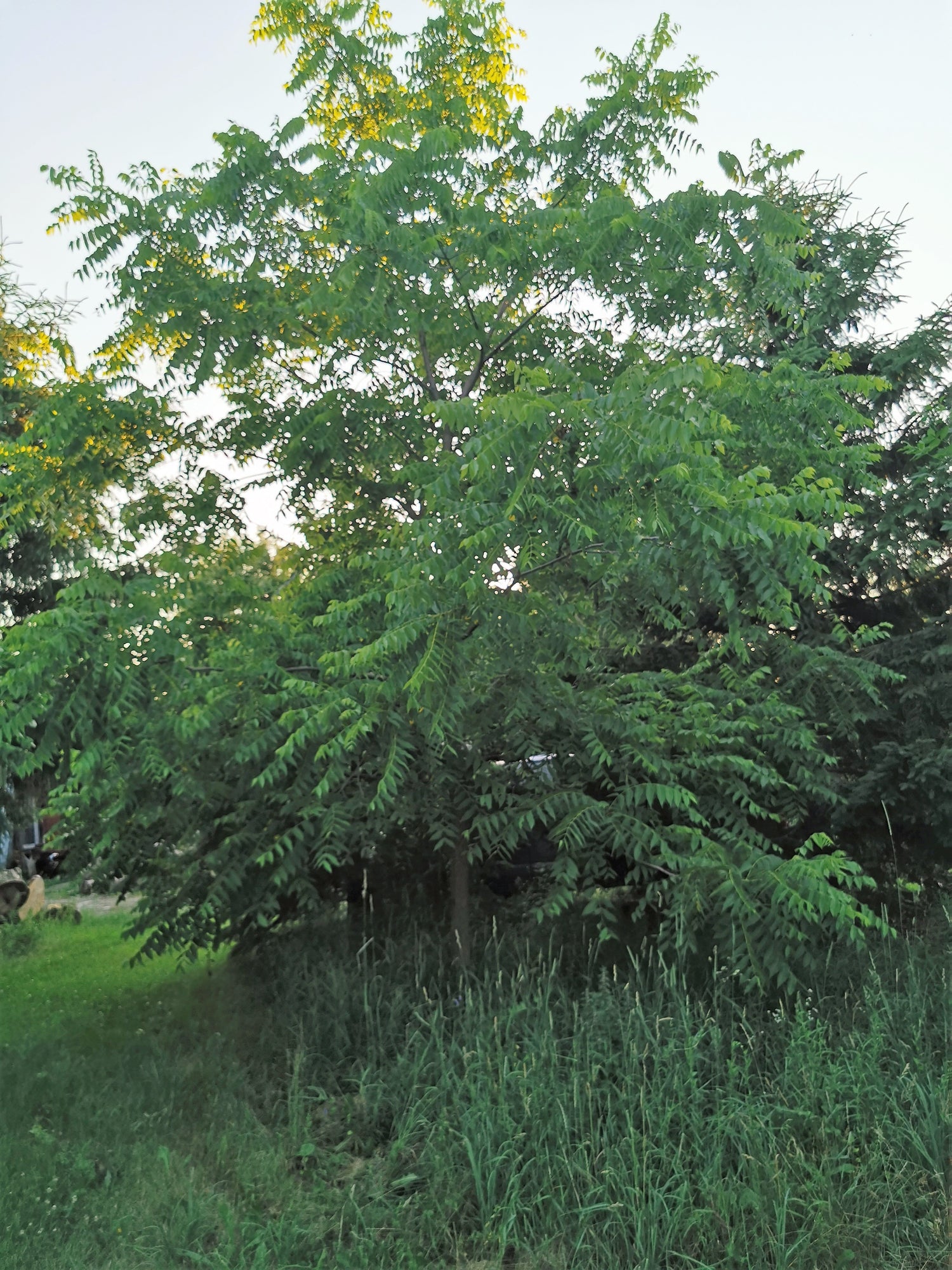
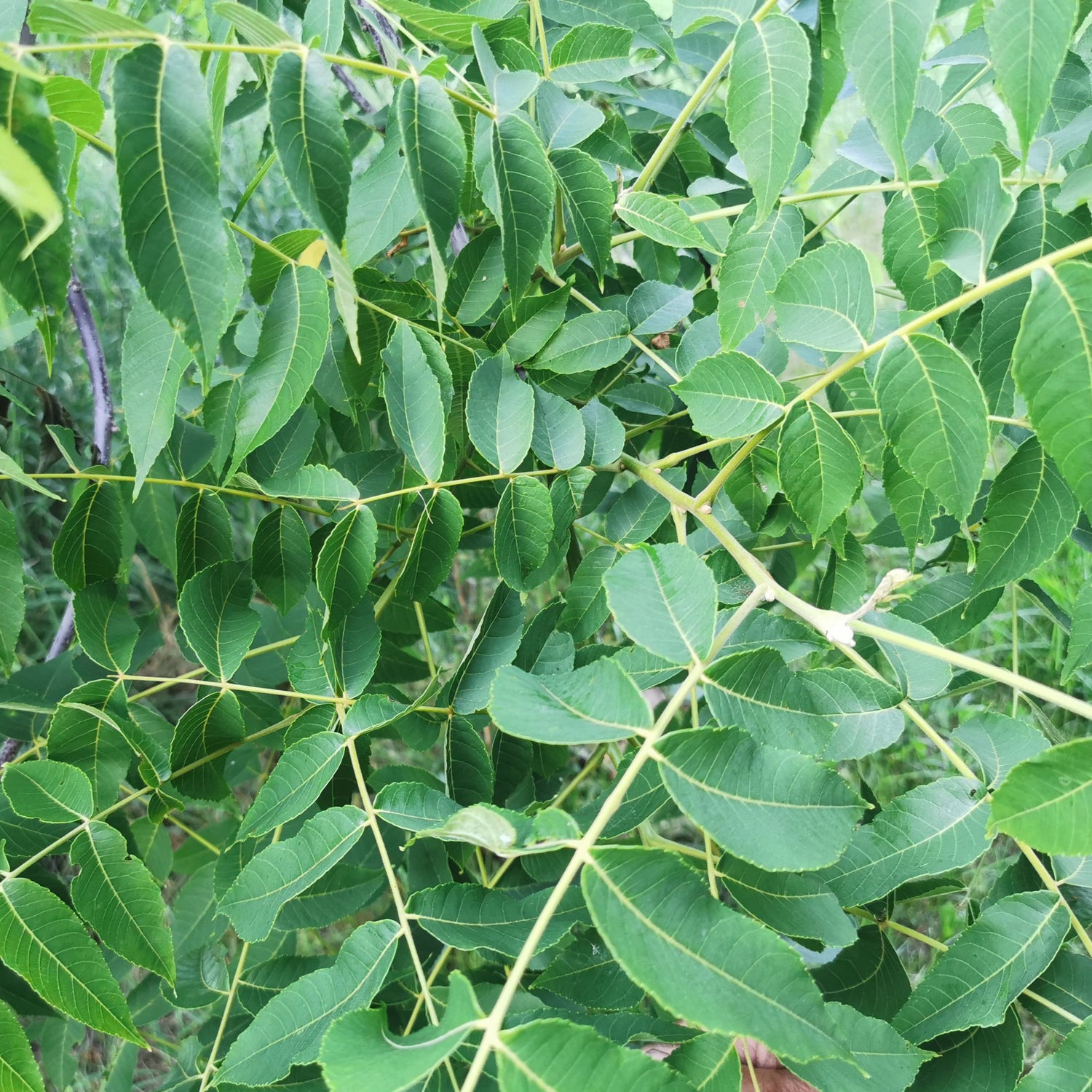
Species: Juglans nigra or hybrid. Our seeds are collected from trees that may have been cross-pollinated by closely related species so the resulting seedlings may be hybrids.
History: Native to much of the eastern and central United States and southern Ontario, Black Walnut has long been used as a source of food, dye, lovely dark wood, and as an ornamental tree. Although it is said to have a better flavour than the English walnut, the Black walnut remains less popular due to the increased difficulty of harvesting the nut meat from within the husk. Black walnut is also infamous for being allelopathic, meaning it secretes toxic chemicals (juglones) into the soil to reduce plant competition.
Why We Grow It: Black walnut is a beautiful tree that produces nuts with a stronger flavour than that of English walnuts. The sap can be boiled to make walnut syrup, which tastes very similar to maple syrup but with notes of caramel and butterscotch. Also, the husks can be used in brewing beer!
Be mindful of the juglones in the in the roots/nut husks, they are toxic to many other species. They require a buffer of about 50'/30m from the edge of the trees canopy for juglone-sensitive plants. This article from The Garden Hoe has a helpful list of plants that tolerate juglones. However there are recent (2019) studies showing healthy soil high in organic matter and mycorrhizal fungi actually reduce the toxicity of juglones suggesting many plants can grow below juglans species in a healthy ecosystem - it will be interesting to see more study done in this area!
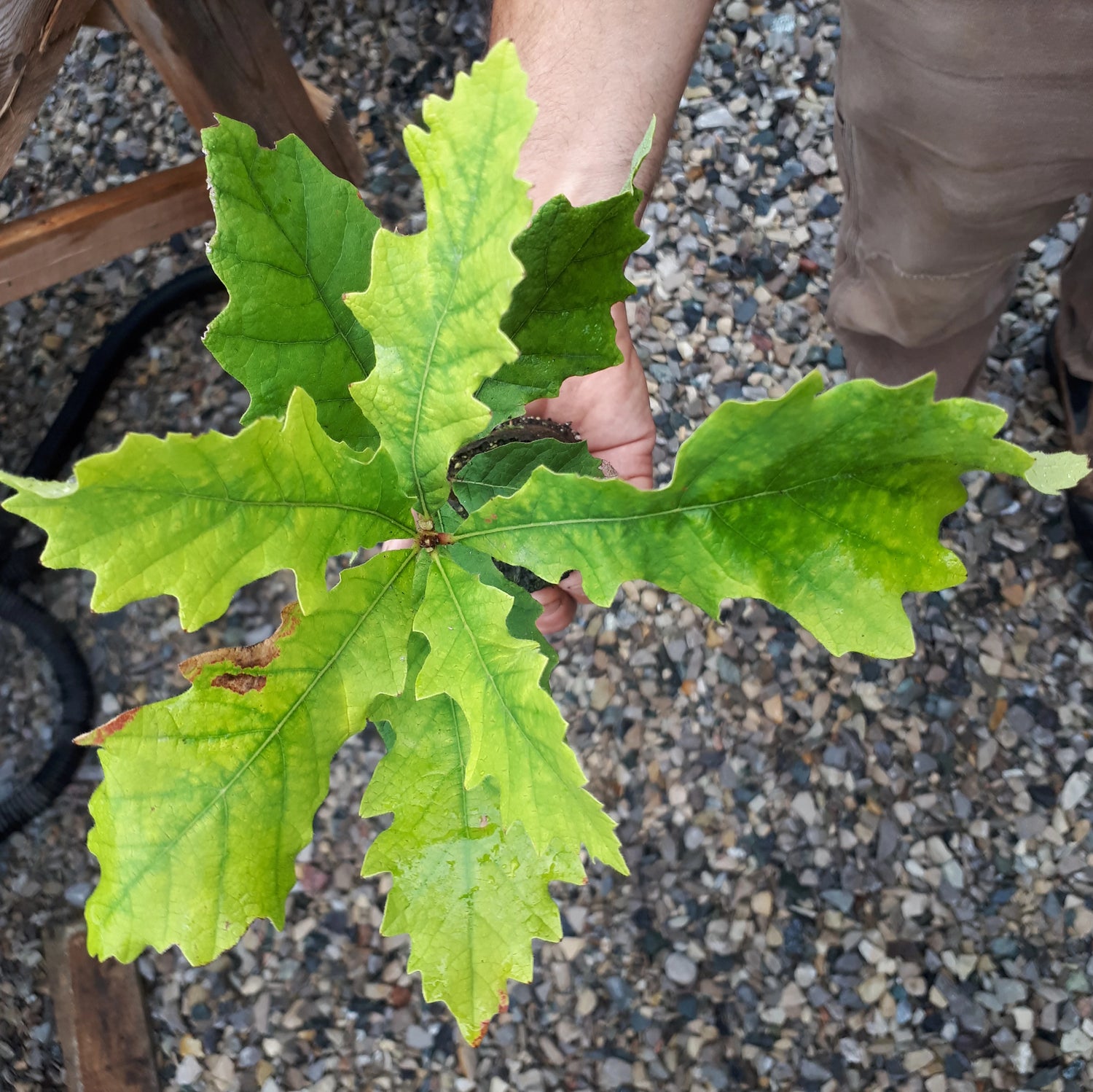
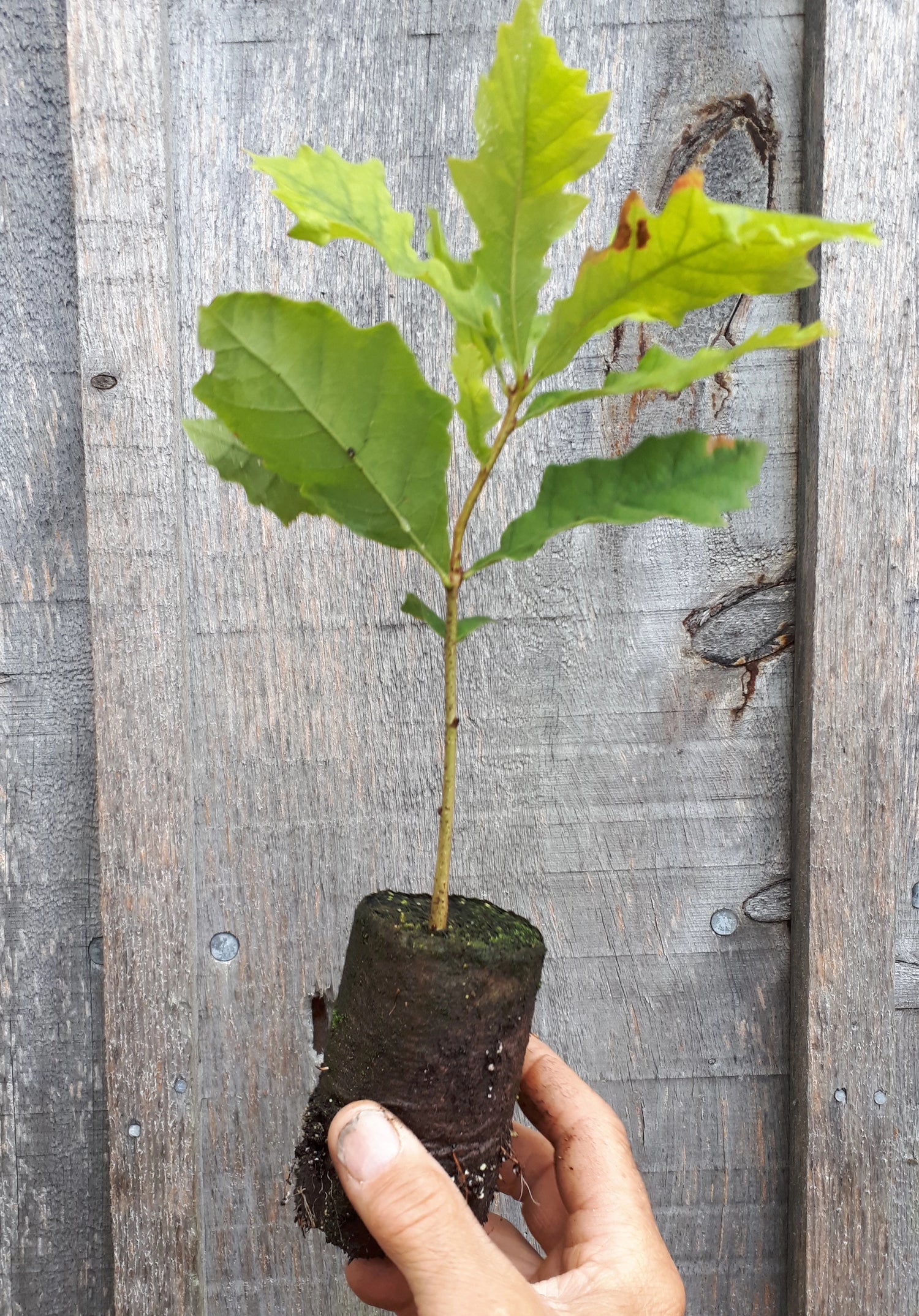
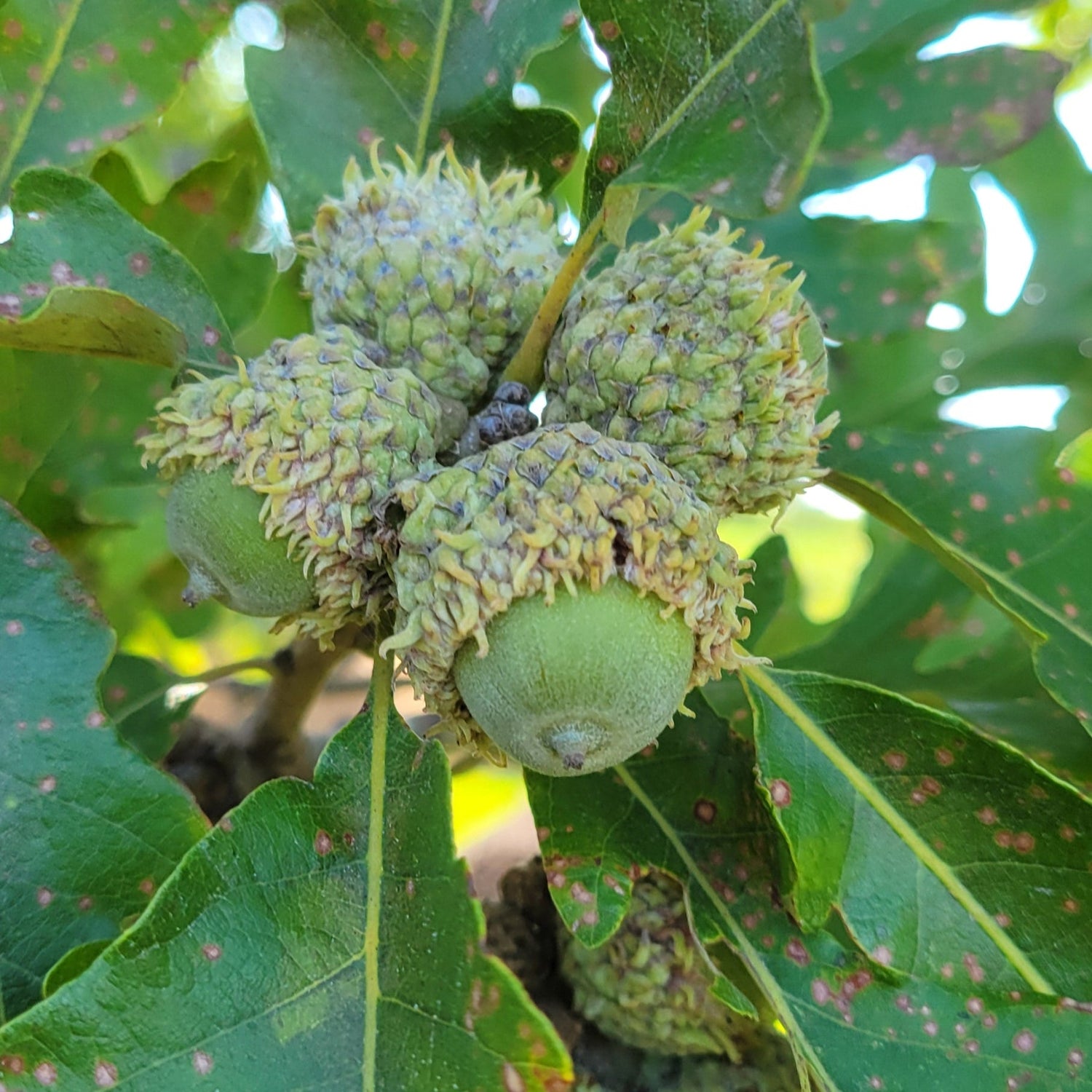
Species: Quercus macrocarpa or hybrid. Our seeds are collected from trees that may have been cross-pollinated by closely related species so the resulting seedlings may be hybrids.
History: Burr Oaks are native to much of the central United States with populations in Canada stretching from Alberta to New Brunswick. The tree has been planted ornamentally across North America and the durable wood has uses such as flooring and barrels. The acorns, the largest in North America, are a source of food for many animals and indigenous peoples use the bark medicinally. Numerous towns and a book of poetry are named after this tree.
Why We Grow It: The Burr Oak's acorns have slightly less tannins than other oaks, making it the preferred choice for eating. It still requires processing to remove tannins, but once done, the nuts can be toasted, and/or made into flour and used in baking. It is one of the largest oaks in North America, making quite the specimen when full grown.
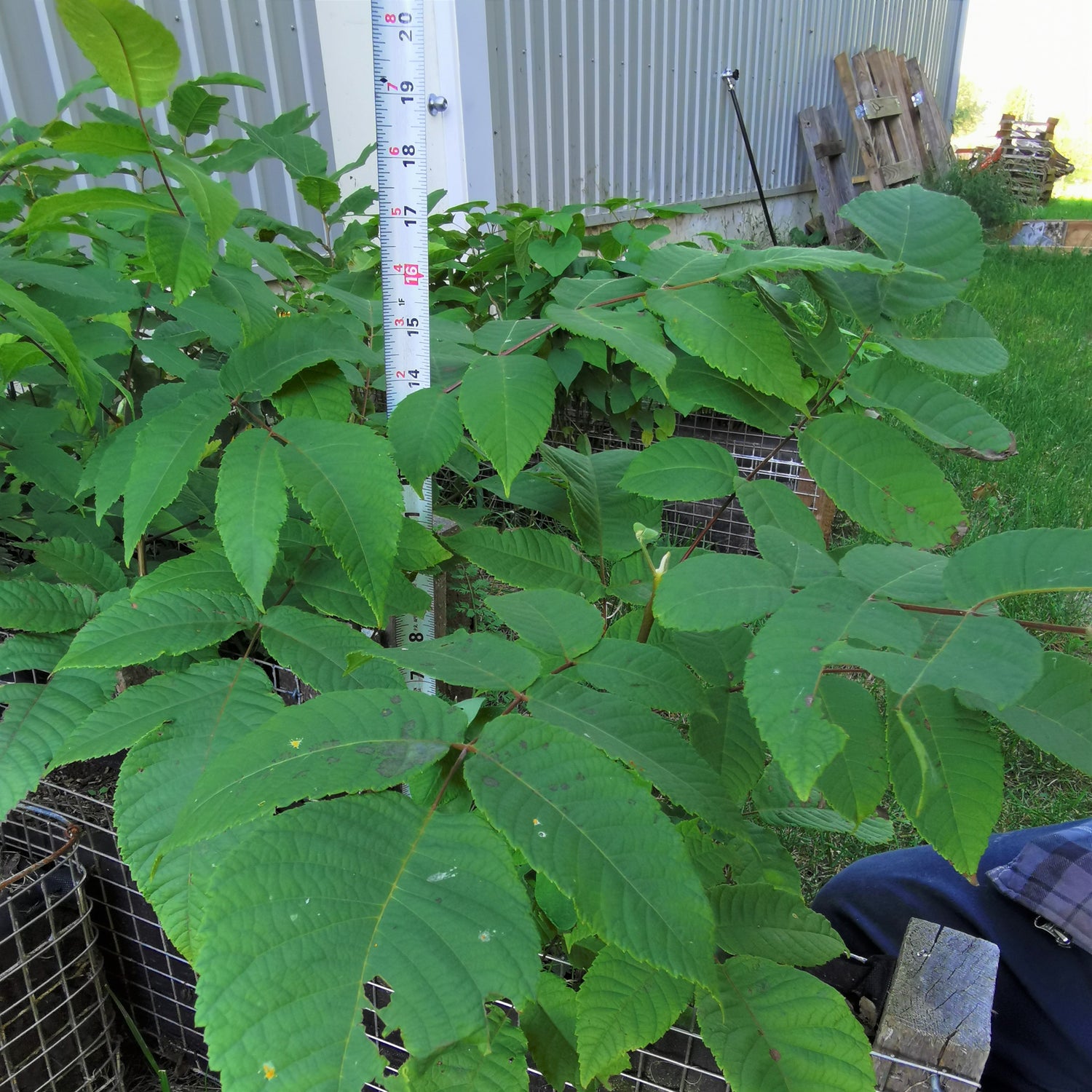
Species: Juglans cinerea or hybrid. NOTE: Butternuts are known to hybridize readily with other closely related species so there is no guarantee on whether these seedlings are pure, though the mother trees appear very true to type.
History: Butternut is an endangered tree native to southeastern Canada and the eastern United States where they grow naturally along sunny stream banks with rich, well-draining soil. The nuts have been used as a source of food and made into a butter-like oil by indigenous peoples. The trees have also been used for making syrup, furniture, and woodcarving. Unfortunately, Butternuts are highly endangered today due to Butternut Canker which has decimated their population within two decades.
Why We Grow It: By planting endangered species, collectively we can help Mother Nature potentially find a naturally resistant variety of Butternut. The nuts are quite similar to other walnuts but with a milder flavour. They can survive in zone 2, but they must be planted somewhere zone 3 or warmer to produce nuts. The sap can be boiled to make walnut syrup, which tastes very similar to maple syrup but with notes of caramel and butterscotch.
Be mindful of the juglones in the in the roots/nut husks, they are toxic to many other species. They require a buffer of about 50'/30m from the edge of the trees canopy for juglone-sensitive plants. This article from The Garden Hoe has a helpful list of plants that tolerate juglones. However there are recent (2019) studies showing healthy soil high in organic matter and mycorrhizal fungi actually reduce the toxicity of juglones suggesting many plants can grow below juglans species in a healthy ecosystem - it will be interesting to see more study done in this area!

Species: Salix babylonica 'Tortuosa' syn. S. matsudana
History: Corkscrew willows are a variant of the Chinese Willow which are native to parts of northern China. Willow trees have been cultivated for millennia in Asia and this variety was likely selected for its unique twisting branches.
Why We Grow It: Corkscrew willows are an attractive ornamental tree year-round, sporting delicate leaves most of the year and then fully displaying their twisted branches and trunks once they have dropped their leaves. The flowers they produce in the spring are attractive to a variety of pollinators. Just be mindful of where you plant the trees, the vigorous roots can be a problem near buildings and pipes!


Species: Cornus mas
History: Cornelian Cherry (aka Cornel) is a dogwood species native to parts of Europe and Asia. The berries were traditionally used mainly in cooking and to make jams and alcohol and have also been used in traditional Chinese medicine along with the leaves. The wood is quite dense (it sinks in water!) and has been used to make tool handles, machine parts, weapons in Ancient Greece, and the sticks traditionally carried by the mounted herdsman in the Maremma region. In the UK there was some interest in its use as a garden plant starting in the mid 1500s but interest has mainly grown in the last century or so.
Why We Grow It: A novelty among the dogwoods, Cornelian Cherries produce small, red fruits that resemble cherries. The acidic fruit can be eaten fresh when they're quite ripe but are primarily used for cooking and preserves, similar to cranberries. They are also attractive ornamental plants, producing clusters of bright yellow flowers very early in the season.
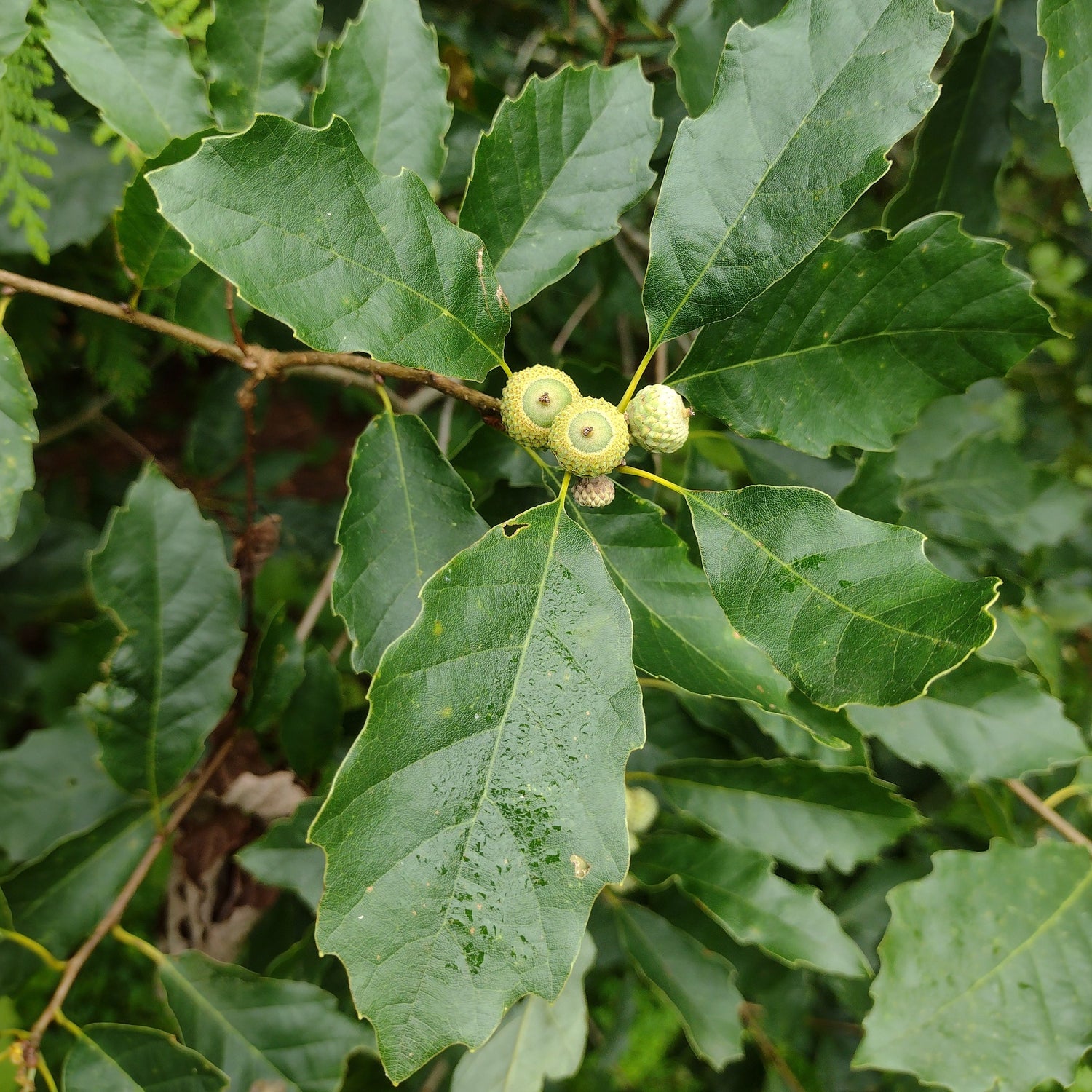
Species: Quercus prinoides or hybrid. Our seeds are collected from trees that may have been cross-pollinated by closely related species so the resulting seedlings may be hybrids.
History: Dwarf Chinquapin Oak (also spelled Chinkapin) is native to southern Ontario and much of the eastern and central United States. It was first described in 1801 by German botanist Karl Ludwig Willdenow but was likely well-known amongst indigenous groups in its range for its edible acorns.
Why We Grow It: Dwarf Chinquapin Oaks are most well known for producing mild sweet acorns that can be eaten raw or processed, making them popular with humans and wildlife alike. They are also quite quick to start producing acorns, only taking 3-5 years where some larger species may take decades.

Species: Cornus florida
History: Native to parts of southern Canada, the eastern United States, and parts of Mexico, this shrub is now considered endangered in Ontario due to dogwood anthracnose fungus. Eastern Flowering dogwood has been used by indigenous peoples as a malaria remedy and to produce red dye, practices later adopted by European colonizers. The hard wood is good for products such as golf club heads and mallets among other things. This showy plant has quite the reputation in the US where it is the State tree and/or flower of three states. To add to this, in 1915 forty saplings were given by the US to Japan as part of the 1912-1915 flower exchange between Tokyo and Washington DC.
Why We Grow It: This small tree is a lovely addition to any property and the small red berries are attractive to various animals, although they are poisonous to humans. The fine-grained wood is also great for intricate carving and the tree has various medicinal uses.
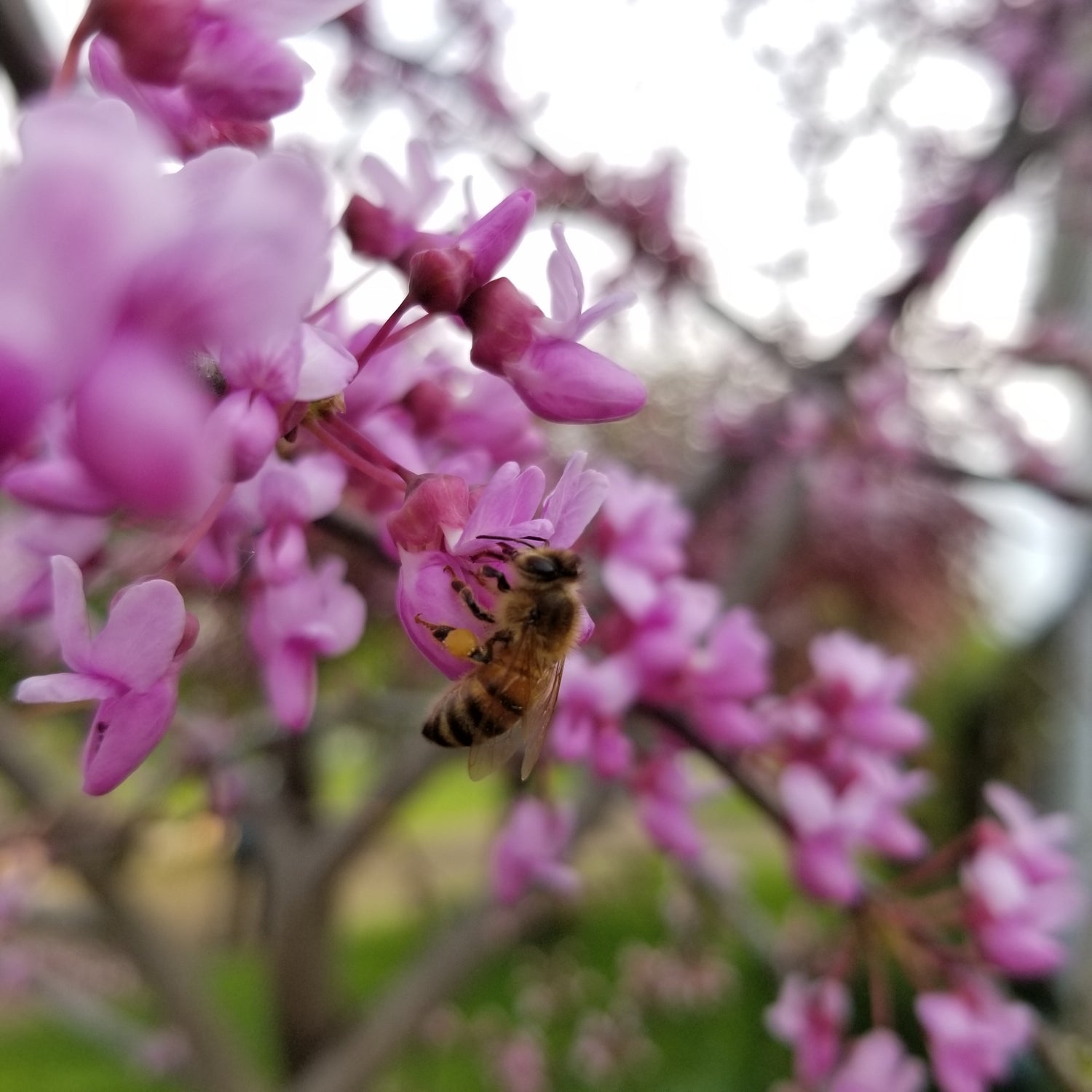
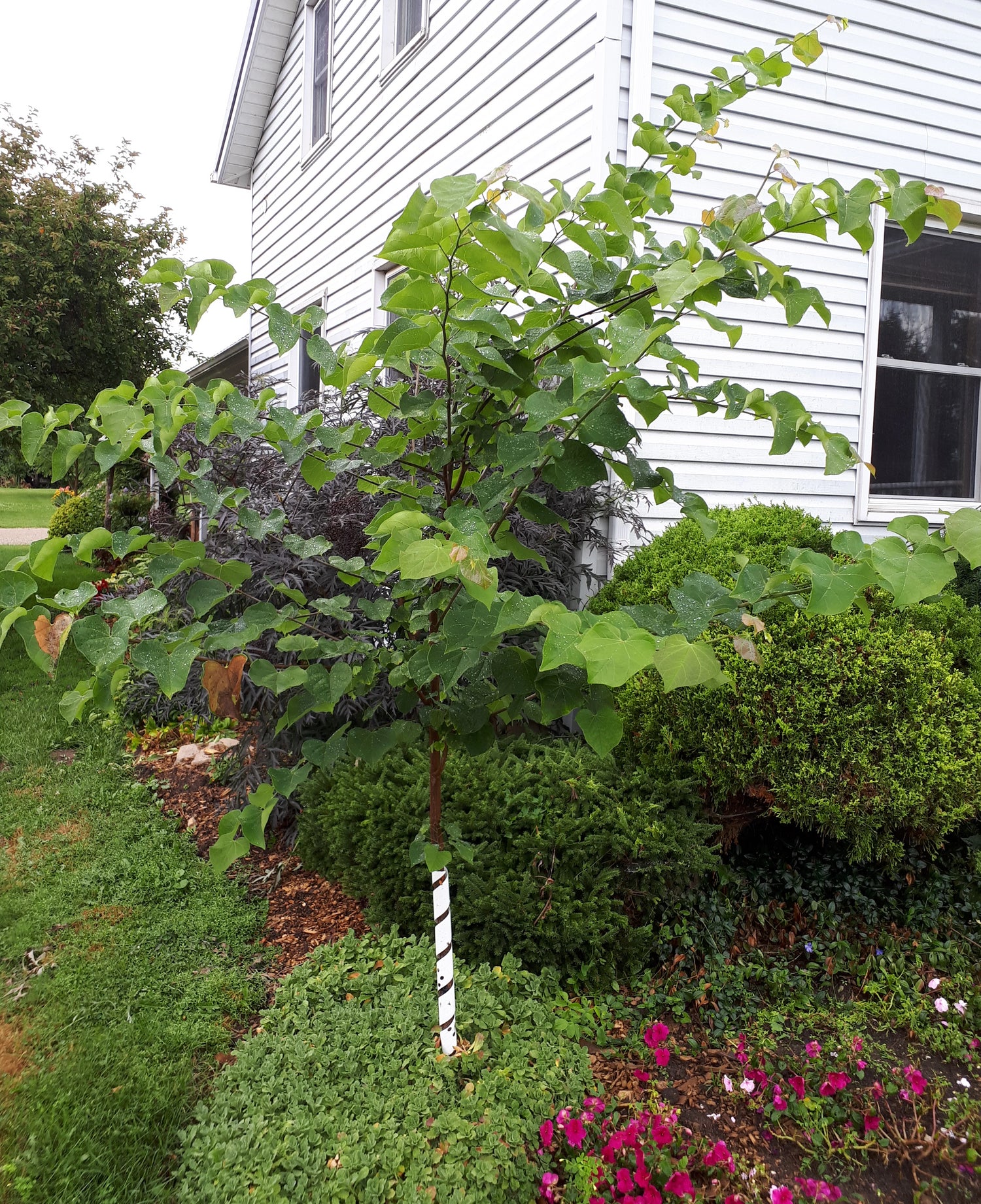
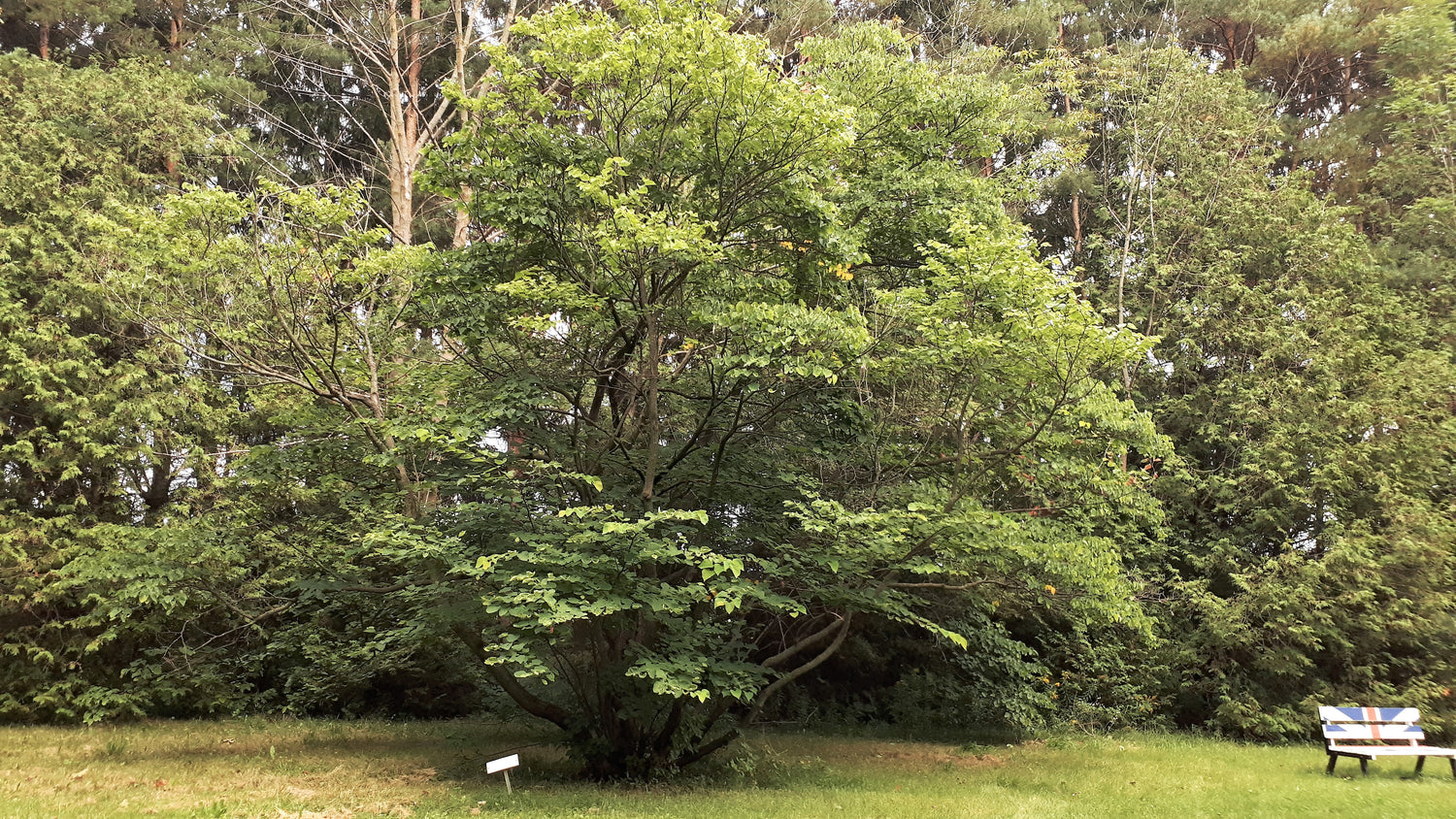
Species: Cercis canadensis
History: Native to the eastern United States and parts of central Mexico, this tree may have once been native to southern Ontario but it is no longer found here naturally. It is still a fairly common sight since it has been widely planted as an ornamental tree due to its gorgeous profusion of pink flowers. The flowers and seeds have traditionally been eaten by indigenous peoples and people still enjoy them fresh or fried today, while some use the green twigs for seasoning.
Why We Grow It: This native tree grows well in any soil type, and puts on a show stopping bloom every spring producing millions of edible citrusy flowers. The pods it produces are edible too, and are best enjoyed when the young pods are sauteed or fried. The heart-shaped leaves add another level of appeal to the tree even when it is not flowering.
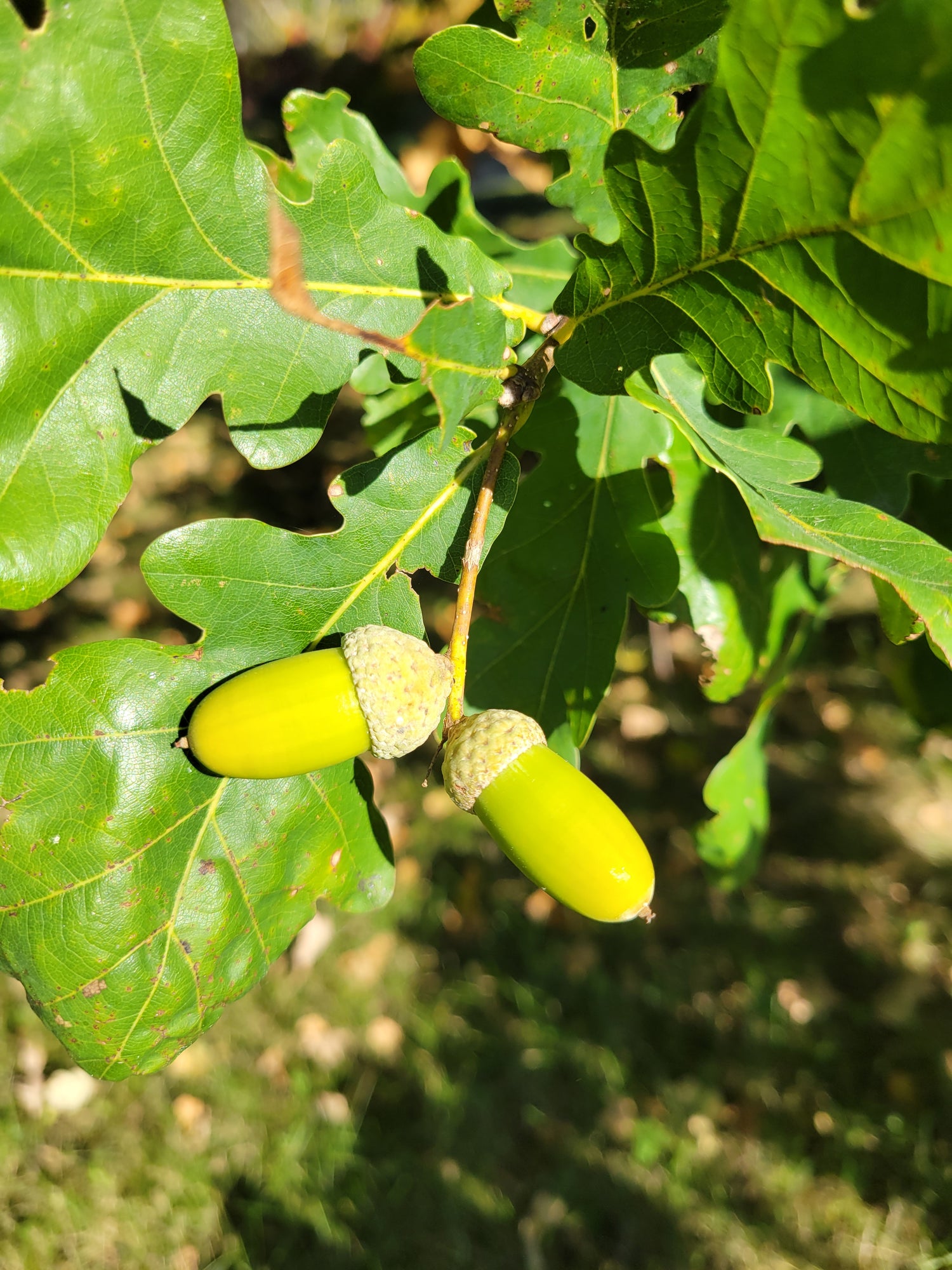
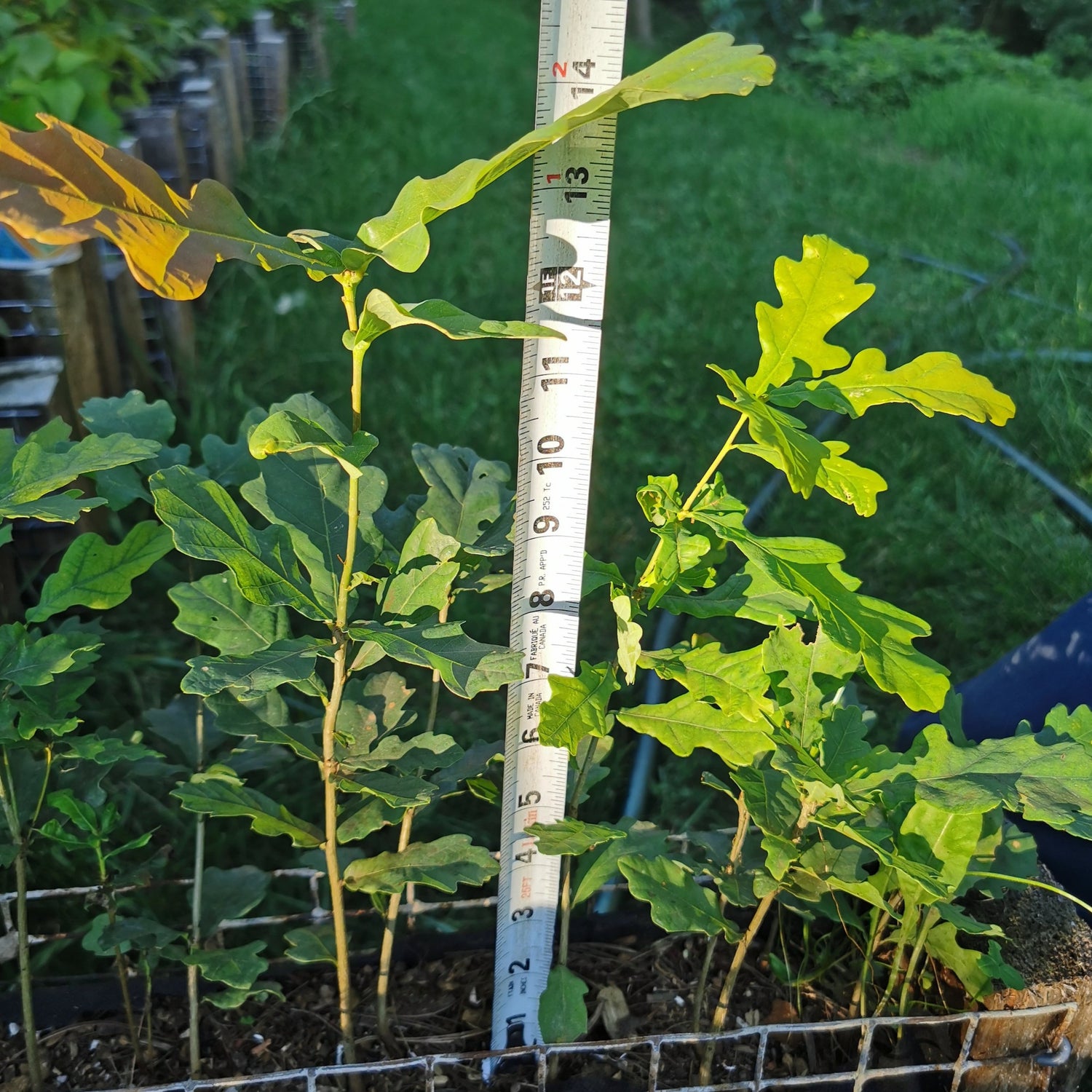
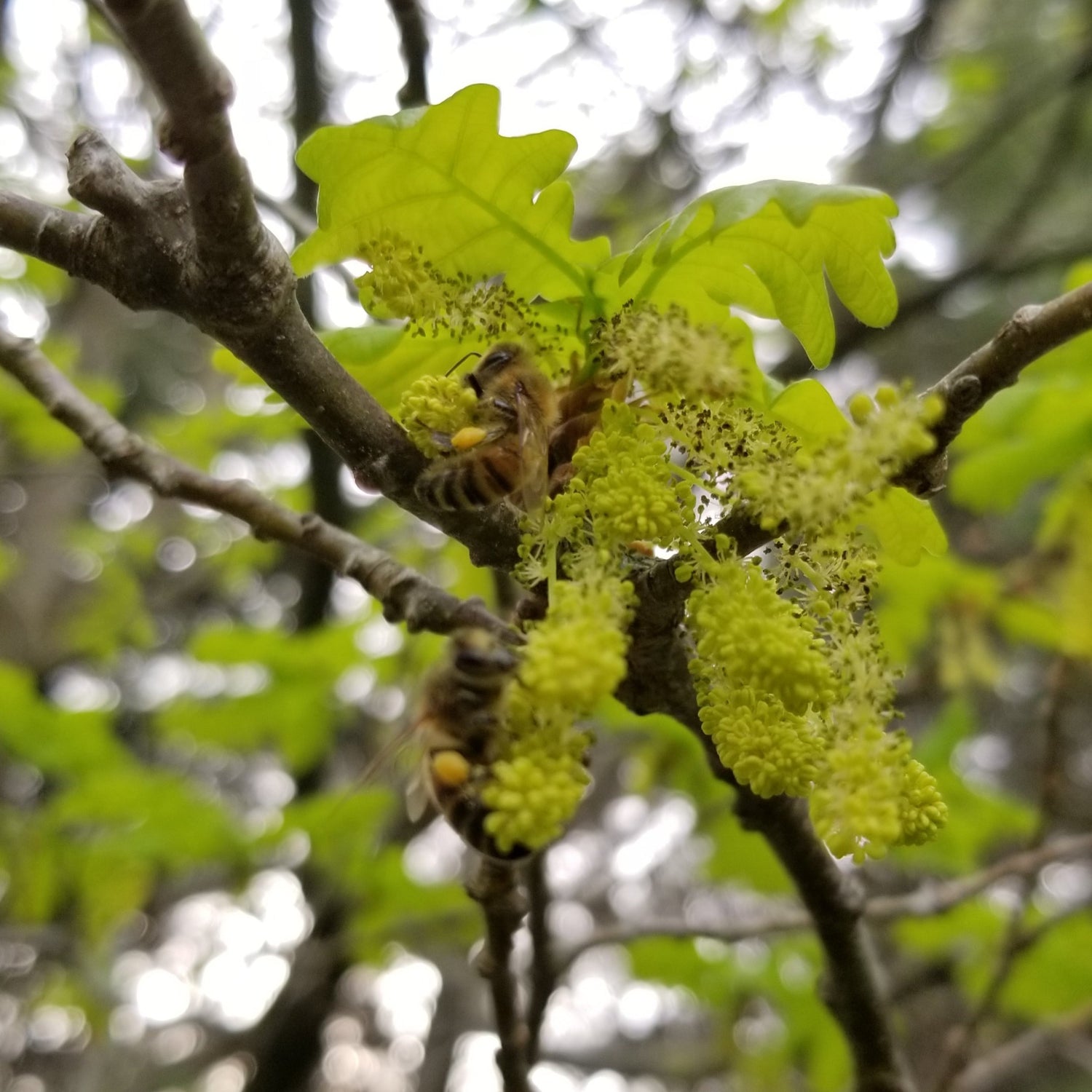
Species: Quercus robur or hybrid. Our seeds are collected from trees that may have been cross-pollinated by closely related species so the resulting seedlings may be hybrids.
History: The English Oak is native to much of Europe where it is culturally significant in many countries. It appears on coats-of-arms, coins, and national emblems, and features prominently in folklore, stories, historical events, and even the legal process in Basque Country. There are numerous examples of exceptionally large and old English Oaks across Europe, such as The Majesty Oak in England with a circumference of 12.2m and the Stelmužė Oak in Lithuania which is believed to be over 1500 years old. The oaks are grown commercially for their durable wood and for ornamental purposes.
Why We Grow It: The English Oak's acorns are large (2.3-3cm long) and lower in tannins than red oaks, which make them more rewarding after going through the work of cracking and leaching the tannins to use them as a flour/food source. The wood is popular in barrel and cask making thanks to its elastic yet durable strength, and resistance to rot. Very long-lived trees, these majestic beauties can grow up to the ripe old age of 450 years old. It's also one of the few oak species that attracts and supports honey bees as a pollen source!
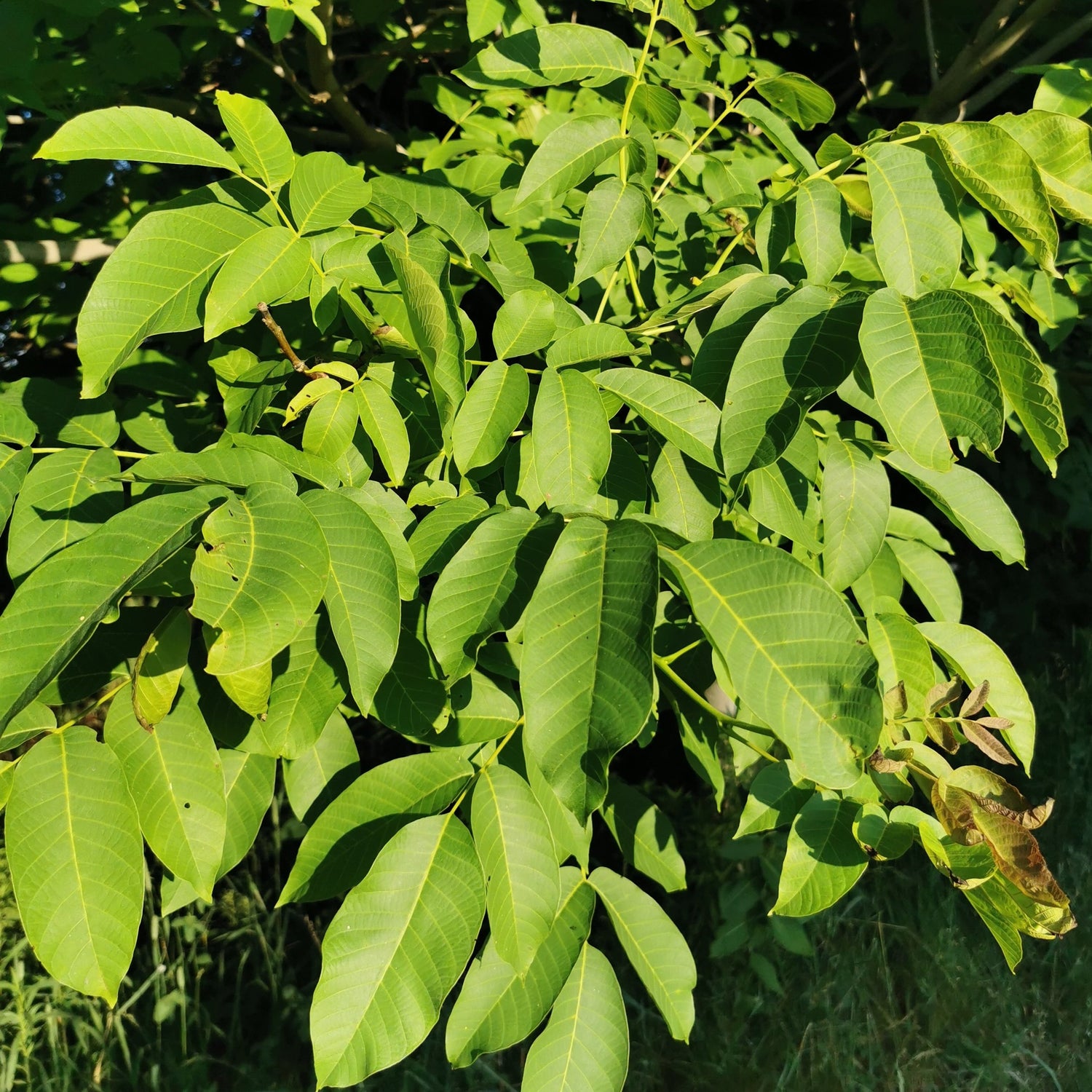
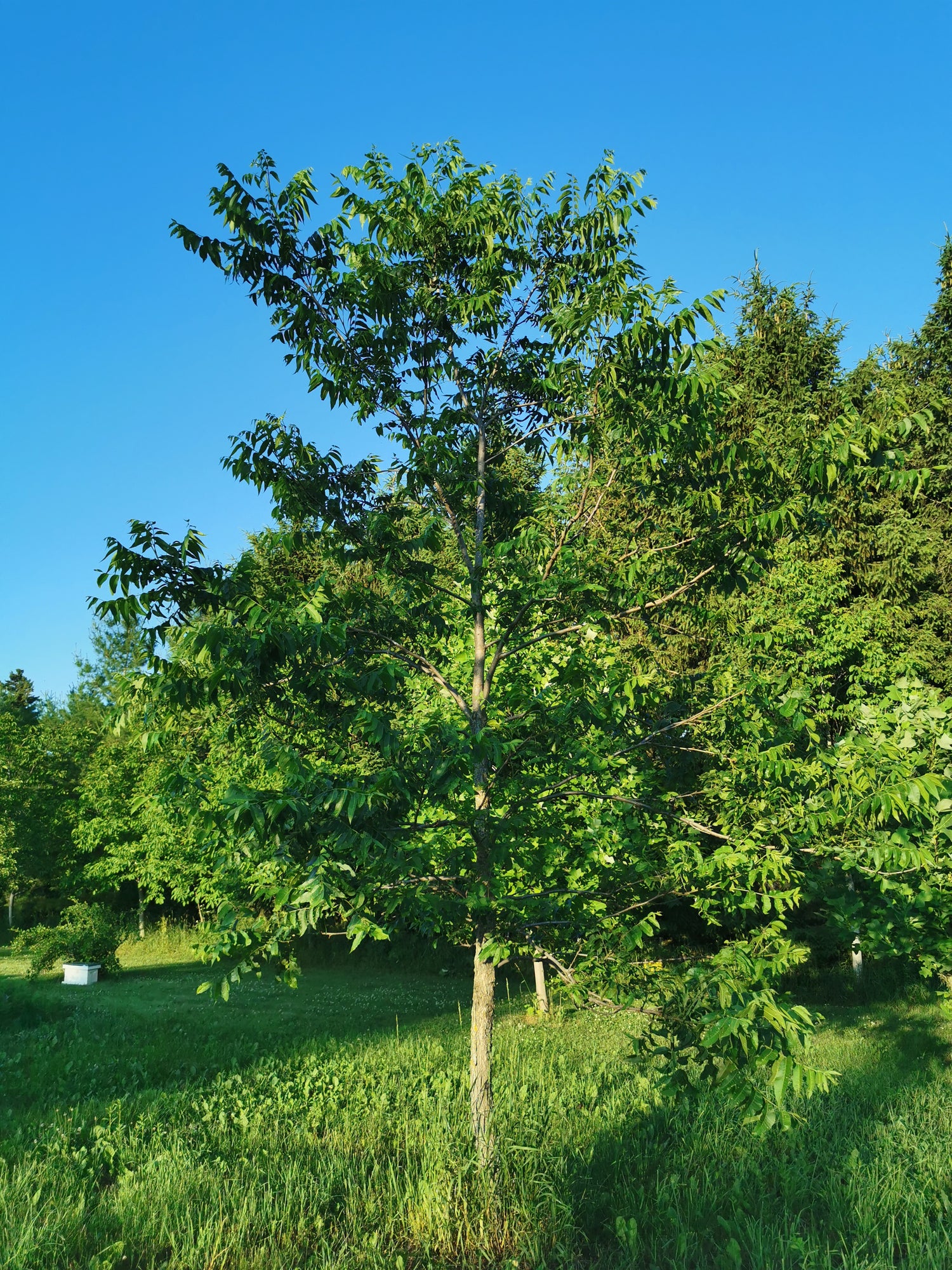
Species: Juglans regia or hybrid. Our seeds are collected from trees that may have been cross-pollinated by closely related species so the resulting seedlings may be hybrids.
History: English Walnut (aka Persian/Carpathian Walnuts) is native from the Balkans to the Himalayas and China. It possibly originated in Iran and over time has been spread across the world by Alexander the Great, the Romans, trade along the Silk Road, and British colonizers. In Italy, there were legends of witches gathering under an old English Walnut tree in Benevento to perform sabbats which in turn has inspired works such as the ballet Il Noce de Benevento. Still commonly grown and cultivated today, China is the main producer of commercial walnuts.
Why We Grow It: Although they aren't native like our other walnut trees, English Walnuts are known for being easier to open than Black Walnuts and remain popular for a reason. Our seedlings come a mother tree near Listowel ON, an extra boon when Ontario grown English Walnuts are said to produce sweeter nuts than those from California! The sap can be boiled to make walnut syrup, which tastes very similar to maple syrup but with notes of caramel and butterscotch. The husks can be used to flavour beer, like hops.
Be mindful of the juglones in the in the roots/nut husks, they are toxic to many other species. They require a buffer of about 50'/30m from the edge of the trees canopy for juglone-sensitive plants. This article from The Garden Hoe has a helpful list of plants that tolerate juglones. However there are recent (2019) studies showing healthy soil high in organic matter and mycorrhizal fungi actually reduce the toxicity of juglones suggesting many plants can grow below juglans species in a healthy ecosystem - it will be interesting to see more study done in this area!
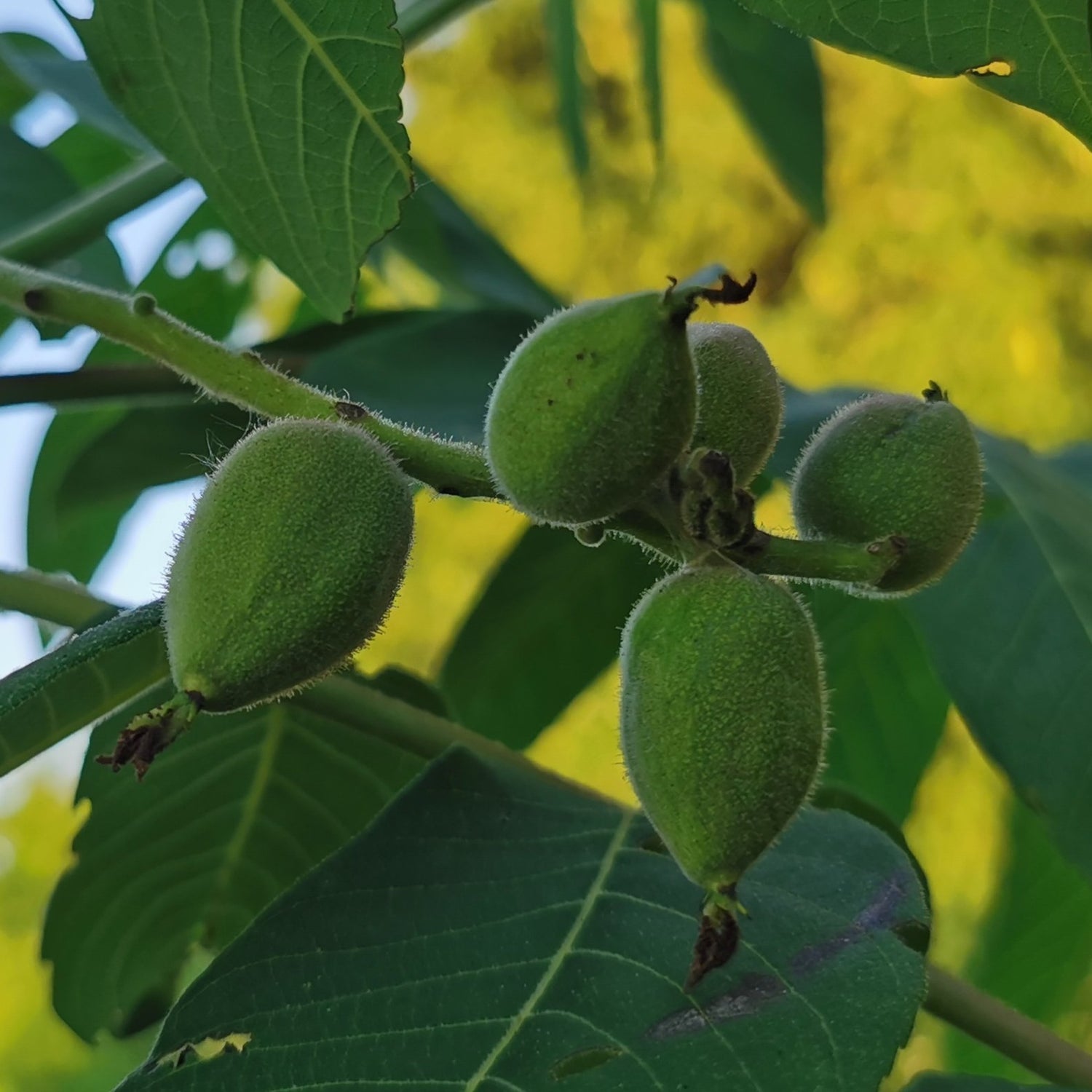
Species: Juglans ailantifolia var. cordiformis or hybrid. Our seeds are collected from trees that may have been cross-pollinated by closely related species so the resulting seedlings may be hybrids.
History: Heartnuts are a sport of the Japanese Walnut that have a heart-shaped shell and kernel instead of the usual elliptical shell. They have good commercial potential in the Great Lakes area where the climate is similar to that of Japan.
Why We Grow It: These trees produce an abundance of tasty nuts that are sweet than other walnuts and lack the bitter aftertaste. Ideally, they will produce heart-shaped nuts but since they are seedlings they may produce the usual rounder nuts of the regular Japanese walnut. They are sensitive to spring frosts for nut production, so they are best planted in a sheltered location.

Special Note: We take special care to grade out (remove) any of these seedlings that are showing visible thorns when we dig them in the fall. This increases the likelihood (although we cannot make any guarantees) that you will not have thorns develop on your Hershey Thornless Honey Locust Seedling. If you don't mind thorns on your Honey Locust, the ones we grade out are available here at a lower pricepoint.
Species: Gleditsia triacanthos
History: The mother variety of these seedlings, Hershey, was developed by John Hershey in the early half of the 1900s. After witnessing the destruction of the Dust Bowl, Hershey knew that trees could play an important role in creating more resilient agriculture and sought out nut, persimmon, honey locust, and oak trees in the wild with desirable traits. Hershey was selected for its large pods, thornless nature, and high sugar content (up to 30-40%!). Some of his original grafted trees can still be found in the US today.
Why We Grow It: Our Hershey seedlings will generally be thornless and produce large, sweet pods similar to what made their parent so desirable. However, with natural variation be aware the pods may not be as large and/or sweet as the original Hershey trees and the seedlings may still produce thorns! The pods are great for livestock feed and the sweet pulp can be used in baking, tea, and making beer. The trees themselves are also nitrogen-fixing, popular with pollinators, and have durable, rot-resistant wood.

Species: Viburnum trilobum
History: Highbush Cranberry is actually a viburnum and not a cranberry, despite its name. It earned its name due to the resemblance of the berries to cranberries in appearance and flavour. This shrub is native across southern Canada and and the northeastern US, and in sporadic locations in the prairies and BC. The berries have traditionally been used by indigenous peoples and European colonizers alike.
Why We Grow It: Fans of cranberries will enjoy this native plant! The bright red berries are high in vitamin C and can be eaten fresh, although like regular cranberries are best when made into sauces and preserves. They do contain a fairly large pit that has to be removed beforehand though! The shrub itself gets about 4m tall and has ornamental appeal with its showy white 'flowers' (they are actually bracts surrounding the smaller clusters of flowers within).


Species: Gleditsia triacanthos
History: Honey Locust is native to the central United States where it has been used by indigenous peoples as a source of food and medicine. Its name is derived from the pulp inside the pea pods which is quite sweet and crisp. It has been commonly planted as a landscape tree in many places around the world due to its ability to survive many conditions too harsh for other trees. Unfortunately, Honey Locust's tenacious nature has caused it to become invasive in some places.
Why We Grow It: Reaching 30 meters tall, this native nitrogen fixing tree benefits many including bees, wildlife, and even humans: we can use the sweet (honey flavoured) pulp inside their pods in baking, tea or for brewing beer. Honey Locusts grow impressive thorns, 3-10 cm long which can be used for pins or nails in a pinch and the durable, rot-resistant wood has a variety of uses.


Species: Gymnocladus dioicus
History: Kentucky Coffeetrees are native to the southernmost parts of Ontario and the midwestern United States. Despite its fairly large range, it is relatively rare today likely due to evolutionary anachronism. It is believed Kentucky Coffeetrees co-evolved with megafauna that are now extinct, so previously beneficial traits like the thick leathery pod around its seeds now hinder seed dispersal. Indigenous peoples have used the tree as a source of food by roasting the seeds and making a coffee-like drink, and the seeds have also been used as pieces in games and to make jewellery. Nowadays, the tree is planted ornamentally in urban areas.
Why We Grow It: This nitrogen-fixing, Carolinian tree produces seeds that may be roasted and used as a coffee substitute, but be aware the raw seeds are toxic! This tree boasts the largest leaves of any native tree, and it's considered a threatened species.
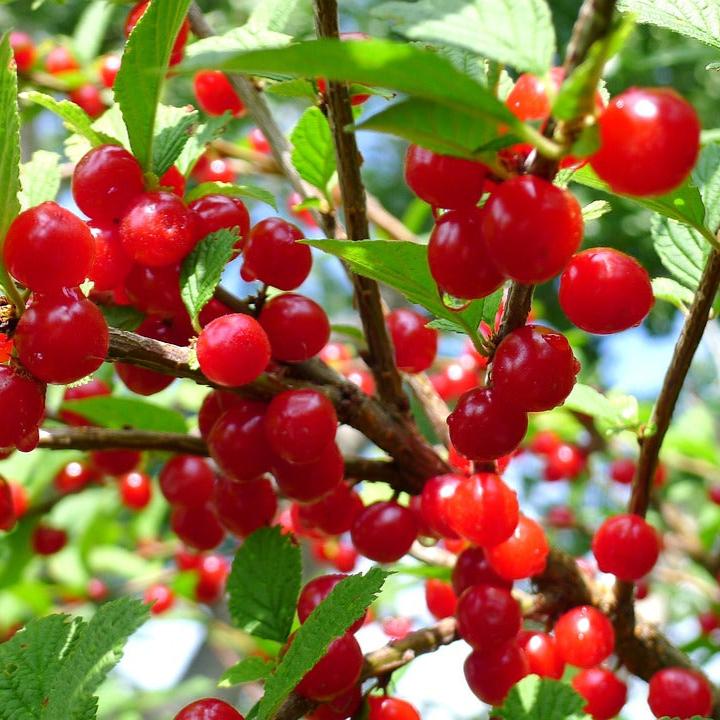
Species: Prunus tomentosa
History: Nanking cherry is native to parts of China, Tibet, Korea, and Mongolia, and possibly northern India. It has long been cultivated in Asia for its tart fruit which is used in pickling, making wine, juice, and jam, and as an ornamental plant. It was introduced to Britain in 1870 and the US in 1892 where it is also planted in hedgerows as a windbreak. Breeding programs in the US, Canada, and Russia began in the 1920s to make the fruit more palatable fresh but by the 1940s interest had unfortunately waned.
Why We Grow It: Although more closely related to plums than cherries, Nanking cherry is great for a variety of uses including wine, juice, jam, and as an ornamental plant thanks to their attractive pinkish-white blossoms. Some enjoy eating the tart fruit fresh as well and they are also popular with birds and wildlife. Nanking cherries are hardy and tolerant of quite cold weather, making them an excellent option for most parts of Canada.


Species: Myrica pensylvanica
History: Northern Bayberry can be found from Ontario to Newfoundland and south to North Carolina, most frequently growing along the west coast. Its berries are a food source for several birds and small mammals. The berries also produce a waxy coating that European colonists used to make candles.
Why We Grow It: This hardy, nitrogen-fixing shrub is a great addition to fencelines, native gardens, and areas that need erosion control. The berries are a good food source for several species and the crafty gardener can also use the berries to make clean-burning candles. They will spread over time.


Species: Catalpa speciosa
History: Northern Catalpa is native to the midwestern US where it was cultivated starting in the 1750s due to its resistance to rotting. This made it useful as fence posts and, rather unsuccessfully, as railroad ties. This tree has since expanded far beyond its original range as a commonly planted ornamental tree.
Why We Grow It: Catalpas make lovely ornamental trees, featuring large, heart-shaped leaves and twisting trunks. To further the visual appeal, they bloom annually with large, white flowers which turn into dangling bean pods.

Species: Aesculus glabra
History: Ohio Buckeye is native to Walpole Island in Ontario and some central and southern states in the United States. The Shawnee name for the tree is 'hetuck' which means 'eye of the buck' due to the nut's resemblance to a deer's eye. Indigenous peoples such as the Lenape traditionally use the nuts for medicinal uses, tanning leather, and jewellery. Ohio Buckeye is the state tree of Ohio and people from Ohio and graduates of Ohio State University are sometimes called 'buckeyes'. Unsurprisingly, the nuts have an important cultural place in Ohio. There is a candy resembling the nuts called 'buckeyes' that are popular and the nuts make numerous appearances in Calvin and Hobbes whose author is from Ohio. Its wood is too soft to be used for much and it has limited uses as a street tree since it is considered messy due to the nuts it drops.
Why We Grow It: Ohio Buckeye is an attractive ornamental tree with its large, palmate leaves and notable yellow flowers in spring. Although the tree is toxic and generally not fed on by wildlife, the large flowers are very attractive to a variety of pollinators including hummingbirds!

Species: Hamamelis vernalis
History: Ozark Witch-Hazel is native to the Ozark Plateau in the United States for which it is named. It has been cultivated ornamentally for its strong scent and unique flowering time, blooming from mid/late winter into spring. The name comes form a misspelling of the English word 'wyche' which means 'pliable' and 'hazel' due to the shrub resembling hazelnut shrubs. Interestingly, 'water witches' in the area did use Ozark Witch-Hazel branches in their water-finding rituals to divine the best locations to dig wells.
Why We Grow It: Witch-hazels are a unique plant for any property, sprouting stringy yellow flowers in the winter when nothing else is flowering. They produce woody capsules that forcibly pop open, launching the hard, black seeds up to 10m away.

History: Papillon Blanc (translated from French as 'white butterfly') was created by plant breeder J.W.A. Lefeber in the Netherlands. It first flowered in 1940 and was introduced in 1960. Designated a classic by the American Daffodil Society, this variety remains popular for its pure white perianth and pale yellow cup.
Why We Grow It: 'White Butterflies' in your garden? Add these beautiful white Narcissus Split Cup - Papillon Blanc Daffodils and you will have added some old fashioned charm anywhere you plant them!
Bulbs are a wonderful addition to orchards and permaculture gardens. They return year after year, add diversity and beauty to your landscape, provide flowers for pollinators. The bulbs help to deter deer, pests like voles, mice and rabbits.

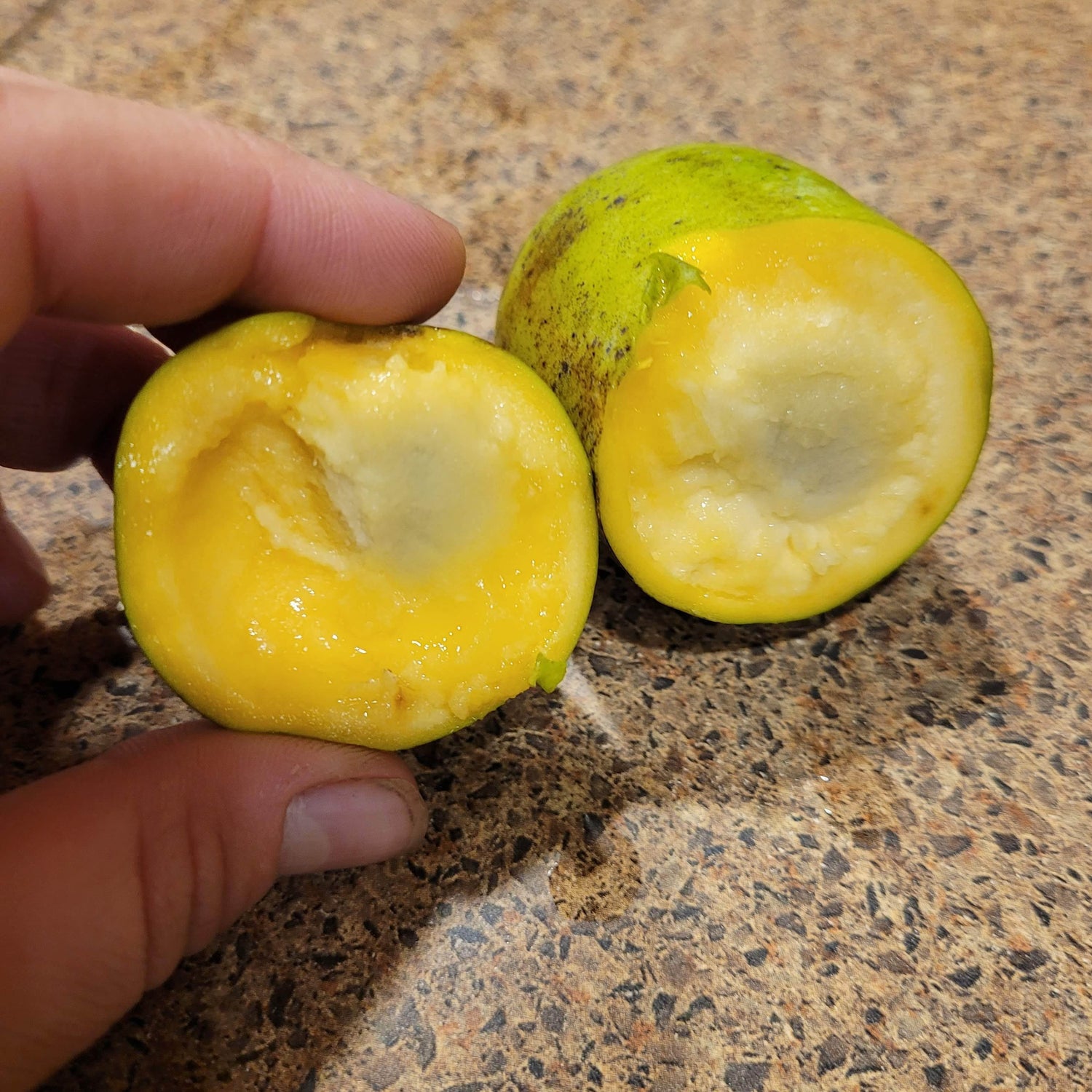
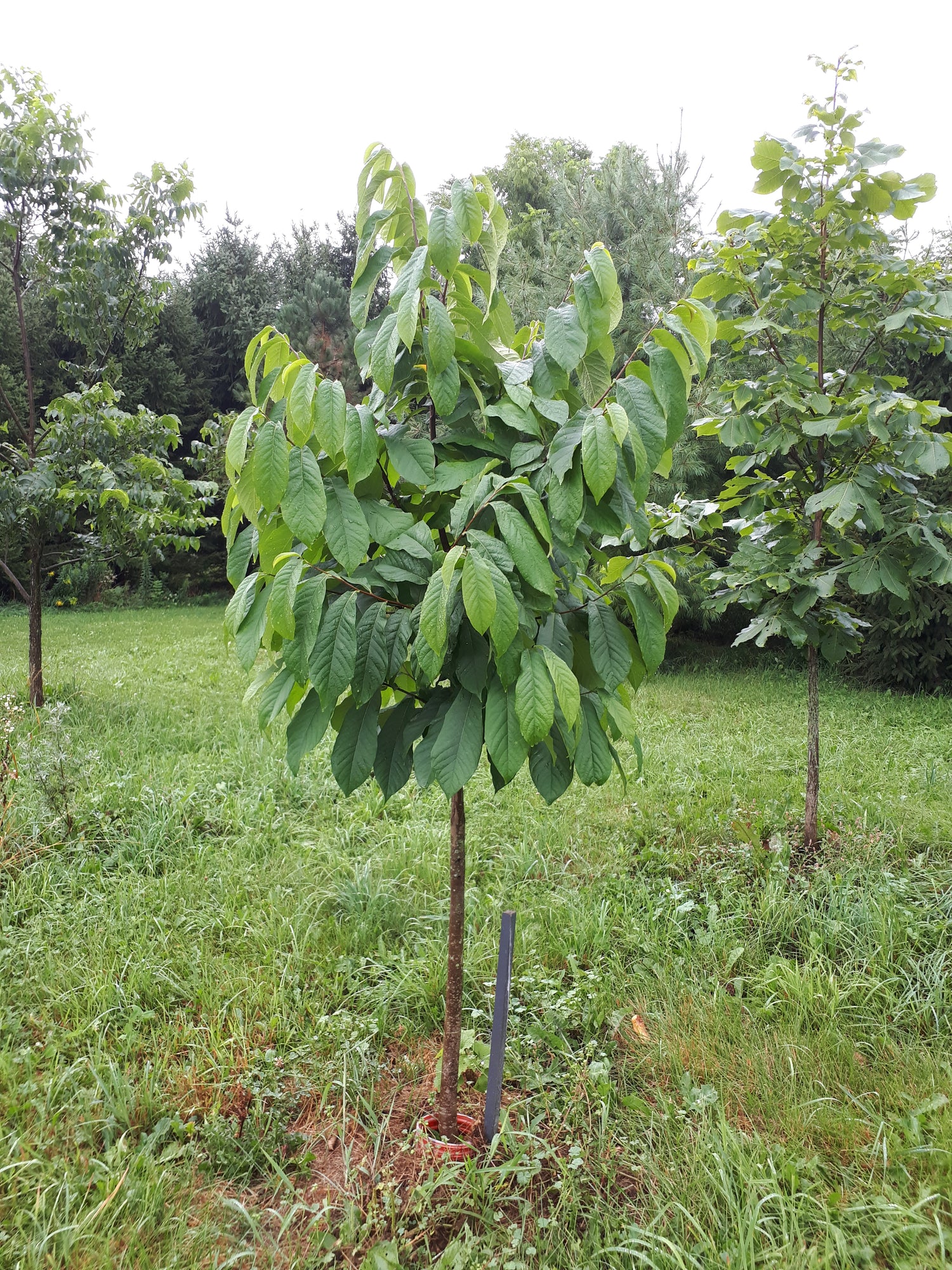
Species: Asimina triloba
History: Native to southern Ontario where it is considered a vulnerable species and the central United States, it is believed the range of these trees has shrunk with the extinction of megafauna that likely dispersed the seeds. These oddly tropical fruits have been cultivated by indigenous peoples and European colonizers alike, it is rumoured chilled pawpaw was George Washington's favourite dessert and Thomas Jefferson planted some at Monticello. Although popular among locals and with foragers, pawpaws have failed to achieve any kind of commercial success due to their poor keeping ability and oft difficult pollination.
Why We Grow It: The Pawpaw produces very unique fruit that has a distinct tropical banana/mango flavour and custard-like texture. As it oxidizes fairly quickly once cut open, it is best eaten fresh once fully ripe or made into sauces, ice cream, etc. You can bake and cook with pawpaw like you would with bananas but please take note that some people have reported extreme tummy troubles after consuming cooked pawpaws! Mouse made a no-bake pawpaw cheesecake (pictured on the left), you can find the recipe on our blog here! Pawpaws have a very slow growth habit and grow naturally as an under story tree, usually not reaching over 35 feet. We grow them from seed for increased hardiness compared to grafted stock.

Species: Corylus avellana
History: PollyO was created by the Oregon State University hazelnut breeding program. The initial cross was made by Shawn Mehlenbacher and David Smith in 2001. PollyO was bred for the blanched nut market and selected for its resistance to Eastern Filbert Blight, excellent quality, high productivity, and fast growth. It was eventually released by the Oregon Agricultural Experiment Station in 2018. The variety was named PollyO in honour of Polly Owen who was the director of the hazelnut industry office for over two decades.
Why We Grow It: Bred for the blanched nut market, PollyO produces an excellent quality nut for fresh eating and baking (including use in chocolate!). The trees are highly productive and are a great option for those looking for an abundance of aromatic hazelnuts.

Species: Salix sp, most likely Salix discolor
History: Pussy willows are native to North America, Europe, and Asia and are culturally significant in all three continents. They are a New Years decoration in China and Iran and have been used in various sects of Christianity for purposes such as replacing palm fronds as a decoration for Palm Sunday in Europe and America where palms do not grow.
Why We Grow It: A fluffy signifier of spring, these cute willows are also a great early pollen source for bees and have medicinal uses.
Photo by Huckleberry Hives.