Most Favoured
Discover what's warming up at Silver Creek Nursery! These specialty plants are flying off the shelves as customers prepare for spring planting.
From our popular Isaac Saskatoon Berry (cold hardy to Zone 2) to other customer favorites, these trending selections represent the best of what's in demand right now.
49 products
Sort by:
49 products
49 products
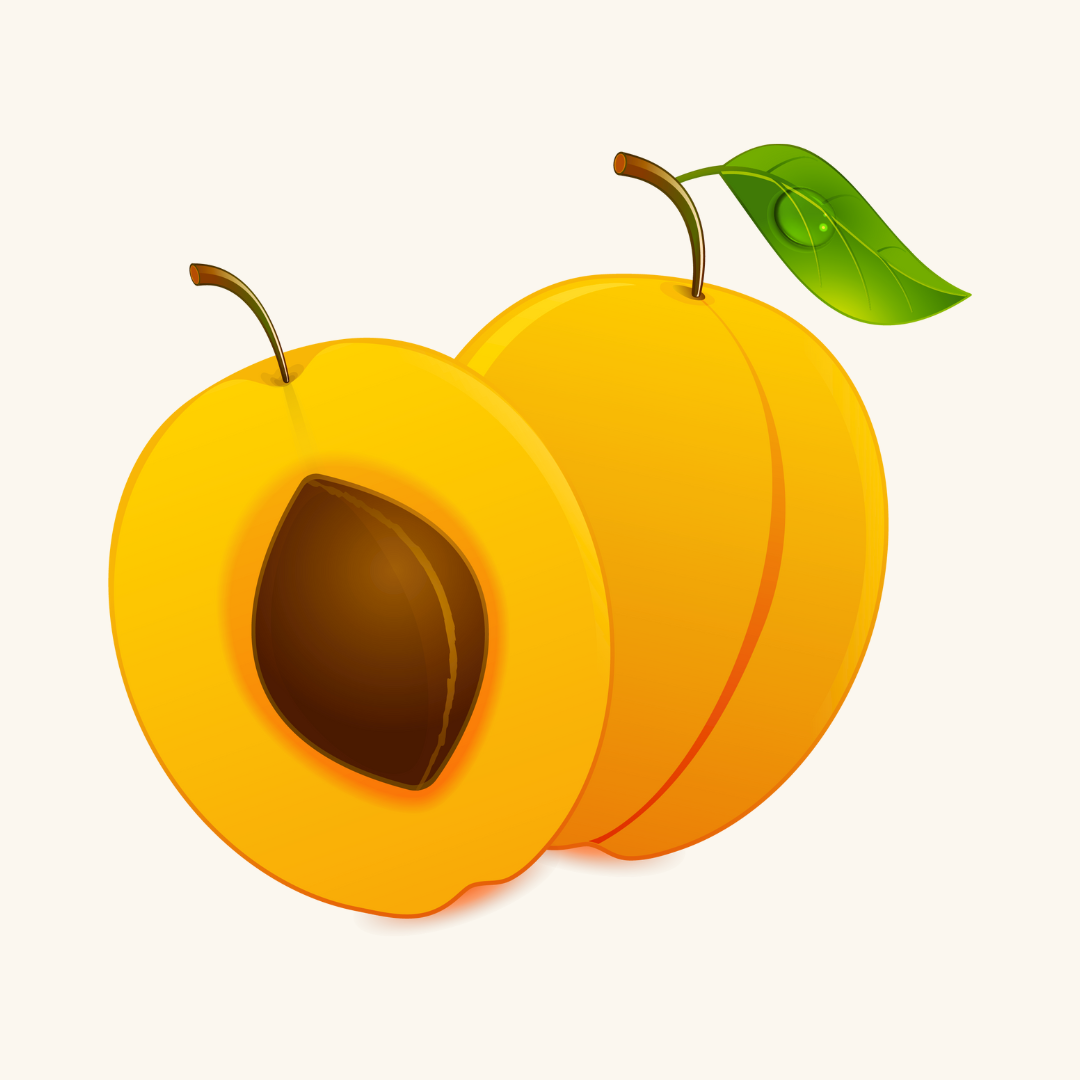
History: Brookgold was developed at the Crop Diversification Centre South in Brooks, Alberta and was named for the town and its golden colour. It was introduced in 1979.
Why We Grow It: Brookgold, like other fruit varieties developed in the prairies, is very cold hardy! Although there is sometimes a trade-off between cold hardiness and fruit quality, this variety still produces small yellow freestone plums that are very sweet, making them great for fresh eating and good for canning and preserving.
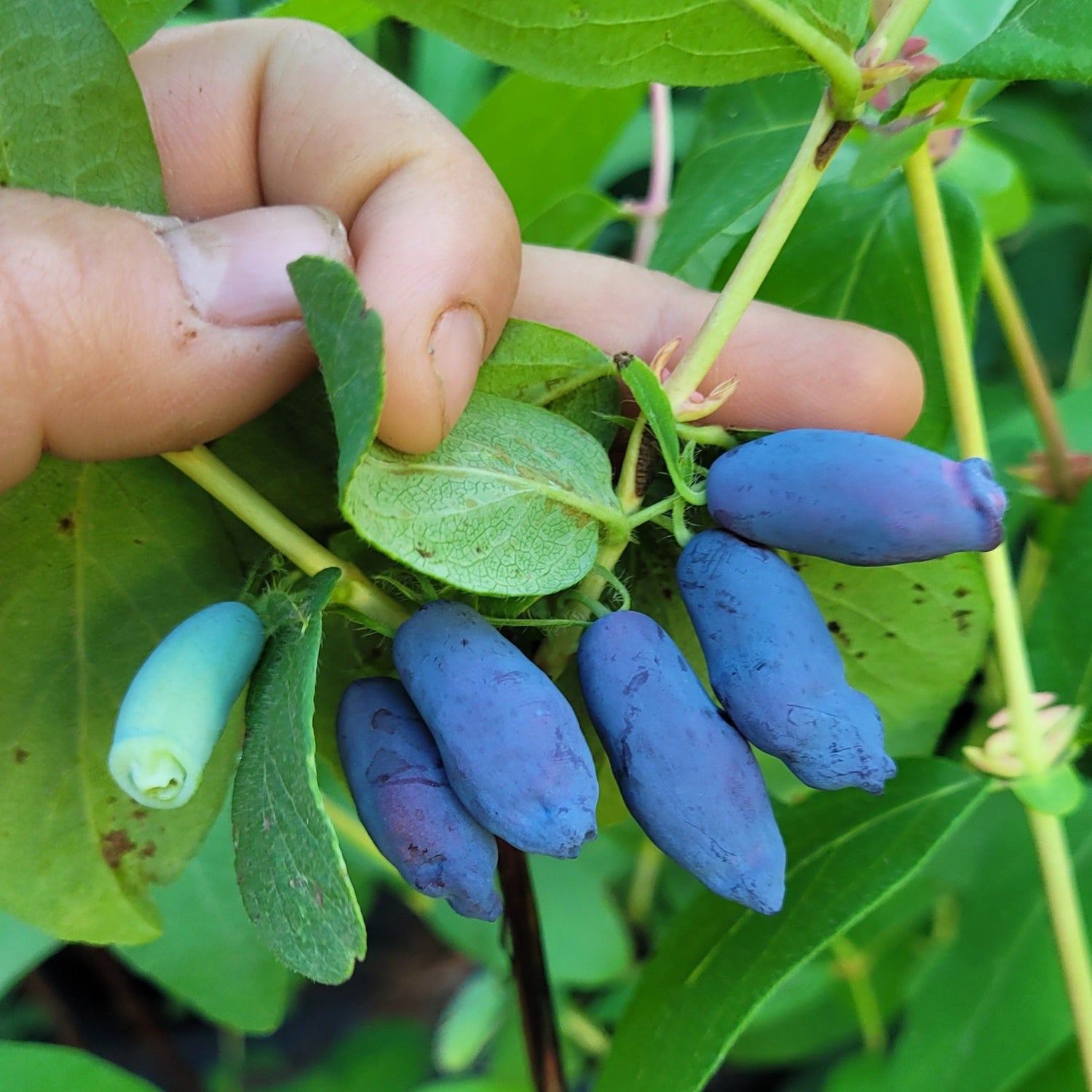
Species: Lonicera caerulea
History: Borealis was created by Bob Bors at the University of Saskatchewan and was released in 2007, likely being selected for its large fruit, good flavour, and resistance to powdery mildew.
Why We Grow It: Borealis produces large, round berries with an excellent flavour, albeit less sweet than more modern haskap varieties. The berries are excellent for baking although they are a bit softer and need to be handled more delicately when being picked. The bush itself is a little more compact than other varieties and is very resistant to powdery mildew.
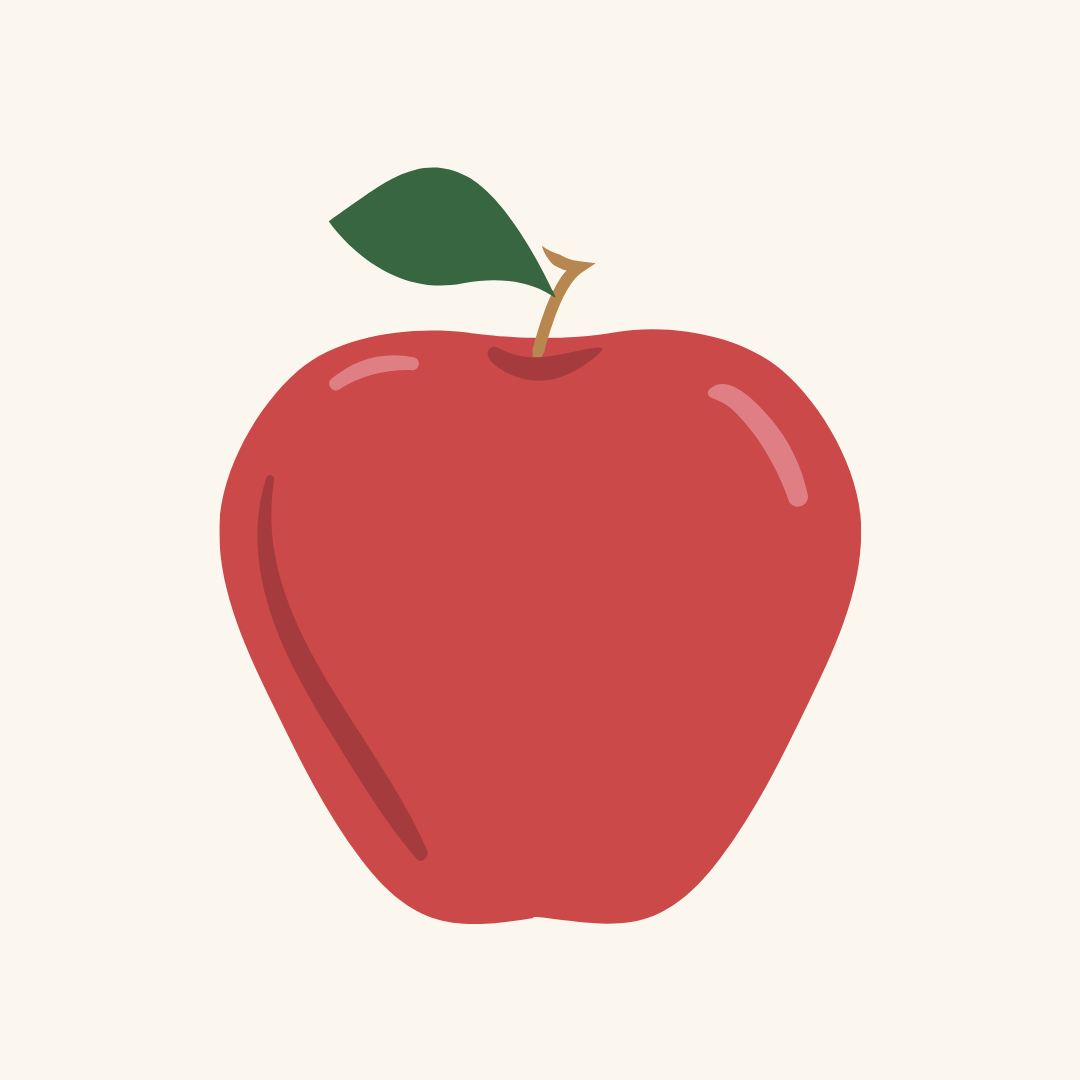
History: Whitney crabapples were grown from seed by nurseryman A.R. Whitney around 1865 at Whitney Nursery in Illinois, US. It became popular for its excellent cold hardiness and productivity and in the 1900s the state of Montana recommended it as one of the best crabapple varieties to grow.
Why We Grow It: These large (for a crabapple) yellow and red apples boast a sweet-sharp flavour with some astringency and juicy, crispy flesh. They are a truly multipurpose fruit and can be eaten fresh (if you like some astringency to your apple) or used for cooking, sauce, cider, and jelly. The trees are very cold hardy and boast good disease resistance as well.
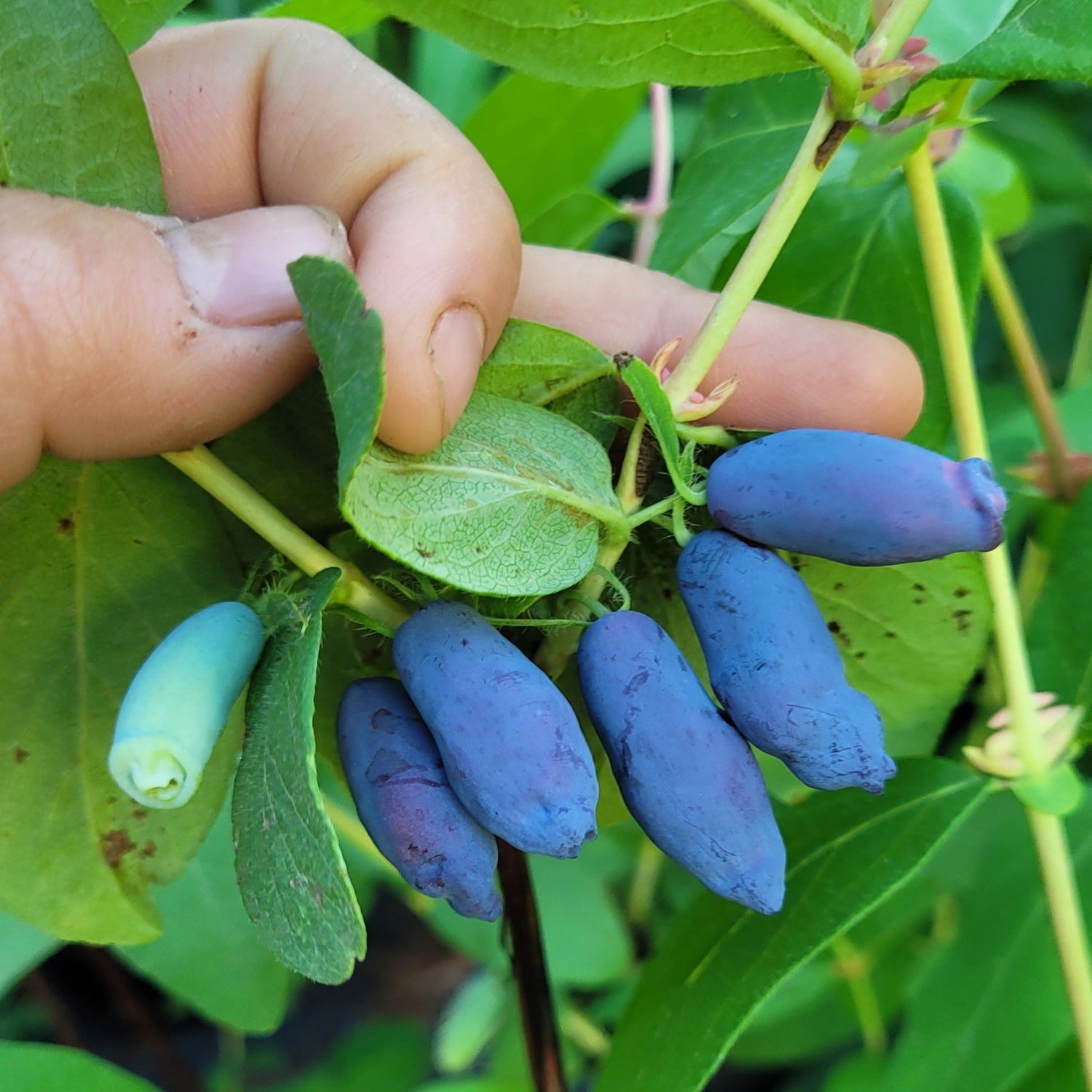
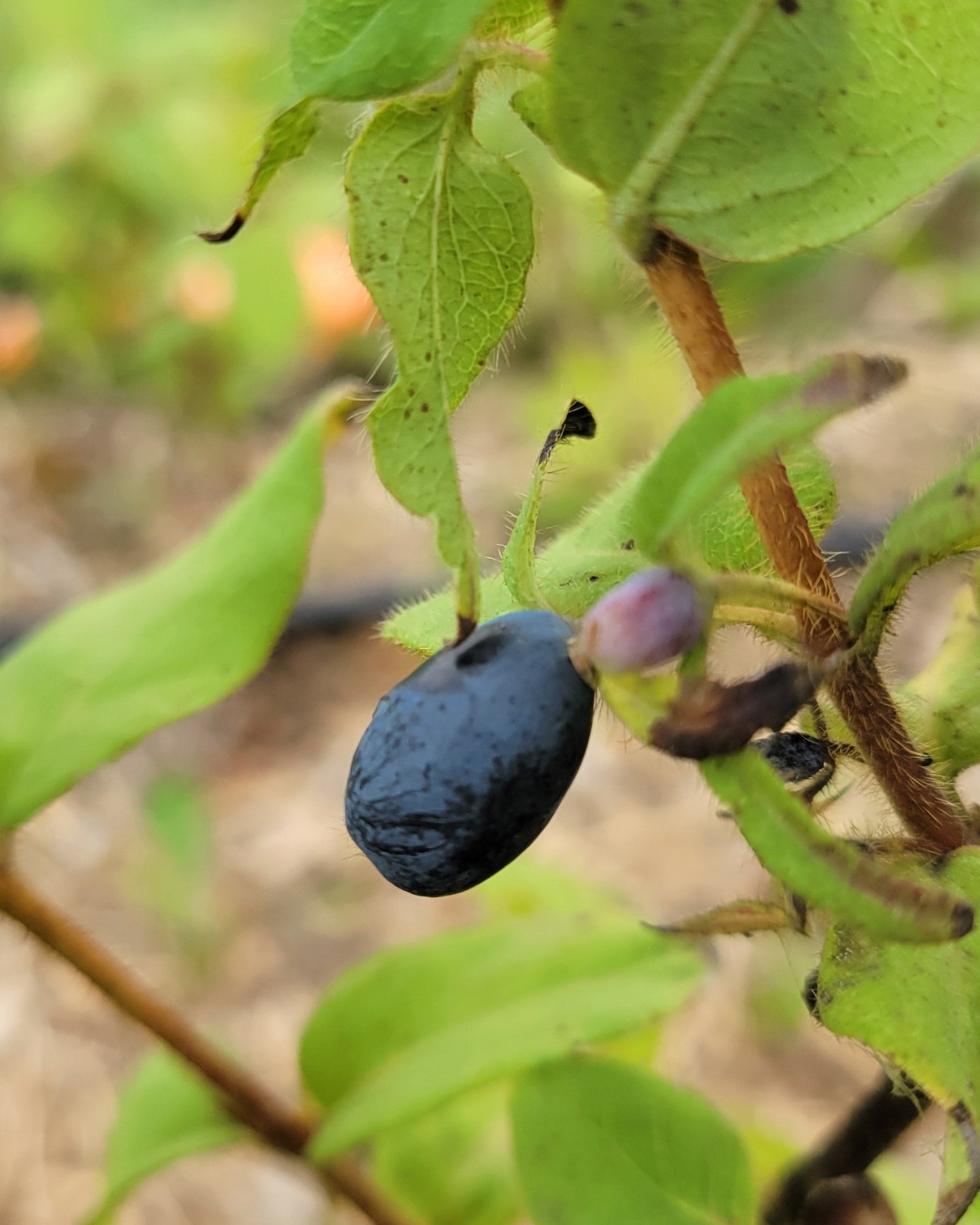
Species: Lonicera caerulea
History: Indigo Gem was bred by Bob Bors at the University of Saskatchewan as part of the Indigo Series, a series of five varieties that all share the same parents. They were bred sometime in the mid to late 2000s and released around 2010/2011. Indigo Gem is the most productive variety of the series.
Why We Grow It: Indigo Gem produces fairly round berries that are sweeter and smaller than most haskaps, although they still have that characteristic tartness to them! It is considered one of the better options for fresh eating and like other haskaps is also great in baking, making preserves, etc.

History: So Sweet has a so obscure history. It is apparently an older variety that was discovered growing along the banks of the St Lawrence river. It is quite possible that a pear core was tossed from a passing boat and it either landed on the shore or washed up where a seed eventually grew into the lovely pear tree we have today.
Why We Grow It: So Sweet produces small, unusually round green pears that, as the name suggests, are just oh so sweet! The fruit is great for fresh eating and can be made into jams or preserves which is fortunate since it only keeps about a month. The tree itself is self-pollinating, extremely cold hardy, starts bearing fruit at a young age, and is very productive. Overall, a great pear to have around!
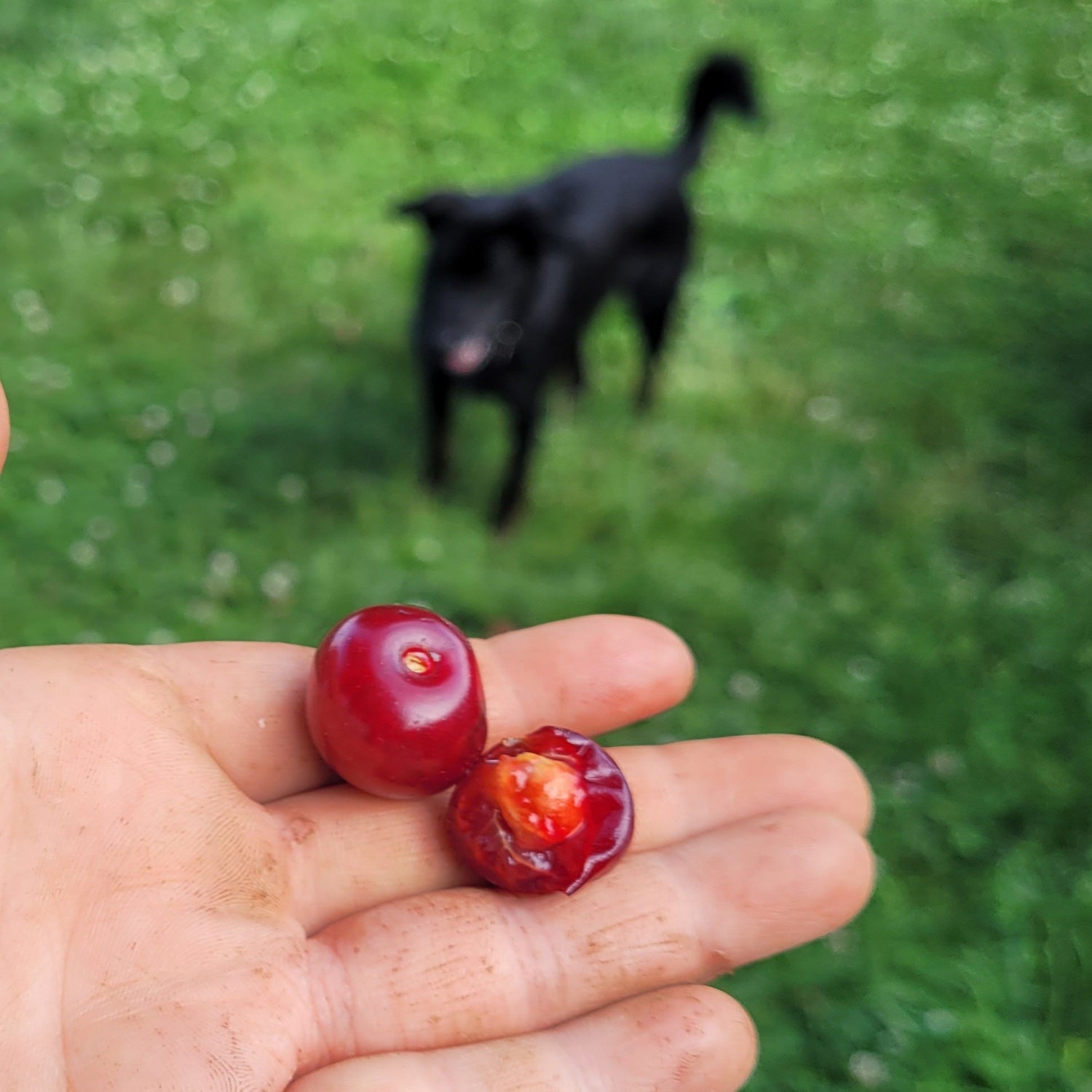
Species: Prunus cerasus
History: These sour cherry seedlings are grown from Juliet seeds we've collected here at Silver Creek Nursery from our own trees! Juliet, is one of the members of the Romance Series released in 2004 from the University of Saskatchewan.
Why We Grow It: Seedling fruit trees are a great way to add some diversity and mystery to your garden or orchard! The parent variety, Juliet, has a sweet/tart flavour that some enjoy for fresh eating and is great for processing. A naturally dwarfing and bush-like variety. For a full description, see our Juliet page here.
Please Note: Since sour cherries tend to stay true to type more than apples, these seedlings will likely bear a strong resemblance to their parent variety. However, any specific information listed on this page should be taken with a grain of salt as there may be some variation from the parent tree.

History: Porthos was developed by Bob Bors at the University of Saskatchewan. It was selected for its large fruit and unusually sweet flavour. A member of the Musketeer Series, Porthos was released in 2022 as part of the university's 100 Years of Horticulture Celebrations.
Why We Grow It: Porthos produces large, deep red fruits that are quite sweet for sour cherries! This is a versatile variety that is great for fresh eating, baking, cooking, freezing, and making wine.
Check our our blog post with some tasty sour cherry recipes!

Species: Prunus nigra
History: Canada plums are native to from Nova Scotia to Manitoba and south to Iowa with scattered populations as far west as Alberta. The fruit is traditionally eaten by indigenous peoples in its range and it was also eaten by early European colonizers. Canada plums have been used in fruit tree breeding programs due to their cold hardiness and the ease with which they hybridize with Japanese plums. Some hybrid plums with Canada plum heritage include Pembina, Superior, and Patterson Pride.
Why We Grow It: Canada plums produce small, red fruits. The skin is astringent but the flesh is quite sweet with a nice tang. They are fine for fresh eating but are best in preserves. These flowery trees make great pollination partners for other Canada plums, American plums, and hybrid plums due to their early bloom period and long bloom window. For those looking for a stunning display of spring blooms, Canada plum is a great choice!

Species: Prunus americana
History: American plums are native from Saskatchewan to Quebec and down to Florida. They are a food source for many species. Indigenous peoples living in the tree's range have planted stands of them. The Cheyenne use the branches in the Sun Dance and the Navajo use the roots to produce a red dye. American plums have also been planted as ornamental plants, windbreaks, and for erosion control.
Why We Grow It: American plums produce small, firm, red plums that are sweet and tangy. They are good for fresh eating but shine when used in jellies and preserves. These cold hardy, adaptable trees produce a profusion of lovely white blooms which are great for pollinating hybrid plum varieties. They sucker heavily and produce thick stands, making them excellent for windbreaks and erosion control.

History: Athos was developed by the University of Saskatchewan and was first bred in 1992 as a cross between Kerr's Easy Pick and Cacanski Rubin. It was selected from among 2500 seedlings for its productivity, winter hardiness, extent of suckering, ease of fruit removal, and fruit quality. Part of the Musketeer Series, Athos was released in 2022 as part of the university's 100 Years of Horticulture Celebrations.
Why We Grow It: Athos produces burgundy red cherries that have a more balanced sweet/tart flavour compared to some of the other sour cherries. This makes them more desirable for fresh eating but they are still good for typical sour cherry uses like baking. The bush has more of a spreading growth habit which gives it some additional visual appeal as an ornamental plant.
Check our our blog post with some tasty sour cherry recipes!

History: Cutie Pie was developed at the University of Saskatchewan using Mongolian cherry material donated by plant breeder Les Kerr who first created the dwarf sour cherry bushes. It was selected for its compact size, good flavour, and extreme cold hardiness and released as part of the university's 100 Years of Horticulture Celebrations in 2021.
Why We Grow It: Cutie Pie is a compact plant, even compared to the other dwarf sour cherry bushes. Only reaching about 4ft tall once mature, this is a great option for those with limited space. The small, red cherries have a more balanced sweet/tart flavour so they are great for eating fresh and using in baking or cooking! It is a reliable and productive variety.
Check our our blog post with some tasty sour cherry recipes!

History: Valentine was developed at the University of Saskatchewan and released in 2002 as part of the Romance series. Valentine stands out amongst the Romance series as having the reddest fruit and the highest vigour.
Why We Grow It: Valentine produces tart bright red cherries that are great for drying due to their colour. They are also excellent for baking, especially if you love cherry pie! If you prefer a sour flavour, pick the cherries as soon as they turn red on the bush. Otherwise, wait a week or so until the colour deepens and they will be a bit sweeter. Valentine gets taller than some of the other dwarf sour cherry bushes but has higher overall yields as a result.
Check our our blog post with some tasty sour cherry recipes!

History: Big Red was developed by Bob Bors at the University of Saskatchewan. It was one of several varieties an American company further evaluated in the US and selected as the best amongst them. Chosen for its notable cold hardiness, large size, and unique shape along with its good flavour, Big Red is sold under the name Wowza! in the US. The variety is still considered experimental since the original tree was accidentally destroyed prematurely.
Why We Grow It: Along with having good flavour, Big Red is most notable for its large size: the fruit can be twice as big as other dwarf sour cherries! The fruit is also uniquely elongated with a lobed end, giving it an appearance akin to Red Delicious apples. In trials at the University of Saskatchewan, the variety suffered no winterkill so it appears to be extremely cold hardy even in comparison to other dwarf sour cherries. The only downside to this variety is that it has lower yields than other varieties, perhaps as a tradeoff for its other traits.
Check our our blog post with some tasty sour cherry recipes!


Species: Prunus pumila var. besseyi (Western sandcherry) x P. salicina (Japanese Plum)
History: Opata was developed by Dr. N.E. Hansen who was a professor of horticulture at South Dakota State University from 1895 to 1950. He helped pioneer chum development in an effort to create plants hardy enough to survive in the northern prairies. Opata is the Sioux word for 'bouquet', following Hansen's tradition of naming his native plant crosses after words from local indigenous cultures.
Why We Grow It: Opata produces a red chum with yellow flesh that is freestone, firm, juicy, and considered to be one of the better tasting chums. It is pleasantly sweet with only a hint of acidity. It is good for fresh eating as well as jams, jellies, preserves, and pies. Like other chums, the shrub itself is compact, cold hardy, and relatively free of pests and disease.

History: D'Artagnan was developed by the University of Saskatchewan and shares the same parents as several varieties in the Romance series. It was bred for and selected due to its suckering habit which makes it suitable to form a cold-hardy fruit-bearing hedge. D'Artagnan is the fourth variety released in the Musketeer series and was named for the fourth musketeer in The Three Musketeers. It was released in 2021 as part of the university's 100 Years of Horticulture Celebrations.
Why We Grow It: D'Artagnan produces dark red cherries similar in flavour to Juliet. Like Juliet, it can be eaten fresh or used for cooking and baking. Its main feature, however, is its tendency to sucker heavily which makes it suitable for forming hedges. If individual d'Artagnan bushes are planted 1m apart, they will eventually fill in to form an edible hedge. For those in colder climate areas especially, this can be a unique addition to an edible landscape!
Check our our blog post with some tasty sour cherry recipes!

Species: Lonicera caerulea
History: Tundra was developed at the University of Saskatchewan and released in 2010. It was selected for its large size, good flavour, and, perhaps most importantly, its firmness. The large, firm berries made the variety well-suited for commercial growing and harvesting.
Why We Grow It: Tundra produces large, elongated berries with a sweet and tangy flavour. The berries are firmer than other varieties which makes them a great option for mechanical harvesting in larger scale operations. Despite the firmness, they still have a pleasant texture and are great for all the usual haskap uses such as fresh eating, baking, or preserving.

Species: Lonicera caerulea
History: Kawai was created by Dr. Maxine Thompson who collected open-pollinated seeds from berry farms in Hokkaido, Japan in 2000. The seeds were planted in Oregon and evaluated. Kawai was selected for its fruit quality, high yields, and high vigour.
Why We Grow It: Kawai produces medium, blocky berries with an excellent, mild flavour. Like other haskaps, the fruit is well suited for fresh eating, baking, and making jelly/jam among many other uses. The cold hardy bush itself is quite vigorous and has high yields.

Species: Lonicera caerulea
History: Chito was created by Dr. Maxine Thompson who collected open-pollinated seeds from berry farms in Hokkaido, Japan in 2000. The seeds were planted in Oregon and evaluated. Chito was selected in 2014 for its open growth habit, vigour, yield, and fruit quality.
Why We Grow It: Chito produces a large, sweet/tart, ovate berry with a milder flavour than other haskaps. Like other haskaps they are good for fresh eating, baking, and making jam/jelly. This vigorous shrub has a more open growth habit than other varieties, making the fruit easier to see and harvest.

History: Makamik is one of many Rosybloom crabapples developed by Isabella Preston at the Canadian Department of Agriculture Central Experimental Farm in Ottawa. She bred them with the goal of creating cold hardy, ornamental trees for harsher Canadian climates. Like the other crabapples in the series, Makamik is named after a Canadian lake. It was released in the 1920s or 1930s and remains a popular ornamental crabapple to this day.
Why We Grow It: Makamik is a very cold hardy and disease resistant crabapple valued for its ornamental appeal. Sporting pink blooms and leaves with a reddish tinge, it makes a lovely addition whether you're looking for visual appeal, a pollination partner for your other apple trees, or a food source for your local birds in the winter!