All Fruit Trees

All Fruit Trees
Looking for bareroot fruit trees Canada? We offer a wide variety of bareroot fruit trees including apples, apricots, pears, plums, cherries, quince, and peaches that are grown for the Canadian climate & we deliver cold-hardy fruit trees right to your door!
We also offer fruit trees for small gardens, heritage apples Ontario and you can filter all our fruit trees by hardiness zones. Search trees by collection or peruse all the varieties we carry below! We offer flat rate shipping across Canada.




320 products
Sort by:
320 products
320 products
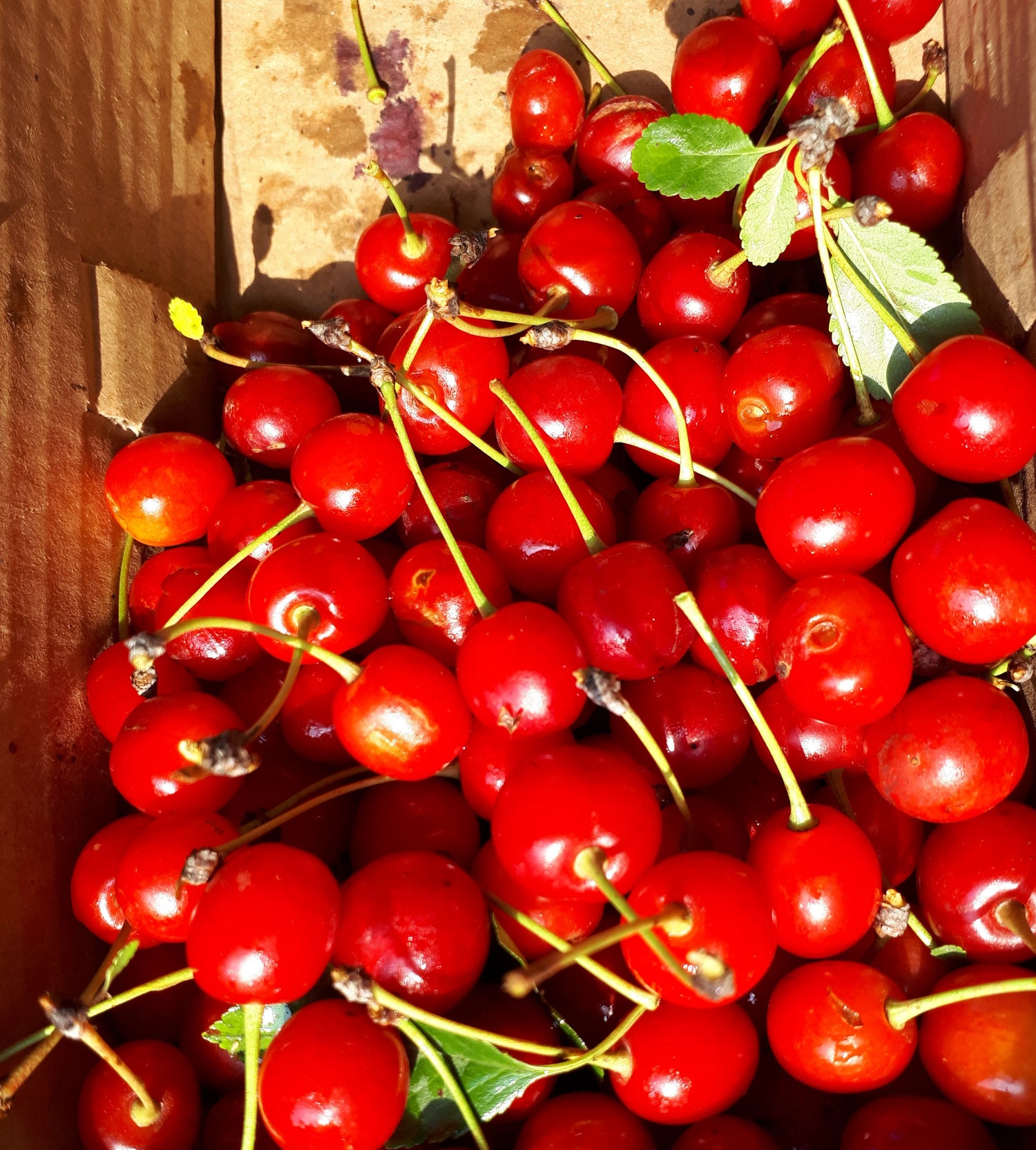
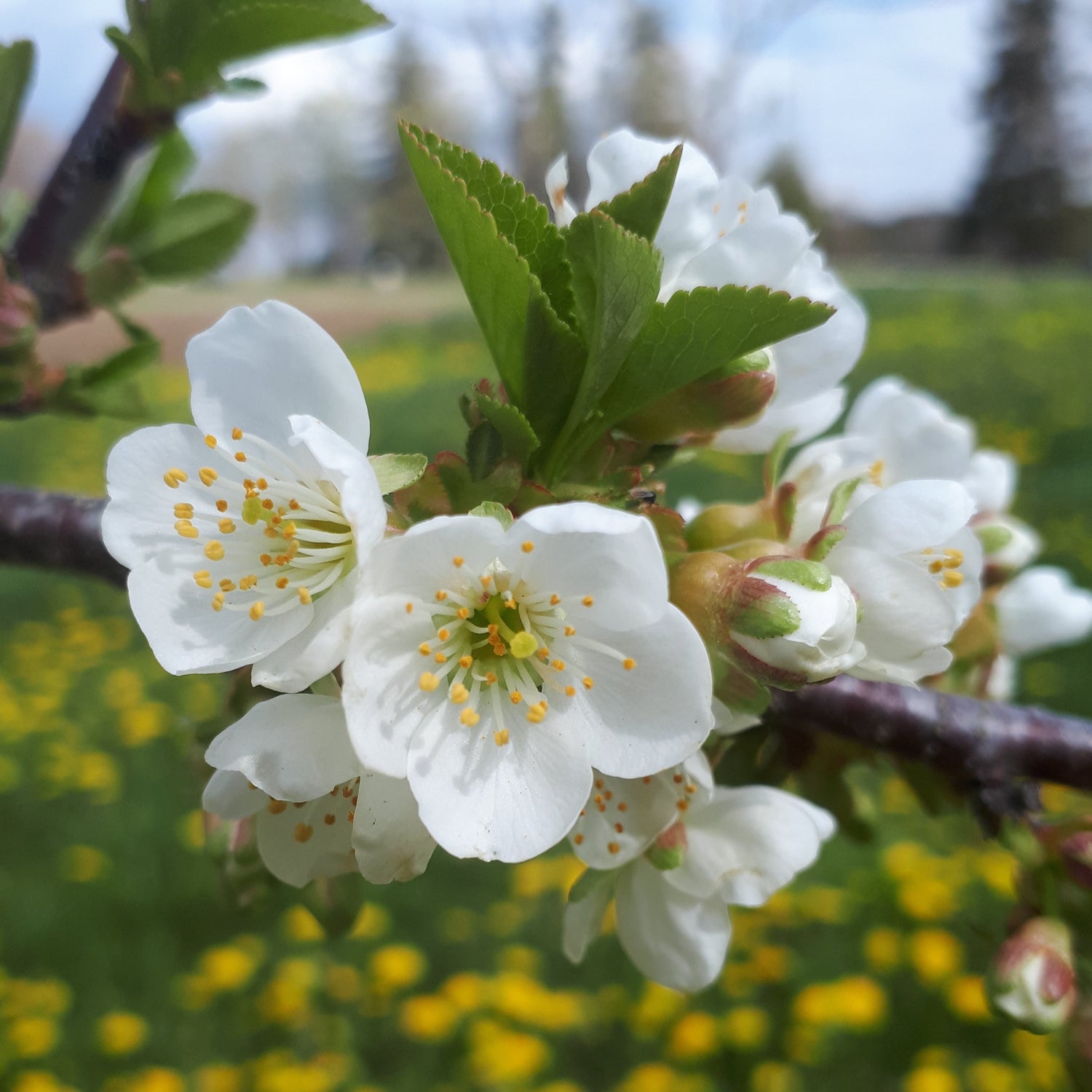
History: Meteor sour cherries were introduced by the University of Minnesota in 1952 as part of an effort to breed more cold hardy varieties.
Why We Grow It: Winter hardiness, reliable cropping, and a resistance to leaf spot make Meteor a good choice for the backyard. The fruit is bright red with yellow flesh. Meteor is classified as an amarelle type sour cherry, similar to Montmorency. It is excellent for making pie.
Check our our blog post with some tasty sour cherry recipes!

History: Michelin was raised by a French nurseryman in Normandy where it first bore fruit in 1872. It was named after pomologist Henri Michelin who studied cider varieties. In 1884 the Woolhope Field Naturalist's Club brought Michelin along with Medaille d'Or back to England where it became one of the most commonly planted cider varieties by the 1900s.
Why We Grow It: These juicy apples produce good quantities of bittersweet juice that make a nice addition to cider blends. The trees start producing fruit at a young age and have large, reliable crops. They have preformed well in recent studies at the Vineland Research station in our Canadian growing conditions.

History: Miki* Life was bred in Hirosaki City, Japan in 1981 by Seiichi Kudo and patented in 1996. It is a cross between two popular Japanese varieties: Tsugaru and Senshu.
*without knowing how the name is written in Japanese, it is difficult to say what 'miki' translates to but it could be 'beautiful tree'
Why We Grow It: Like many other Japanese varieties, Miki Life is a lovely red apple that is all sweetness with no acidity. These juicy apples can also be used to help bulk up cider and add alcohol by adding more sugars.


History: Mindemoya was discovered growing along the shores of Lake Mindemoya on Manitoulin Island along with Mindemoya Maroon. Wayne Kuntze happened upon these trees in 2020 while vacationing with his family. The good size and pinkish striping on the fruit caught his eye, and the sweet flavour sealed the deal! Now in 2023, we are happy to introduce this variety to the world!
Why We Grow It: Always on the search for new varieties, we are happy to grow and offer something that Wayne discovered! Mindemoya is an attractive whitish apple with pinkish-red stripes. It has a pleasantly sweet flavour and plenty of juice, along with a soft texture that may make it good for applesauce along with fresh eating.
This is a brand new variety and we're still learning about it! For any avid apple growers who decide to plant these out, feel free to keep us updated on how it grows, what you use the fruit for, etc, so we can provide as much information as possible!

History: Mindemoya Maroon was discovered near Mindemoya, Ontario by Wayne Kuntze when he was vacationing on Manitoulin Island with his family in 2020. It, along with Mindemoya, were found growing wild along Lake Mindemoya. It was named for the location where it was found and the red flesh of the crabapple. We are happy to officially introduce this variety to the world in 2023!
Why We Grow It: Always excited to try new things, Mindemoya Maroon is hard to turn down with its bright red flesh. For those who like really tart apples, it is not bad for fresh eating but would likely be better for jelly or potentially cider. Red-fleshed varieties often produce a lovely red juice, adding visual appeal to whatever they're used in!
This is a brand new variety and we're still learning about it! For any avid apple growers who decide to plant these out, feel free to keep us updated on how it grows, what you use the fruit for, etc, so we can provide as much information as possible!
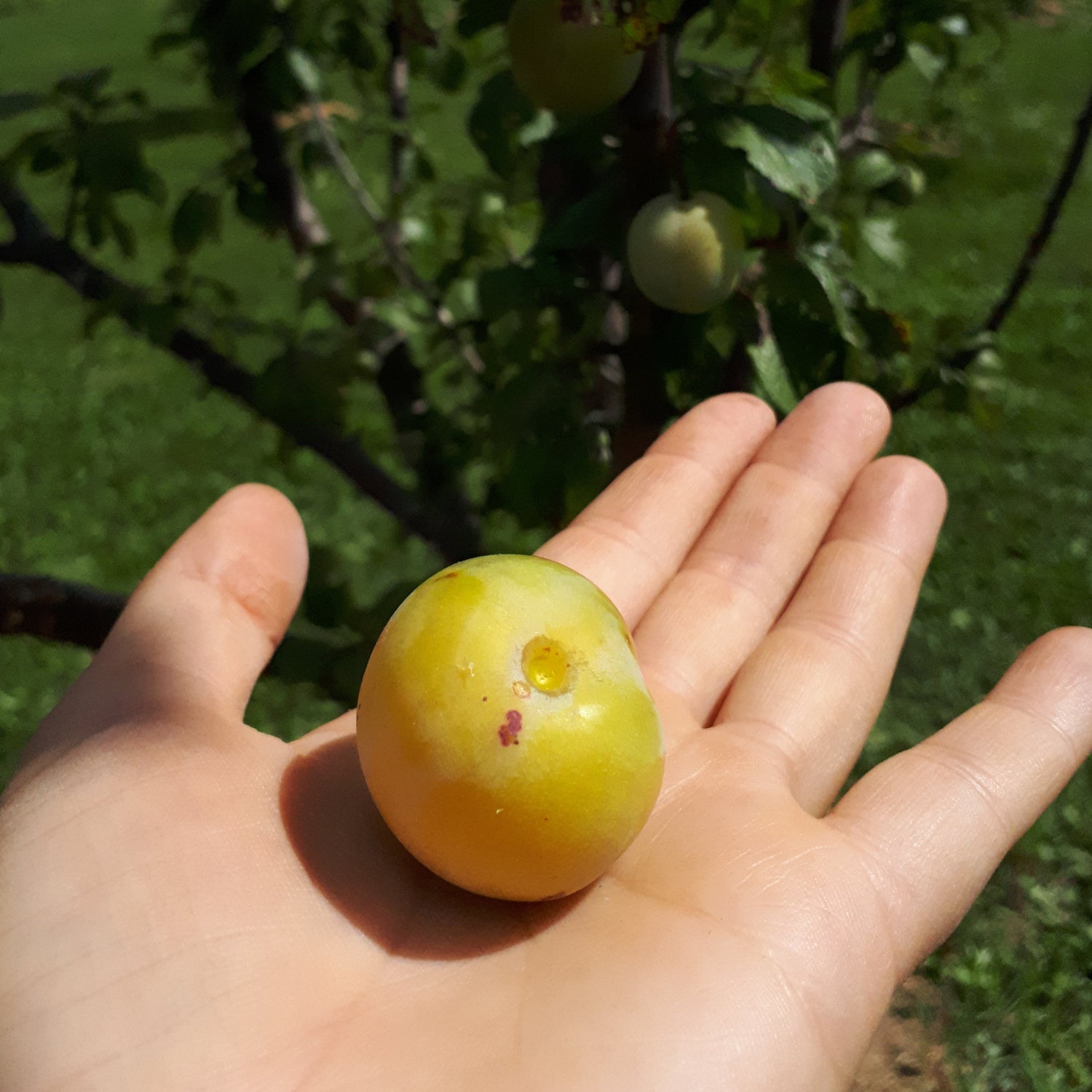
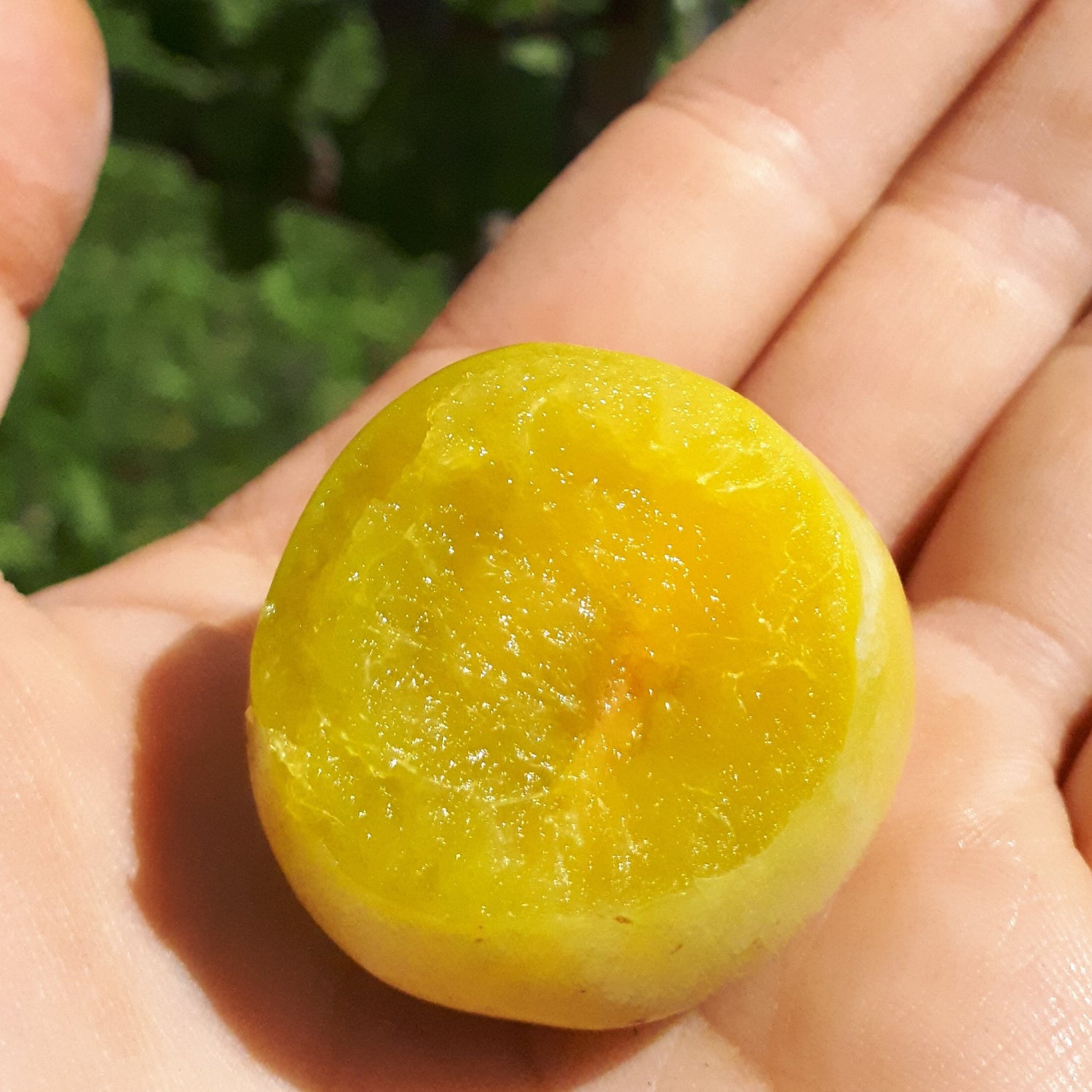
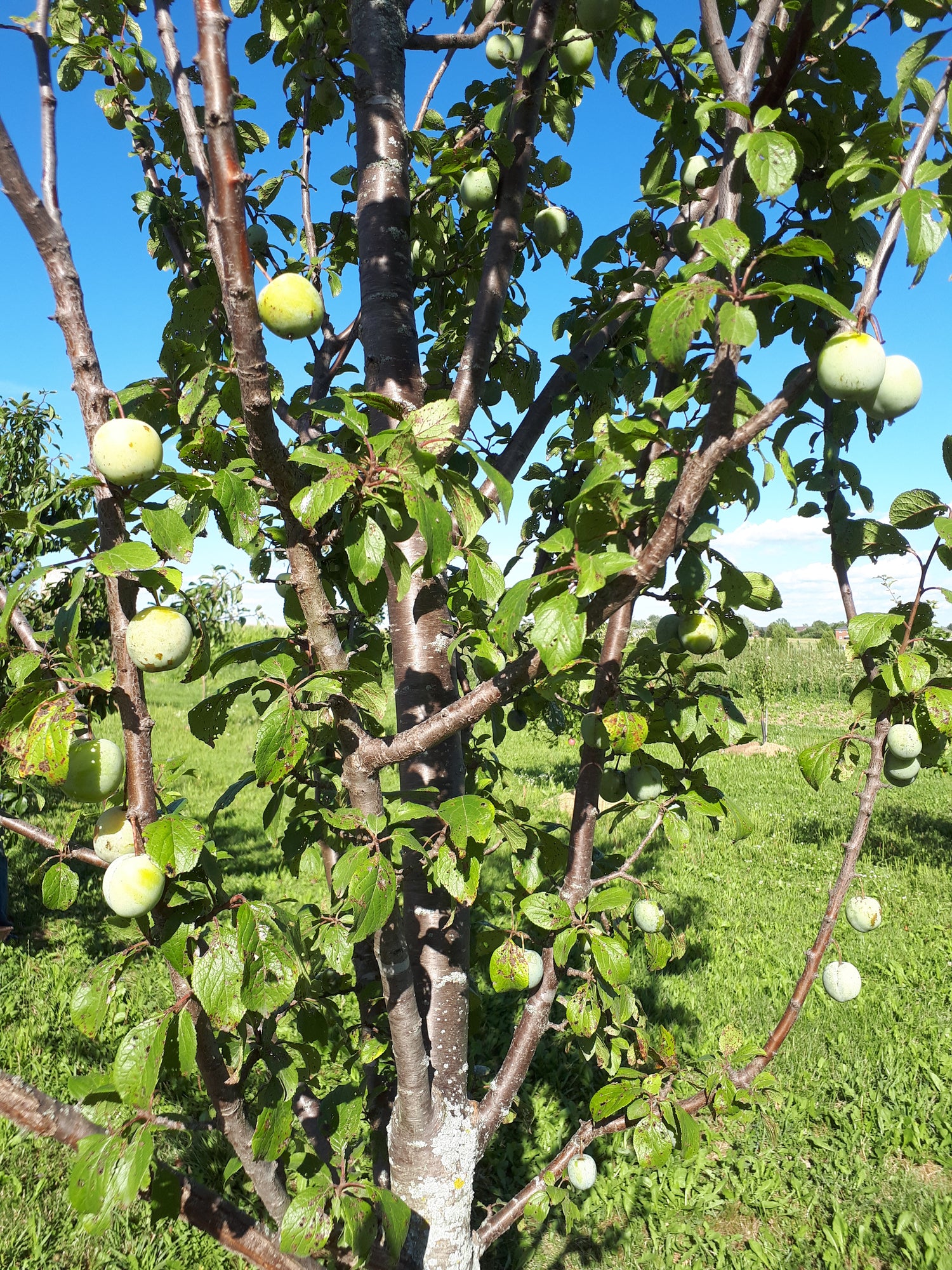
History: Likely cultivated from a wild plum growing in Asia, Mirabelle plums are a specialty of the Lorraine region in France where they are still primarily grown today. They are very popular in Europe and the French city of Metz has an annual Mirabelle Festival that spans two weeks. In 2006, the French city of Nancy created the world's longest Mirabelle tart which measured over 200m in length.
Why We Grow It: It's no why wonder that this European plum is so popular. Mirabelle plums are super sweet and flavourful with soft juicy flesh. The medium-sized yellow fruit is exquisite as a dessert plum, but can also be used in jams, chutneys and schnapps.
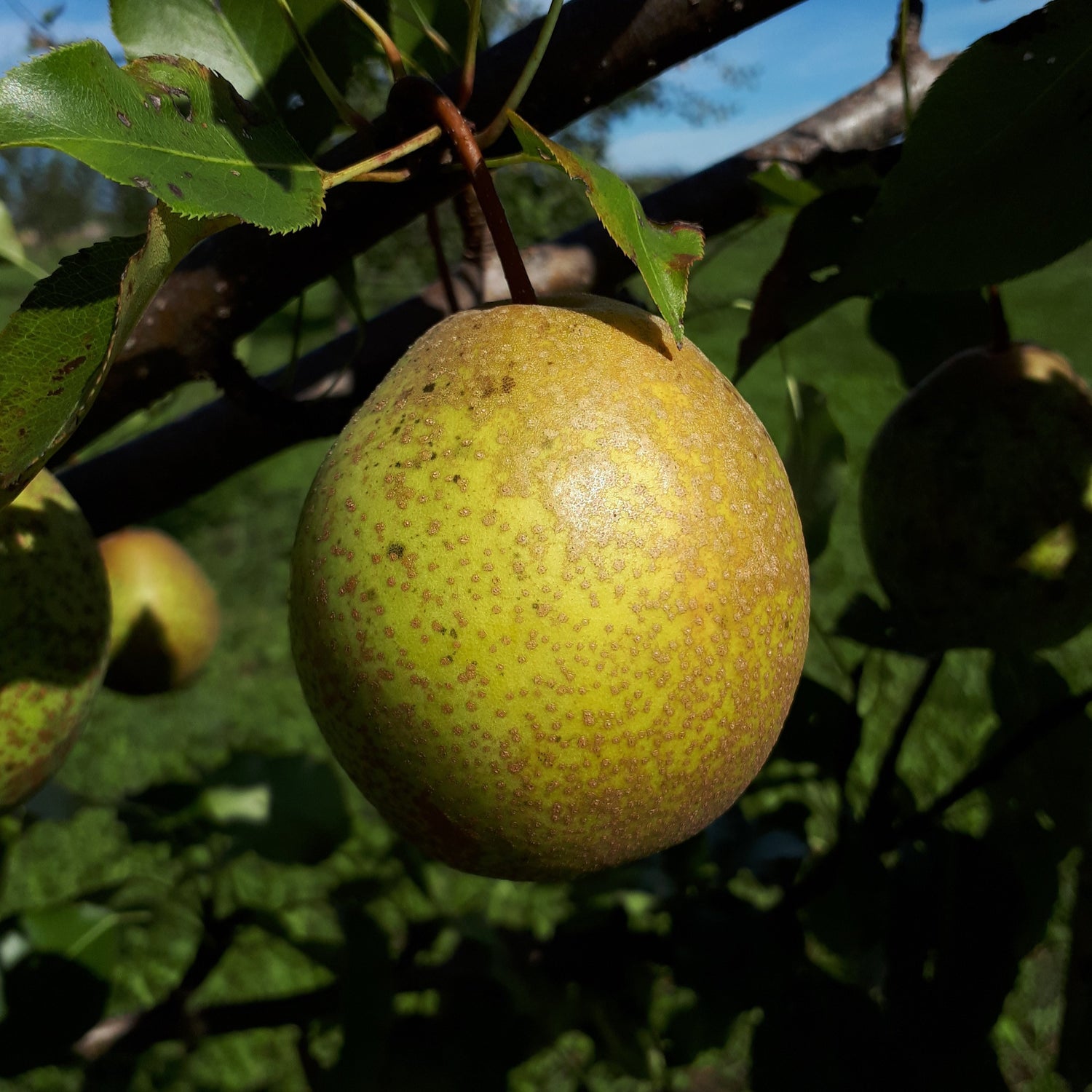
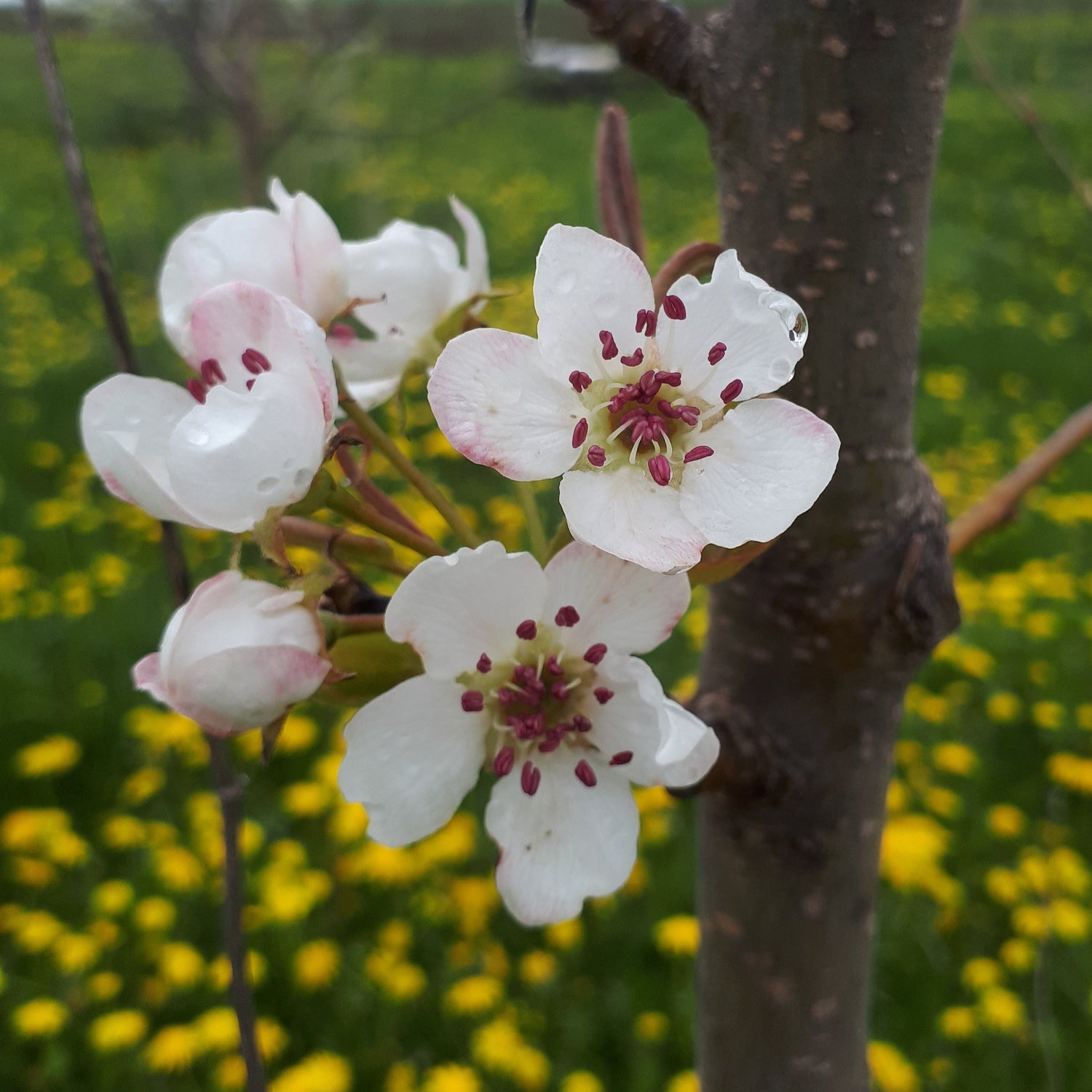
History: Mishirasu is an Asian pear from Japan.
Why We Grow It: Mishirasu is a popular variety since the fruit are extra large with a sweet, mild flavour and a nice crunch. The skin is brown and russeted, and the fruit have a roundish shape that is reminiscent of European pears.


Species: Corylus heterophylla, C. americana, or C. heterophylla x C. americana
History: These hazelnut seedlings are grown from seed sourced from an open-pollinated, mixed hazelnut orchard at Grimo Nut Nursery. Since the orchard is open-pollinated, the resulting seedlings may be Asian hazelnuts, American hazelnuts, or hybrids of the two!
Why We Grow It: With such random cross-pollination, each seedling has the chance to be quite unique! Regardless of what you get, they will produce nuts that are excellent for a variety of uses!
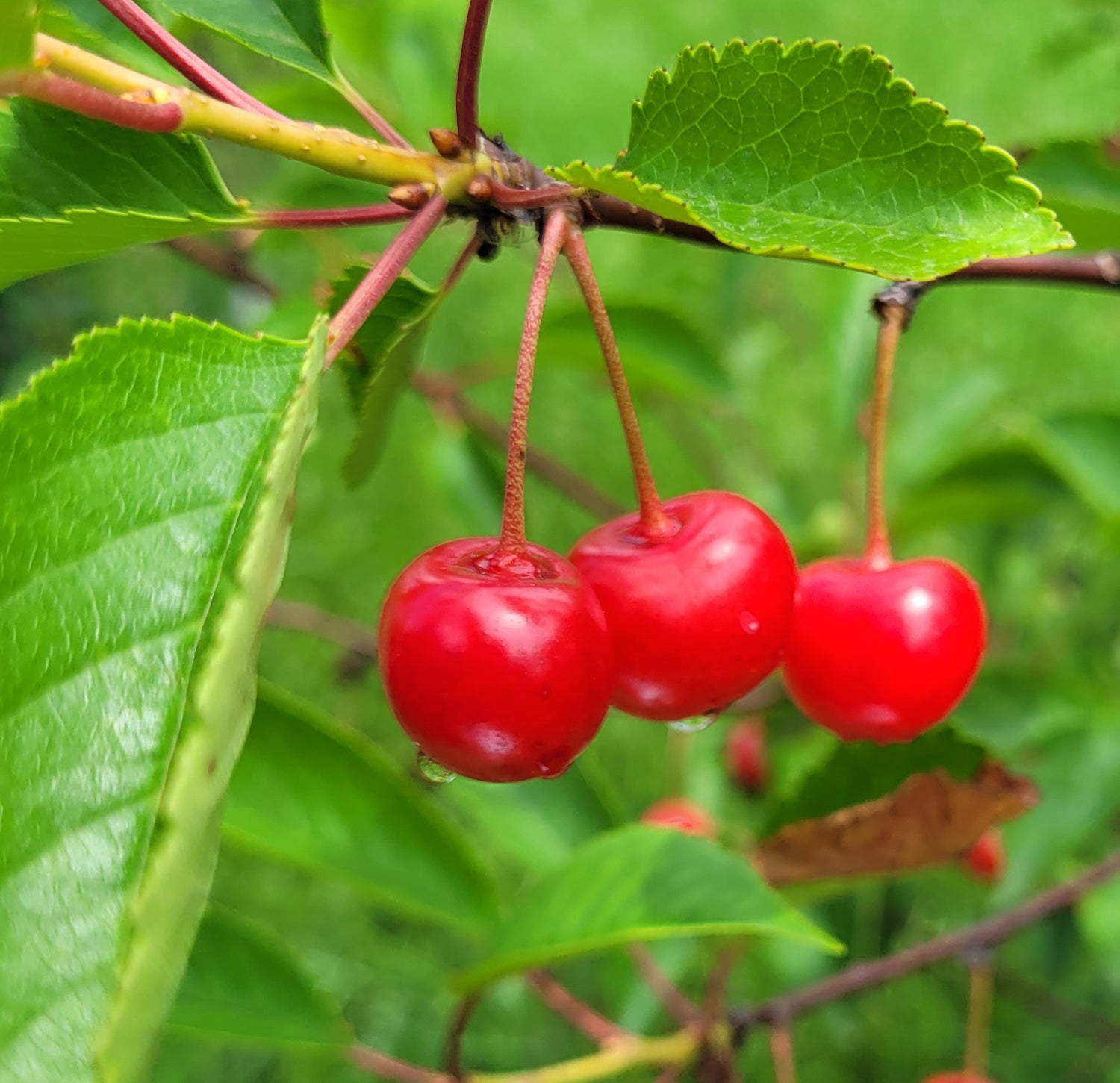
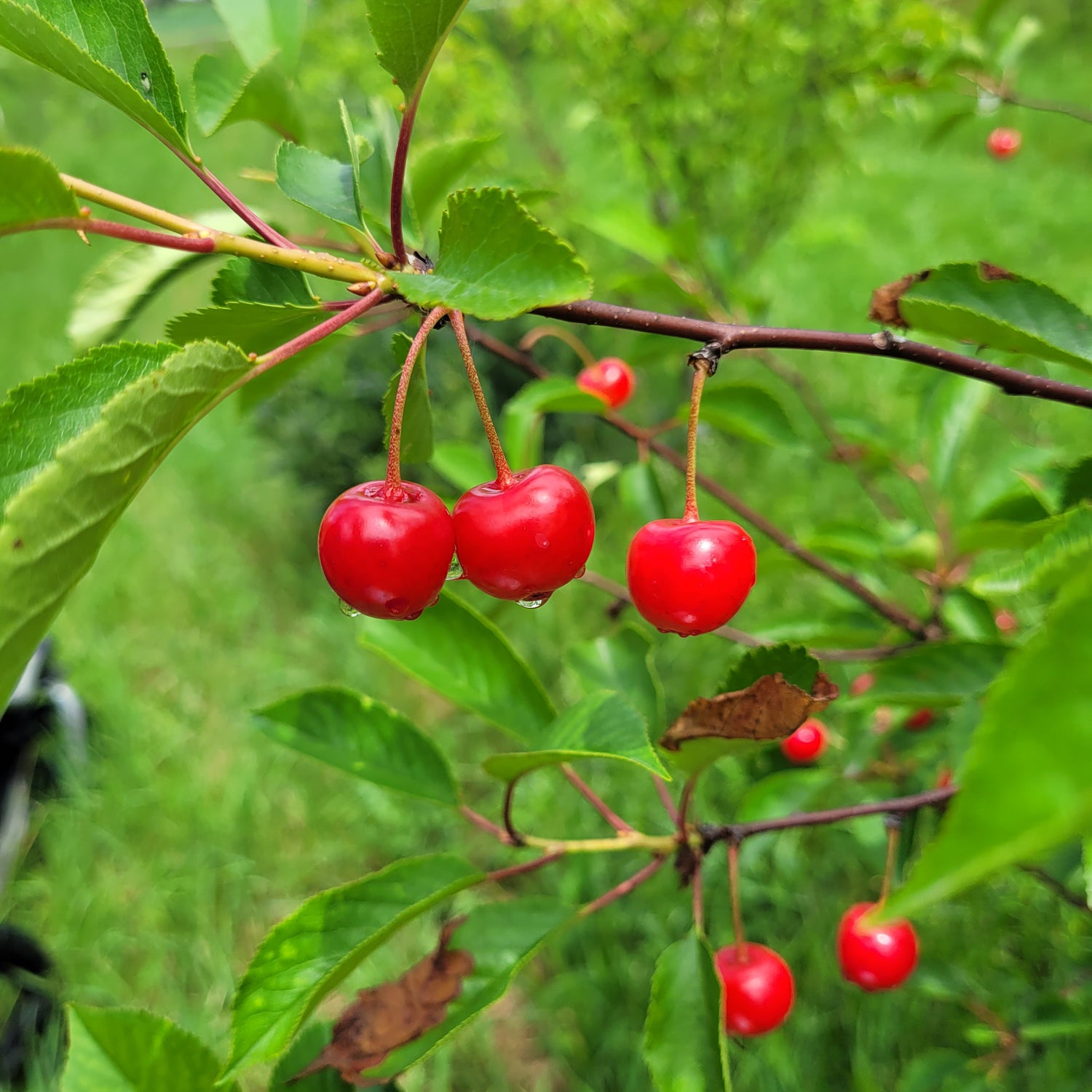
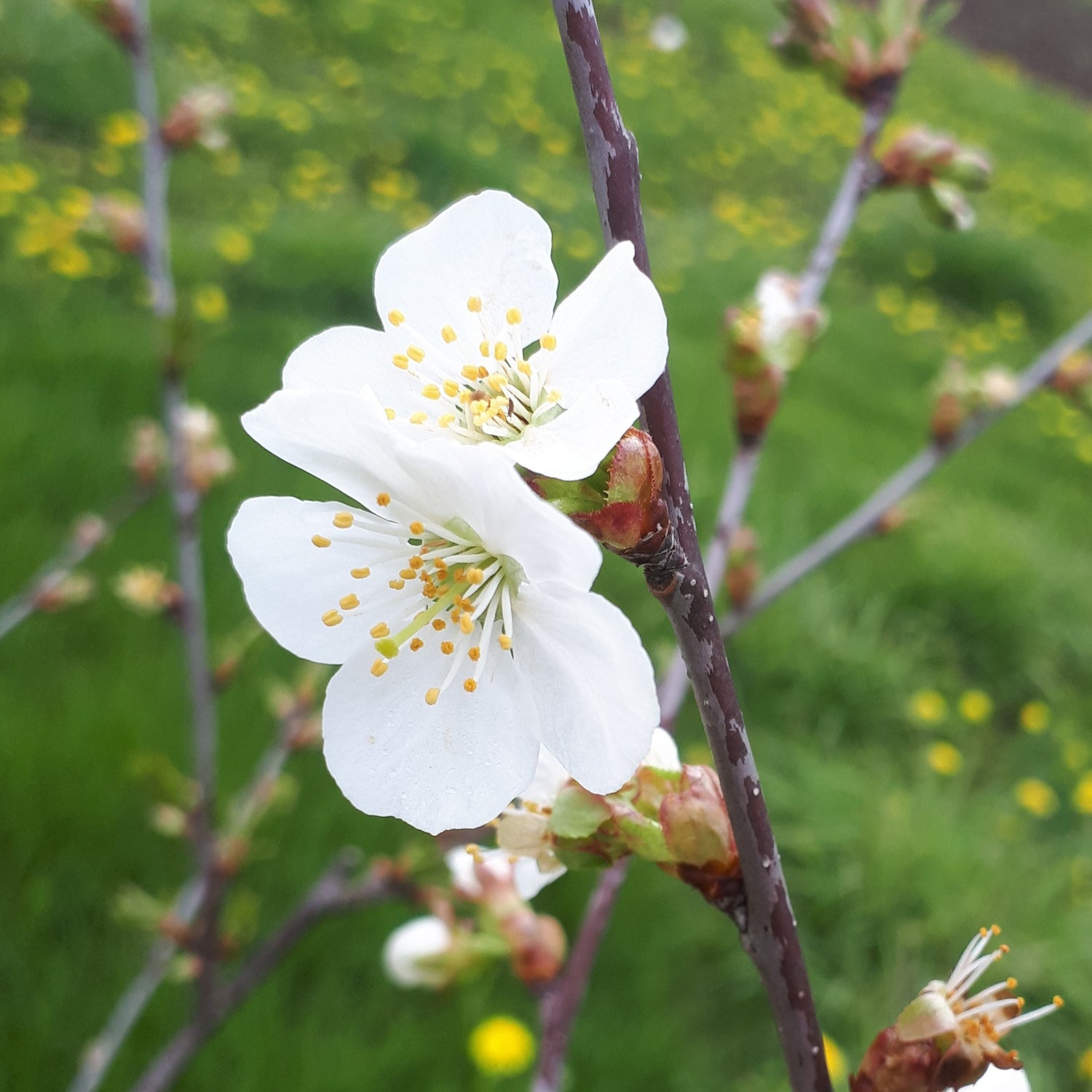
History: Montmorency sour cherries date back over 400 years, originating in the Montmorency Valley in France. From there they spread to England and eventually to North America where they are the most commonly grown sour cherry by far. Products that contain sour cherries are almost guaranteed to use this variety.
Why We Grow It: It's hard to ignore such a classic and beloved sour cherry. Montmorency produces bright red cherries that are perfect for making cherry pie, preserves, and jams. Montmorency is an amarelle cherry.
Check our our blog post with some tasty sour cherry recipes!
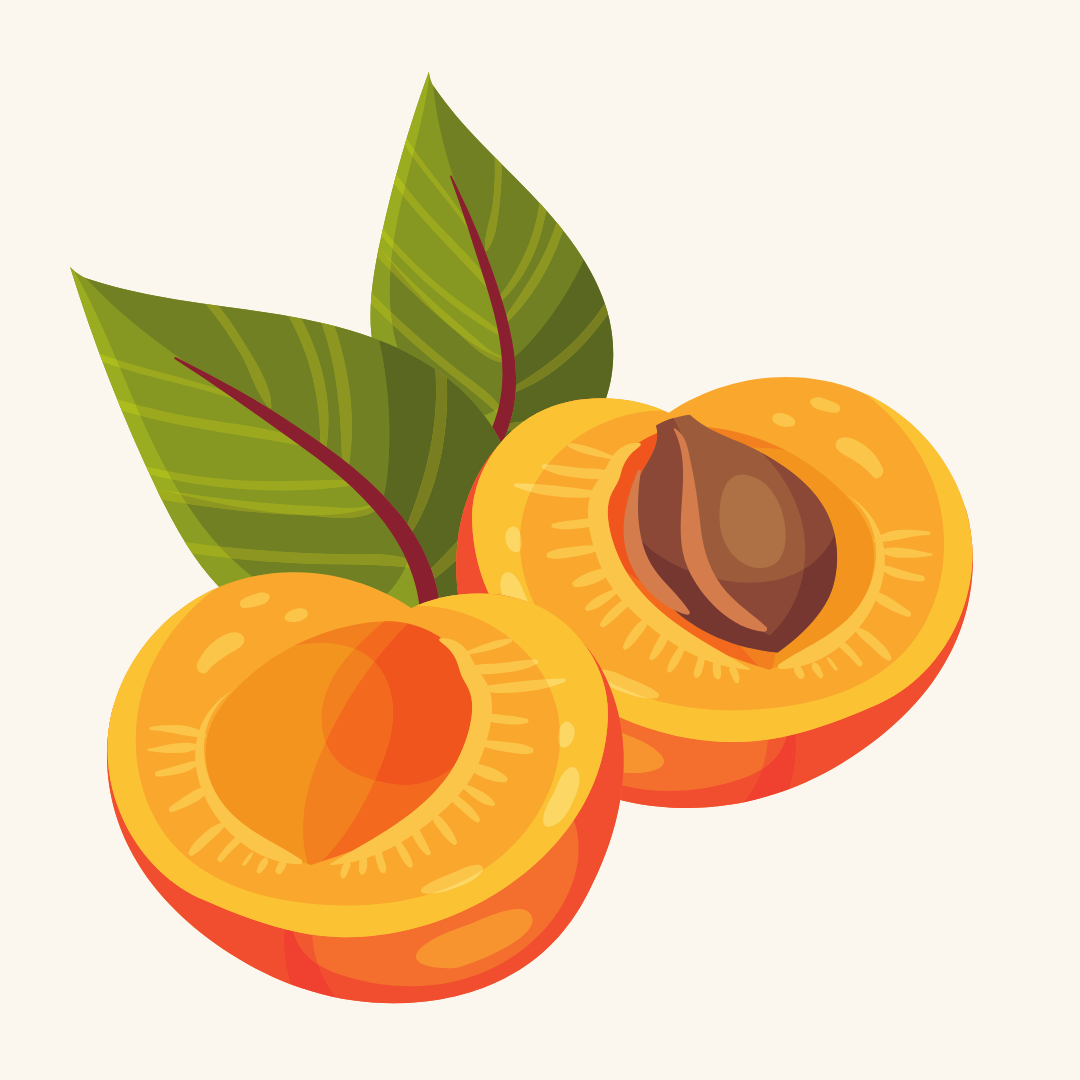
History: Montrose's parent tree was discovered growing in Montrose, California, by Lloyd Rosenvold after he purchased the land in 1952. He was surprised to find a large apricot tree growing quite high up on a hill in an area where the winters could get quite cold, yet the tree still produced large crops of excellent fruit. When he moved to Idaho in 1966, Rosenvold took seeds from the apricots of this tree to see how they would fare in an even colder climate. The best of these trees he named 'Montrose.'
Why We Grow It: Montrose produces medium to large freestone apricots that are yellow with a pleasant red blush. They have an excellent sweet flavour and even the pit is edible, being similar to an almond. Most importantly for us, these trees are quite hardy and bloom late, making them more reliable in our climate compared to other varieties.

History: Moorpark apricots were introduced formally some time in the 1700s at the estate of Lord Anson, a Royal Navy officer. They seem to have had a rich history previously, in Italy and England as early as the mid 1500's. They we so enjoyed, Jane Austin mentions it in her classic novel, Mansfield Park. The variety was named after Lord Anson's estate, Moor Park, and has became a staple cultivar ever since.
Why We Grow It: Moorpark apricots are a particularly popular variety due to their large fruit. The bright orange fruit is sweet and juicy, excellent fresh off the tree. They are also great for canning and drying.

History: Mother was first officially introduced to the world in an 1844 edition of the "Magazine of Horticulture." We know it came from General Stephen Gardner's farm in Massachusetts in the US but do not know any other details about its origins. It faded from popularity in the US during the 1900s but remained popular in the UK.
Why We Grow It: Mother produces medium-sized apples with yellow skin that turn deep red where exposed to the sun. This crisp, juicy apple is sweet with hints of pear and vanilla making it an excellent choice for fresh eating. It is also a popular option for baking pies! The fruit stores well, the blooms are tolerant of late spring frosts, and the tree tends to start producing at a young age. It is also susceptible to several common apple diseases, but we believe its other qualities outshine that fact.
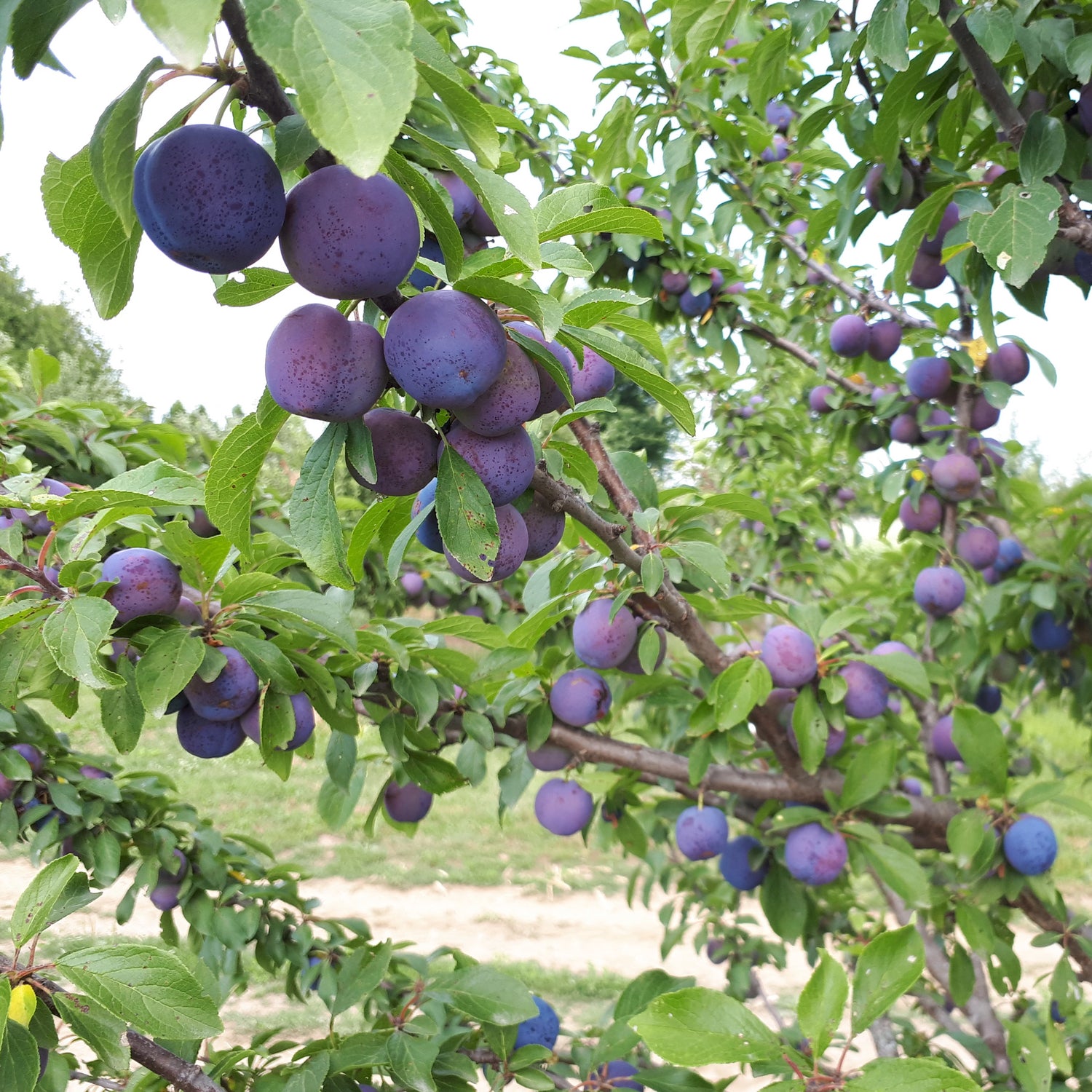
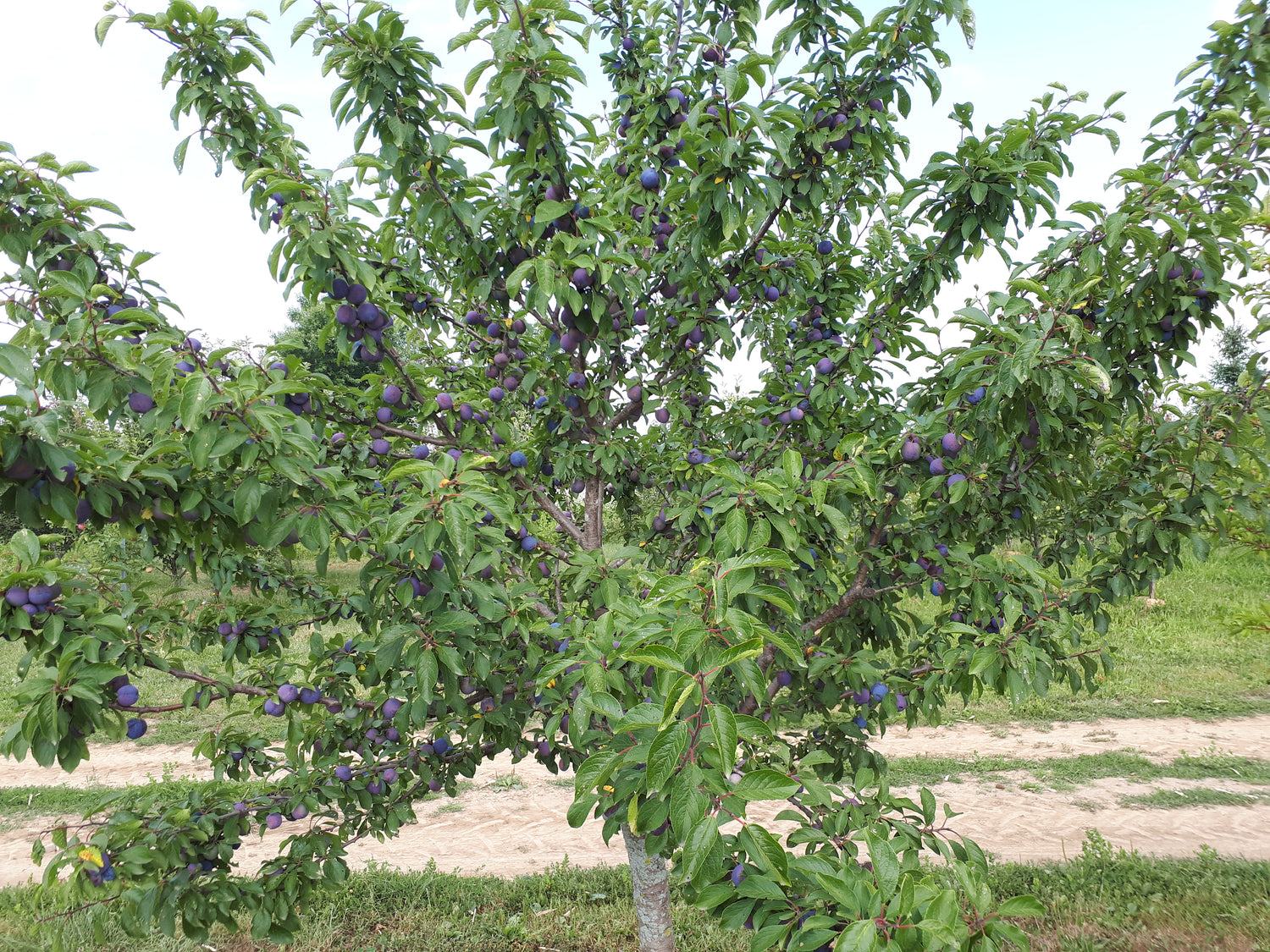
History: As the name suggests, Mount Royal plums originated in the Montreal area where it was either found by French colonizers as a wild chance seedling or intentionally bred by Jesuit missionaries and French colonizers using plums brought over from Europe. Either way, the result is a lovely plum hardy enough to survive Canadian winters.
Why We Grow It: This European plum is a Canadian classic of excellent flavour and good cold-hardiness. The fruit is blue-skinned with jammy yellow flesh that is both sweet and spicy. The tree produces heavy crops.


History: Little is known about Muscadet de Dieppe aside from the fact it originated near the port of Dieppe in Normandy, France. It was commonly grown in the area since 1750 at least.
Why We Grow It: Considering this French cider variety was popular in an area known for its cider, this makes for a classic cider apple. The juice is bittersweet and aromatic which is excellent in both single-variety ciders and cider blends.
History: Mutsu apples (aka Crispin) were developed in the 1930s at the Aomori Apple Experiment Station in Japan as a cross between Golden Delicious and Indo apples, the same parentage as its sister apple Shizuka. This variety was named after Mutsu Province which was the previous name for the area where it was grown and released in 1949.
Why We Grow It: Mutsu apples have a lot going for them. They have a delicious sweet-tart flavour which is great for fresh eating and the golden yellow skin is quite attractive. The fruit itself is very large and keeps its shaped when cooked, making it an excellent choice for baking. The apples even store well, lasting all winter.
Showing 195/320
Next