All Fruit Trees

All Fruit Trees
Looking for bareroot fruit trees Canada? We offer a wide variety of bareroot fruit trees including apples, apricots, pears, plums, cherries, quince, and peaches that are grown for the Canadian climate & we deliver cold-hardy fruit trees right to your door!
We also offer fruit trees for small gardens, heritage apples Ontario and you can filter all our fruit trees by hardiness zones. Search trees by collection or peruse all the varieties we carry below! We offer flat rate shipping across Canada.




320 products
Sort by:
320 products
320 products
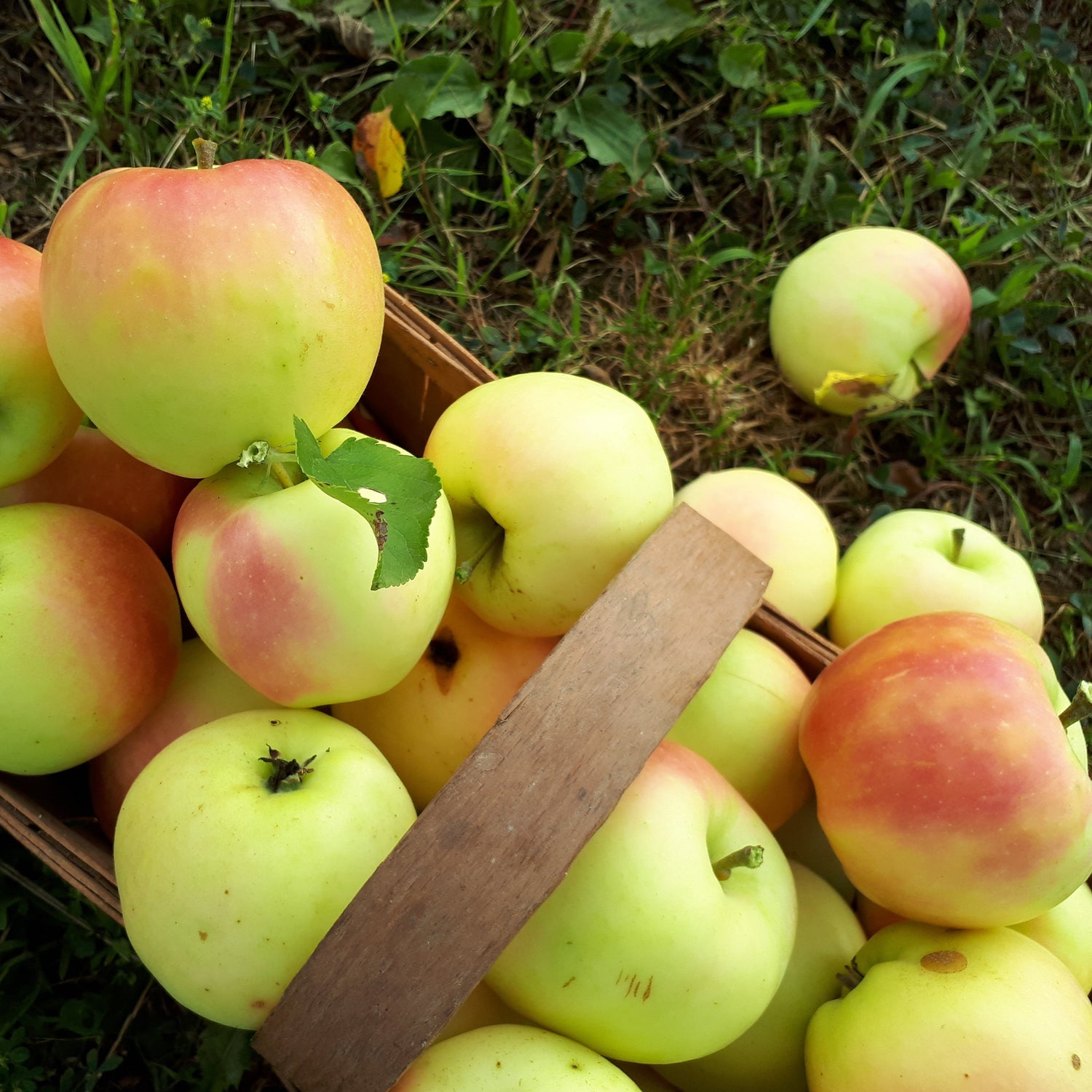
History: Pristine is another variety that was developed through the collaborative PRI disease-resistant breeding program run by Purdue University, Rutgers University, and the University of Illinois. It was introduced in 1994.
Why We Grow It: The program was successful with this apple which boasts a decent disease resistance, and performs very well in our orchard. The fruit is an attractive yellow-gold colour with a pink blush where the sun hits it, and the flesh is dense and white. It has a refreshing, sharp flavour and is good for fresh eating if you enjoy a good tart apple! Unlike many early season apples, it has a higher sugar content and stores decently well.

Why We Grow It: Purple Passion produces a large apple with reddish-purple skin and crimson flesh. The flavour is quite sharp, making it better suited for cooking and especially cider. This juicy apple can be pressed into a crimson cider that is visually quite appealing. The tree also boasts attractive pink blossoms and red-tinged foliage, making it a nice ornamental tree as well.
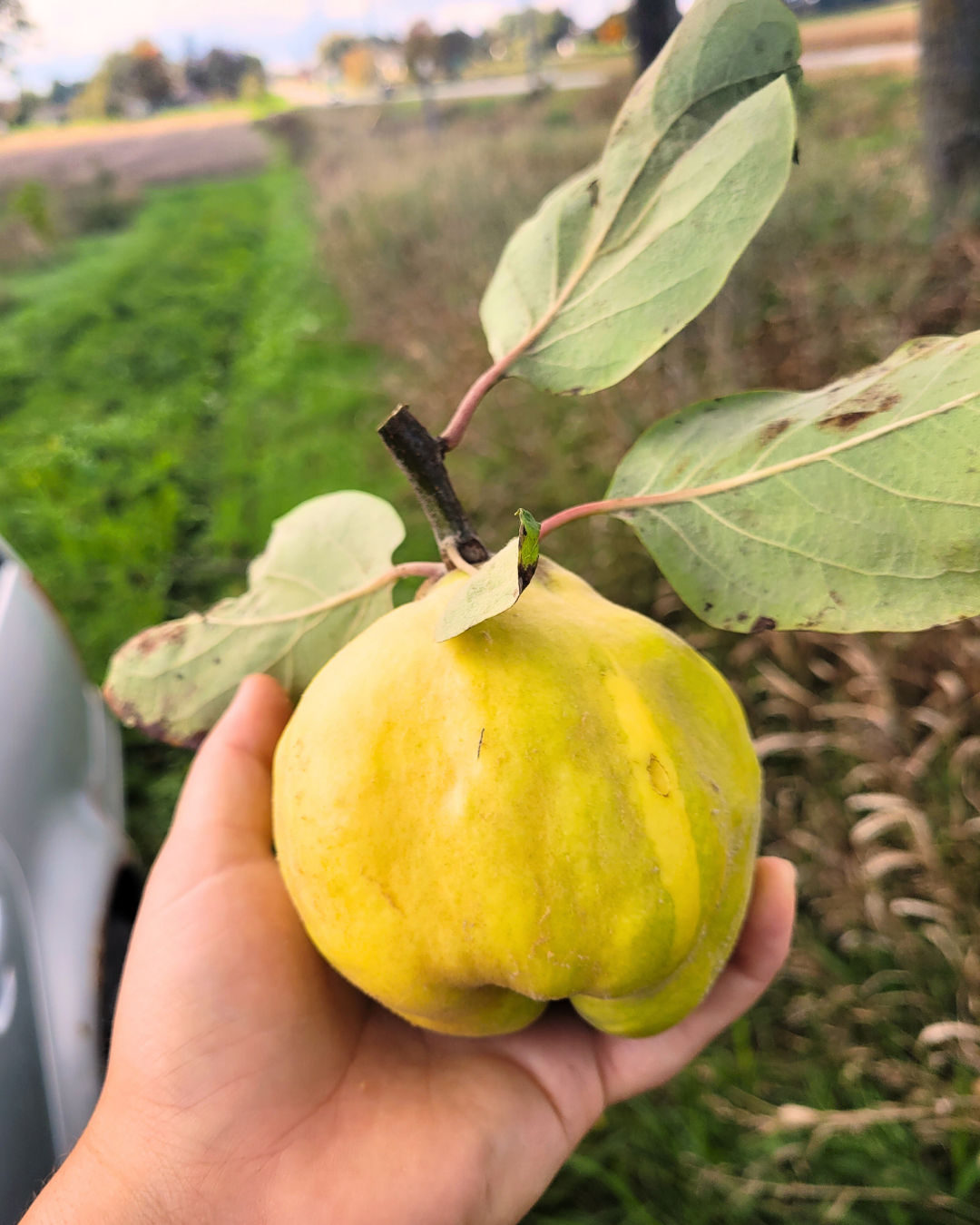
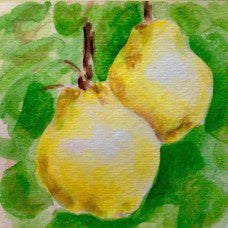
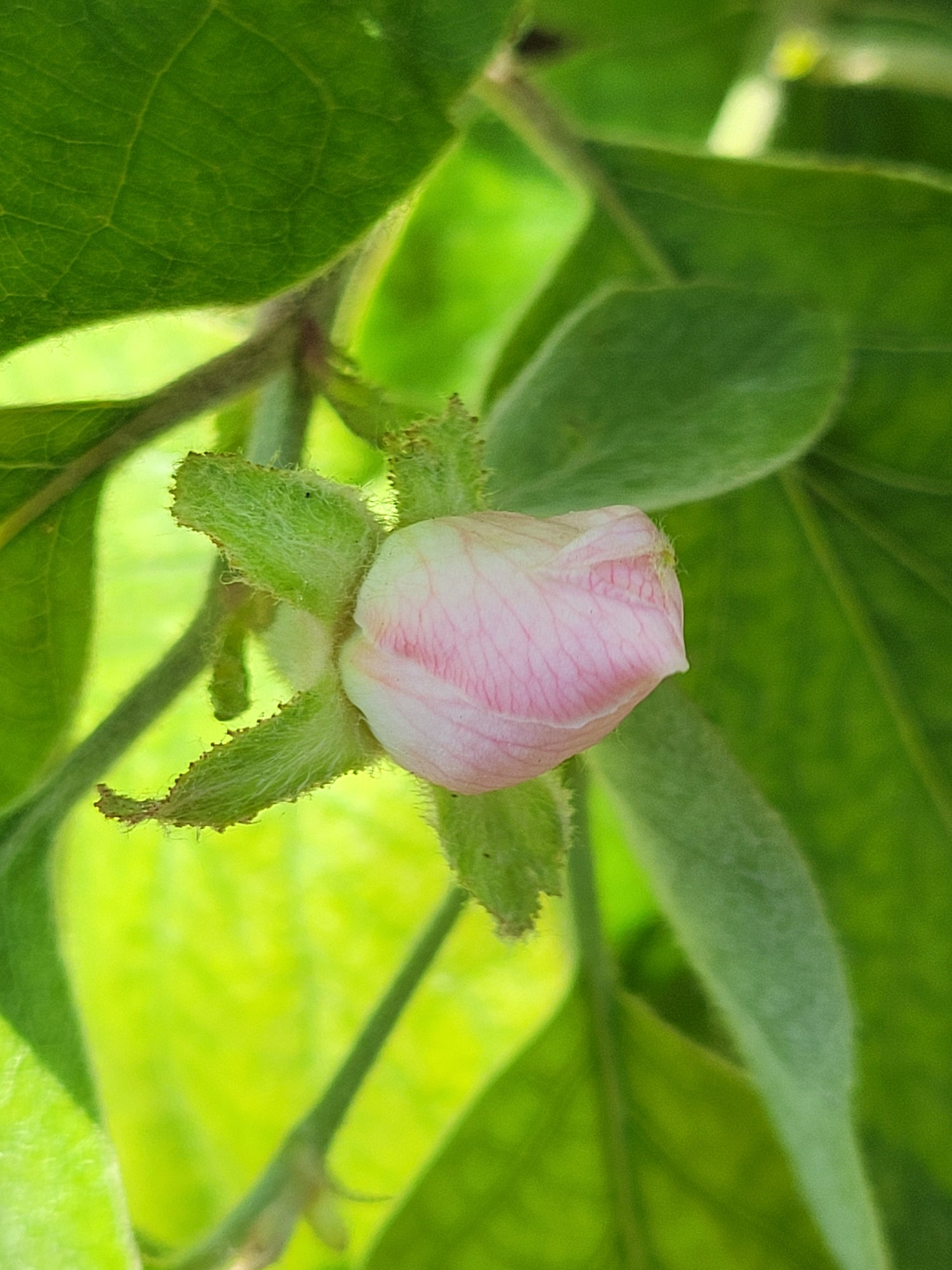
History: The history of Quince of Portugal is largely unknown aside from the fact that it was introduced to England in the early 1600s.
Why We Grow It: This quince is often considered to have the best flavour of all quinces. On top of that, the impressive fruits of this variety can weigh up to 1 lb and are juicier than most other cultivars. When ripe, this quince cooks to a lovely crimson coloured puree. It is best to store the fruit indoors for a couple weeks before eating it.
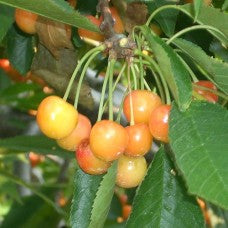
History: Rainier sweet cherries were created by Harold Fogle at the Washington State University research center in 1952 and released in 1960. They were named after Mount Rainier, the tallest mountain in the state. Due to their delicate nature, Rainier cherries tend to be a bit more expensive than other commercial varieties.
Why We Grow It: Rainier are delicious yellow-skinned, yellow-fleshed sweet cherries. Some say they are the best tasting of all yellow cherries, and perhaps the best tasting cherry in general. Along with being great for fresh eating, they are also suitable for uses such as canning.

History: Red Gravenstein is a sport/mutation of the original Gravenstein/Yellow Gravenstein that is a striking bright red. Some say it is also sweeter than the original.
Why We Grow It: With attractive red skin, this is a lovely sport of the original Gravenstein. It is a good quality and sweet early apple that is excellent for home orchards.


History: Redfree is one of the apples developed under the collaborative PRI disease-resistant breeding program run by Purdue University, Rutgers University, and the University of Illinois. It was bred in 1966 and officially introduce to the public in 1980.
Why We Grow It: Redfree apples are great for fresh eating with a pleasant, mildly sweet flavour and softer yet crisp flesh. The fruit does not ripen all at once, allowing a longer eating season. As its name would suggest, it has decent resistance to several common apple diseases.
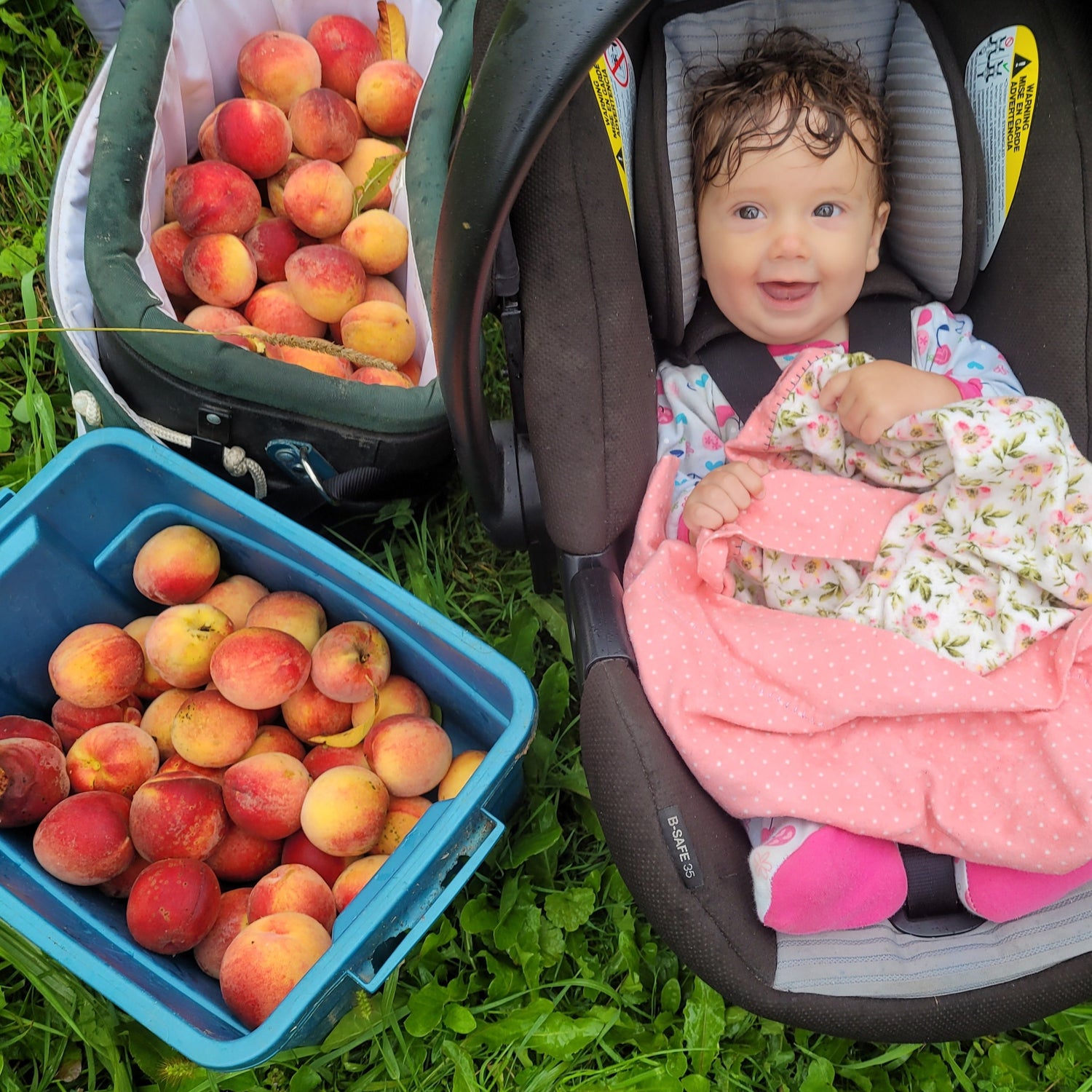
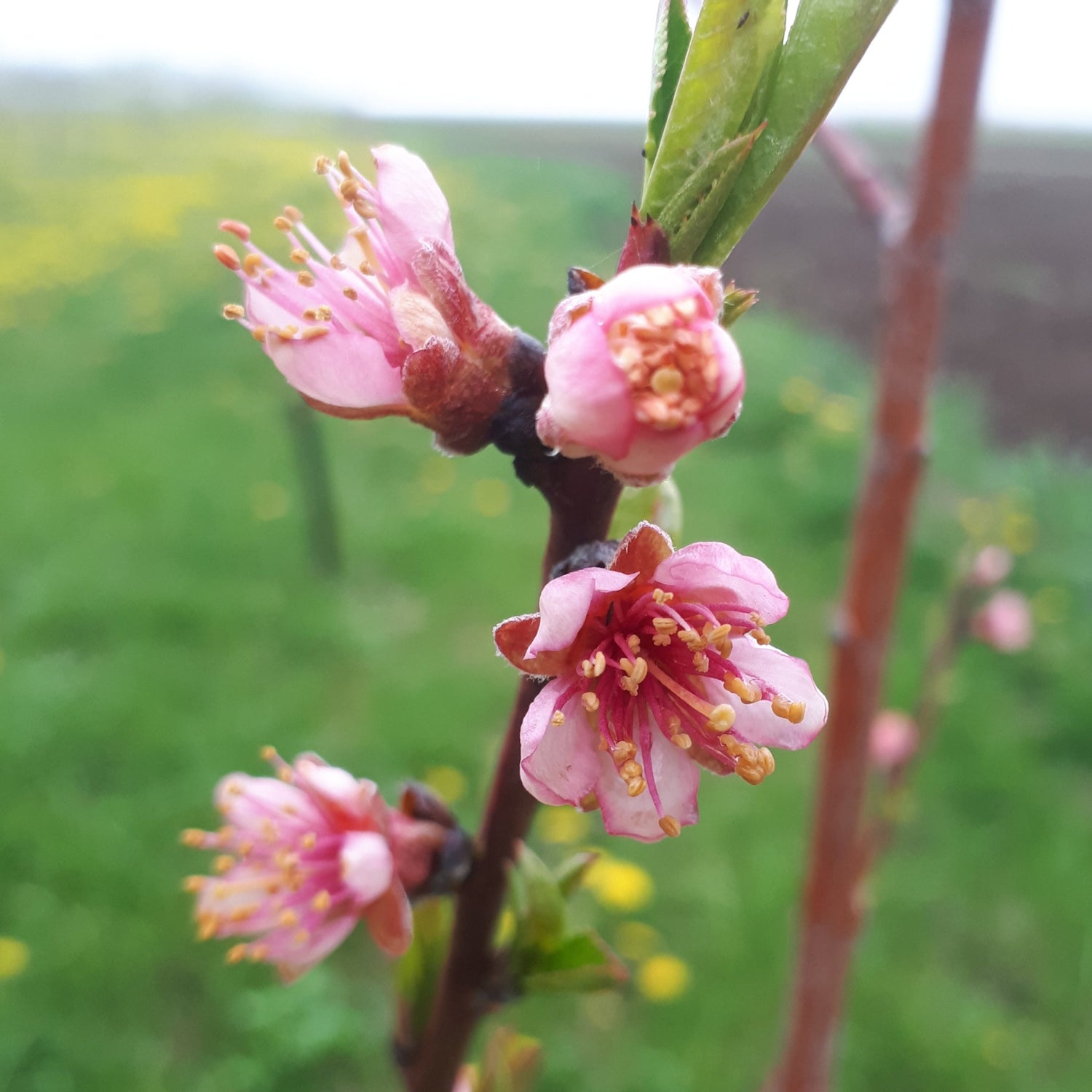
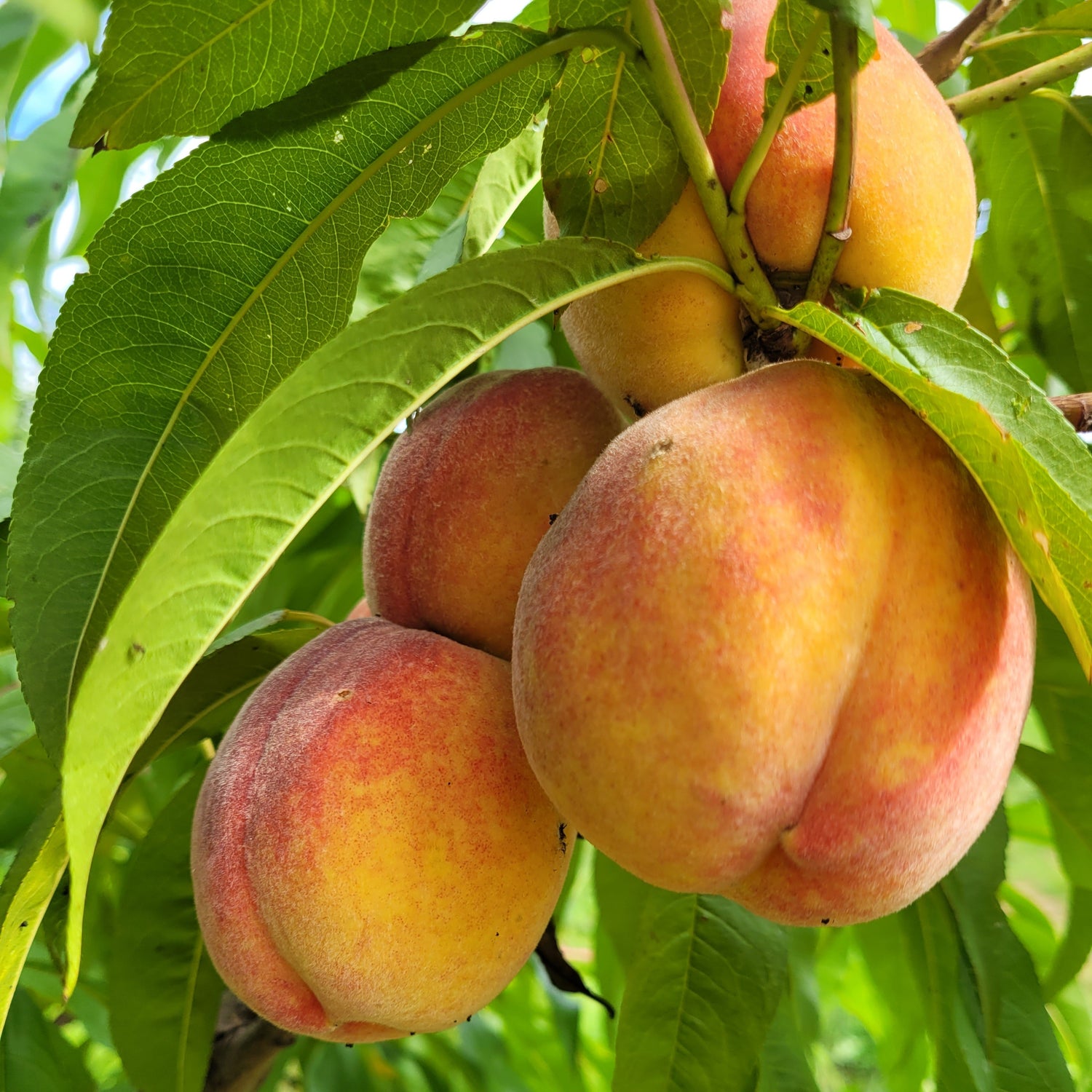
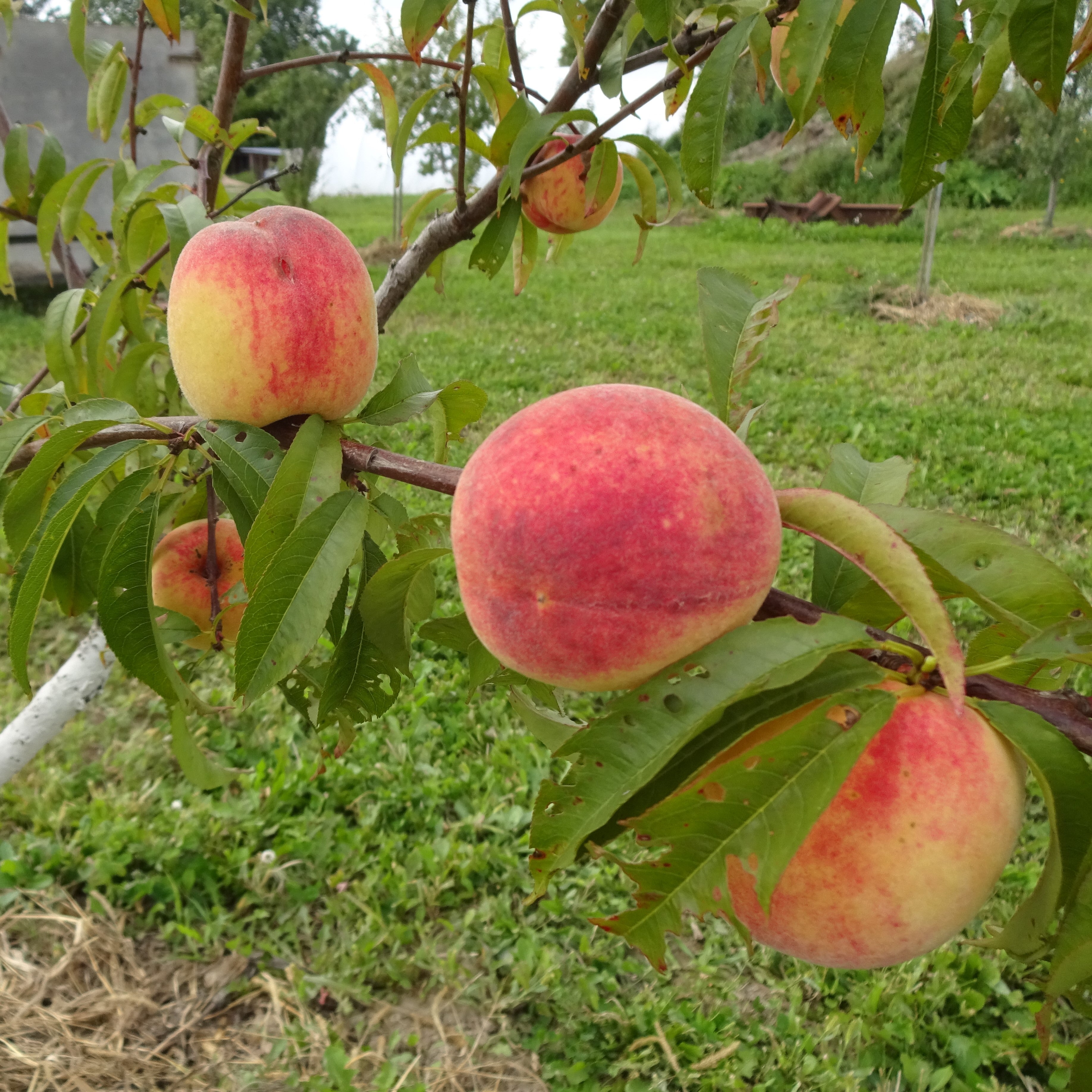
History: Redhaven peaches were created at Michigan State University's South Haven Research Center as part of the Haven series which began in 1924. Redhaven in particular was developed in the 1930s and released in the 1940s, making it the first commercial red-skinned peach variety. It is now one of the most commonly grown peaches in the world.
Why We Grow It: Redhaven is the most popular peach in North America, its sweet fruit being great for just about anything. The fruit is attractive, juicy, and flavourful and is slow to brown. The flesh does not turn brown when cut as quickly as other varieties. To ensure you can enjoy this great peach as much as possible, the tree begins bearing fruit at a young age, bears heavy crops, and the fruit ripens over a prolonged period of time which requires multiple harvests.
Bare Root Peach Trees
We are very pleased to be able to offer peach trees to our customers. They are both challenging and rewarding plants to grow. However, due to the unique challenges of growing peach trees, and the increased care required for their success, we regrettably cannot offer our standard 90 day guarantee on peaches. Please inspect your peach trees to your satisfaction when you pick them up at the nursery, or immediately upon arrival if they are shipped. For shipped trees, make your claim within 7 days of receipt of the trees. After 7 days of receipt, you will have been deemed to have accepted the trees in as-is condition.

History: Little is known about this variety aside from that it originated in the Brittany region of France in the 1800s. The variety is held in high esteem as a traditional French cider variety. Translated from French, its name means 'Queen of Apples.'
Why We Grow It: Reine des Pommes produces a bold, fragrant flavoured bittersweet cider that is quite unique. It is good both as a single-variety cider and in blends. The tree is fairly vigorous and produces good crops.
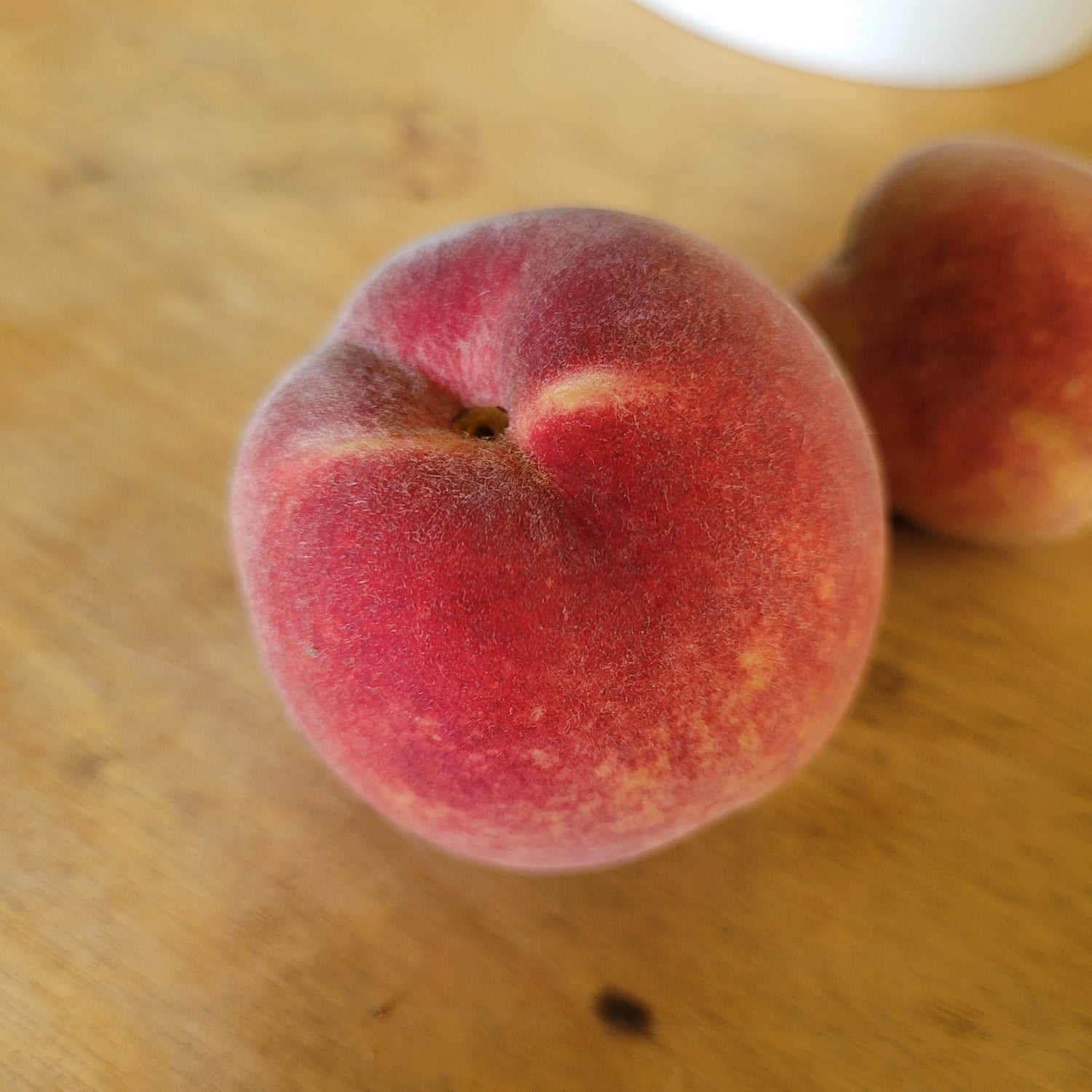
History: Reliance peaches were developed in a breeding program at the Agricultural
Extension Station in New Hampshire, where it was grown from seed in 1956. In 1961, the Reliance seedling got its first trial by fire, or ice in this case, as a severe cold spell dropped temperatures to -32°C. That summer only Reliance produced fruit and it was clear that this was a cold hardy winner. This tenacious peach was released in 1964.
Why We Grow It: Reliance is a very hardy variety that can still fruit after a winter low of -32°C, perfect for Canadian growers. The fruit is medium-sized, the skin is a dull red colour over yellow, and the flesh is bright yellow with freestone pit. It also tastes great and the fruit can be eaten fresh or used in baking and preserves.
Bare Root Peach Trees
We are very pleased to be able to offer peach trees to our customers. They are both challenging and rewarding plants to grow. However, due to the unique challenges of growing peach trees, and the increased care required for their success, we regrettably cannot offer our standard 90 day guarantee on peaches. Please inspect your peach trees to your satisfaction when you pick them up at the nursery, or immediately upon arrival if they are shipped. For shipped trees, make your claim within 7 days of receipt of the trees. After 7 days of receipt, you will have been deemed to have accepted the trees in as-is condition.

History: Rescue was developed at Agriculture and Agri-food Canada's Scott Research Station in Scott, Saskatchewan and was released in 1933. It is an open-pollinated seedling of Blushed Calville.
Why We Grow It: Although the fruit is on the smaller side and doesn't keep well, Rescue has a good sweet-tart flavour that is good for fresh eating and is also good for cooking and preserves. This cold hardy applecrab is an excellent pollination partner for other apple trees.

History: Rhode Island Greening emerged around 1650 where it was grown from seed by a Mr. Green near Green's End, Rhode Island. Mr. Green owned a tavern and often gave scions from the original tree to his customers, although the tree eventually died from the demand for scionwood. The name was originally the descriptive 'Green's Inn apple from Rhode Island' and later shortened to 'Rhode Island Greening.'* This apple was commonly grown in New York and is still quite common today.
*Fun fact: The Ontario ghost town Unopark got its name in a similar way. It was originally founded by Richard Parker, Mouse's ancestor, and the name is a shortened version of 'You know the Parkers?'
Why We Grow It: This apple's long-lasting popularity is due to its reputation as perhaps the definitive American pie-making apple. The large, dark-green apple is too tart to be eaten fresh but is great in pies and holds its shape well when cooked. It also produces nicely in our test orchard, producing large, blemish-free fruit despite it's generally poor disease resistance.
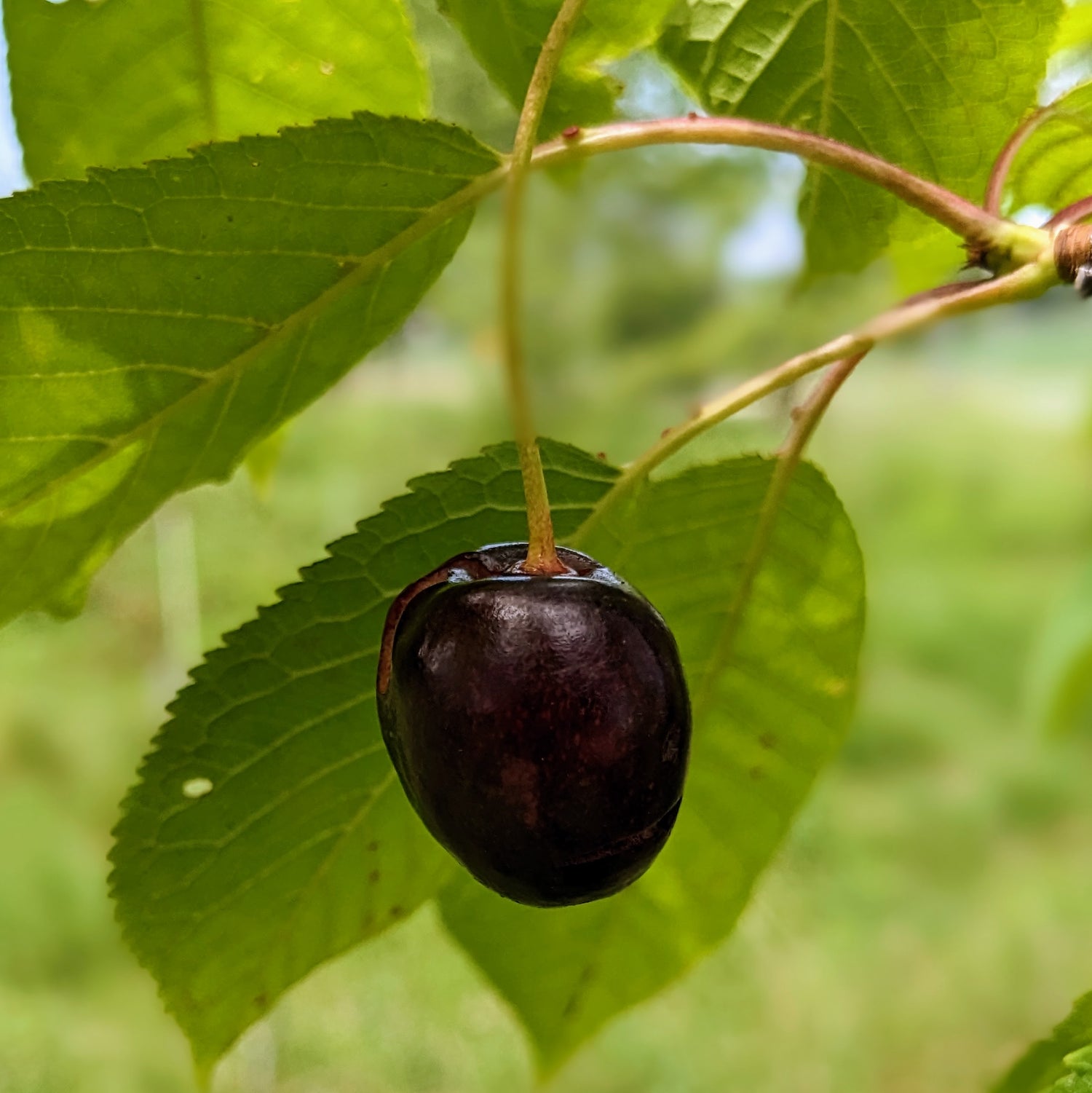
History: This heirloom sweet cherry originates from Arkona, Ontario where it was developed and grown by Ed Richter.
Why We Grow It: As an Ontario bred and raised sweet cherry, Richter cherries are well-suited to growing in our local conditions. We were fortunate to acquire this variety just before the removal of some very old Richter trees.


History: In 1817 Joel Gillet accidentally received Rome Beauty as a seedling in a shipment of nursery trees. His son planted the seedling along the Ohio River in Rome Township. When it began producing lovely red apples, Gillet's cousin started a nursery to propagate and promote it. Originally named Gillet's Seedling, the name was later changed to Rome Beauty in 1832 to honour the township. The original tree collapsed in the 1850s due to bank erosion but the variety still remains popular in the United States today.
Why We Grow It: The fruit is deep red, large, and slightly conical with cream coloured flesh. It has a mild flavour compared to something with more character like a russet, though still an excellent snacking apple. It makes a good cooking apple too since it keeps its shape when cooked. It also stores exceptionally well, lasting all winter long. Tip-bearing.
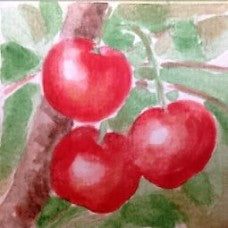
History: Romeo dwarf sour cherries are one of several dwarf sour cherries developed and released by the University of Saskatchewan with the goal of creating sour cherries that were cold hardy, shorter in stature, and produced good quality fruit. This initiative began in the 1940s and Romeo was released as part of the Romance series in 2004.
Why We Grow It: Romeo boasts very dark red fruit that has a nice sweet-tart flavour and plenty of juiciness. It has a high flesh to pit ratio, making each cherry just that much more enticing. Although the bush only reaches 7-8ft at maturity, it still yields around 25lb of fruit per plant.
Check our our blog post with some tasty sour cherry recipes!

History: Rouville apples were created by R.L. Granger and G.L. Rouselle in 1962 at the Agriculture and Agri-food Canada research centre located in St.-Jean-sur-Richelieu, Quebec. The variety was introduced in 1983.
Why We Grow It: This lovely Quebec cider apple has a wonderful bitter-sweetness that is great for fresh eating and juicing and sauce. It is resistant to scab and has grown very well in our test orchard.
Showing 240/320
Next