All Fruit Trees

All Fruit Trees
Looking for bareroot fruit trees Canada? We offer a wide variety of bareroot fruit trees including apples, apricots, pears, plums, cherries, quince, and peaches that are grown for the Canadian climate & we deliver cold-hardy fruit trees right to your door!
We also offer fruit trees for small gardens, heritage apples Ontario and you can filter all our fruit trees by hardiness zones. Search trees by collection or peruse all the varieties we carry below! We offer flat rate shipping across Canada.




320 products
Sort by:
320 products
320 products
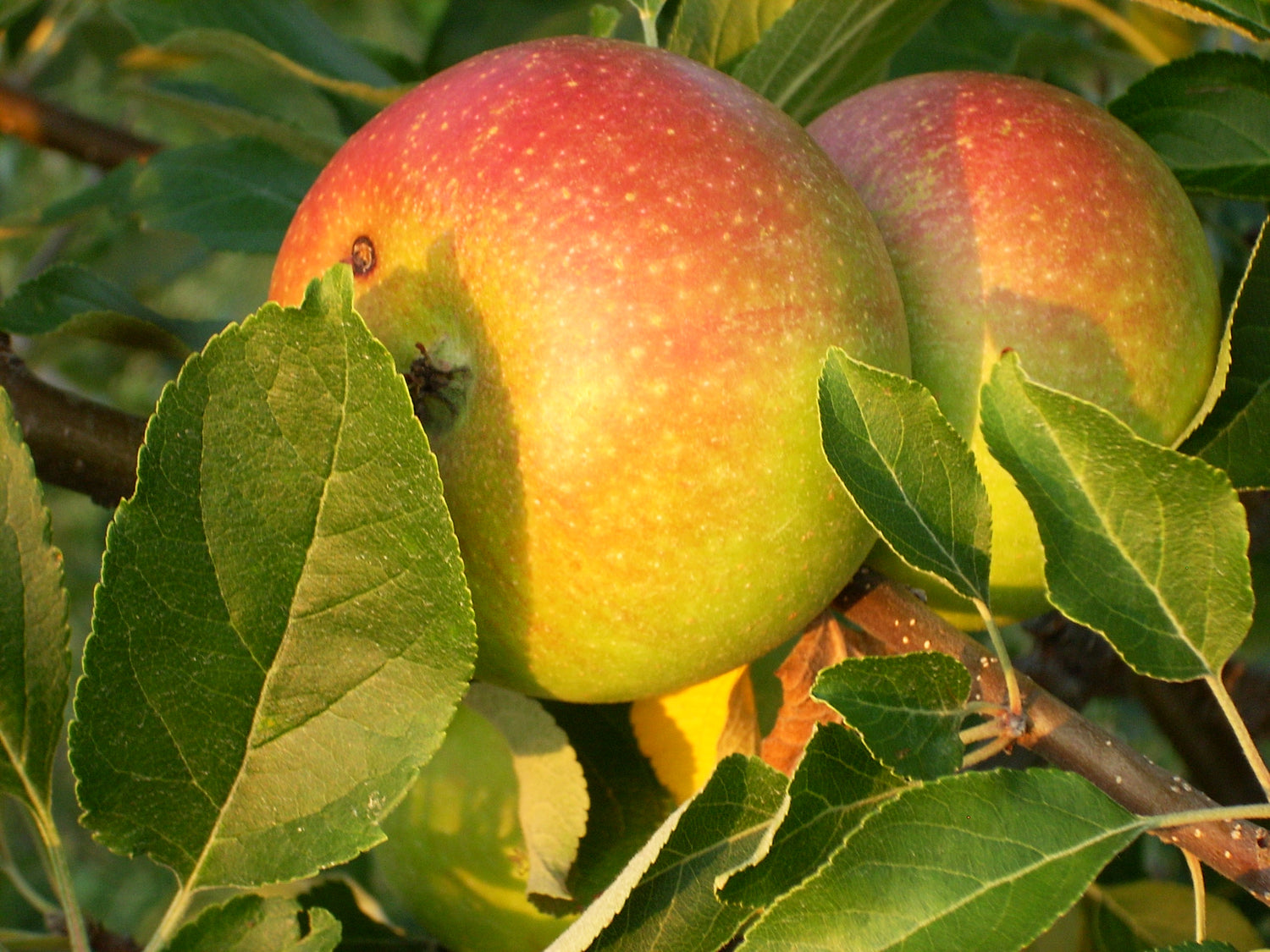
History: Cox's Orange Pippin was first grown in England in 1830 and was named after the retired brewer and horticulturalist who first bred it, Richard Cox. Its excellent flavour has earned it a spot as one of the best fresh eating apples in England where it has remained popular ever since. In fact, it still accounts for over 50% of fresh eating apples grown in the UK today. Despite its reputation, it is seldom grown commercially in North America due to its precocious nature and susceptibility to many common apple diseases.
Why We Grow It: This apple's reputation is hard to ignore with its sweet, subtle, aromatic flavour and attractive orange-red skin. Not only is it good for fresh eating, it is also popular in cider blends.
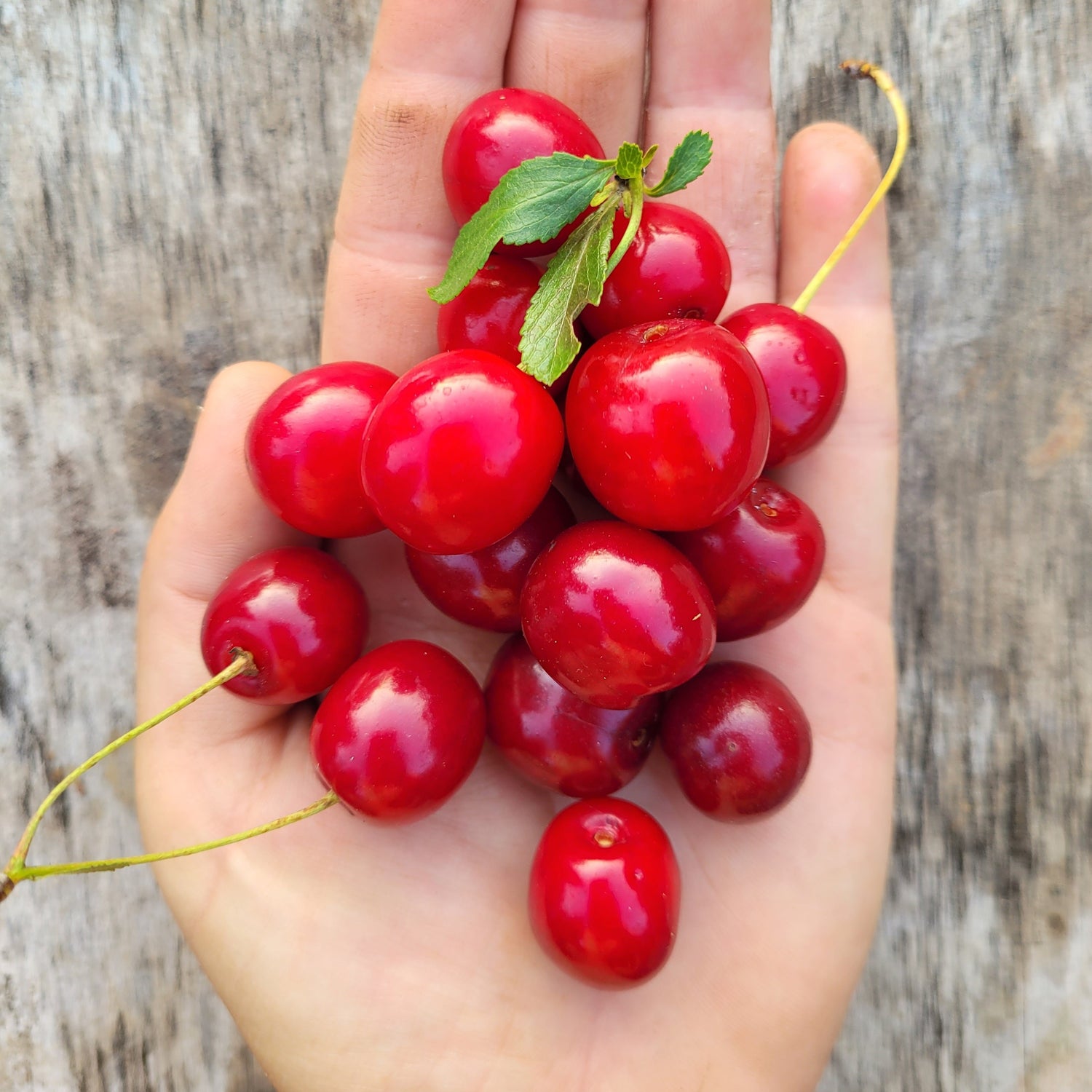
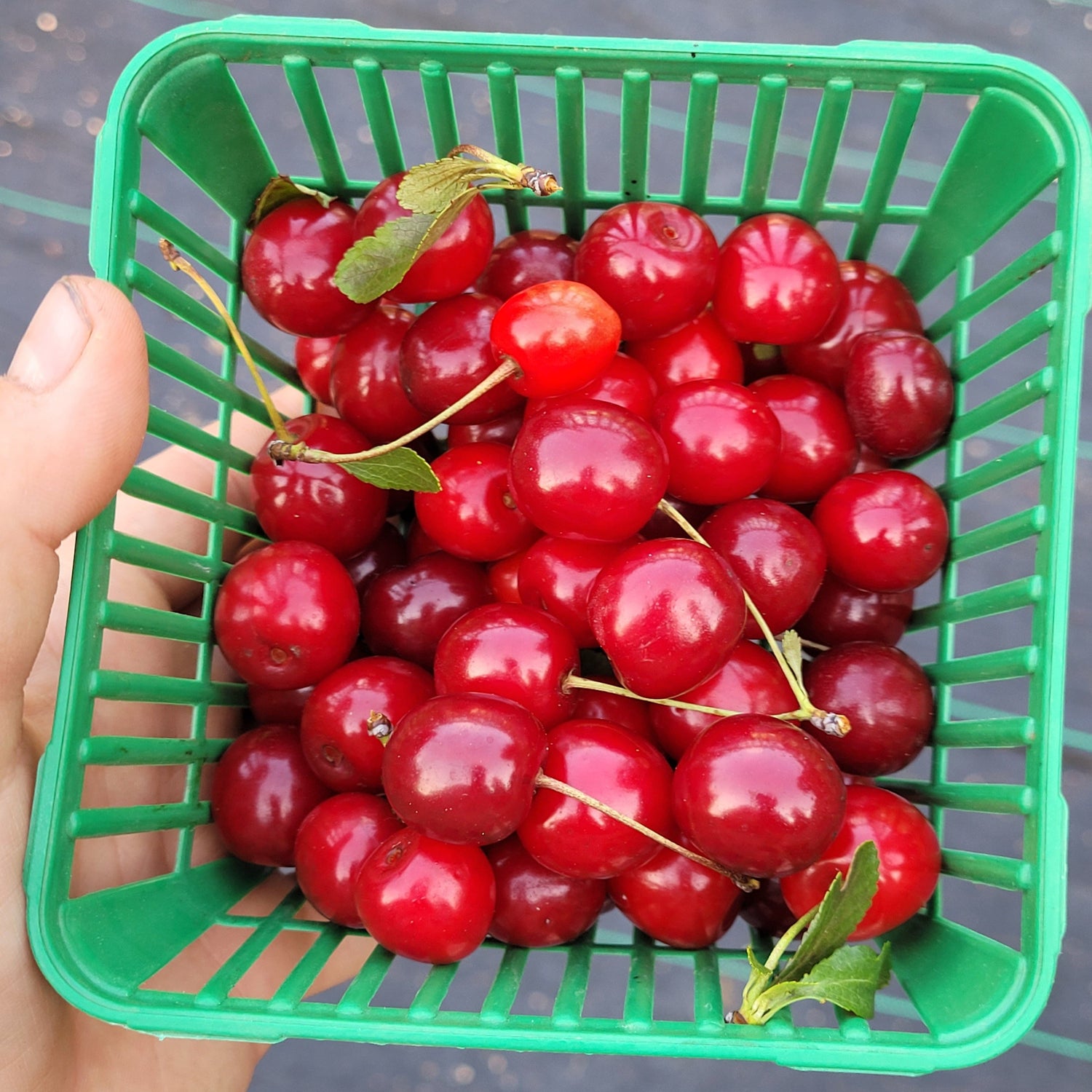
History: Crimson Passion dwarf sour cherries are one of several dwarf sour cherries developed and released by the University of Saskatchewan with the goal of creating sour cherries that were cold hardy, shorter in stature, and produced good quality fruit. This initiative began in the 1940s and Crimson Passion was released as part of the Romance series in 2004. It is the sweetest of the Romance series cherries.
Why We Grow It: Crimson Passion produces large sweet fruit, excellent for fresh eating or processing. It contains the same sugar content (20-22 Brix) as sweet cherries, but also contains the tangy flavour of sour cherries, combining the best of both worlds into one cold-hardy shrub. This variety reaches up to 10' at maturity, great for anyone with limited space.
Check our our blog post with some tasty sour cherry recipes!
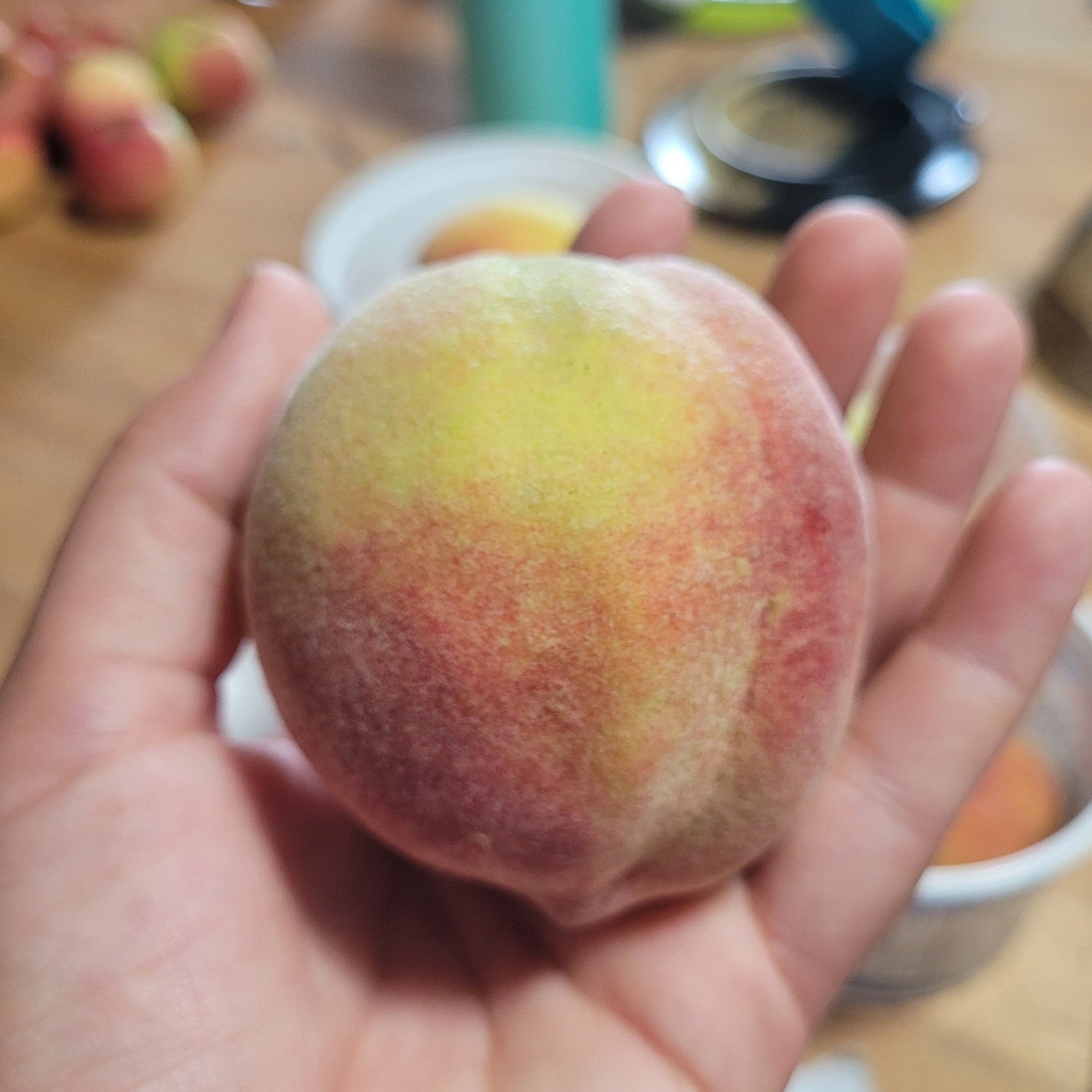
History: Crimson Rocket originated at the Appalachian Fruit Research Station in West Virginia as part of a breeding program to create columnar peach trees with good fruit quality. It was selected in 1996 for further testing and and patented in 2004.
Why We Grow It: Crimson Rocket is unique for its columnar growth, forming a narrow tree ideal for those with limited planting space! It produces freestone yellow peaches with a red blush with the perfect balance of sweet and tart, making it an excellent variety for fresh eating.
Bare Root Peach Trees:
We are very pleased to be able to offer peach trees to our customers. They are both challenging and rewarding plants to grow. However, due to the unique challenges of growing peach trees, and the increased care required for their success, we regrettably cannot offer our standard 90 day guarantee on peaches. Please inspect your peach trees to your satisfaction when you pick them up at the nursery, or immediately upon arrival if they are shipped. For shipped trees, make your claim within 7 days of receipt of the trees. After 7 days of receipt, you will have been deemed to have accepted the trees in as-is condition.
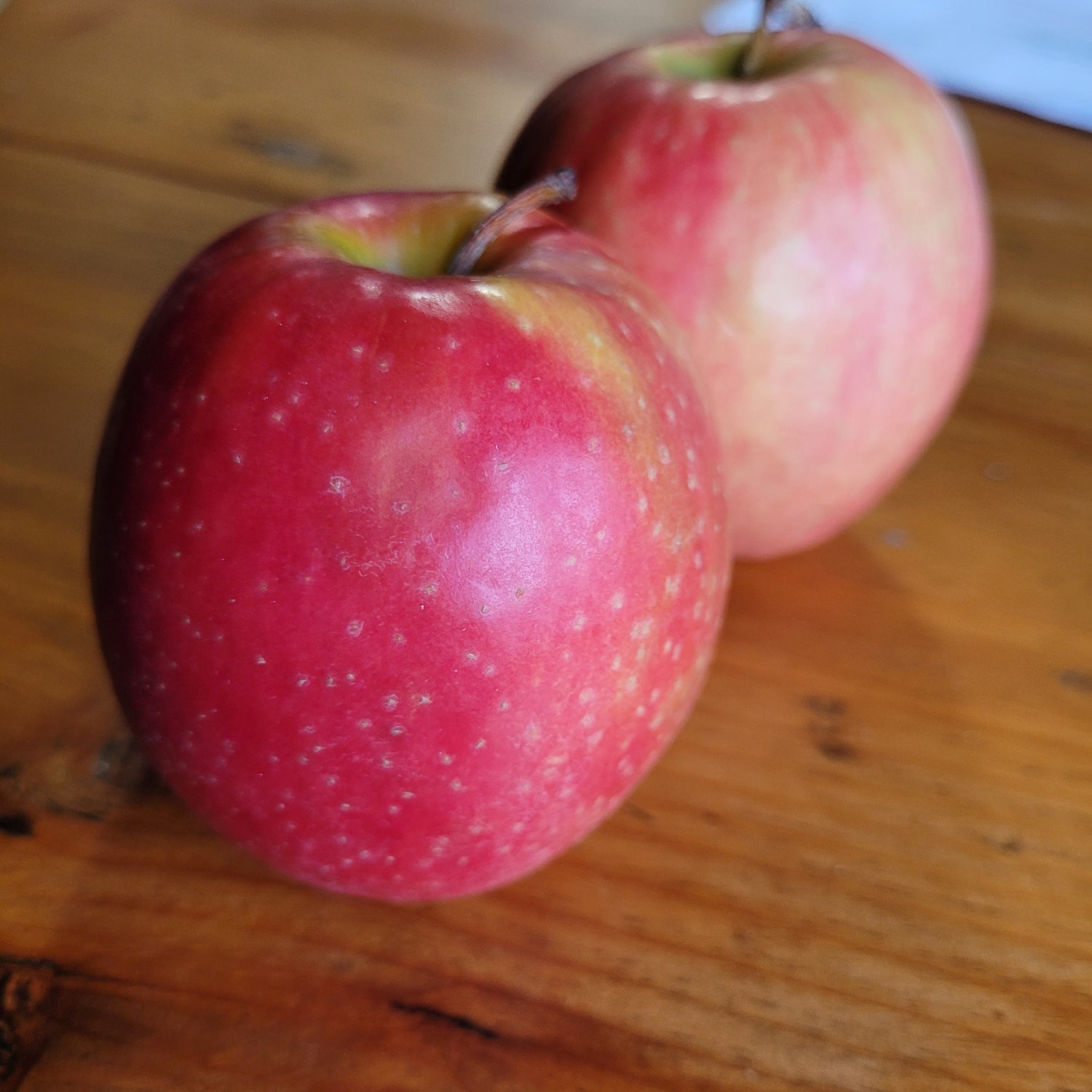
History: Cripps Pink was developed by John Cripps at the Western Australia Department of Agriculture in 1973 as a cross between Lady Williams (an Australian variety) and Golden Delicious. The successful result was introduced to the market in 1985. In just ten years, Cripps Pink became an extremely popular variety and over a million trees were planted in Australia alone. This variety remains popular in many countries around the world. This apple is also known as Pink Lady which is its brand name when the fruit meets very strict criteria for quality.
Why We Grow It: Cripps Pink has a refreshing honeyed sweet-tart flavour that makes it great for fresh eating, baking, and cider. The lovely fruit, yellow with a pinkish-red blush, is slow to brown and also stores exceptionally well.
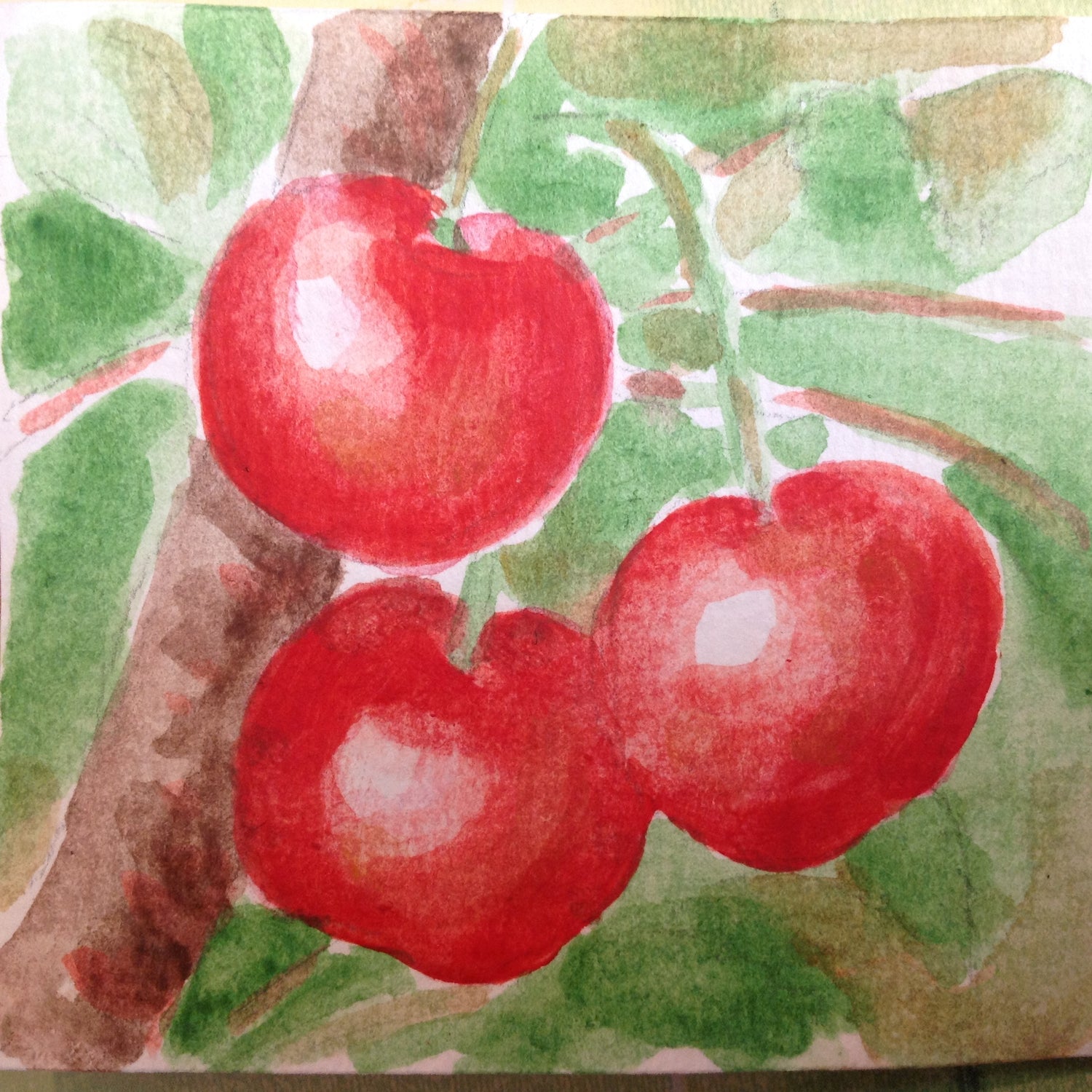
History: Cupid is a part of the Romance series of dwarf sour cherry bushes developed and released by the University of Saskatchewan in 2004. Their goal was to create cold-hardy, dwarfing bushes with good quality fruit. Cupid was likely selected for its good flavour and unusually large cherries, the largest in the Romance series.
Why We Grow It: These dark red, cold-hardy cherries have a sweet-tart flavour that can be enjoyed fresh for fans of a more astringent flavour or used for cooking, baking, and preserving. Cupid has the largest cherries of all the dwarf sour cherries in the Romance series and also ripens the latest, helping to extend the season.

History: Cutie Pie was developed at the University of Saskatchewan using Mongolian cherry material donated by plant breeder Les Kerr who first created the dwarf sour cherry bushes. It was selected for its compact size, good flavour, and extreme cold hardiness and released as part of the university's 100 Years of Horticulture Celebrations in 2021.
Why We Grow It: Cutie Pie is a compact plant, even compared to the other dwarf sour cherry bushes. Only reaching about 4ft tall once mature, this is a great option for those with limited space. The small, red cherries have a more balanced sweet/tart flavour so they are great for eating fresh and using in baking or cooking! It is a reliable and productive variety.
Check our our blog post with some tasty sour cherry recipes!

History: D'Artagnan was developed by the University of Saskatchewan and shares the same parents as several varieties in the Romance series. It was bred for and selected due to its suckering habit which makes it suitable to form a cold-hardy fruit-bearing hedge. D'Artagnan is the fourth variety released in the Musketeer series and was named for the fourth musketeer in The Three Musketeers. It was released in 2021 as part of the university's 100 Years of Horticulture Celebrations.
Why We Grow It: D'Artagnan produces dark red cherries similar in flavour to Juliet. Like Juliet, it can be eaten fresh or used for cooking and baking. Its main feature, however, is its tendency to sucker heavily which makes it suitable for forming hedges. If individual d'Artagnan bushes are planted 1m apart, they will eventually fill in to form an edible hedge. For those in colder climate areas especially, this can be a unique addition to an edible landscape!
Check our our blog post with some tasty sour cherry recipes!
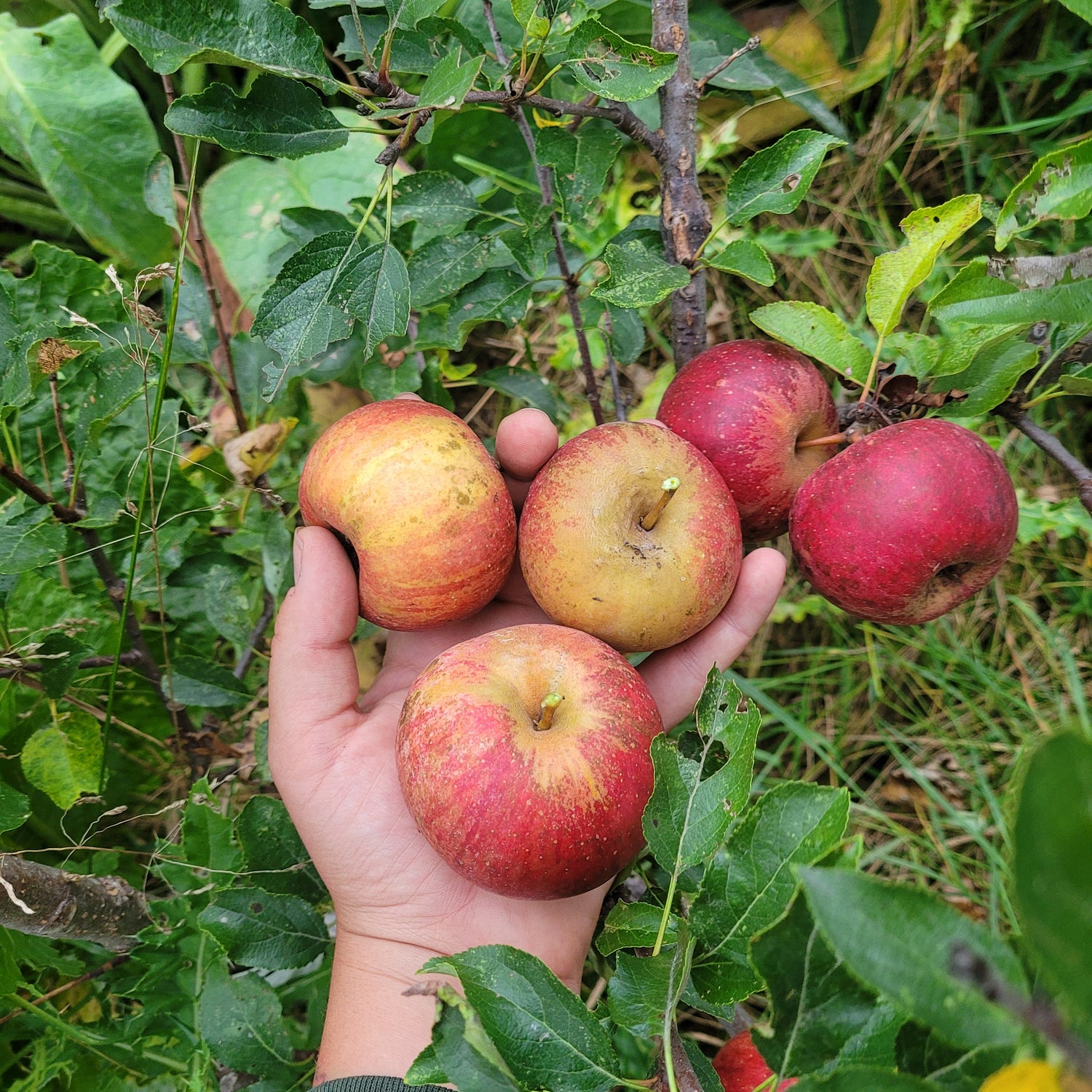
History: Dabinetts are an English cider apple named after William Dabinett who happened to find this variety growing in a hedge in the early 1900s. Since then the apple has become quite popular for use in making cider.
Why We Grow It: These smallish apples with speckled red skin produce a high-quality juice which can be used in single-variety ciders or blends. Dabinetts are classified as a bittersweet, are very resistant to scab, and are a reliable cropper.
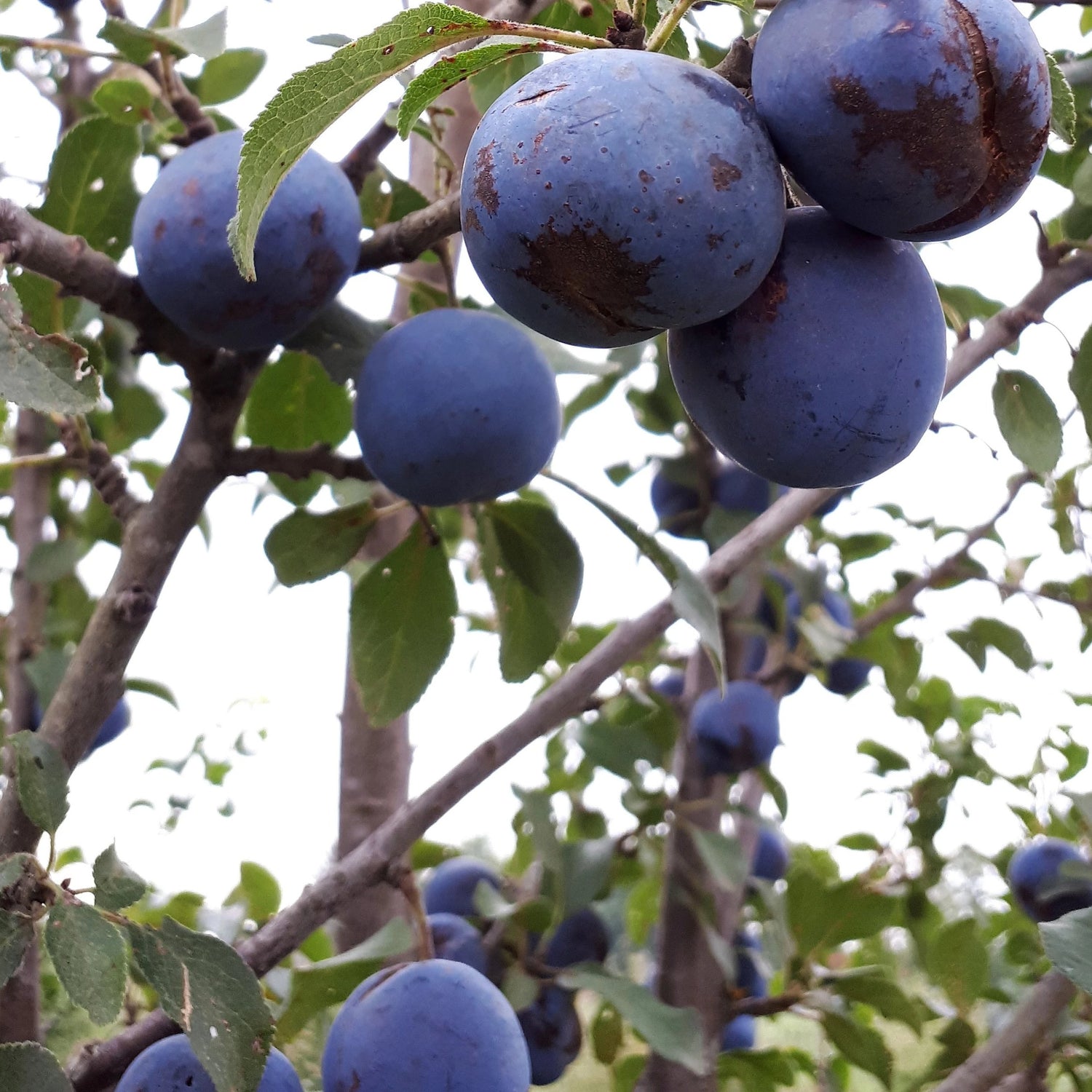
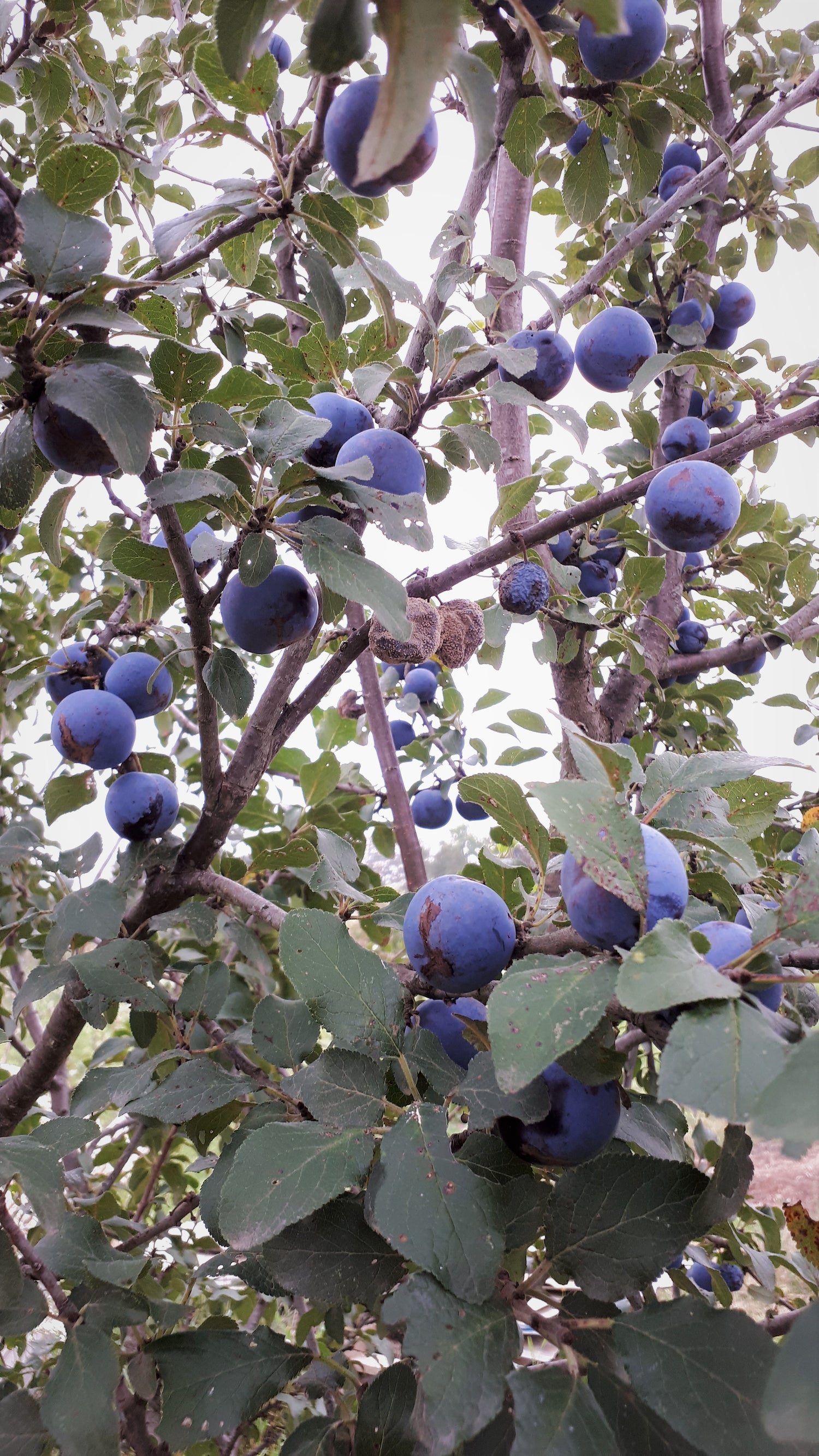
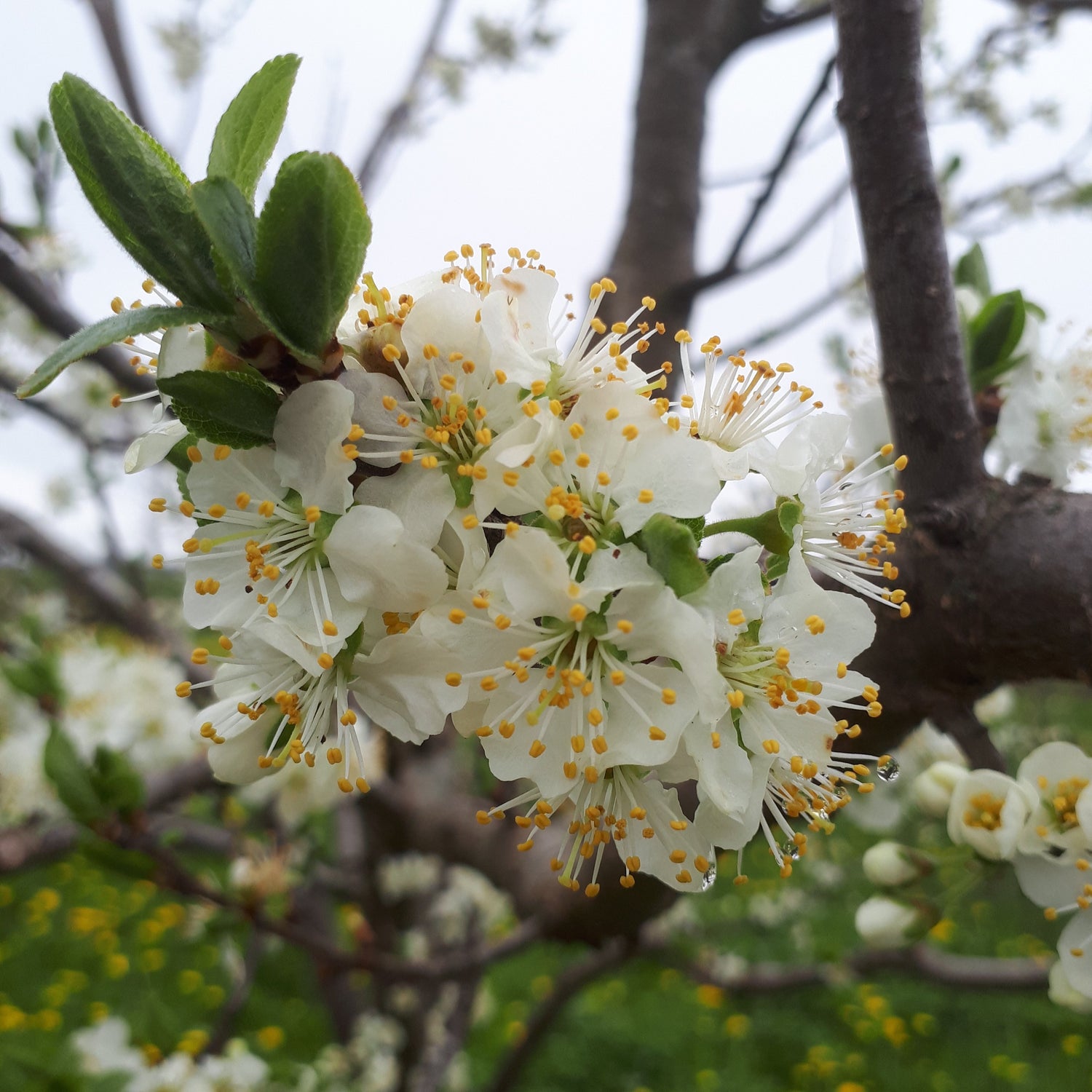
History: This European plum has contentious origins, making it difficult to determine if it is very old or extremely old. The name 'damson' stems from the Latin 'damascenum' meaning 'plum of Damascus.' As the name implies, some believe this plum may have come from the ancient city of Damascus and was brought to England by the Romans, making this plum thousands of years old. While this theory has been highly contested, there is ample evidence to prove that Damson plums have been grown in England for hundreds of years. It was introduced to the US in 1800 and was a a favourite due to its adaptability to its new home.
Why We Grow It: Damson produces small round clingstone fruit with a deep blue/purple skin and spicy yellow flesh. They are sweet enough to eat but also have some astringency which makes them less palatable than other varieties. However, they are superb for cooking, preserving, and making jam. The tree blooms late which allows it to avoid early frosts and this variety is self-fertile.
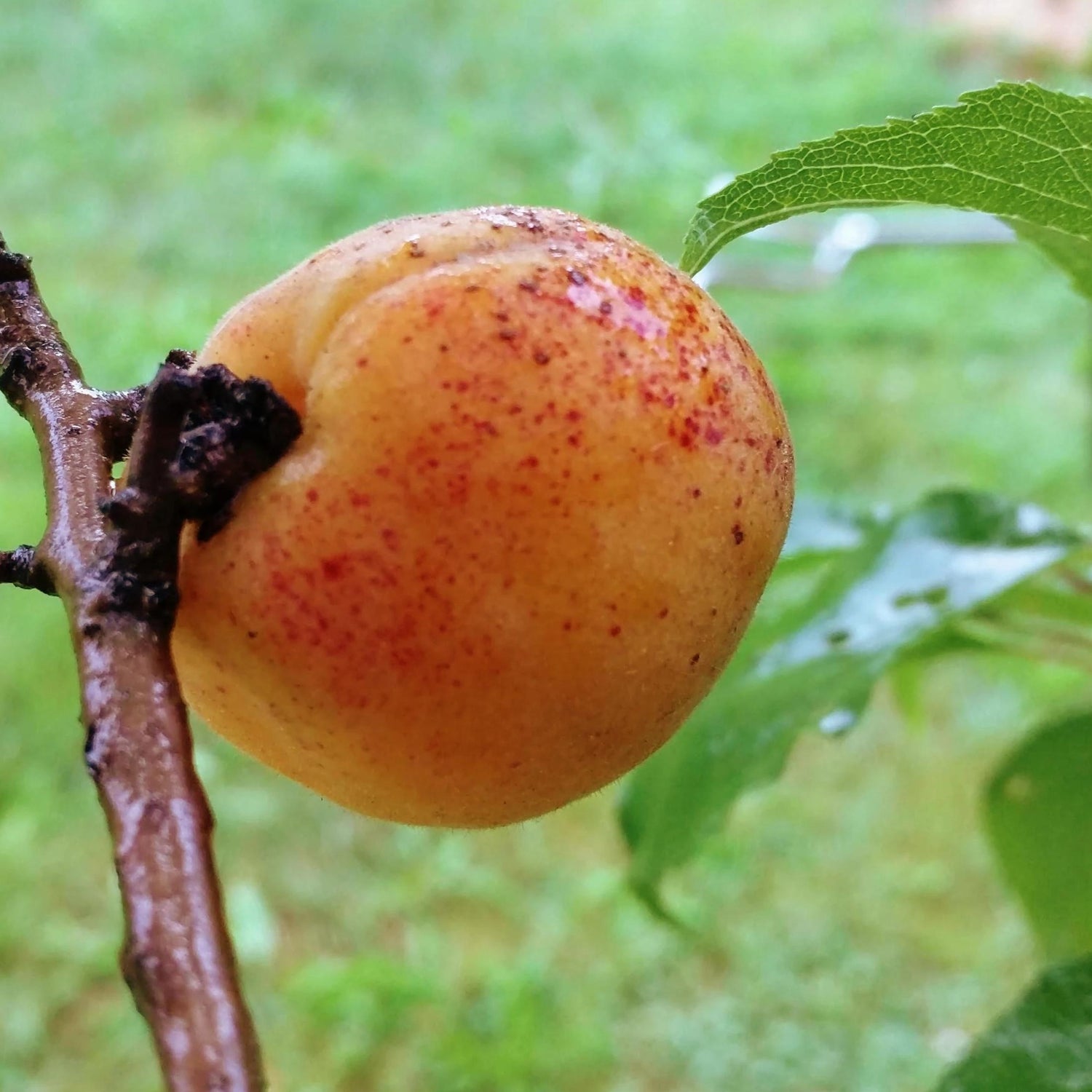
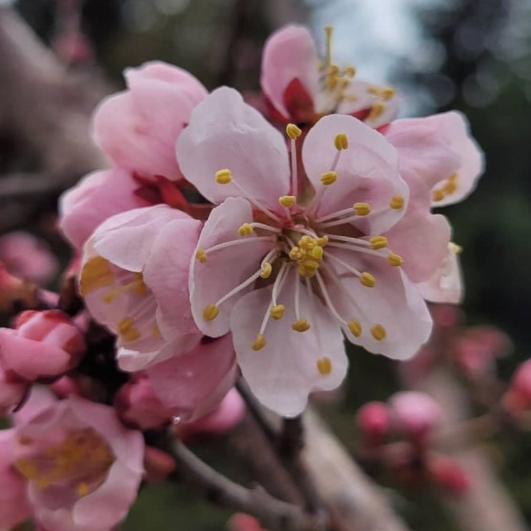

History: Debbie's Gold was introduced by Aubins Nursery in Manitoba in 1980.
Why We Grow It: Debbie's Gold is a relatively new but promising apricot variety for us. It is very cold hardy and late blooming, which improves the chance of a crop in our climate. It produces small fruit with a rich apricot flavour with spicy notes.

History: Delbarestivale was developed by Delbard, a nursery in France, in the 1950s. Likely named as a portmanteau of 'Delbard' and 'estivale' (translated from French as 'summer') due to its early ripening time, this variety goes by many other names including Delcorf, Monidel, Dalili, and Ambassy. It was bred in an attempt to create an improved version of Golden Delicious. Although not quite as popular as Golden Delicious, it is still grown commercially in parts of France and England and the Royal Horticultural Society awarded it the Award of Garden Merit in 1998.
Why We Grow It: This French apple is very sweet but balanced nicely with a sharp flavour. The flesh is aromatic and crisp and the skin is a lovely, stripey bi-colour with reddish streaks overlaying green. The apples store quite well for an early-ripening variety, although they do tend to bruise easily.

Why We Grow It: Discovery is a slightly sweet apple with noticeable acidity, and under optimal conditions it can have a strawberry flavour. Like many early apples, it is great for sauce. The fruit is on the smaller side and has a flatter shape with greenish-yellow skin overlaid with a bright red blush. The red can sometimes stain the cream-coloured flesh inside, providing some visual appeal. The tree boasts some resistance to scab and although it can take a while to start bearing fruit, once it does it bears quite reliably.

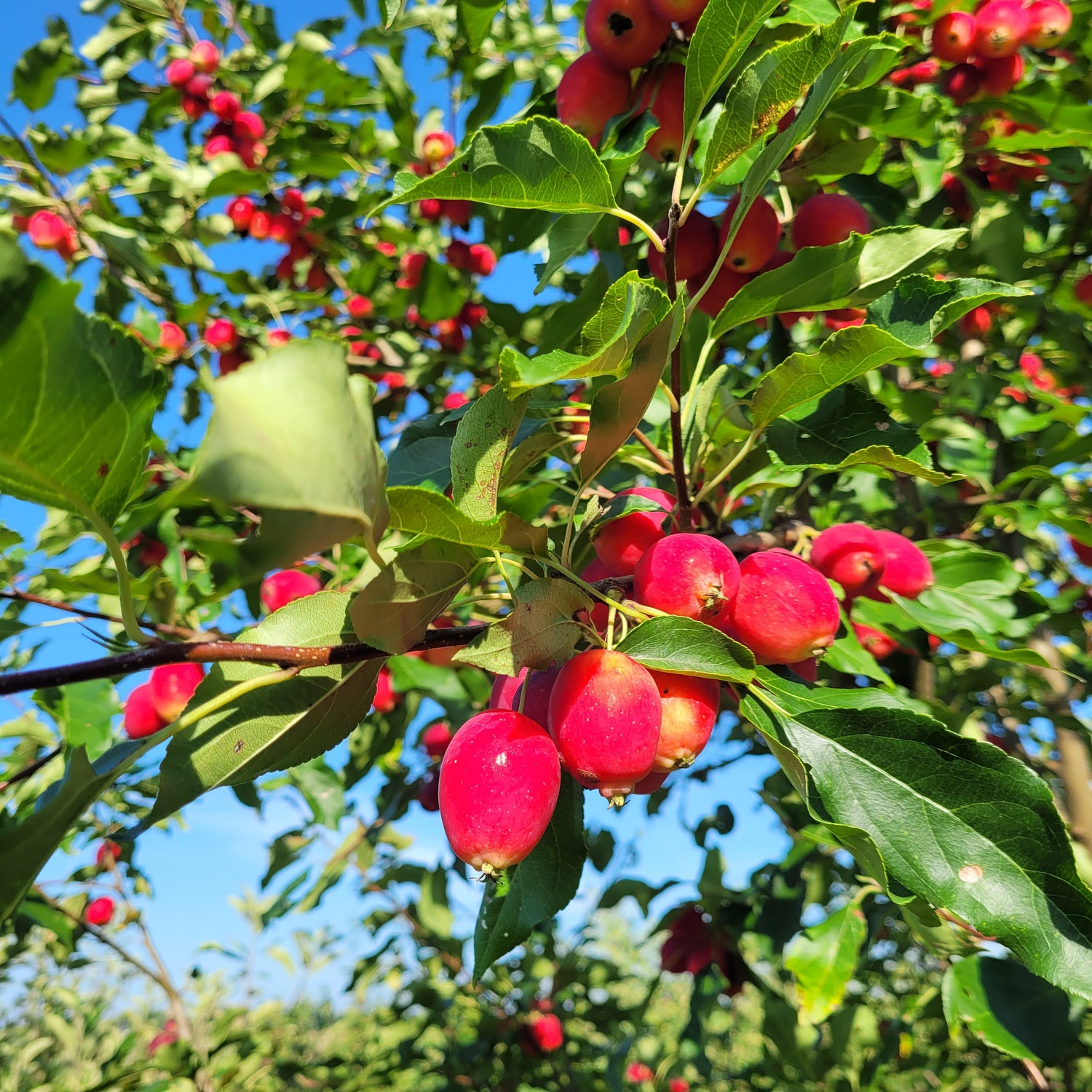
History: Dolgo is a variety of Siberian crabapple (Malus baccata) that originated in Russia. Due to the slightly elongated shape of the fruit, this variety was named 'dolgo' which means 'long' in Russian. They were brought to the United States by N. E. Hansen around 1897.
Why We Grow It: Dolgo is a classic crabapple with a vibrant flavour, very tangy and delicious right off the tree in the heat of summer- as refreshing as lemonade! The bright red fruits are about the size of small plums. These apples are excellent for making jelly or as a unique addition to a cider blend. Along with being exceptionally cold hardy, the trees themselves are quite pretty and are often planted ornamentally.

History: Domaine apples originated in France some time before the 1900s. In the Pays d'Auge region in Normandy, Domaine is one of the 13 cultivars prized for making hard cider (included in that 13 are Fréquin Rouge and Noël des Champs, which we also have available). This apple was brought to the United States in 1949 but remains relatively unknown outside of its country of origin.
Why We Grow It: This bittersweet cider apple is high in tannins, low in acidity, and contains a moderate amount of sugar. Although not great for single-variety ciders, it can be an excellent addition when used in cider blends.


For the most up-to-date information see Claude Jolicoeur's website here!
History: Douce de Charlevoix (translated from French as 'sweet Charlevoix') was discovered by Claude Jolicoeur in a Quebecois village in the county of Charlevoix in the 1990s. He has since dubbed it a 'first class early cider apple' and in 2015 a cider blend using 40% Douce de Charlevoix won a bronze medal at the GLINTCAP competition.
Why We Grow It: This apple is quite attractive with orange-red stripes across green skin and makes an excellent juice with a notable bitter taste. In general this apple has medium tannins, some sweetness, and very little acidity. The tree itself is also quite vigorous and hardy.
Showing 75/320
Next