Wholesale Plant Availability
For wholesale inventory;
124 products
Sort by:
124 products
124 products
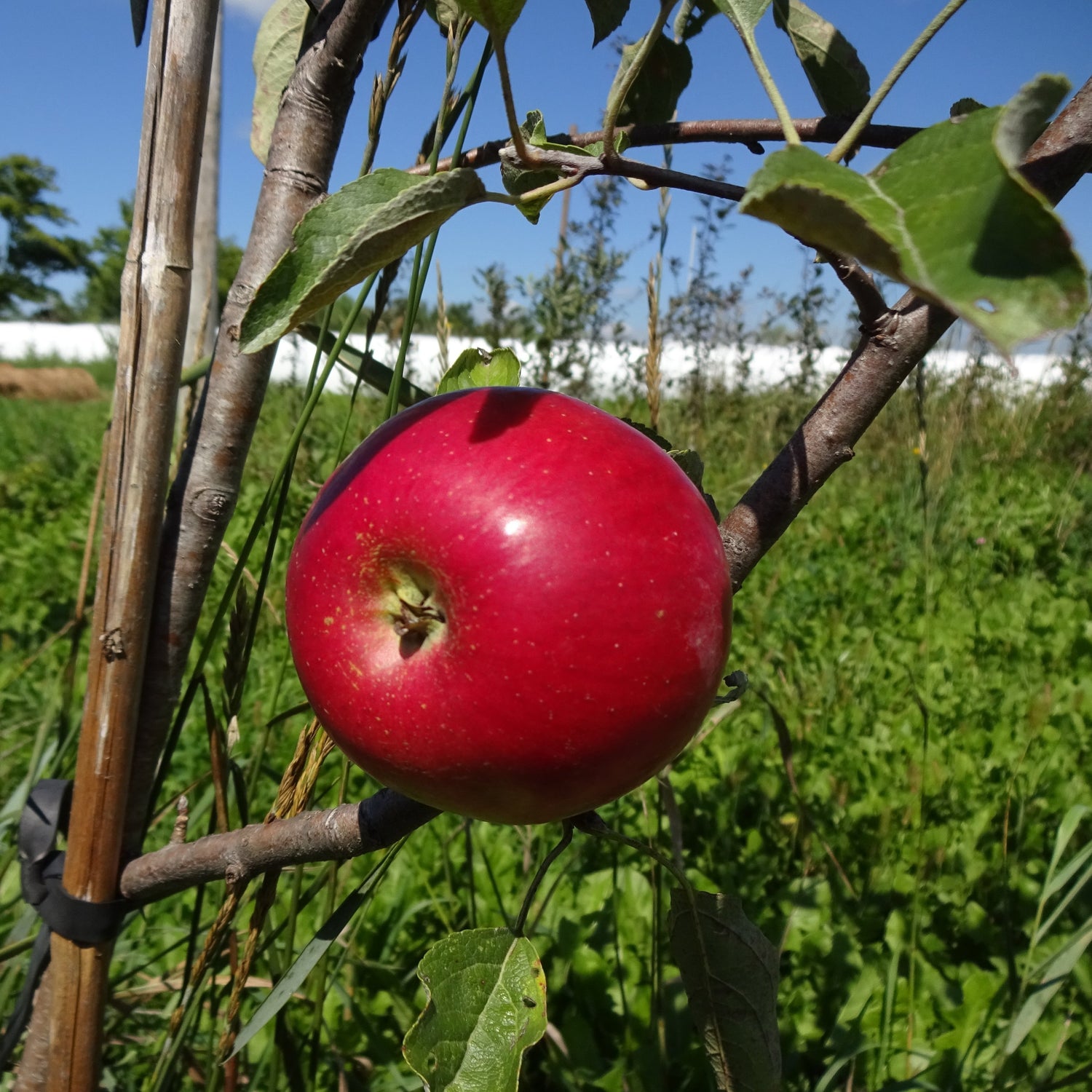
Why We Grow It: This crisp, sweet apple is great for fresh eating and has bright red skin. It tends to begin bearing at a young age and is relatively diseases resistant.
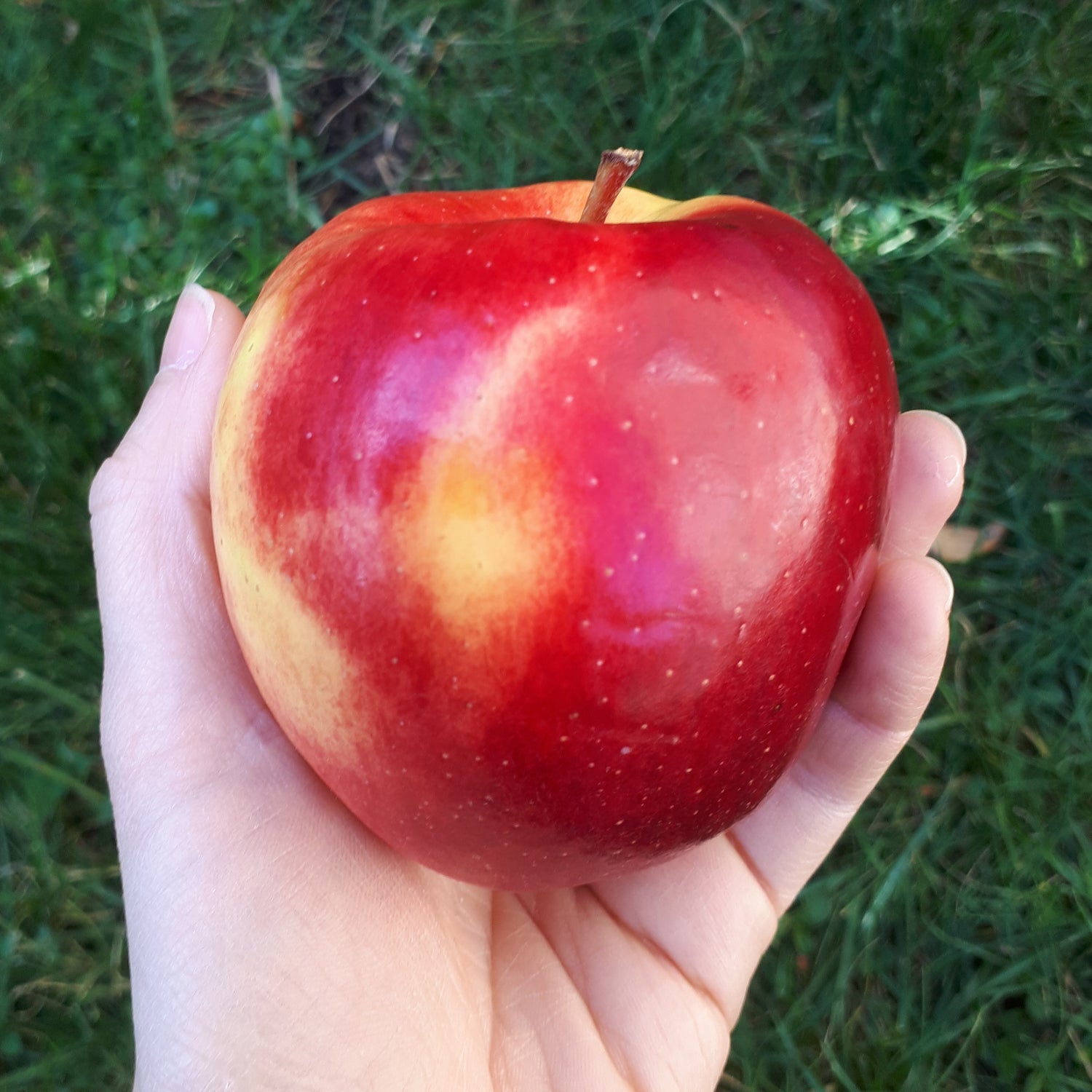
History: A chance seedling discovered in the 1980s in BC, this tender, aromatic, honeyed apple has been a hit ever since!
Why We Grow It: This delicious apple is very popular in the fresh eating market in Canada, thanks to its attractive bi-colour skin and slow browning qualities. It produces a medium-large fruit and is a good cropper.


Species: Diospyros virginiana
History: Native to the southeastern and central areas of the United States, American Persimmon has had a long history of cultivation. The word 'persimmon' is an Anglicized version of the words 'putchamin,' 'pasiminan,' or 'pessamin,' which all mean 'dried fruit' in various Algonquin dialects, reflecting the fruits' usage. It is also common in southern states to trick the unwary into eating the unripe fruit which has an incredibly astringent flavour. Other historical uses for the American Persimmon include turning the seeds into buttons during the American Civil War and using the wood to make items such as pool cues and golf clubs.
Why We Grow It: This unique fruit tree produces a succulently sweet orange fruit that must be extremely ripe before you can eat it. Although it ripens in the summer, the fruit can withstand freezing and hang onto the tree until December. The fruit can be used to make a variety of sweet and savoury dishes and are also very popular among wildlife. Steph has found them great for baking into sweets such as tarts or the pecan and persimmon cookies pictured here!
Pictured is a cookie made with our own American persimmons and pecans!
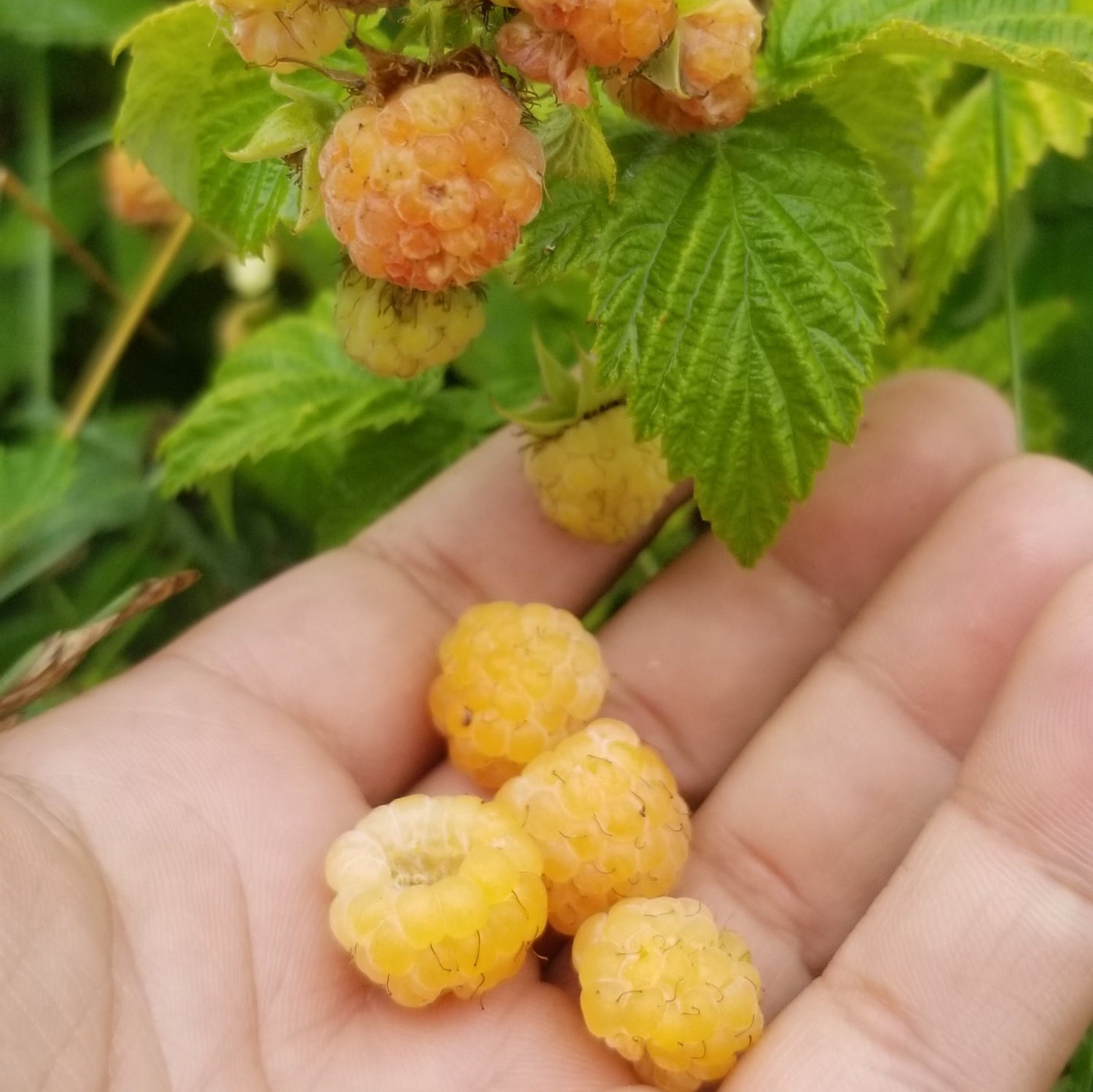
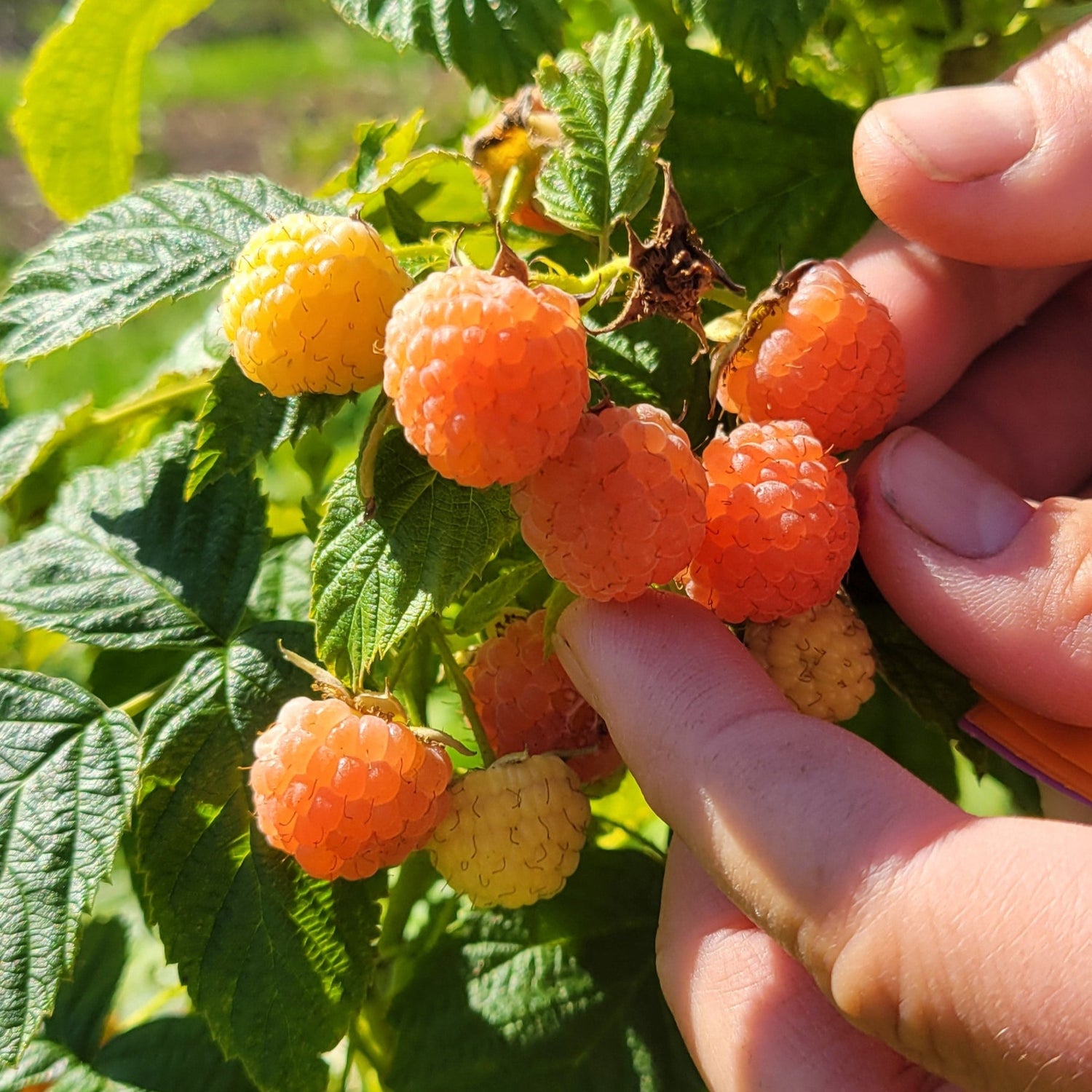
Species: Rubus sp.
History: Anne is the product of quite the combined efforts between the University of Maryland, Rutgers University, Virginia Polytechnic Institute and State University, Southern Piedmont Agricultural Research and Education Center, and University of Wisconsin. Through their cooperative breeding program, the cross that created Anne was originally made in 1989 and the variety was released in the 1990s. It remains one of the more popular yellow raspberries today.
Why We Grow It: Anne produces large, firm raspberries that are quite sweet with a flavour some liken to apricots or bananas. Most uniquely: the berries are yellow, turning a warm orangey-yellow at their ripest! The berries are good for eating fresh, baking, freezing, or adding to salads and their yellow colour helps them to stand out. This is an everbearing variety so you can cut down the canes in the winter for a large fall crop, or enjoy a more spread out crop from August to September. Anne also sports relatively few thorns, making harvesting a little easier.
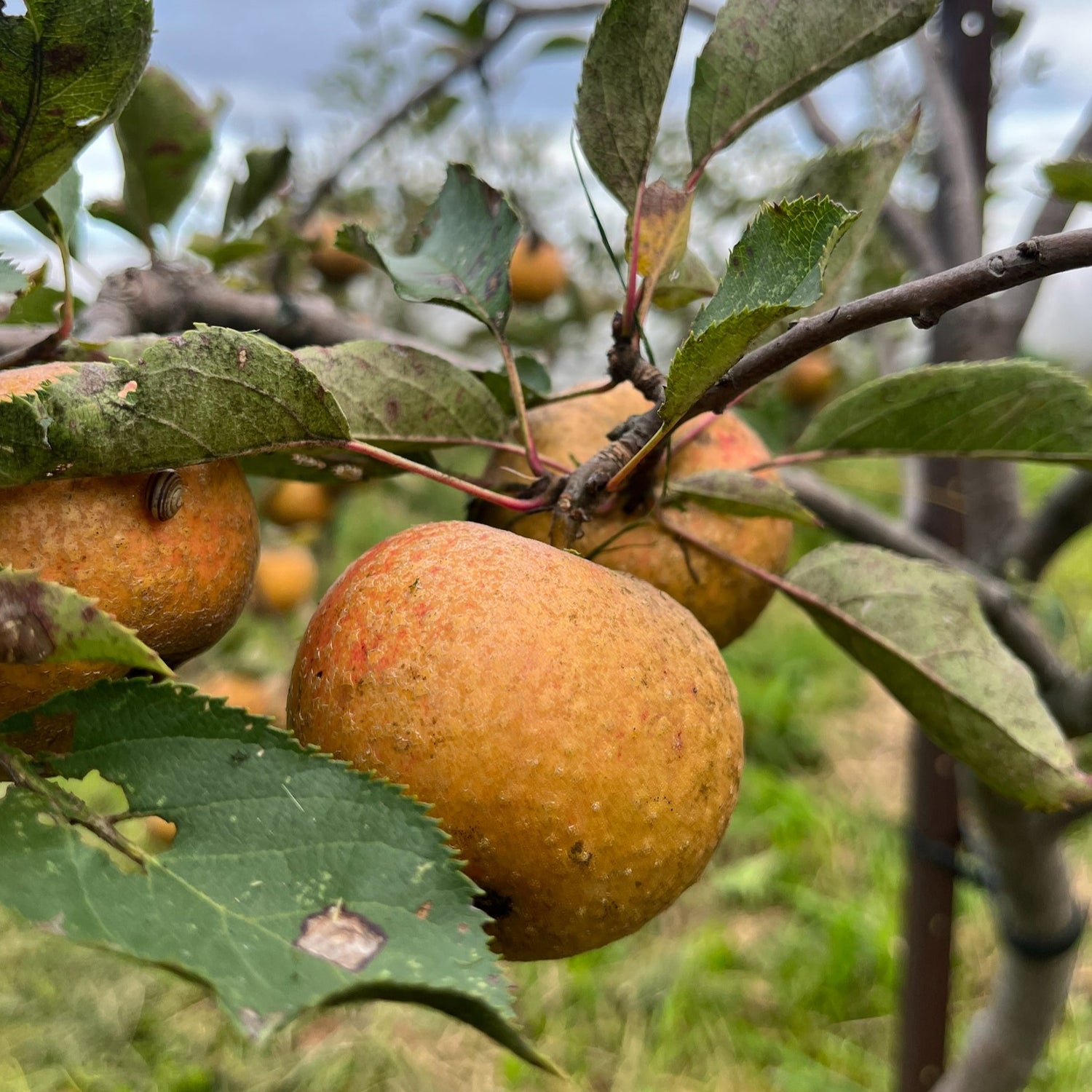
History: This unique apple, orangey-yellow-red undertones with russet over top, originated in the UK in the 1700s and has remained popular for over two centuries. There is some debate whether it was raised by a Dr. Ashmead or a lawyer named William Ashmead.
Why We Grow It: This Old World English apple has stuck with us thanks to it's unique flavour: nutty with notes of pear and spice. Fantastic fresh off the tree, and also in cider blends, Ashmead's Kernel mixes well with Cox's Orange Pippin.

History: Athos was developed by the University of Saskatchewan and was first bred in 1992 as a cross between Kerr's Easy Pick and Cacanski Rubin. It was selected from among 2500 seedlings for its productivity, winter hardiness, extent of suckering, ease of fruit removal, and fruit quality. Part of the Musketeer Series, Athos was released in 2022 as part of the university's 100 Years of Horticulture Celebrations.
Why We Grow It: Athos produces burgundy red cherries that have a more balanced sweet/tart flavour compared to some of the other sour cherries. This makes them more desirable for fresh eating but they are still good for typical sour cherry uses like baking. The bush has more of a spreading growth habit which gives it some additional visual appeal as an ornamental plant.
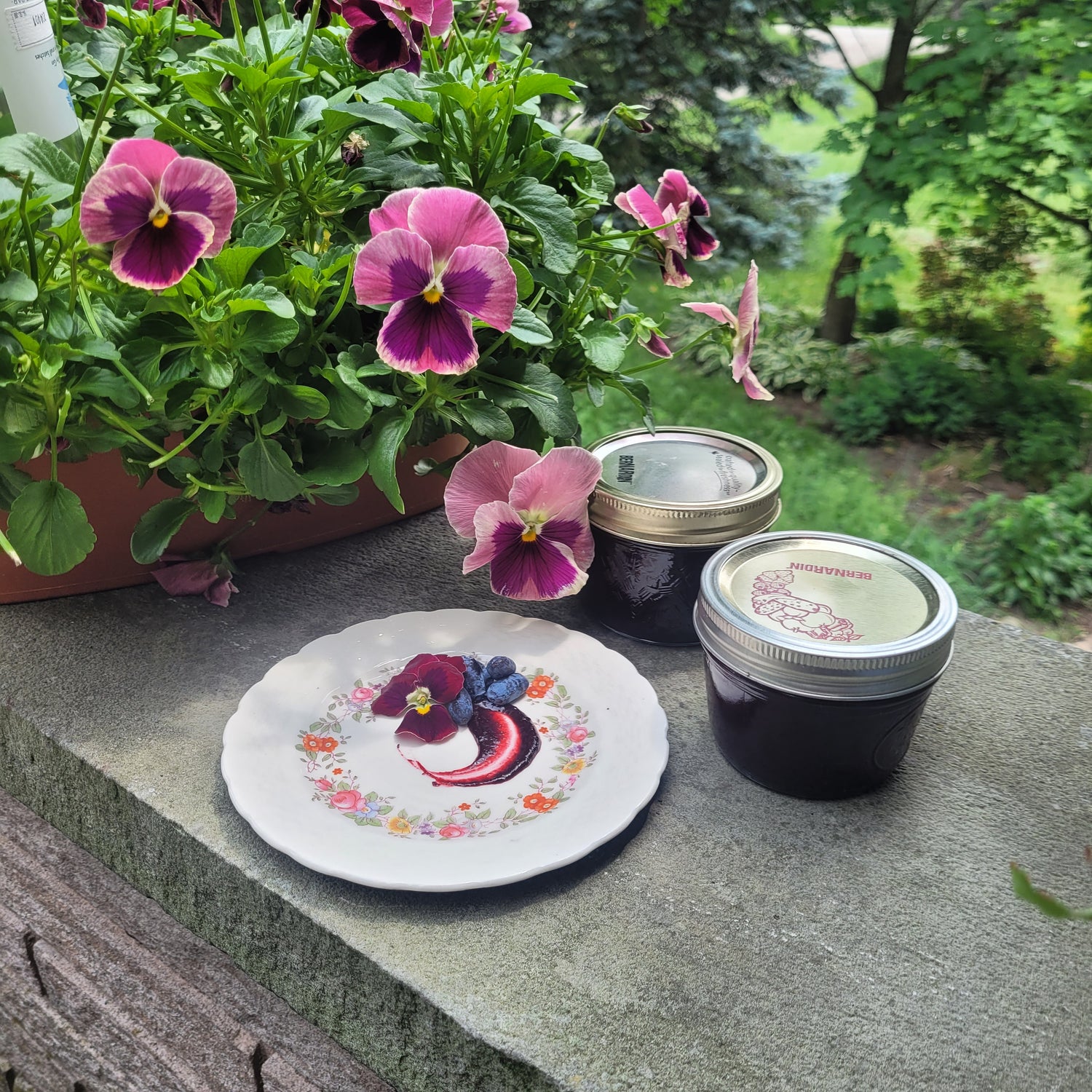
Check our our blog post with some tasty sour cherry recipes!
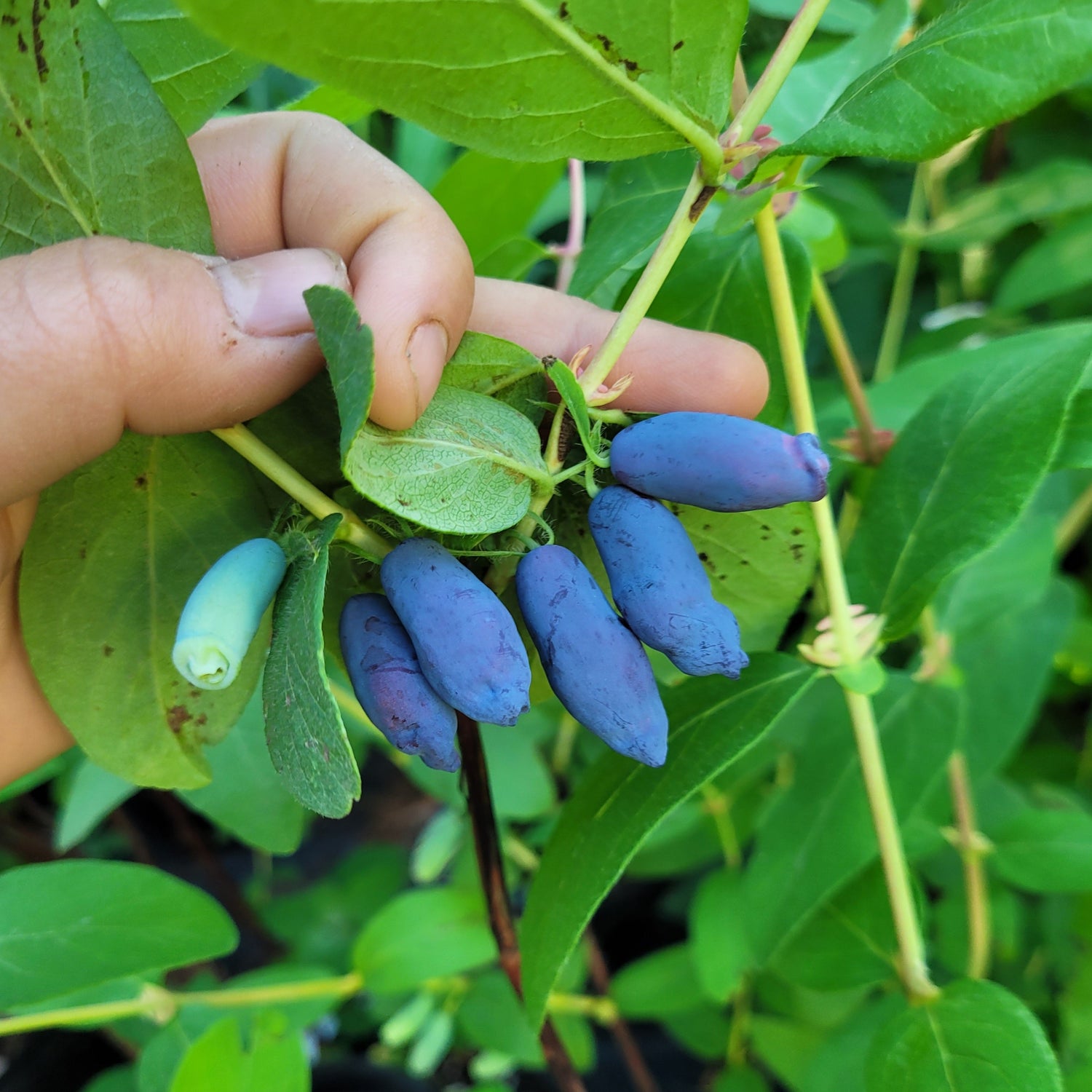
Species: Lonicera caerulea
History: Aurora haskap was developed at the University of Saskatchewan. After a decade of breeding and trials, it was released in 2012. It was originally selected as a pollinator for Borealis haskap but its superior flavour and greater productivity compared to other varieties quickly made it more popular.
Why We Grow It: A sweetly flavoured favourite! Aurora tastes like a cross between a raspberry and a blueberry, with a satisfying chewy texture. The deep blue fruit are 3 cm long and juicy. Allow to sit out a few days after picking for optimally sweet fruit.


Species: Elaeagnus umbellata
History: Autumn Olive (aka Japanese Silverberry) is native to parts of Asia and was introduced to the US as an ornamental plant, erosion control, and wildlife habitat in the early 1800s. Its nitrogen-fixing properties and prolific seed production has caused it to become an invasive species in some parts of the US and Canada, so caution is recommended when planting it so it doesn't spread.
Why We Grow It: Despite its bad reputation, this shrub has many beneficial uses. The small red sweet/tart berries are good for fresh eating and making into jams and condiments while the nitrogen-fixing properties of the shrub make it a useful companion plant in orchards and agroforestry systems and for rebuilding the soil.
2026/2027 Staff Favourite
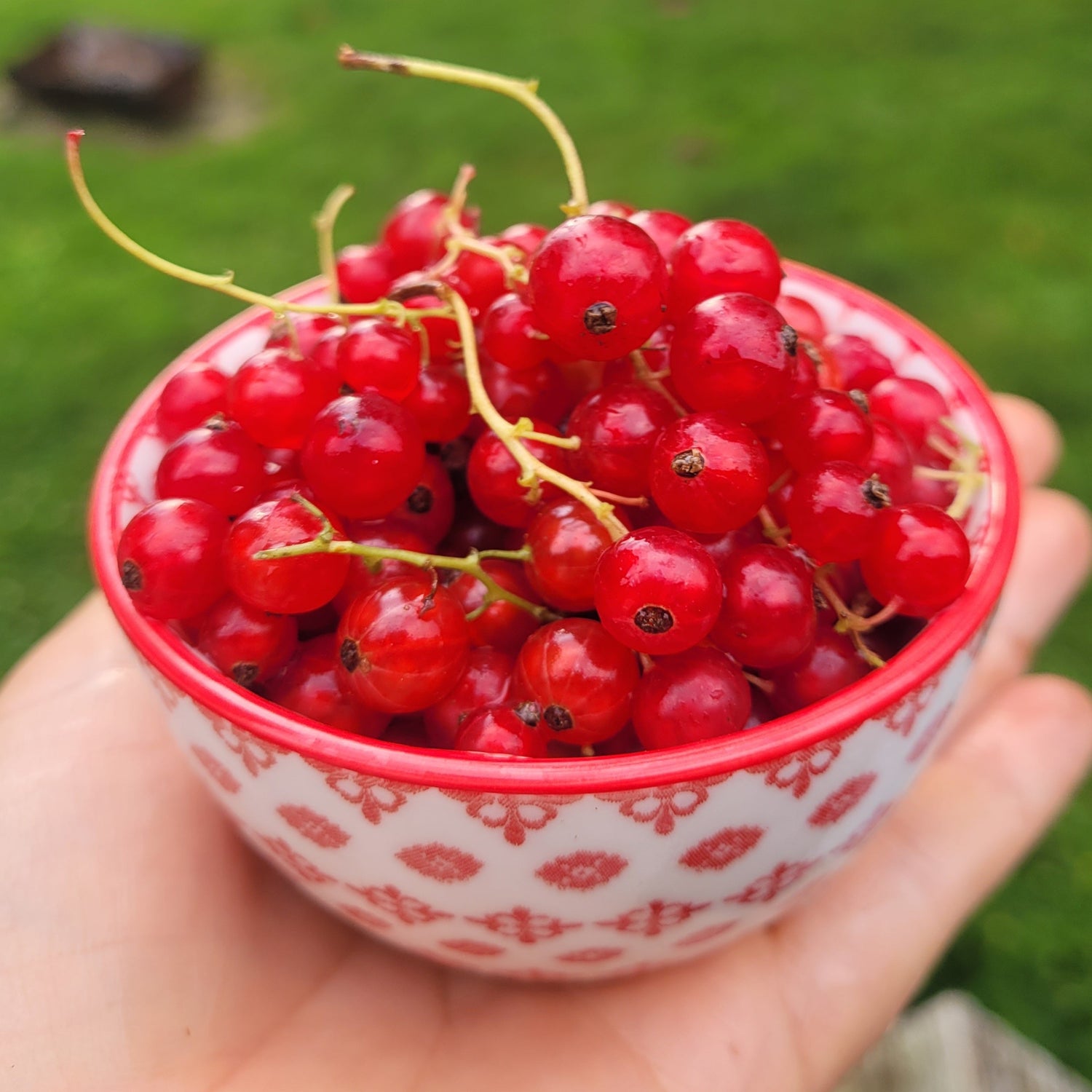
Becker currants are Jenni's favourite this year! In her words: “What I enjoy most is turning these currants into a homemade cordial. Their bold, tangy taste creates a rich syrup that captures the essence of summer. Mixed with chilled bubbly water, the cordial becomes an incredibly refreshing drink—crisp, lightly sweet, and bursting with distinctive flavour. It's simple to make and super packed with Vitamin C which helps boost your immune system, reduce inflammation, and support heart health. For me, Becker red currants represent a way of preserving something delicious, and they transform an ordinary glass of sparkling water into a refreshing treat!”
All Staff Favourites are 20% off. The Staff Favourite Discount cannot be combined with other quantity discounts.
Species: Ribes rubrum
History: These red currants come from the Becker family homestead near Wellesley, Ontario where we are located. This is a great way to try something truly local!
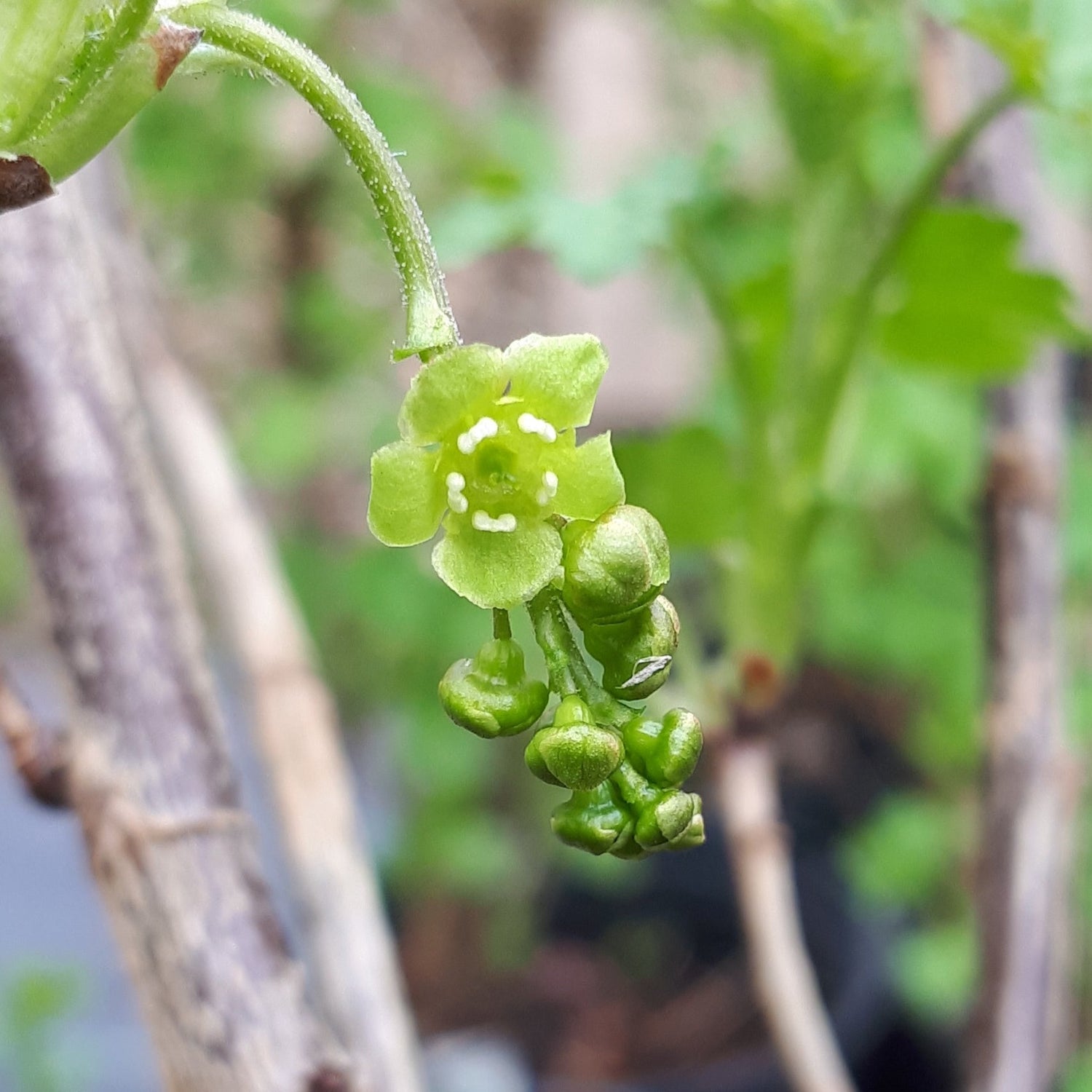
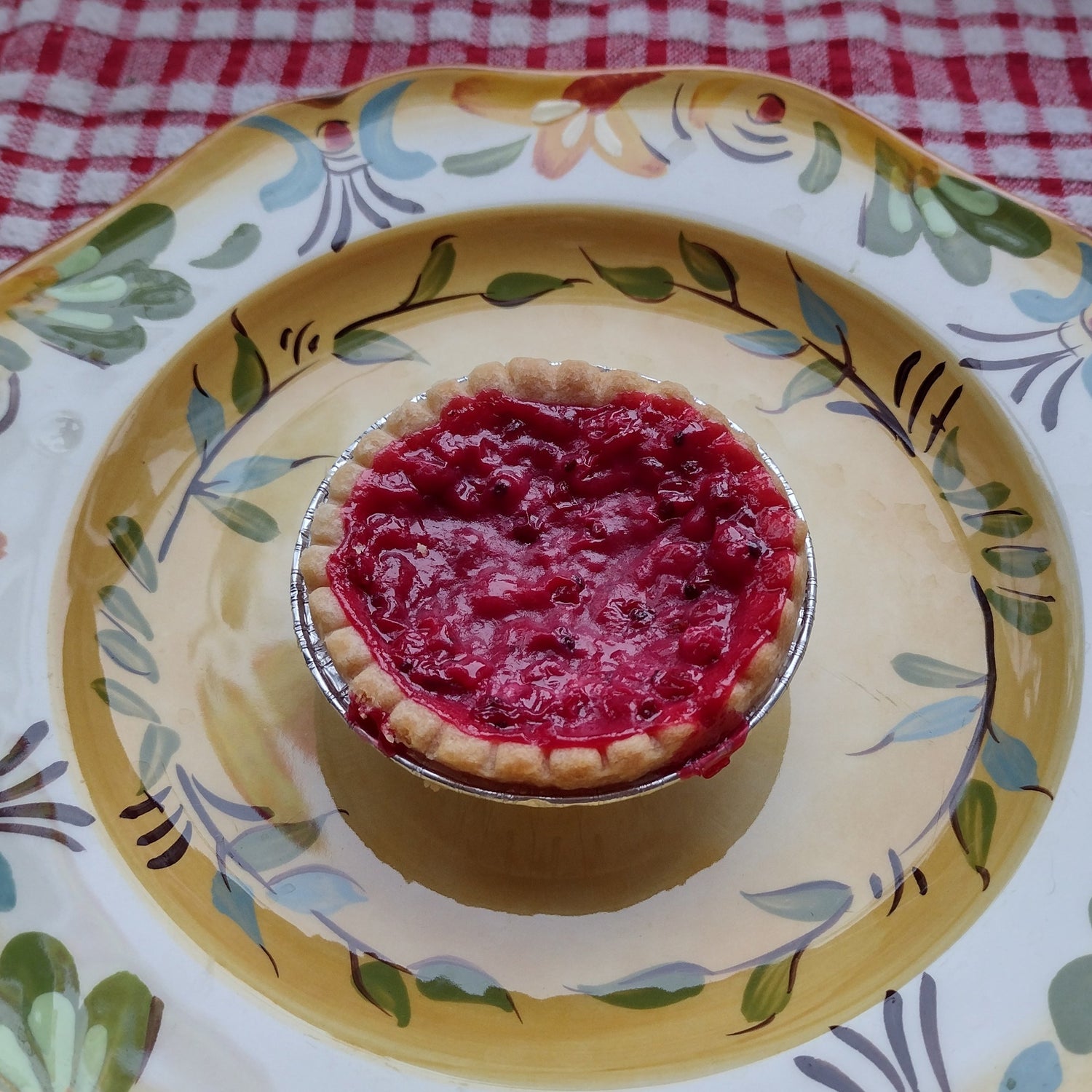
Why We Grow It: In our experience, Becker red currants are reliable and productive. The fruit produced by Becker red currants are larger than those produced by Red Lake and make a wonderful juice. They can also be used for cooking and baking, such as the tarts made by Steph that are pictured here!
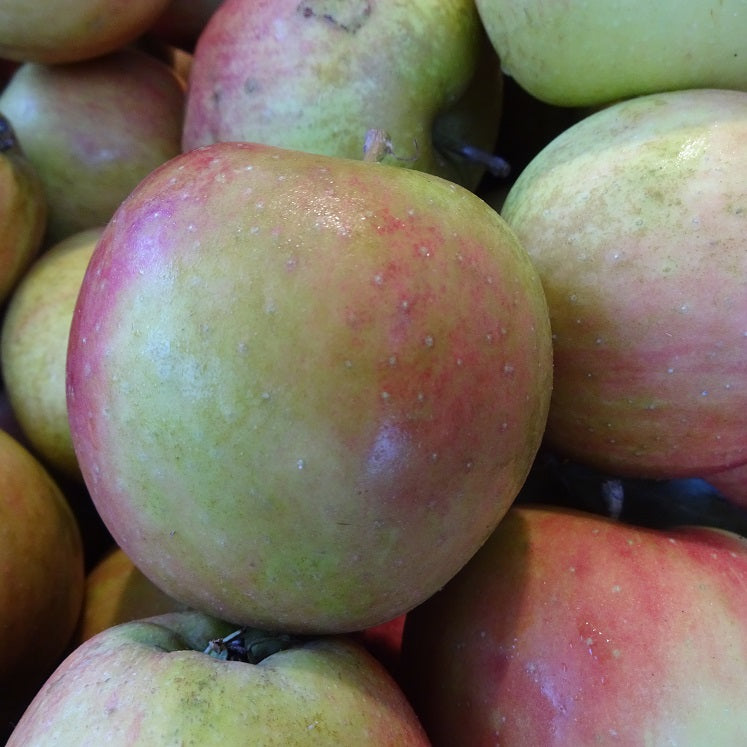
History: This apple was discovered as a chance seedling in 1856 in Boskoop, Netherlands where it has remained popular ever since.
Why We Grow It: Here's one for those of us who love some sharpness in an apple. With its sharp taste and large, greenish-red fruit, this apple is still popular at farmer's markets throughout Europe for both fresh eating and cooking (keeps its shape). It has value as a sharp in hard cider blends as well.


History: Once one of the most popular commercial apples in the United States, Ben Davis apple trees were planted across the continent following its discovery around 1800. Due to its firm fruit and excellent keeping qualities, this apple was extremely easy to transport over longer distances which led to its popularity. Once storage and transportation improved, this apple was slowly replaced with better tasting varieties and it is now a relatively rare find. It's also a parent to Cortland.
Why We Grow It: The mellow, sub-acidic, mildly aromatic red fruit is not quite as flavourful as some apples but it stores exceptionally well, lasting into spring. Flavour improves in storage, like many heritage apples. The trees are reliable and heavy croppers, earning them the nickname of 'mortgage-lifters' when they were grown commercially.
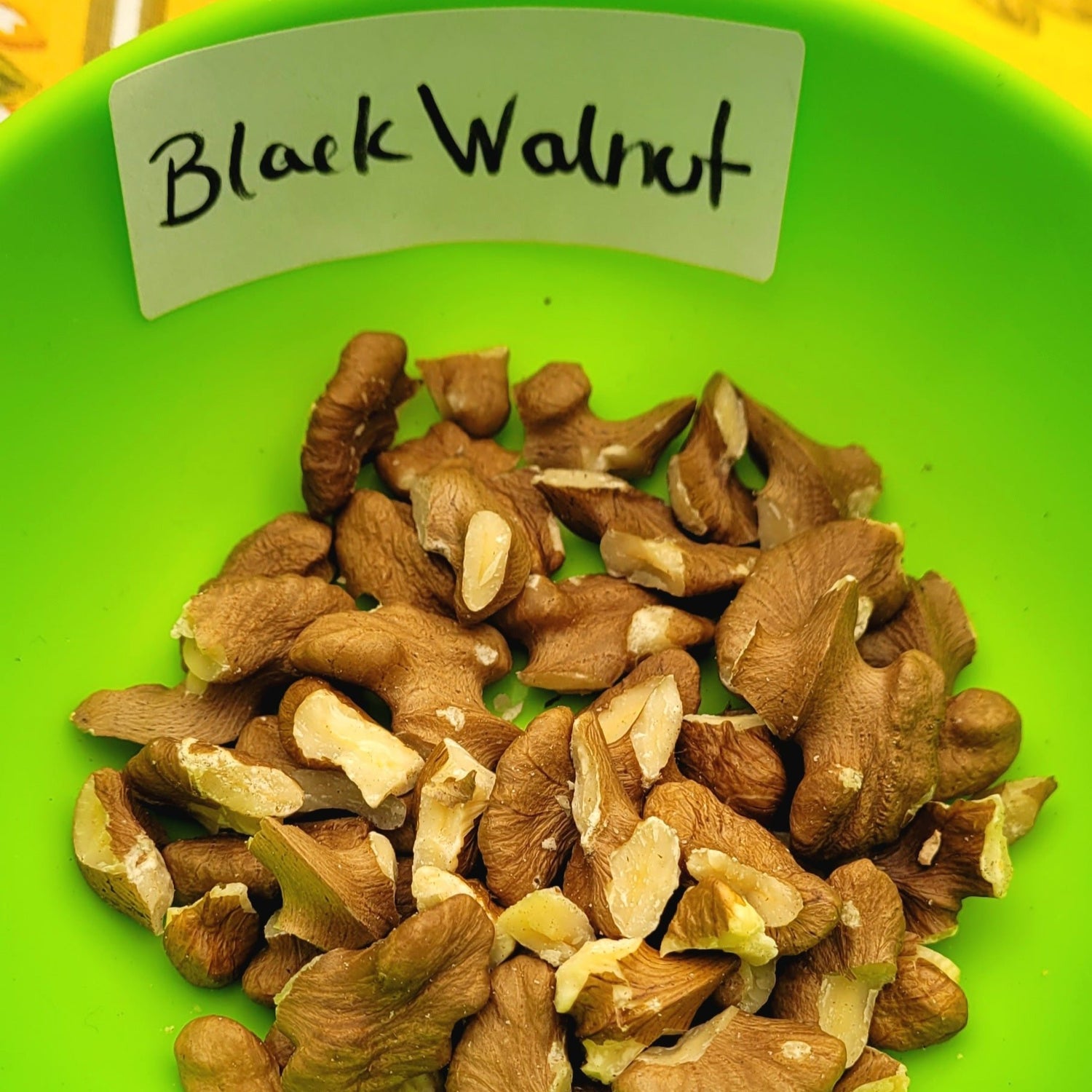
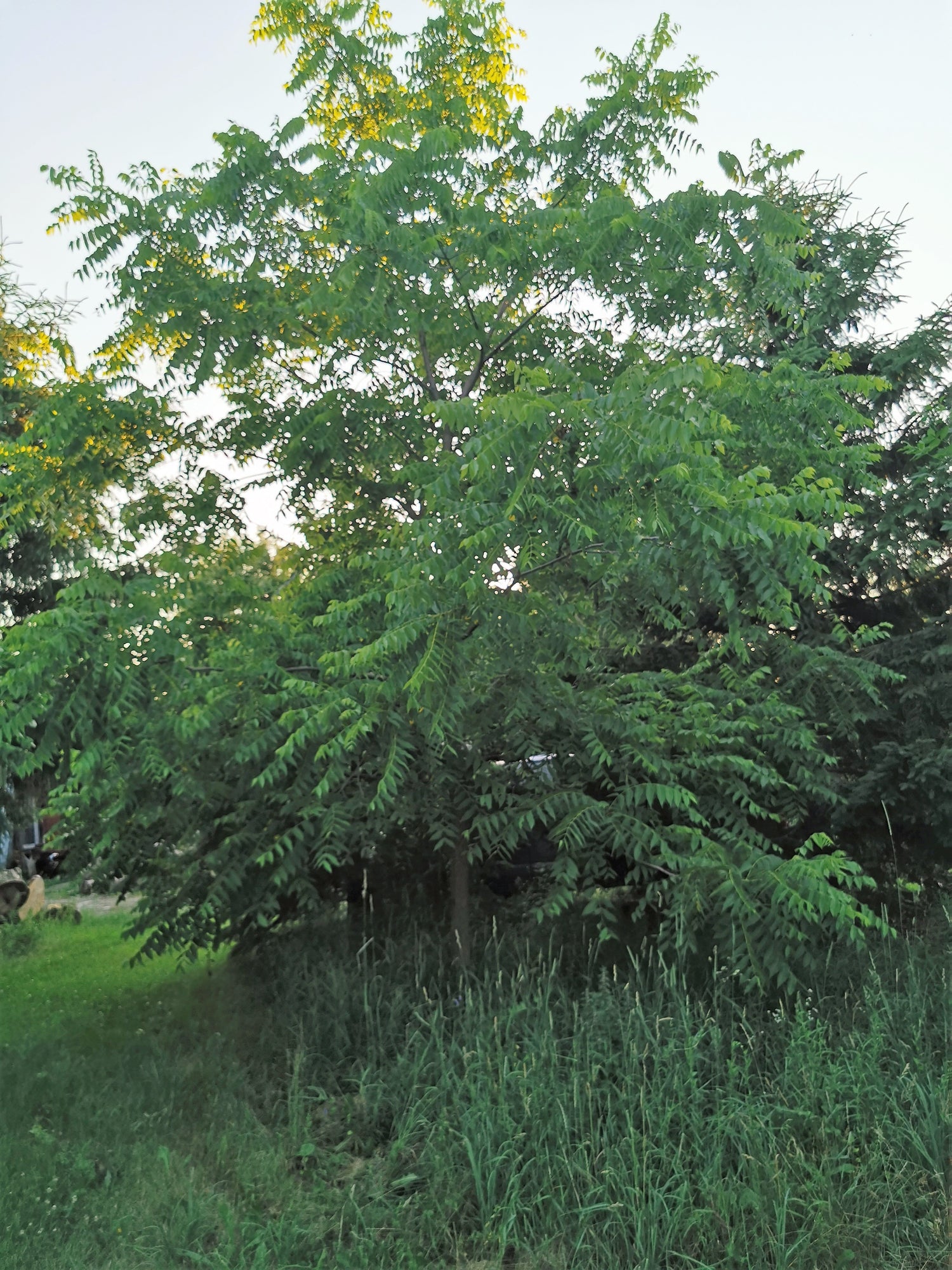
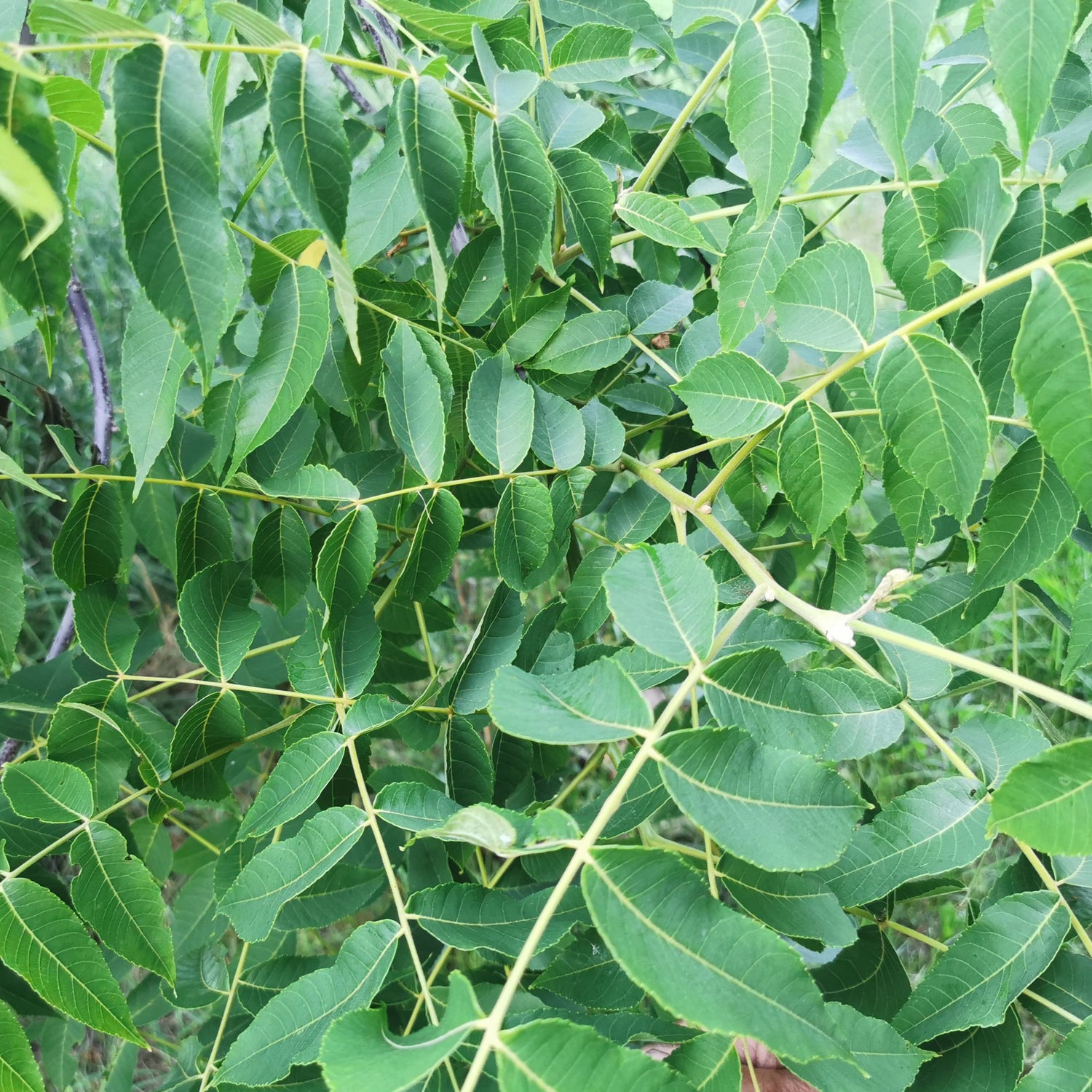
Species: Juglans nigra or hybrid. Our seeds are collected from trees that may have been cross-pollinated by closely related species so the resulting seedlings may be hybrids.
History: Native to much of the eastern and central United States and southern Ontario, Black Walnut has long been used as a source of food, dye, lovely dark wood, and as an ornamental tree. Although it is said to have a better flavour than the English walnut, the Black walnut remains less popular due to the increased difficulty of harvesting the nut meat from within the husk. Black walnut is also infamous for being allelopathic, meaning it secretes toxic chemicals (juglones) into the soil to reduce plant competition.
Why We Grow It: Black walnut is a beautiful tree that produces nuts with a stronger flavour than that of English walnuts. The sap can be boiled to make walnut syrup, which tastes very similar to maple syrup but with notes of caramel and butterscotch. Also, the husks can be used in brewing beer!
Be mindful of the juglones in the in the roots/nut husks, they are toxic to many other species. They require a buffer of about 50'/30m from the edge of the trees canopy for juglone-sensitive plants. This article from The Garden Hoe has a helpful list of plants that tolerate juglones. However there are recent (2019) studies showing healthy soil high in organic matter and mycorrhizal fungi actually reduce the toxicity of juglones suggesting many plants can grow below juglans species in a healthy ecosystem - it will be interesting to see more study done in this area!
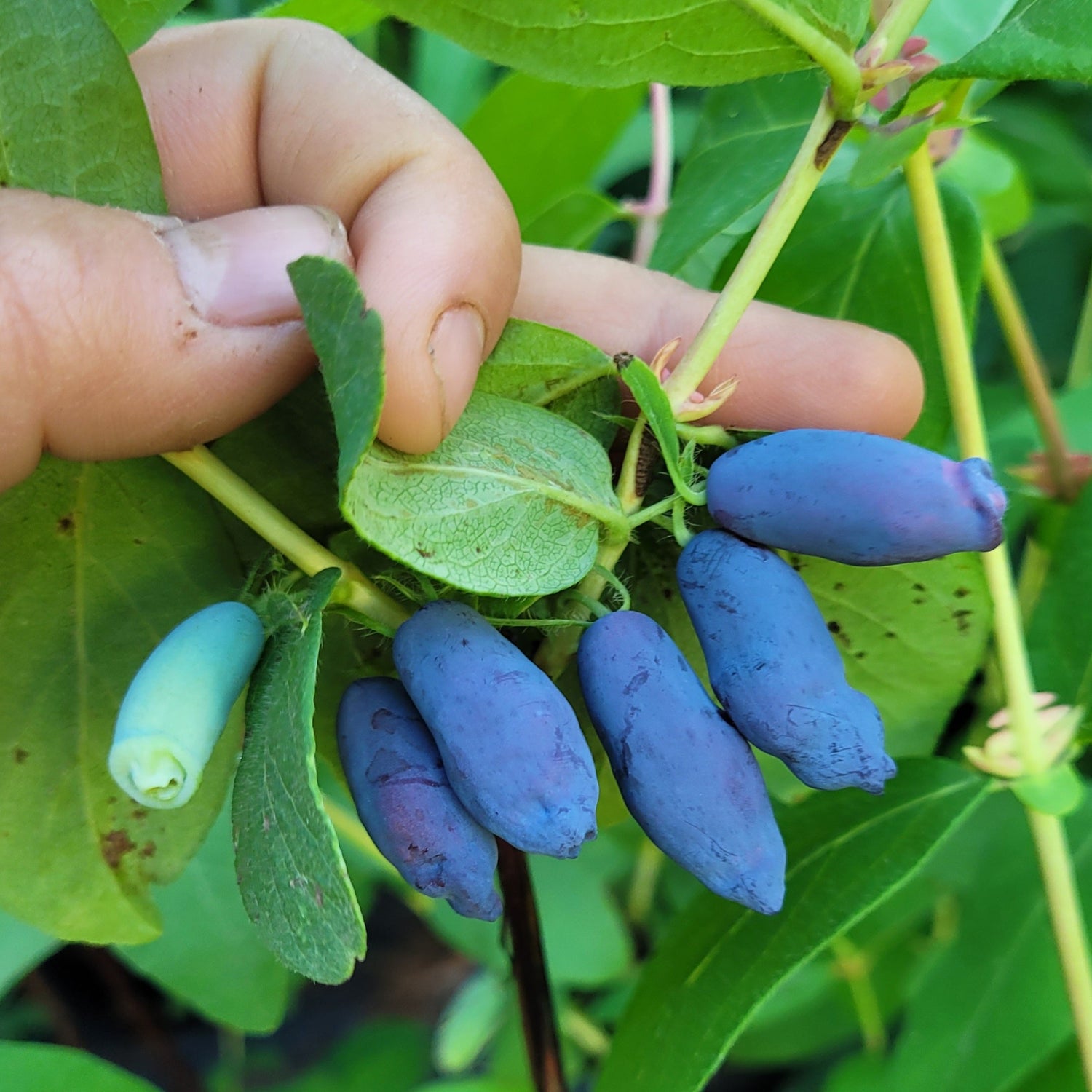
Species: Lonicera caerulea
History: Blue Banana was developed by Lidia Stuart of Berries Unlimited, potentially bred from Russian varieties or a cross between Russian and Japanese varieties. The variety is named for the unique shape of the berries and was likely selected for their large size and sweet flavour.
Why We Grow It: Blue Banana is exceptionally sweet compared to other haskap varieties and the flavour has been described as 'smoked strawberry.' These large, sweet berries are good for fresh eating along with cooking, baking, preserving, etc! The bush itself grows quickly and is relatively disease resistant.
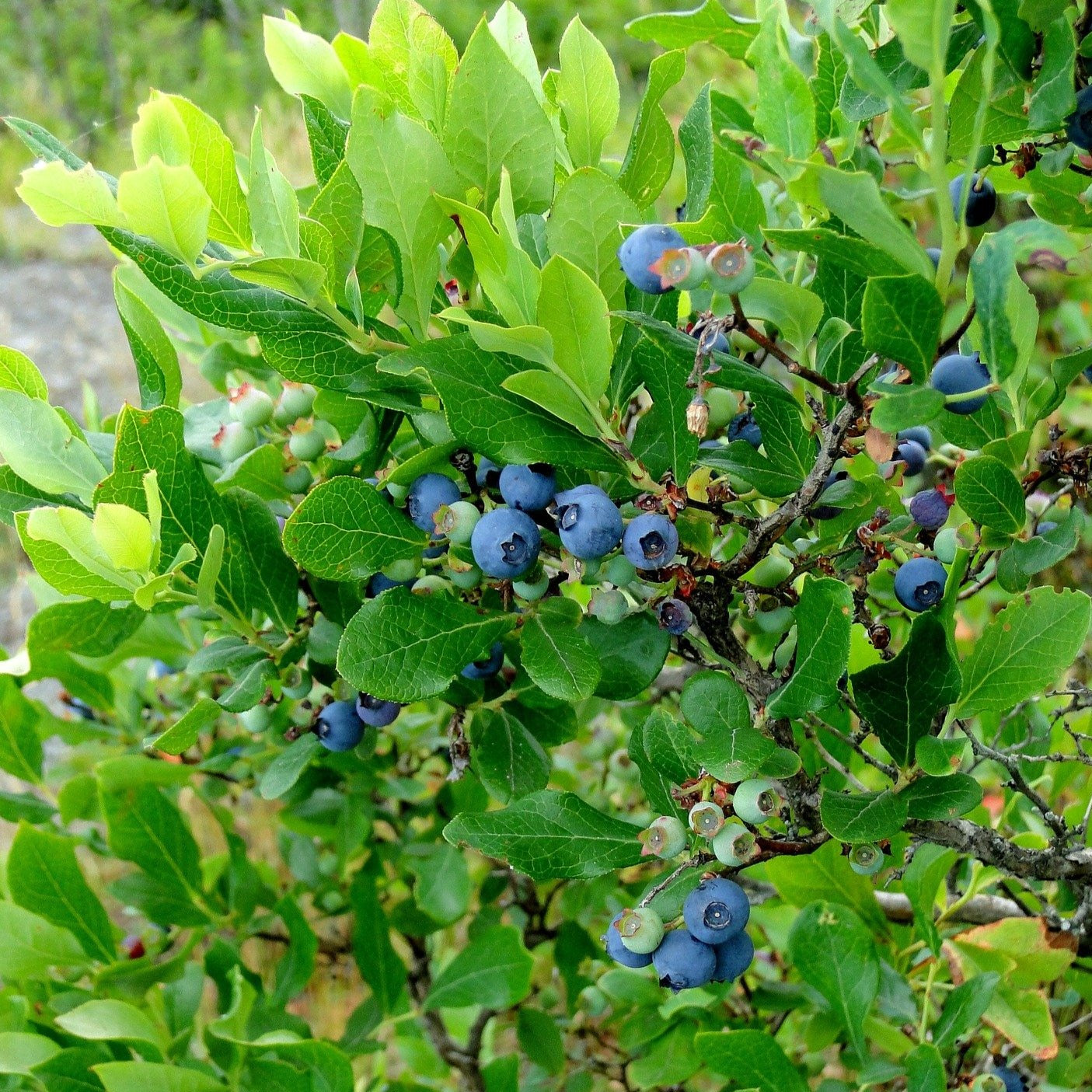
Species: Vaccinium corymbosum
History: Blueray higbush blueberry was introduced in 1941, although there is little other information on its origins. It may have originated in New Jersey where blueberry cultivation began.
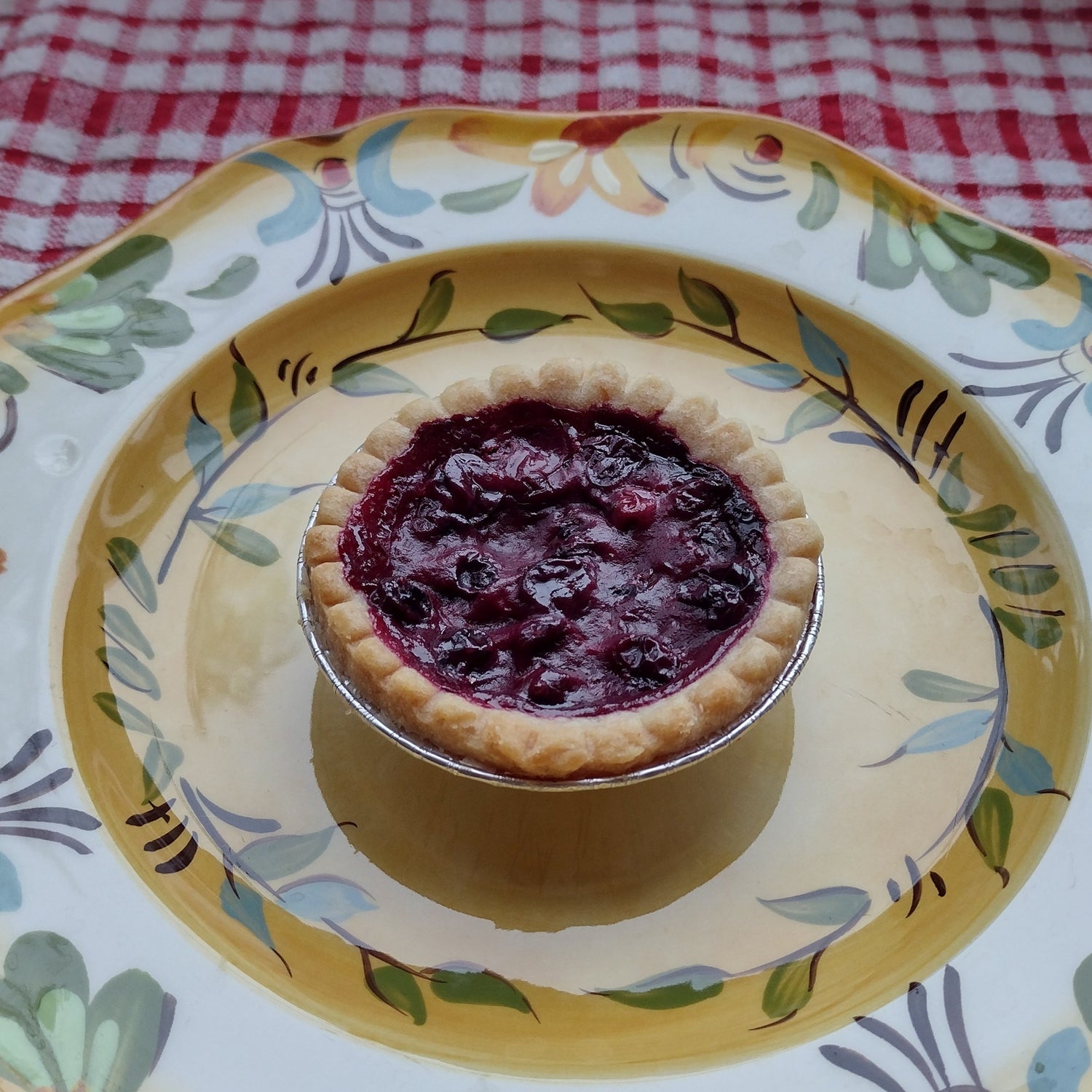
Why We Grow It: Blueray produces an abundant crop of very large berries with good flavour. This cold hardy variety is great for home growers! Blueberries are great for baking, for example Steph made some wonderful black currant and blueberry tarts that are pictured here!
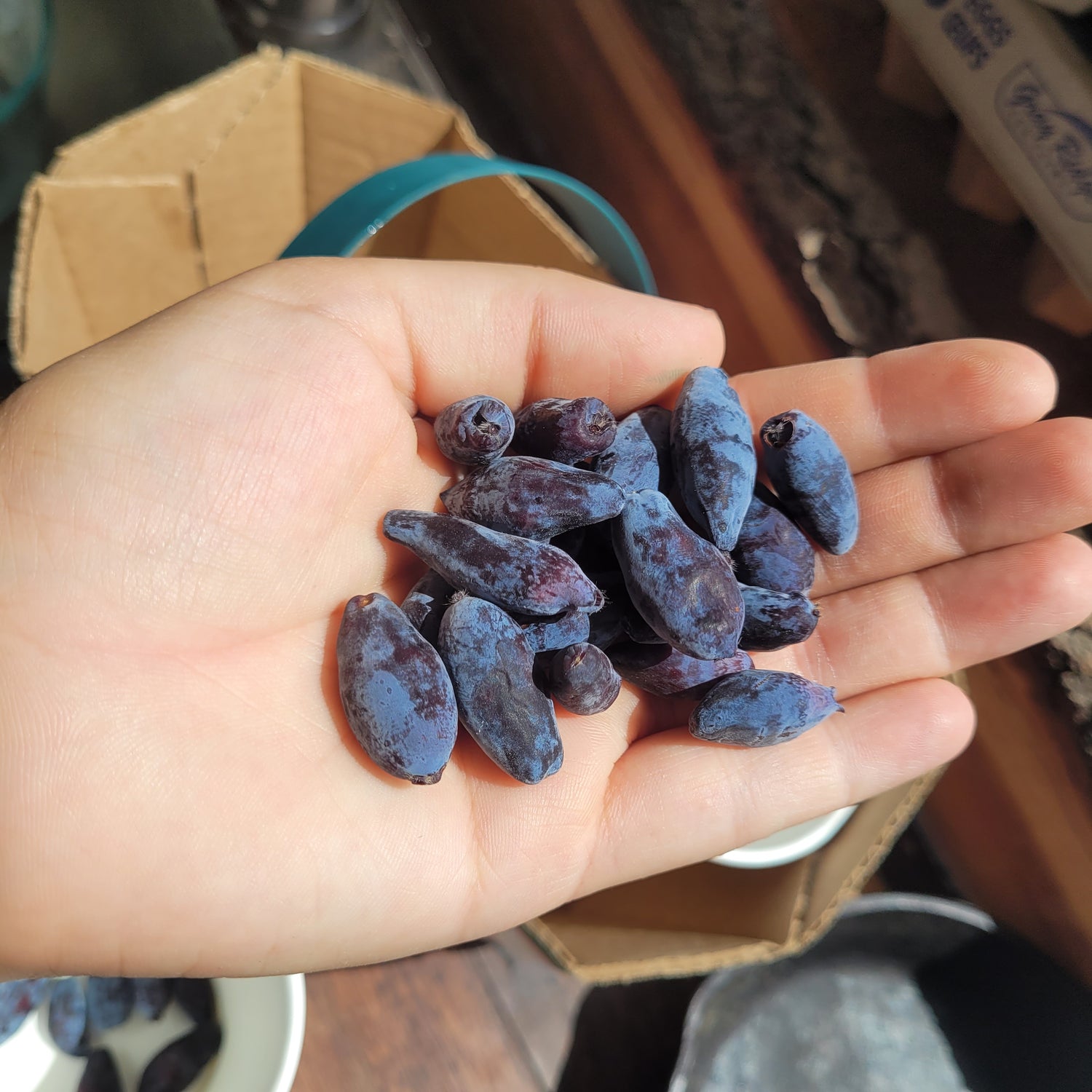
Species: Lonicera caerulea
History: Boreal Beast was developed by Bob Bors at the University of Saskatchewan as part of the Boreal series of haskaps. The goal of the Boreal series is to cross haskaps from Russia, Japan, and the Kuril Islands to create superior cultivars with the best qualities of all three strains. Boreal Beast was rated very highly for flavour in the breeding program. Named after Beauty and the Beast, Boreal Beast was intended to be the pollination partner for Boreal Beauty but in practice it has been found that their pollination times don't quite overlap.
Why We Grow It: Boreal Beast is noted for its excellent flavour with a great aroma and pleasant aftertaste. The shrub itself is quite vigorous and sturdy, and produces good-sized crops of delicious medium-sized berries.
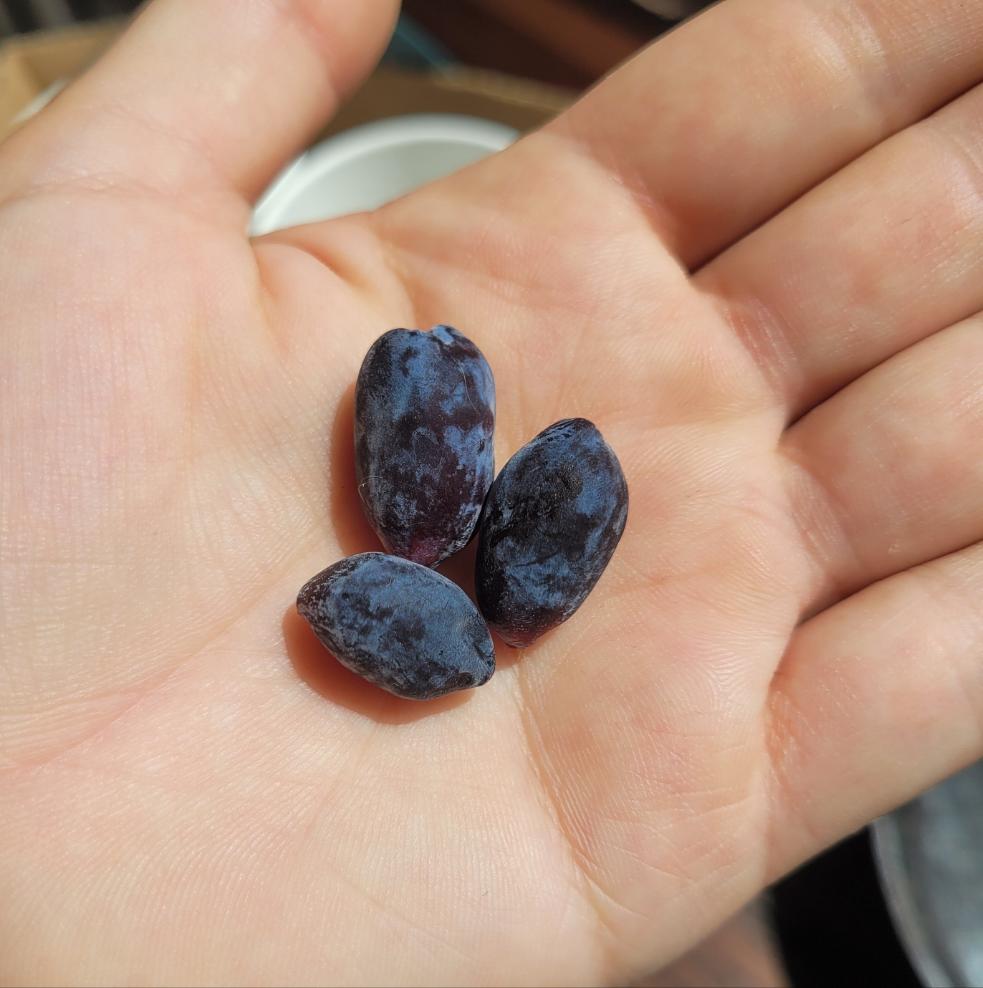
Species: Lonicera caerulea
History: Boreal Beauty haskap is part of the Boreal series of haskaps developed by Bob Bors at the University of Saskatchewan. The goal of the Boreal series is to cross haskaps from Russia, Japan, and the Kuril Islands to create superior cultivars with the best qualities of all three strains. Boreal Beauty was released in early 2017, chosen for its large size, firmness, and good flavour. Its name, a reference to Beauty and the Beast, was meant to be a handy way to remember that Boreal Beast is the recommended for pollination partner for this variety, but in practice unfortunately the two don't overlap quite enough for pollination to be optimal.
Why We Grow It: Boreal Beauty sports large berries that are more oval-shaped and firm than other haskaps while maintaining with good flavour. This variety could show promise for mechanical harvesting. It is also quite vigorous and produces heavy crops.
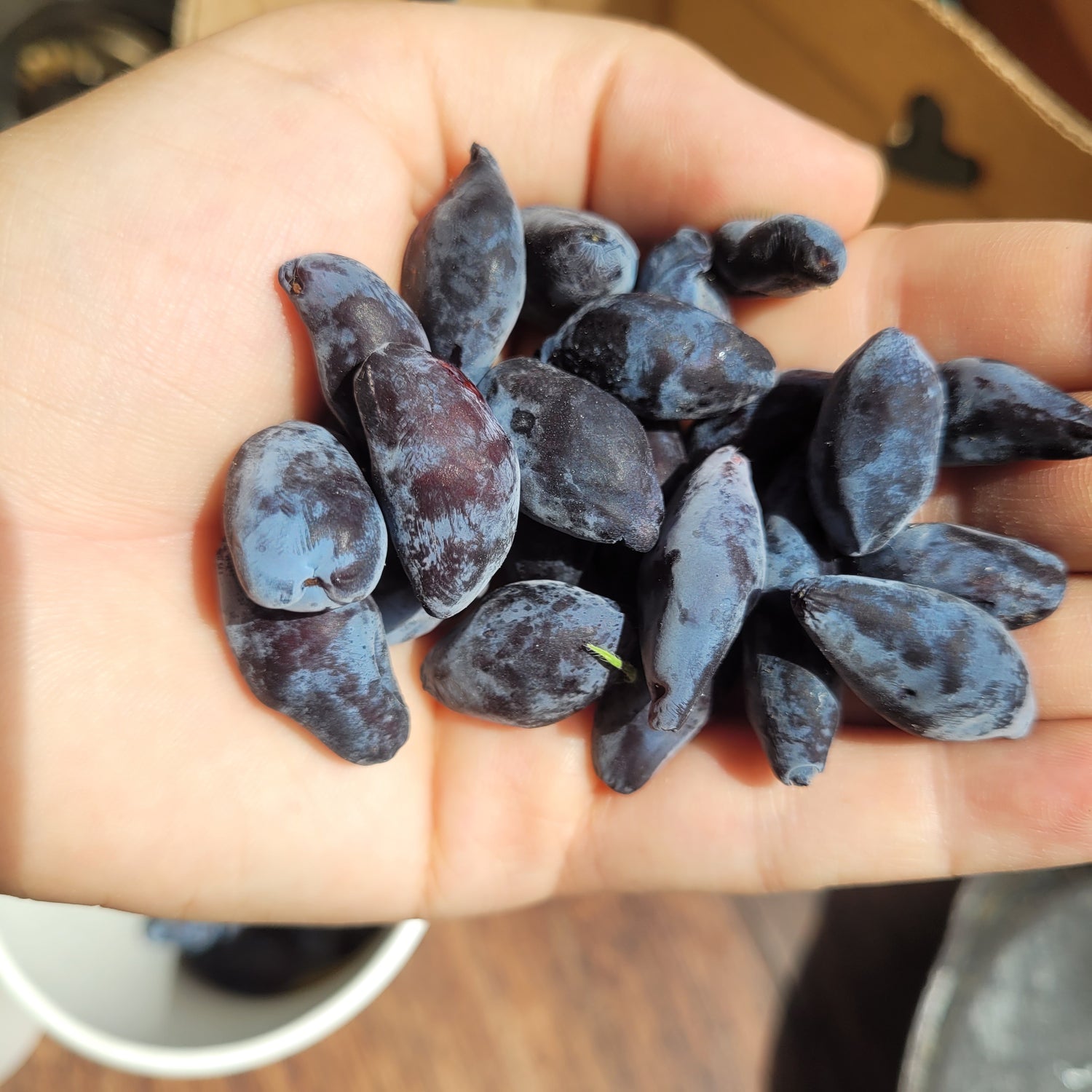
Species: Lonicera caerulea
History: Boreal Blizzard was developed by Bob Bors at the University of Saskatchewan as part of the Boreal series of haskaps. The goal of the Boreal series is to cross haskaps from Russia, Japan, and the Kuril Islands to create superior cultivars with the best qualities of all three strains. While Boreal Blizzard is only a cross between Russian and Japanese varieties, it has produced some of the largest berries the breeding program has seen while boasting good flavour!
Why We Grow It: Boreal Blizzard produces exceptionally large berries that are meaty and sweet. This heavy cropper is ideal for U-pick operations and small farms where the larger berries make them more suitable for hand-picking.
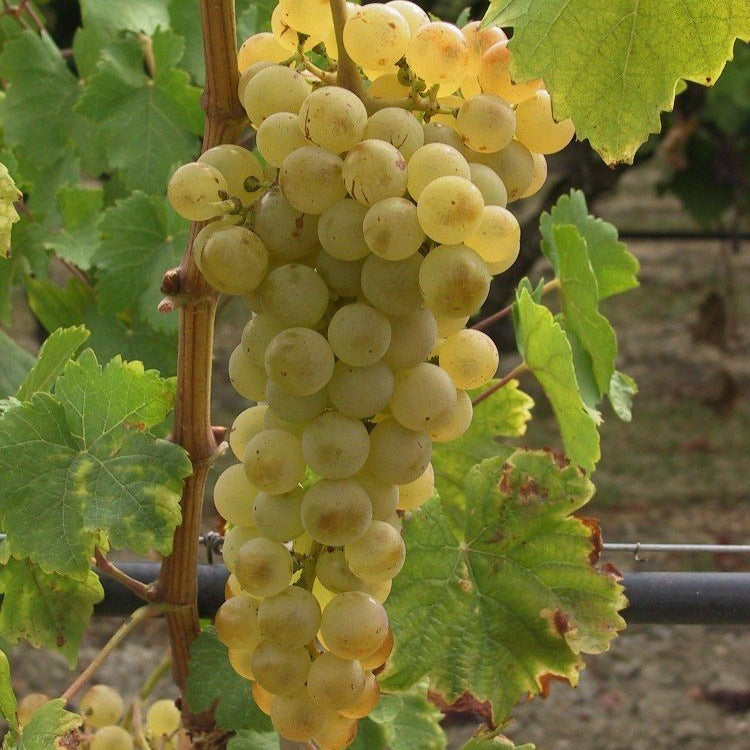
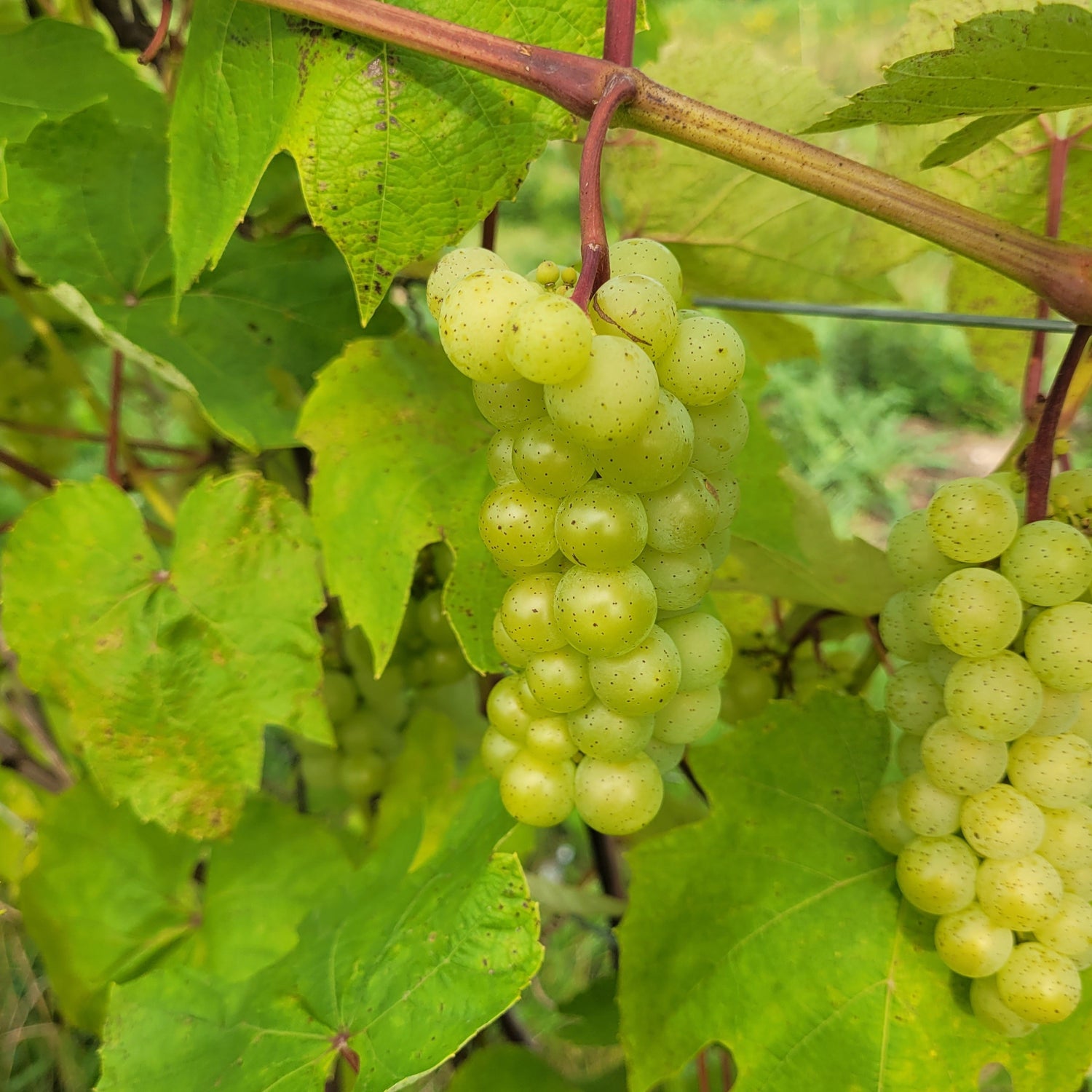
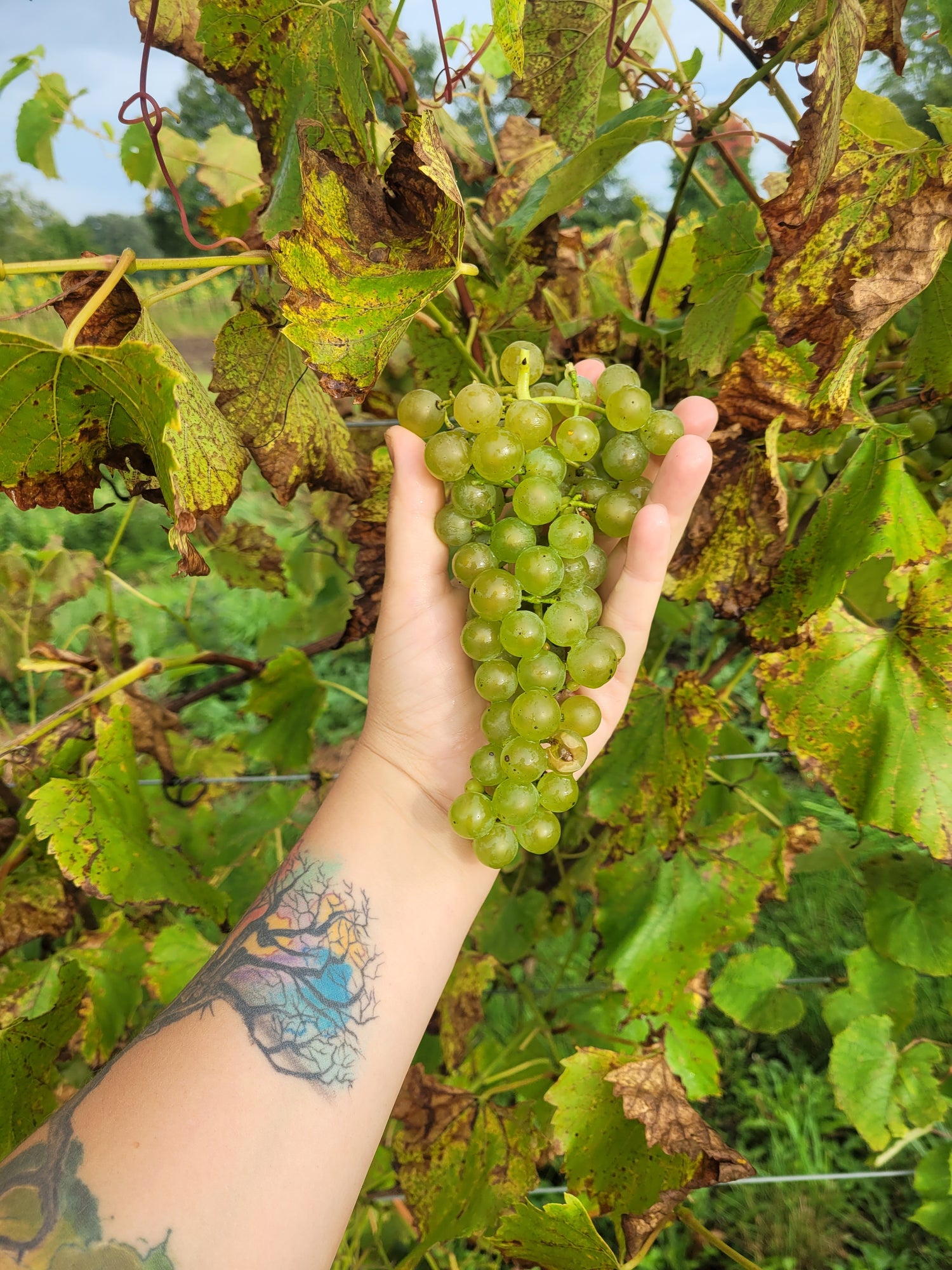
Species: Vitis riparia x Vitis labrusca
History: Brianna was bred by renowned grape breeder Elmer Swenson as a cross between Riverbank grape (V. riparia) and Fox grape (V. labrusca) as part of his effort to create high-quality grapes that were cold hardy enough to be grown in the cooler parts of North America. Brianna was first bred in 1983 on Swenson's farm in Wisconsin and released in 2001. It was named by Ed Swanson who was planning on naming it Brian due to its vigour but chose Brianna instead, believing the feminine name was more fitting for white wine.
Why We Grow It: Brianna is a seeded green grape with an excellent complex fruity flavour that has hints of grapefruit and pineapple. The medium-large green fruit is suitable for fresh eating or making wine or juice. This variety boasts good disease resistance, vigorous growth, and begins producing fruit at a young age.
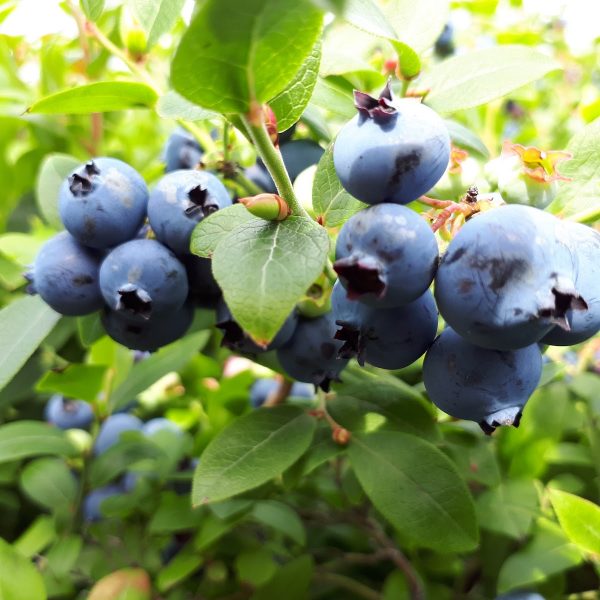
Species: Vaccinium angustifolium
History: Brunswick lowbush blueberry is the second lowbush variety developed at the AAFC Kentville Research and Development Centre in Nova Scotia. It was discovered growing wild on a blueberry farm owned by Shepoddy Blueberry and Lumber Co. in New Brunswick and was selected in 1965 for further testing. Proving to be an excellent variety that grows well and is relatively disease-resistant, it was named for its province of origin and released in 1977.
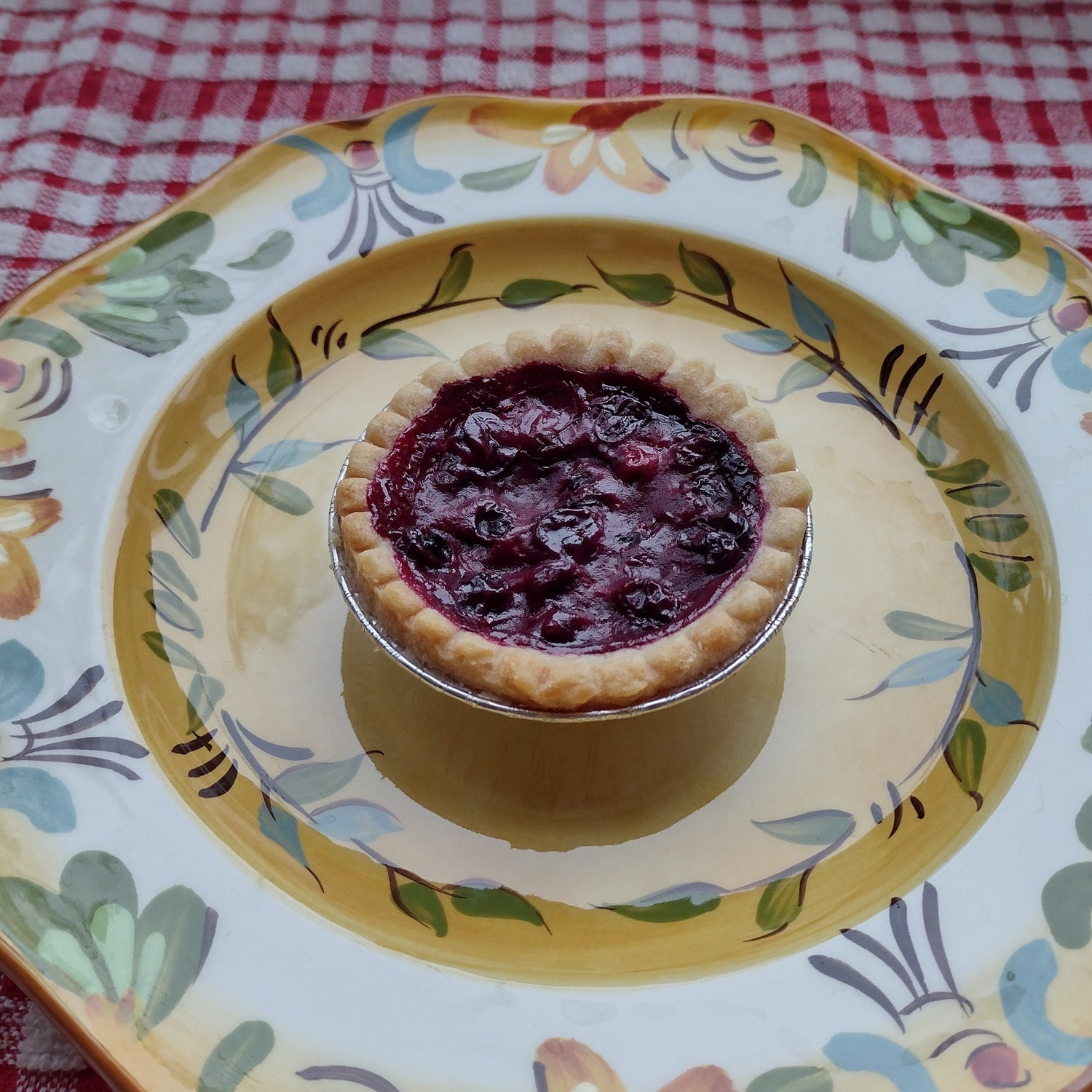
Why We Grow It: Brunswick produces firm, medium-sized dark blue berries, bursting with sweet flavour. These lowbush blueberries grow into a compact bush, with glossy dark green foliage that turns a lovely red in autumn. Blueberries are great for baking, for example Steph made some wonderful black currant and blueberry tarts that are pictured here!


History: Bulmer's Norman was imported from Normandy, France to England in the early 1900s by the cider making company H.P. Bulmer. This variety didn't even have a name when it arrived but quickly grew in popularity for use in making cider. This apple has since fallen out of the limelight and is primarily used for grafting other varieties onto its sturdy trunk.
Why We Grow It: Although less popular these days, this variety boasts vigorous growth, decent disease resistance, and a surprising tolerance for cold. This conical, green apple produces a bittersweet juice and is high in tannins.
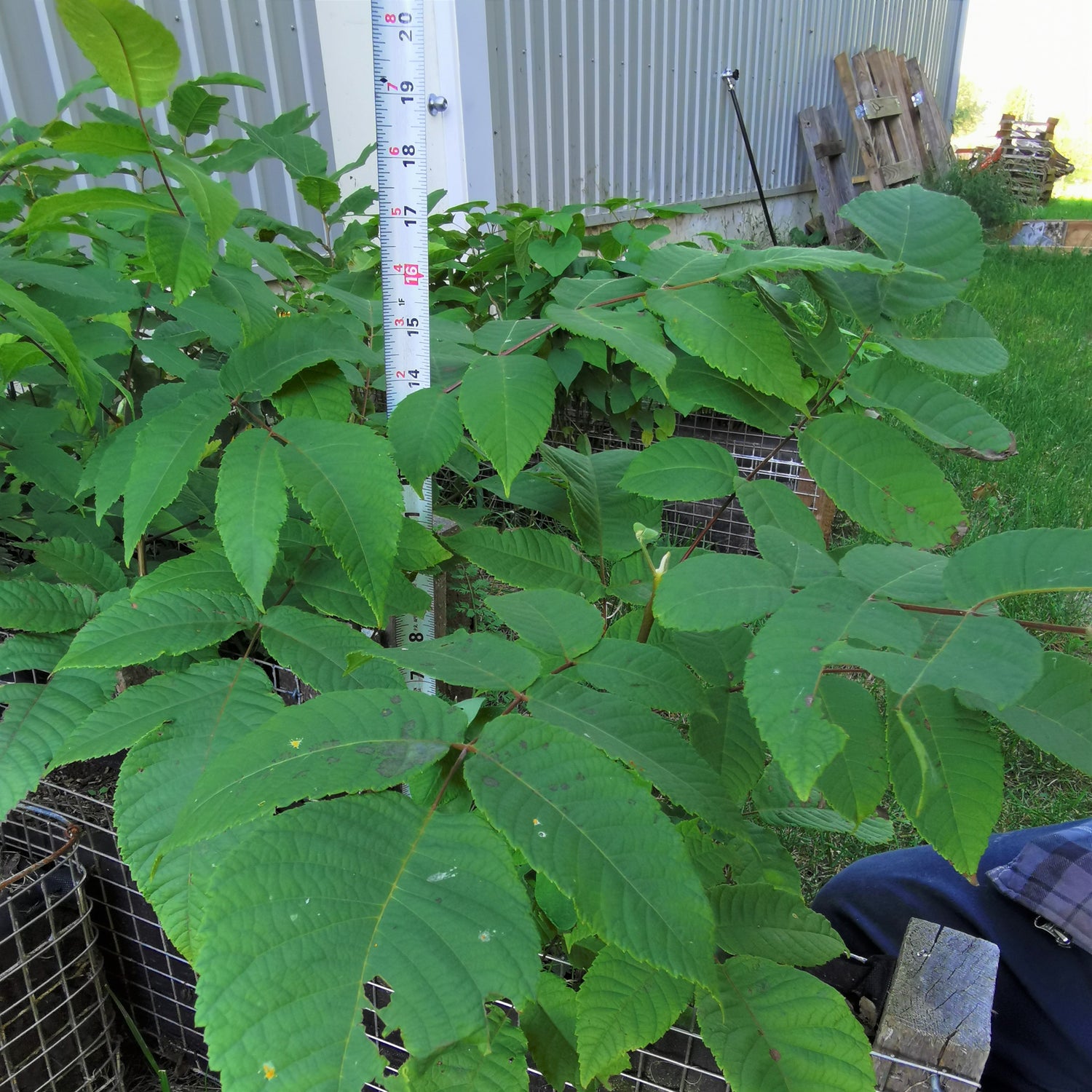
Species: Juglans cinerea or hybrid. NOTE: Butternuts are known to hybridize readily with other closely related species so there is no guarantee on whether these seedlings are pure, though the mother trees appear very true to type.
History: Butternut is an endangered tree native to southeastern Canada and the eastern United States where they grow naturally along sunny stream banks with rich, well-draining soil. The nuts have been used as a source of food and made into a butter-like oil by indigenous peoples. The trees have also been used for making syrup, furniture, and woodcarving. Unfortunately, Butternuts are highly endangered today due to Butternut Canker which has decimated their population within two decades.
Why We Grow It: By planting endangered species, collectively we can help Mother Nature potentially find a naturally resistant variety of Butternut. The nuts are quite similar to other walnuts but with a milder flavour. They can survive in zone 2, but they must be planted somewhere zone 3 or warmer to produce nuts. The sap can be boiled to make walnut syrup, which tastes very similar to maple syrup but with notes of caramel and butterscotch.
Be mindful of the juglones in the in the roots/nut husks, they are toxic to many other species. They require a buffer of about 50'/30m from the edge of the trees canopy for juglone-sensitive plants. This article from The Garden Hoe has a helpful list of plants that tolerate juglones. However there are recent (2019) studies showing healthy soil high in organic matter and mycorrhizal fungi actually reduce the toxicity of juglones suggesting many plants can grow below juglans species in a healthy ecosystem - it will be interesting to see more study done in this area!

Species: Vitis sp. (hybrid)
History: Canadice is a cross between Bath and Himrod that was first bred in 1954 at the New York State Agricultural Experiment Station in Geneva, New York. Selected for its seedless nature and cold hardiness, it was released in 1977. The variety was named for Canadice Lake, one of the nearby Finger Lakes.
Why We Grow It: Canadice produces seedless red grapes that are sweet with a hint of spice. The fruit is best known for fresh-eating but it can also be used for jellies, juice and wine. Although this is one of the more cold hardy varieties of seedless grape, it may still suffer winter injury in a particularly cold year.

Species: Lonicera caerulea
History: Chito was created by Dr. Maxine Thompson who collected open-pollinated seeds from berry farms in Hokkaido, Japan in 2000. The seeds were planted in Oregon and evaluated. Chito was selected in 2014 for its open growth habit, vigour, yield, and fruit quality.
Why We Grow It: Chito produces a large, sweet/tart, ovate berry with a milder flavour than other haskaps. Like other haskaps they are good for fresh eating, baking, and making jam/jelly. This vigorous shrub has a more open growth habit than other varieties, making the fruit easier to see and harvest.

Species: Vitis labrusca x V. vinifera
History: Concord was created by Ephraim Bull in Massachusetts. In 1843, he began breeding wild V. labrusca grapes, occasionally hybridizing them with V. vinifera, in an effort to breed a good quality grape that could survive a colder climate. After growing 22,000 seedlings, he found one that fit what he was looking for. He named it Concord after the town where his farm was located and introduced it in 1854. In 1869, Dr. Thomas Welch created pasteurized Concord grape juice that prevented fermentation, marketing it as a non-alcoholic substitute for Communion wine. This business eventually became the Welch's company that still exists today. By 1923, Concord became the most commonly grown commercial grape in North America and although its status has fallen somewhat, it is still commonly grown and used in many grape products. The distinct colour of the grapes is also the reason why grape-flavoured products are coloured purple!
Why We Grow It: Concord produces dark blue slipskin grapes that are aromatic with a sweet flavour. This hardy, vigorous variety is great for fresh eating, baking, and jelly and is suitable for juice and wine as well. The grapes do contain a large seed.
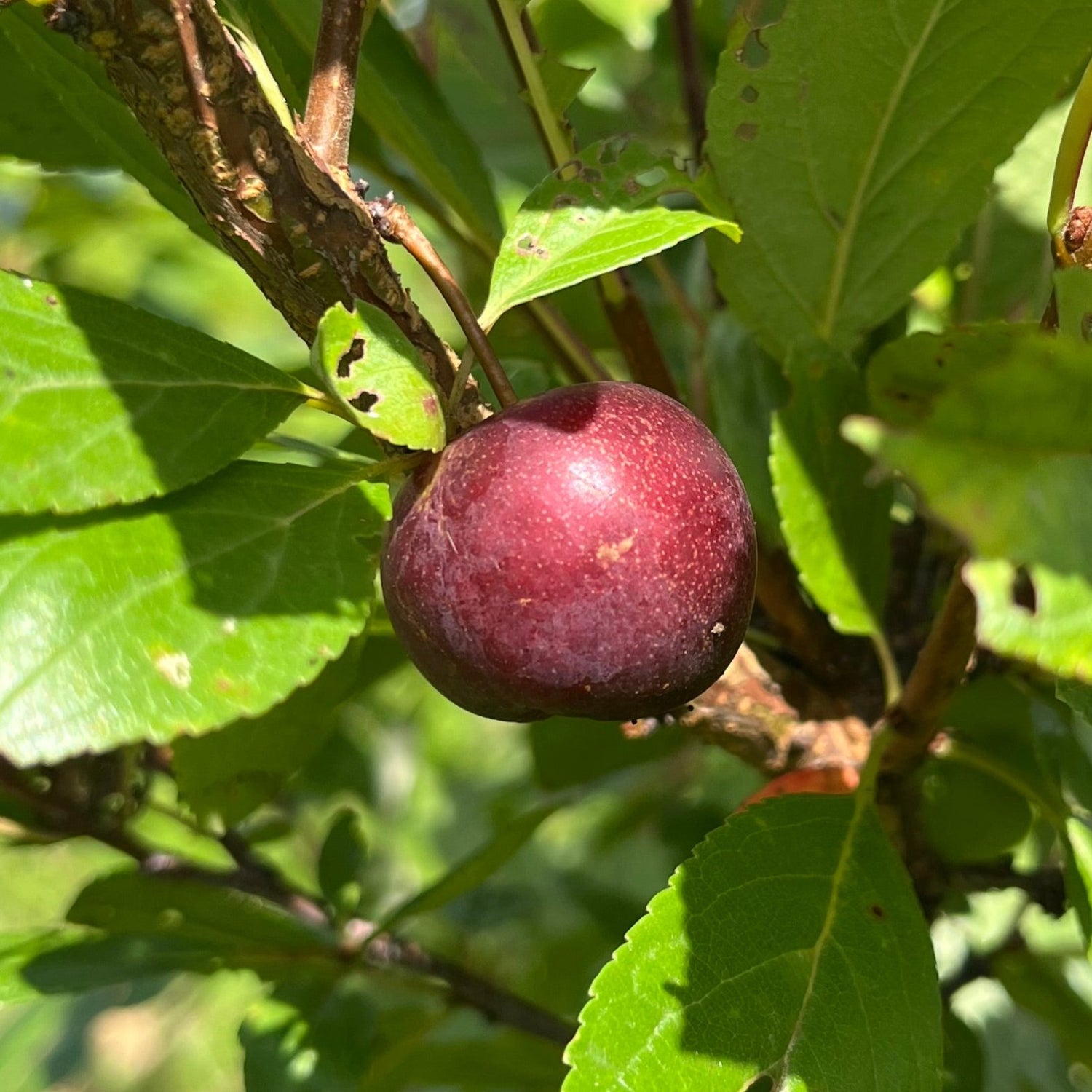
Species: Prunus pumila var. besseyi (Western sandcherry) x P. salicina (Japanese Plum)
History: Convoy was released by Boughen Nurseries in Manitoba in 1941. Like other chums, it was bred to produce a fruit with the hardiness of the western sandcherry but the fruit quality of a Japanese plum. Convoy was likely selected for being sweeter than most other chums.
Why We Grow It: Always on the lookout for unique trees, we are happy to offer chums! Convoy is a hardy shrub that produces a clingstone red fruit with yellow flesh. It has a mild sweet flavour that is good for fresh eating but it can also be used for baking, preserving, and canning. The shrub is generally resistant to plum diseases.


History: Cortland apples were first bred in 1898 by Cornell University in New York and introduced in 1915. Since then, they have become one of the top fifteen apples in the US and Canada, although the majority are still grown relatively close to the university where they originated. While there are different versions of Cortland available with features such as redder skin, we are happy to offer the original!
Why We Grow It: Especially with older, popular varieties, we are always happy to offer what is, to the best of our knowledge, the original strain. Cortland is a sweet apple with crisp, juicy flesh. It is great for applesauce or drying as the flesh is slow to brown. The fruit keeps until Christmas under home storage conditions although the crispness and flavour does fade over time. This variety crops well annually and makes a good pollinator for others.
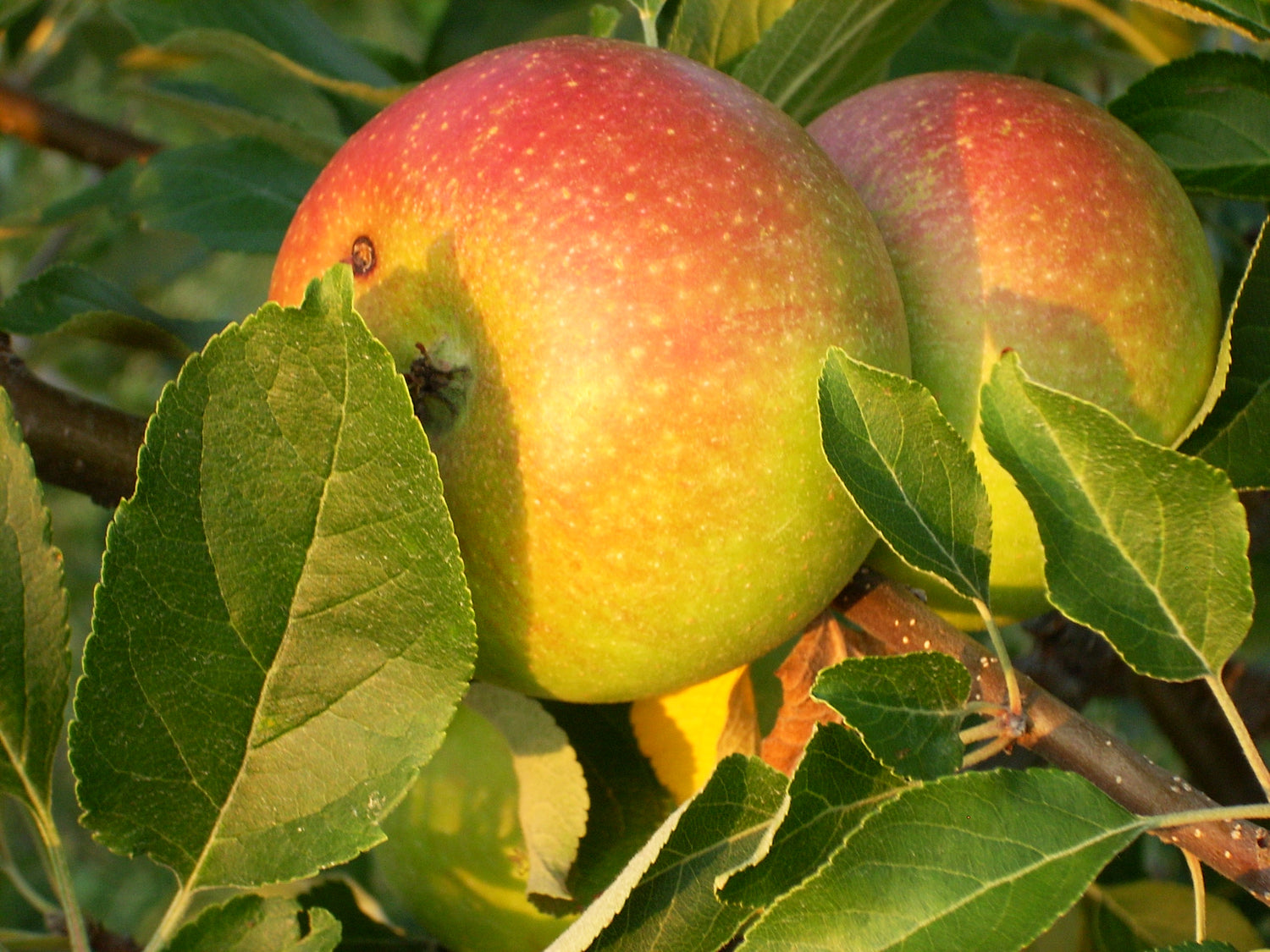
History: Cox's Orange Pippin was first grown in England in 1830 and was named after the retired brewer and horticulturalist who first bred it, Richard Cox. Its excellent flavour has earned it a spot as one of the best fresh eating apples in England where it has remained popular ever since. In fact, it still accounts for over 50% of fresh eating apples grown in the UK today. Despite its reputation, it is seldom grown commercially in North America due to its precocious nature and susceptibility to many common apple diseases.
Why We Grow It: This apple's reputation is hard to ignore with its sweet, subtle, aromatic flavour and attractive orange-red skin. Not only is it good for fresh eating, it is also popular in cider blends.
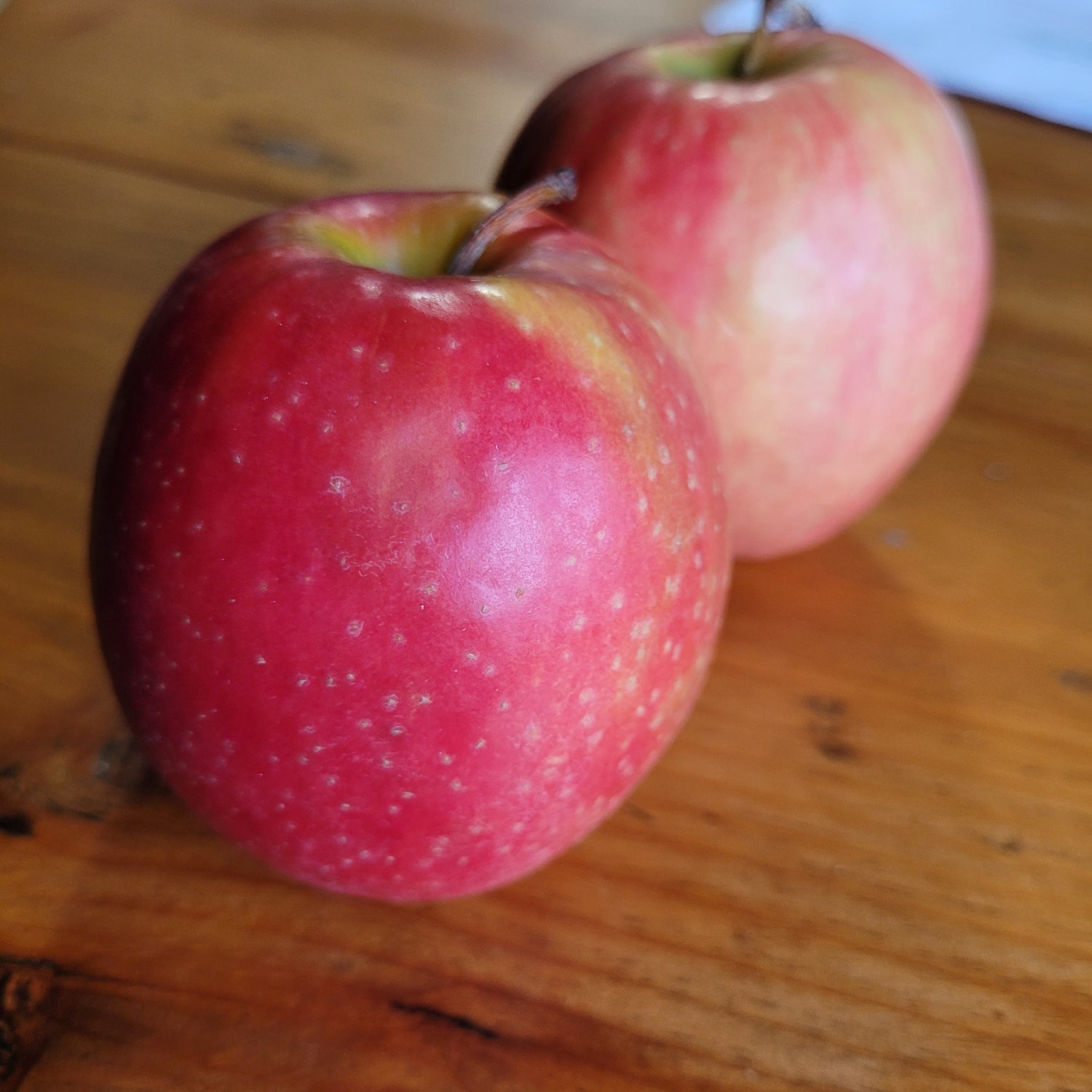
History: Cripps Pink was developed by John Cripps at the Western Australia Department of Agriculture in 1973 as a cross between Lady Williams (an Australian variety) and Golden Delicious. The successful result was introduced to the market in 1985. In just ten years, Cripps Pink became an extremely popular variety and over a million trees were planted in Australia alone. This variety remains popular in many countries around the world. This apple is also known as Pink Lady which is its brand name when the fruit meets very strict criteria for quality.
Why We Grow It: Cripps Pink has a refreshing honeyed sweet-tart flavour that makes it great for fresh eating, baking, and cider. The lovely fruit, yellow with a pinkish-red blush, is slow to brown and also stores exceptionally well.

History: Domaine apples originated in France some time before the 1900s. In the Pays d'Auge region in Normandy, Domaine is one of the 13 cultivars prized for making hard cider (included in that 13 are Fréquin Rouge and Noël des Champs, which we also have available). This apple was brought to the United States in 1949 but remains relatively unknown outside of its country of origin.
Why We Grow It: This bittersweet cider apple is high in tannins, low in acidity, and contains a moderate amount of sugar. Although not great for single-variety ciders, it can be an excellent addition when used in cider blends.

Species: Vaccinium corymbosum, hybridized with V. ashei and V. darrowi
History: Draper blueberries were developed at Michigan State University by renowned plant breeder James Hancock who has also developed several other notable blueberry varieties and other fruits such as the Redhaven peach. He worked with Arlen Draper, a blueberry breeder from the US Department of Agriculture, for 14 years to breed and test different varieties for commercial use, picking Draper due to its many excellent qualities. Named for Arlen Draper, this variety has quickly become an extremely popular commercial variety due to the size and quality of the fruit.
Why We Grow It: Draper produces large, firm fruit with an excellent sweet flavour. They are great for eating fresh or can be used in baking, jams, etc like other blueberries! The large size of the berries makes them good for u-pick orchards and the bushes stay slightly smaller than other highbush varieties! They also store better and longer than other blueberry varieties and ripen at the same time.