In-Stock Inventory

In-Stock Inventory
Make your selections faster and easier by shopping "In-Stock" items only.
We offer flat rate shipping across Canada for our bareroot trees!
308 products
Sort by:
308 products
308 products

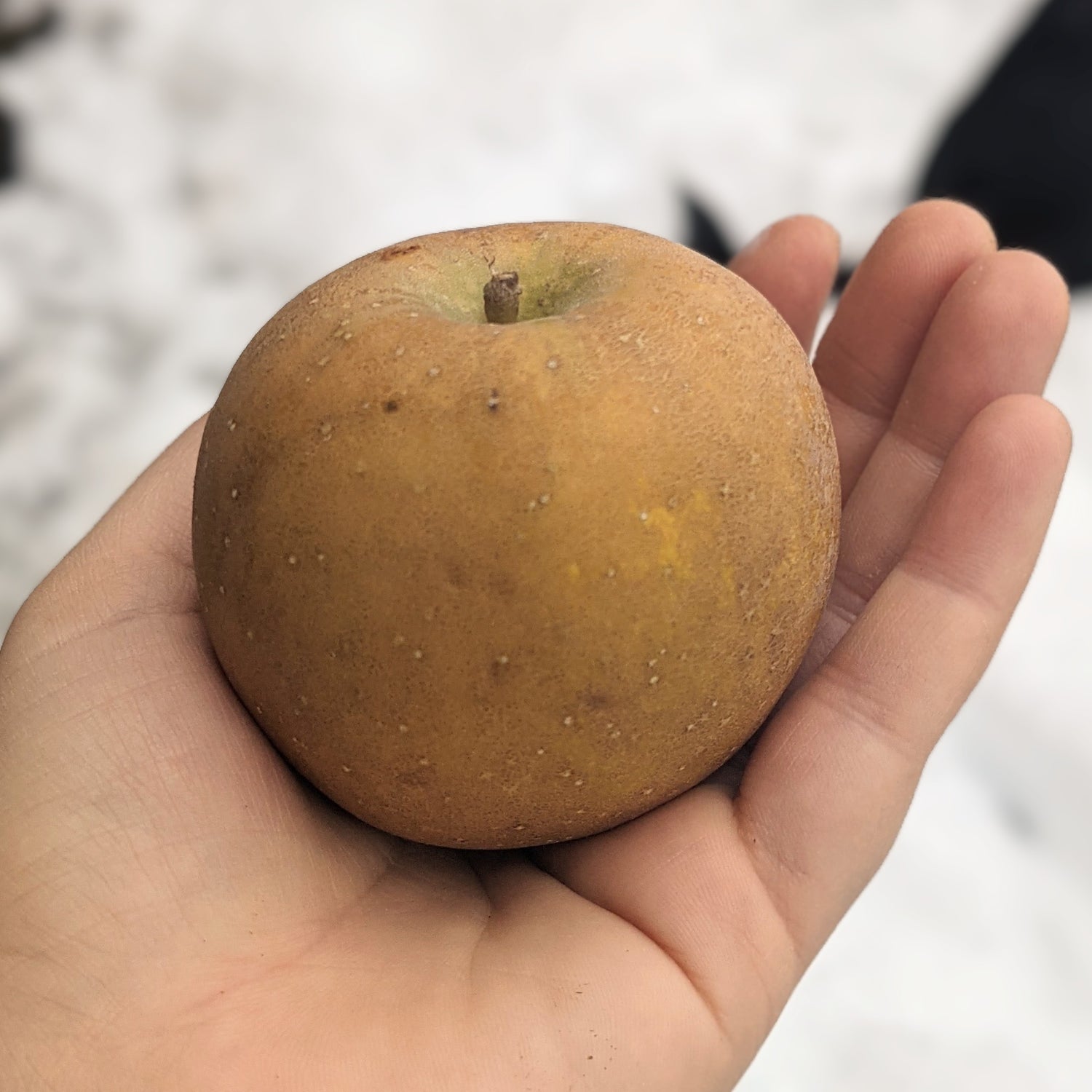
History: The origins of Golden Russet are unclear, but we know it was discovered in New York in the first half of the 1800s. It may have come from the seedling of an English russet variety and could have Ashmead's Kernel parentage. It was grown commercially for some time before falling out of favour, although it has regained some popularity recently due to its strengths in cider production.
Why We Grow It: With both lots of sweetness and acidity, Golden Russet is one of our favourites for fresh eating. The flavourful juice from these apples is also great for making cider. The thick russetted skin discourages insect damage and it is resistant to scab, canker, and powdery mildew. Its tip-bearing habit gives these hardy trees a wispy appearance.


The high oil content of a fish hydrolysate is known to benefit the development of soil mycorrhizae, which are excellent in themselves at breaking down organic soil matter and releasing the valuable nutrients into the soil.
We use this in our orchard for all trees (both in our experimental orchard and nursery stock) as part of our holistic spray system. You can download the holistic spray recipe here.
Fish Hydrolysate, in its simplest form, is ground up fish transformed into a liquid, by means of a cold process, where the breakdown of molecular bonds occurs through various biological and enzymatic processes. This breaks down the smaller pcs of fish body- bones, cartilage and meat- into a nutrient rich soup that also contains a high concentration of valuable fish oil.
Fish hydrolysate is different from fish emulsion. The latter is also made from ground up fish waste. However this is commonly done under a heated process, where the fish meal and more importantly, the fish oil are then removed and sold separately. This makes fish emulsion a less desirable product for soil and plant health than fish hydrolysate.
The fish used for the production of our fish hydrolysate are wild fish waste from the cold waters of the Pacific West Coast.
This product is approved for organic use.


Use these spiral guards to keep mice, rabbits, and other critters from girdling your tree. 24 inches high.
We are pleased to offer two options for spiral guards:
- White plastic guards - The white colour helps to avoid damage from the sun and trapping excessive heat around the base of your tree.
- Green biodegradable guards - The biodegradable guards are made of starch based plastic and rated for 2 years, which is nearly as long as the plastic spirals last.
Both types of guards will get brittle after a few years and begin cracking/disintegrating. With the green biodegradable guards, there is no plastic waste to reclaim from your orchard once they begin breaking down.


Root Rescue is a certified organic mycorrhizal inoculant designed to set your plants up with a symbiotic relationship that will provide benefits such as establishing new roots more easily, improving nutrient uptake, and increasing disease resistance. This company has been working with the University of Guelph since 2009 to create this cocktail of 18 species of fungi. This inoculant is suitable for any transplanting a variety of plants including hardwoods and softwoods, bushes, flowers, veggies, etc.
Please Note: If you are using Root Rescue along with adding phosphorous via fertilizers such as bone meal or soft rock phosphate, reduce the application rate of the phosphorous source by 1/4-1/2. Too much phosphorous will negatively impact the mycorrhizal fungi, potentially slowing or even preventing your plants from forming a relationship with these incredible fungi.
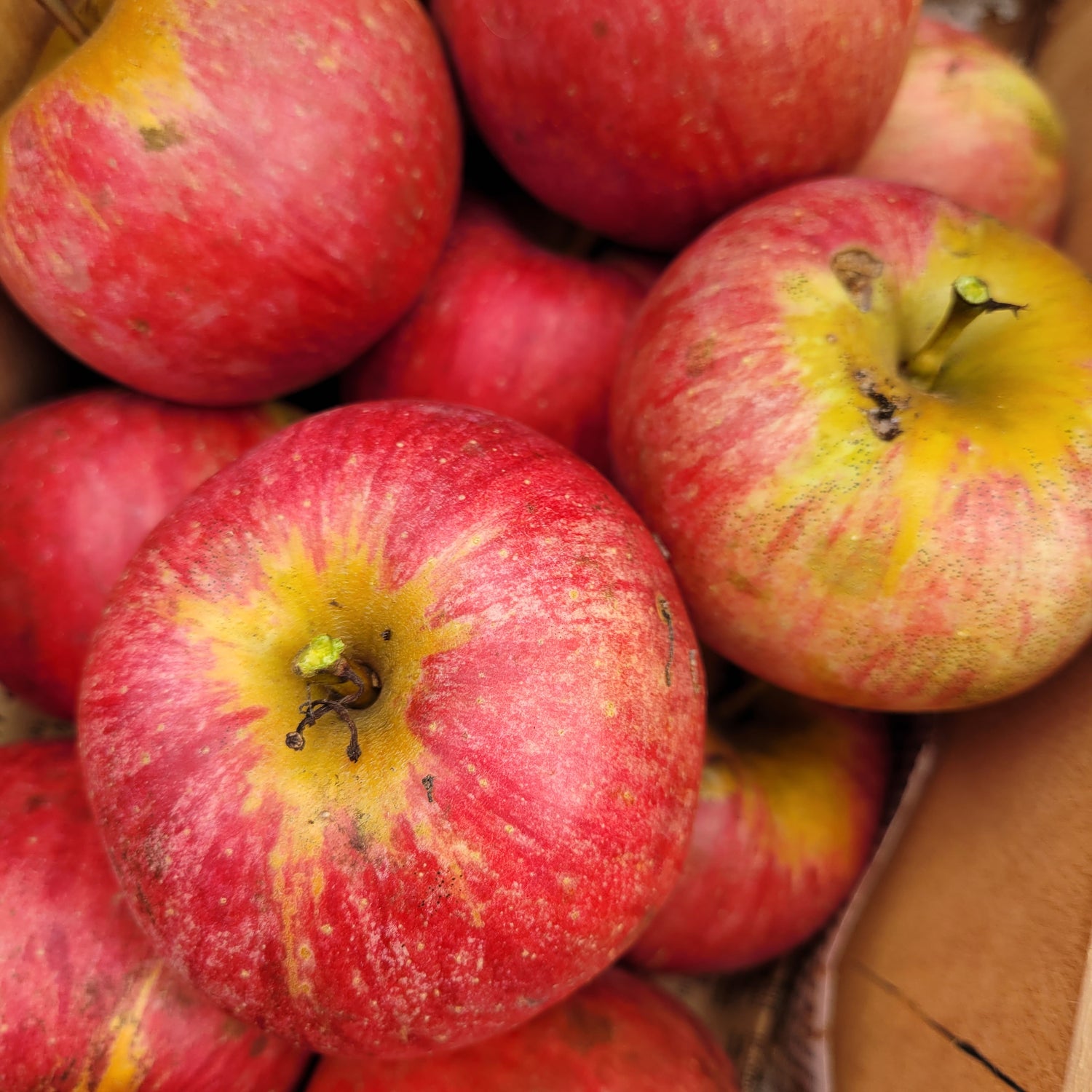
History: Northern Spy was first discovered in New York around 1800. It tends to be irregularly shaped and bruises easily, so it is not a popular commercial apple but it is still commonly grown in certain regions in the States today. It is featured in several poems and in 1953 a box of Northern Spy apples was sent to Senator Joseph McCarthy by the Toronto Globe and Mail during his infamous hunt for 'communist spies.'
Why We Grow It: Northern Spy apples are juicy with a balanced sweet-tart honeyed flavour, although they do tend to bruise easily due to their thin skin. To make up for that, they are known for making wonderful pies. The trees are cold hardy and vigorous.
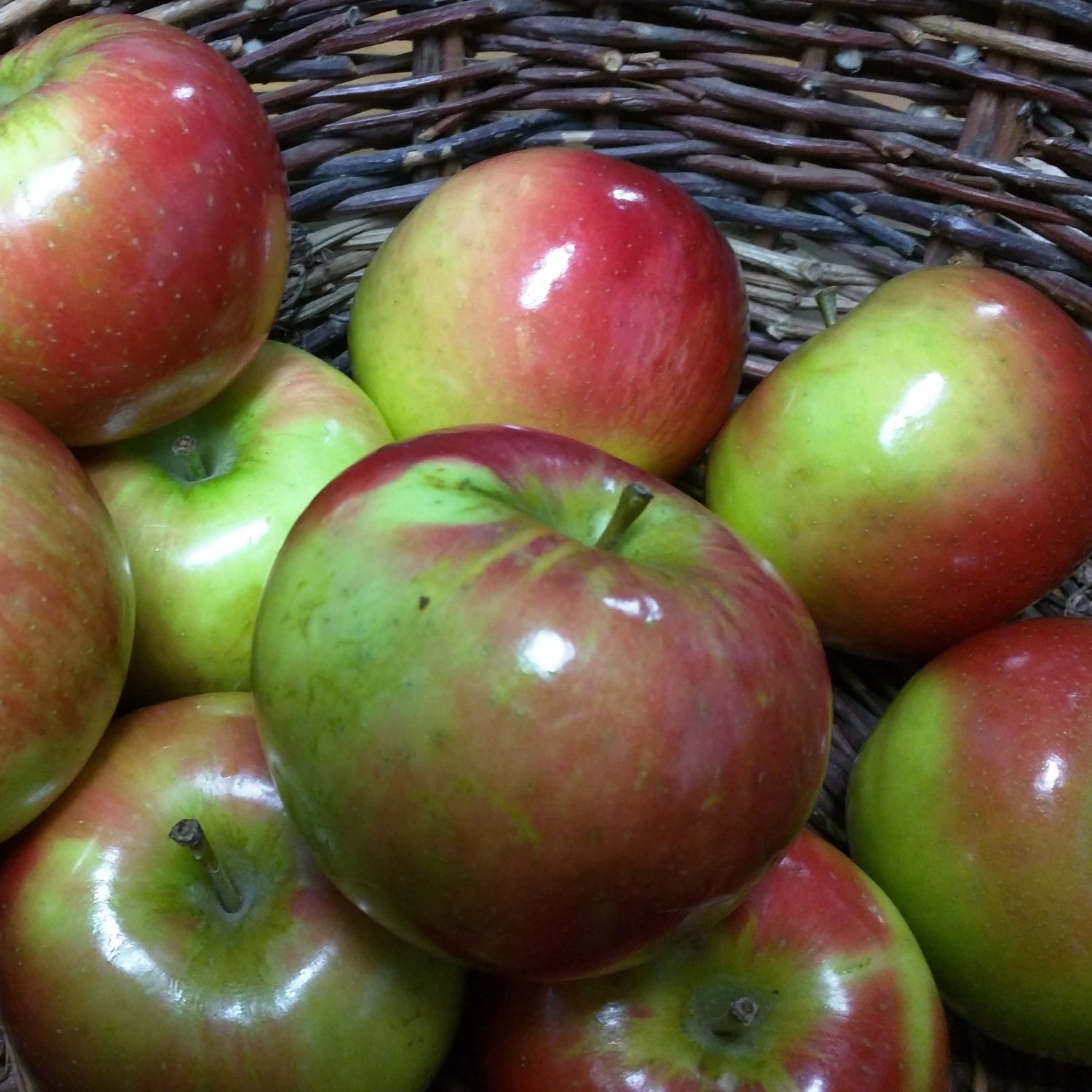
History: Honeycrisp apples were developed by the University of Minnesota in the 1960s and released in 1991. It is one of almost thirty varieties created by the university's breeding program since it began in 1888. The excellent flavour of Honeycrisp has allowed it to become one of the most popular apples in North America and in 2006 it became the state fruit of Minnesota.
Why We Grow It: Honeycrisp is popular for a reason. The apples are large and attractive with good flavour under favourable growing conditions. However, they are not an apple for beginner growers due to issues with some diseases especially in storage, but with diligent care you can produce these crunchy sweet apples in your own backyard/orchard.

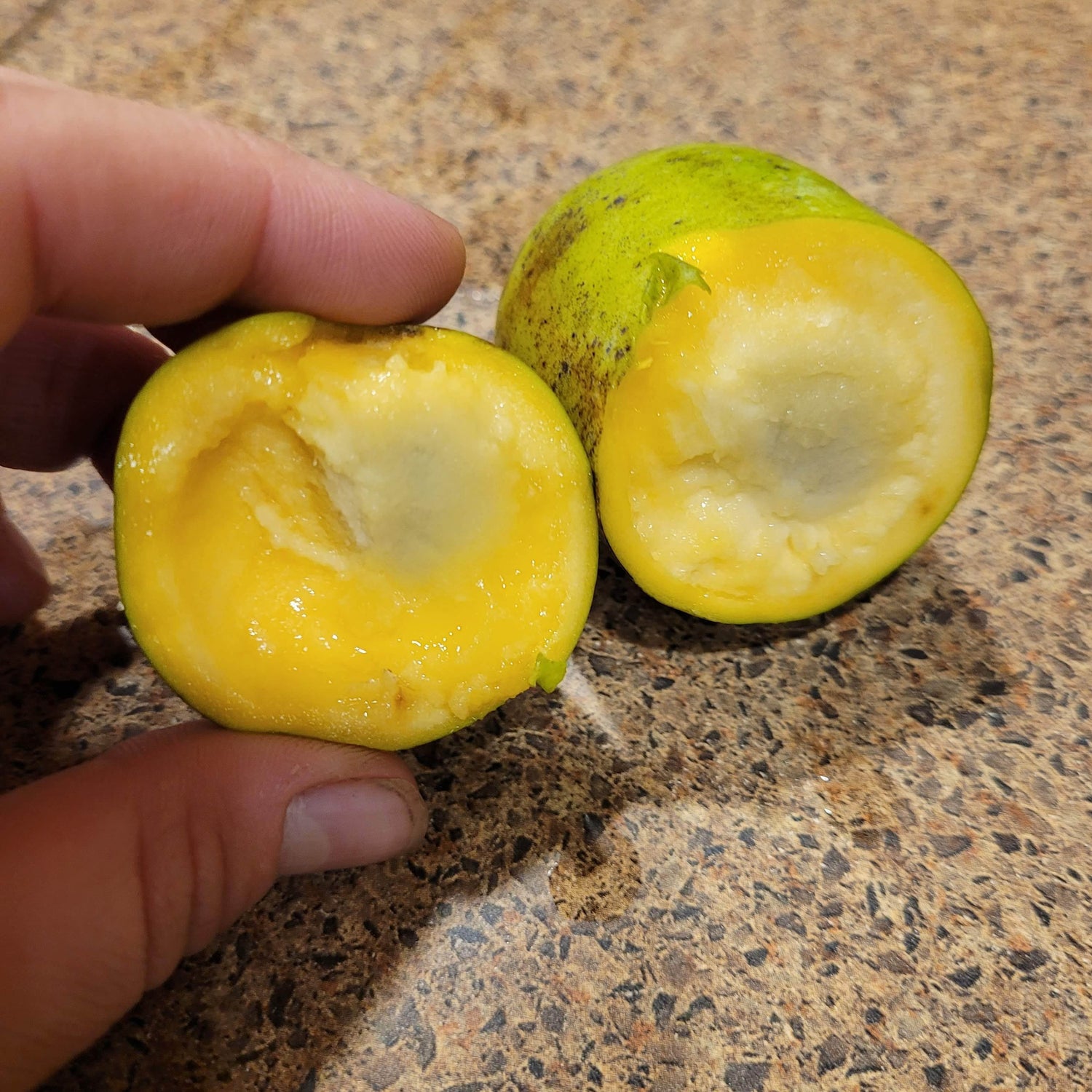
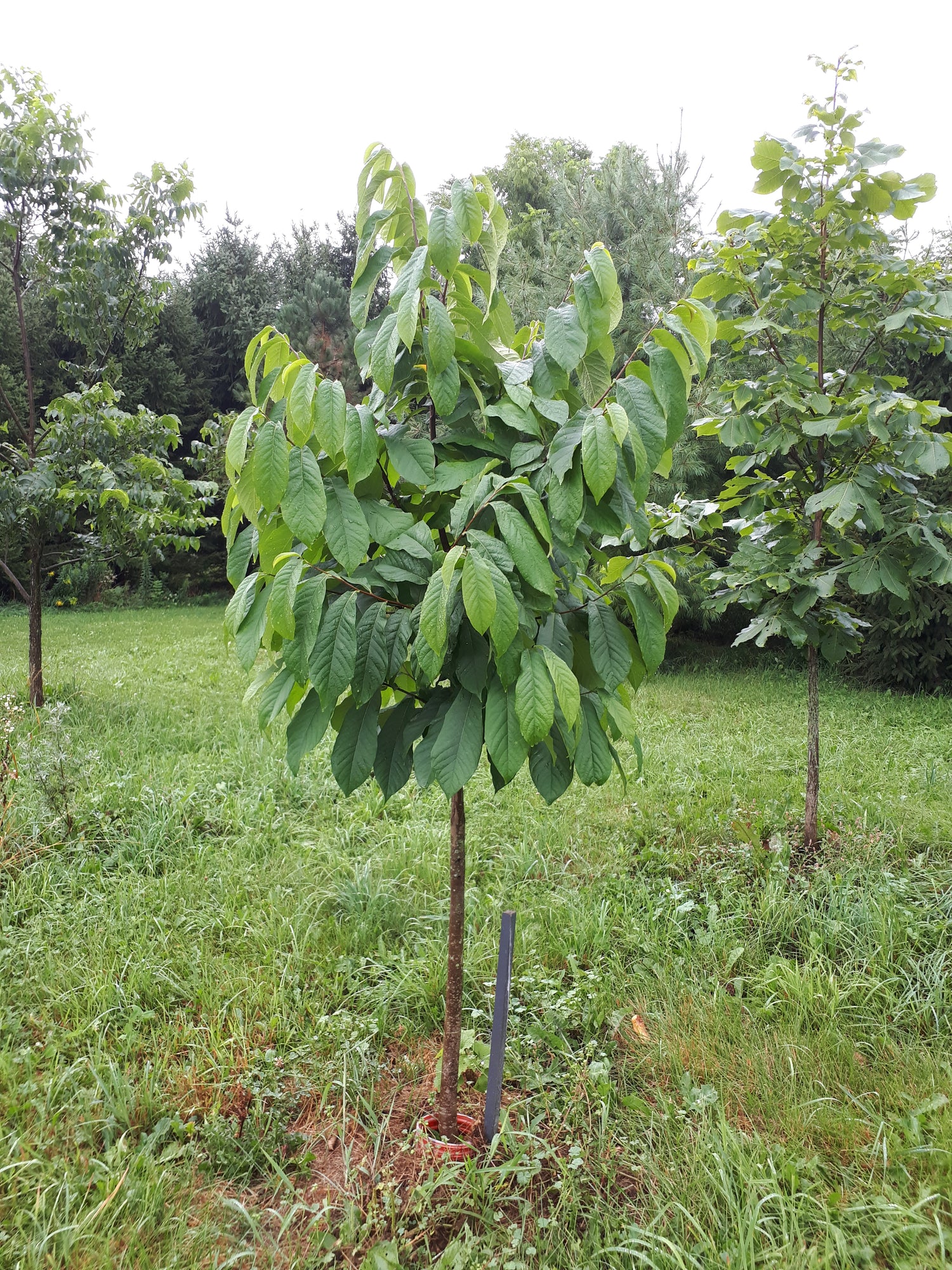
Species: Asimina triloba
History: Native to southern Ontario where it is considered a vulnerable species and the central United States, it is believed the range of these trees has shrunk with the extinction of megafauna that likely dispersed the seeds. These oddly tropical fruits have been cultivated by indigenous peoples and European colonizers alike, it is rumoured chilled pawpaw was George Washington's favourite dessert and Thomas Jefferson planted some at Monticello. Although popular among locals and with foragers, pawpaws have failed to achieve any kind of commercial success due to their poor keeping ability and oft difficult pollination.
Why We Grow It: The Pawpaw produces very unique fruit that has a distinct tropical banana/mango flavour and custard-like texture. As it oxidizes fairly quickly once cut open, it is best eaten fresh once fully ripe or made into sauces, ice cream, etc. You can bake and cook with pawpaw like you would with bananas but please take note that some people have reported extreme tummy troubles after consuming cooked pawpaws! Mouse made a no-bake pawpaw cheesecake (pictured on the left), you can find the recipe on our blog here! Pawpaws have a very slow growth habit and grow naturally as an under story tree, usually not reaching over 35 feet. We grow them from seed for increased hardiness compared to grafted stock.
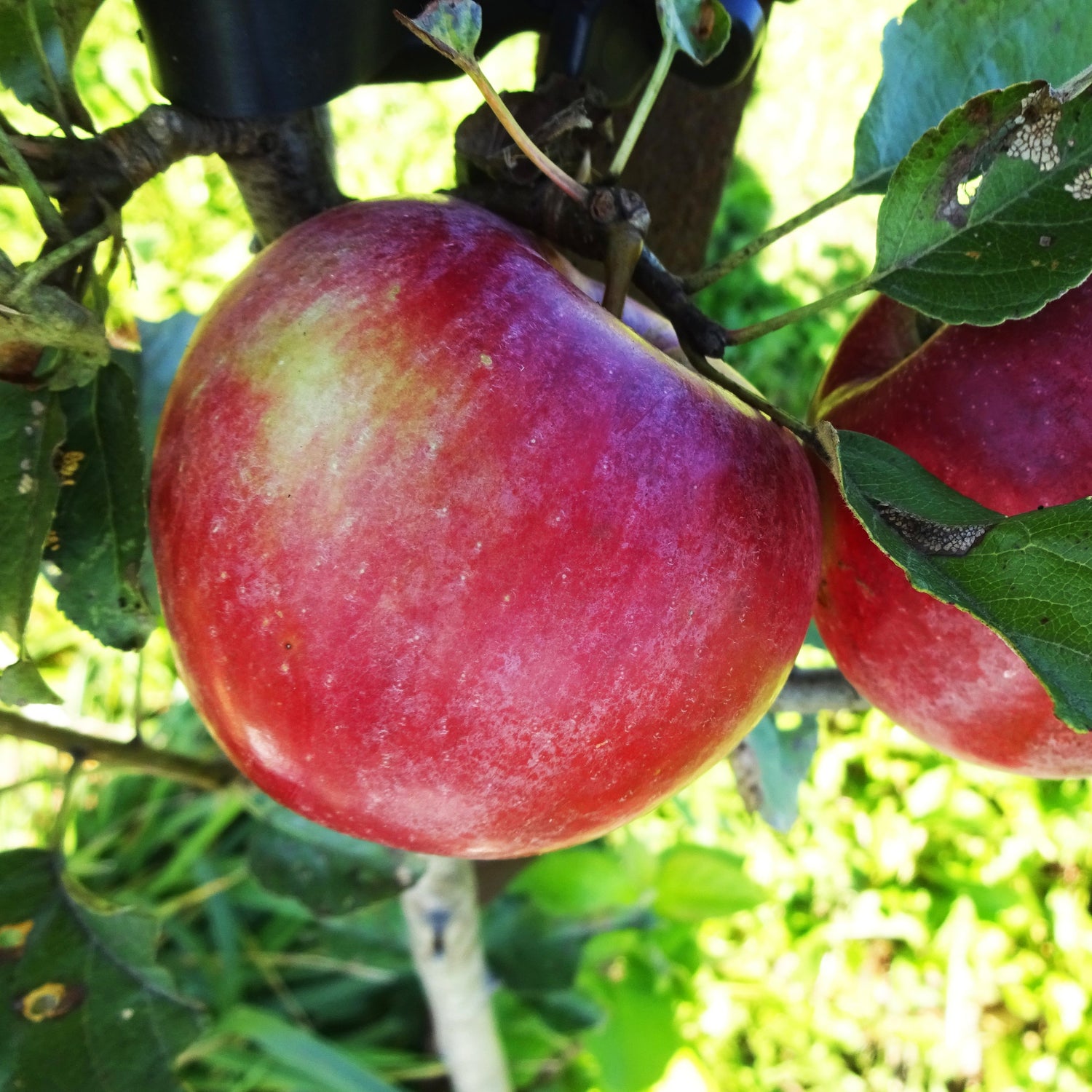
History: Sweet Sixteen was developed by the University of Minnesota and introduced in 1977. It is one of nearly thirty varieties released by the university since its breeding program began in 1888.
Why We Grow It: Some apples taste better when grown in colder climates, and Sweet Sixteen is one of them. For a fresh-eating apple, this is a favourite. Sweet Sixteen provides that crisp first bite that so many people love in an apple, and the pure white flesh will not disappoint for flavour with a very unique, distinct honeyed flavour. Its cold-hardiness and general disease-resistance (tolerant of scab and cedar rust) make it winner for the grower too.
2026/2027 Staff Favourite
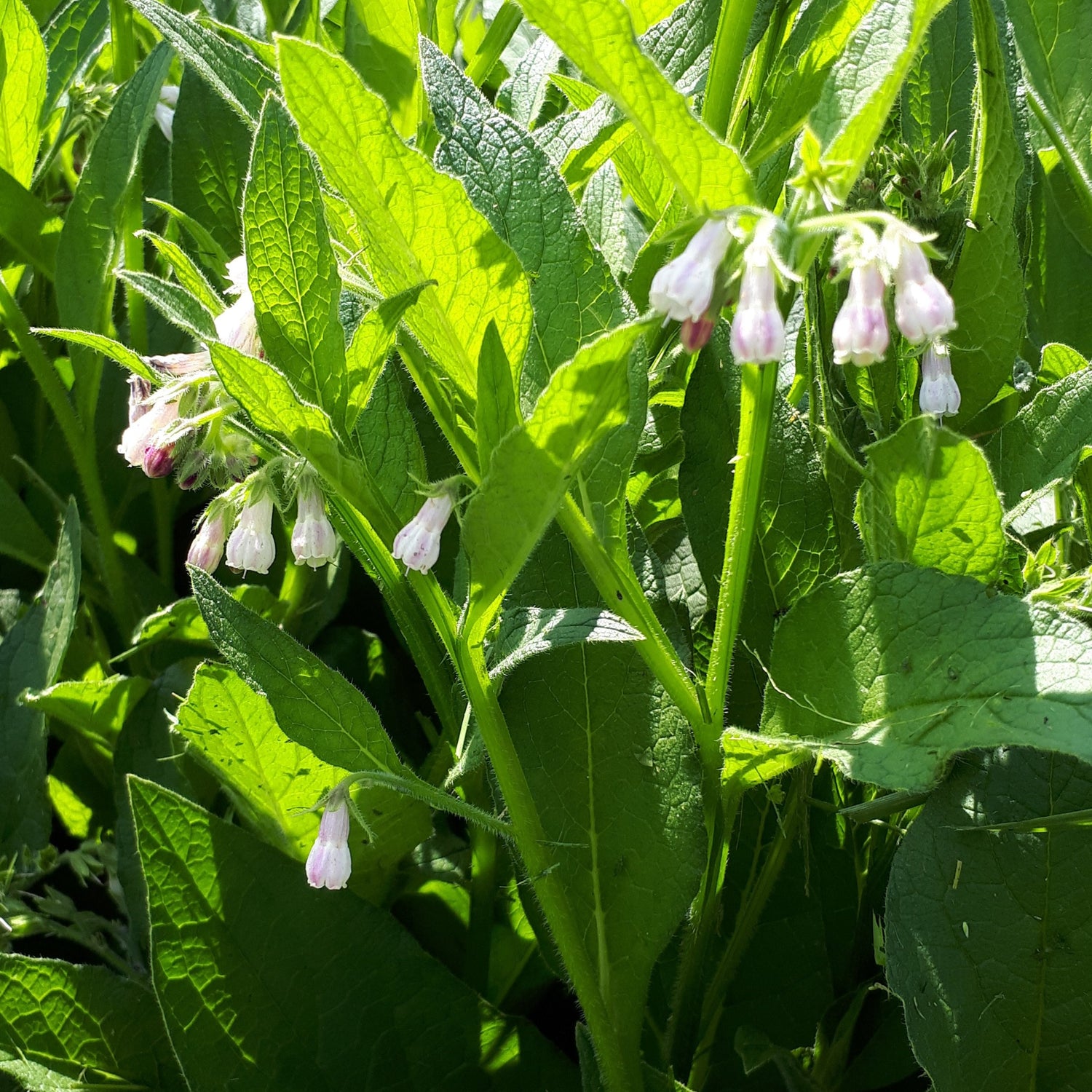
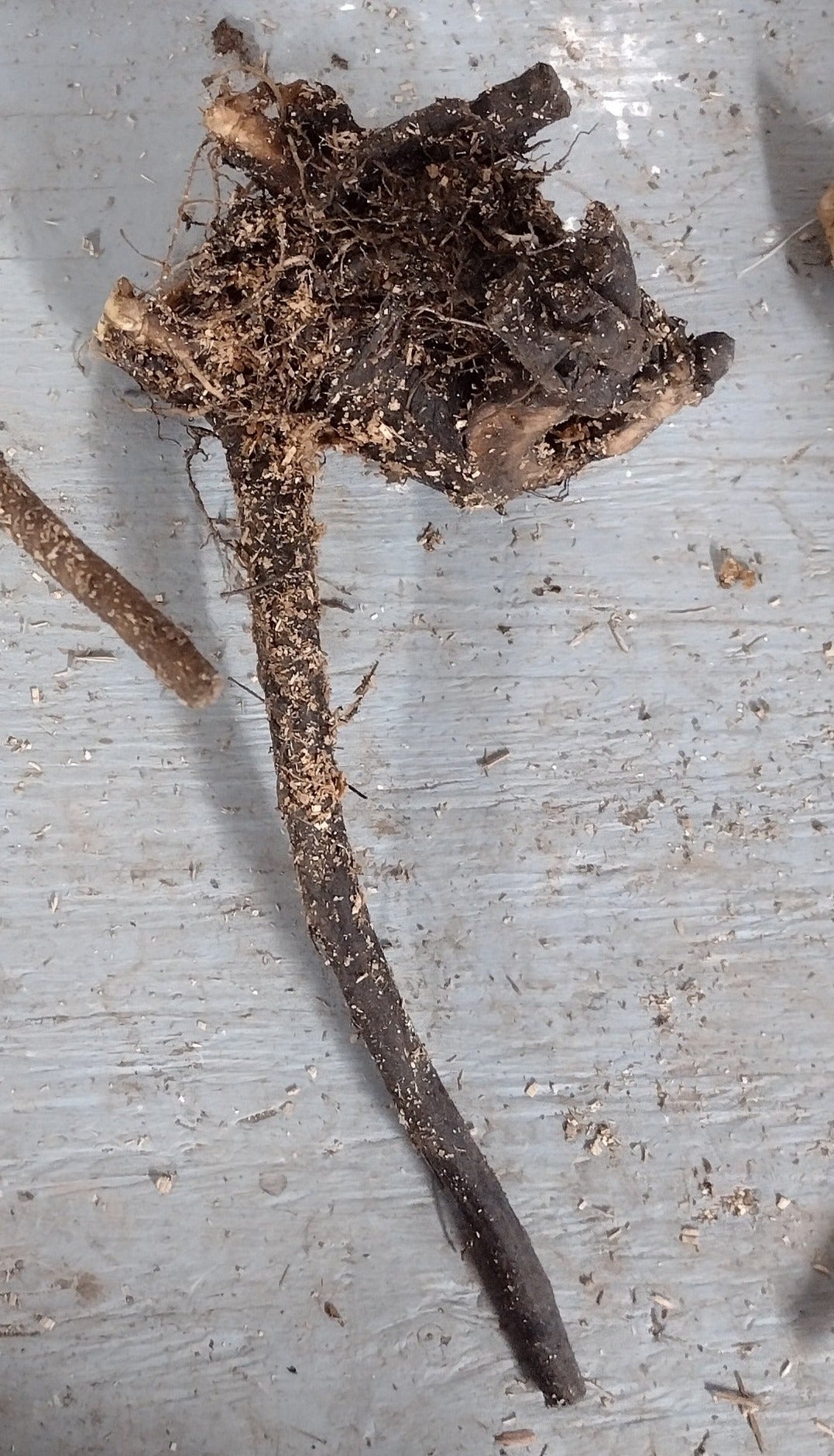
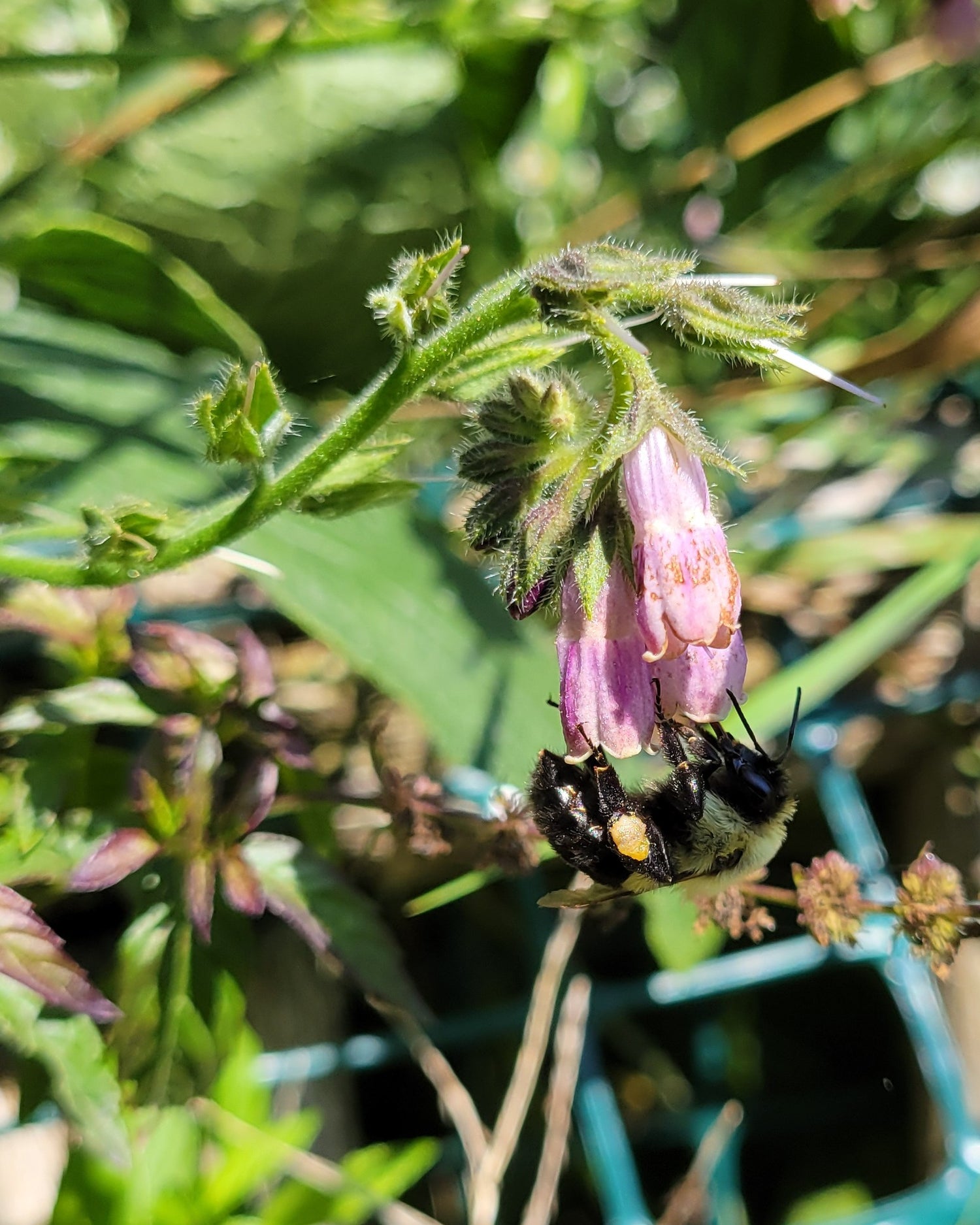
Comfrey is Jodi's favourite this year! As Jodi says, “I love watching my honeybees and various bumblebees visiting comfrey flowers. Not only does this plant support pollinators, it can be used to create living mulch (plant it 3-4’ away from a tree) and compost teas, and has herbal/medicinal uses too. Our comfrey does not spread by seed, so the patch is easy to contain.”
All Staff Favourites are 20% off. The Staff Favourite Discount cannot be combined with other quantity discounts.
Species: Symphytum sp.
History: Comfrey plants are native to various continents around the world including Europe, Asia, and North America. Common names such as boneset and knitbone and its genus name referencing the Greek 'symphis' meaning 'growing together of bones' indicates it may have been used medicinally for mending bones. Comfrey is now popular as a permaculture plant. Our comfrey comes from a patch that has been on the property we rent for years and years, so we unfortunately do not know what variety it is. As far as we can tell, it does not spread via seed.
Why We Grow It: This classic permaculture plant grows incredibly deep tap roots, mining rich nutrients from deep below the soil surface. It's a living mulch that 'molts' 3-4 times each season. It's used in traditional medicine and creates a healthful compost tea full of calcium and potassium. It grows up to 70 cm tall, before molting down, and spreads slowly over the years. As an added benefit, both honey bees and bumble bees love visiting the blossoms too! While we do not know what variety our comfrey is, it does not appear to spread via seed.
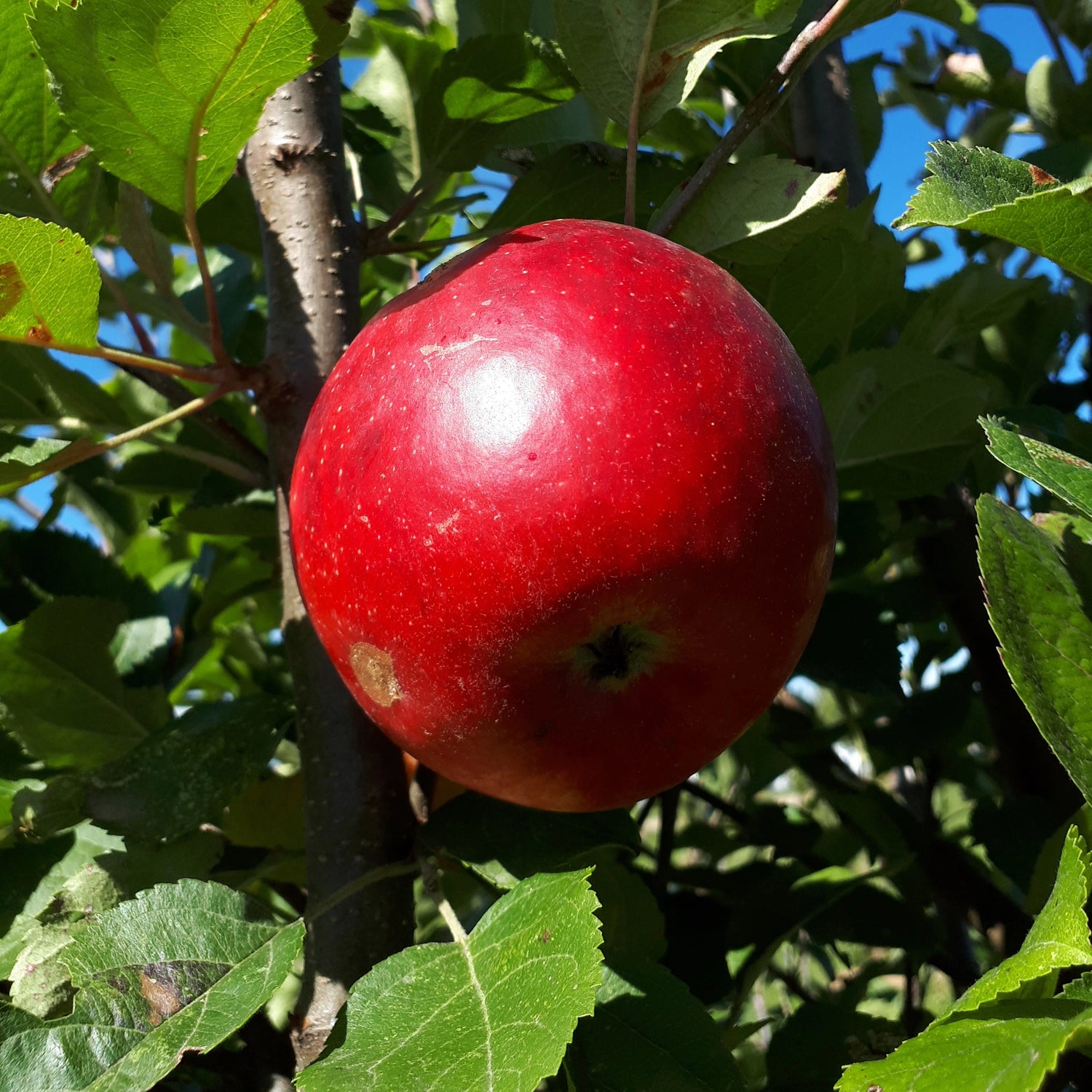
History: Freedom was developed in a breeding program at the New York State Agricultural Experiment Station in Geneva, New York in 1958. The goal was to create an apple that was immune to apple scab, and this particular variety was chosen from 120 other apples that were planted out from seed selected through an intensive breeding program. It was released in 1983 and given the name Freedom to represent its freedom from apple scab.
Why We Grow It: Low maintenance, disease-resistant, vigorous, good flavour, and a good keeper... all in one apple! Freedom is the perfect variety for growing organically, for pick-your-owns, backyards, and community orchards. Large red skinned apple, similar to McIntosh in flavour with sweet, subacidic, sprightly flavour and juicy white flesh. Crunchy, fine grained flesh.
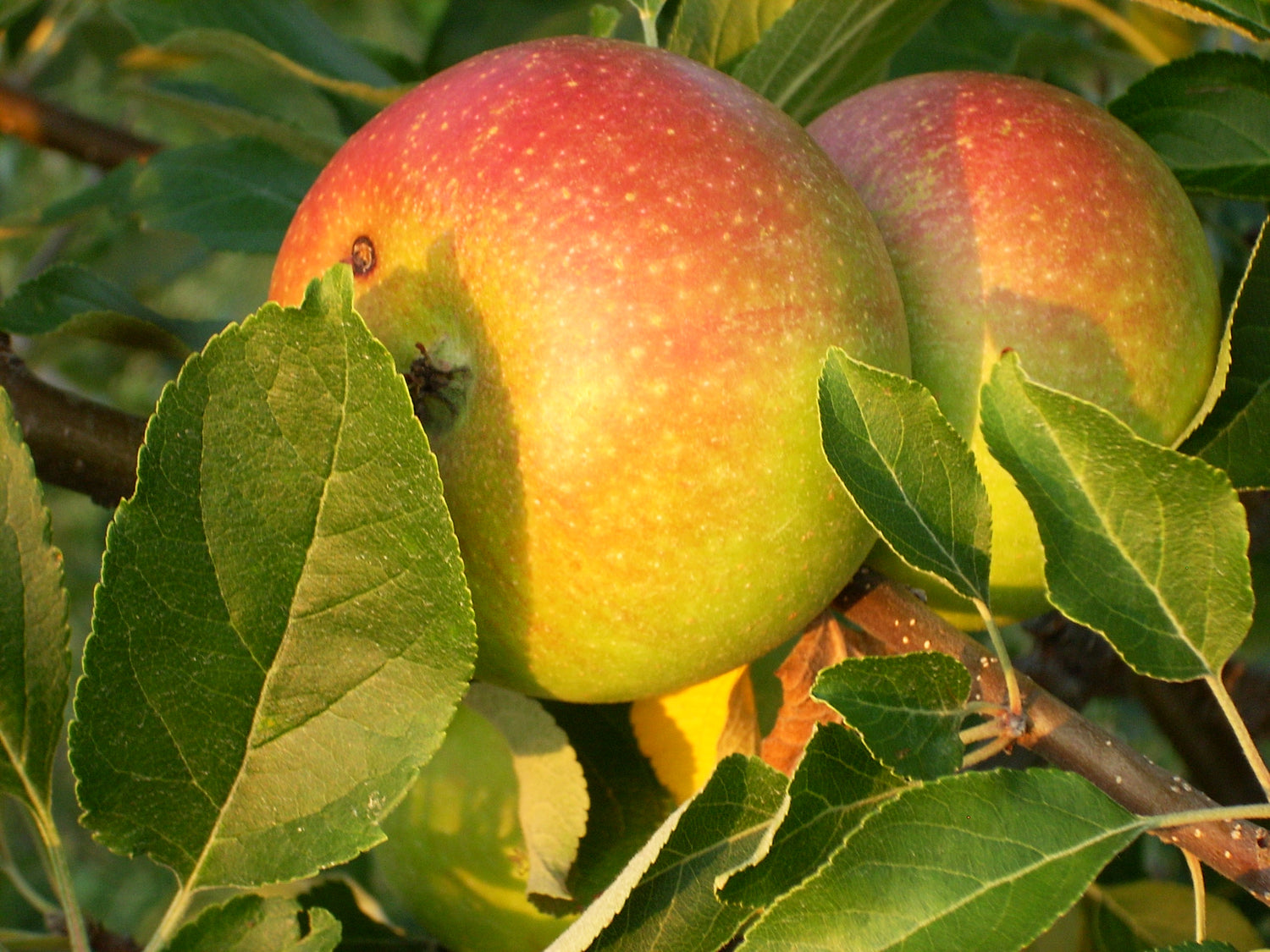
History: Cox's Orange Pippin was first grown in England in 1830 and was named after the retired brewer and horticulturalist who first bred it, Richard Cox. Its excellent flavour has earned it a spot as one of the best fresh eating apples in England where it has remained popular ever since. In fact, it still accounts for over 50% of fresh eating apples grown in the UK today. Despite its reputation, it is seldom grown commercially in North America due to its precocious nature and susceptibility to many common apple diseases.
Why We Grow It: This apple's reputation is hard to ignore with its sweet, subtle, aromatic flavour and attractive orange-red skin. Not only is it good for fresh eating, it is also popular in cider blends.
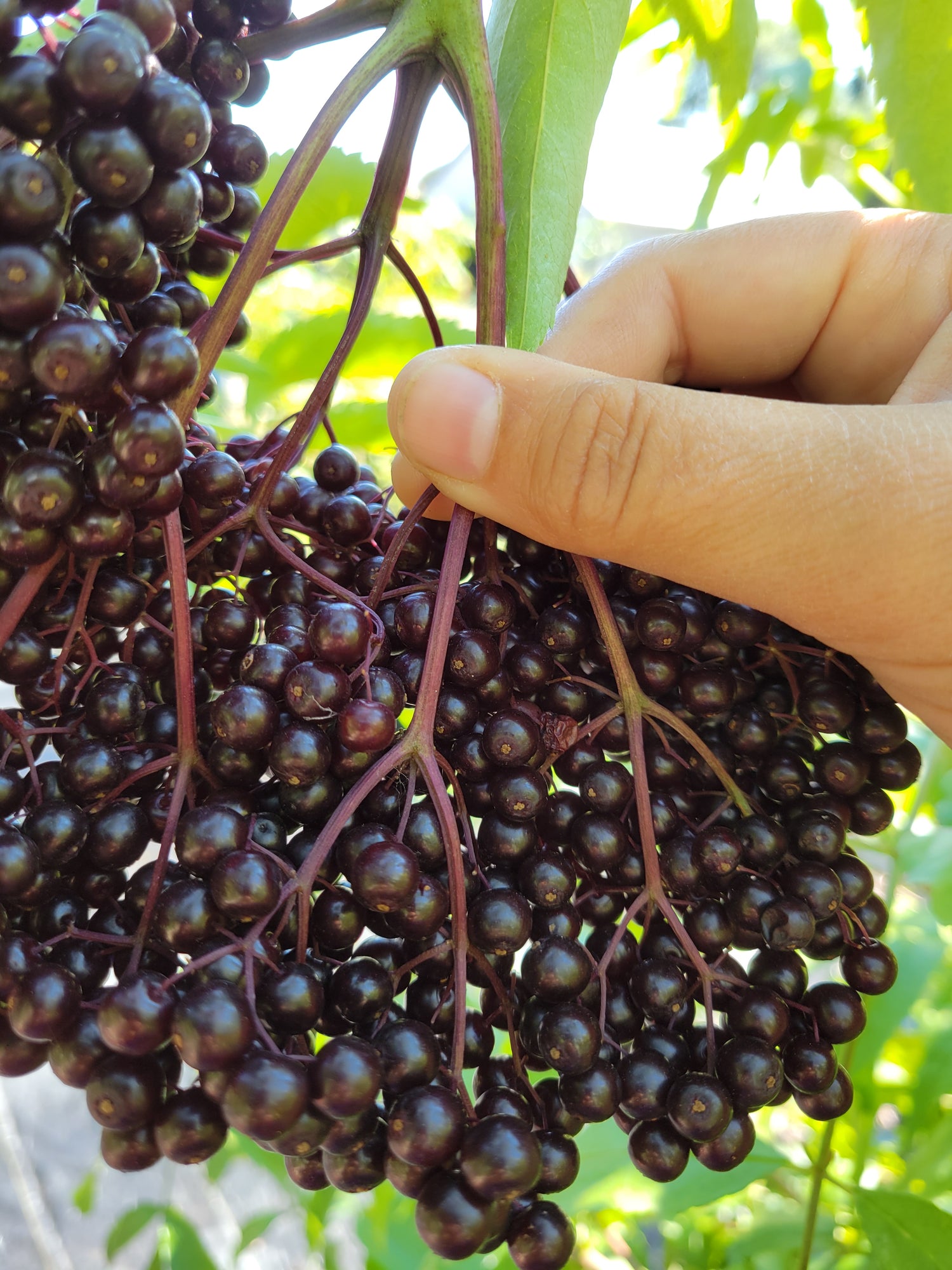
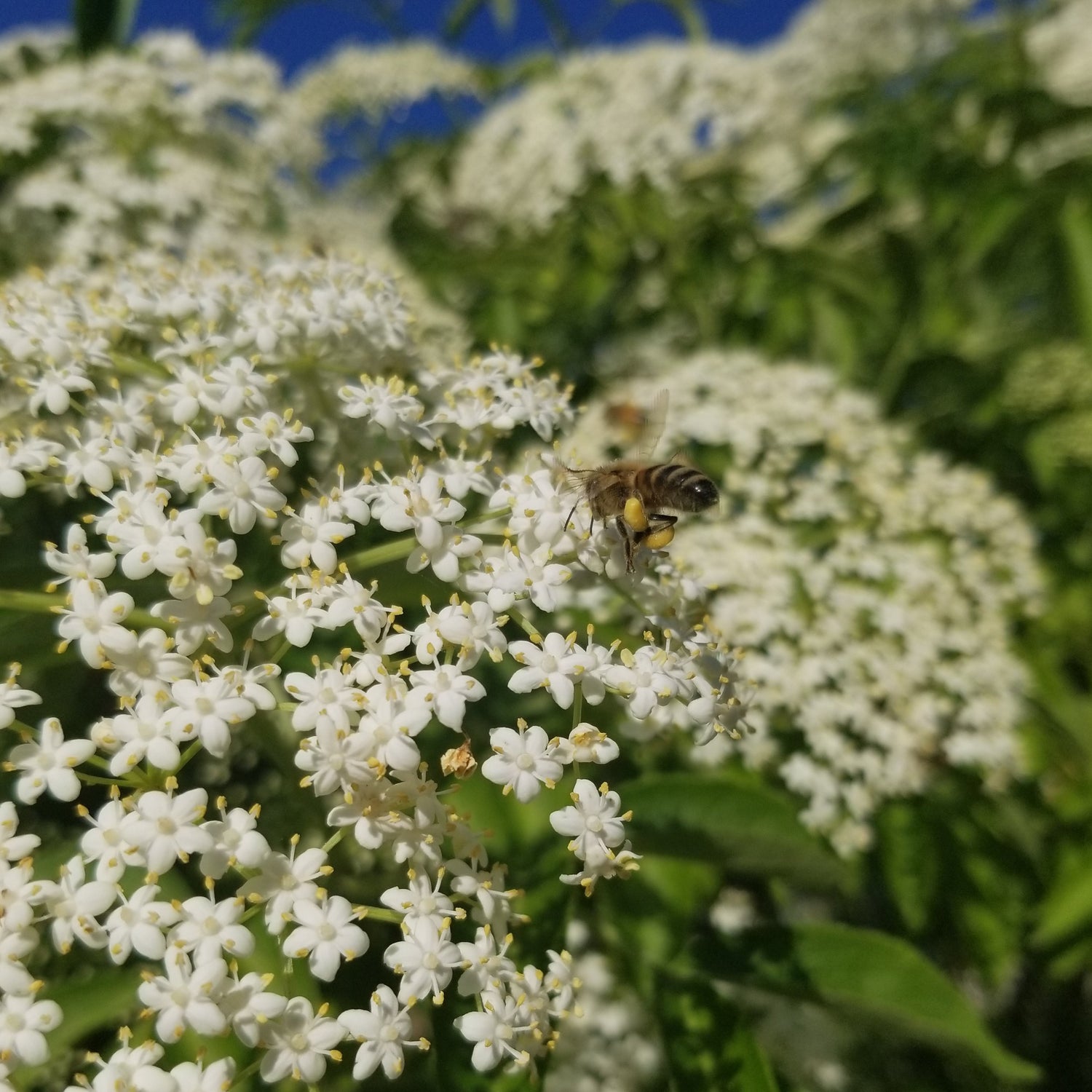
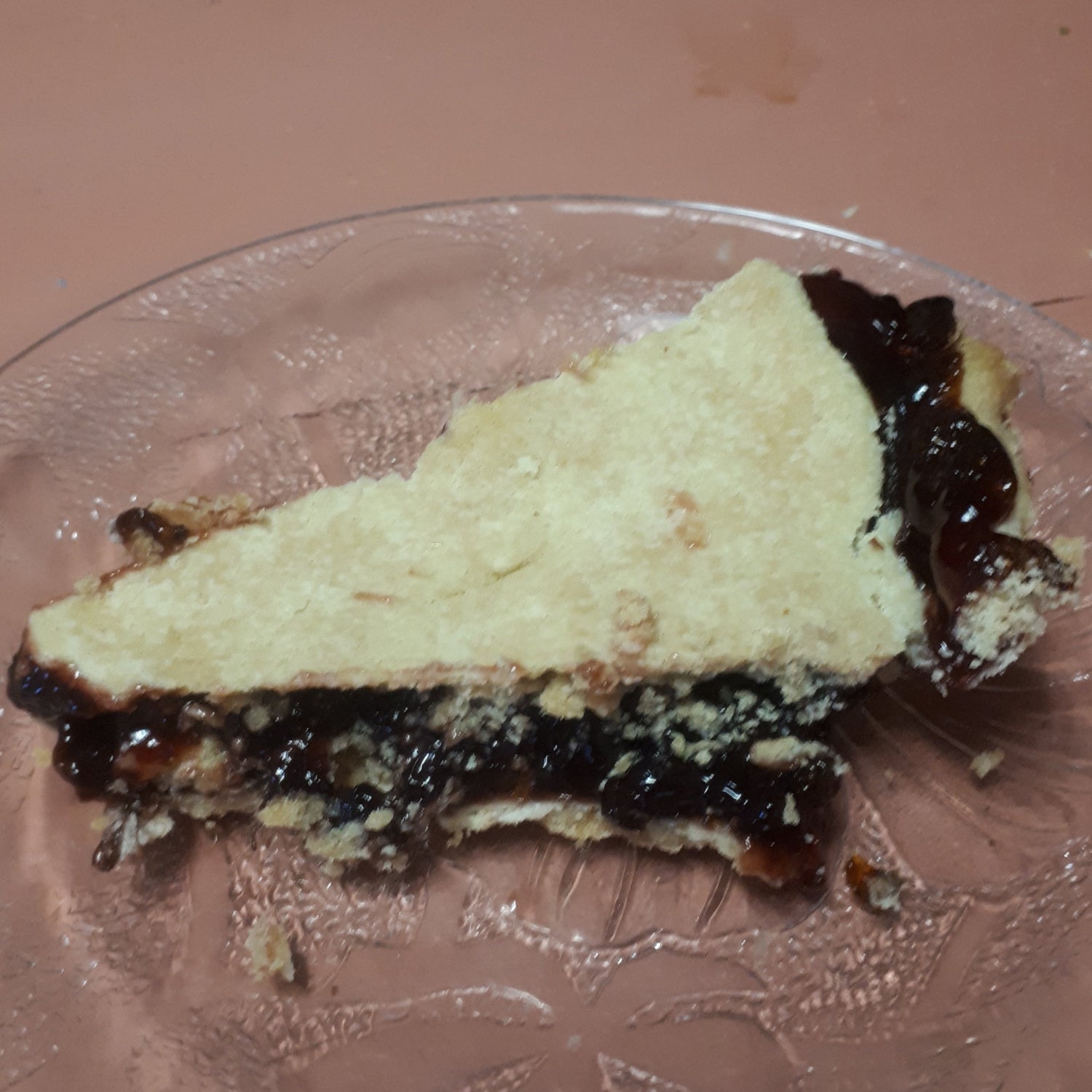
Species: Sambucus canadensis
History: York was developed at the New York Agricultural Experiment Station in Geneva, New York in 1964. It is a cross between the varieties Adams 2 and Ezyoff.
Why We Grow It: York is known for producing exceptionally large berries that are quite flavourful. This variety is also quite productive, a good choice for fans of these delightful dark purple berries! Eating the raw elderberries can cause adverse reactions so it is recommended that you cook them first.
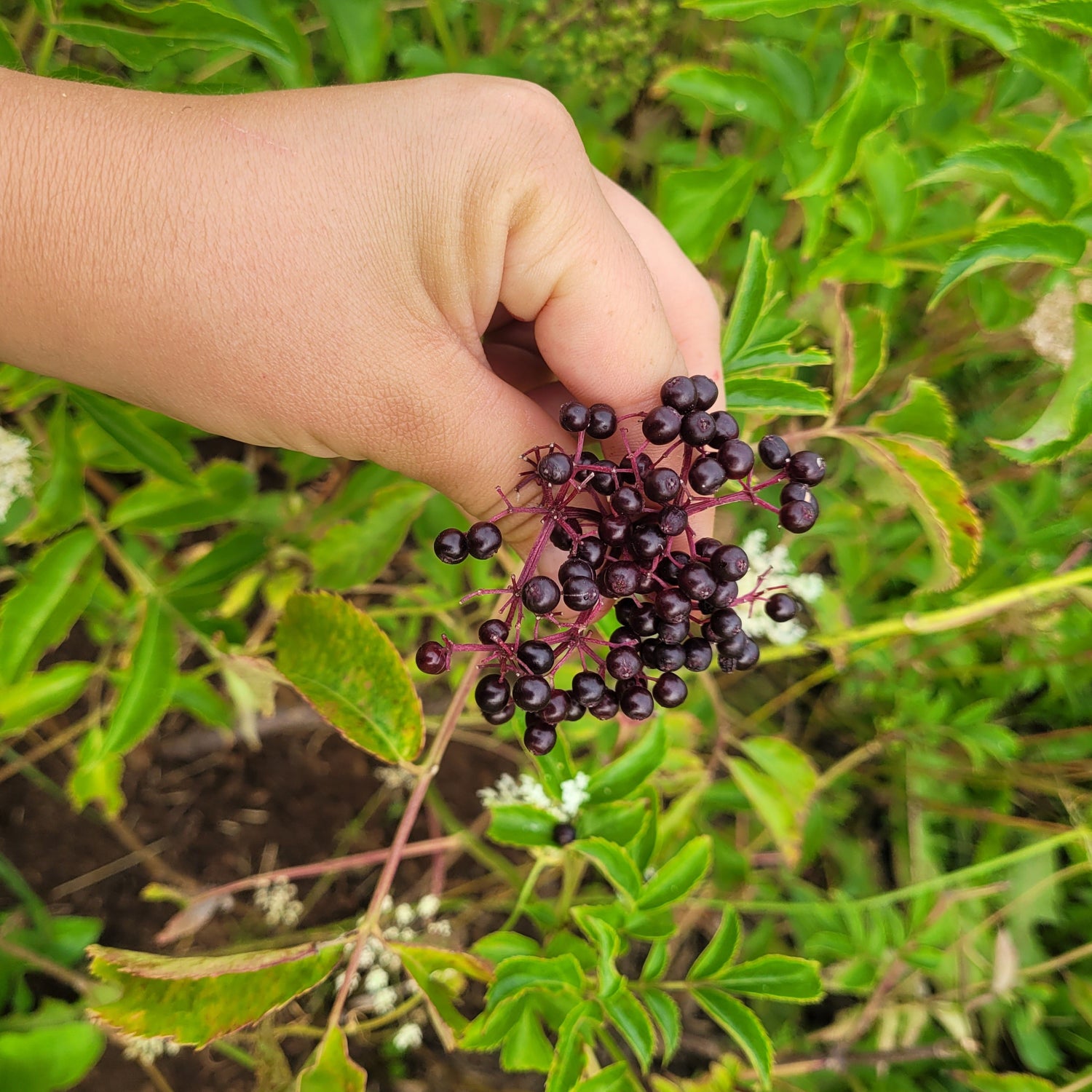
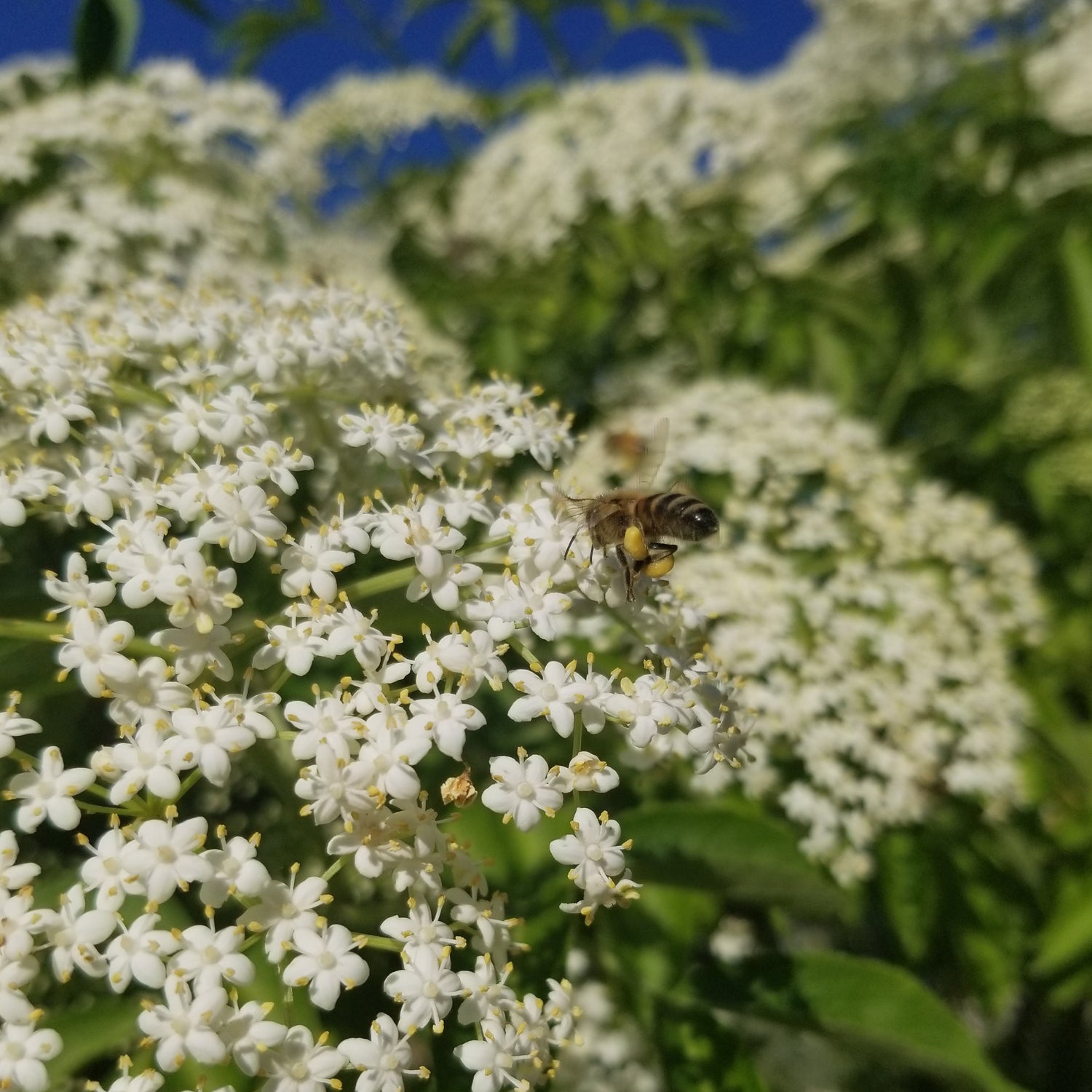
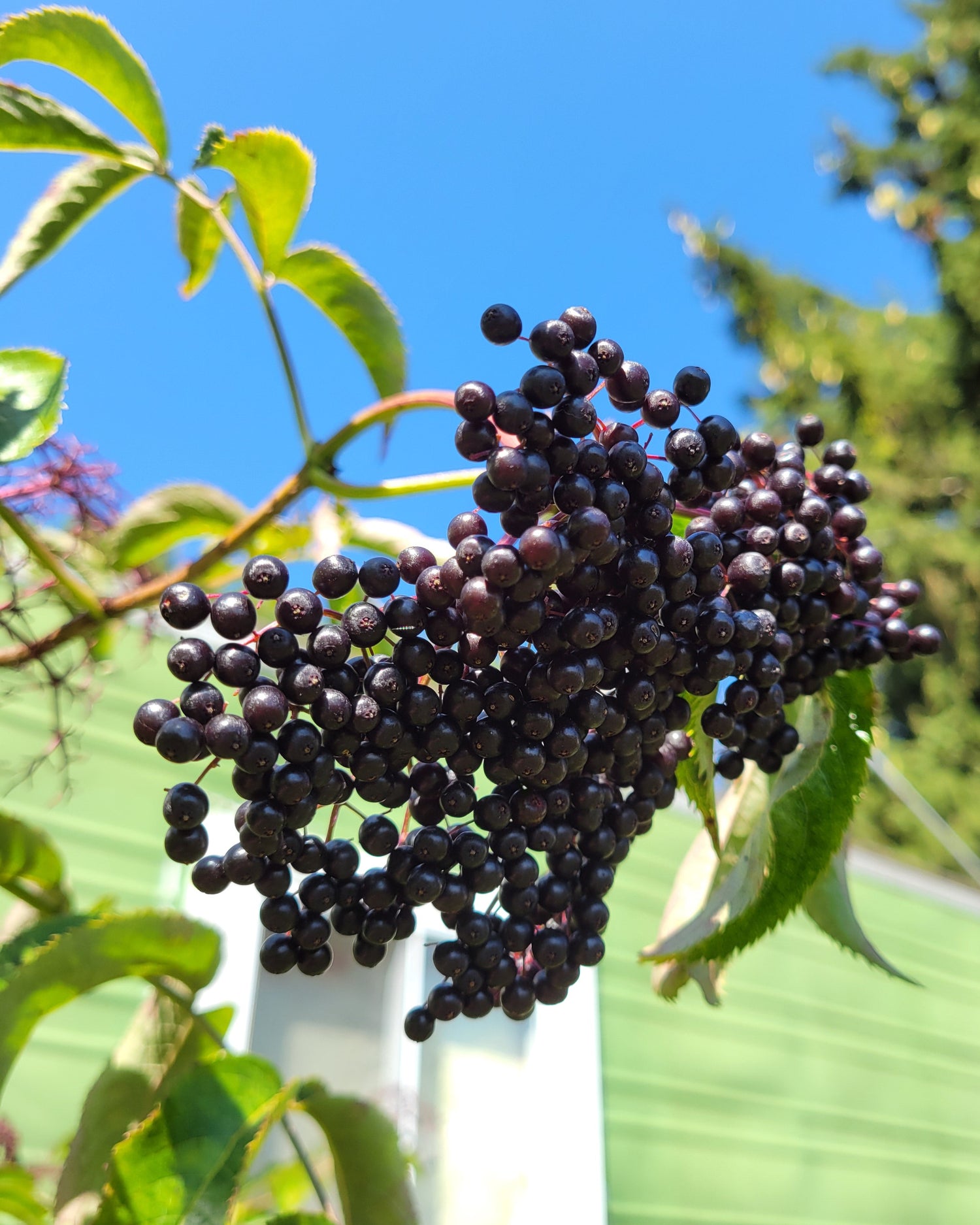
Species: Sambucus canadensis
History: Scotia was developed at the Kentville AAFC Research and Development Centre in Nova Scotia. It is a seedling of another variety, Adams 2, and was released by the research station in 1960, alongside the variety Nova. It is grown commercially in Canada.
Why We Grow It: Scotia elderberries ripen early in the season and have the highest sugar content of any named cultivar- though also some of the smallest berries. They are great for a variety of uses such as making juice and wine, baked goods, and even tinctures. Eating the raw elderberries can cause adverse reactions so it is recommended that you cook them first!
2026/2027 Staff Favourite
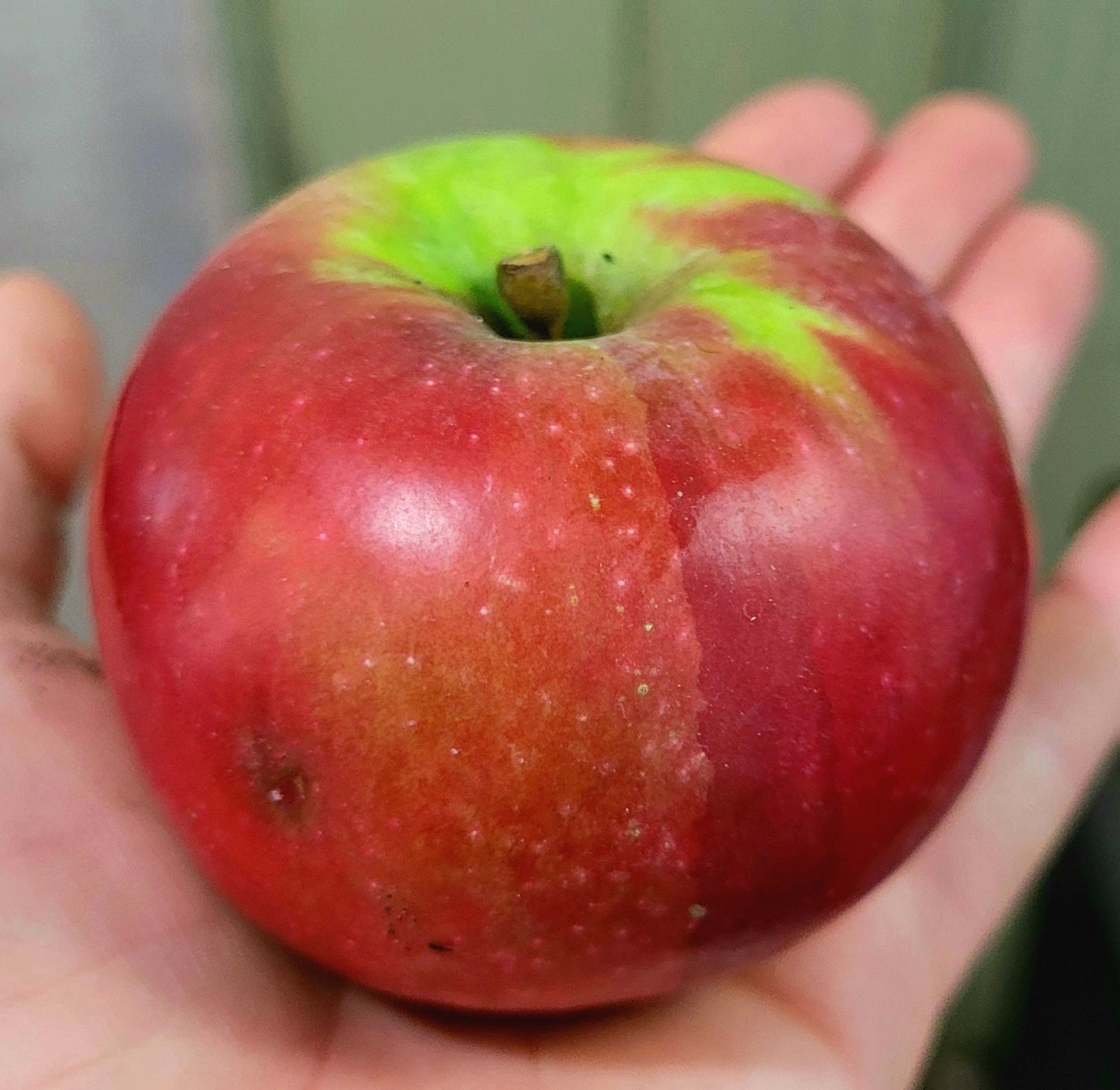
Snow is Mouse's favourite this year! In their eyes, “Snow is a standout Canadian heritage variety! This cold hardy apple is named for its snow-white flesh and it has a distinctively sweet flavour. For fans of Canadian and/or heritage apples, Snow apples are often a favourite!”
All Staff Favourites are 20% off. The Staff Favourite Discount cannot be combined with other quantity discounts.
History: Snow, aka Fameuse, apples originated near Lake Champlain in Quebec some time before the 1730s. The exact origin is unclear but this variety is thought to have originated from a seedling or cutting brought from France. From about 1750-1850, this was one of the most commonly grown apples in Quebec until the orchards were almost wiped out in the latter half of the 19th century by disease and failed to regain their popularity. However, these lovely apples may still be with us in their own way as they are one of the potential parents of McIntosh.
Why We Grow It: It is easy to see why Snow apples were once so popular. These apples have a lovely deep red skin with pure white flesh with a sweet strawberry flavour. These trees are also quite cold hardy and produce heavy crops.

We use this in our orchard for all trees (both in our experimental orchard and nursery stock) as part of out holistic spray system. You can download the holistic spray recipe here.
Full of trace minerals, this liquid seaweed comes from the Ascophyllum nodosum plant in the Atlantic Ocean.
Kelp is one of the first tools you should reach for in the toolbox of plant care. There is hardly a comparable option that has the range of benefits that kelp can provide. Kelp improves seed germination, enhances crop defense mechanisms and growth, promotes stronger roots, resists drought and other environmental stresses- all the while boosting yields and improving soil health. How can a plant not like this stuff?
Because of its immersion in sea water, kelp is widely known for its content of beneficial trace elements such as copper, calcium, iron, magnesium, sodium, sulphur and more. Often people solely focus on the NPK ratios when it comes to their plants, thinking that this is all the plant needs. But the micro minerals are equally important, as very minute amounts of these can be critical to impacting optimum plant health and growth.
However the area where liquid kelp really excels can be found in the added benefit of its containing a range of plant hormones such as cytokinins, gibberellins and auxins as well as phytosanitary agents. It is these hormones that regulate, trigger and direct plant growth, both in the root zone, as well as in the leaflets and growth tips. As plant growth moves through root expansion, to building frame, it then changes over to its reproductive phase, where it begins to flower and set fruit. The plants requirements for the various hormones that trigger and impact these stages varies throughout these cycles.
Auxins are quite important early on in plant growth, as it regulates the expansion of the roots, along with the building of the structure and frame of the plant. Cytokinins are particularly crucial for much of the plant vegetation growth phase, as they initiate rapid cell division and new cell wall production.
Although cytokinins are important throughout all plant growth phases, as it comes into the important flowering stage, the hormone balance shifts more dominantly towards cytokinins. These promote cytokinesis, the process of stimulating cell division. They help improve leaf growth, but more importantly during the transition to reproductive growth, or flowering, they can shorten node length and directly assist in the production of more lateral bud development. This has been shown to increase flower yield and quality levels considerably.
Liquid kelp is also very effective in helping the plant resist plant stress, due to excessive heat conditions and drought.
Liquid quid kelp is best applied directly as a drench to the soil in the early stages of plant growth, so that it can help with root development. But when the plant is transitioning to the flower stage, it is preferable to use as a foliar.
When applying as a foliar, it is always best to spray your plants before 7:00 in the morning- or earlier, as it is in the coolness of the morning before the heat of the sun closes the stomata on the underside of the leaves when the plant is most able to absorb the valuable nutrients that liquid kelp provides. Adding a small amount of liquid yucca as a surfactant helps greatly in the plant absorption process, as this keeps the liquid from 'balling up' and forming droplets on the leaf surface. Instead, the surfactant breaks this water tension down and establishes a much greater liquid coverage of the leaf surface, making the whole process much more efficient.
Application rates are 5-10 ml per litre of water minimum, repeated every 7-30 days. This product is approved for organic use.
945mL bottle is enough for 200L of spray mix, or 4x 50L mixes.
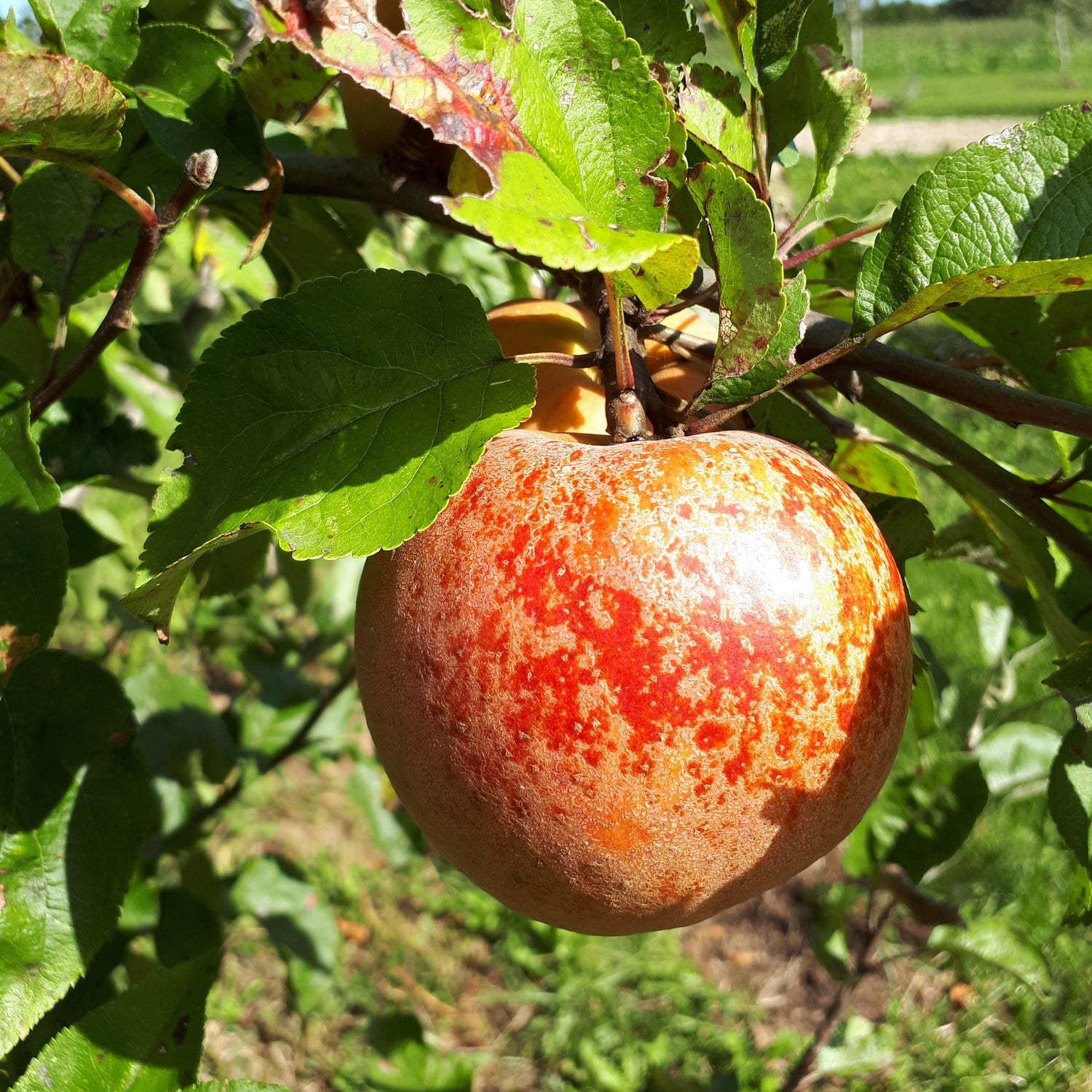
History: Roxbury Russet is the oldest American apple still under cultivation. It was discovered around 1650 in Roxbury, near Boston. These apples were well-known for their long keeping ability and qualities for cider making. They were grown by Thomas Jefferson at Monticello and are even referenced in one of Nathanial Hawthorne's novels. Due to the russet skin, these apples have never achieved true commercial success but they can still be commonly found in American farmer's markets.
Why We Grow It: Aside from its historic roots, Roxbury Russet is an excellent all-around apple that can be eaten fresh, used in cooking, and made into a great cider. It has a nice flavour that is sweet and sharp. This variety is also a good choice for organic orchards.


History: Liberty was developed by the New York State Agricultural Experiment Station in Geneva, NY, in 1955 and released in 1978. It is a cross between Macoun and a Japanese crabapple (Malus floribunda), bred in hopes of achieving the disease resistance of the Japanese crabapple.
Why We Grow It: The creators of Liberty were highly successful in their goal, creating one of the most disease-resistant varieties. Liberty is a favourite for organic production as a result. The fruit is bright red with sweet, creamy flesh and it stores well.
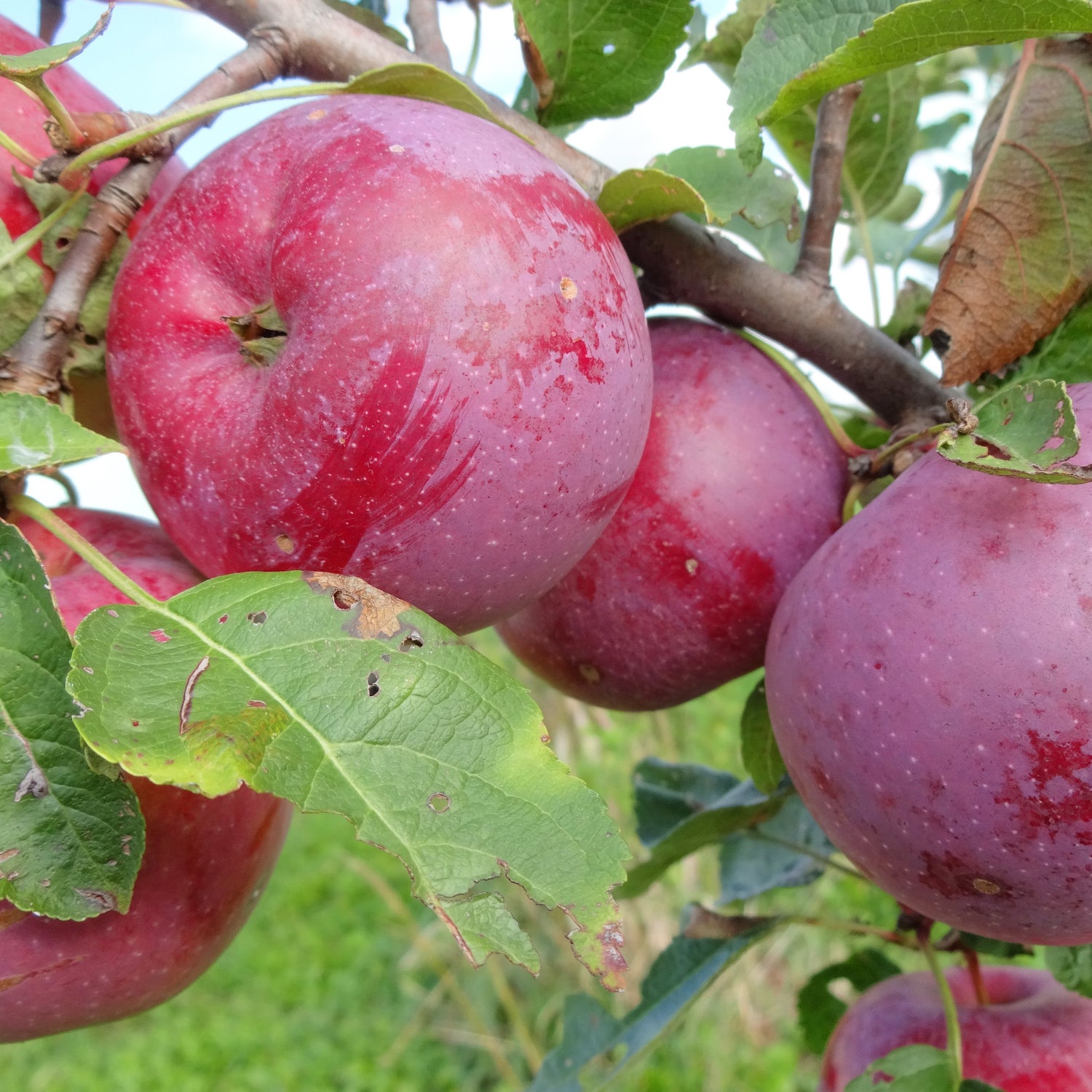
History: The creation and selection of Empire apples was a lot more intense compared to the chance origins of some of our older varieties. In 1945, scientists from the Cornell University New York State Agricultural Experiment Station collected thousands of seeds from the orchard of fruit nutritionist Lester C. Anderson. For years these seeds were grown and tested until Empire emerged as the best apple from amongst its siblings. It was released to the public in 1966 and has since become one of the top ten most popular apples in North America.
Why We Grow It: Empire is an excellent general-purpose apple for the Great Lakes area. The attractive green and red fruit is crisp and sweet and keeps well into the winter. The trees crop heavily and reliably, and the fruit is resistant to bruising, making life easier for the grower. They are also resistant to fireblight and cedar apple rust.


History: Not to be confused with Pink Lady, Pink Pearl was developed by breeder Albert Etter who had the goal of creating red-fleshed apple varieties from seedlings of Surprise, a red-flashed variety. In 1940, he partnered with the California Nursery Company to bring some of these varieties to the public. Pink Pearl was selected as the best amongst his seedlings and released in 1945.
Why We Grow It: One of Steph's favourites! Pink Pearl is a delicious apple that is crisp with a pronounced unique fruity flavour and a nice blend of sweetness and sharpness. Its yellow-pink skin conceals a bright pink interior that is stunning to see compared to the white-ish flesh of most apples. It is great fresh or for applesauce, and it is relatively slow browning- it can be cut and bagged in the fridge the night before with very little change in colour the next day. Their pink colour adds a unique visual appeal to baked goods as well, such as with the gooseberry and Pink Pearl tarts Steph made pictured here!
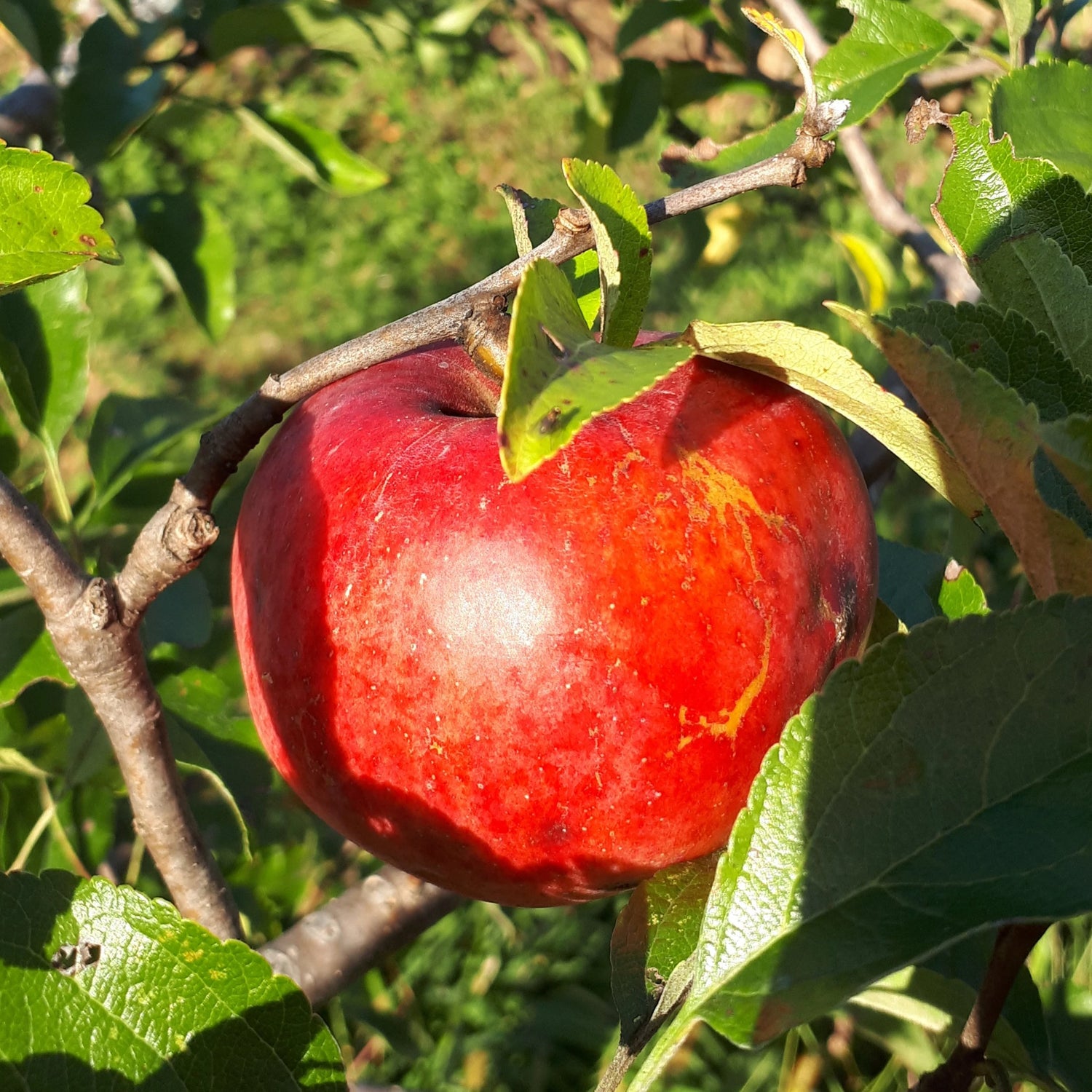
History: Nova Easygro was developed at the AAFC Kentville Research and Development Station in Nova Scotia and introduced in 1971.
Why We Grow It: Living up to its name, Nova Easygro is hard to beat if you're looking for a low-maintenance backyard tree or a clear winner for organic orchards. This variety is resistant to numerous common apple diseases and tastes great. The flavour is pleasant and sweet and the flesh is firm and white with the perfect texture, earning this apple favourable reviews at our tasting event.

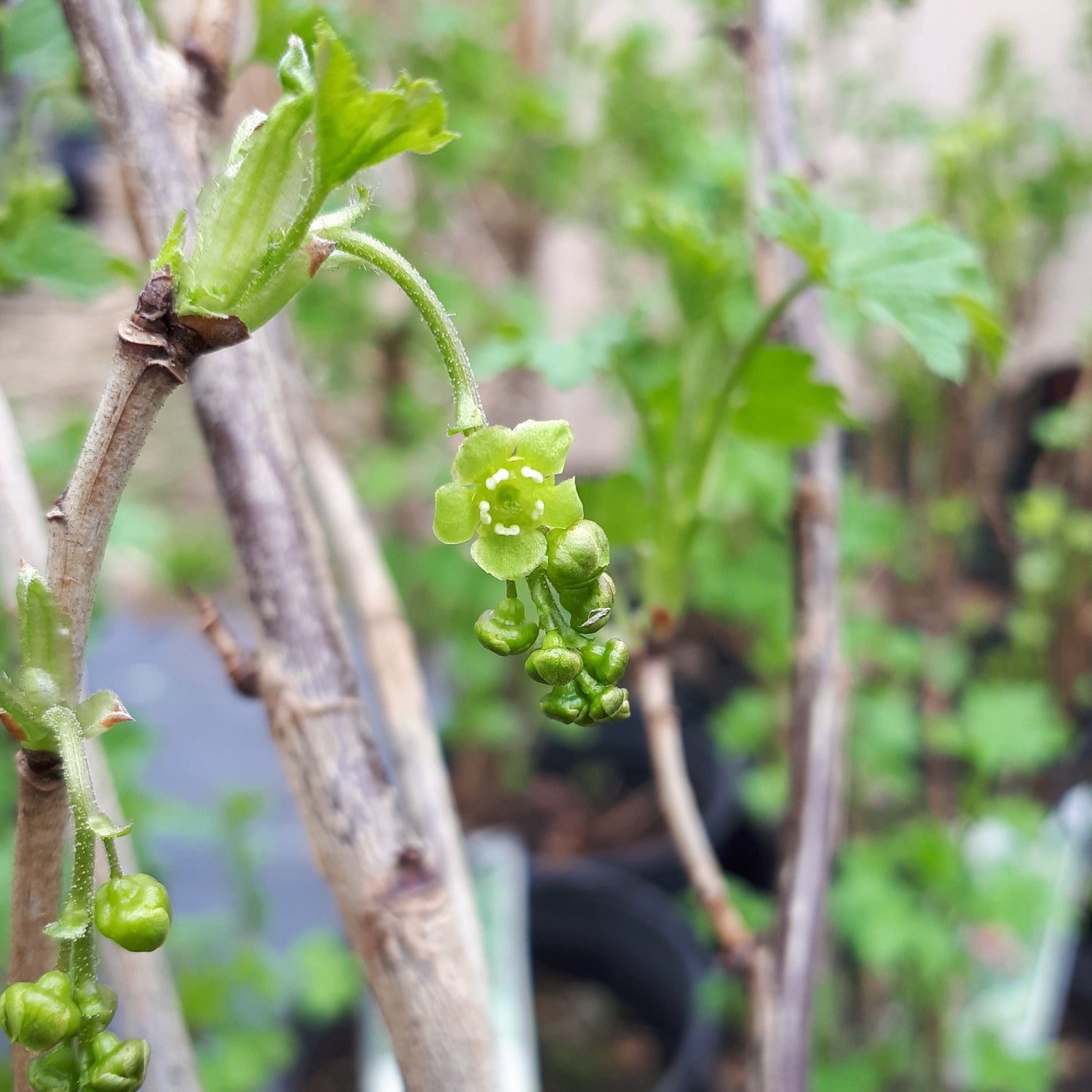

Species: Ribes nigrum
History: Titania black currant was developed by Pal Tamas in Sweden. It was bred as a cross between the varieties Consort, Kayaanin Musta, and Altaskaya Dessertnaya in 1969 and chosen for further evaluation in 1974. Since its release it has become one of the most popular currants in North America.
Why We Grow It: It is easy to see why Titania has become so popular. It produces large, juicy berries with a rich, mild flavour. It is also resistant to White Pine Blister Rust and mildew. The berries are great for a variety of uses, such as the black currant scones and black currant and blueberry tarts Steph made (see pictures)!
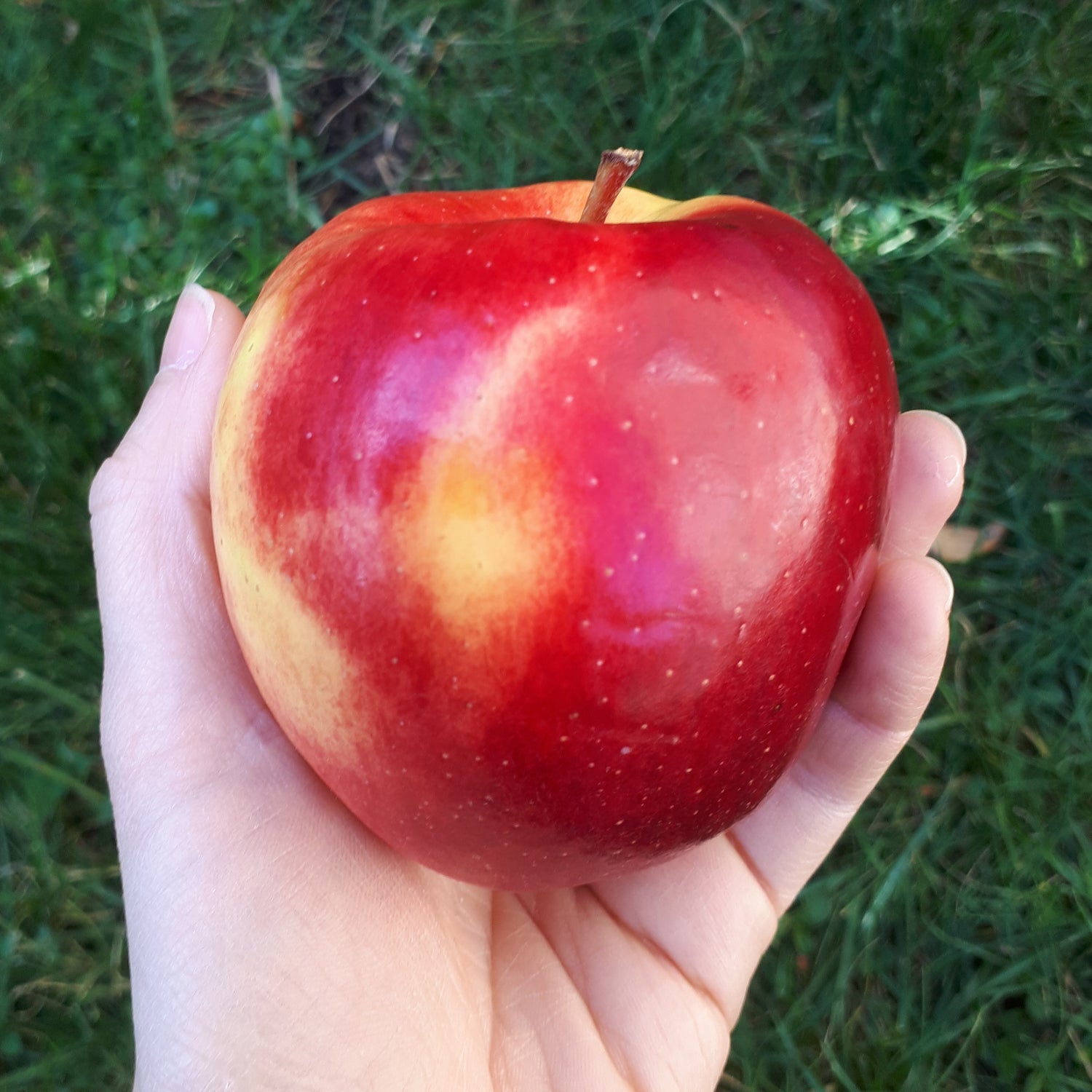
History: A chance seedling discovered in the 1980s in BC, this tender, aromatic, honeyed apple has been a hit ever since!
Why We Grow It: This delicious apple is very popular in the fresh eating market in Canada, thanks to its attractive bi-colour skin and slow browning qualities. It produces a medium-large fruit and is a good cropper.


Buddy tape is a flexible, rubbery tape holds bench grafts together and keeps in moisture! We have two options available:
- Packs of 50 pieces - each piece is 25mm x 70mm (some packs may have 30mm x 70 mm pieces)
- Individual rolls (perforated) - each roll is 60m long and has ~850 pieces of 25mm x 70mm sections of tape
To use this tape, simply wrap it around the graft union slowly moving it up and down around the union to ensure none of the cambium is exposed to the air. You can then rip a tiny bit off the end and use it to seal the tip of your scionwood as well so it doesn't dry out. A single piece of tape is often suitable for one graft, although those newer to grafting may use a couple of pieces per graft as needed.
The tape will naturally biodegrade over time and fall off from the tree. However, be careful not to wrap the tree too tightly such that the tape becomes a thin strand rather than stays flat. This may begin to girdle your tree, a lesson we unfortunately learned the hard way.


Lac Balsam is a premium European wound sealing product made from natural tree resin. This is simply the best solution for sealing those irregular wounds caused by such things as rabbits, mice, ice storms and string trimmers. It also works reasonably well as a grafting wax. We have been using Lac Balsam around the nursery for as long as we can remember... and we're super super happy with this stuff.
A little bit goes a long way too; one of these 200mL tubes will last a long time for the backyard orchardist. However, for those looking for a larger quantity we also have 1kg tubs as well!
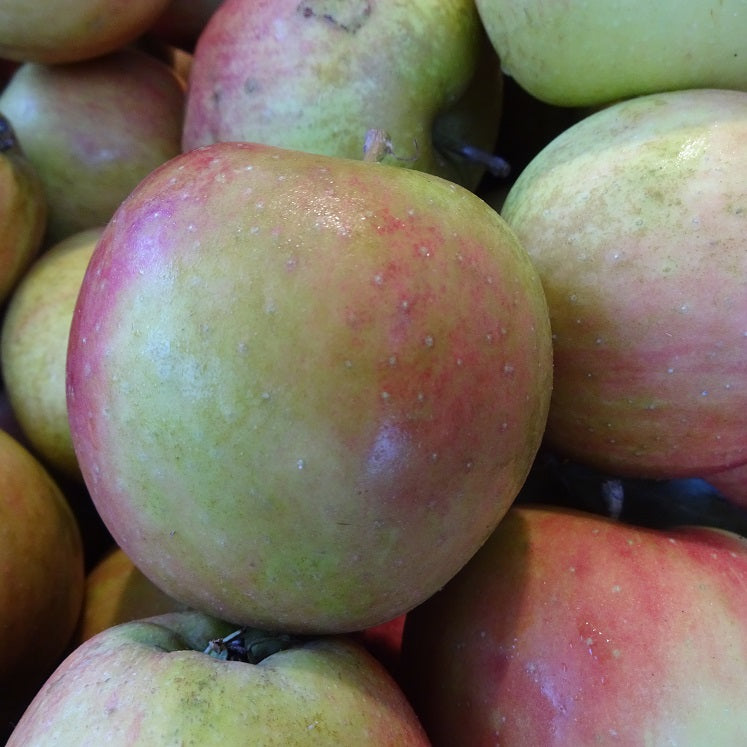
History: This apple was discovered as a chance seedling in 1856 in Boskoop, Netherlands where it has remained popular ever since.
Why We Grow It: Here's one for those of us who love some sharpness in an apple. With its sharp taste and large, greenish-red fruit, this apple is still popular at farmer's markets throughout Europe for both fresh eating and cooking (keeps its shape). It has value as a sharp in hard cider blends as well.
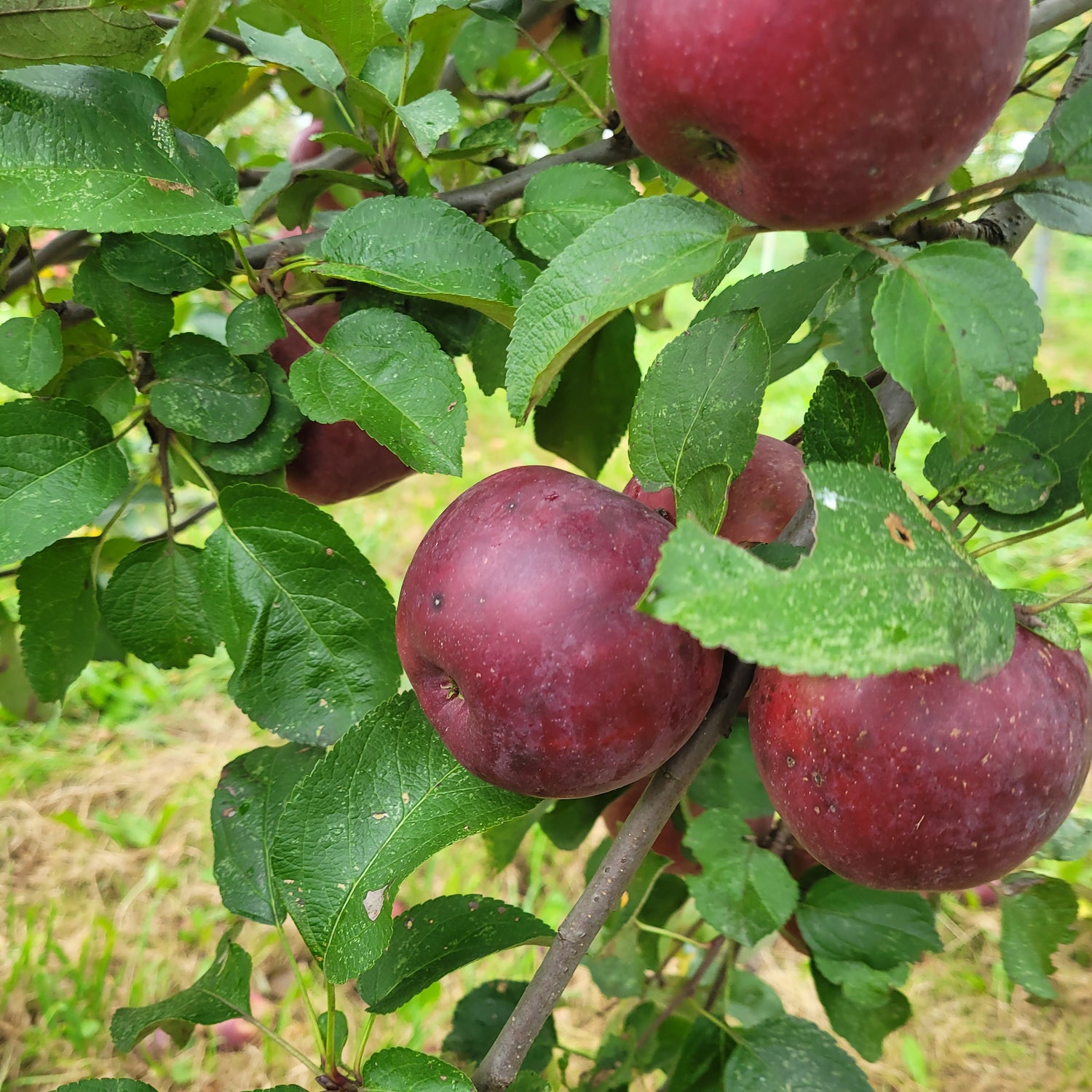
History: Spartan apples are a Canadian variety that was developed at the Pacific Agri-Food Research Centre in Summerland, BC in 1936 by Dr. R.C. Palmer. Of particular interest is the fact that Spartan apples are the first apple variety created by a formal scientific breeding program. They have been popular in North America ever since and are even commonly found in gardens in the UK.
Why We Grow It: This variety is known for its sweet/acid flavour and pleasant crunch, especially when eaten fresh off the tree. They tend to soften rather quickly after they are picked but luckily the fruit hangs on the tree 2-3 weeks after its ripe which helps to extend the optimal time to enjoy this variety. Spartan apples are also known for being relatively easy to grow, having decent disease resistance, heavy crops, and an ability to keep all winter.
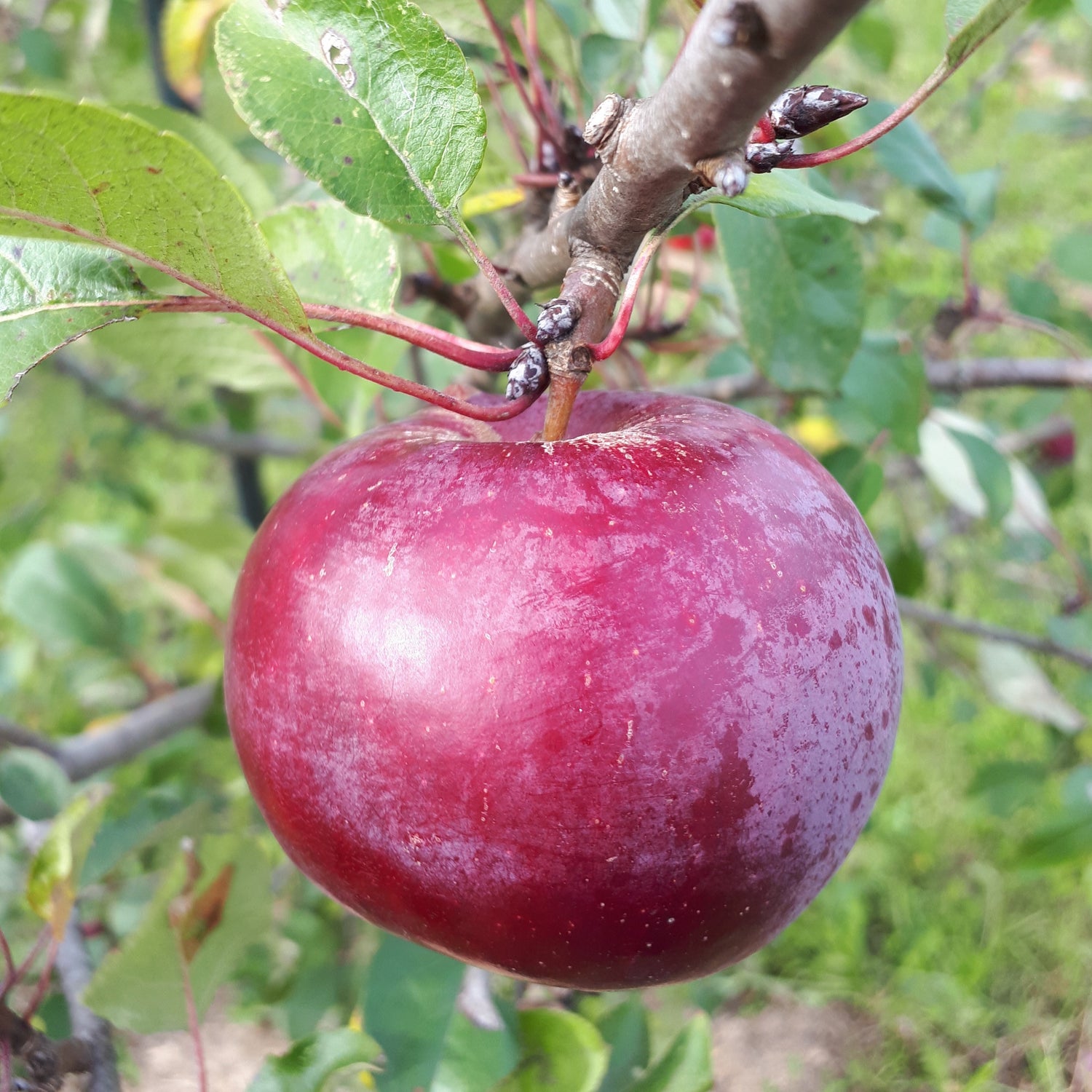
History: Novamac apples were developed at the AAFC Kentville Research and Development Centre in Nova Scotia and introduced in 1978.
Why We Grow It: Novamac is a variety that definitely deserved more attention. They are generally disease resistant and have proven to be very easy to grow in our test orchard where they are performing well. This apple has a nice vibrant tang but also lots of sweetness and notes of berry. The flesh is firmer than its namesake McIntosh, which it is descended from.


History: Wolf River was raised from seed by Quebec lumberman William Springer in the latter half of the 19th century. When Springer and his family were moving by wagon to Wisconsin, they bought a bushel of Alexander apples along the way. Upon arriving at their new home, he planted the seeds from said apples along the bank of the Wolf River and the Wolf River apple grew from there. This variety has since garnered a reputation as a good cooking apple and for the incredible size of its fruit.
Why We Grow It: First and foremost, Wolf River is legendary for the huge size of its fruit. The apples can weigh a pound or more and there are stories of pies being made from a single apple. The fruit, green with red blush and stripes, has a sweet and tart flavour that is good for cooking and it holds its shape well when cooked. The tree itself is hardy and relatively disease resistant as well.
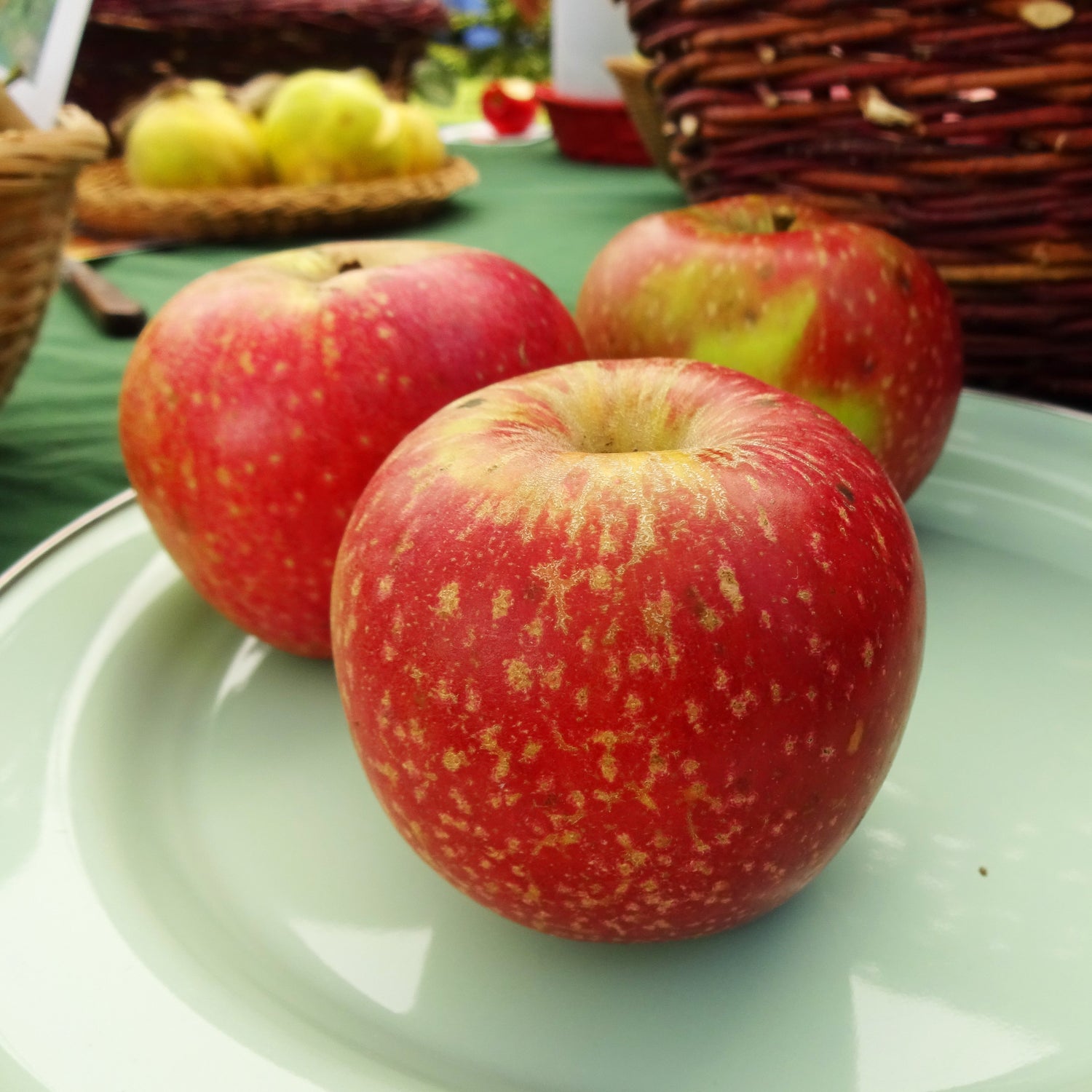
History: Esopus Spitzenberg was discovered near Esopus, New York in the early 1700s. Its main claim to fame is its supposed designation as Thomas Jefferson's favourite apple, a claim supported by the numerous Esopus Spitzenberg trees he had planted at his plantation Monticello. This apple was very popular in the US in the 1800s, considered one of the best for fresh eating, valuable for cooking, and a nice addition to cider blends.
Why We Grow It: The flavour of this particular variety is complex with high acid content, considered by many to be a high quality fresh-eating apple. This is helped by the attractive medium sized fruit which sports bright red skin. This variety keeps, with good flavour, until March. Despite being susceptible to just about every common apple disease, we still believe this apple is worth the extra effort and haven't had much issue growing it here.

Species: Hippohae rhamnoides
History: Lord was developed by Latvian professor of agriculture, Andrejs Bruvelis, and was likely selected for its relatively few thorns and excellent performance as a pollination partner for female plants.
Why We Grow It: A vigorous and strong pollinator, Lord has silvery green leaves which may be used as animal fodder- rather than discarding prunings from the plant, try feeding them to birds, or better yet, let some chickens keep the base of the bush clean and sucker-free by purposefully pasturing them through your plants. Sea Buckthorn have nodules on their roots which help fix nitrogen into the ground, and are a common plant in permaculture orchards for this natural 'fertilizer' effect on plants in their vicinity.