In-Stock Inventory

In-Stock Inventory
Make your selections faster and easier by shopping "In-Stock" items only.
We offer flat rate shipping across Canada for our bareroot trees!
308 products
Sort by:
308 products
308 products
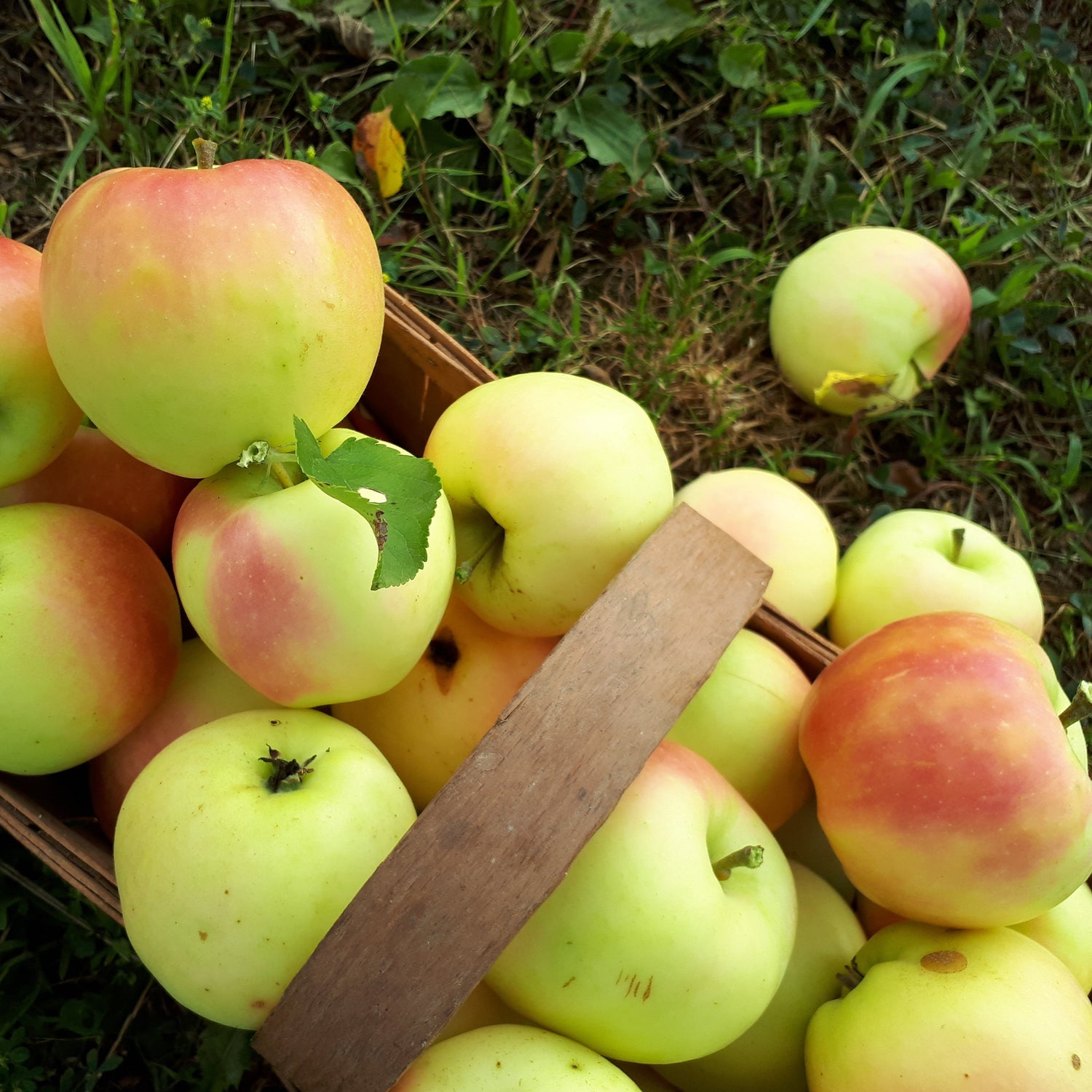
History: Pristine is another variety that was developed through the collaborative PRI disease-resistant breeding program run by Purdue University, Rutgers University, and the University of Illinois. It was introduced in 1994.
Why We Grow It: The program was successful with this apple which boasts a decent disease resistance, and performs very well in our orchard. The fruit is an attractive yellow-gold colour with a pink blush where the sun hits it, and the flesh is dense and white. It has a refreshing, sharp flavour and is good for fresh eating if you enjoy a good tart apple! Unlike many early season apples, it has a higher sugar content and stores decently well.


Species: Morus sp
History: Our mulberry seedlings are grown from local seed, but they most closely resemble the native red mulberry, Morus rubra, which are considered endangered in Canada. Indigenous peoples traditionally use the berries as a food source, the wood for smoking meat, and even made clothes from the inner bark of the young plants.
Why We Grow It: The delectably sweet berries are easily enjoyed by humans, livestock, and insects alike! Mulberries don't last very long once ripe so the best way to enjoy this summer treat is to grow them yourself!
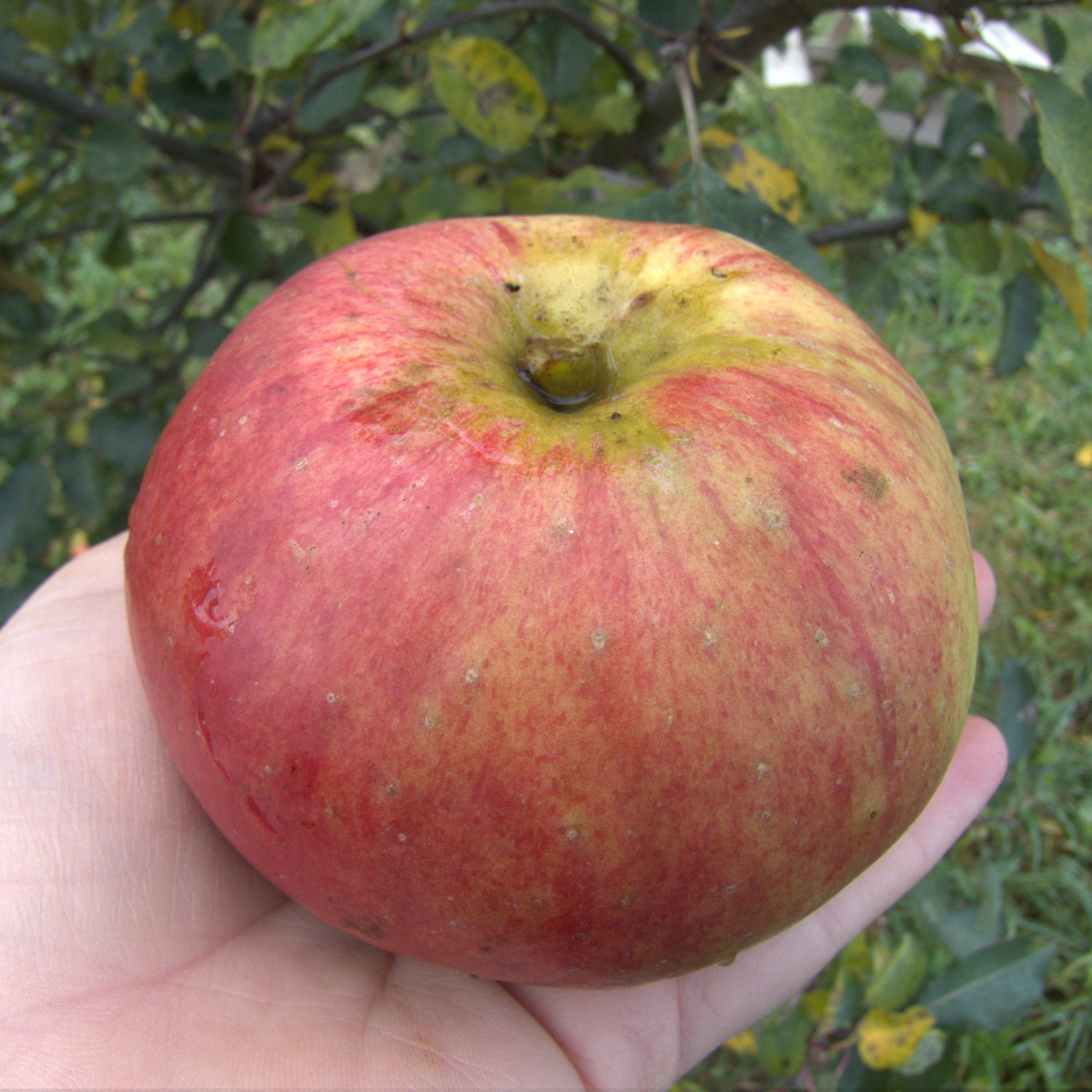
History: Bramley's Seedling was first planted in the UK in 1809 by Mary Ann Brailsford-Trump and was later named after the butcher who bought the property. Long considered the definitive British cooking apple, Bramley's Seedling is celebrated with its own festival, a plaque, and a commemorative window that was installed on its 200th anniversary. The original tree is still growing where it was planted over 210 years ago.
Why We Grow It: With its strong flavour and acidity, this apple is hard to beat when used for cooking, although the fruit doesn't hold its shape as well as other varieties. The fruit is large, greenish-yellow with orange flush and broad red stripes and store all winter. The trees are quite hardy and heavy croppers.
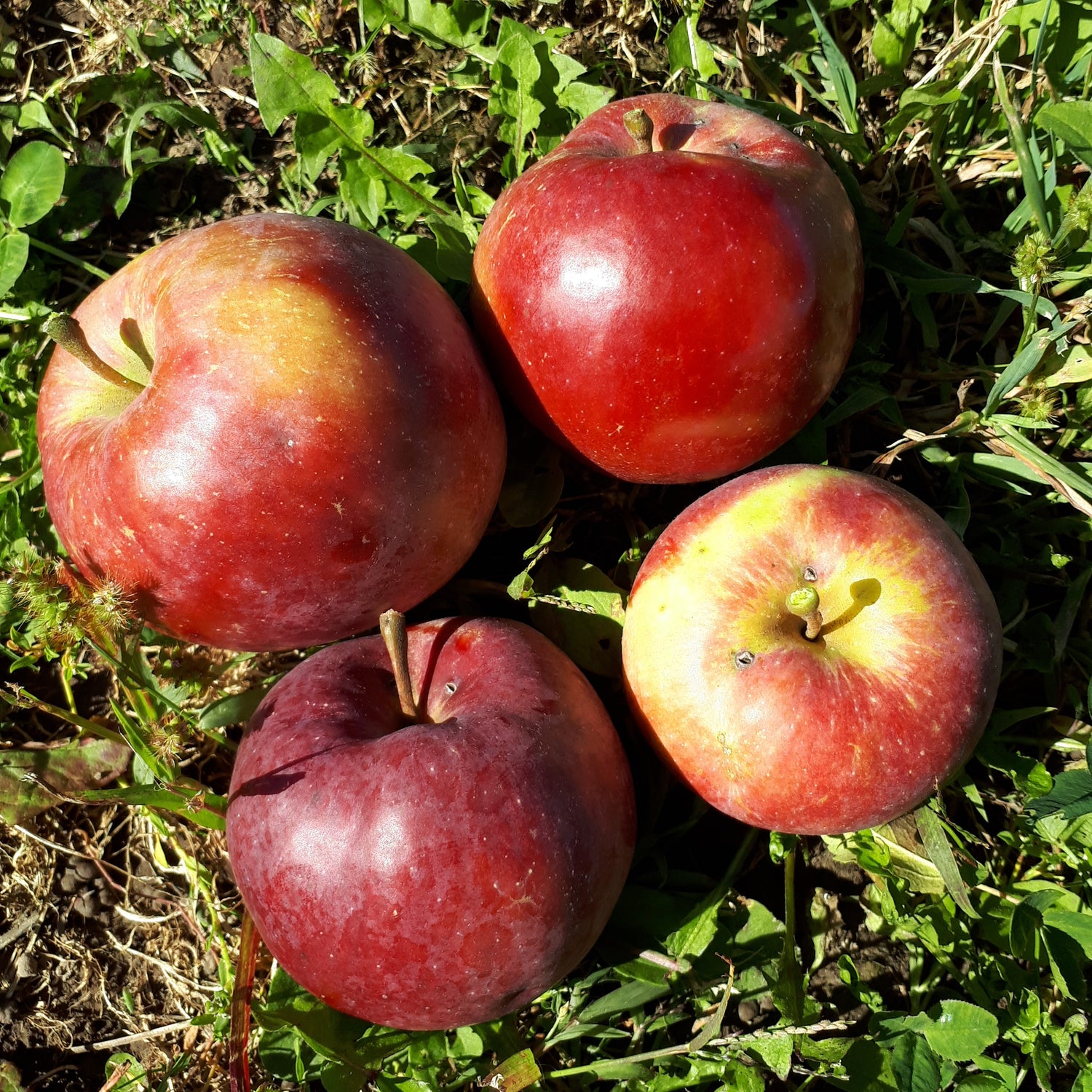
History: Fireside apples originated in 1943 from a breeding program at the Minnesota Agricultural Experiment Station. They are one of nearly 30 varieties that have been introduced by the university's breeding program since it began in 1888.
Why We Grow It: Fireside stands as an icon of toughness in the world of apples, thriving in cold northern areas. But don’t let this image fool you—Fireside has a warm heart! The flesh is amazingly sweet and very juicy.


History: Grimes Golden was discovered on the Grimes farm in what is now West Virginia in 1832. Local legend claims that it grew from a seed planted by John Chapman, better known as Johnny Appleseed. After its discovery, it was widely planted up until the 1930s when it became supplanted by more popular varieties such as its (likely) descendant, Golden Delicious.
Why We Grow It: Although less popular now than Golden Delicious, many claim that Grimes Golden has a superior flavour: sweeter and with a hint of spice. The fruit is great for fresh eating and making cider, and it stores quite well. The tree is moderately resistant to fire blight and mildew.
2026/2027 Staff Favourite
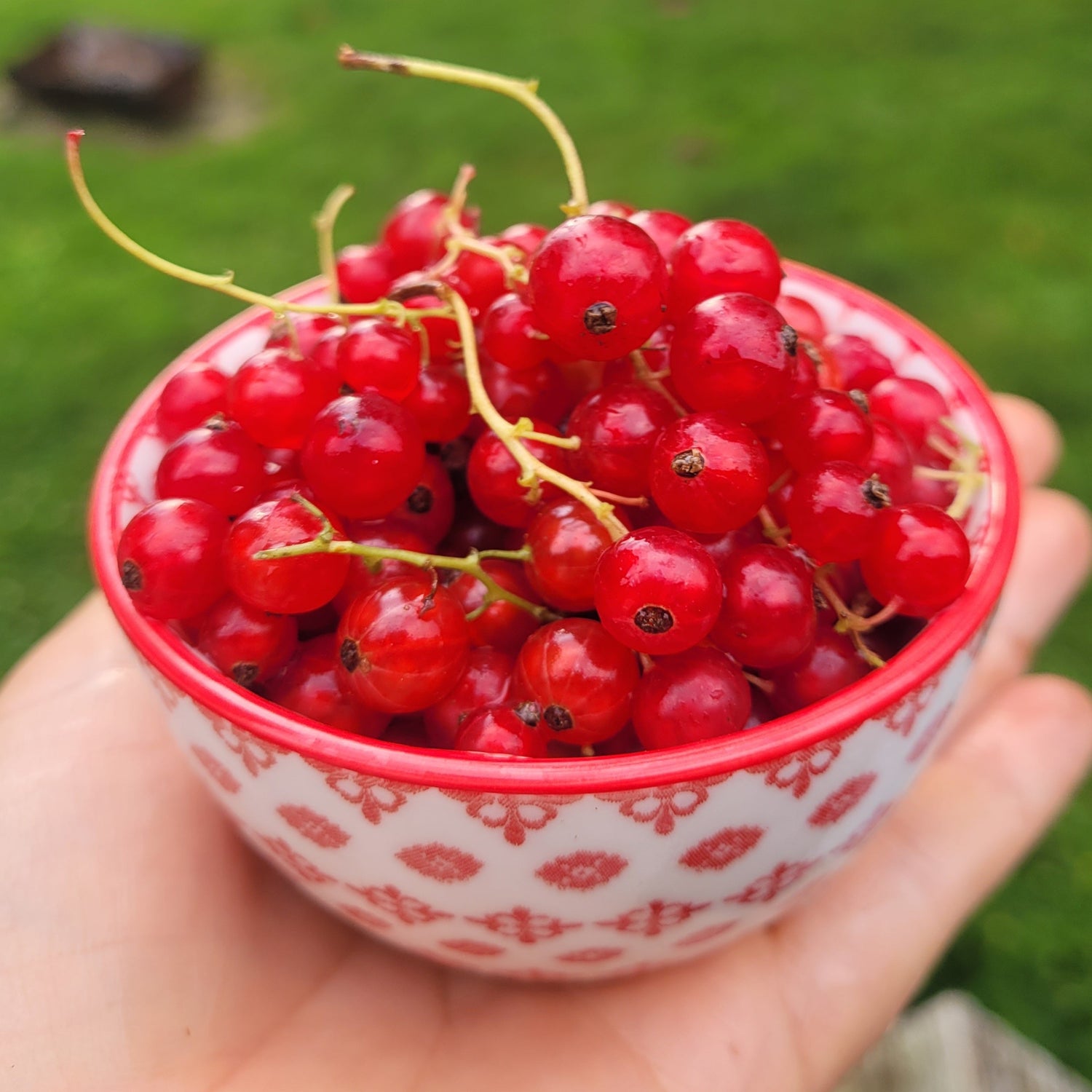
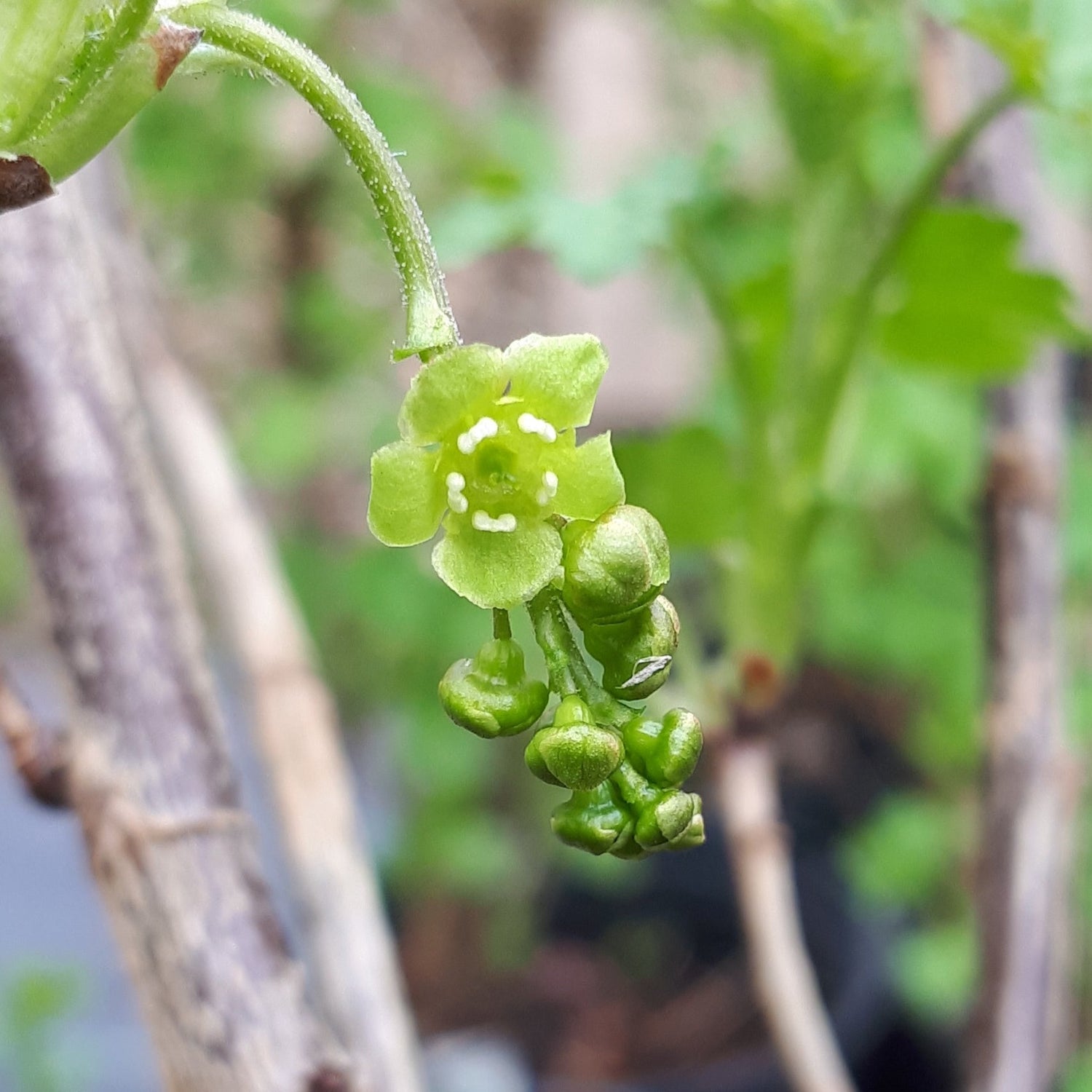
Becker currants are Jenni's favourite this year! In her words: “What I enjoy most is turning these currants into a homemade cordial. Their bold, tangy taste creates a rich syrup that captures the essence of summer. Mixed with chilled bubbly water, the cordial becomes an incredibly refreshing drink—crisp, lightly sweet, and bursting with distinctive flavour. It's simple to make and super packed with Vitamin C which helps boost your immune system, reduce inflammation, and support heart health. For me, Becker red currants represent a way of preserving something delicious, and they transform an ordinary glass of sparkling water into a refreshing treat!”
All Staff Favourites are 20% off. The Staff Favourite Discount cannot be combined with other quantity discounts.
Species: Ribes rubrum
History: These red currants come from the Becker family homestead near Wellesley, Ontario where we are located. This is a great way to try something truly local!
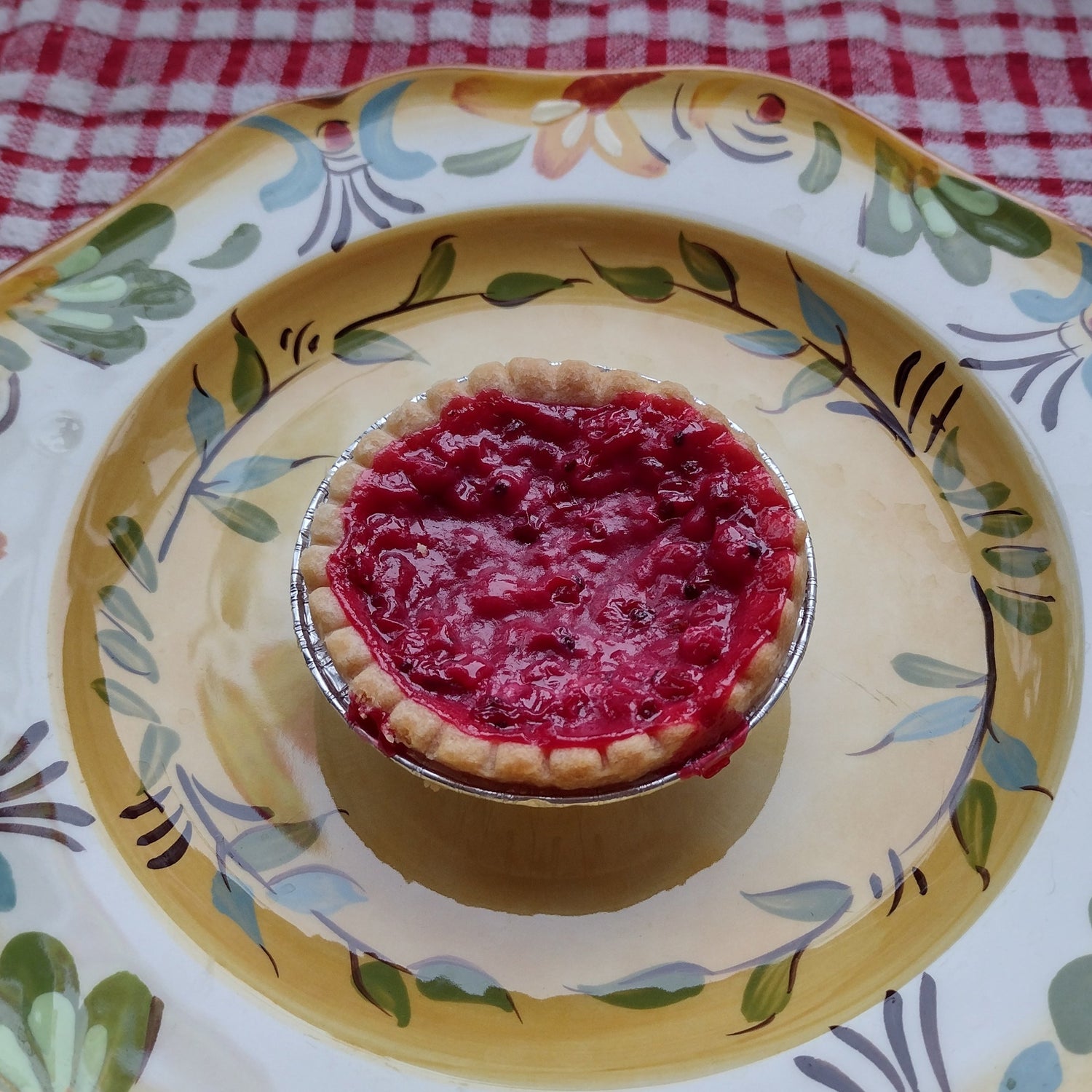
Why We Grow It: In our experience, Becker red currants are reliable and productive. The fruit produced by Becker red currants are larger than those produced by Red Lake and make a wonderful juice. They can also be used for cooking and baking, such as the tarts made by Steph that are pictured here!


Terra Biosa is a dynamic, microbial soil inoculant. It is categorized as a Biological Compost Aid for the cultivation and stimulation of soil productivity and plant health. This all-natural and organic product is useful in orchards, vineyards, gardens, and compost by providing the following benefits:
- Stimulates plants metabolism
- Enhances yield as well as quality of fruit and produce
- Improves resistance to fungal infestations
- Improves soil quality by restoring micro-organisms in the soil
We use this in our orchard for all trees (both in our experimental orchard and nursery stock) as the effective microbe component of our holistic spray system. You can download the holistic spray recipe here.
Recommended Application Rates:
Soil: Mix 1 tsp of Terra Biosa per 40 sq. ft. (4 m2) in your water and apply while irrigating. Apply every two weeks for best result.
Foliar care and feeding: Mix 1 tsp. of Terra Biosa per 1L of fresh (preferably structured) water and apply using a spray bottle. Remember to mist leaves on both sides.
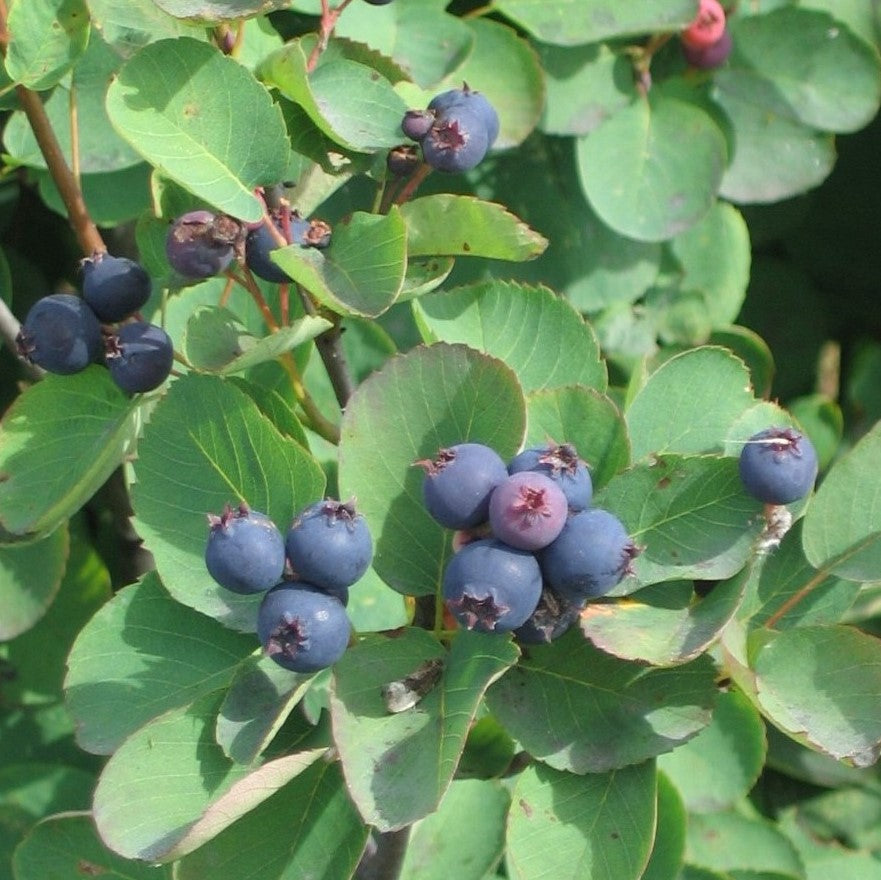
Species: Amelanchier alnifolia (aka Western Serviceberry)
History: Martin was grown by Dieter Martin in Saskatchewan. He selected this variety for its large berries and uniform ripening time.
Why We Grow It: Martin produces deep purple berries that are both flavourful and juicy! The berries are on the larger size and ripen at more or less the same time, making them a good choice for mechanized picking.
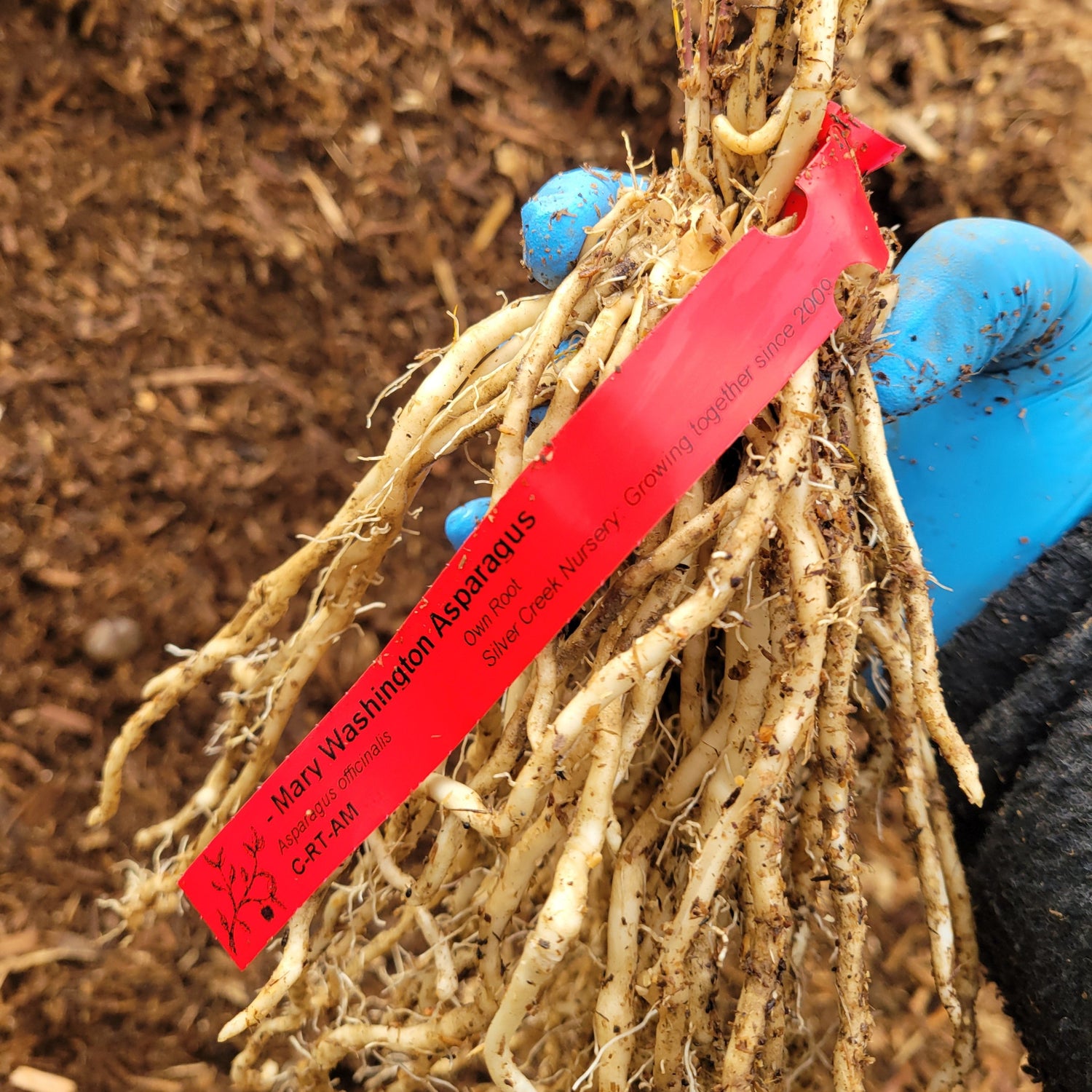
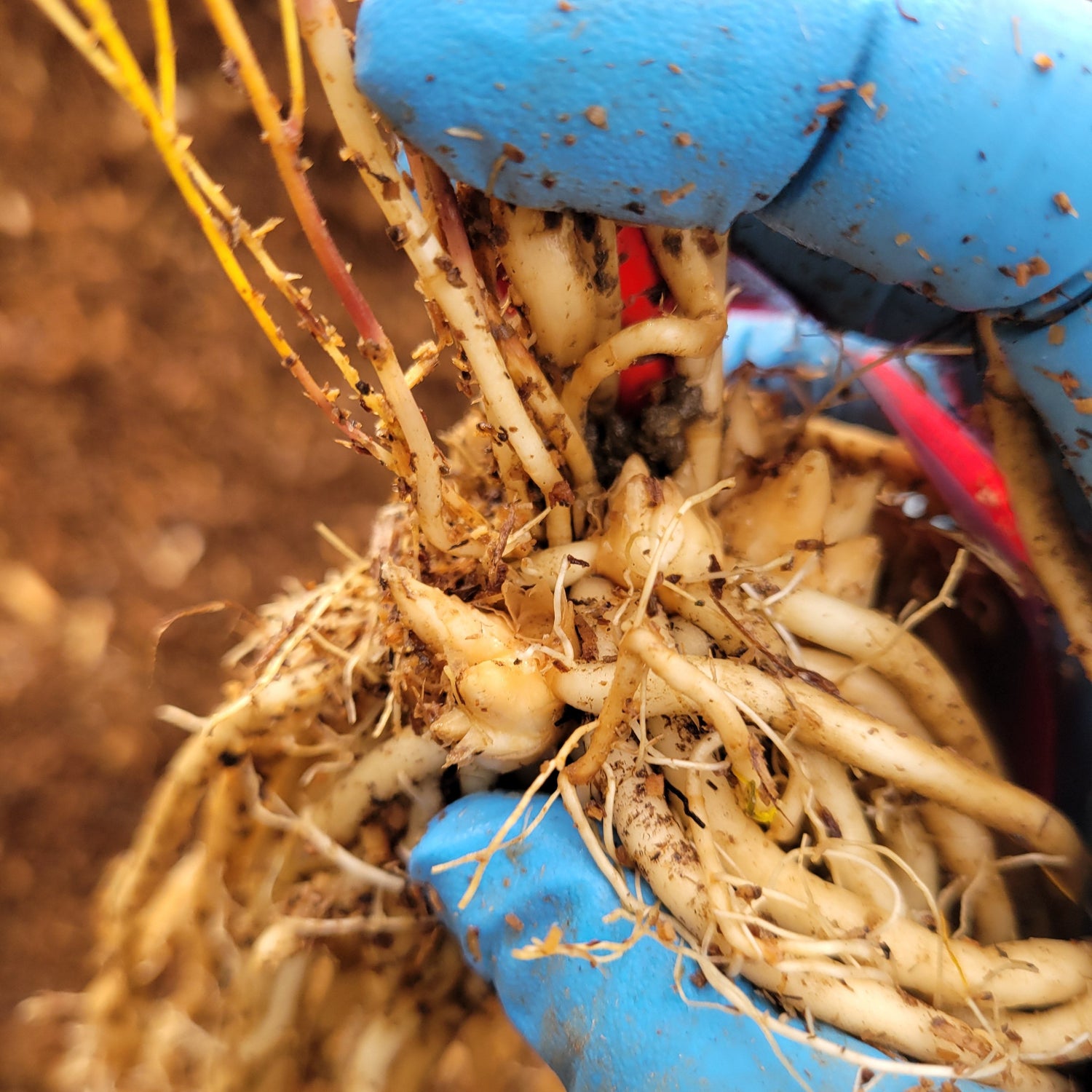
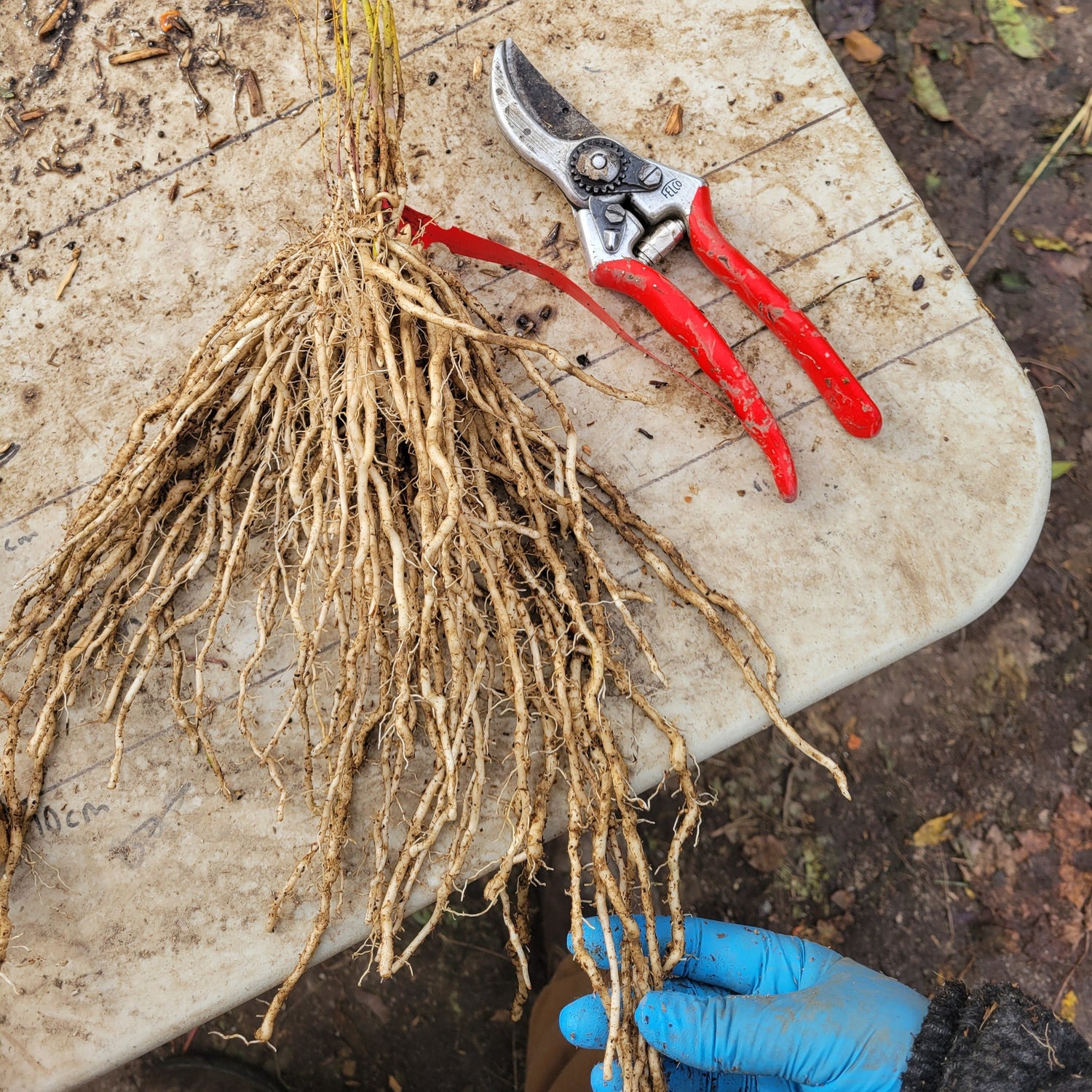
Species: Asparagus officinalis
History: The parent of these seedlings, Mary Washington, was introduced by the US Department of Agriculture in California in 1949. Named after George Washington's mother, it is part of the Washington series of asparagus. Fittingly, it remains one of the most popular varieties of asparagus in the US today. These seedlings may vary from their parents but should bear similar traits!
Why We Grow It: We love offering seedlings as a way to add some diversity to the plants being grown! The parent variety Mary Washington is known for producing large quantities of uniform spears in the spring. They have an excellent nutty and buttery flavour and are known for being resistant to rust. They are hardy against both cold and heat.


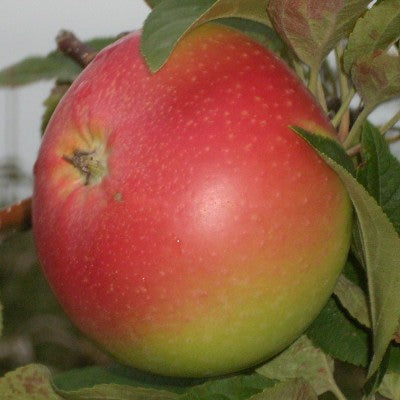
History: Winter Banana originated on David Flory's farm in Indiana around 1876. It was named Winter Banana due to the apparently banana-like aroma it gives off when ripe. It is also named Flory Banana or Flory Apple after David Flory. Winter Banana was grown on the west coast and gained some popularity in England and Germany. The thin skin of this variety is easily bruised which prevented it from being a commercial variety but it is still commonly found in gardens and farmer's markets.
Why We Grow It: This all-purpose apple is extremely attractive with pale yellow skin and a pinkish-red blush. The banana-like aroma is accompanied by sweet flesh with an acid tang. The flavour improves in storage and the apples can be kept all winter.


History: John McIntosh planted several apple seedlings upon settling in Dundela, Ontario. From these, he discovered the famous McIntosh apple as a seedling in his orchard. The family began selling the fruit and grafted McIntosh trees in 1835 and in 1870 it entered commercial production. By the 1900s it was one of the most popular apples in northeastern North America, although its popularity waned over time as varieties such as Gala were introduced. Nonetheless, McIntosh apples still remain some of the most popular in North America. The original tree died in 1906 after being damaged by a house fire and a commemorative plaque marks where it stood. The apple has since been named Canada's national fruit. The Macintosh line of Apple computers was also named after this variety.
Why We Grow It: For fans of Canadian heritage apples in particular, this one is hard to beat. To the best of our knowledge, this is the original strain of McIntosh. Aside from its storied past, McIntosh apples boast soft, slightly tart flesh with high Vitamin C content. It is excellent for fresh eating and making applesauce.
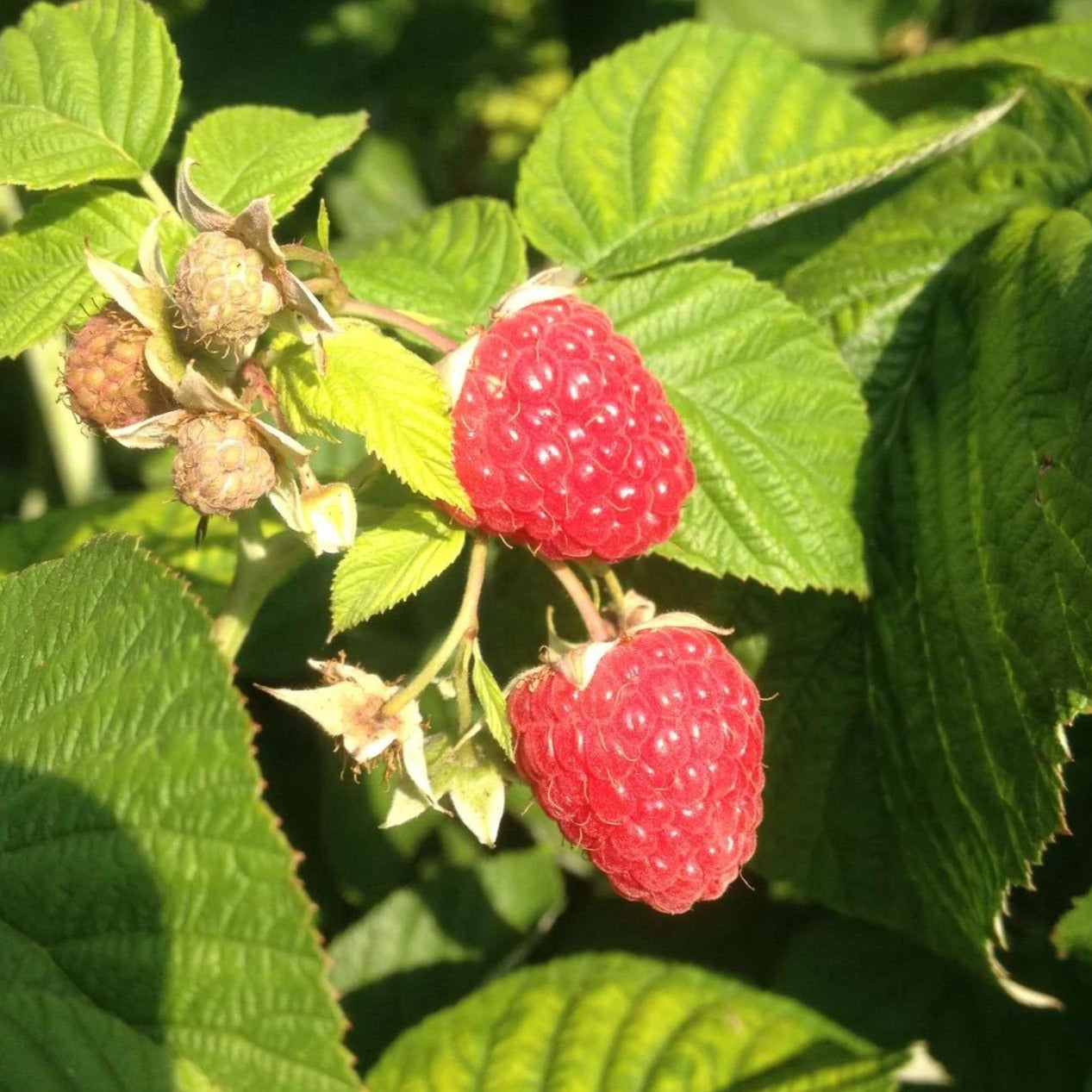
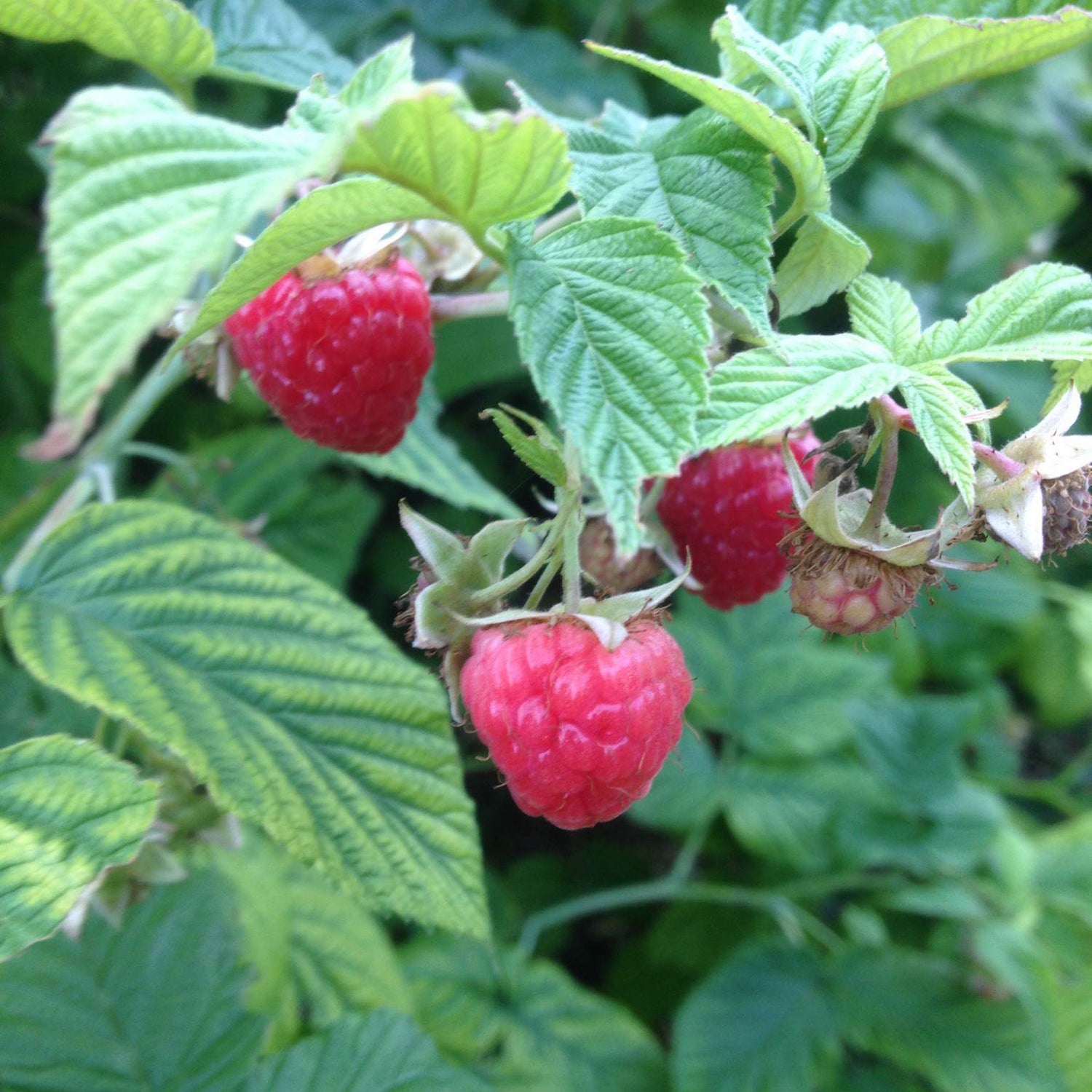
Species: Rubus sp
History: These red raspberries were grown by our great-grandmother and have been passed down through the family.
Why We Grow It: We might be a little biased, but we think they have superior flavour! The fruit is very uniform, not crumbly, and holds its shape well fresh or frozen.
A note on the "Grandma" Series: Inspired by Ken's 'Grandma Ethel Black currant', we decided to curate our own repertoire of random (may be a cultivar from long ago, or a favoured seedling) berries that have become family favourites! Check out our tried-n-true rhubarb and gooseberries in addition to the currants and raspberries.
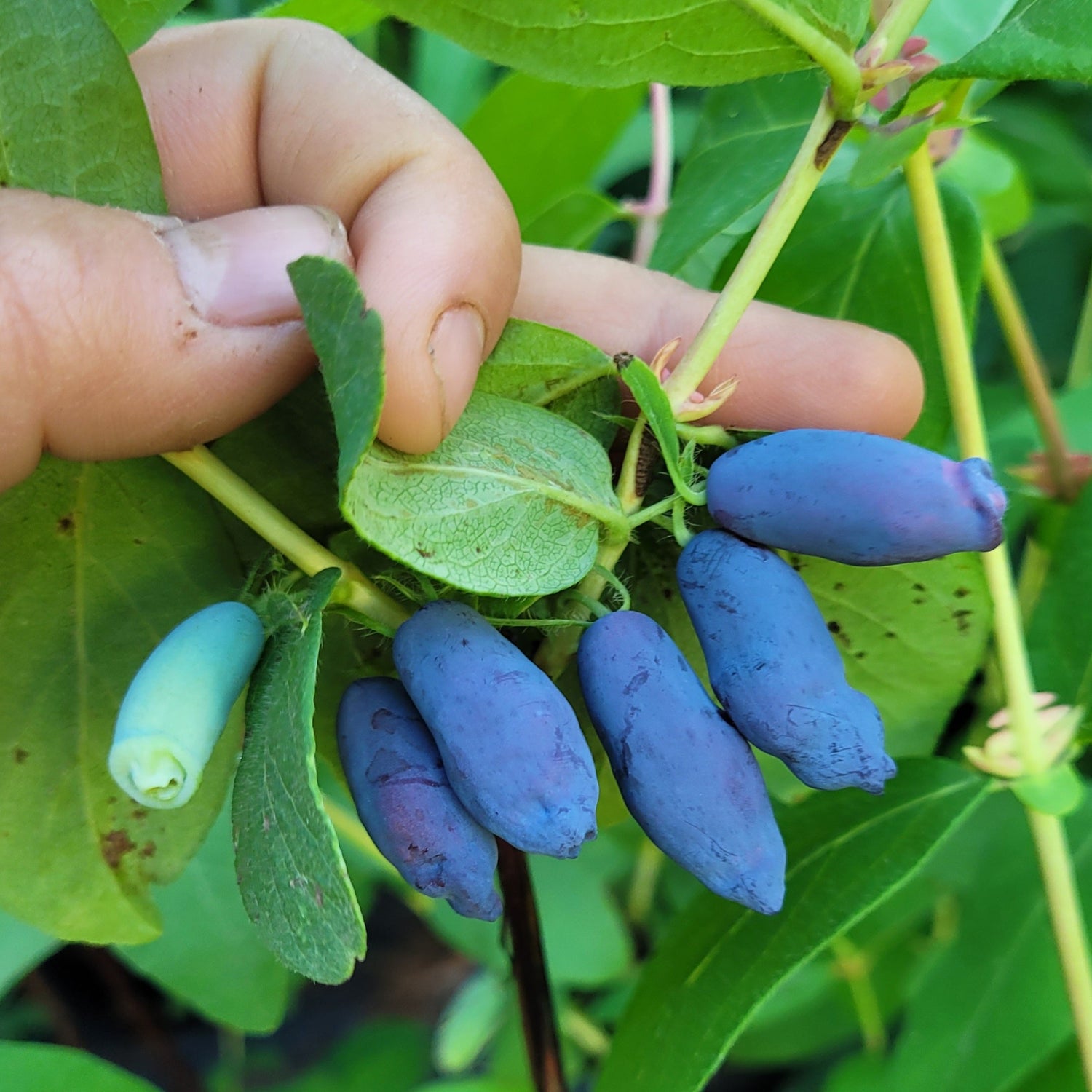
Species: Lonicera caerulea
History: Blue Banana was developed by Lidia Stuart of Berries Unlimited, potentially bred from Russian varieties or a cross between Russian and Japanese varieties. The variety is named for the unique shape of the berries and was likely selected for their large size and sweet flavour.
Why We Grow It: Blue Banana is exceptionally sweet compared to other haskap varieties and the flavour has been described as 'smoked strawberry.' These large, sweet berries are good for fresh eating along with cooking, baking, preserving, etc! The bush itself grows quickly and is relatively disease resistant.

History: Red Gravenstein is a sport/mutation of the original Gravenstein/Yellow Gravenstein that is a striking bright red. Some say it is also sweeter than the original.
Why We Grow It: With attractive red skin, this is a lovely sport of the original Gravenstein. It is a good quality and sweet early apple that is excellent for home orchards.

History: Strawberry Pippin is another variety whose history we know little about. All we know is that it likely originated in England where it was first recorded in 1874. The 'pippin' in its name indicates that it was grown from seed by chance.
Why We Grow It: While we may not know much about its past, we do know why we are happy to grow it! Strawberry Pippin has an attractive red striped fruit which is quite firm and sweet. Its excellent flavour is best enjoyed picked fresh right off the tree. In our experience, Strawberry Pippin does well with minimal care, and is an excellent choice for the backyard.
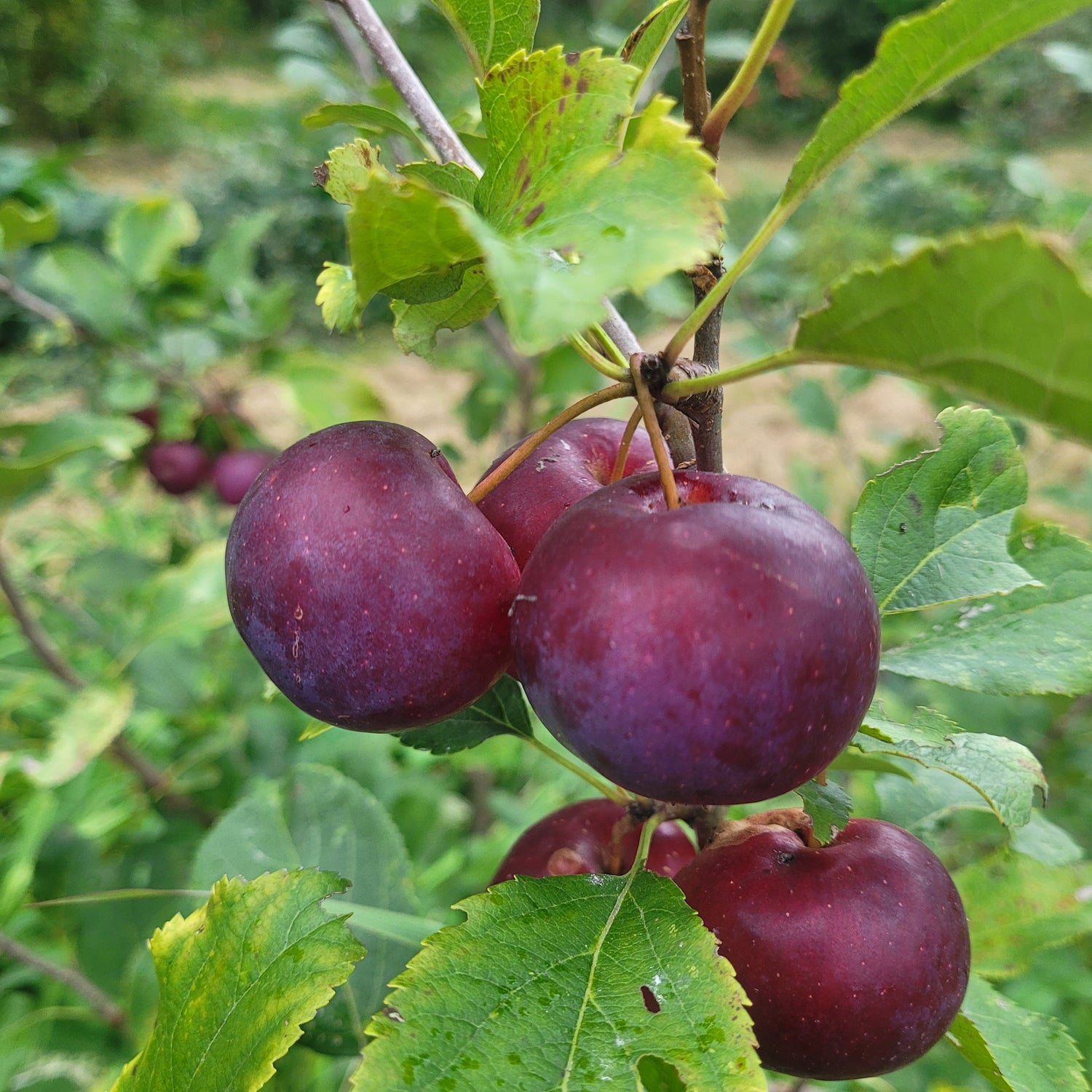
History: The exact origins of Hyslop are unclear but it was discovered sometime in the early 1800s around Boston by the Hyslop family who helped develop the area. This apple was popular for over a century but in recent years has fallen into obscurity.
Why We Grow It: Although definitely not recommended for fresh eating, Hyslop crabapples have a sub-acid, astringent flavour and are great in cider blends. They are also known as being one of the best apples for jellies. The tree is quite attractive with blue tinged blossoms in the spring and brilliant red/purple fruit in the fall.


History: Little is known about Muscadet de Dieppe aside from the fact it originated near the port of Dieppe in Normandy, France. It was commonly grown in the area since 1750 at least.
Why We Grow It: Considering this French cider variety was popular in an area known for its cider, this makes for a classic cider apple. The juice is bittersweet and aromatic which is excellent in both single-variety ciders and cider blends.


History: Shamrock apples were raised by K. Lapins at the Pacific Agri-Food Research Centre in 1970 and released in 1986.
Why We Grow It: This is a Canadian apple for all you Granny Smith lovers! Although a bit sweeter than Granny Smith, Shamrock apples still have some tartness and are hardy enough to survive in Canadian climates. They even resemble Granny Smith with their light green skin and white flesh.
Photos courtesy of Shannon McInnis!

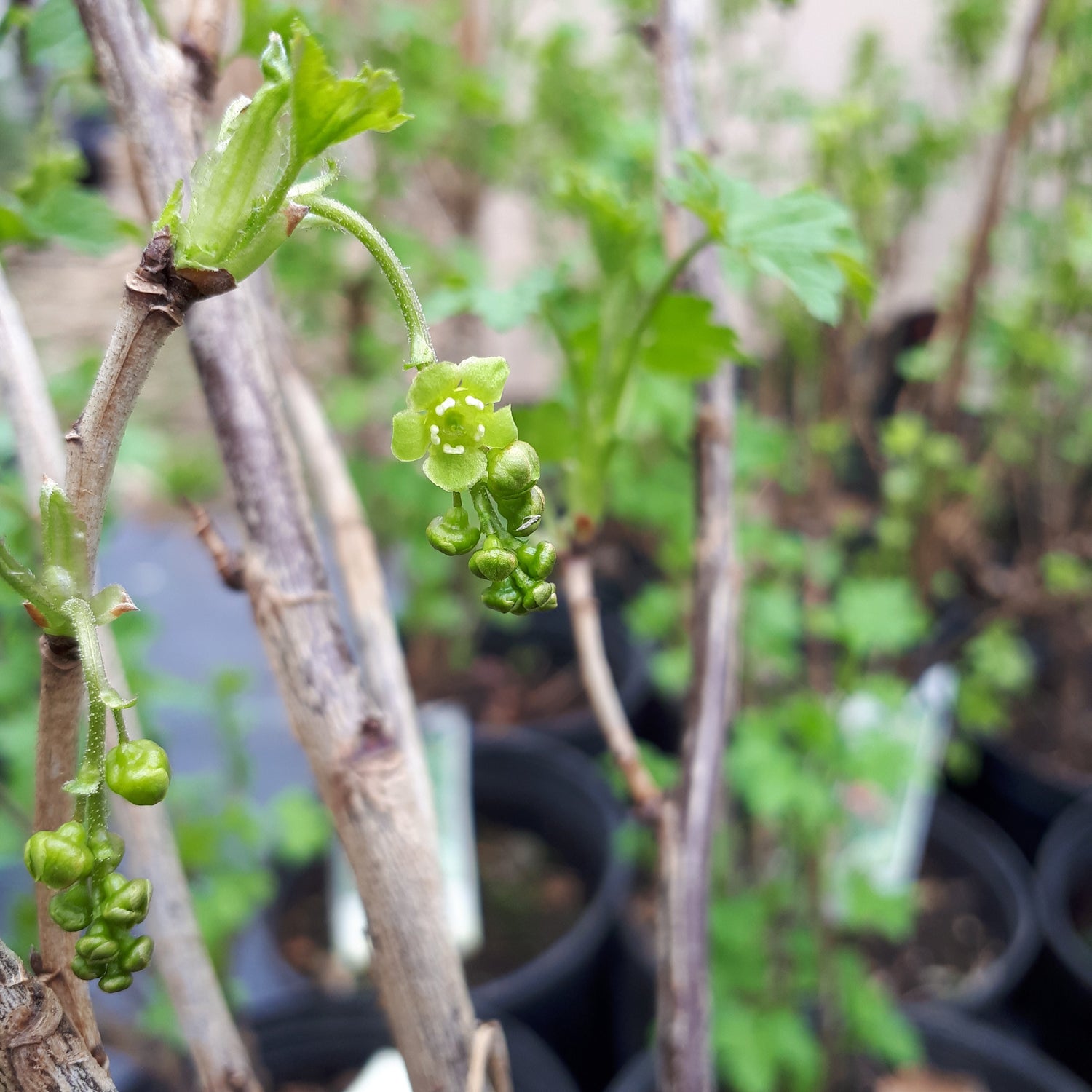
Species: Ribes nigrum
History: This black currant is a family classic that was grown by Ken's great-grandmother.
Why We Grow It: Grandma Ethel produces large fruit with a slightly stronger flavour than Titania and an unusual sweetness for a currant. The berries make a very tasty juice - the recipe can be found further below!
A note on the "Grandma" Series: Inspired by this modest currants' success here at the nursery, we decided to curate our own repertoire of family favourites! Check out our tried-n-true gooseberries, rhubarb and raspberries.
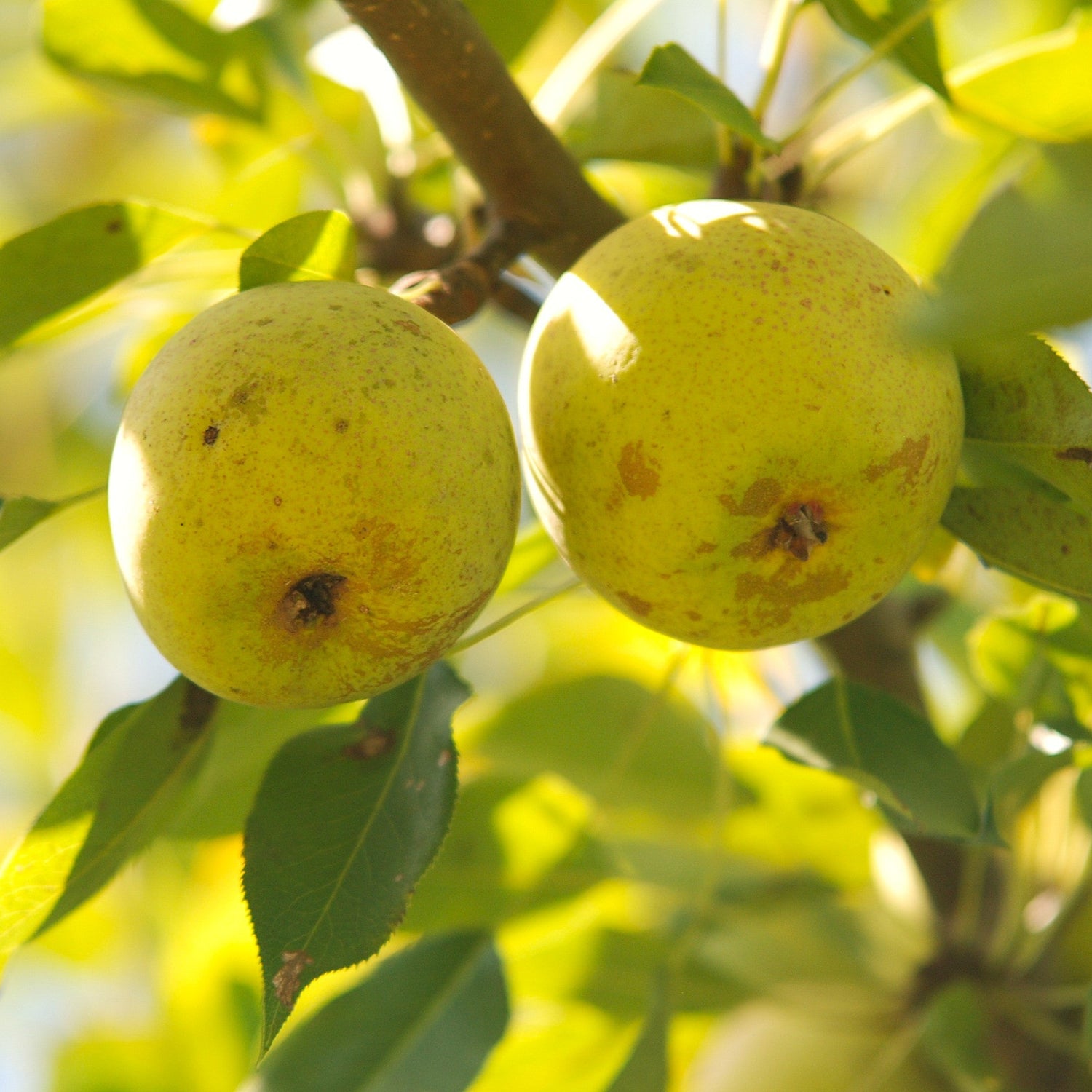
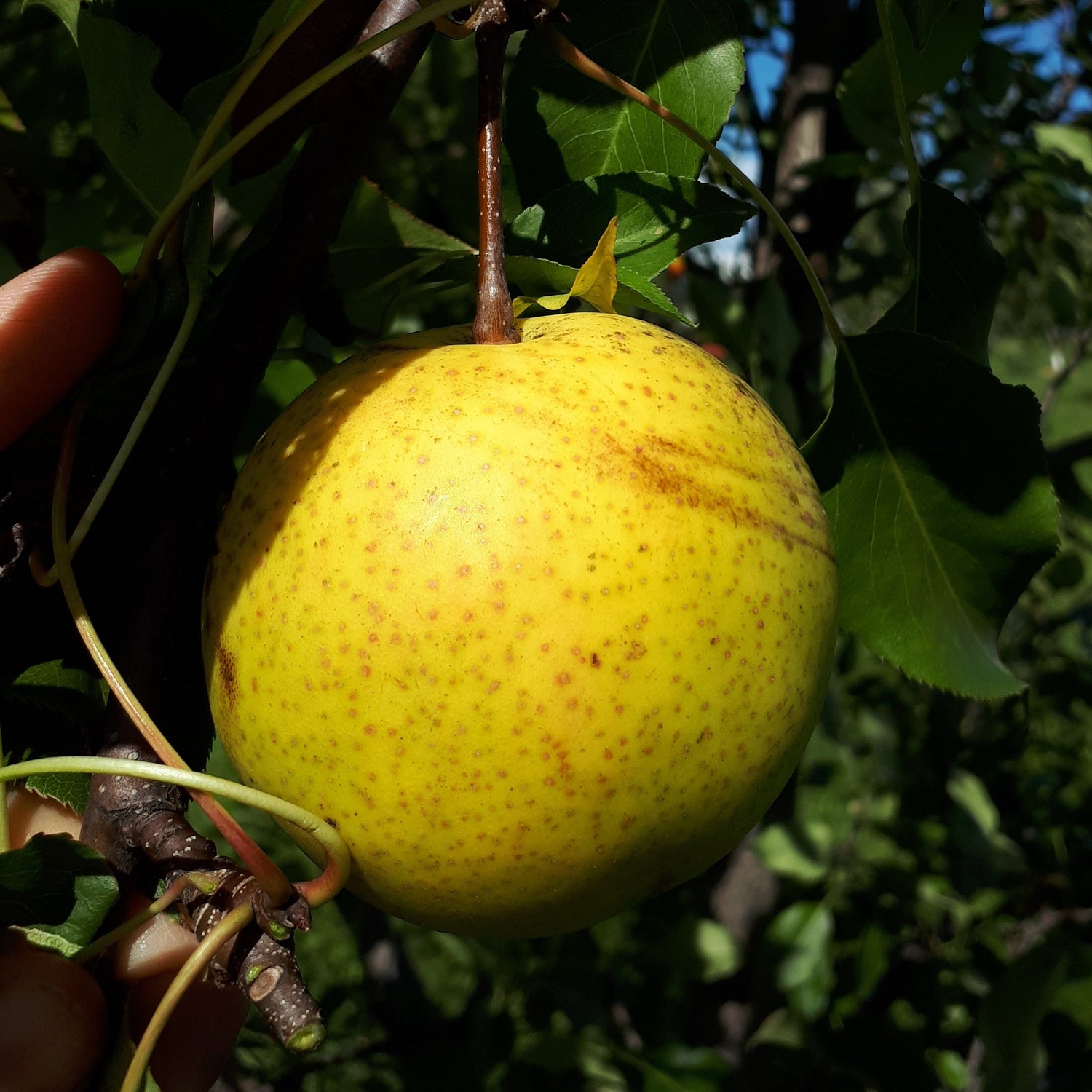
History: Ping Guo Li (translated from Mandarin as 'apple pear') was developed by Jilin Sheng in China and likely named for its round, apple-like shape. While its exact age is unknown, this pear is considered to be an old variety.
Why We Grow It: This Asian pear is nothing but sweet and juicy melting goodness! Its sweet flavour and soft texture are comparable to that of a European pear. So far it has performed very well in our test orchard and displays good cold-hardiness.

History: The St. Lawrence apple was discovered in the Montreal area as a seedling of a Snow apple, the most popular variety in Quebec at the time. By 1835, these apples were commonly grown in the area where they were popular for fresh eating and cooking but have since faded into obscurity.
Why We Grow It: Although less popular now, these apples are still good for eating and baking. The boldly striped red skin also makes the fruit very attractive. The tree bears good crops each year and is relatively hardy.


History: Bulmer's Norman was imported from Normandy, France to England in the early 1900s by the cider making company H.P. Bulmer. This variety didn't even have a name when it arrived but quickly grew in popularity for use in making cider. This apple has since fallen out of the limelight and is primarily used for grafting other varieties onto its sturdy trunk.
Why We Grow It: Although less popular these days, this variety boasts vigorous growth, decent disease resistance, and a surprising tolerance for cold. This conical, green apple produces a bittersweet juice and is high in tannins.


A good grafting knife is an essential tool for anyone interested in grafting. They are quite sharp so they can cleanly slice through scionwood and rootstock, and have a single bevel which is preferred for grafting.
We offer the following options:
Victorinox Grafting Knife (Right- or Left-Handed) - Made of stainless steel, this grafting knife is a good quality, economical, lightweight knife for beginners and casual users. Available in red (left-handed) or green (right0handed).
Victorinox Grafting and Budding Knife with Brass Bark Lifter (Right-Handed) - This stainless steel knife is designed for grafting and budding. It features a uniquely shaped stainless steel blade with a bark lifter along with a separate brass bark lifter.
NO LONGER AVAILABLE - Victorinox Grafting and Budding Knife (Right-Handed) - This stainless steel knife is designed for grafting and budding. It features a flat-tipped stainless steel blade with a bark lifter.
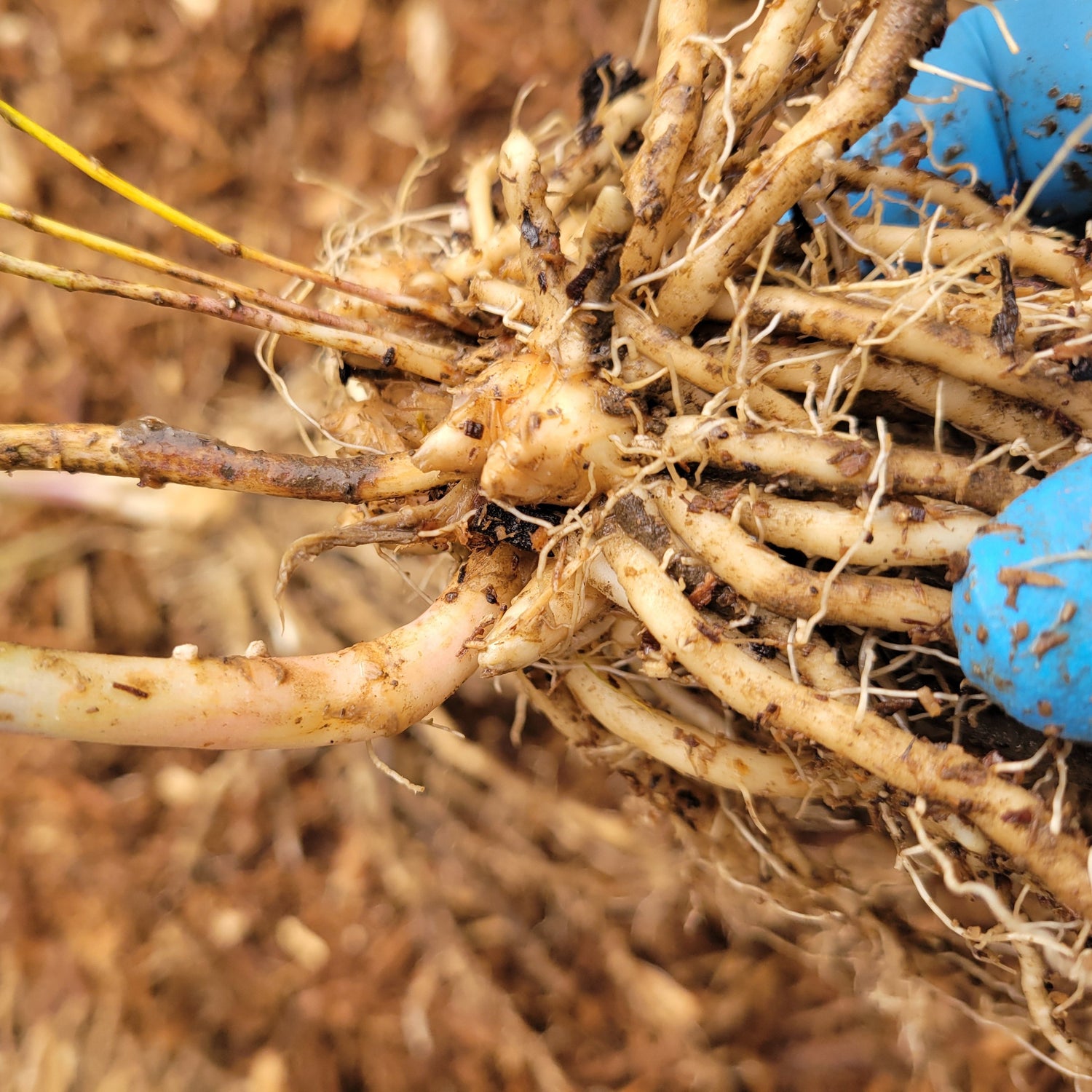
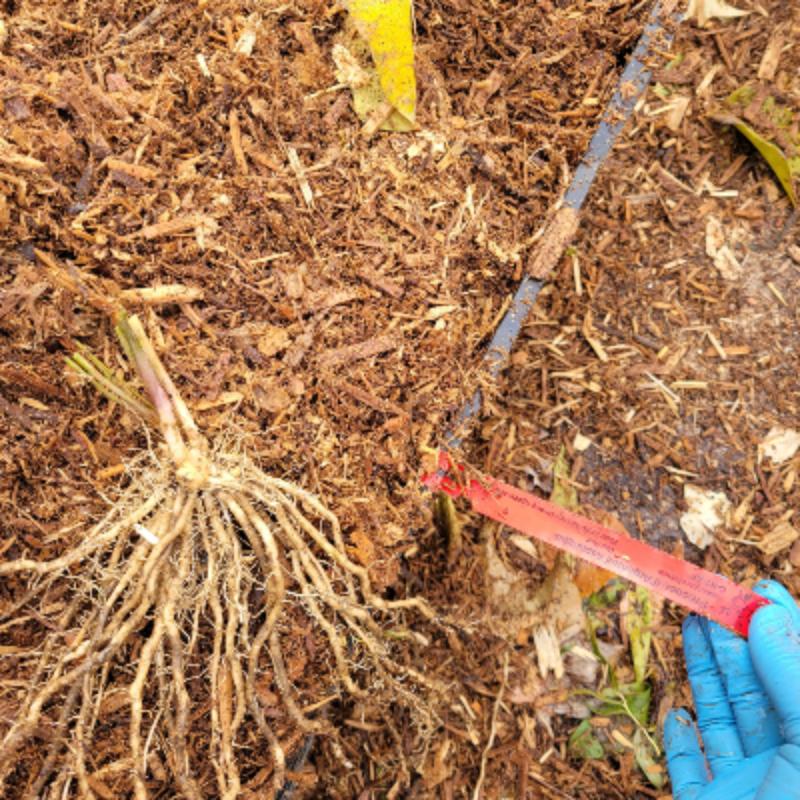
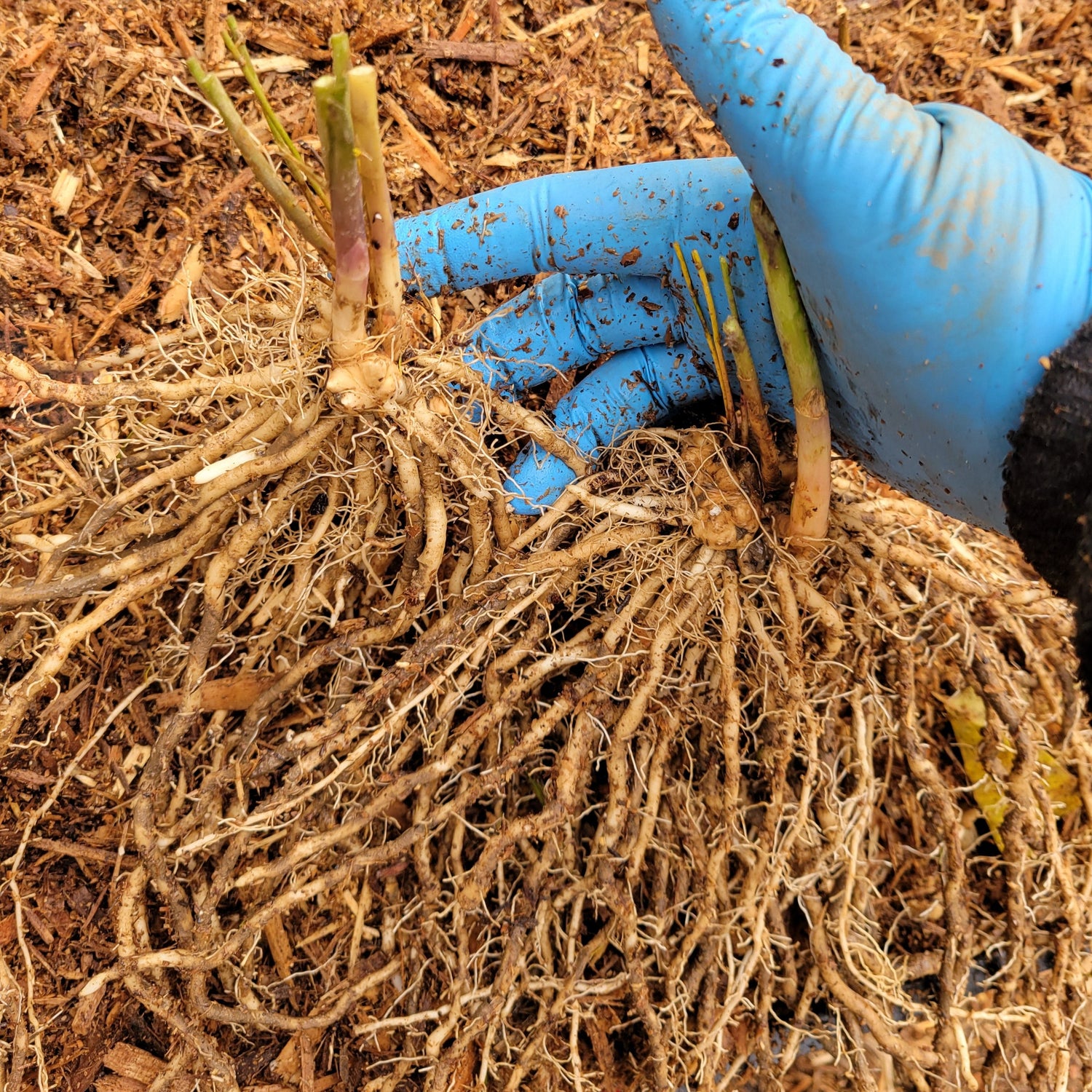
Species: Asparagus officinalis
History: The parent of these seedlings, Precoce d'Argenteuil (translated from French as 'early Argenteuil'), is an heirloom French variety that has been grown since either the 1700s or 1800s depending on the source. It was first listed in 1885 and is a selection from the Giant Dutch Purple variety of asparagus, along with the middle and late Argenteuil varieties which were all likely named after the commune in Paris. It is still commonly used in French dishes to this day. The variety is also sometimes called White Gold if grown without exposure to light, causing the plants to remain white. These seedlings may vary from their parents but should bear similar traits!
Why We Grow It: We love offering seedlings as a way to add some diversity to the plants being grown! The parent variety Precoce d'Argenteuil may not be as productive as modern varieties, but its excellent flavour more than makes up for it! Living up to its name, this variety produces thick shoots quite early in the season as well.
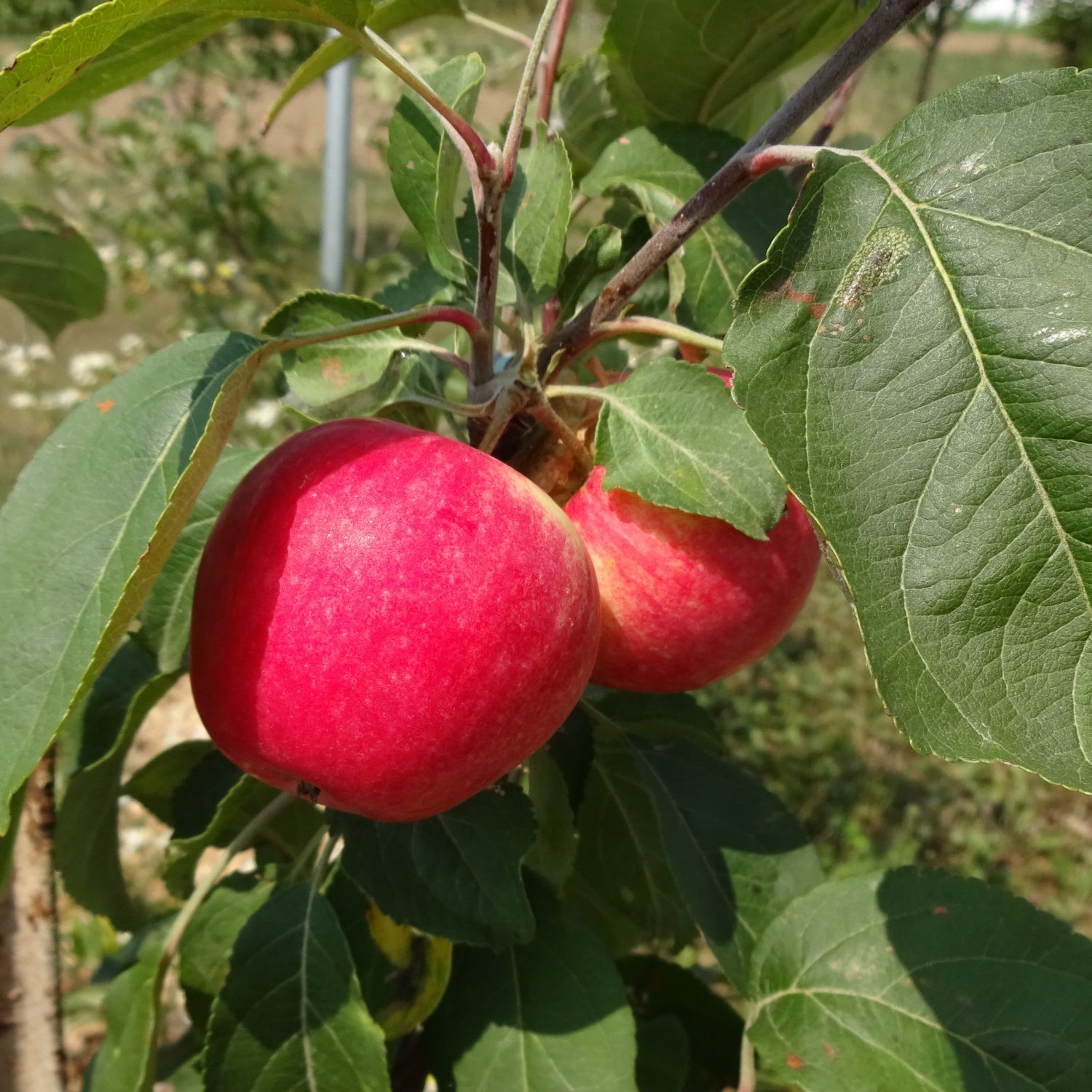
History: Norland apples were created by Dr. C.R. Ure and introduced in 1979 by the Agriculture Canada Research Station in Morden, Manitoba.
Why We Grow It: Since this variety was bred to survive in the prairies, it is very cold hardy. The fruit is medium-sized with sweet flesh that is good for fresh eating or applesauce. It bears heavy annual crops starting early in the life of the tree. A home orchardist in Dacre, ON described the fruit as "lovely with no pest damage; juicy, creamy-fleshed with excellent flavour."

Unsulphured blackstrap molasses are a great way of getting some much-needed nutrients to your trees in a more natural way, generally being considered high in iron, calcium, and magnesium. It is also a key ingredient in our Holistic Spray if you are using effective microbes.
Please note the molasses we carry is not food grade.
Contents: Organic, unsulphured, pasteurized, non-GMO blackstrap molasses
Size: 945mL bottle
Application:
-
Root Drench - 1tsp per 1L of water during vegetative state every 7-14 days
- Root Drench During Bloom - 2tsp per 1L of water every 7-14 days
- Foliar - 1/4tsp of water per 1L of water every 14 days
Soil: Any

Shopping for someone else but not sure what to give them?
Give them the gift of a sustainable future with a Silver Creek Nursery gift card!
Recipients may choose from any of the products listed on our website, including a wide range of edible plants. Would they like cherry trees? Perhaps they are looking for apple rootstock? Maybe they want to try a fruit tree grafting course? We have you covered!
Gift cards are delivered by email and contain instructions to redeem them at checkout.
Our gift cards have no additional processing fees.
A printable PDF is available HERE if you want to give the recipient a physical gift!
PLEASE NOTE: The printable PDF does not count as a gift certificate, you will need to pass the code on to the recipient. We will not accept the printable page as payment unless the recipient also provides the sixteen-digit gift card code.


History: Also known as Albemarle Pippin. This apple was discovered as a chance seedling (aka a pippin) in the village of Newtown in New York sometime in the late 1600s or early 1700s. It was commonly grown in colonial America, even earning praise from both George Washington and Thomas Jefferson. In 1838, the American minister to Great Britain gave some to Queen Victoria who loved the apples so much she removed tariffs on the variety and they became an important export until the tariffs were reinstated during WW2.
Why We Grow It: Newtown Pippin's popularity can be ascribed to its unique ‘rich pineapple flavour’ which it develops under optimum growing conditions. So far it has been performing well in our test orchard with good vigour and we have had no issues with diseases despite the tree's general susceptibility.
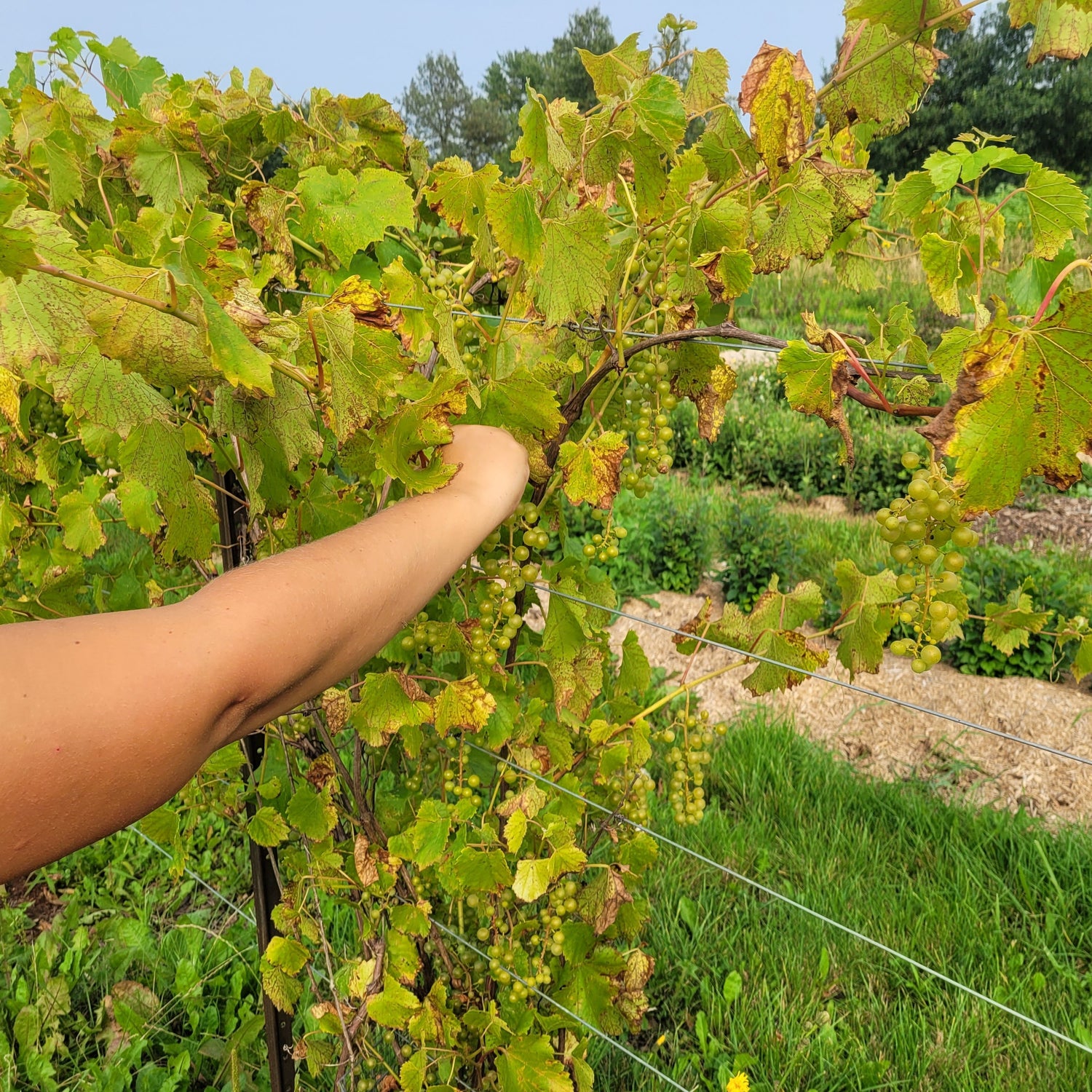
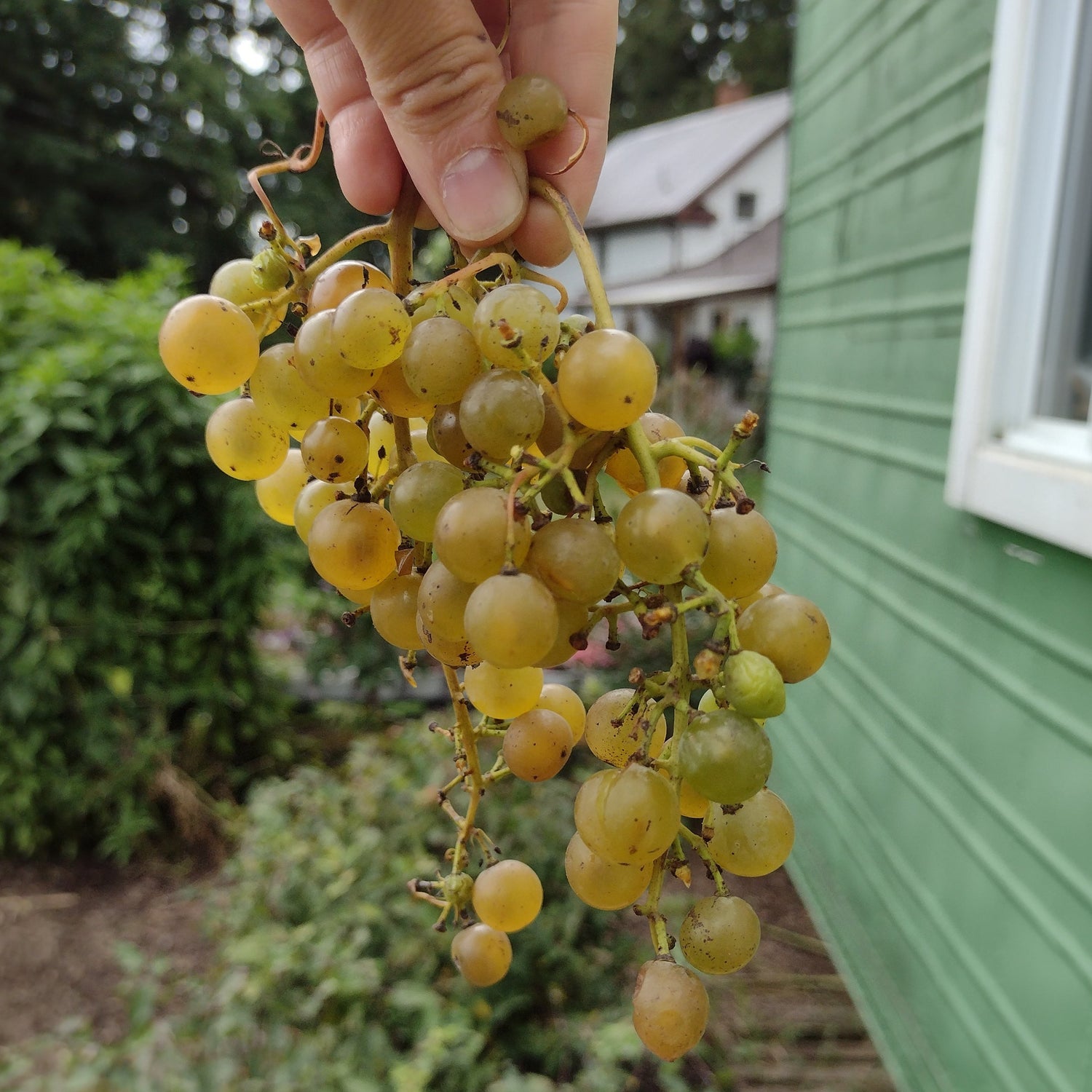
Species: Vitis vinifera x V. rupestris x V. ripraria x V. labrusca
History: Osceola Muscat/ES.8-2-43 was bred by renowned grape breeder Elmer Swenson as part of his effort to mix French and North American grapes to create high-quality varieties that grow well in cooler climates. Osceola Muscat is a cross between four different species: Common grape (Vitis vinifera), Vitis rupestris, Riverbank grape (Vitis riparia) and Fox grape (Vitis labrusca). Swenson bred it on his farm near Osceola, Wisconsin and in 2010 the variety was named after the town. The grape's alternate name, Muscat de Swenson, is named after Swenson himself who passed away in 2004.
Why We Grow It: Osceola Muscat produces loose clusters of seeded, intensely aromatic grapes with notes of peach and apricot. The small-medium, thin skinned fruit is suitable for fresh eating or juice and wine. This is one of the hardiest 'muscat' varieties available and is relatively vigorous.

History: Idared apples were developed at the University of Idaho Agricultural Experiment Station in 1942. Although its flavour is generally considered average, its excellent storage qualities have made it one of the most popular apple varieties in North America.
Why We Grow It: Idared's best quality is its ability to easily last six months when stored in a fridge, potentially until June under optimal storage conditions. The flesh tends to be softer and is white with some tinges of green. The flavour is described as sprightly, moderately acidic, and tangy, and this apple boasts a high Vitamin C content. It is great for baking and making applesauce. The tree's naturally somewhat smaller size makes Idared easier to prune and train.