In-Stock Inventory

In-Stock Inventory
Make your selections faster and easier by shopping "In-Stock" items only.
We offer flat rate shipping across Canada for our bareroot trees!
308 products
Sort by:
308 products
308 products

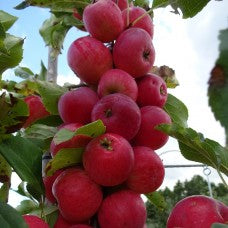
History: Kerr is an applecrab (cross between crabapple and apple) with Dolgo and Haralson parentage. It was developed at the Morden Research Station in Manitoba in the 1950s and named after plant breeder and ecologist William Les Kerr who was working at the station at the time.
Why We Grow It: The fruit is a pleasant dark red and unlike true crabapples, has a pleasantly sweet and tart flavour that makes it good for fresh eating. Although small, the fruit stores well and are quite juicy which makes them good for pressing. The juice does well when added to cider blends.

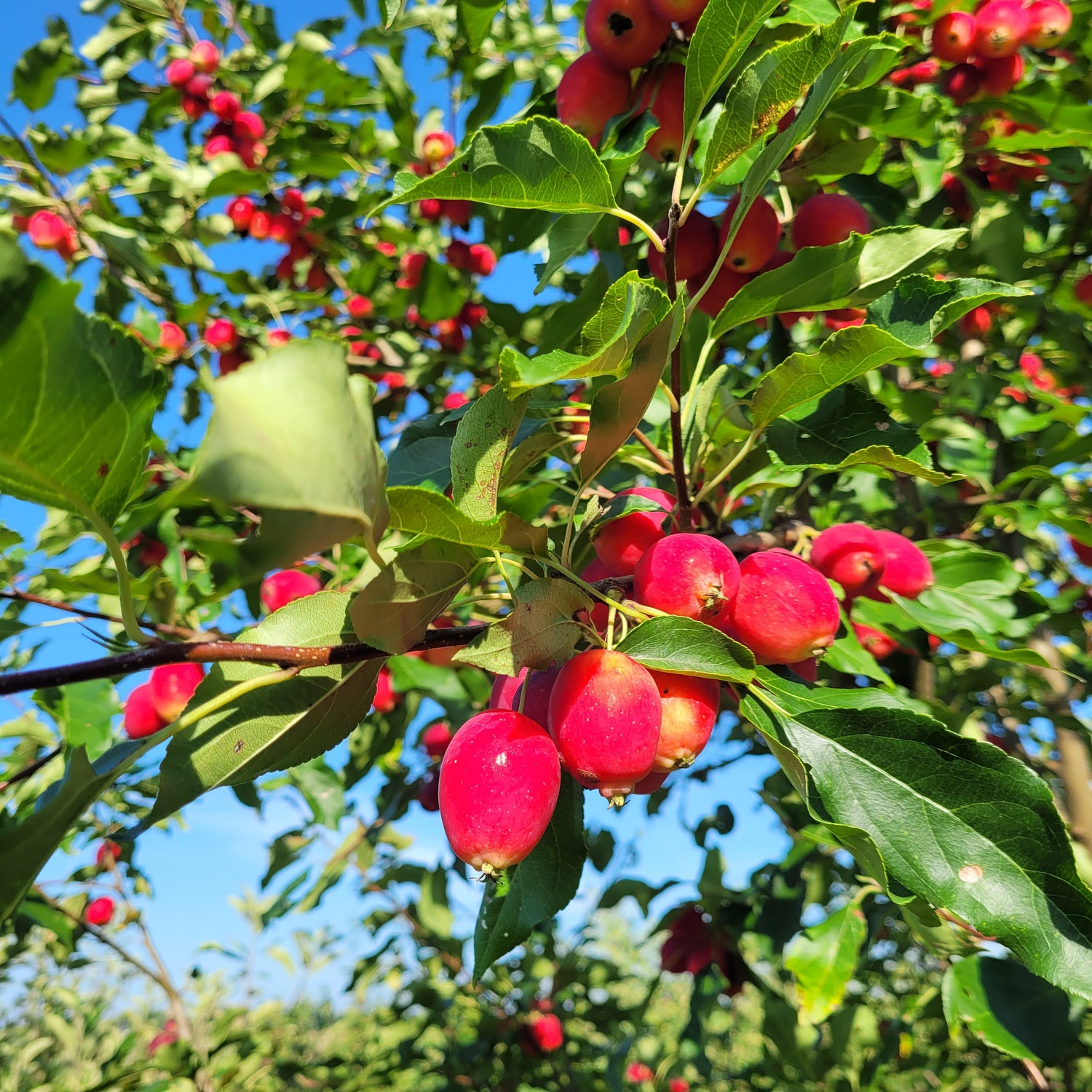
History: Dolgo is a variety of Siberian crabapple (Malus baccata) that originated in Russia. Due to the slightly elongated shape of the fruit, this variety was named 'dolgo' which means 'long' in Russian. They were brought to the United States by N. E. Hansen around 1897.
Why We Grow It: Dolgo is a classic crabapple with a vibrant flavour, very tangy and delicious right off the tree in the heat of summer- as refreshing as lemonade! The bright red fruits are about the size of small plums. These apples are excellent for making jelly or as a unique addition to a cider blend. Along with being exceptionally cold hardy, the trees themselves are quite pretty and are often planted ornamentally.
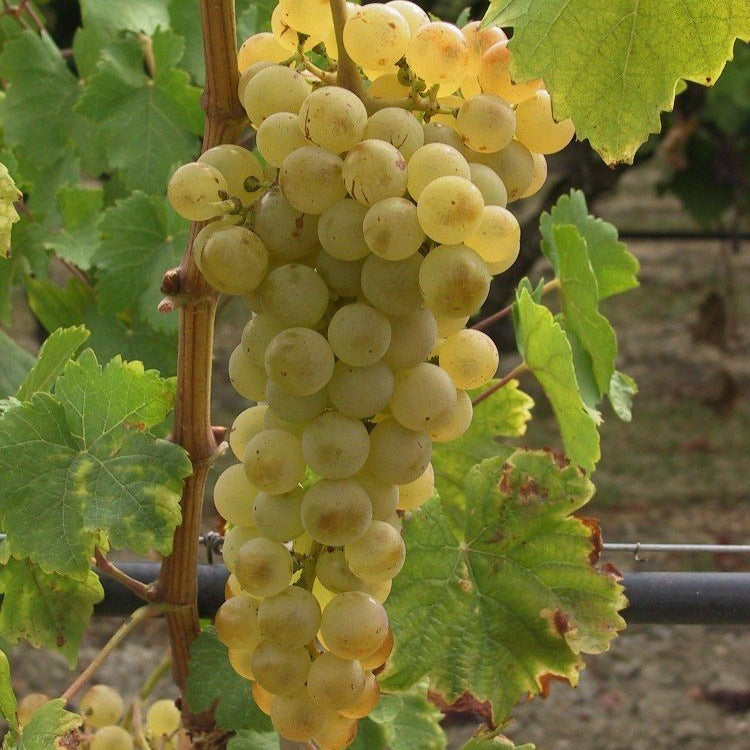
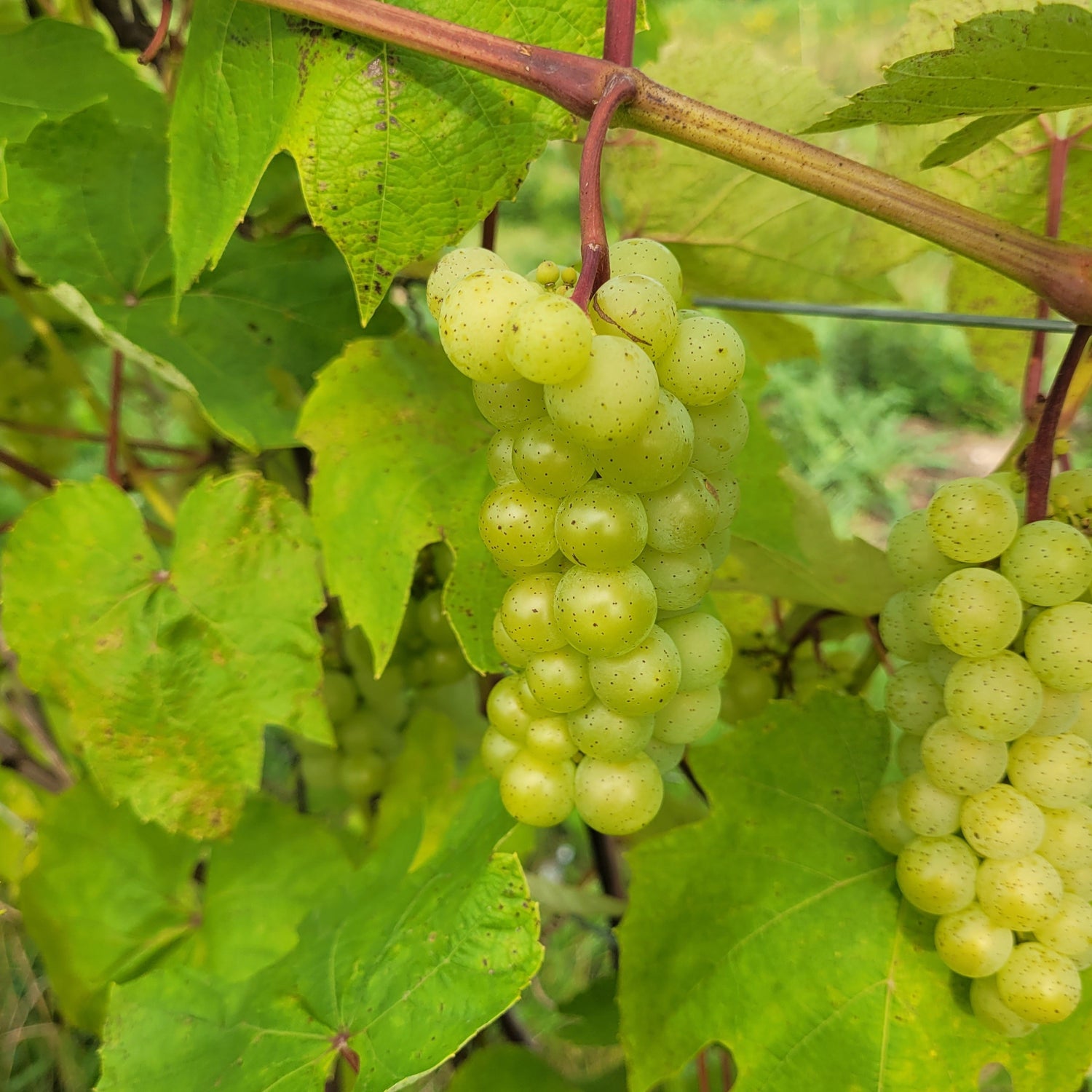
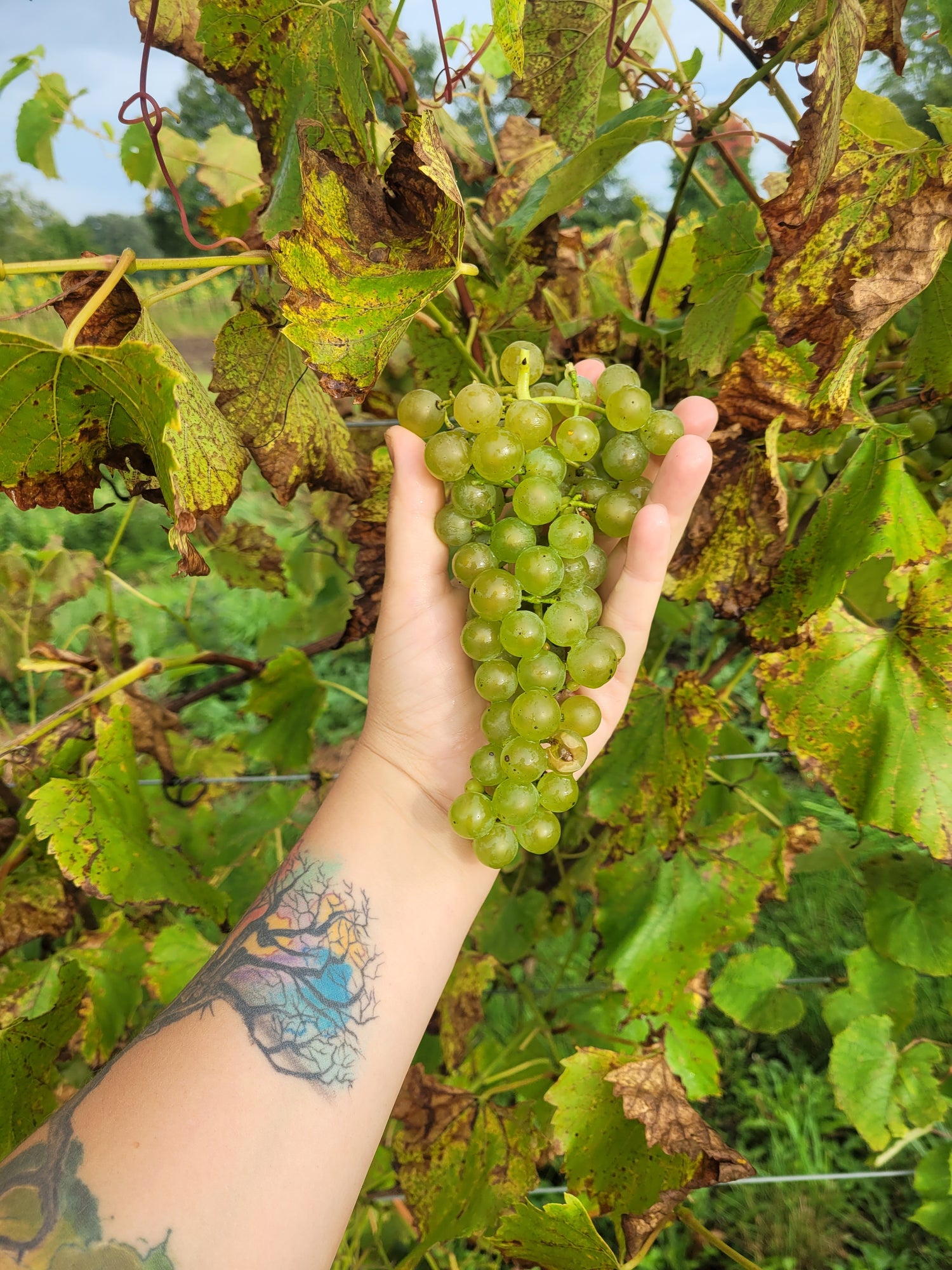
Species: Vitis riparia x Vitis labrusca
History: Brianna was bred by renowned grape breeder Elmer Swenson as a cross between Riverbank grape (V. riparia) and Fox grape (V. labrusca) as part of his effort to create high-quality grapes that were cold hardy enough to be grown in the cooler parts of North America. Brianna was first bred in 1983 on Swenson's farm in Wisconsin and released in 2001. It was named by Ed Swanson who was planning on naming it Brian due to its vigour but chose Brianna instead, believing the feminine name was more fitting for white wine.
Why We Grow It: Brianna is a seeded green grape with an excellent complex fruity flavour that has hints of grapefruit and pineapple. The medium-large green fruit is suitable for fresh eating or making wine or juice. This variety boasts good disease resistance, vigorous growth, and begins producing fruit at a young age.
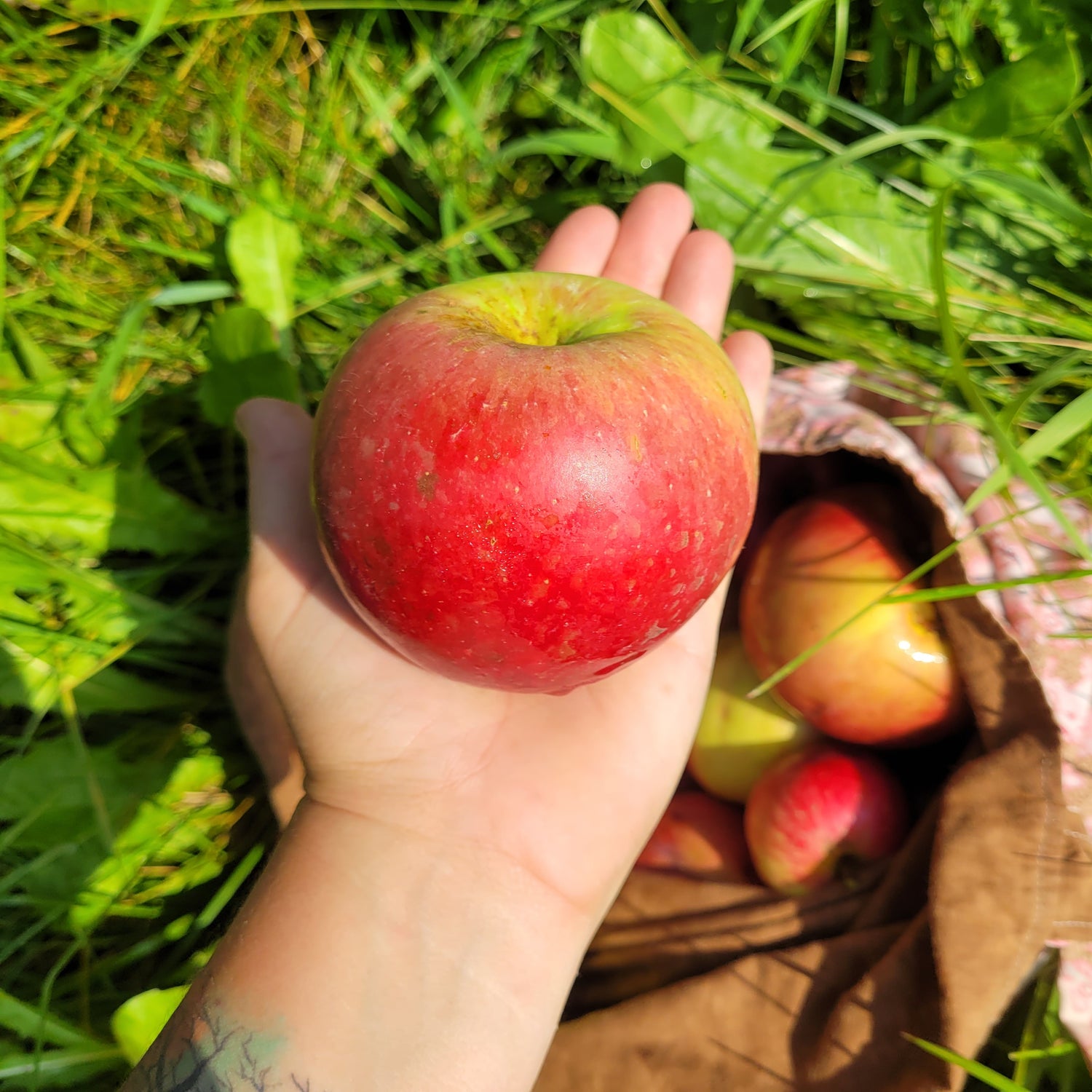
History: Wealthy apples were created by horticulturalist Peter Gideon after spending years trying to breed an apple variety that could survive Minnesota's harsh winters. With the very last of his money, he purchased seeds and scions in 1868 in one final attempt and was able to produce the Wealthy apple which he named after his wife, Wealthy Gideon. He gave scions away freely and Wealthy became one of the top five apples grown in the US.
Why We Grow It: A medium to large sized apple, Wealthy makes splendid applesauce, but is also very good for fresh eating with a balanced sweet-tart crunch. The tree is scab resistant and cold hardy, makes an excellent pollinator for other apples, and is well-suited for organic orchards.
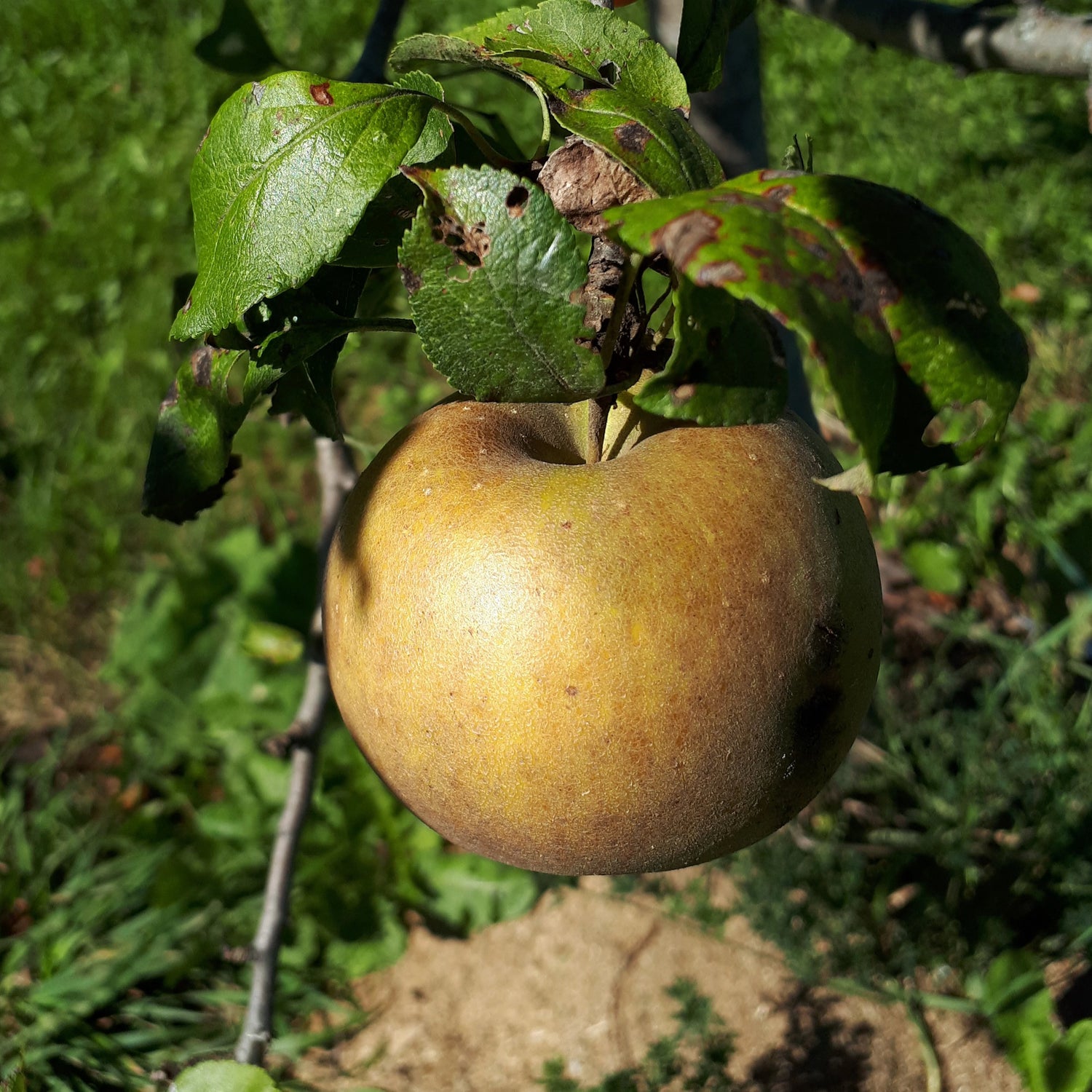


History: Egremont Russet first emerged in Britain in the early 1870s and has remained popular ever since. Even today, it is the third most common apple grown commercially in England.
Why We Grow It: Although the russet, a thick rough skin, coating this apple can be an acquired taste, there is a reason this apple has remained so popular. The fruit itself is an attractive gold dotted with yellow and it has an excellent sweet, nutty flavour. They are delicious fresh, when used for cooking, and in ciders. The trees are known for producing good, regular crops.
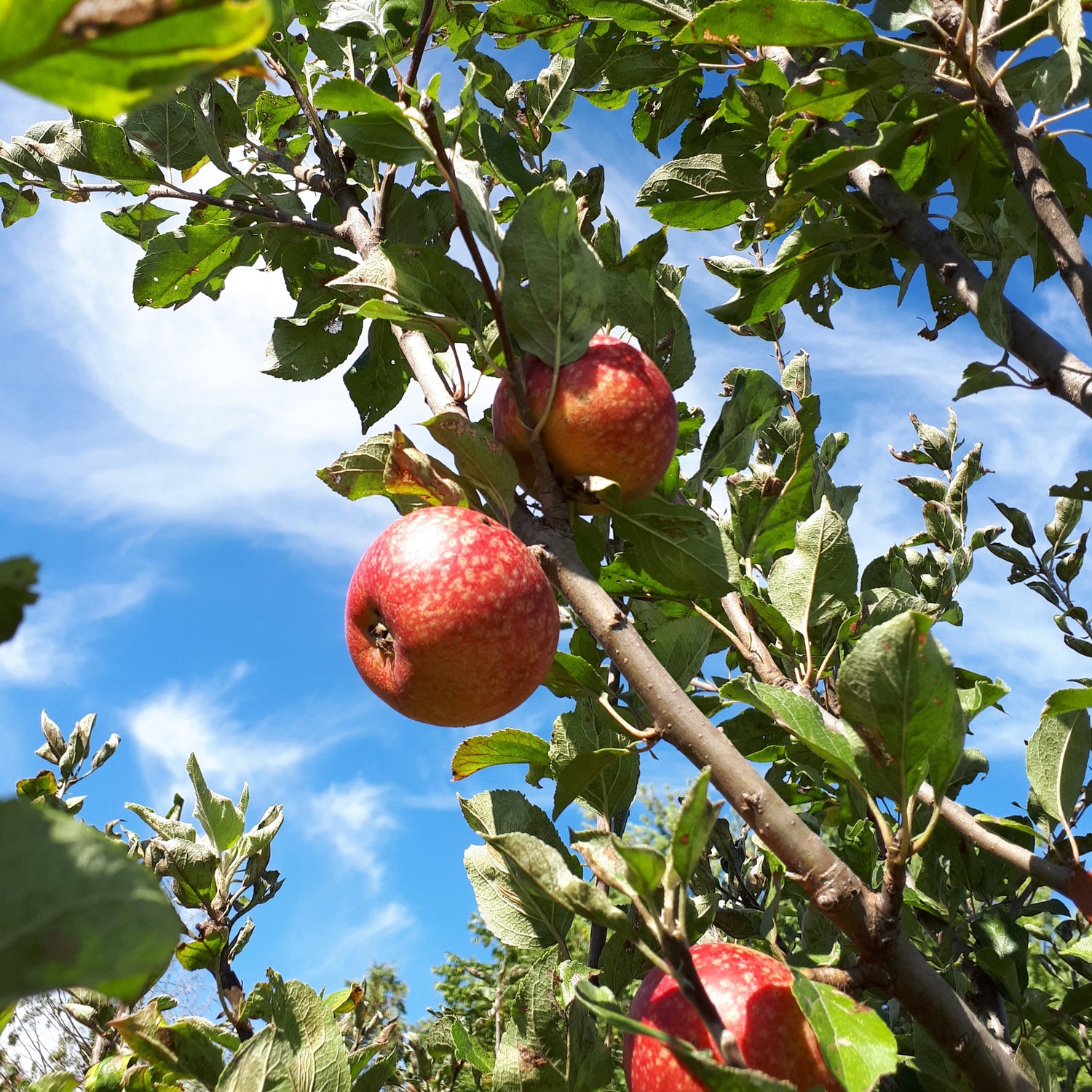
History: Porter's Perfection originated in Somerset in the UK some time in the 1800s. It became extremely popular in England although its popularity began to wane following the 1910s. It is still grown today but not as commonly as it once was. It shows promising results in the North American climate, unlike some other European cider cultivars.
Why We Grow It: This English cider apple produces a medium bittersharp cider. It has done well in different studies in Ontario with the Vineland Research Station with regards to juice composition, disease resistance and overall performance. The tree is a heavy cropper and grows vigorously.
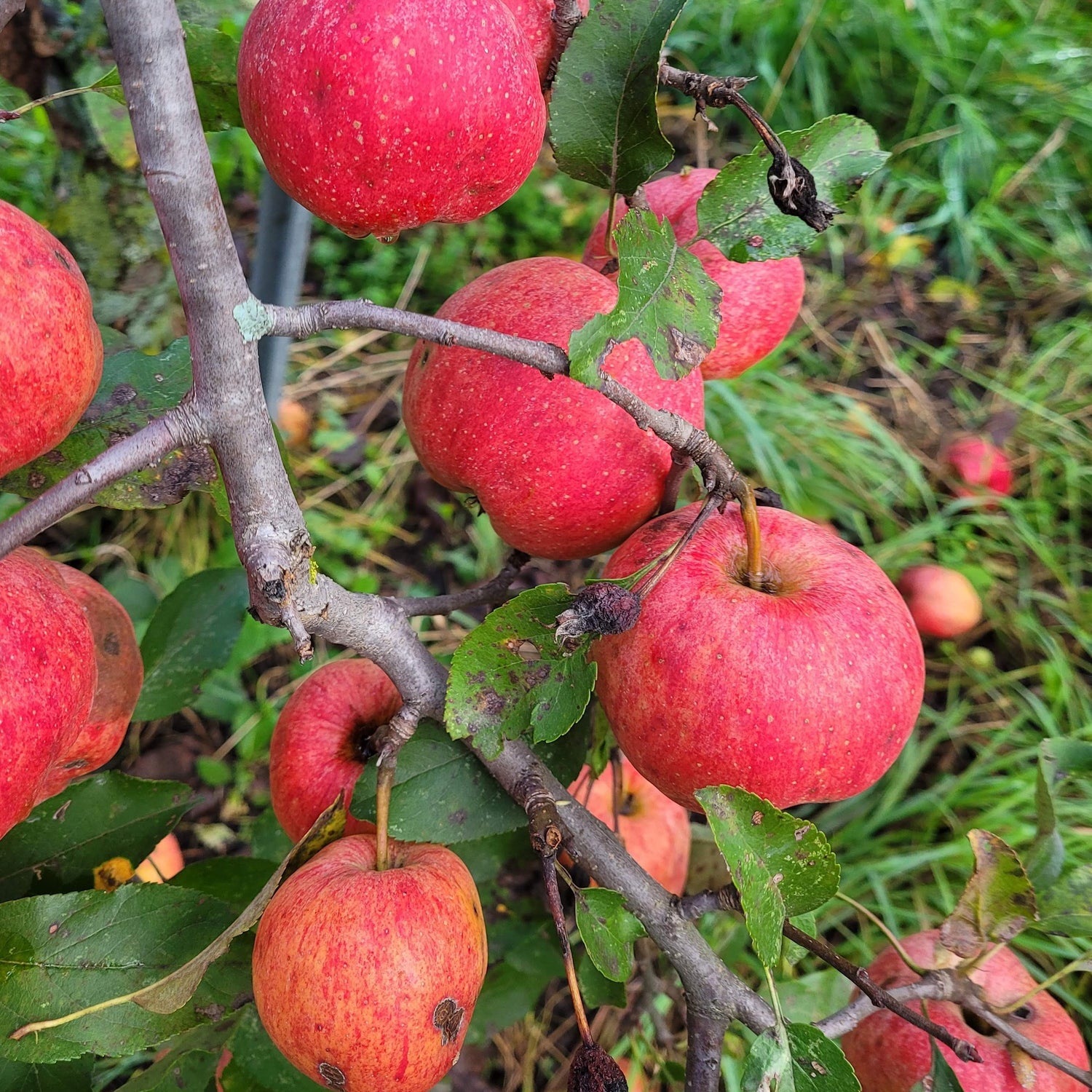
History: Gala apples are one of several varieties created by J.H. Kidd in New Zealand as part of his project to cross Cox's Orange Pippin with American varieties in the 1930s. He definitely succeeded with the Gala apple which has since become one of the most popular apple varieties worldwide and a mainstay in grocery stores.
Why We Grow It: This apple earned its popularity with its amazing flavour, especially when eaten fresh off the tree. Although many sports with a deeper red colour have been introduced and marketed as Gala, they often come at a compromise to flavour so we offer you the original Gala with full sweet crunchiness.


History: Florina, aka Querina, was developed in France in the 1980s at the Station de Recherches d'Arboriculture Fruitiere. Despite being developed in France, its ancestry is made up of American varieties. Since its introduction it has become quite popular in continental Europe.
Why We Grow It: One of Steph and Mouse's favourites! Florina is a wonderful all-around apple for the backyard offering both rich flavour and easy care. The sweet, crisp fruits it produces are perfect right off the tree but also keep a few months. They are also great for organic production: resistant to scab, fireblight, mildew, and rosy apple aphid.
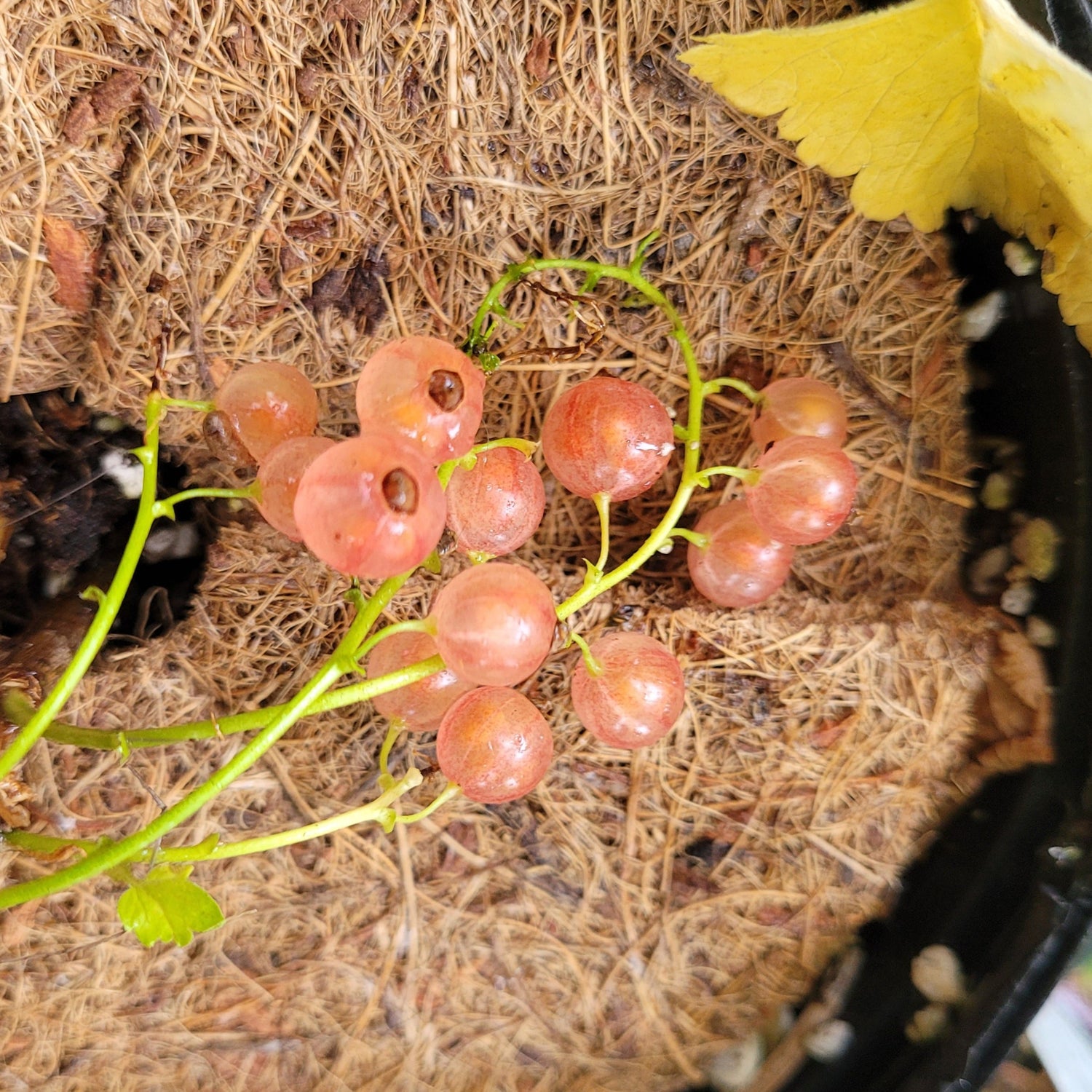
Species: Ribes rubrum
History: Pink Champagne currants are a cross between red and white currants. Although the exact origin is unclear, this variety was listed in the catalogue of William Prince's nursery in New York as early as the 1800s.
Why We Grow It: Considered to be one of the best fresh eating currants, Pink Champagne produces beautiful translucent pink berries that have a sweet, delicate flavour. They are easy to grow and produce numerous clusters of hanging, pink berries.
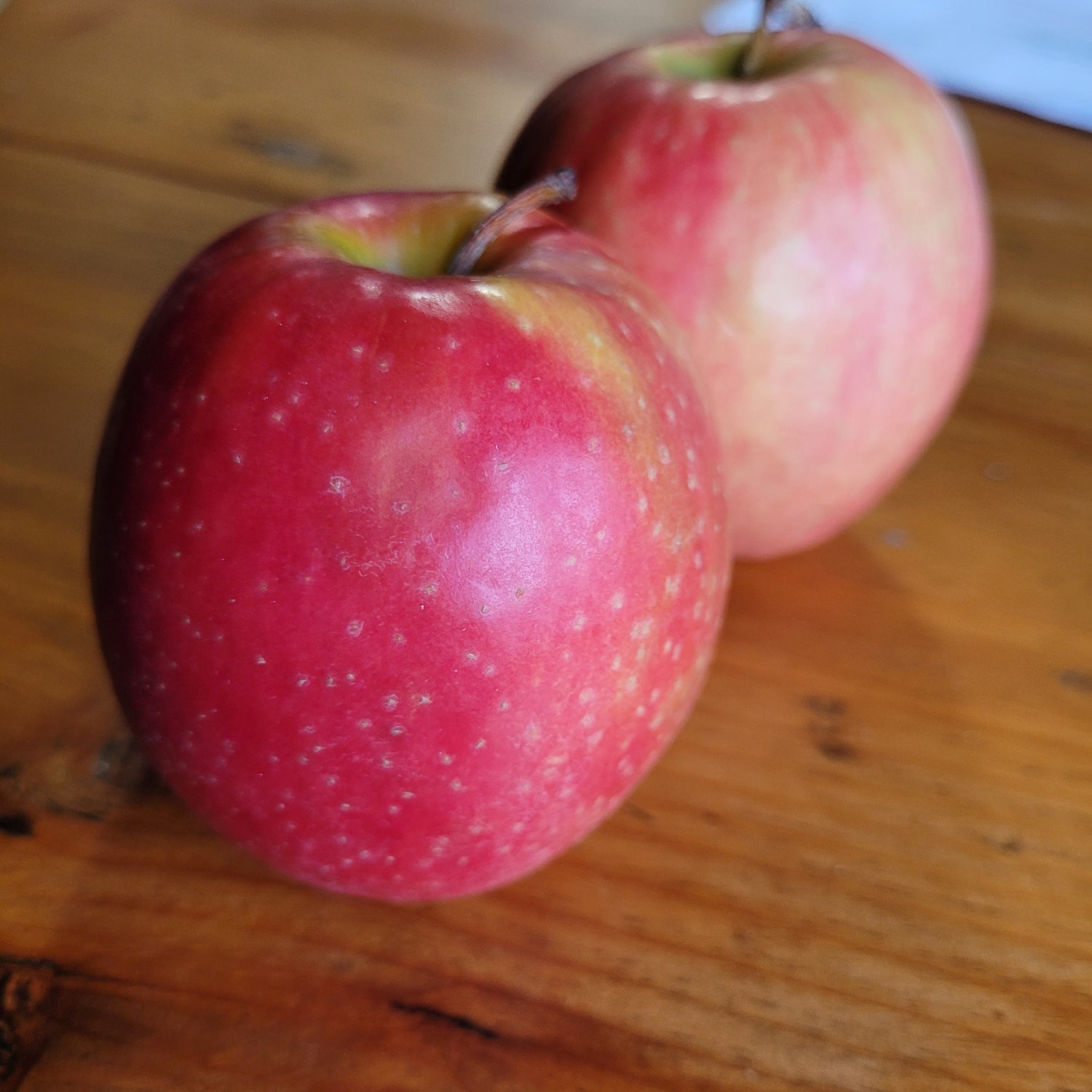
History: Cripps Pink was developed by John Cripps at the Western Australia Department of Agriculture in 1973 as a cross between Lady Williams (an Australian variety) and Golden Delicious. The successful result was introduced to the market in 1985. In just ten years, Cripps Pink became an extremely popular variety and over a million trees were planted in Australia alone. This variety remains popular in many countries around the world. This apple is also known as Pink Lady which is its brand name when the fruit meets very strict criteria for quality.
Why We Grow It: Cripps Pink has a refreshing honeyed sweet-tart flavour that makes it great for fresh eating, baking, and cider. The lovely fruit, yellow with a pinkish-red blush, is slow to brown and also stores exceptionally well.


History: Golden Delicious was discovered by chance on a family farm in West Virginia and sold in 1914 to the Stark Brothers Nurseries. It has since become one of the most popular apples in North America. Since 1972, Clay County, where the apple was found, has hosted an annual Golden Delicious Festival and in 1995 it was declared the state fruit of West Virginia. Golden Delicious is also the parent of many varieties, including prominent ones such as Ambrosia and Gala.
Why We Grow It: It is easy to see why this apple is so popular with its attractive golden yellow skin and sweet, crisp cream-coloured flesh. Golden Delicious is a favourite for fresh eating, sauce, and apple butter. On top of that, it is resistant to scab, powdery mildew, and fire blight.


Species: Celtis occidentalis
History: Hackberries can be found in parts of southern Canada and in the eastern and central United States. The berries produced by the tree are commonly eaten by winter birds and mammals like squirrels. Indigenous peoples traditionally eat the berries raw or use them in several dishes. Although they tolerate urban conditions well, they are relatively uncommon as street trees except in Sombor, Serbia, and Bratislava, Slovakia where they have been planted extensively.
Why We Grow It: These beautiful native trees resemble the American elm, but without the disease issues. Both birds and butterflies enjoy this tree. The sweet small fruit taste like dates with a large crunchy pit that can be eaten or discarded. Thanks to their unusually high levels of proteins, calories, and vitamins, they are a great food source. You can learn more about Hackberries as a food source via this blog post by Alan Bergo.


History: Little is known about the origin of this heritage apple, but Tolman Sweet has been highly valued since its discovery. It is uncertain whether it came from Massachusetts or New York in the 18th or 19th century but it was first recorded in 1822. This hardy tree was used as a source of rootstock at one time.
Why We Grow It: Tolman Sweet is a great all-purpose apple. The fruit are medium-sized with yellow skin, and have a distinctly sweet, dry flesh. They are nice for fresh eating but can also be used in baking, drying, and pickling. Their unusually low acid content helps to reduce acidity in both sweet and hard cider.
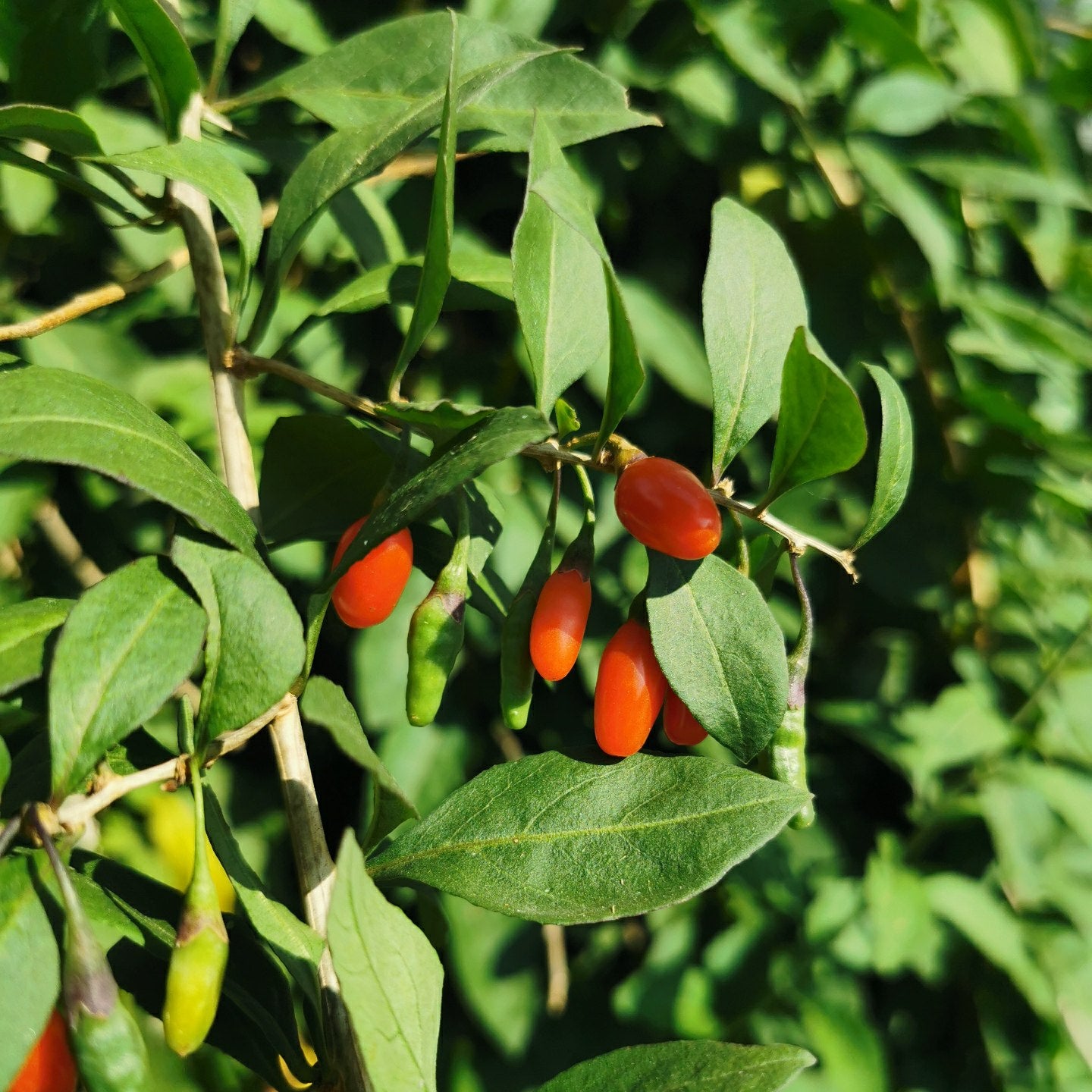
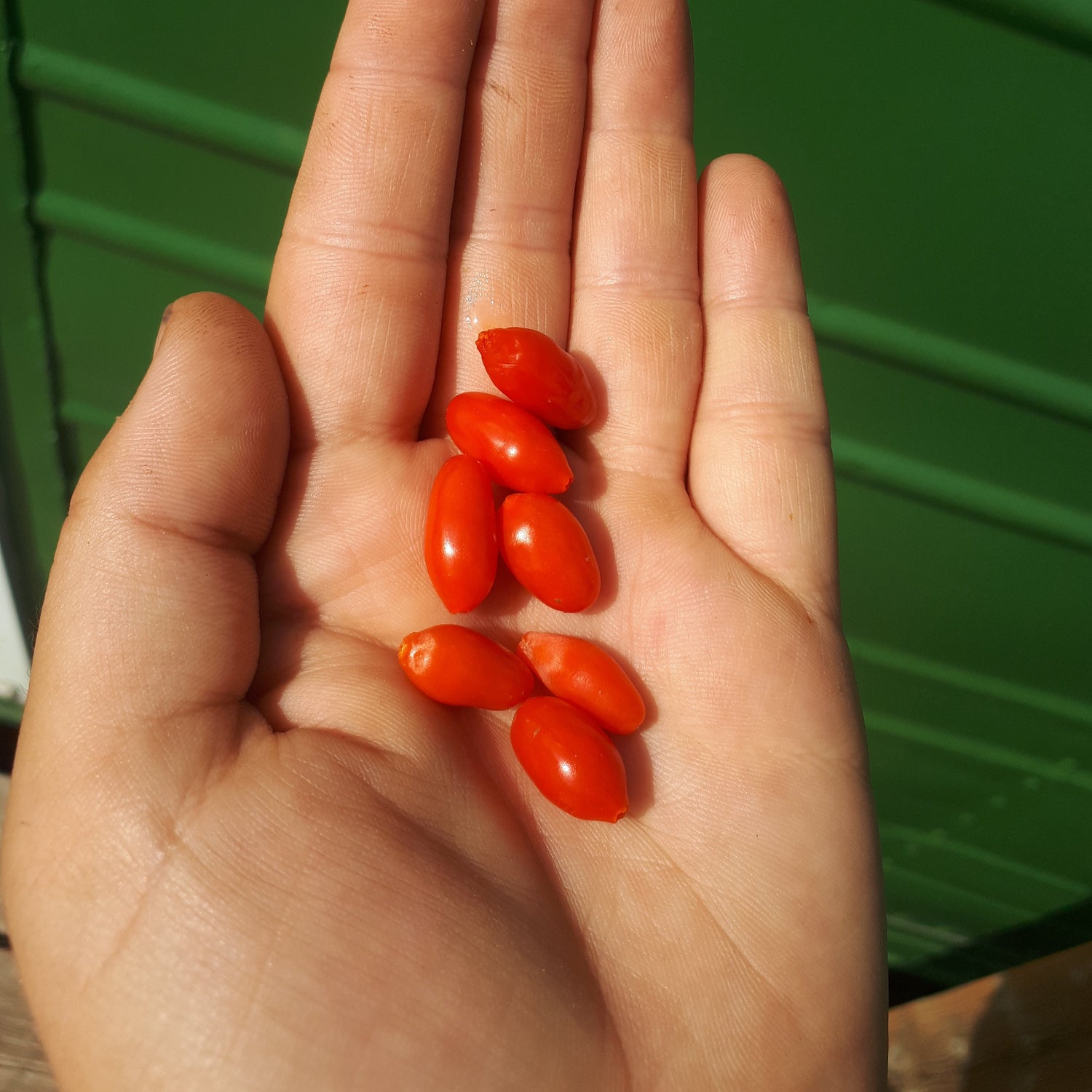
Species: Lycium barbarum
History: Goji berries are native to China where they are an important commercial crop. They spread to the UK in the 1700s where they have remained popular as hedgerows and have become increasingly common in North America due to the health benefits of the berries.
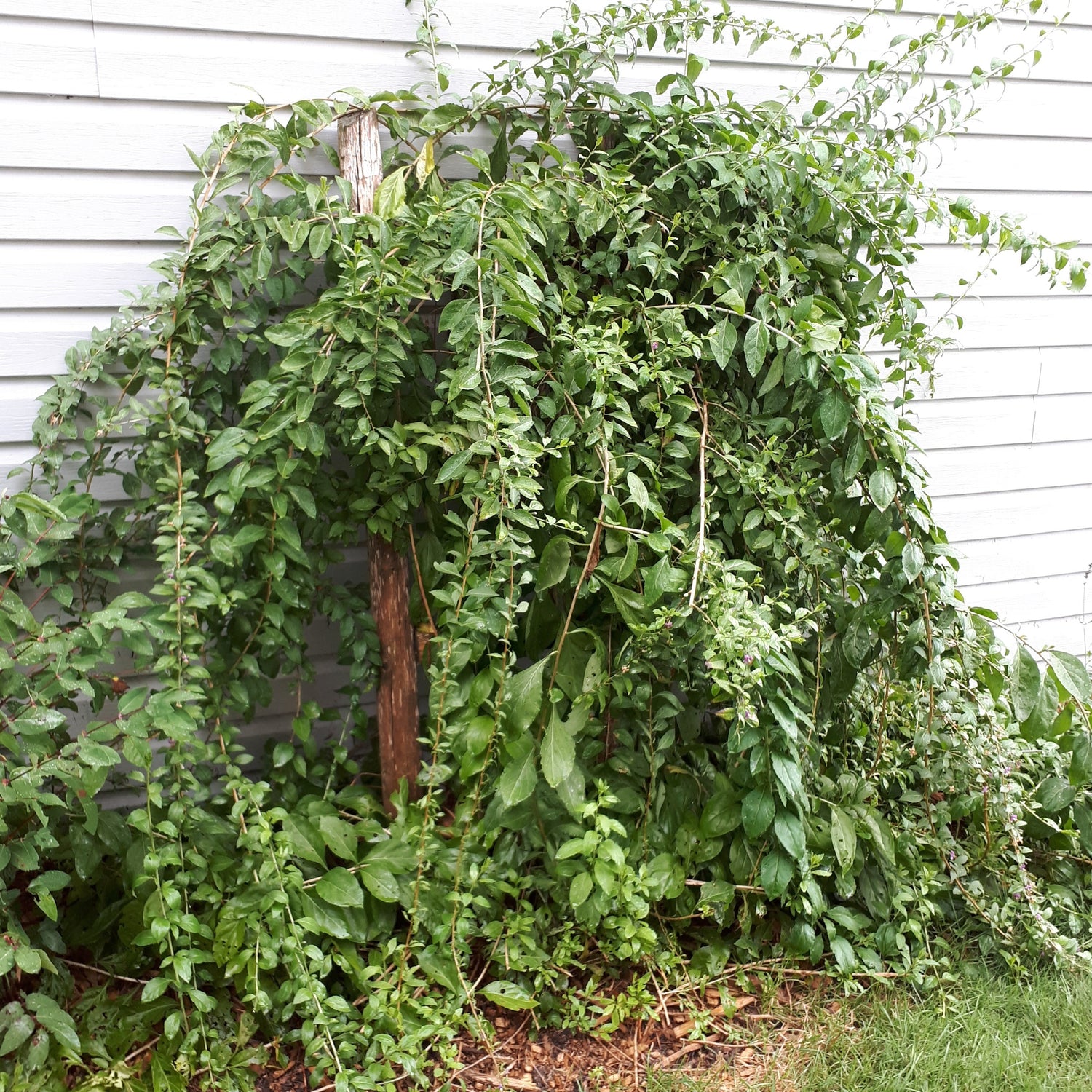
Why We Grow It: Goji berries a.k.a. wolf berries are well known in the health food industry for their high antioxidant levels. The plant grows prolifically, and must be trellised or grown against a wall due to it's weeping growth habit. The fruit itself is sweet, with a mild fruity flavour, however the seeds are a bit bitter and seem to sweeten after a mild frost later in the season. The fruit dries well, and makes for a unique tasting jam!


Species: Corylus heterophylla, C. americana, or C. heterophylla x C. americana
History: These hazelnut seedlings are grown from seed sourced from an open-pollinated, mixed hazelnut orchard at Grimo Nut Nursery. Since the orchard is open-pollinated, the resulting seedlings may be Asian hazelnuts, American hazelnuts, or hybrids of the two!
Why We Grow It: With such random cross-pollination, each seedling has the chance to be quite unique! Regardless of what you get, they will produce nuts that are excellent for a variety of uses!
Permanent Orchard Organization Made Simple
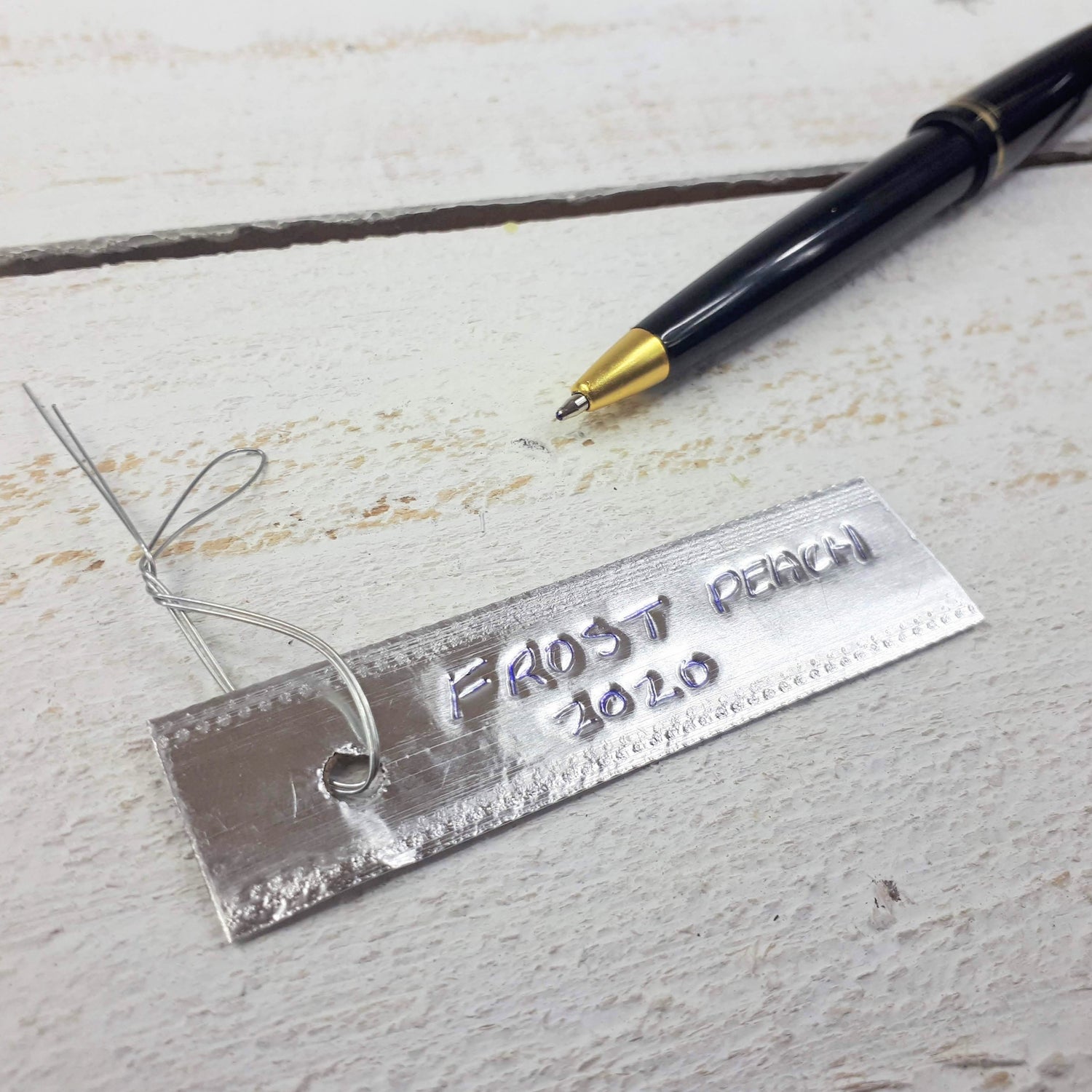
Keep your grafts, rootstocks, and fruit trees properly identified through every Canadian season with these durable aluminum tree labels. Whether you're managing a commercial orchard in BC or cultivating heritage apple varieties in your backyard, these professional-grade markers ensure you'll never lose track of your valuable plantings.
Built to Withstand Canadian Weather
- Rust-proof aluminum construction – survives harsh winters, spring thaws, and summer humidity without degrading
- Fade-resistant surface – your variety names, graft dates, and rootstock codes stay legible year after year
- Smear-proof writing – simply use any ballpoint pen or stylus to mark both sides; ink won't run or wash away
- Secure 23cm wire fastener included – attaches firmly to branches without damaging bark
Perfect for Serious Growers
Ideal for tracking multiple rootstock varieties, documenting graft success rates, organizing your nursery stock, and maintaining accurate orchard records. The 7.5 × 1.5 cm label surface provides ample space for variety names, dates, and notes.
What's included: 1 aluminum tree label with wire fastener
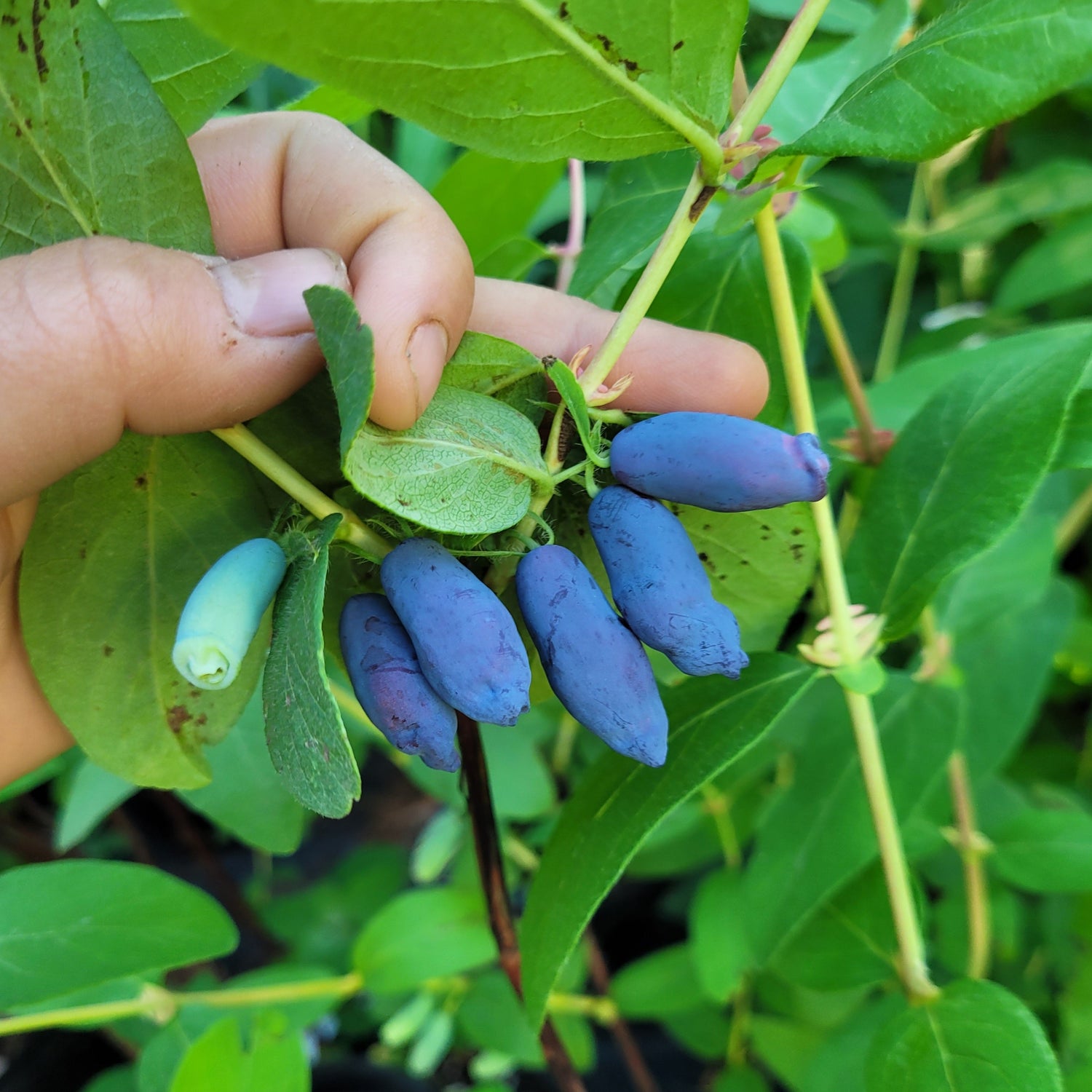
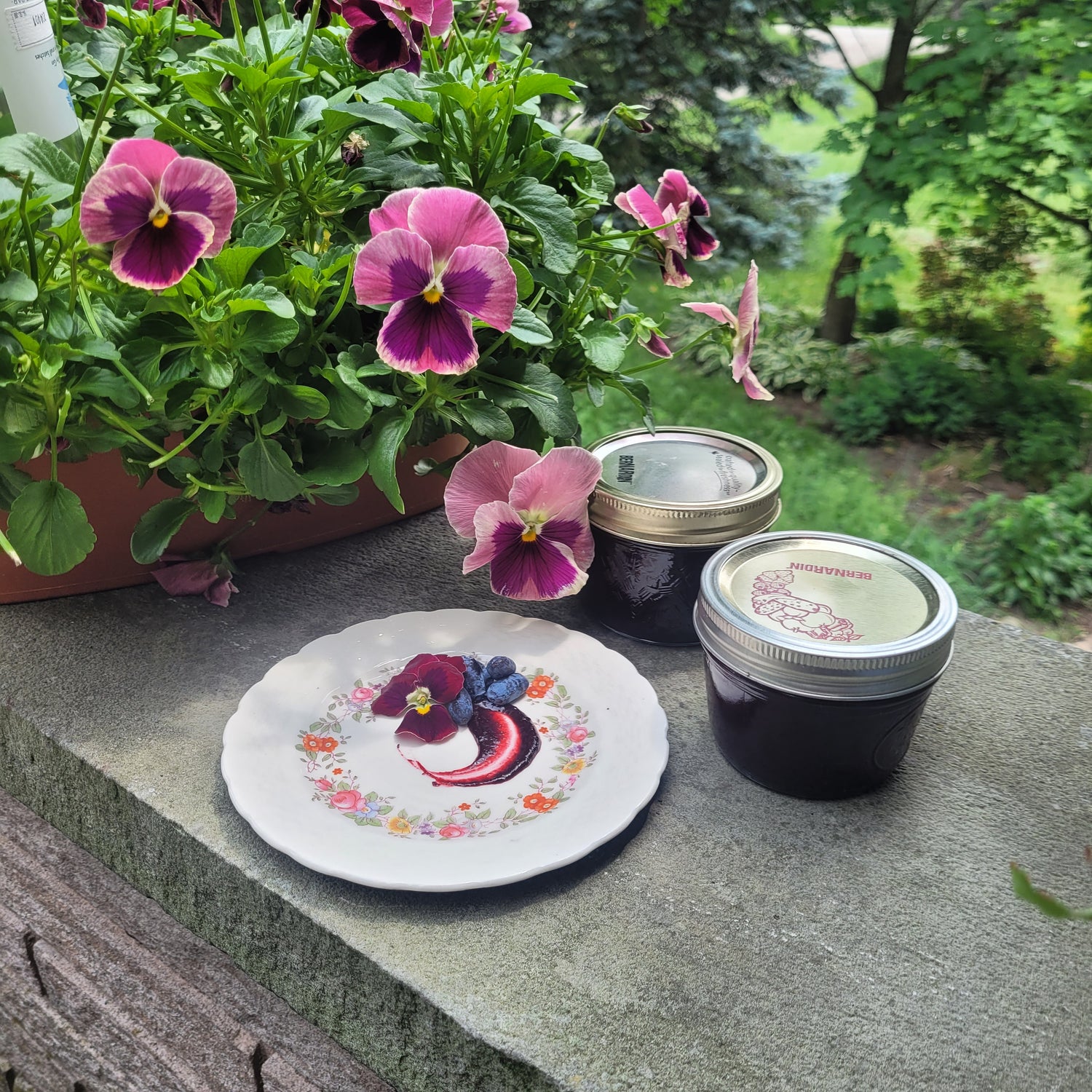
Species: Lonicera caerulea
History: Aurora haskap was developed at the University of Saskatchewan. After a decade of breeding and trials, it was released in 2012. It was originally selected as a pollinator for Borealis haskap but its superior flavour and greater productivity compared to other varieties quickly made it more popular.
Why We Grow It: A sweetly flavoured favourite! Aurora tastes like a cross between a raspberry and a blueberry, with a satisfying chewy texture. The deep blue fruit are 3 cm long and juicy. Allow to sit out a few days after picking for optimally sweet fruit.
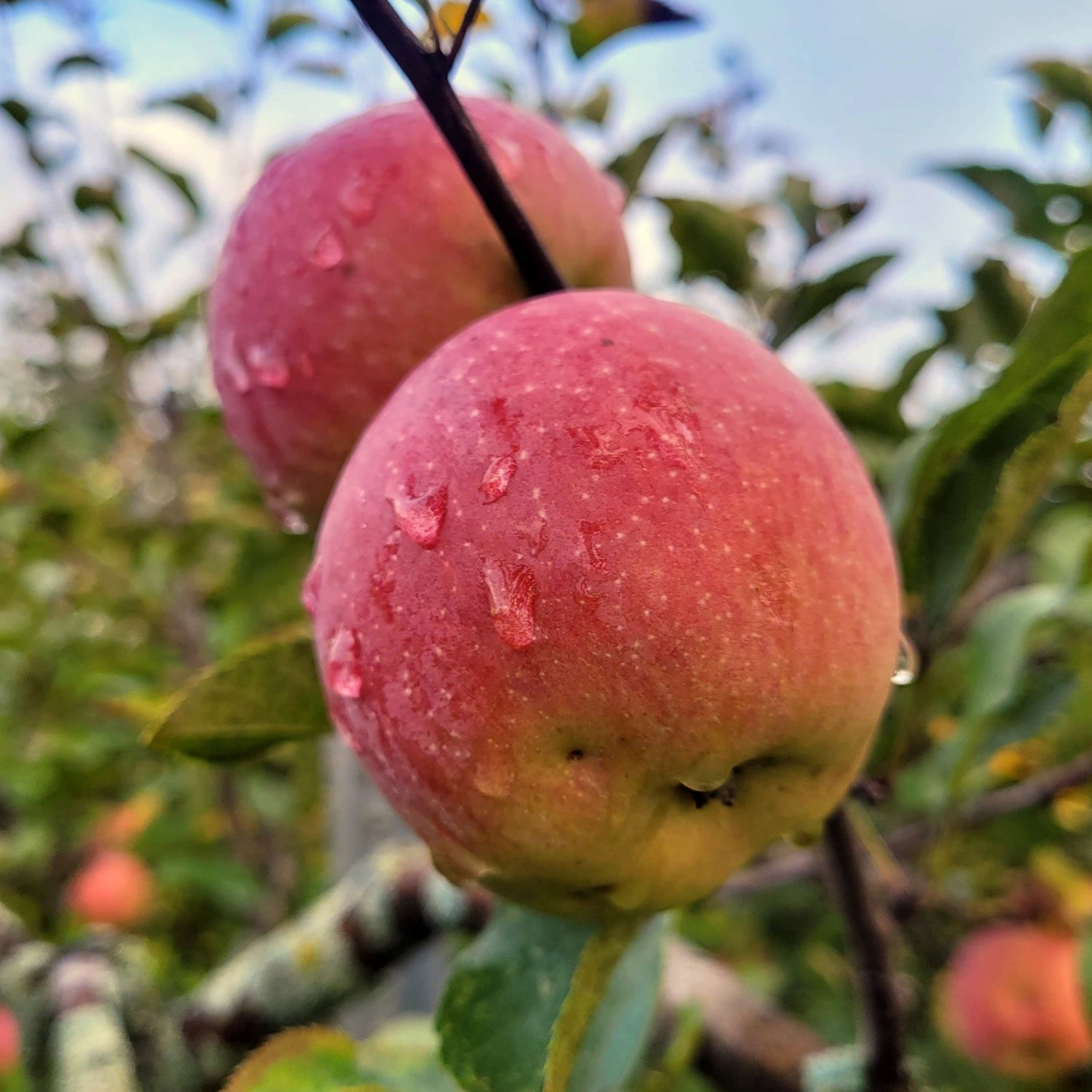
History: Fuji apples were developed at the Tohoku Research Station in Japan in the 1930s and released commercially in 1962. It was named after Fujisaki, the town where it was created. Despite being created in Japan, this apple is actually a mix of two American varieties. Its excellent flavour and attractive appearance has made it one of the most popular apples varieties in the world. It is commonly grown in the US, Japan, and China.
Why We Grow It: Its crisp, very juicy, sweet flesh makes Fuji a very popular variety. It also stores well, lasting about three months. To the best of our knowledge, this is the original strain.
History: Mutsu apples (aka Crispin) were developed in the 1930s at the Aomori Apple Experiment Station in Japan as a cross between Golden Delicious and Indo apples, the same parentage as its sister apple Shizuka. This variety was named after Mutsu Province which was the previous name for the area where it was grown and released in 1949.
Why We Grow It: Mutsu apples have a lot going for them. They have a delicious sweet-tart flavour which is great for fresh eating and the golden yellow skin is quite attractive. The fruit itself is very large and keeps its shaped when cooked, making it an excellent choice for baking. The apples even store well, lasting all winter.
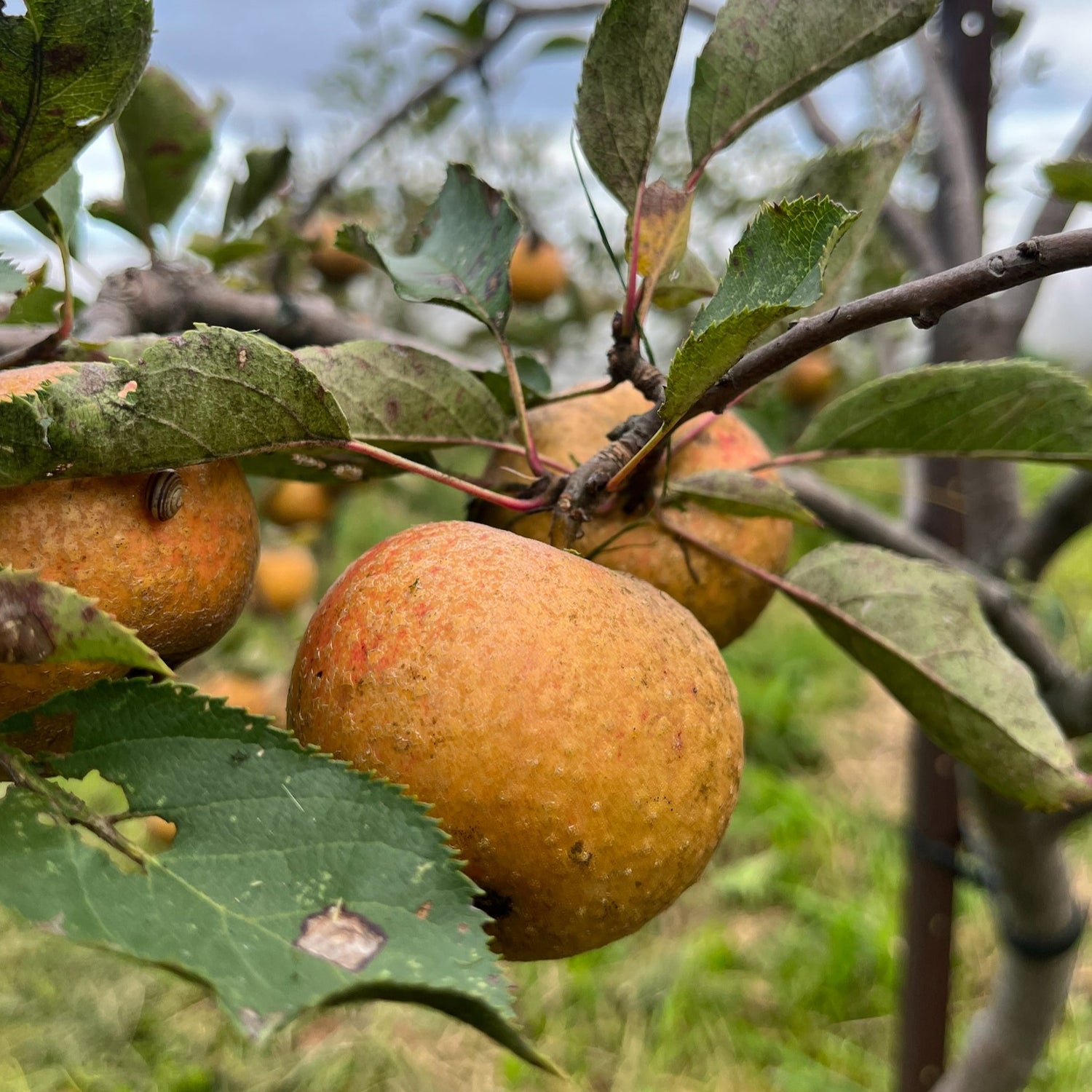
History: This unique apple, orangey-yellow-red undertones with russet over top, originated in the UK in the 1700s and has remained popular for over two centuries. There is some debate whether it was raised by a Dr. Ashmead or a lawyer named William Ashmead.
Why We Grow It: This Old World English apple has stuck with us thanks to it's unique flavour: nutty with notes of pear and spice. Fantastic fresh off the tree, and also in cider blends, Ashmead's Kernel mixes well with Cox's Orange Pippin.
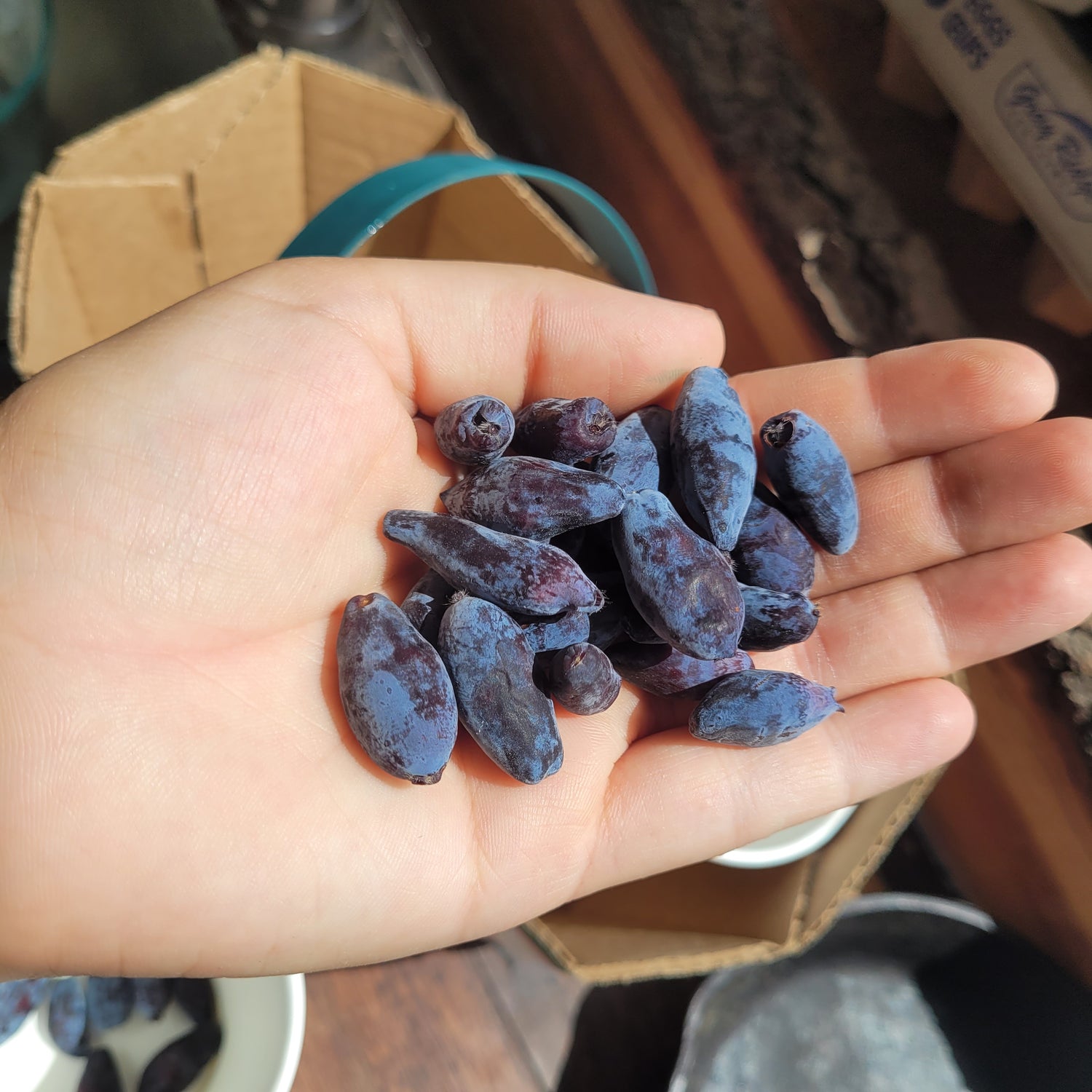
Species: Lonicera caerulea
History: Boreal Beast was developed by Bob Bors at the University of Saskatchewan as part of the Boreal series of haskaps. The goal of the Boreal series is to cross haskaps from Russia, Japan, and the Kuril Islands to create superior cultivars with the best qualities of all three strains. Boreal Beast was rated very highly for flavour in the breeding program. Named after Beauty and the Beast, Boreal Beast was intended to be the pollination partner for Boreal Beauty but in practice it has been found that their pollination times don't quite overlap.
Why We Grow It: Boreal Beast is noted for its excellent flavour with a great aroma and pleasant aftertaste. The shrub itself is quite vigorous and sturdy, and produces good-sized crops of delicious medium-sized berries.


History: Calville Blanc d'Hiver was discovered in France and first documented in 1598. It spread to other countries and was even grown by Thomas Jefferson in Monticello.
Why We Grow It: Known for its rather misshapen and lumpy appearance and the odd red splotches on its green skin, this apples exterior belies a strong, sweet-sharp flavour that makes it great for fresh eating, cooking, and cider. Some claim it rivals Bramley's Seedling as one of the best cooking apples with the added benefit that, unlike Bramley's, it holds its shape when baked or cooked. It is also boasts a high Vitamin C content.
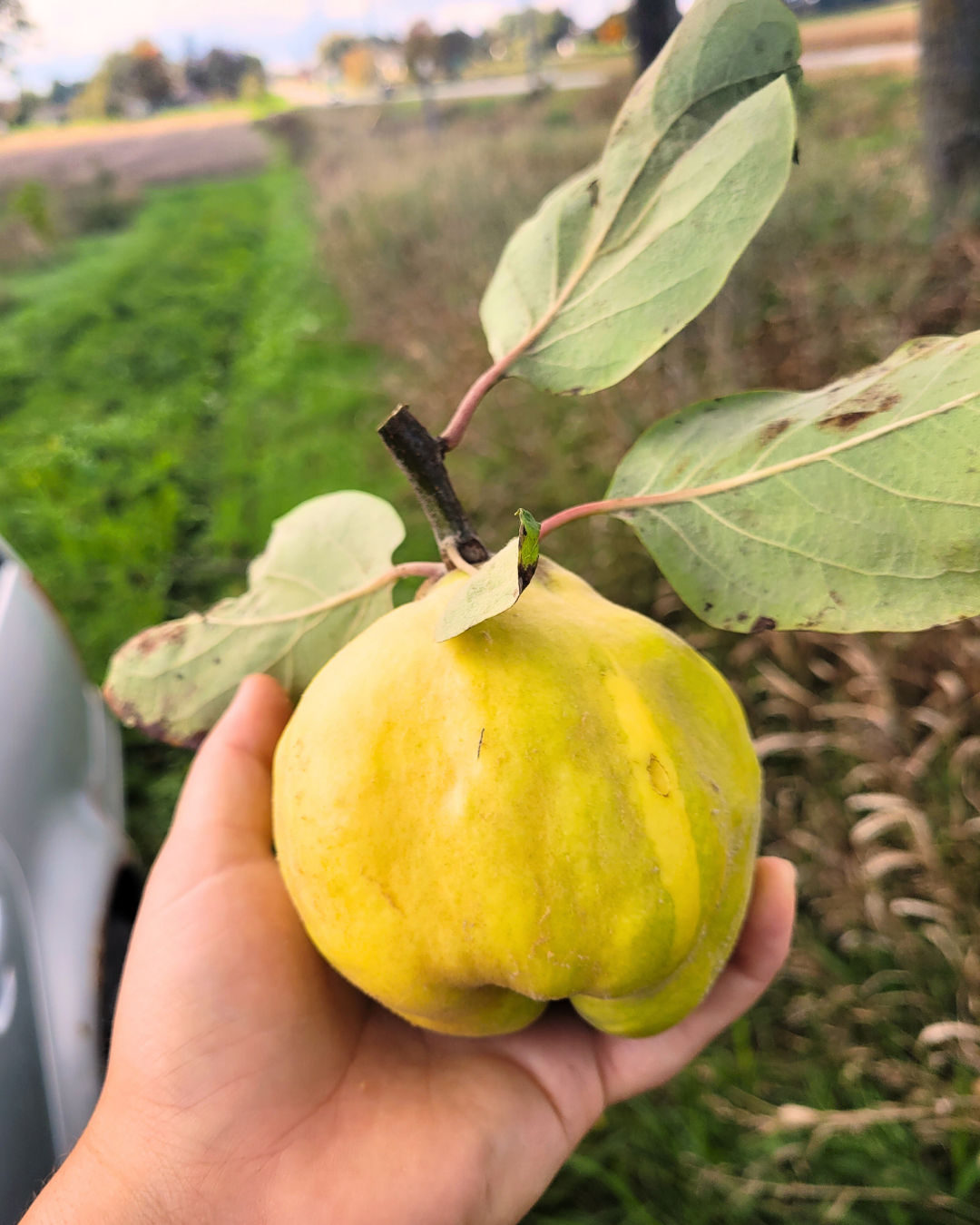
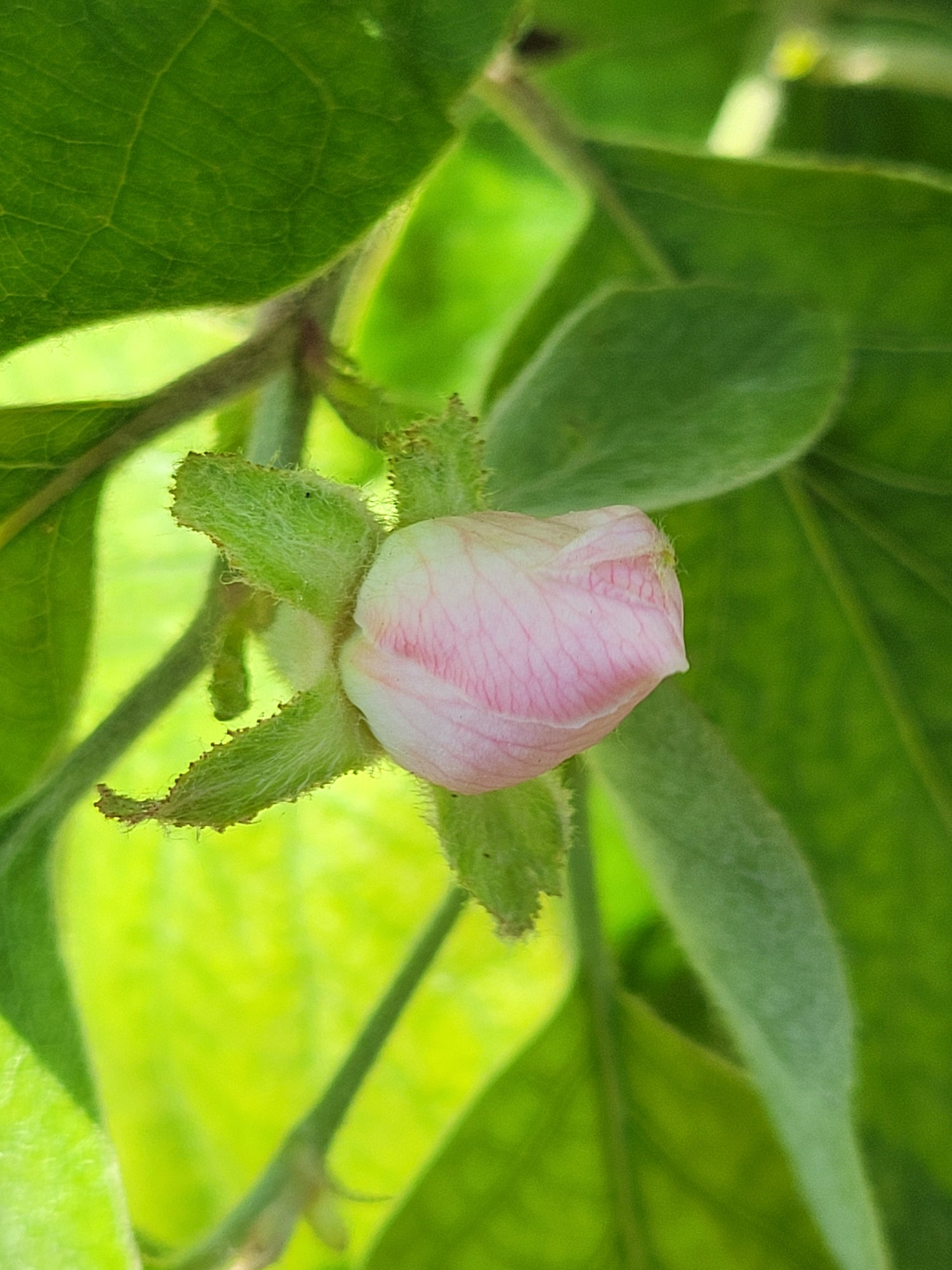
History: The history of Quince of Portugal is largely unknown aside from the fact that it was introduced to England in the early 1600s.
Why We Grow It: This quince is often considered to have the best flavour of all quinces. On top of that, the impressive fruits of this variety can weigh up to 1 lb and are juicier than most other cultivars. When ripe, this quince cooks to a lovely crimson coloured puree. It is best to store the fruit indoors for a couple weeks before eating it.
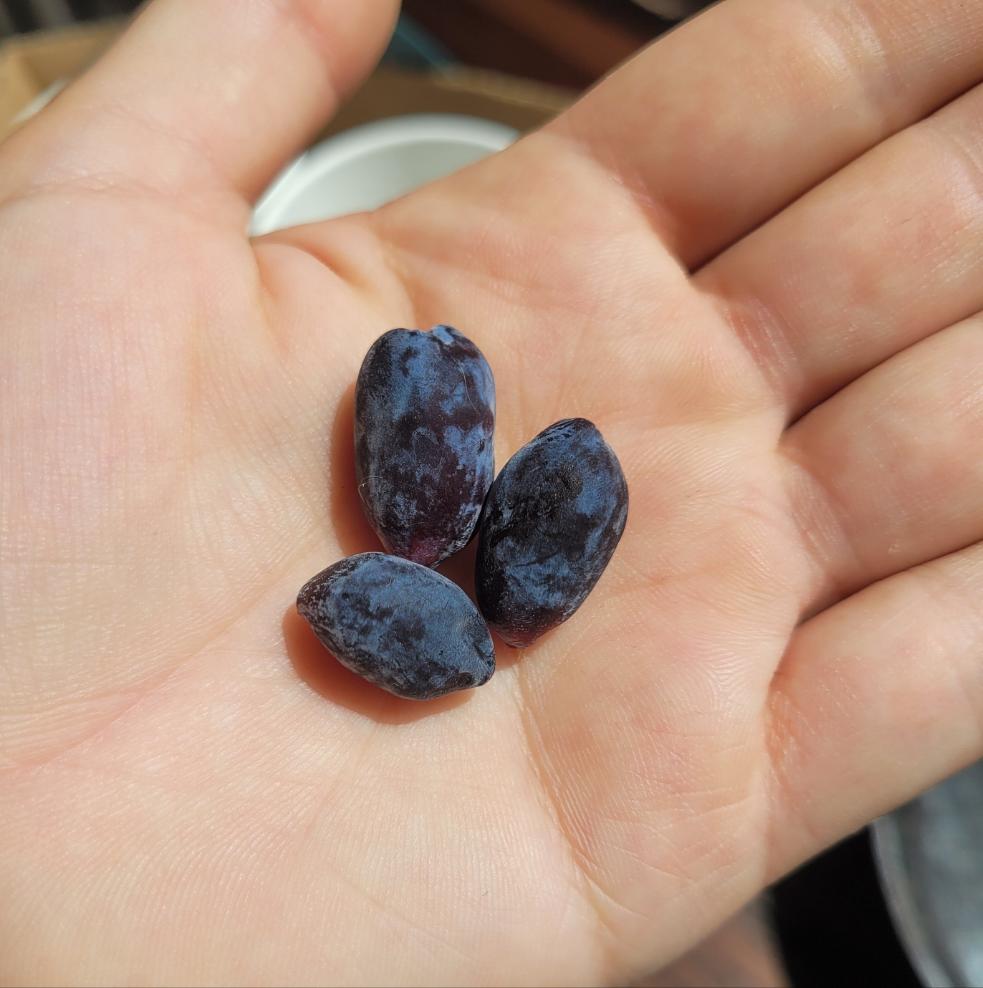
Species: Lonicera caerulea
History: Boreal Beauty haskap is part of the Boreal series of haskaps developed by Bob Bors at the University of Saskatchewan. The goal of the Boreal series is to cross haskaps from Russia, Japan, and the Kuril Islands to create superior cultivars with the best qualities of all three strains. Boreal Beauty was released in early 2017, chosen for its large size, firmness, and good flavour. Its name, a reference to Beauty and the Beast, was meant to be a handy way to remember that Boreal Beast is the recommended for pollination partner for this variety, but in practice unfortunately the two don't overlap quite enough for pollination to be optimal.
Why We Grow It: Boreal Beauty sports large berries that are more oval-shaped and firm than other haskaps while maintaining with good flavour. This variety could show promise for mechanical harvesting. It is also quite vigorous and produces heavy crops.
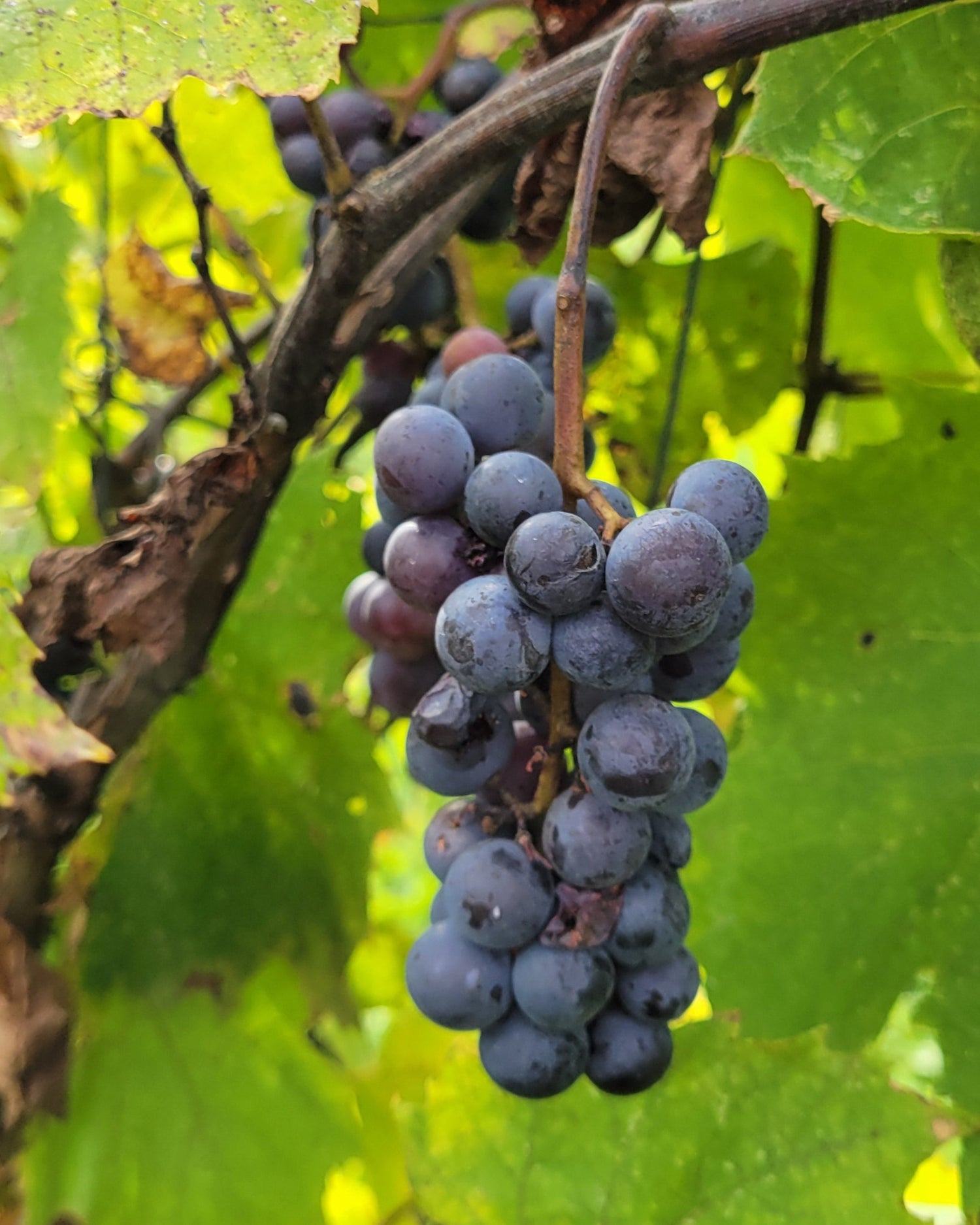
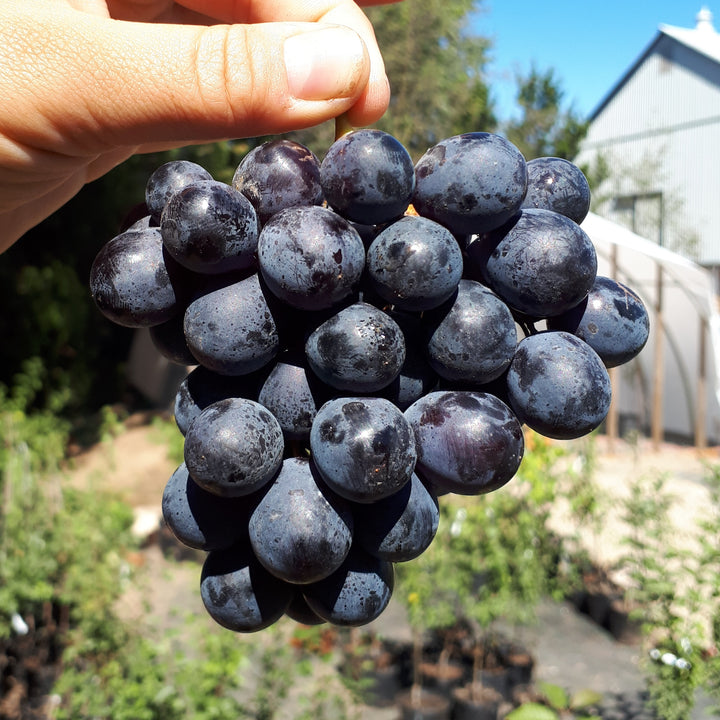
Species: Vitis sp. (hybrid)
History: Montreal Blues is one of the many varieties created by renowned grape breeder Elmer Swenson in Osceola, Wisconsin, as part of his effort to breed cold hardy grapes suitable for growing in the colder climates of North America. This variety was released in 1998 and in some areas is also known as St. Theresa, named for Saint Therese of Lisieux who was a French nun who planted flowers to show her love of God.
Why We Grow It: This variety produces large clusters of blue, Concord-like grapes with a nice, mild sweet flavour. They are quite cold hardy and can be made into pies, jams, or juice!
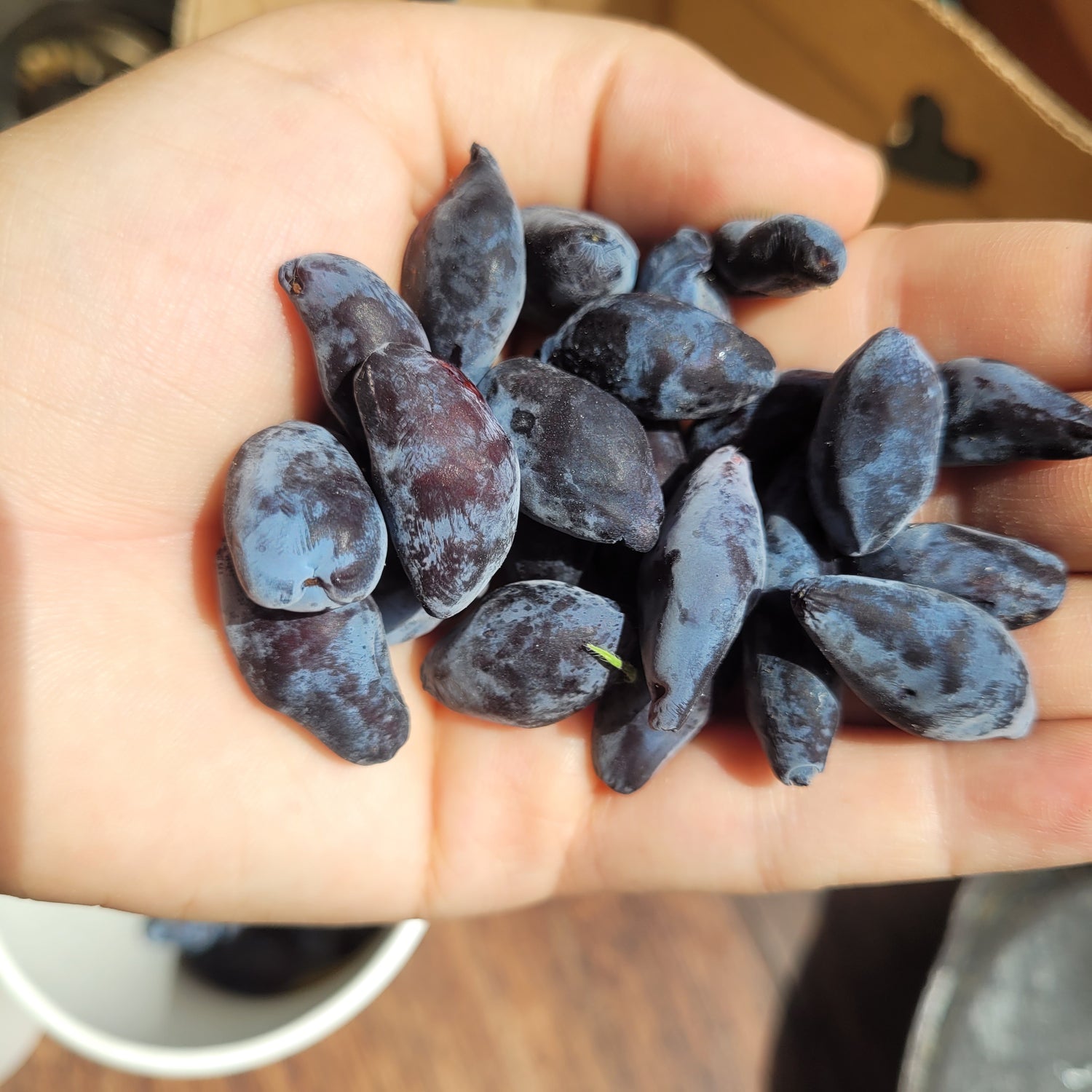
Species: Lonicera caerulea
History: Boreal Blizzard was developed by Bob Bors at the University of Saskatchewan as part of the Boreal series of haskaps. The goal of the Boreal series is to cross haskaps from Russia, Japan, and the Kuril Islands to create superior cultivars with the best qualities of all three strains. While Boreal Blizzard is only a cross between Russian and Japanese varieties, it has produced some of the largest berries the breeding program has seen while boasting good flavour!
Why We Grow It: Boreal Blizzard produces exceptionally large berries that are meaty and sweet. This heavy cropper is ideal for U-pick operations and small farms where the larger berries make them more suitable for hand-picking.

History: Royal Gala is a natural sport (mutation) of the Gala apple that was patented by Stark Bro's Nurseries in 1977. It boasts a deeper red colouring than the original Gala which makes it more visually appealing. In New Zealand, where the Gala apple originated, it has been almost entirely replaced by the Royal Gala in commercial growing operations.
Why We Grow It: Like the Gala apple, Royal Gala is popular for a reason. It is juicy and crisp with a sweet flavour and the fruit stores quite well.
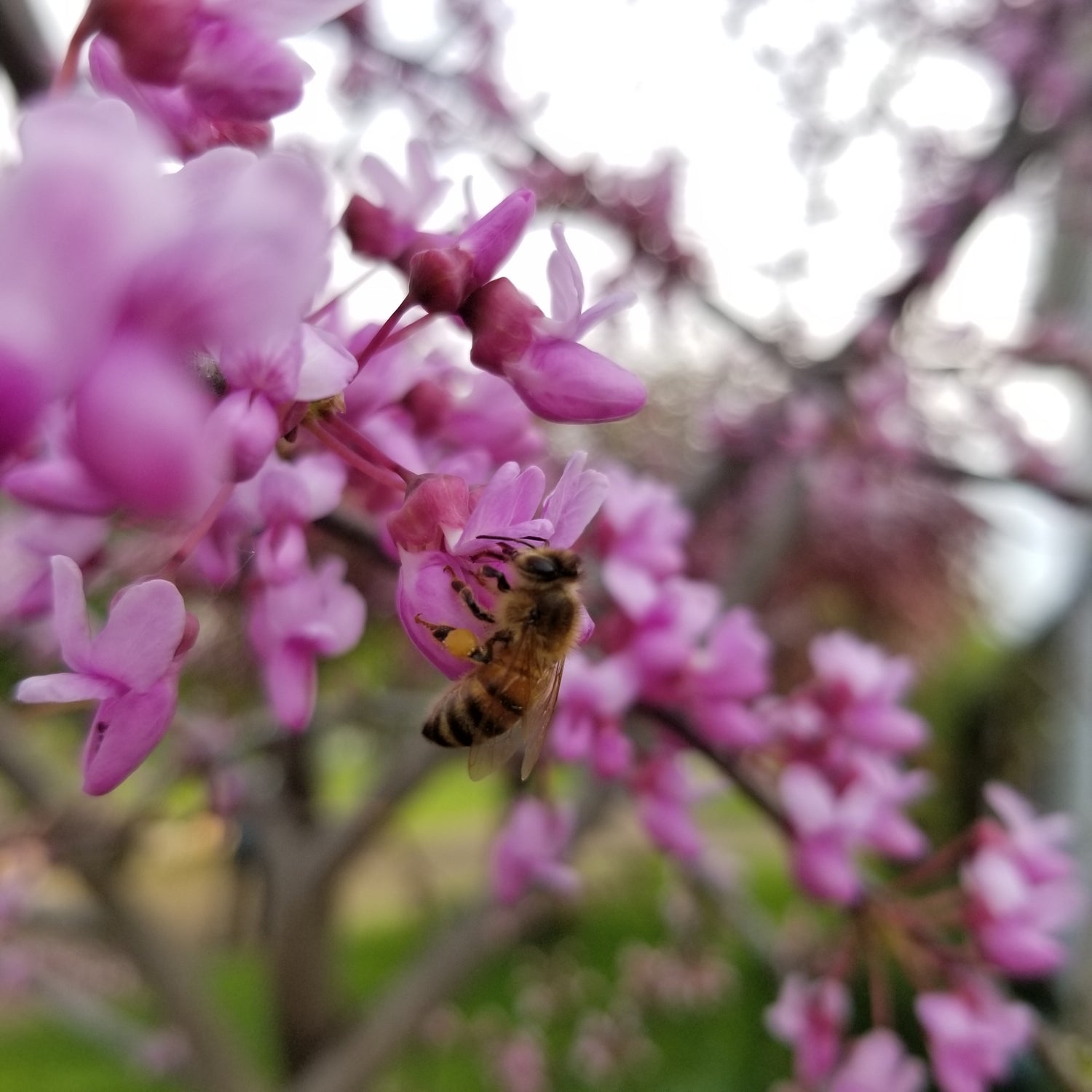
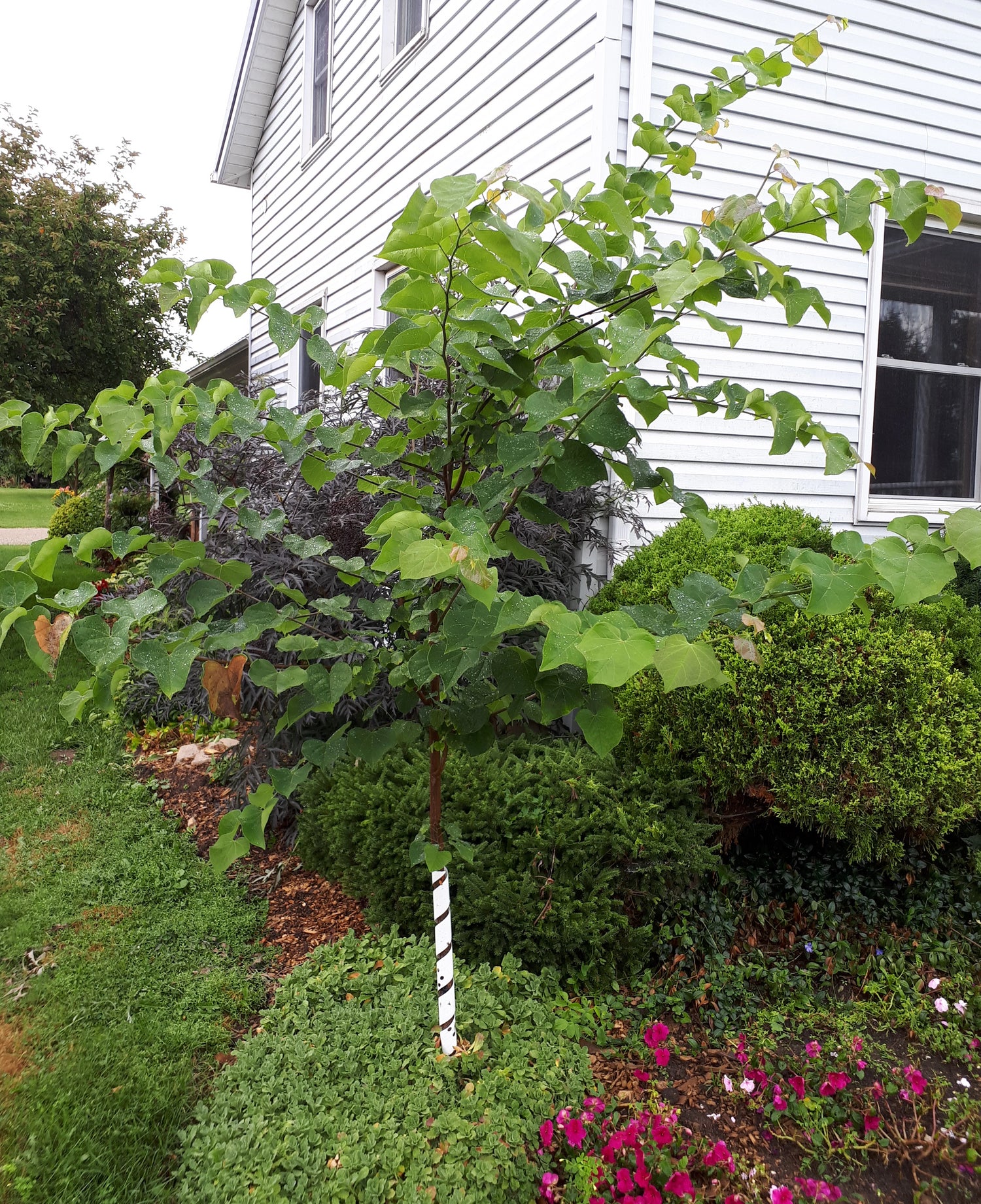
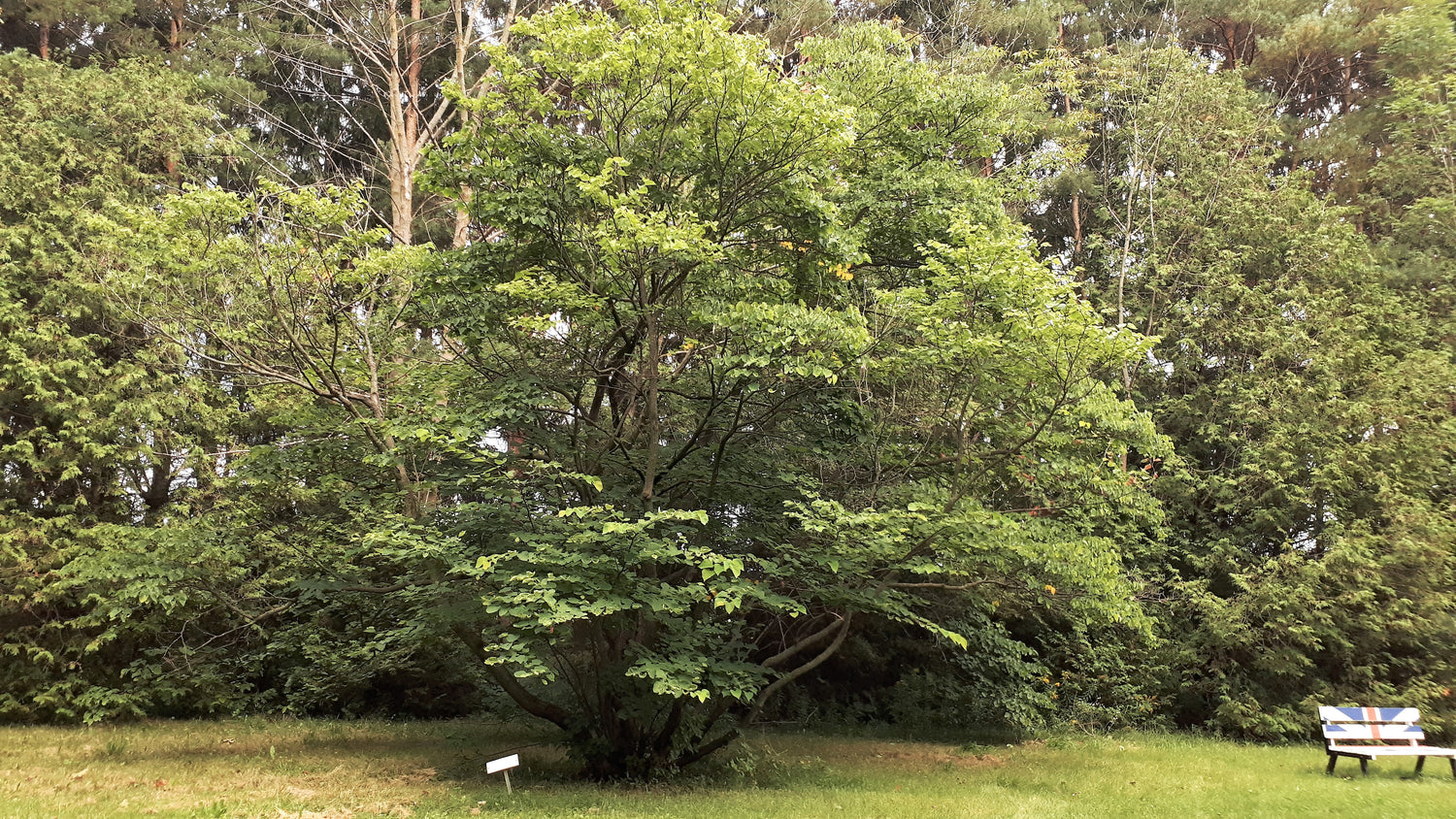
Species: Cercis canadensis
History: Native to the eastern United States and parts of central Mexico, this tree may have once been native to southern Ontario but it is no longer found here naturally. It is still a fairly common sight since it has been widely planted as an ornamental tree due to its gorgeous profusion of pink flowers. The flowers and seeds have traditionally been eaten by indigenous peoples and people still enjoy them fresh or fried today, while some use the green twigs for seasoning.
Why We Grow It: This native tree grows well in any soil type, and puts on a show stopping bloom every spring producing millions of edible citrusy flowers. The pods it produces are edible too, and are best enjoyed when the young pods are sauteed or fried. The heart-shaped leaves add another level of appeal to the tree even when it is not flowering.
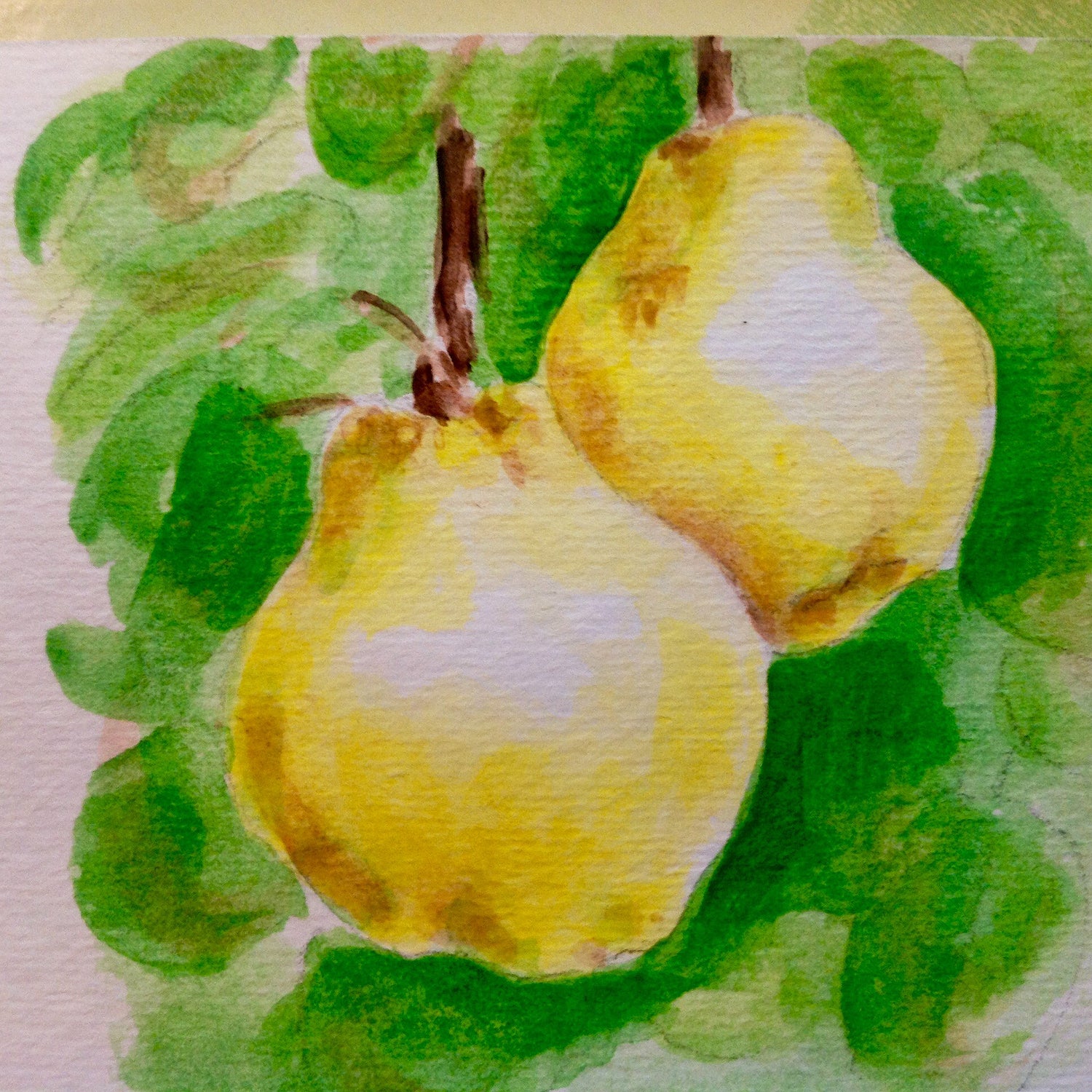
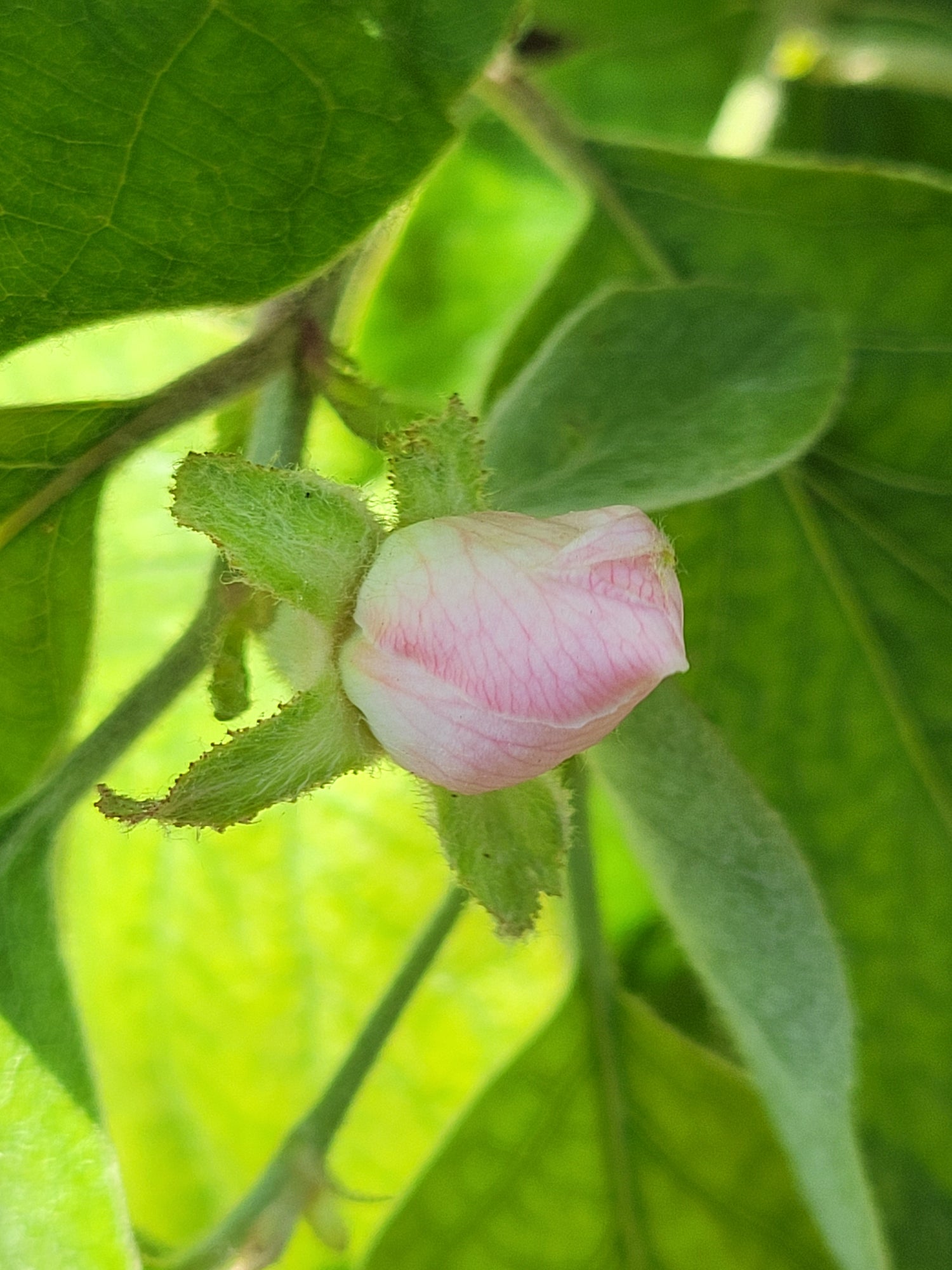
Species: Cydonia oblonga
History: The seedlings were sprouted from seeds sourced from Ontario.
Why We Grow It: By growing quince from seeds in our area, we hope these seedlings will be a little more cold hardy. Like all quince, the fruit from your seedlings are best used for cooking, baking, and preserving since the intense, tart flavour is a bit much when eaten fresh.
We have seedlings of the following varieties:
- Ernie's Favourite - A favourite from a homestead in Mt. Pleasant that has produced fruit for decades. It performs well in our climate.
- Quince Seedling - The seedlings were sprouted from seeds sourced from an old mother tree on a local farm. The previous owners have enjoyed the fruit for generations, proving that this is a nice, reliable variety.
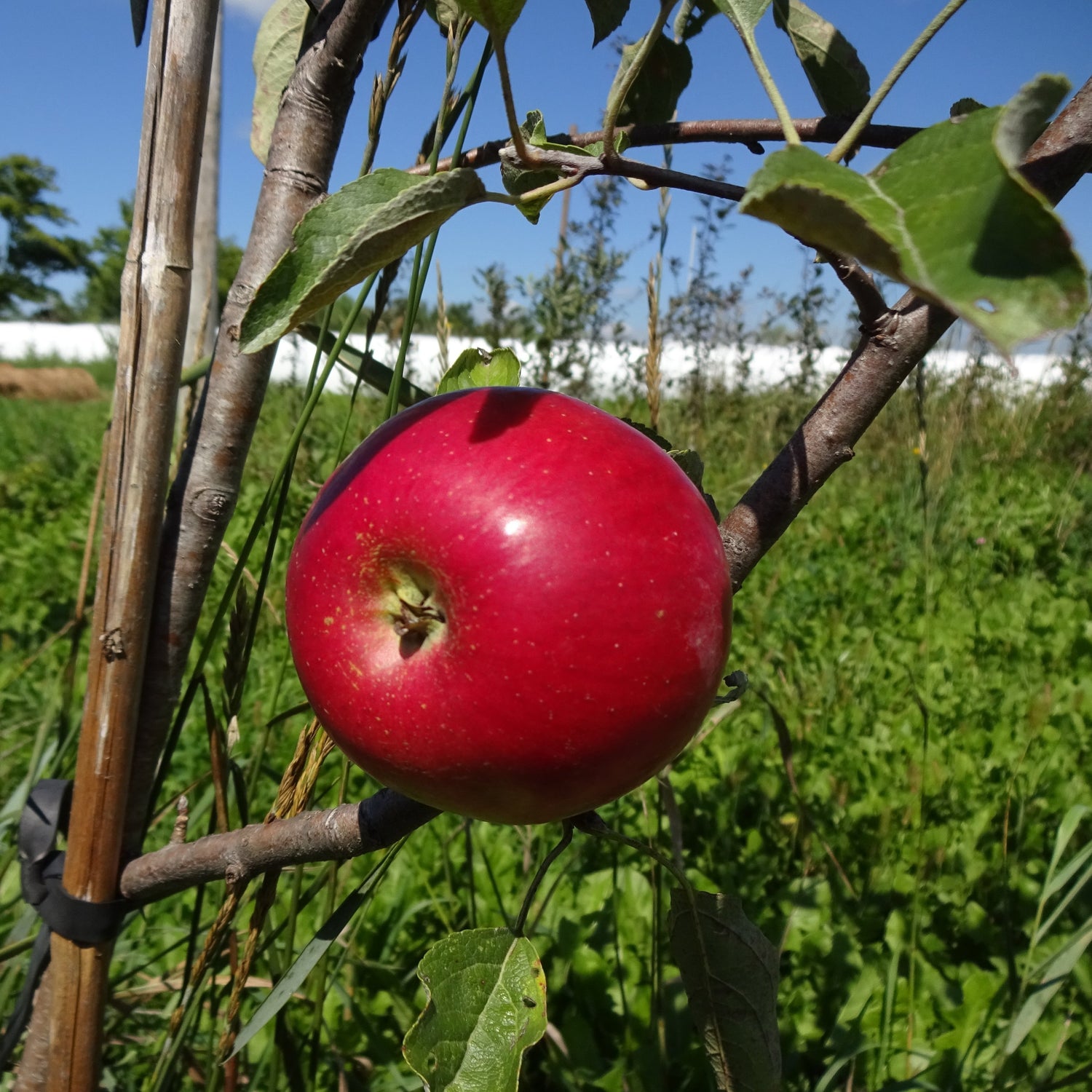
Why We Grow It: This crisp, sweet apple is great for fresh eating and has bright red skin. It tends to begin bearing at a young age and is relatively diseases resistant.