In-Stock Inventory

In-Stock Inventory
Make your selections faster and easier by shopping "In-Stock" items only.
We offer flat rate shipping across Canada for our bareroot trees!
308 products
Sort by:
308 products
308 products
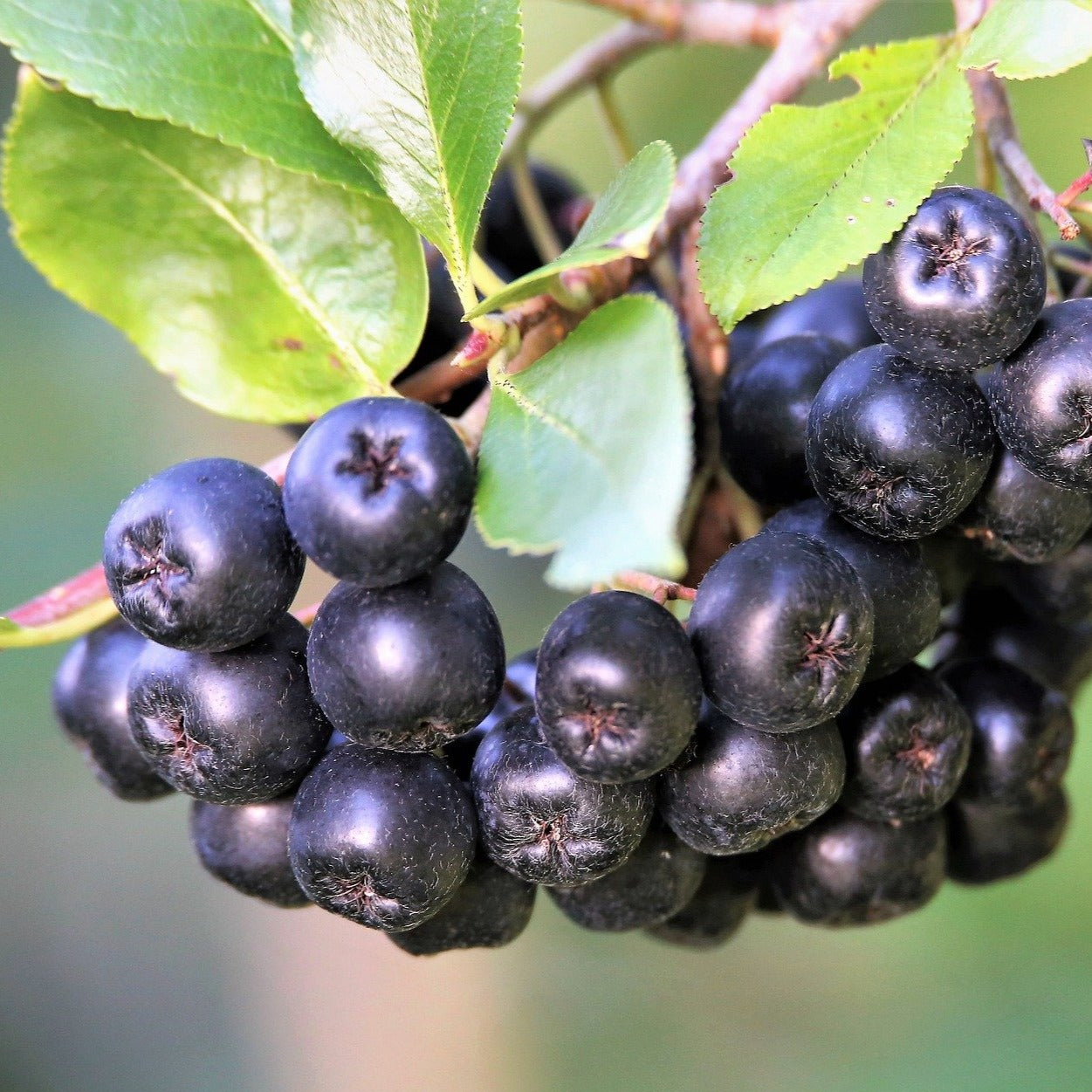
Species: Aronia melanocarpa
History: Galicjanka was developed in Poland where Aronia berries are a common agricultural crop. It is one of the most popular varieties grown there due to its suitability for commercial plantations.
Why We Grow It: This variety produces large berries with good flavour. While the berries ripen in August, they can hang onto the bush for a couple months and tend to sweeten over time. Despite its popularity in Poland, it is unfortunately not very common in North America.
History: This is an old perry pear that has been known since the 1800s in Austria and Northern Switzerland. It was first recorded in 1854 and the name Gelbmostler means "yellow most pear."
Why We Grow It: Although the fruit doesn't keep well, it is prized for its high disease resistance, juiciness, and astringent flavour. The skin is greenish-yellow, speckled with russet spots. It has a sugar content of 10-11% by weight.
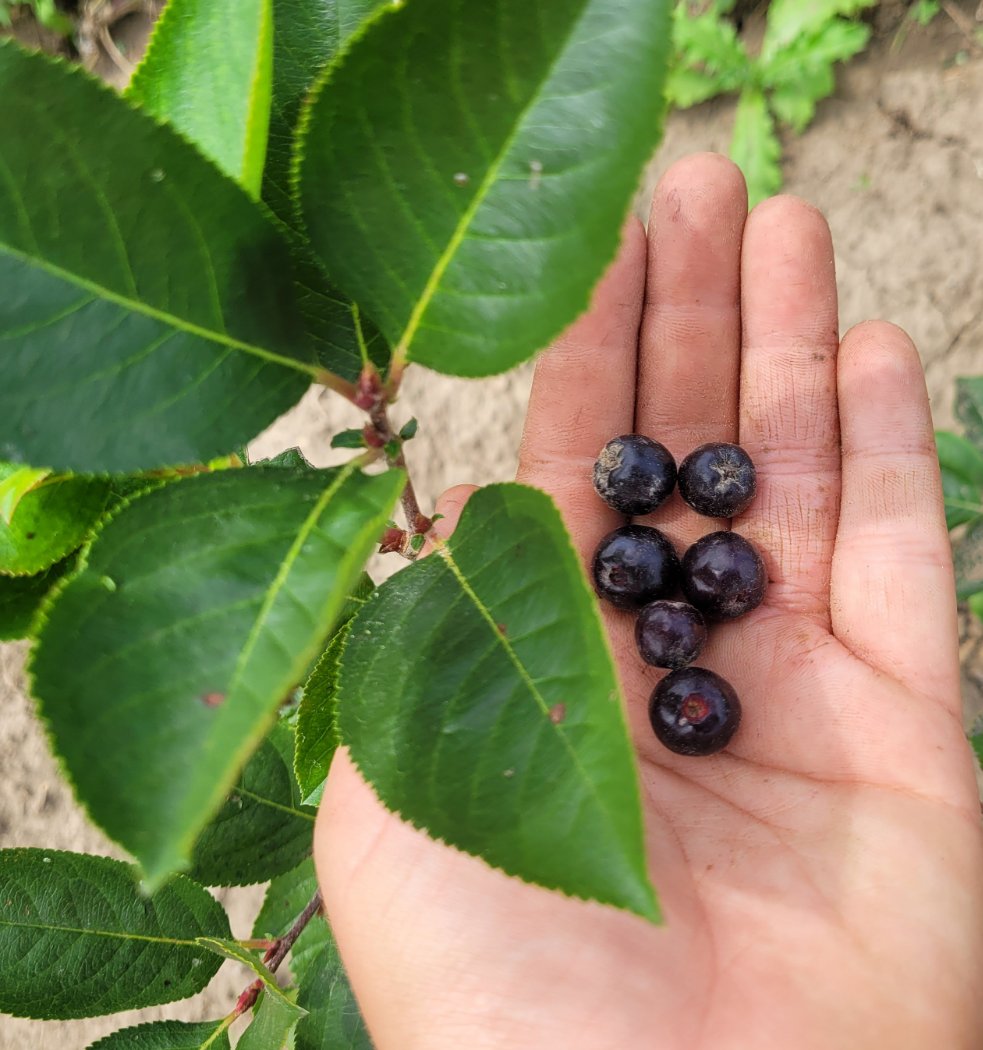
Species: Aronia melanocarpa
History: McKenzie was created by the USDA who, in 1976, planted several seedlings of the variety to evaluate its performance. It was named 'McKenzie' in honour of its first planting site in North Dakota, possibly named after McKenzie County specifically. The variety was officially released in 2008.
Why We Grow It: McKenzie boasts vigorous growth and good production, reliably producing firm blue-black fruit that is tart with an earthy taste. The berry clusters are easy to pick and have a wide range of uses! While the berries ripen in August, they can hang onto the bush for a couple months and tend to sweeten over time.


Species: Robinia pseudoacacia
History: Native to small portion of the United States, the tree first became known to Western science in 1607 when British colonists in Jamestown used it to build houses. It was introduced to Britain in 1636 and has since been used as a landscaping tree in many countries around the world. It is unfortunately considered invasive in many places due to its intense suckering habit and ability to fix nitrogen, allowing it to thrive even in poor soils. However, its hard wood has many uses and the flowers are eaten in numerous European countries and Japan, and it is used medicinally in India.
Why We Grow It: While this tree is considered invasive to southern Ontario as it grows quickly and aggressively, we feel when it is grown with control and awareness, it can be a powerful ally for the following reasons:
- it is a great pioneer species in ecologically disturbed spaces thanks to its resilience and ability to grow and produce nitrogen
- even in poor soil it provides erosion control with its spreading, shallow root system
- it's a fast growing hardwood
- it is preferred for firewood and furniture (60x more rot resistant than cedar)
- bees appreciate it's showy blooms, which are edible and can be enjoyed in salads, jams, cooking and baking, check out Fiddlehead Nursery's locust-flower patty recipe!
- On a farm/tended space, they provide valuable shade for livestock, thicken fencerows, provide habitat for wildlife, increase soil health, and add nitrogen, etc. and are easily managed.
However it is strongly advised not to plant in untended bushland due to its quick and aggressive spread, and resilience once it is established in an area making it quite difficult to remove.
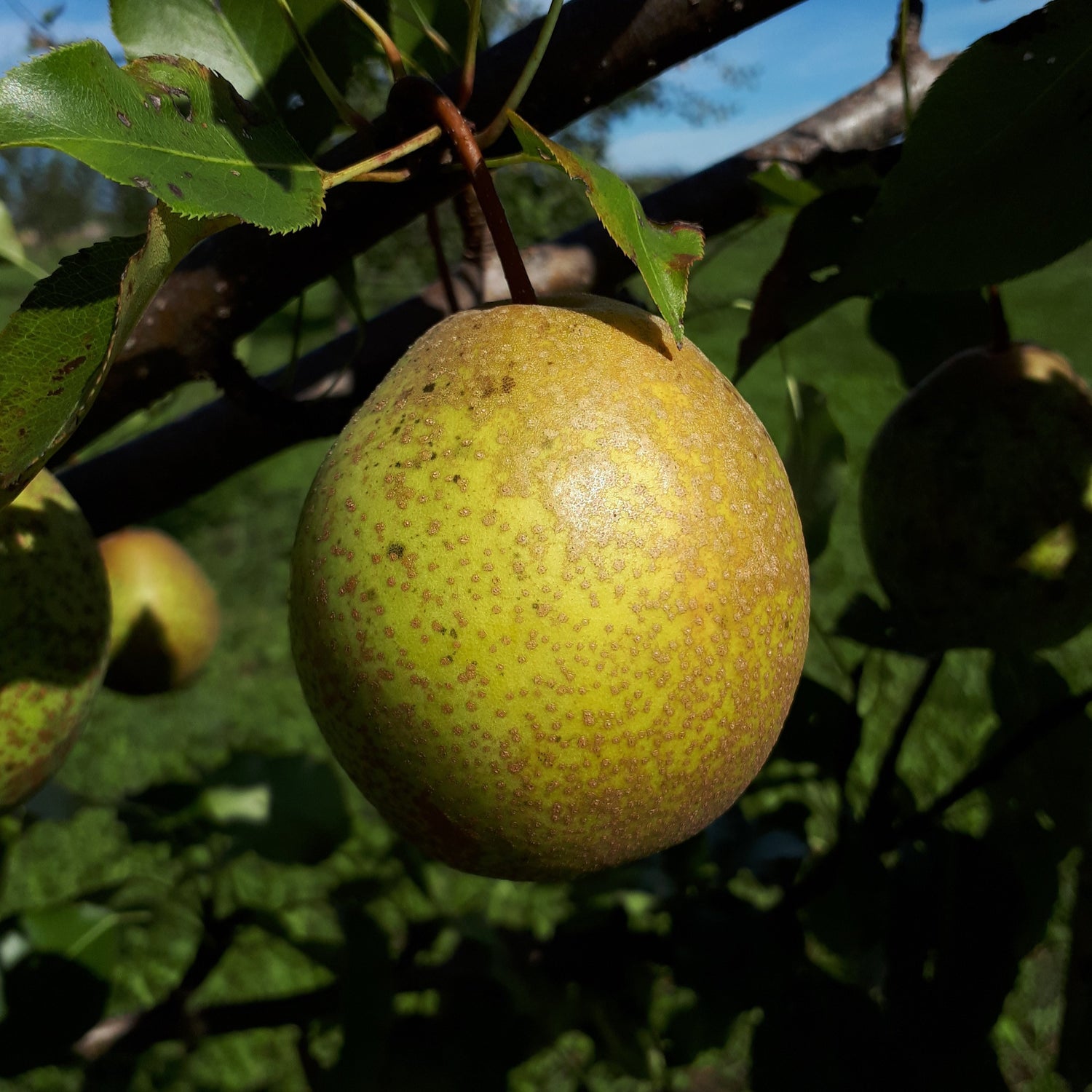
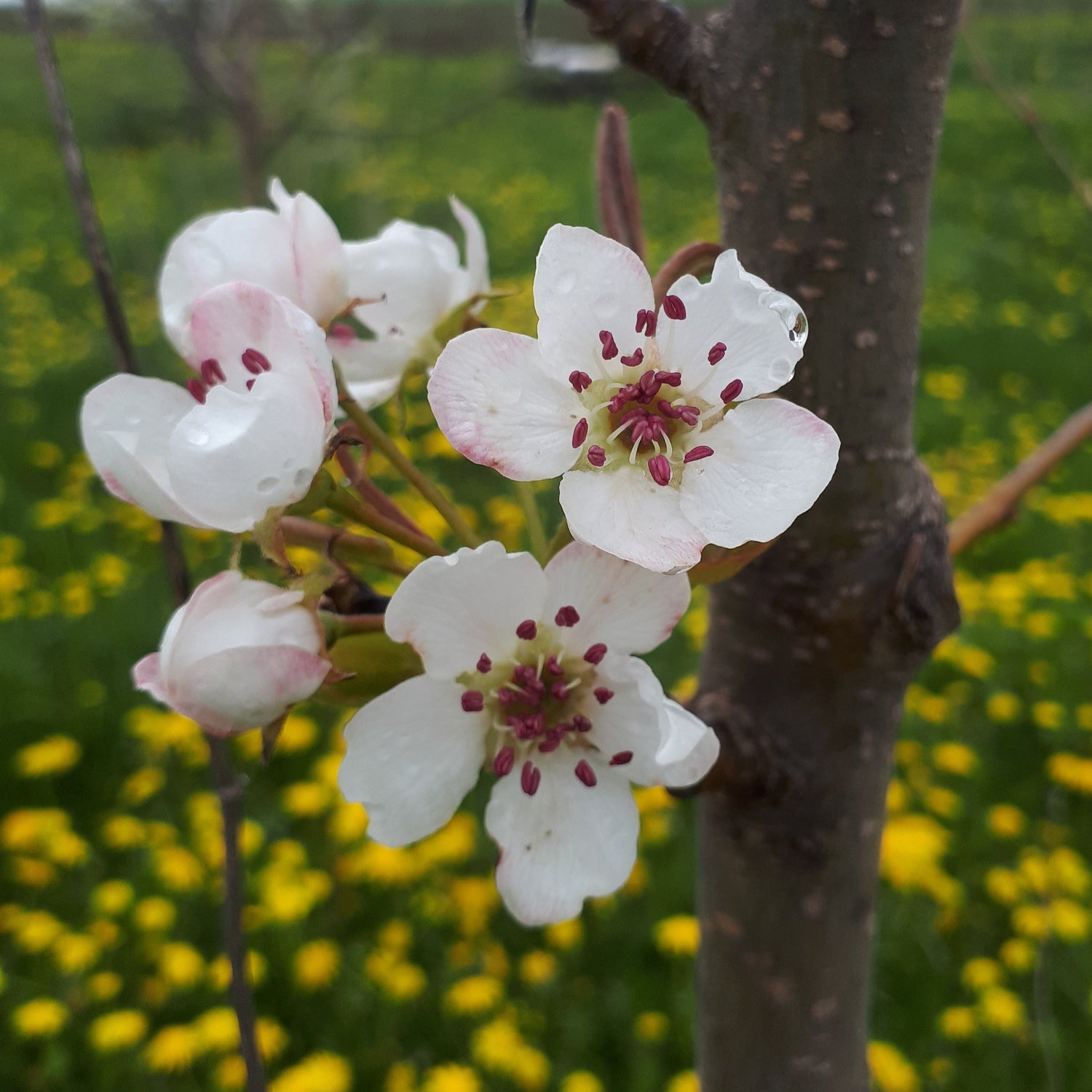
History: Mishirasu is an Asian pear from Japan.
Why We Grow It: Mishirasu is a popular variety since the fruit are extra large with a sweet, mild flavour and a nice crunch. The skin is brown and russeted, and the fruit have a roundish shape that is reminiscent of European pears.

History: Discovered in New Zealand by farmer O. Moran in 1952, Braeburn took the world by a storm, becoming one of the most popular commercial apples in the United States and parenting many modern cultivars such as Jazz and Sweetie.
Why We Grow It: Its winning sweet-tart flavour wrapped in an attractive orangey-red skin makes it an excellent fresh eating apple. It is firm and holds its shape well when cooked, and keeps about 4 months. This variety is fairly disease susceptible, meaning it is better for the experienced natural grower or conventional orchards. It is moderately vigorous and a heavy cropper.

History: Brown Snout was discovered on a farm in the UK in the mid-1800s. Its name comes from the brown russet around its calyx. H.P. Bulmer, a cider-making company, further propagated and spread this apple in the UK where it is still used today.
Why We Grow It: This medium bittersweet cider apple has small, uniquely coloured fruit that are sweet, slightly astringent, medium-tannin, and have low acidity.


Species: Helianthus tuberosus, Sunchokes are also known as Jerusalem Artichokes or J Chokes
History: Our founder, Ken Roth, acquired Sunbeam from Sunny Nature Farm near Midland, ON. The owners of the farm were unsure what variety it was but Ken says it is now his favourite sunchoke, no contest! He collected and propagated the tubers, Mouse suggested he name them Sunbeam in honour of Sunny Nature Farm, and now we are happy to release them to the public in 2025!
Why We Grow It: Sunbeam won Ken over with its large, smooth tubers that are reminiscent of sweet potatoes. He finds them easier to clean than the other varieties we currently offer which makes processing them for cooking much smoother. Even compared to other sunchokes Sunbeam is highly productive and vigorous! Considering Ken has been growing his selection of sunchokes over the years, we trust his judgement when he says this one takes the cake.
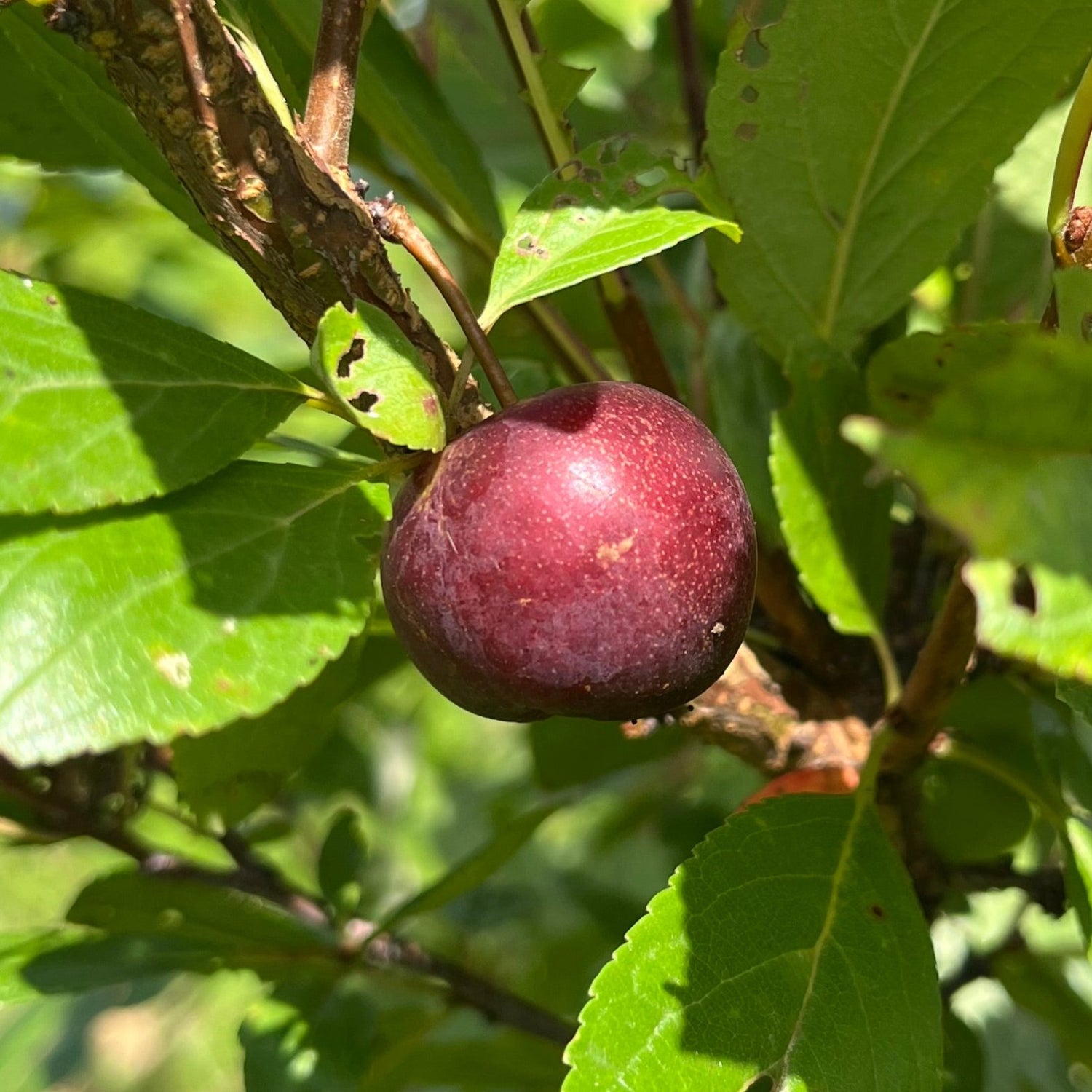
Species: Prunus pumila var. besseyi (Western sandcherry) x P. salicina (Japanese Plum)
History: Manor was developed at the Morden Research Station in Manitoba and released in 1945.
Why We Grow It: Manor produces a small plum with skin that is nearly black when ripe and purplish-red flesh. When ripe, the fruit is quite sweet and good for fresh eating! Some prefer to pick it when it is still a little unripe and a bit firmer since it is more astringent and lends itself well to uses such as baking, preserving, and making wine. The shrub stays smaller than other chums but starts bearing fruit at a young age and is known for being quite productive.
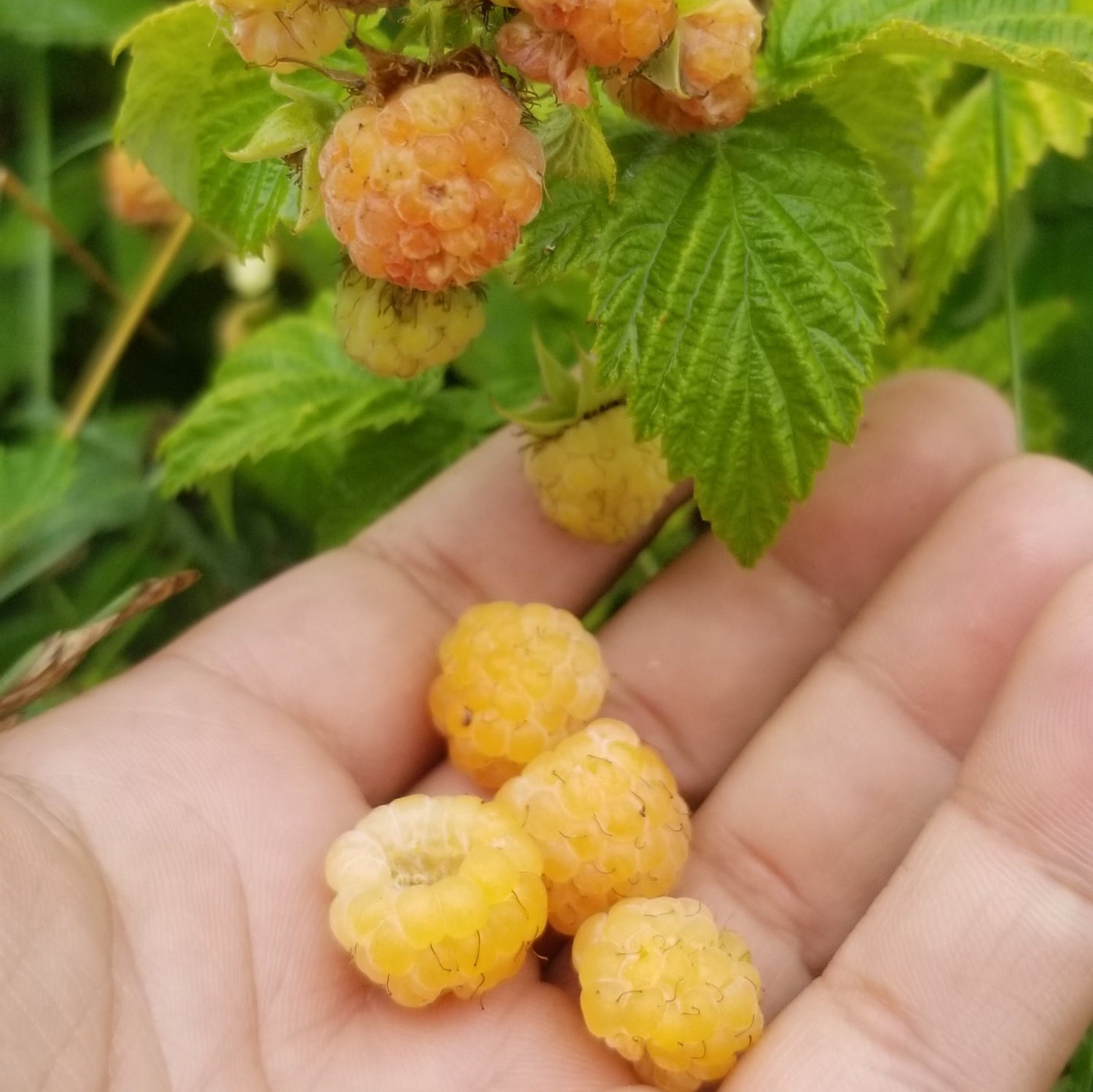
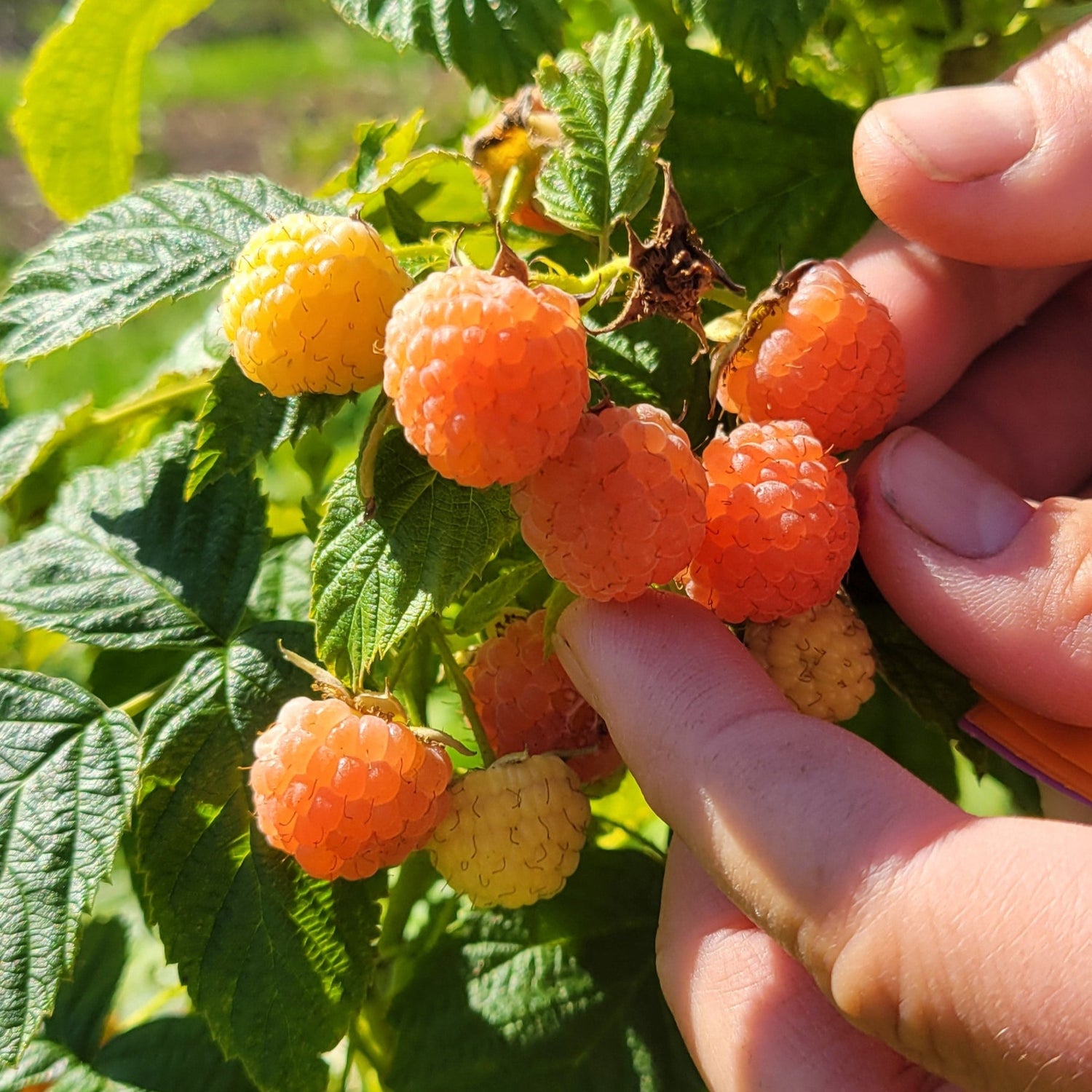
Species: Rubus sp.
History: Anne is the product of quite the combined efforts between the University of Maryland, Rutgers University, Virginia Polytechnic Institute and State University, Southern Piedmont Agricultural Research and Education Center, and University of Wisconsin. Through their cooperative breeding program, the cross that created Anne was originally made in 1989 and the variety was released in the 1990s. It remains one of the more popular yellow raspberries today.
Why We Grow It: Anne produces large, firm raspberries that are quite sweet with a flavour some liken to apricots or bananas. Most uniquely: the berries are yellow, turning a warm orangey-yellow at their ripest! The berries are good for eating fresh, baking, freezing, or adding to salads and their yellow colour helps them to stand out. This is an everbearing variety so you can cut down the canes in the winter for a large fall crop, or enjoy a more spread out crop from August to September. Anne also sports relatively few thorns, making harvesting a little easier.

History: Maiden's Blush was first described in New Jersey in 1817 although it had already been popular in Philadelphia markets for some time. It likely originated around New Jersey in the late 1700s. Maiden's Blush continued to be commonly grown in the southern US through the early 1800s.
Why We Grow It: Maiden's Blush's uniqueness is still worthy of attention today, its flavour being an interesting mix of citrus-like acidity and sweetness that stand out among other apples. While it is good for fresh eating, particularly after a few weeks off the tree, it is most well known for cooking, baking, and drying due to its non-browning qualities.
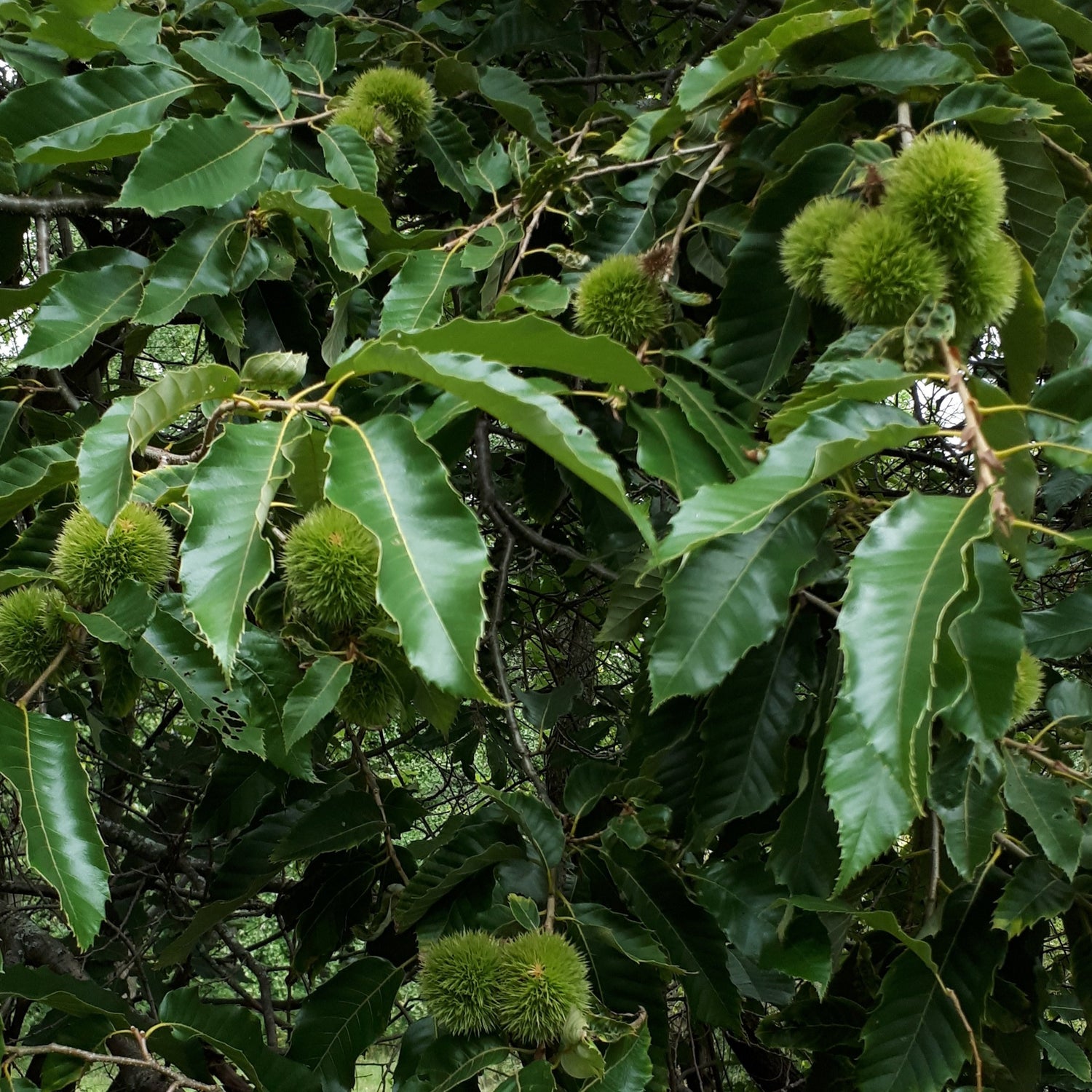
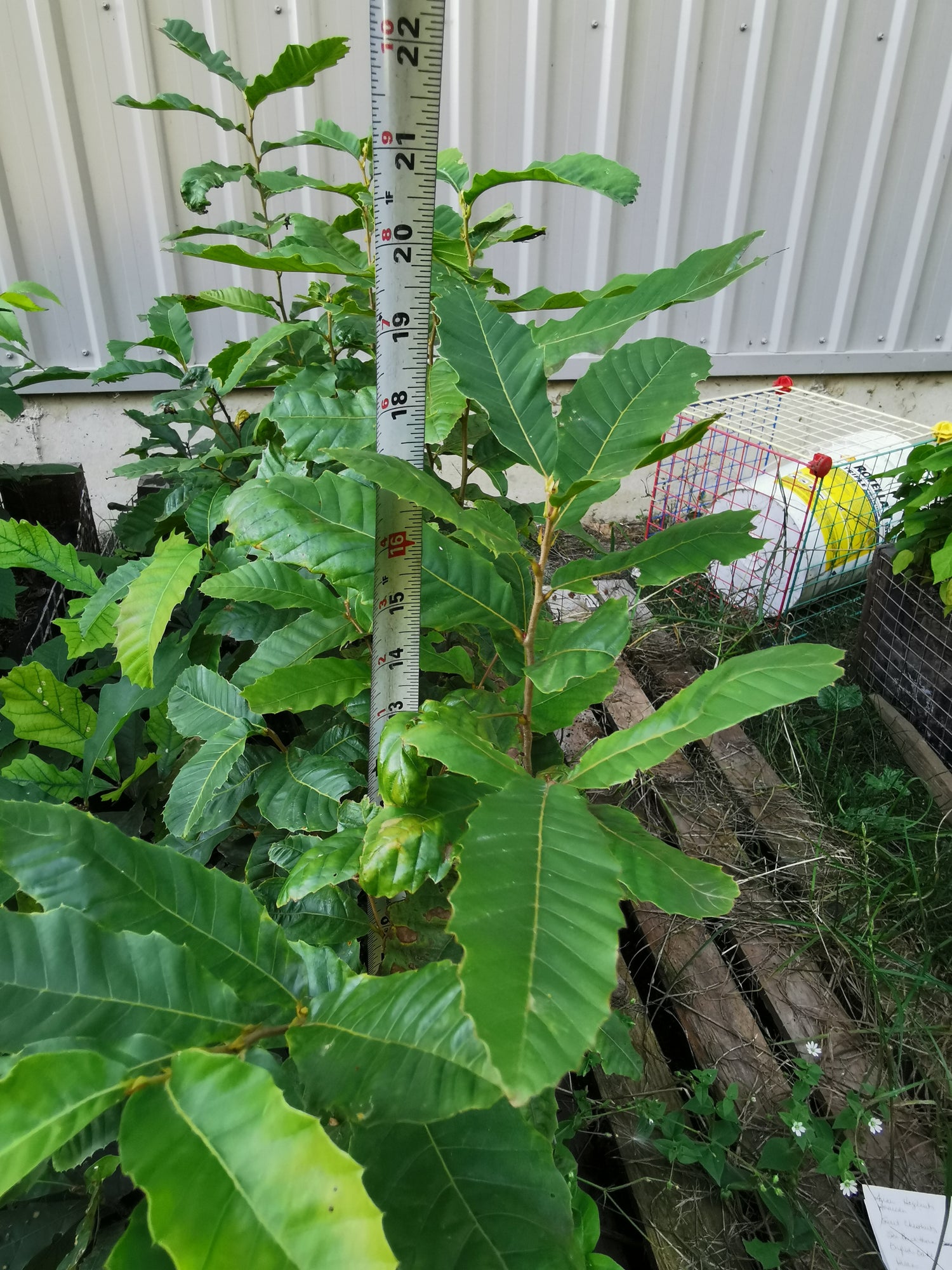
Species: Castanea dentata x mollissima
History: These seedlings are a cross between Chinese chestnuts and American chestnuts grown from seed from Grimo Nut Nursery. As a hybrid of Chinese and American chestnuts, these seedlings have blight resistance along with good cold hardiness.
Why We Grow It: This tree has incredible potential as a truly sustainable food source for humans. High in vitamins and starch, the nuts can be used to make a flour food staple, or pressed for oil to be made into bio fuel. For more inspiration and ideas in growing sweet chestnuts as a crop, we recommend the book Restoration Agriculture: Real-World Permaculture for Farmers by Mark Shepard.

History: Elstar apples were developed in the Netherlands in the 1950s and are a cross between Golden Delicious and Ingrid Marie. This excellent combination has created what is considered one of the best Golden Delicious offspring. Fittingly, it has since become quite popular in continental Europe. Despite being introduced to the US in 1972, it has not attained the same level of popularity in North America.
Why We Grow It: Elstar is a flavourful variety, fine for fresh eating or sauce with its crisp, juicy flesh; very little acidity. The skin is distinctive, sporting a orangey-red marbled appearance.
Species: Prunus pumila var. besseyi (Western sandcherry) x P. salicina (Japanese Plum)
History: Convoy was released by Boughen Nurseries in Manitoba in 1941. Like other chums, it was bred to produce a fruit with the hardiness of the western sandcherry but the fruit quality of a Japanese plum. Convoy was likely selected for being sweeter than most other chums.
Why We Grow It: Always on the lookout for unique trees, we are happy to offer chums! Convoy is a hardy shrub that produces a clingstone red fruit with yellow flesh. It has a mild sweet flavour that is good for fresh eating but it can also be used for baking, preserving, and canning. The shrub is generally resistant to plum diseases.
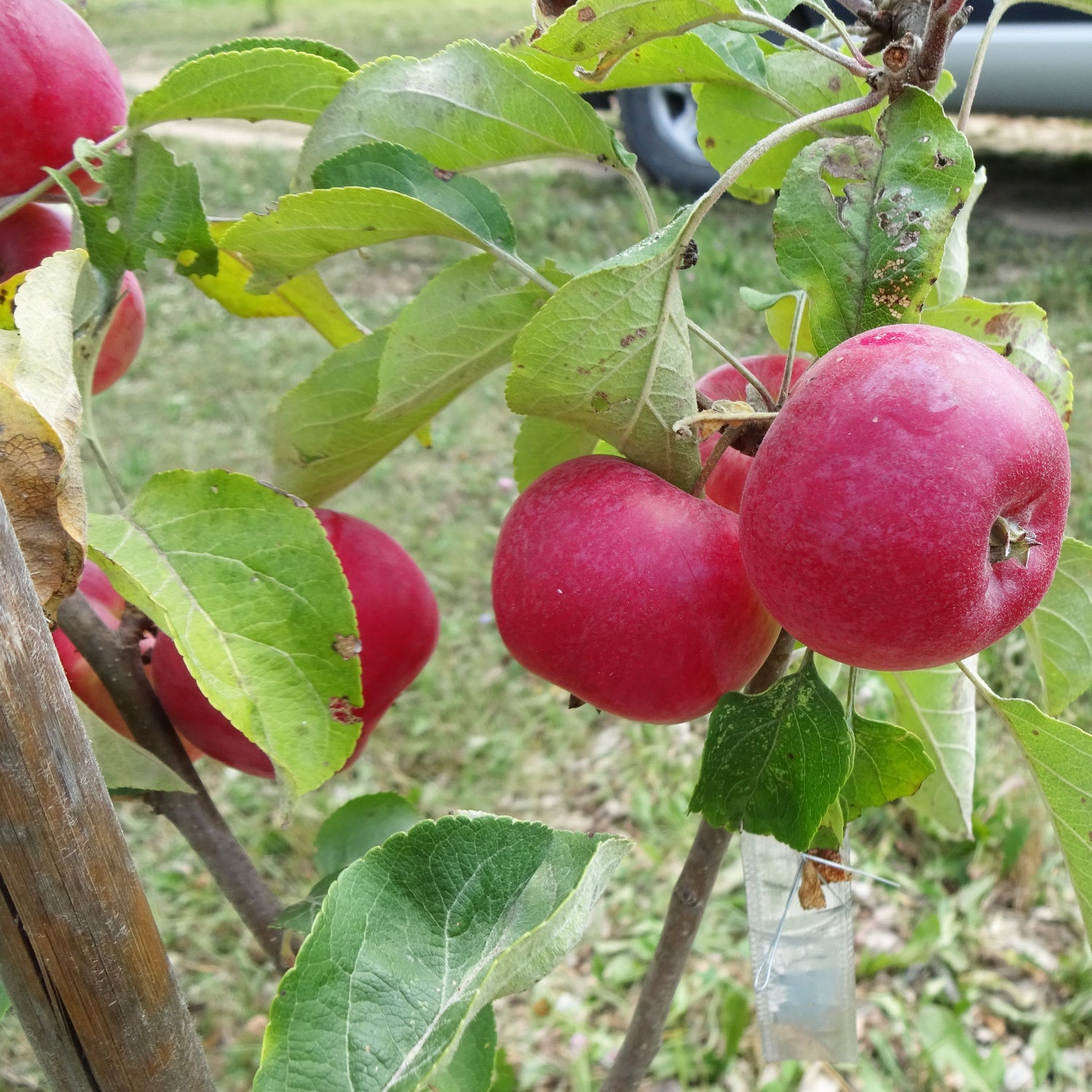
History: Parkland apples were variety created at the Morden Research and Development Centre in Manitoba and released in 1979. Like other varieties developed there, Parkland was designed to withstand the harsh prairie winters and is especially cold hardy. It has become the most commonly grown apple in Alaska after it was brought over in 1985 in an effort to determine which Canadian varieties could survive in the northern state.
Why We Grow It: Parkland is a very satisfying early season apple - sweet and crunchy. It's excellent snacking or applesauce although the fruit is small (about 2" diameter) with creamy flesh and red skin. The tree is quite hardy.


Species: Diospyros virginiana
History: Native to the southeastern and central areas of the United States, American Persimmon has had a long history of cultivation. The word 'persimmon' is an Anglicized version of the words 'putchamin,' 'pasiminan,' or 'pessamin,' which all mean 'dried fruit' in various Algonquin dialects, reflecting the fruits' usage. It is also common in southern states to trick the unwary into eating the unripe fruit which has an incredibly astringent flavour. Other historical uses for the American Persimmon include turning the seeds into buttons during the American Civil War and using the wood to make items such as pool cues and golf clubs.
Why We Grow It: This unique fruit tree produces a succulently sweet orange fruit that must be extremely ripe before you can eat it. Although it ripens in the summer, the fruit can withstand freezing and hang onto the tree until December. The fruit can be used to make a variety of sweet and savoury dishes and are also very popular among wildlife. Steph has found them great for baking into sweets such as tarts or the pecan and persimmon cookies pictured here!
Pictured is a cookie made with our own American persimmons and pecans!
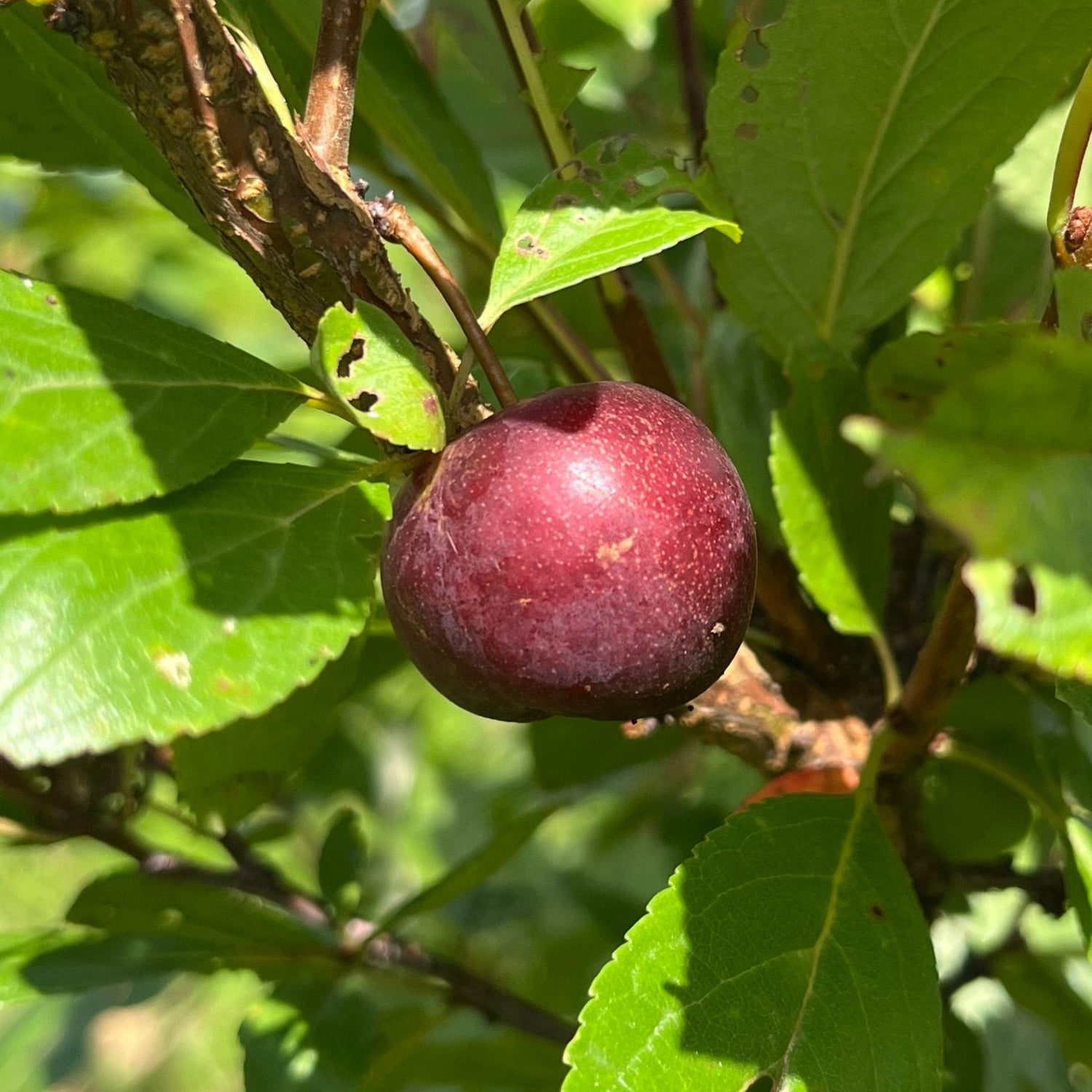
Species: Prunus pumila var. besseyi (Western sandcherry) x P. salicina (Japanese Plum)
History: Dura was developed at the Morden Research Station in Manitoba and was released in 1942.
Why We Grow It: Dura produces small red fruit with sweet mauve flesh. They are good for eating fresh along with cooking/baking, preserving, and juice! This hardy shrub is generally disease resistant and is naturally dwarfing.

Our Fence Line Budget Bundle is the perfect option for those looking to plant a large number of fruit trees on a budget! The bundle contains a random mix of twenty of our 50-80cm grade fruit trees. It will primarily consist of apple trees, but you may also receive pear trees and/or stone fruit trees depending on what we have available.
This bundle is great for planting along fence lines, for feeding wildlife, and/or adding some diversity to your orchard!
A few things to note about the Fence Line Budget Bundle:
- Most, if not all, trees in the bundle will be apple trees
- Trees will be a mix of dwarf, semi-dwarf, and/or full-size
- These trees will all be B-Grade (could have minor damage but may not)
- Most trees will be labelled but some may be missing labels
- Trees in this bundle are not covered under our 90 day guarantee
- We do not accept requests for what kinds of trees you will receive
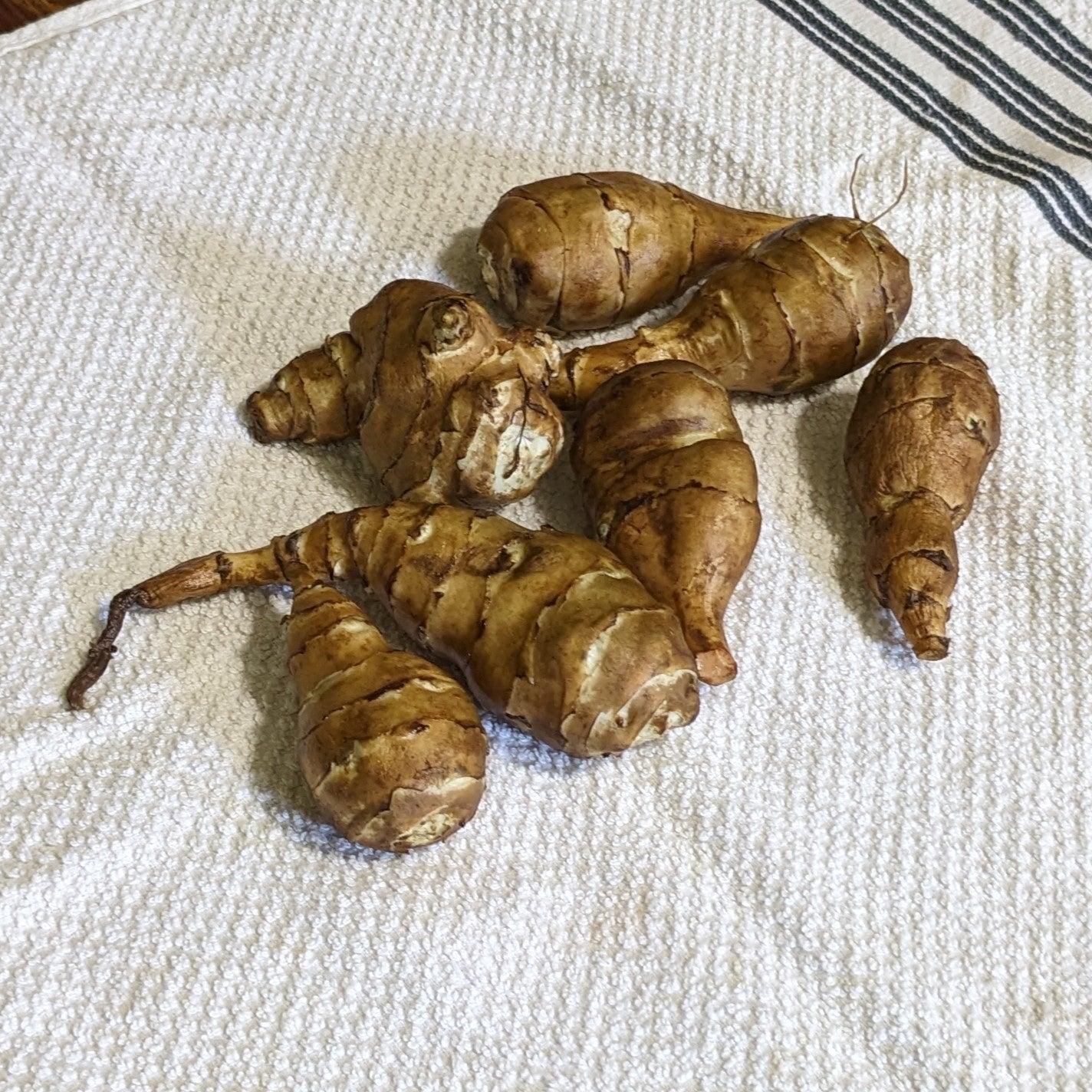
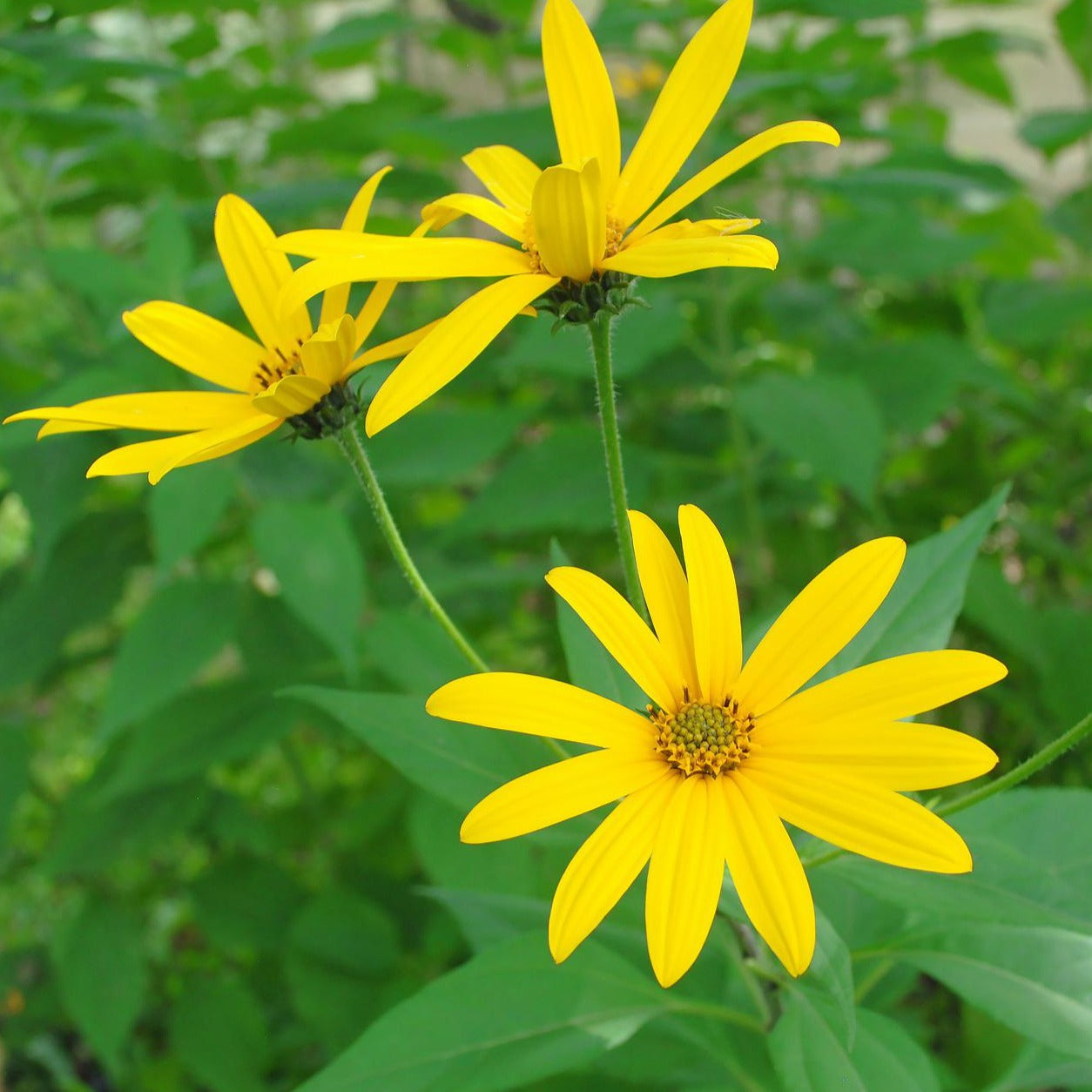
Species: Helianthus tuberosus, Sunchokes are also known as Jerusalem Artichokes or J Chokes
History: Little is known about the origins of Clearwater aside from the fact that it originated in Maine, possibly as a wild plant found in 1988.
Why We Grow It: Clearwater produces smooth, white tubers with a mild flavour that some say borders on sweet. This is a productive variety and the smoothness of the tubers generally makes them easier to clean. Sunchokes can be prepared and eaten in much the same way potatoes can, making them a very versatile food.

Special Note: We take special care to grade out (remove) any of these seedlings that are showing visible thorns when we dig them in the fall. This increases the likelihood (although we cannot make any guarantees) that you will not have thorns develop on your Thornless Honey Locust Seedling. If you don't mind thorns on your Honey Locust, the ones we grade out are available here at a lower pricepoint.
Species: Gleditsia triacanthos
History: Thanks to its ability to tolerate a host of adverse conditions that would hinder or kill other trees, Honey Locusts have been cultivated for us as ornamental, urban trees. As a result, several thornless varieties have been developed including the mother tree for these seedlings.
Why We Grow It: Honey Locust has many benefits for permaculture and now growers do not need to worry about popping tires with thorns thanks to these thornless trees - though they are seedling so some may develop thorns though most will not; these can be top grafted with a thornless type if needed. Reaching 30 meters tall, this native nitrogen fixing tree benefits many including bees, wildlife, and even humans: we can use the sweet (honey flavoured) pulp inside their pods in baking, tea or for brewing beer. The durable, rot-resistant wood has a variety of uses.

Species: Amelanchier x wiegandii (likely a hybrid of A. arborea and A. sanguinea)
History: There is little information on the origin of Isaac although it is believed to be a cross between the Common Serviceberry (A. arborea) and the Roundleaf Serviceberry (A. sanguinea). It was likely selected for its large, sweet berries.
Why We Grow It: Isaac produces very large berries with a lovely sweet flavour. Like other serviceberries they are great for fresh eating, cooking, baking, and preserving. Isaac makes a nice ornamental shrub with its rounded shape and white blooms in the spring. It is generally an adaptable and cold hardy plant as well!
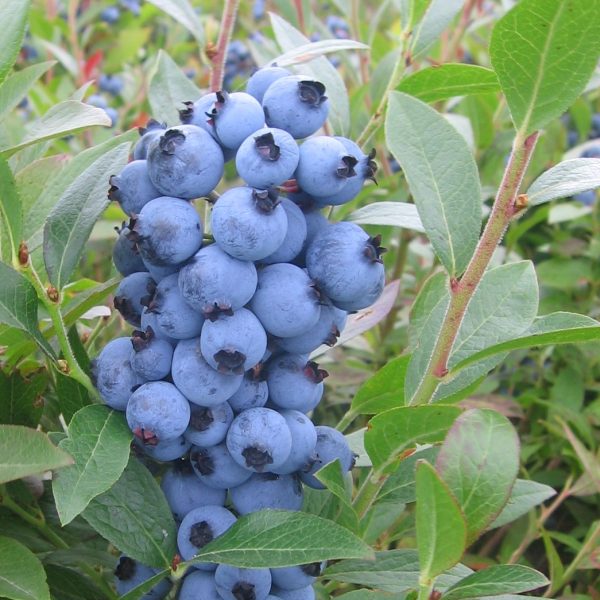
Species: Vaccinium corymbosum x V. angustifolium
History: Northblue was bred by the University of Minnesota as part of a hybrid blueberry breeding program that started in 1967. The goal of the program was to cross highbush and lowbush blueberries in order to create high-quality cold hardy varieties. Of the three varieties initially created in this program, Northblue was noted for having the largest fruit and highest productivity. Northblue was introduced to the public in 1983.
Why We Grow It: Northblue produces nicely sized, firm blueberries that store well. The berries have a good sweet flavour akin to that of wild blueberries and are great for a variety of uses. The compact shrub is quite productive and cold hardy.


History: Priscilla is the second apple variety developed through the collaborative PRI disease-resistant breeding program run by Purdue University, Rutgers University, and the University of Illinois. It was planted in 1962 and has a complex heritage that includes Starking Delicious, McIntosh, Golden Delicious, and Rome Beauty. It was introduced in 1972 and named 'Priscilla' after Priscilla Hovde, the wife of the seventh president of Purdue University as it happened to fit the 'pri' naming scheme for the varieties developed through the program.
Why We Grow It: Another successful introduction from the PRI breeding program, Priscilla boasts resistance to most common apple diseases including fireblight and scab. The fruit is also quite attractive with a deep red blush over yellow skin with a sweet and subacid flavour.
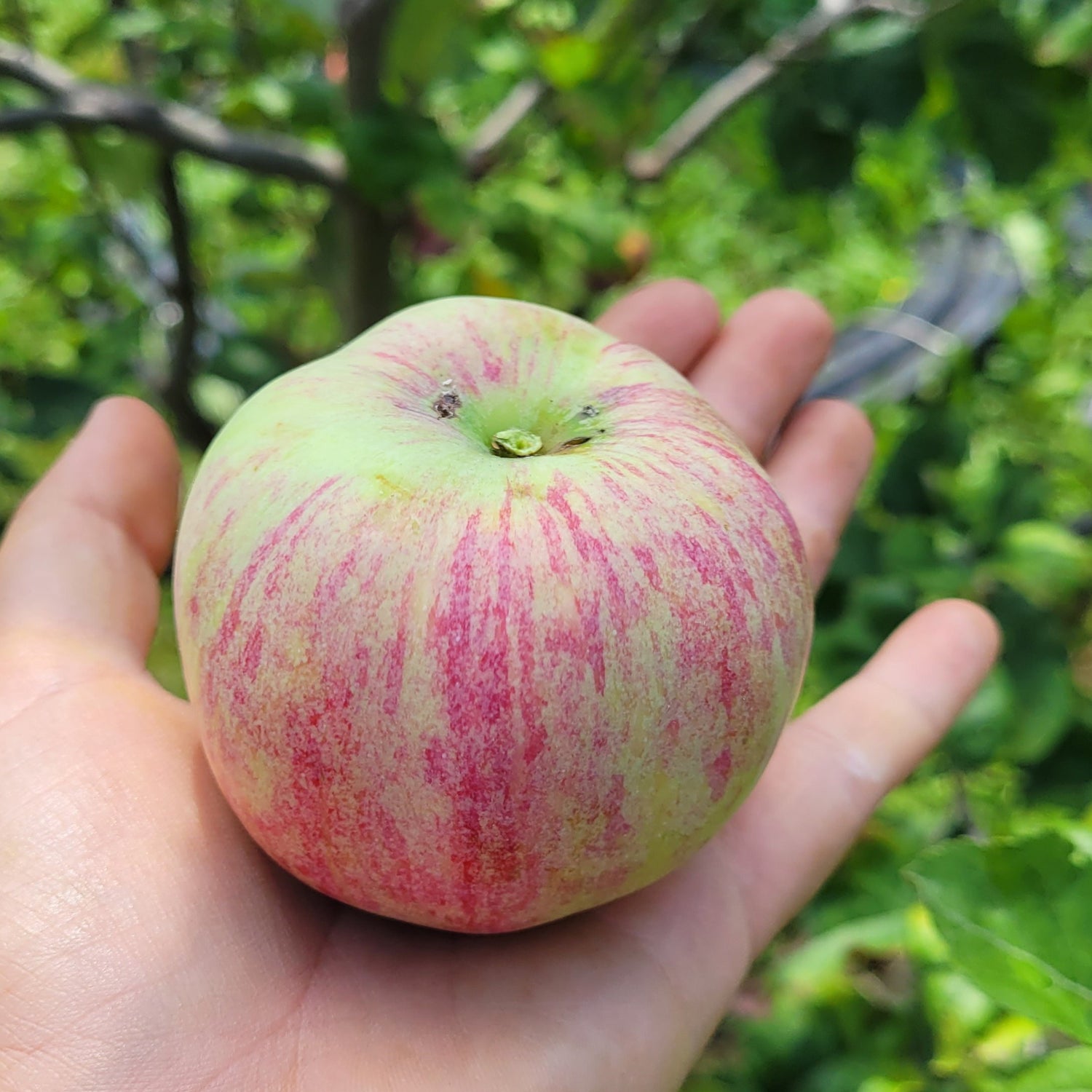
History: This cold-hardy apple was developed in the prairies and is for growing in colder, northern areas.
Why We Grow It: This unique apple produces a yellow fruit with red stripes. It is a rather uncommon variety and is great for sauce. It has begun producing reliably in our test orchard the last few years, and always has a bountiful crop.


History: Redfree is one of the apples developed under the collaborative PRI disease-resistant breeding program run by Purdue University, Rutgers University, and the University of Illinois. It was bred in 1966 and officially introduce to the public in 1980.
Why We Grow It: Redfree apples are great for fresh eating with a pleasant, mildly sweet flavour and softer yet crisp flesh. The fruit does not ripen all at once, allowing a longer eating season. As its name would suggest, it has decent resistance to several common apple diseases.

Species: Lindera benzoin
History: Spicebush is native to eastern North America, although in Canada it can only be found in Ontario. It has been used medicinally by several indigenous peoples and early land surveyors used it to find good agricultural land due to its propensity to grow in good soil. It remains a popular ornamental plant along with its uses for spices and teas. Spicebush is also the only host plant for the spicebush swallowtail.
Why We Grow It: If you want to source your own spices locally, try this aromatic, native shrub! The leaves and berries can be used as substitutes for cinnamon, nutmeg, and allspice. It is attractive to butterflies and the early bloom time means it is a good source of pollen in the spring. The shrub is also quite pretty in autumn when its leaves turn a bright yellow.

History: Shizuka (translated as "quiet" or "calm") was created at the Aomori Apple Experiment Station in Japan in the 1930s. It is a cross between Golden Delicious and Indo, the same parentage as its sister apple Mutsu.
Why We Grow It: Although it resembles Mutsu with its large yellow-green fruit, sometimes featuring a reddish-orange blush, Shizuka is sweeter and less acidic. This is an excellent fresh-eating apple for farm gate sales and it also keeps well. It is also great in salads due to its slow browning.

Are you thinking of growing fruit trees? Are you in a hurry to enjoy a delicious organic harvest? Fruit trees don’t grow overnight, but the choices you make and the care you give them can speed up the process. You don’t need a degree in horticulture, and you don’t need to use toxic sprays. Growing fruit trees successfully is simply a matter of knowing what to do and when to do it—and if you know what to look for, your trees will tell you exactly what they need.
This book is for you if you:
- Want to grow fruit trees (like apple, peach, pear, cherry, apricot and plum)
- Are looking for easy techniques that will give you abundant harvests
- Don’t have a lot of time to devote to fruit tree care
- Have never planted a thing
- Are an experienced gardener
- Want to avoid the frustration of trial-and-error learning
If your goal is to grow fruit trees fast, take an hour to read this book. Follow the simple steps inside and you’ll be enjoying a healthy harvest in record time.


2026/2027 Staff Favourite
Our sunchokes are Zack's favourite this year! Zack has this to say about our OG sunchoke tubers: “It blows my mind how fast sunchokes grow. This particular variety has produced stalks almost 20ft high in two different locations for multiple years now. Though its tuber size is nothing to write home about, its stalk size sure is! I wonder about the soil-building potential of these giants! Not having to replant these edible tubers is such a blessing, but beware if you want to get rid of them.”
All Staff Favourites are 20% off. The Staff Favourite Discount cannot be combined with other quantity discounts.
Species: Helianthus tuberosus, Sunchokes are also known as Jerusalem Artichokes or J Chokes
History: Sunchokes are native to central North America and have traditionally been cultivated by indigenous peoples for their edible tubers. European colonizers sent samples back to Europe where it became naturalized. It has fallen into obscurity in North America but there was some success in marketing it commercially in the 1990s and 2000s. These sunchokes are the first ones we started offering here at Silver Creek Nursery! Although we do not know what variety (if any) they are, they have done quite well for us in our front garden and have been a tasty part of many staff meals over the years!
Why We Grow It: These native plants produce tasty root tubers that, like potatoes, can be prepared and eaten in a variety of ways including raw, roasted, or treated like sauerkraut. Most people can eat them no problem, but some folks do find they can get mildly gassy if they enjoy too much at a time, so if you have never eaten them before, moderation is advised. They are in the sunflower family so get quite tall and produce lovely little yellow flowers. They spread vigorously as well, and should be managed (easily done with mowing or hand pulling in summer).
The pictures on the left show Zack standing in front of the sunchoke patch by our front office! The photo was taken Aug. 7th, 2026 and they are already quite tall, but they will continue growing until they flower in September.

History: Somerset Redstreak originated in Somerset, England in the early 1900s. This cider apple is still widely planted in the UK.
Why We Grow It: These attractive apples, yellow with red blush and striping, create a nice bittersweet juice with no sharpness.