
Rootstock & Scionwood
Rootstock & Scionwood
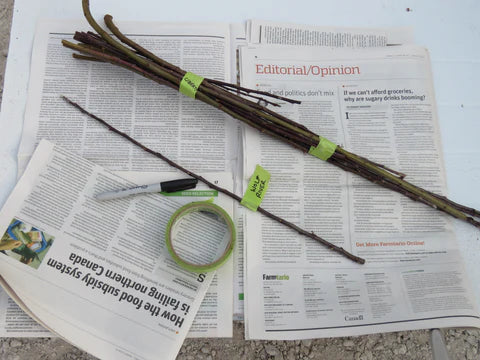
Every year we get tons of requests for rootstock and scionwood. While our main business is in the finished product (grafted fruit trees), we also like to support those wishing to learn the grafting process for themselves. We can attest that it is a very enjoyable (and rather addictive) pastime!
Rootstock - We are accepting pre-orders for rootstock for Spring 2027! If you are interested in requesting rootstock for Spring 2028 please contact us directly to be added to our waitlist.
Scionwood - Please contact us directly if you are interested in being added to our Spring 2027 waitlist. Scionwood orders are generally open from December until the end of February and should be shipped out/picked up by mid-April.
For those new to the grafting process, we also offer the following resources:
- Our annual in-person Apple Grafting Workshop!
-
Fruit Tree Grafting for Everyone, a handy grafting guide co-authored by Steph who owns Silver Creek Nursery!
239 products
Sort by:
239 products
239 products
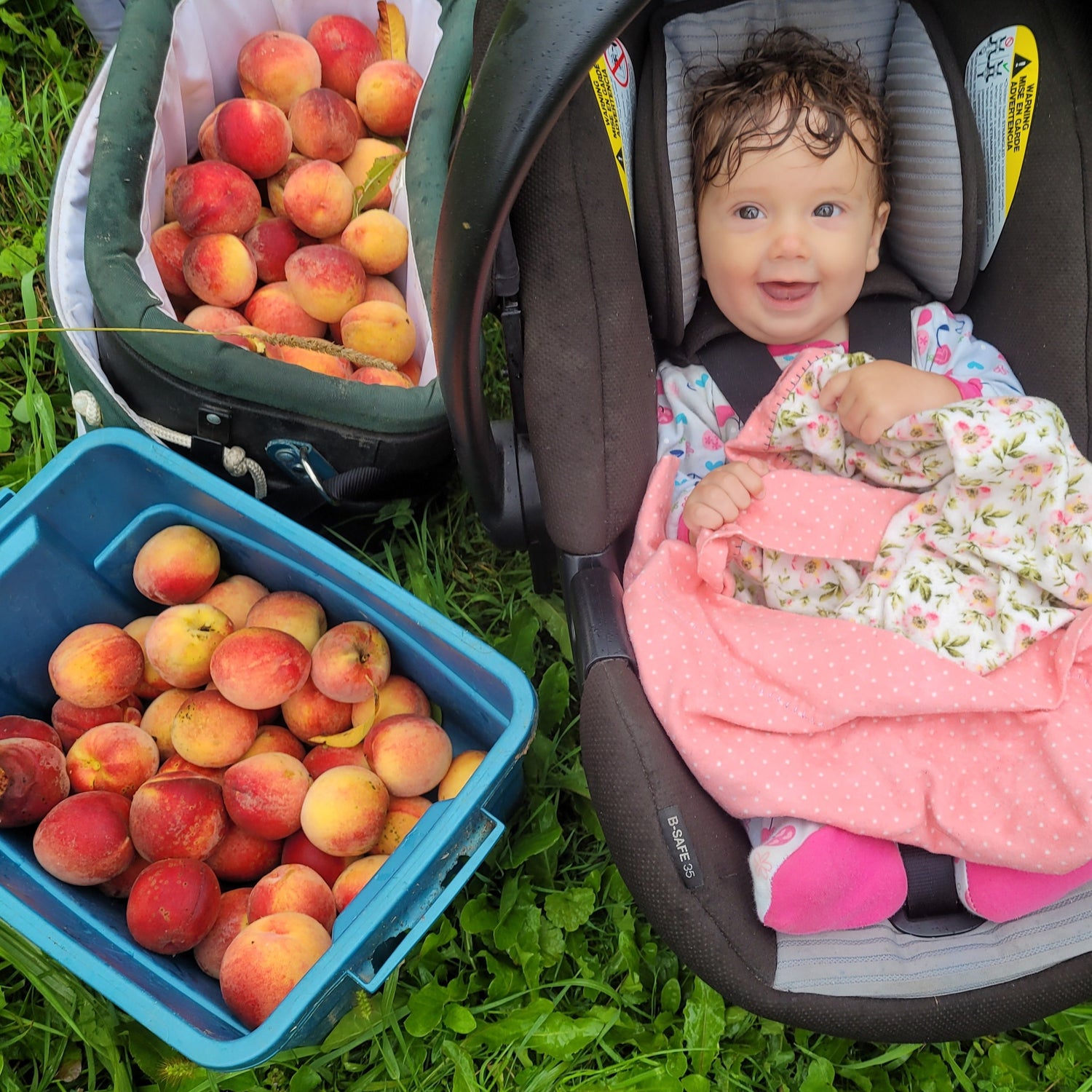
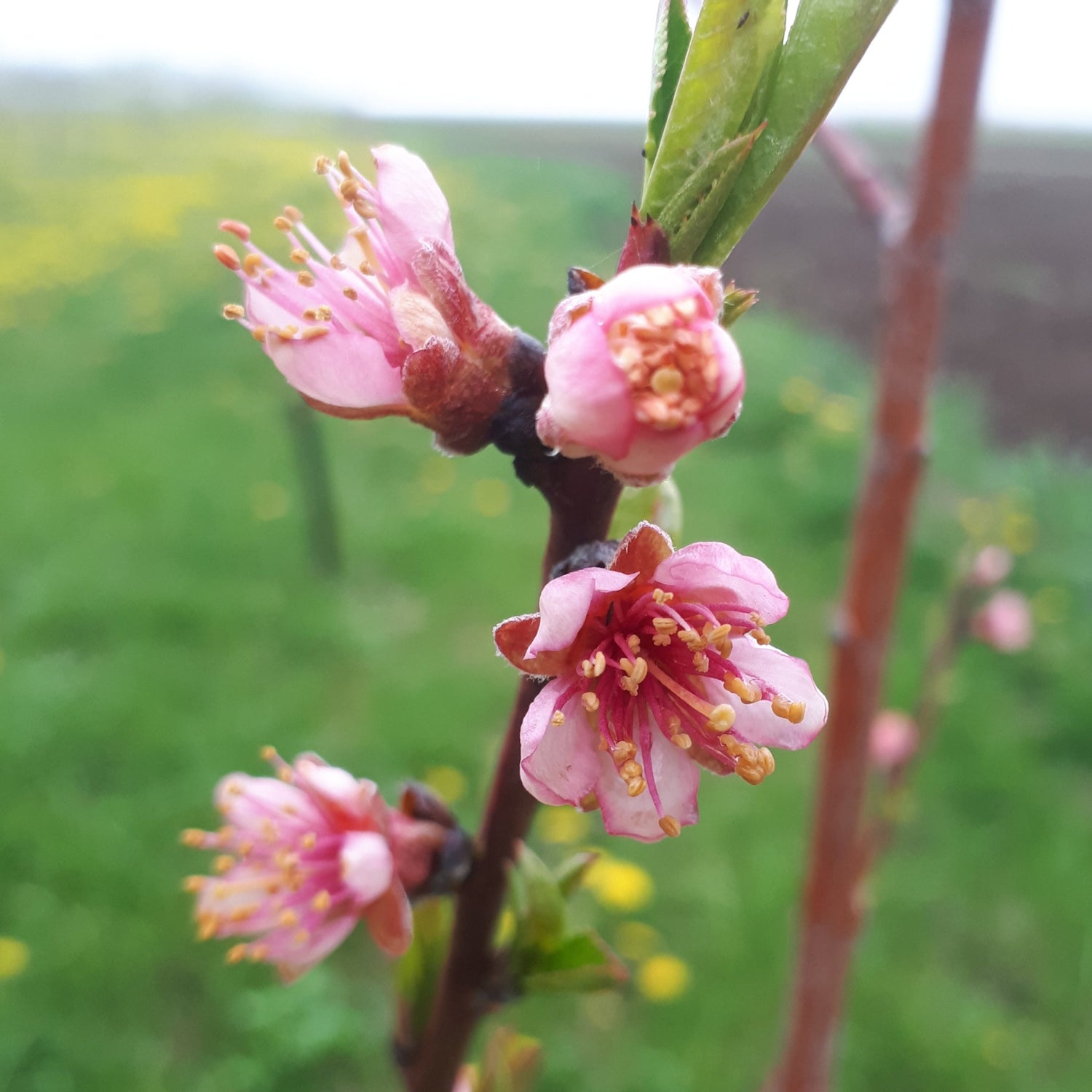
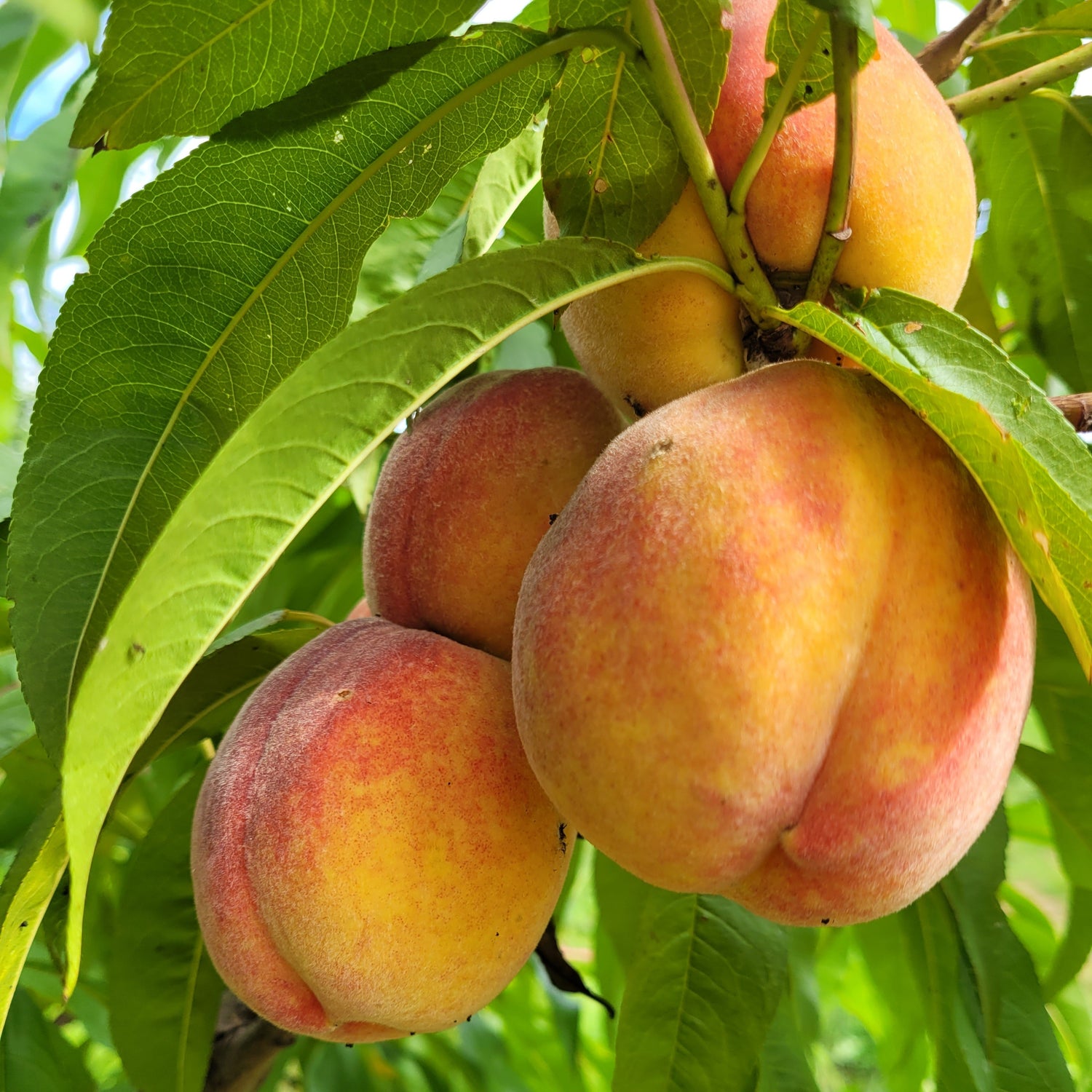
History: Redhaven peaches were created at Michigan State University's South Haven Research Center as part of the Haven series which began in 1924. Redhaven in particular was developed in the 1930s and released in the 1940s, making it the first commercial red-skinned peach variety. It is now one of the most commonly grown peaches in the world.
Why We Grow It: Redhaven is the most popular peach in North America, its sweet fruit being great for just about anything. The fruit is attractive, juicy, and flavourful and is slow to brown. The flesh does not turn brown when cut as quickly as other varieties. To ensure you can enjoy this great peach as much as possible, the tree begins bearing fruit at a young age, bears heavy crops, and the fruit ripens over a prolonged period of time which requires multiple harvests.
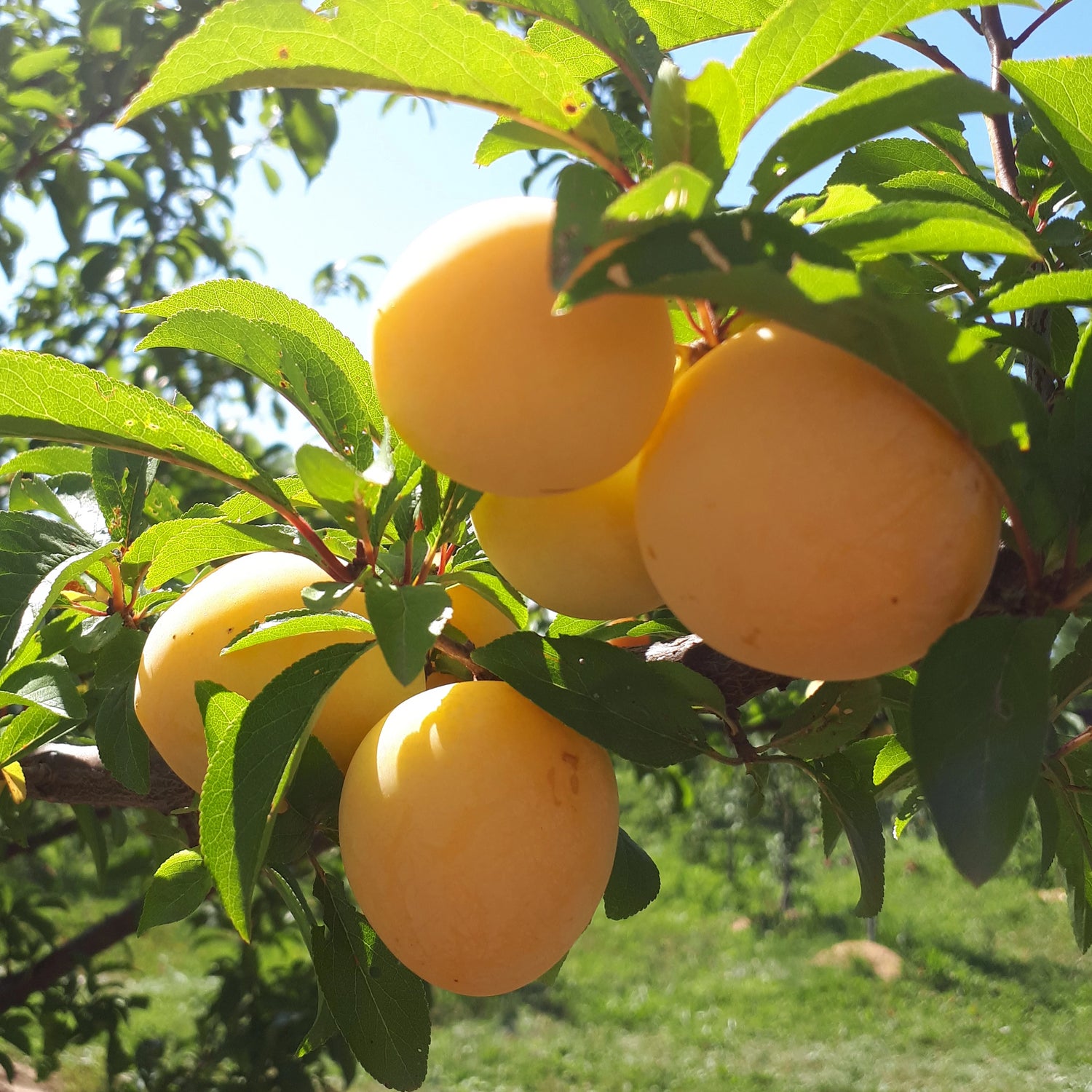
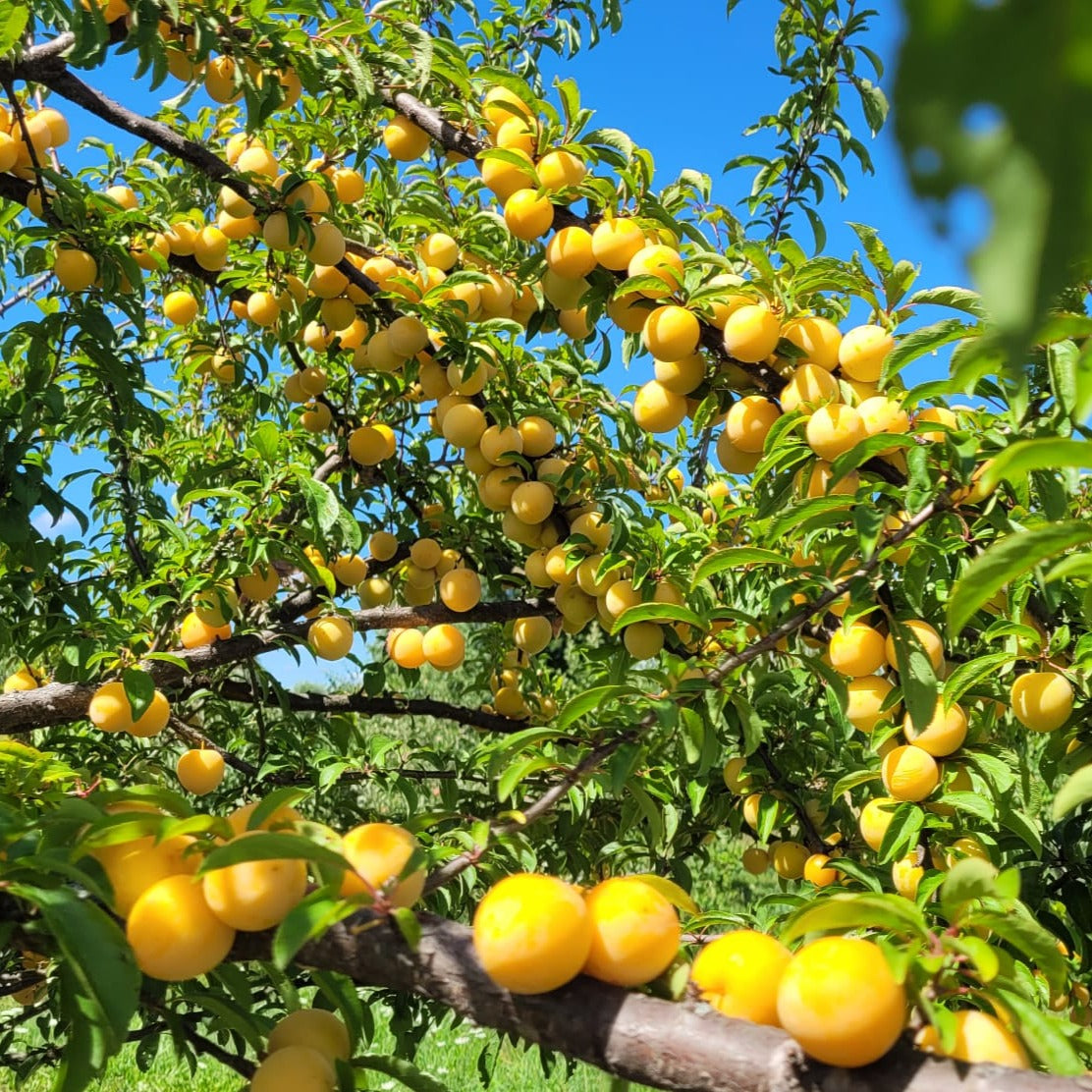
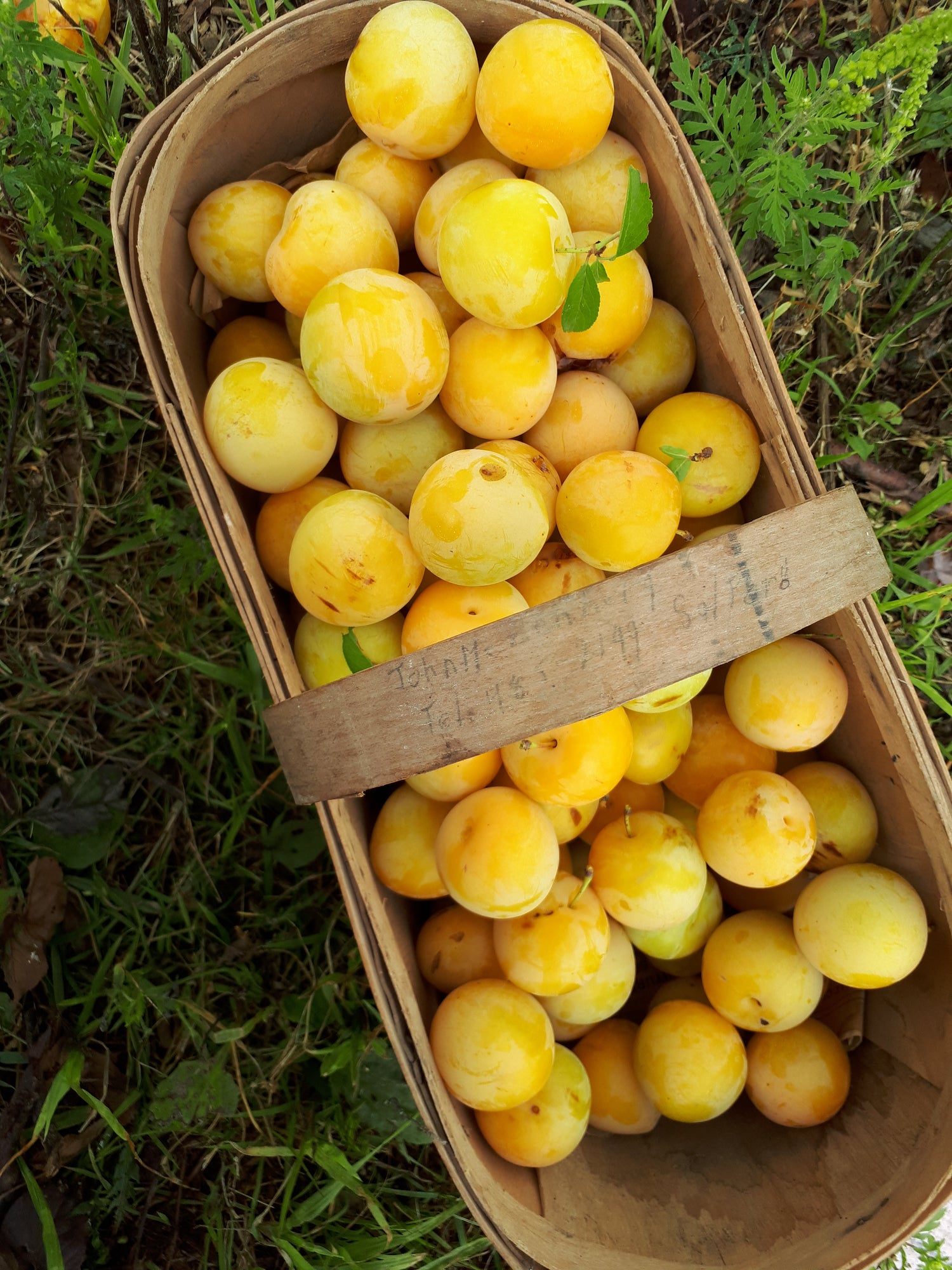
History: Shiro plums (translated from Japanese as 'white') were developed in California and introduced in 1899. They were bred by horticulturalist Luther Burbank who is renowned for his extensive experimentation with creating new plum varieties. Shiro plums are most commonly grown in the United States and Canada.
Why We Grow It: This early Japanese clingstone variety has yellow skin and flesh that is juicy and sweet. The fruit keeps longer than most plums, lasting two to four weeks, and the tree is known for its compact growth and heavy crops.
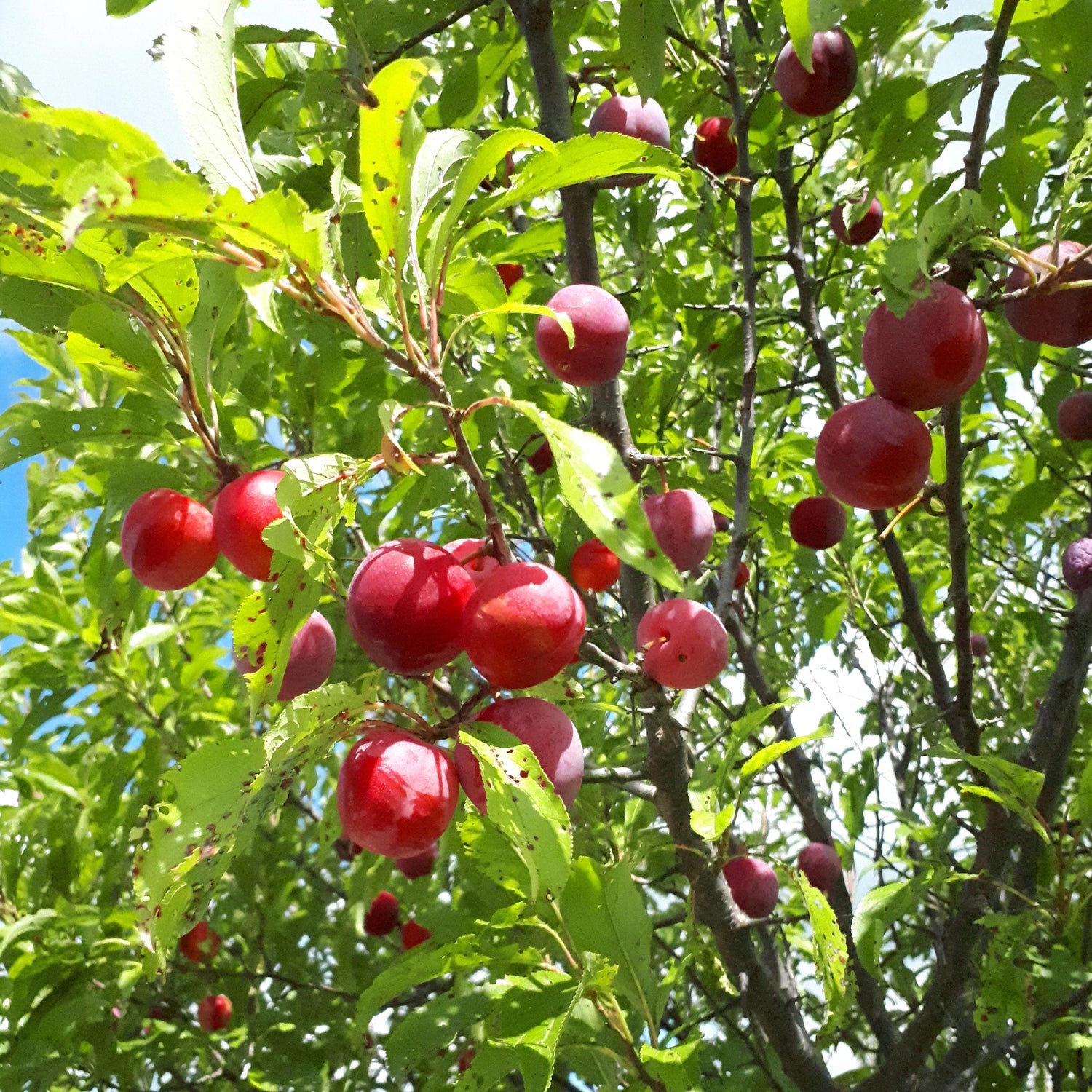
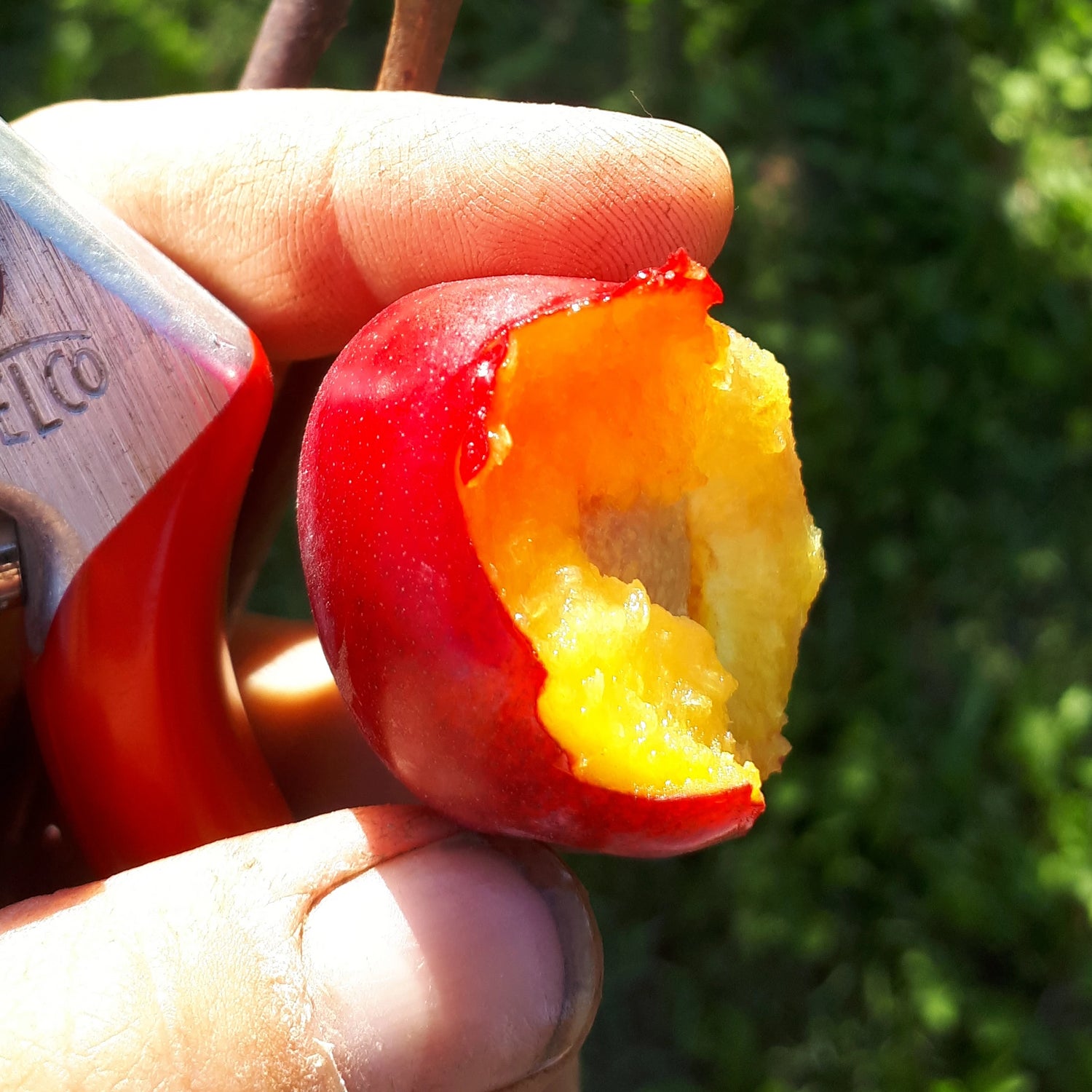
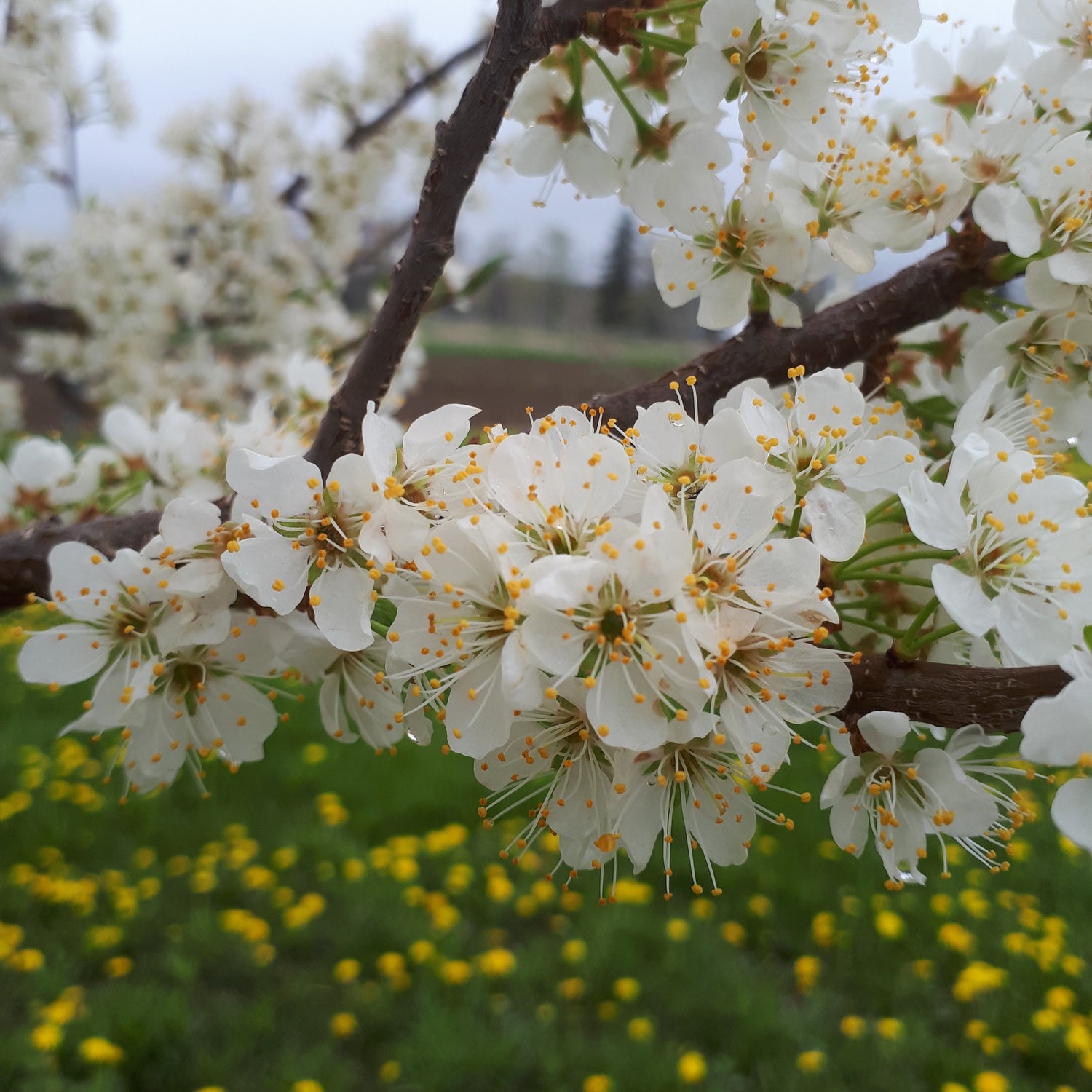
History: Toka is a hybrid of an American plum (Prunus americana) and a Japanese plum (Prunus salicina) that was created by Dr. N.E. Hansen who is known for his extensive career in developing cold hardy plant varieties. He developed Toka at the South Dakota Experiment Station and introduced it in 1911. It is unclear what 'Toka' translates to in English but 'toka' can mean 'etc/among other things' or 'river crossing' in Japanese
Why We Grow It: Toka is also known as Bubblegum plum due to its flavour and smell which bears an uncanny resemblance to bubblegum. These plums are incredibly aromatic, and will fill your kitchen with their perfumed scent as they sit out to ripen. The semi-clingstone fruit features deep red skin and bright yellow flesh that is firm but juicy. It is good for fresh eating or preserving.
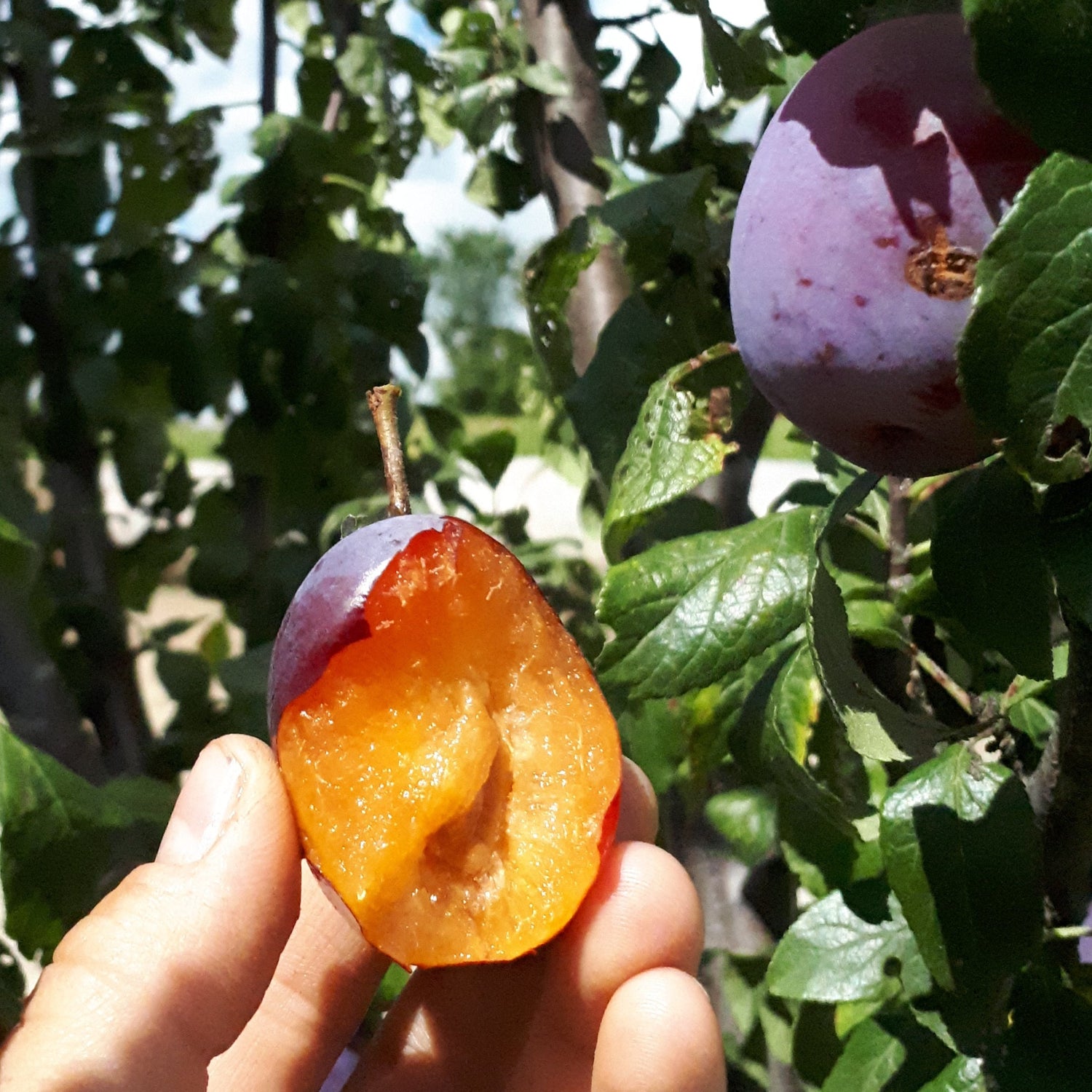
History: Waneta is a hybrid of Japanese plums (Prunus salicina) and American plums (Prunus americana) developed at the South Dakota Experimental Station by NE Hansen and introduced in 1913. It was developed at a time when hybrid plums were more important as a commercial crop. It was named after a Yanktonai man who played a prominent role in the War of 1812 and later became chief.
Why We Grow It: Waneta is a juicy and sweet clingstone plum with tart red skin. The flesh is a yellowish colour. The tree naturally stays a little smaller and has good crops, paired with decent cold hardiness.


History: White Knight was created at the fruit breeding program in Vineland by University of Guelph professor Jayasankar Subramanian. Subramanian specializes in developing new varieties of peaches, plums, nectarines, and cherries for the Ontario market.
Why We Grow It: White Knight is a variety of white peach that produces a tangy, sweet, and juicy clingstone fruit with a hint of raspberry flavour and a tender, chewy texture. The skin is a vibrant ruby red overlaying whitish pink, making it a rather lovely peach.


