
Wholesale Plant Availability
For wholesale inventory;
124 products
Sort by:
124 products
124 products
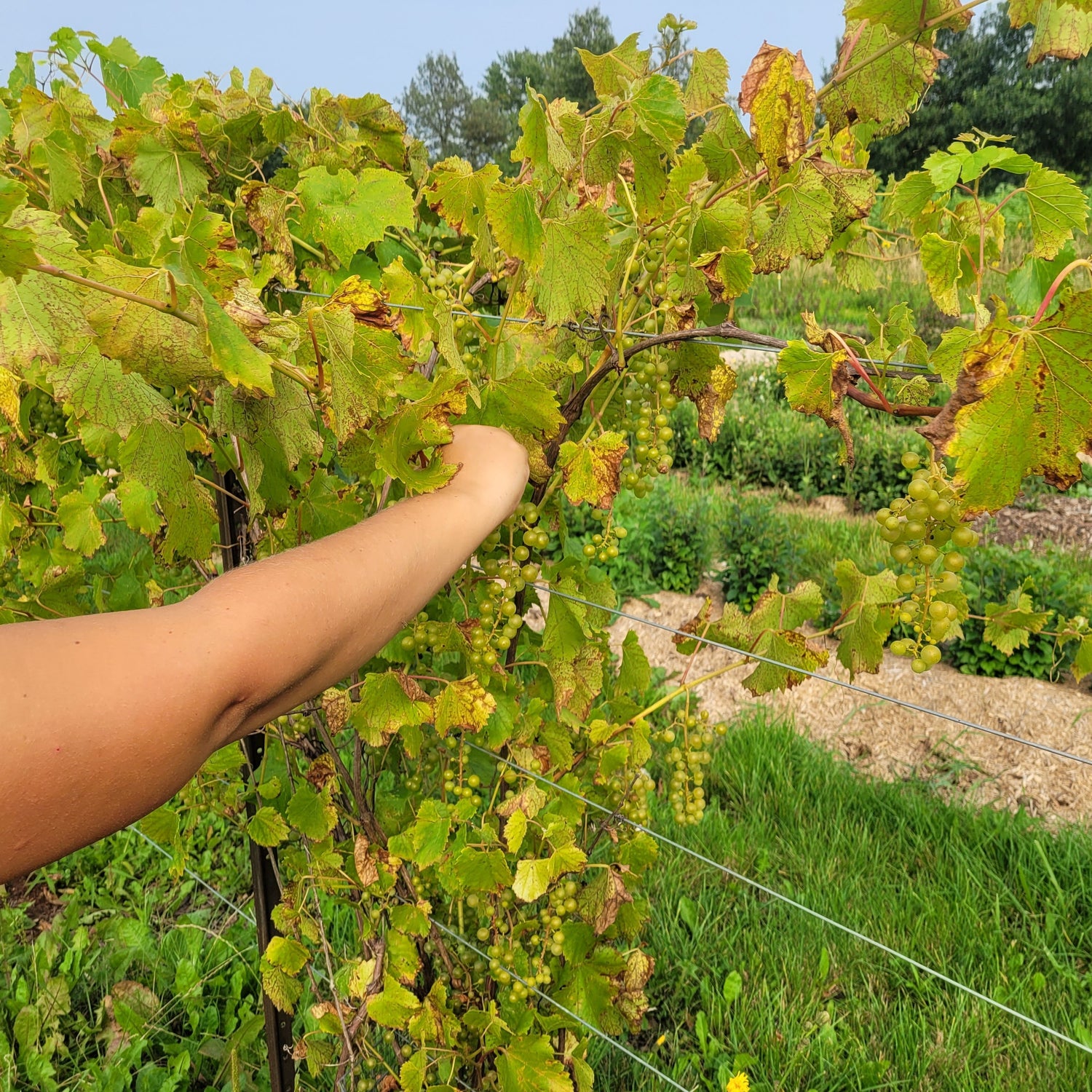
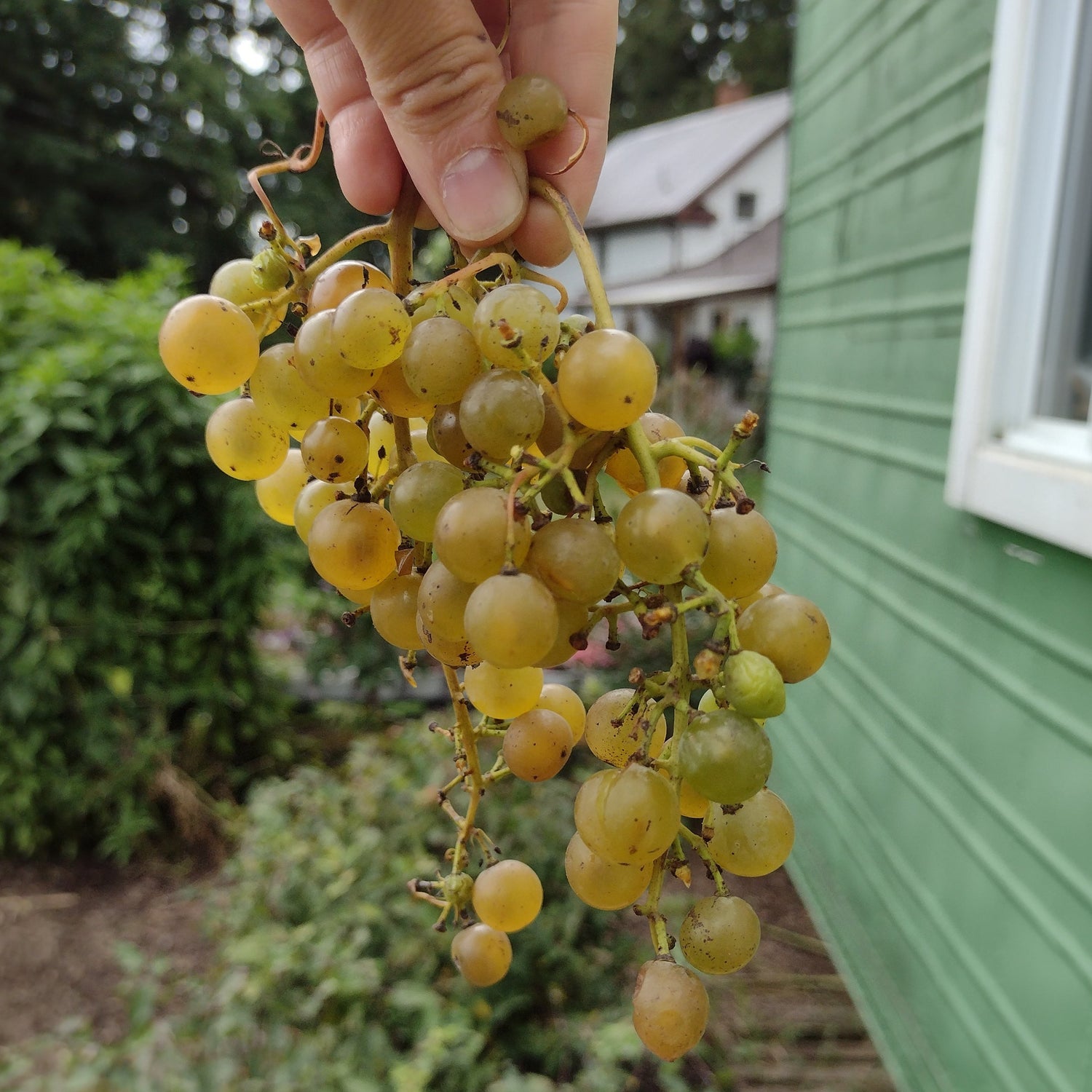
Species: Vitis vinifera x V. rupestris x V. ripraria x V. labrusca
History: Osceola Muscat/ES.8-2-43 was bred by renowned grape breeder Elmer Swenson as part of his effort to mix French and North American grapes to create high-quality varieties that grow well in cooler climates. Osceola Muscat is a cross between four different species: Common grape (Vitis vinifera), Vitis rupestris, Riverbank grape (Vitis riparia) and Fox grape (Vitis labrusca). Swenson bred it on his farm near Osceola, Wisconsin and in 2010 the variety was named after the town. The grape's alternate name, Muscat de Swenson, is named after Swenson himself who passed away in 2004.
Why We Grow It: Osceola Muscat produces loose clusters of seeded, intensely aromatic grapes with notes of peach and apricot. The small-medium, thin skinned fruit is suitable for fresh eating or juice and wine. This is one of the hardiest 'muscat' varieties available and is relatively vigorous.

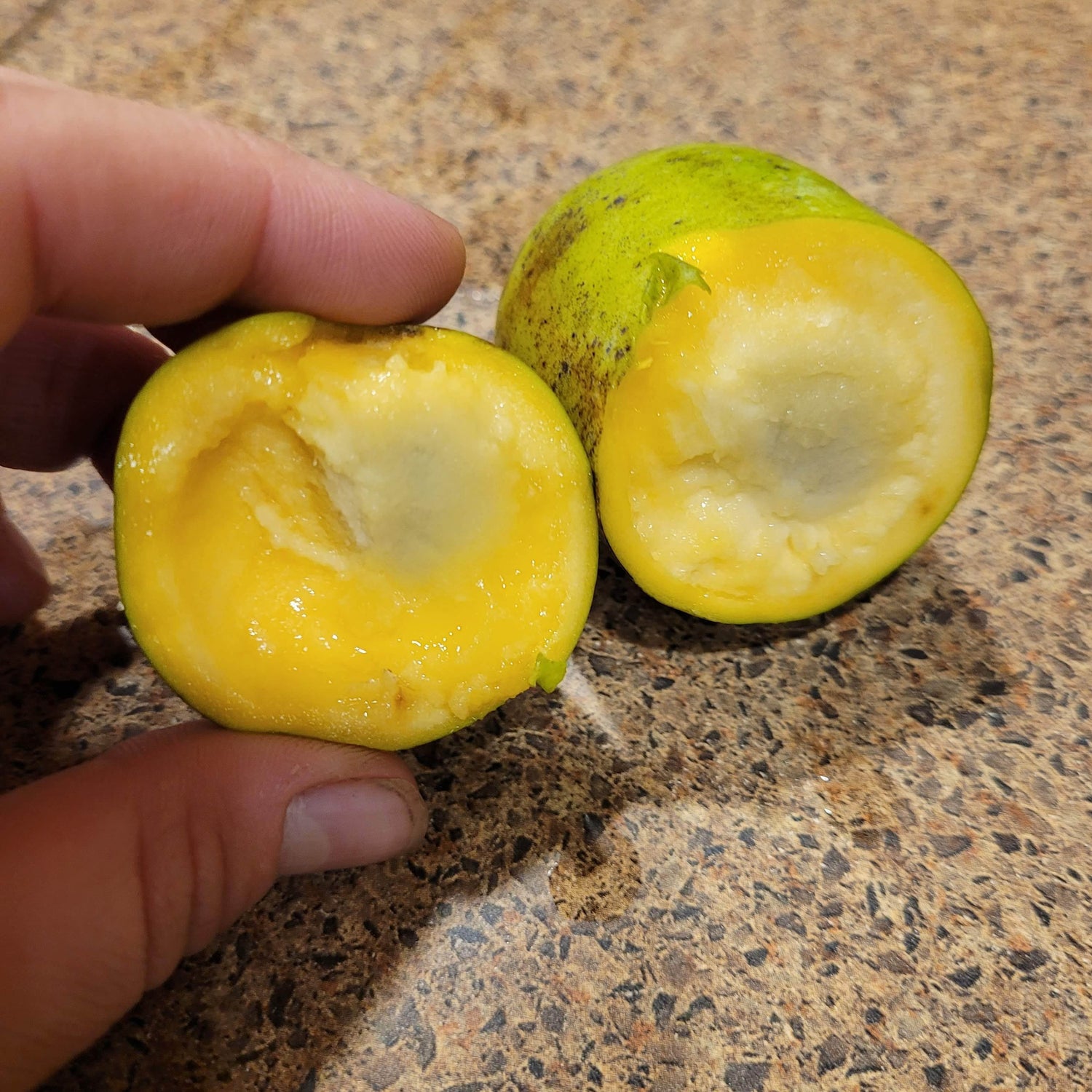
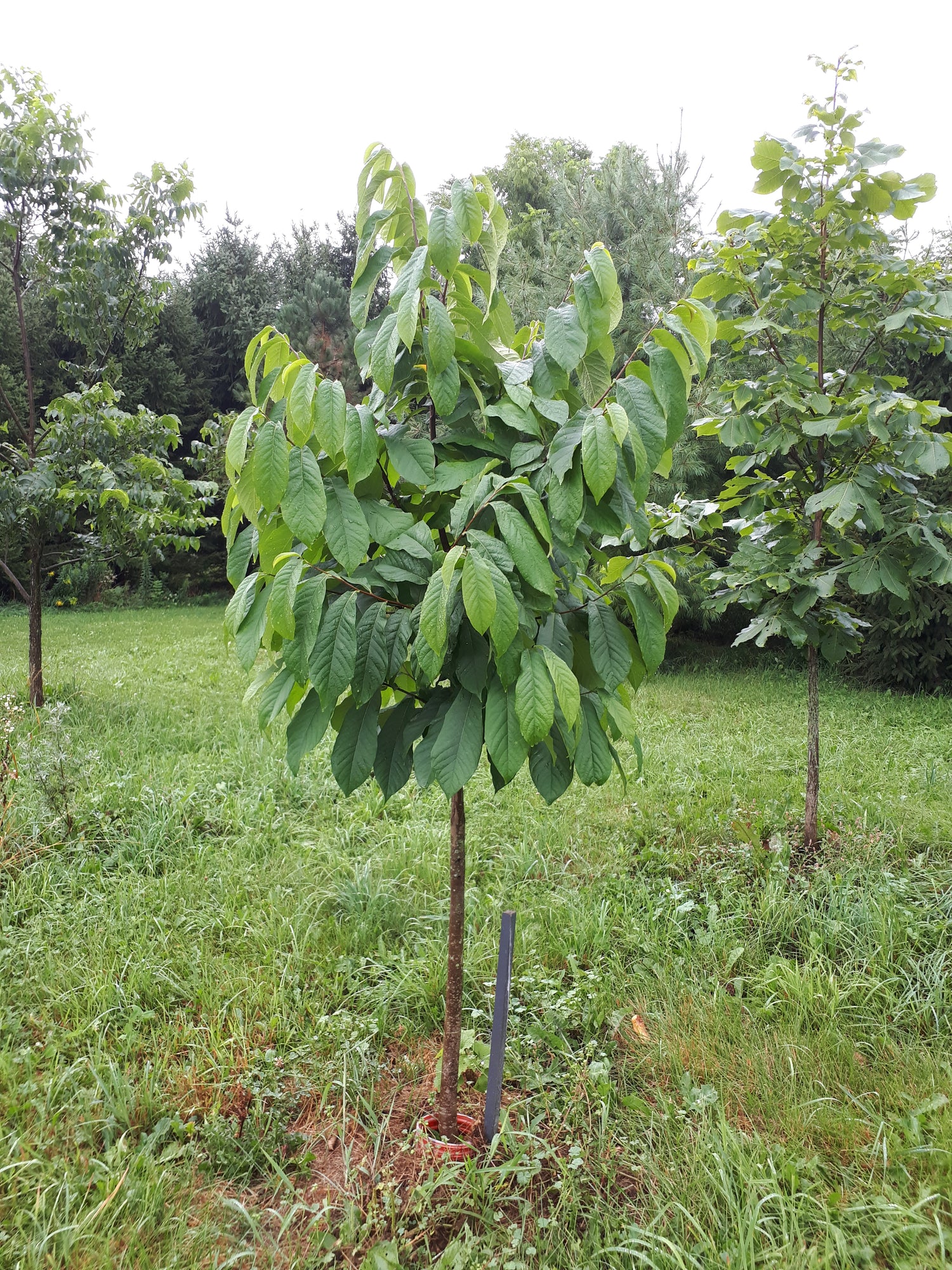
Species: Asimina triloba
History: Native to southern Ontario where it is considered a vulnerable species and the central United States, it is believed the range of these trees has shrunk with the extinction of megafauna that likely dispersed the seeds. These oddly tropical fruits have been cultivated by indigenous peoples and European colonizers alike, it is rumoured chilled pawpaw was George Washington's favourite dessert and Thomas Jefferson planted some at Monticello. Although popular among locals and with foragers, pawpaws have failed to achieve any kind of commercial success due to their poor keeping ability and oft difficult pollination.
Why We Grow It: The Pawpaw produces very unique fruit that has a distinct tropical banana/mango flavour and custard-like texture. As it oxidizes fairly quickly once cut open, it is best eaten fresh once fully ripe or made into sauces, ice cream, etc. You can bake and cook with pawpaw like you would with bananas but please take note that some people have reported extreme tummy troubles after consuming cooked pawpaws! Mouse made a no-bake pawpaw cheesecake (pictured on the left), you can find the recipe on our blog here! Pawpaws have a very slow growth habit and grow naturally as an under story tree, usually not reaching over 35 feet. We grow them from seed for increased hardiness compared to grafted stock.
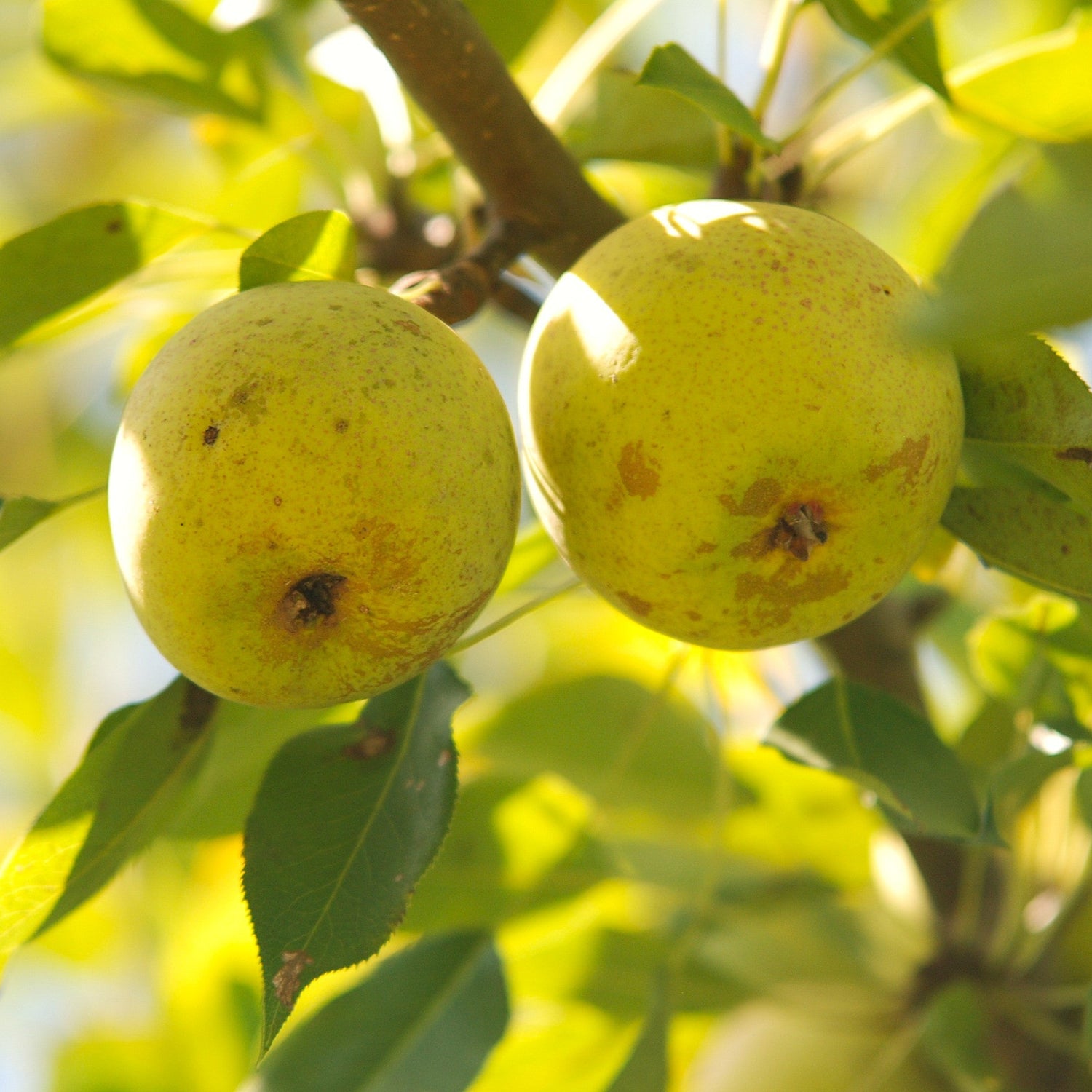
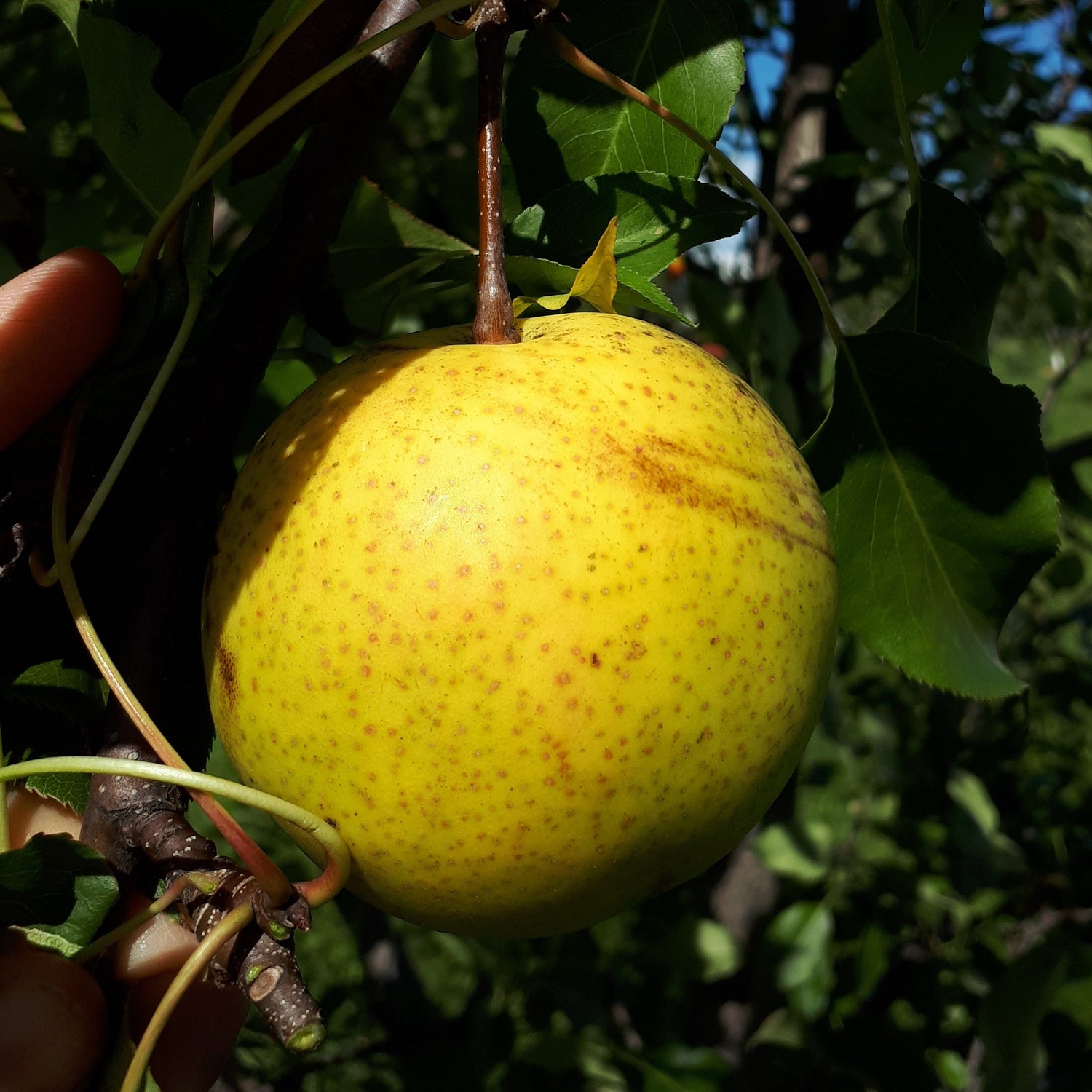
History: Ping Guo Li (translated from Mandarin as 'apple pear') was developed by Jilin Sheng in China and likely named for its round, apple-like shape. While its exact age is unknown, this pear is considered to be an old variety.
Why We Grow It: This Asian pear is nothing but sweet and juicy melting goodness! Its sweet flavour and soft texture are comparable to that of a European pear. So far it has performed very well in our test orchard and displays good cold-hardiness.

History: Porthos was developed by Bob Bors at the University of Saskatchewan. It was selected for its large fruit and unusually sweet flavour. A member of the Musketeer Series, Porthos was released in 2022 as part of the university's 100 Years of Horticulture Celebrations.
Why We Grow It: Porthos produces large, deep red fruits that are quite sweet for sour cherries! This is a versatile variety that is great for fresh eating, baking, cooking, freezing, and making wine.
Check our our blog post with some tasty sour cherry recipes!


History: Priscilla is the second apple variety developed through the collaborative PRI disease-resistant breeding program run by Purdue University, Rutgers University, and the University of Illinois. It was planted in 1962 and has a complex heritage that includes Starking Delicious, McIntosh, Golden Delicious, and Rome Beauty. It was introduced in 1972 and named 'Priscilla' after Priscilla Hovde, the wife of the seventh president of Purdue University as it happened to fit the 'pri' naming scheme for the varieties developed through the program.
Why We Grow It: Another successful introduction from the PRI breeding program, Priscilla boasts resistance to most common apple diseases including fireblight and scab. The fruit is also quite attractive with a deep red blush over yellow skin with a sweet and subacid flavour.
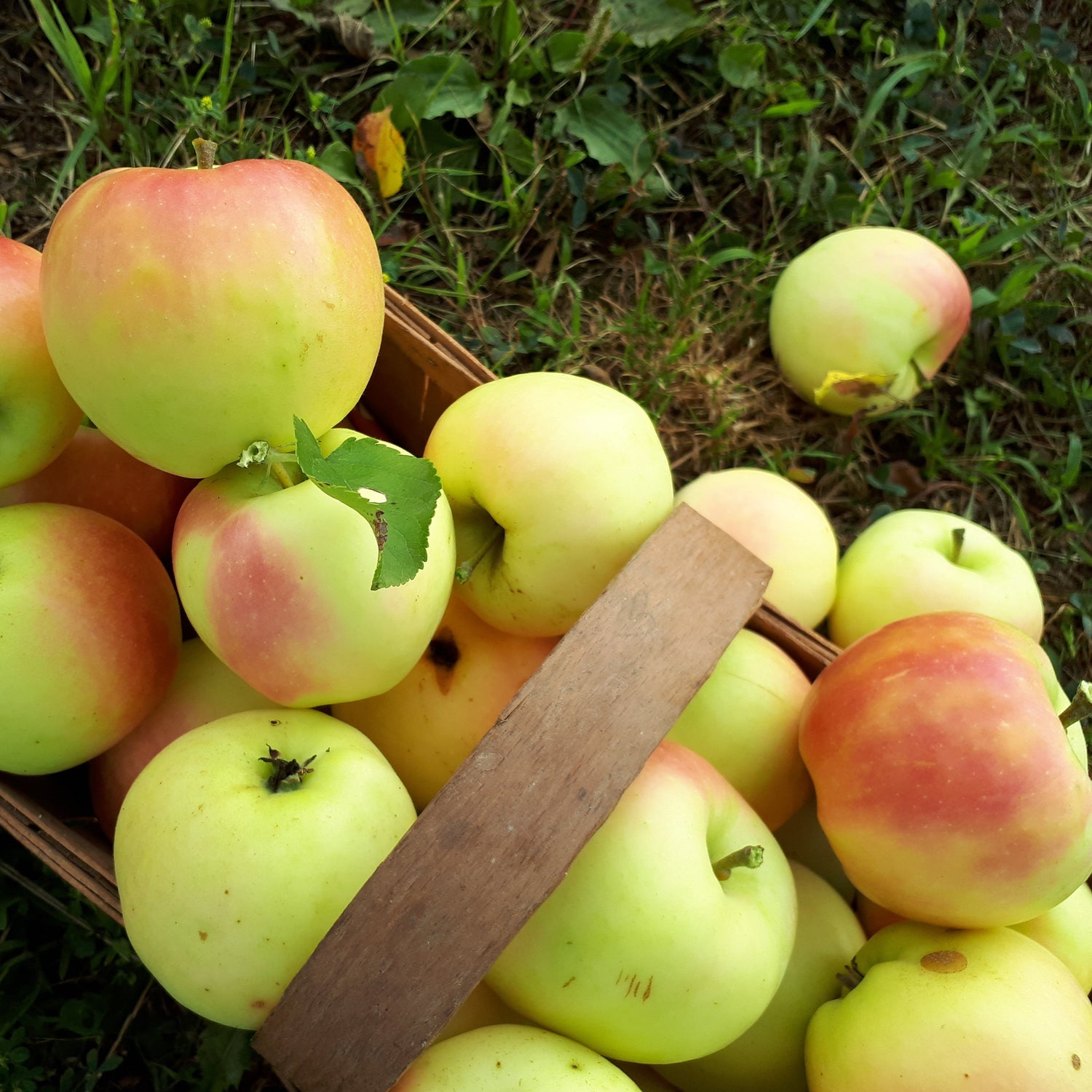
History: Pristine is another variety that was developed through the collaborative PRI disease-resistant breeding program run by Purdue University, Rutgers University, and the University of Illinois. It was introduced in 1994.
Why We Grow It: The program was successful with this apple which boasts a decent disease resistance, and performs very well in our orchard. The fruit is an attractive yellow-gold colour with a pink blush where the sun hits it, and the flesh is dense and white. It has a refreshing, sharp flavour and is good for fresh eating if you enjoy a good tart apple! Unlike many early season apples, it has a higher sugar content and stores decently well.

Species: Salix sp, most likely Salix discolor
History: Pussy willows are native to North America, Europe, and Asia and are culturally significant in all three continents. They are a New Years decoration in China and Iran and have been used in various sects of Christianity for purposes such as replacing palm fronds as a decoration for Palm Sunday in Europe and America where palms do not grow.
Why We Grow It: A fluffy signifier of spring, these cute willows are also a great early pollen source for bees and have medicinal uses.
Photo by Huckleberry Hives.
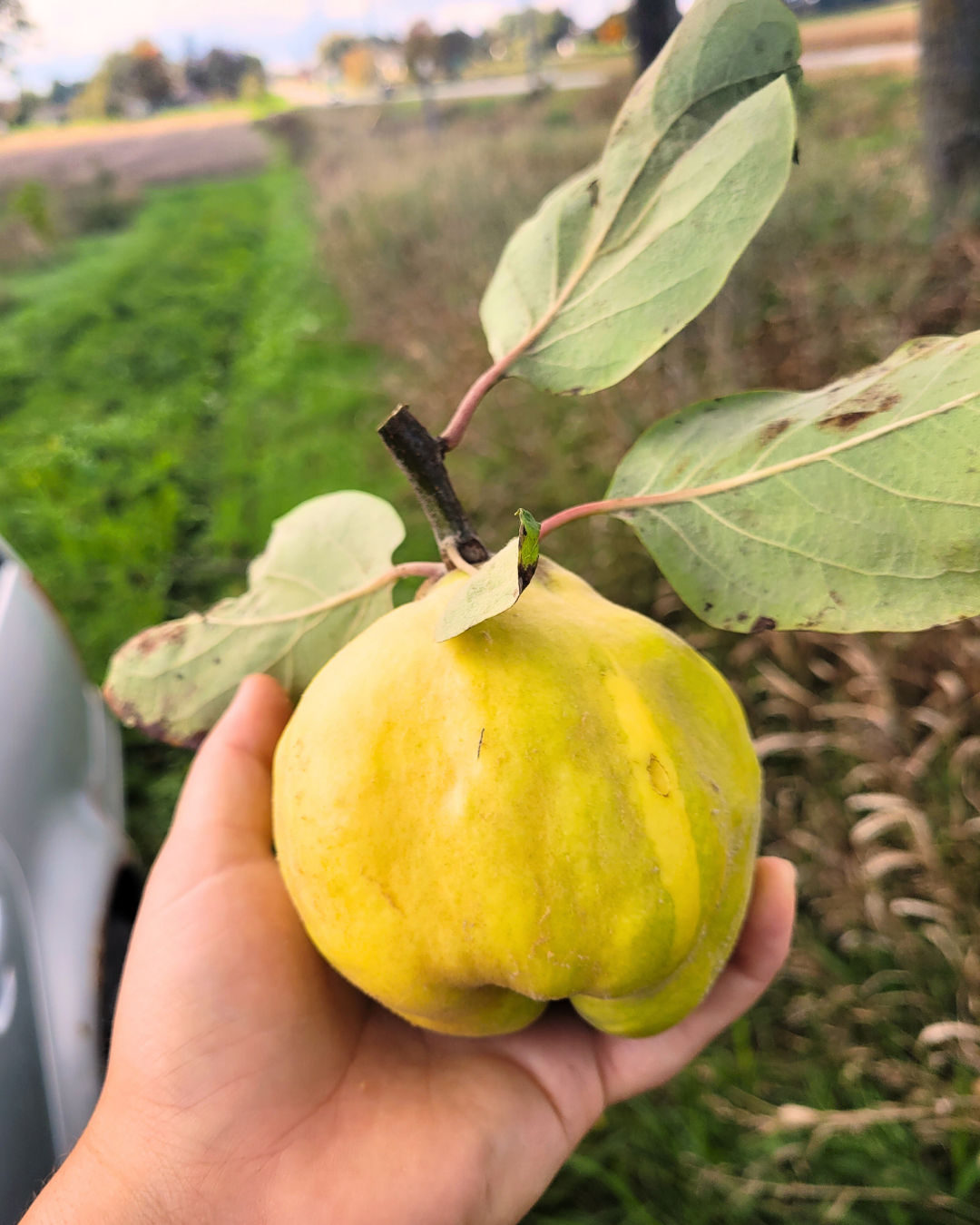
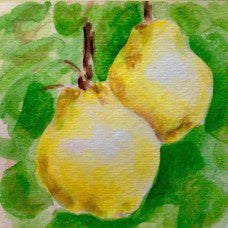
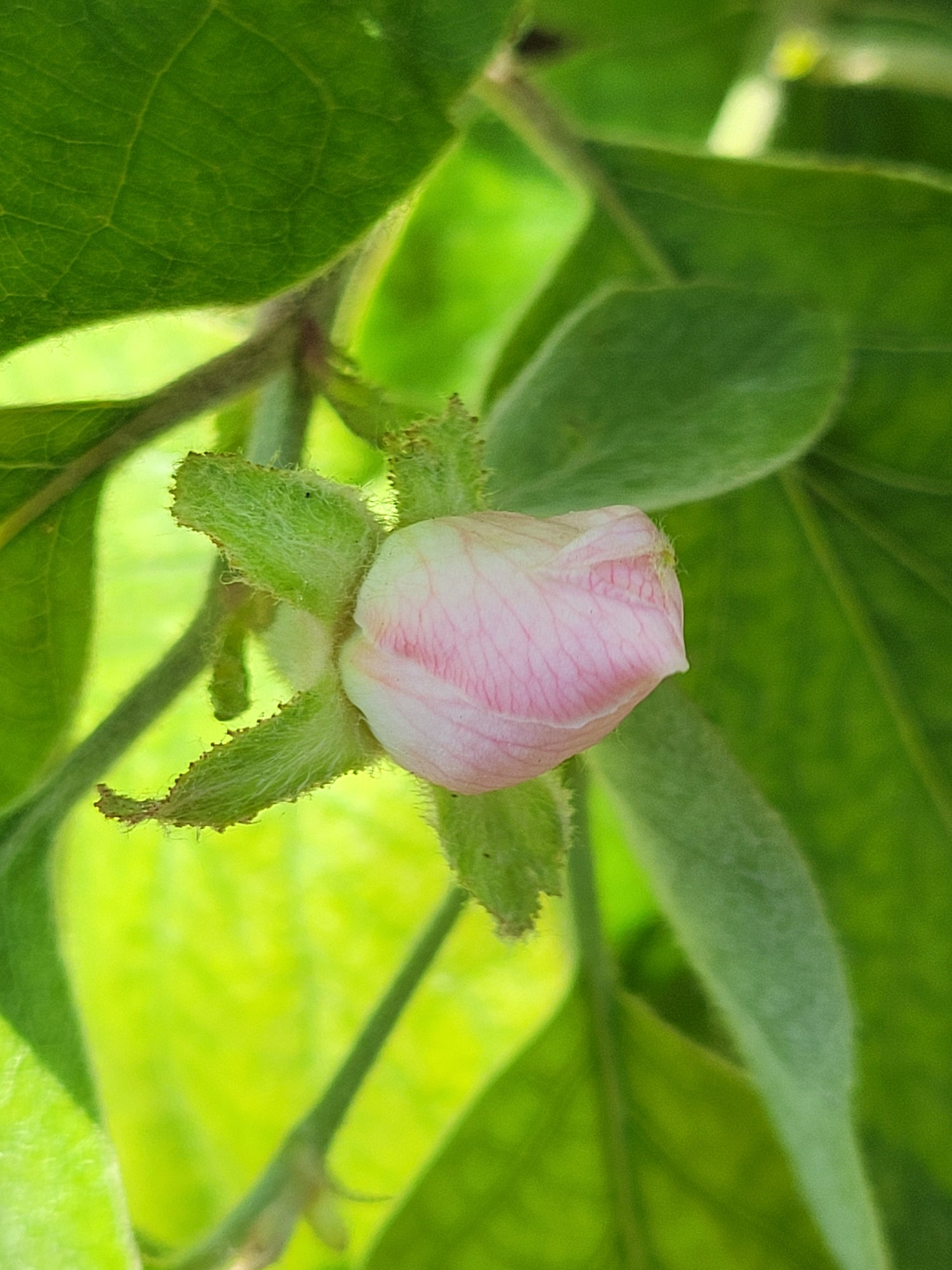
History: The history of Quince of Portugal is largely unknown aside from the fact that it was introduced to England in the early 1600s.
Why We Grow It: This quince is often considered to have the best flavour of all quinces. On top of that, the impressive fruits of this variety can weigh up to 1 lb and are juicier than most other cultivars. When ripe, this quince cooks to a lovely crimson coloured puree. It is best to store the fruit indoors for a couple weeks before eating it.
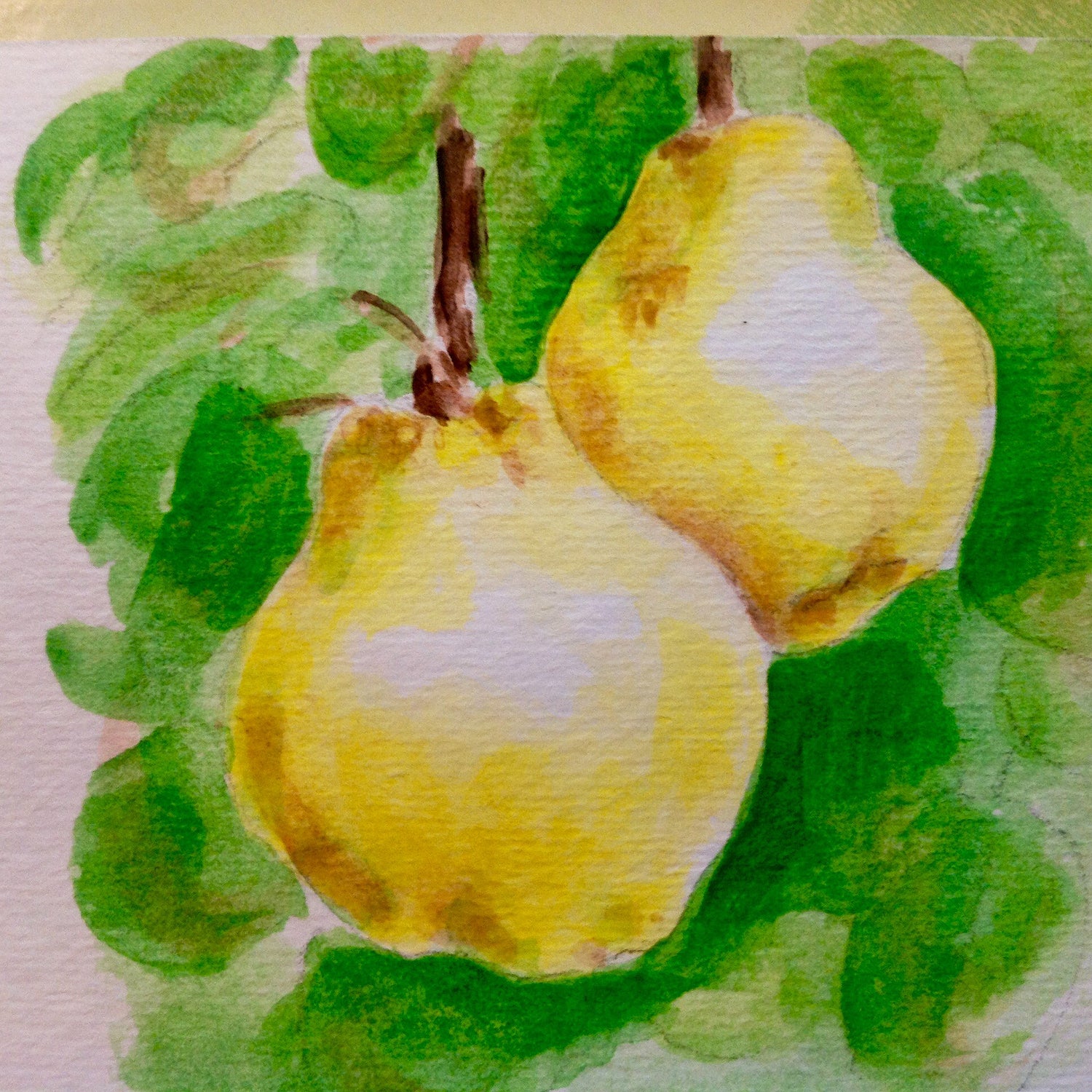
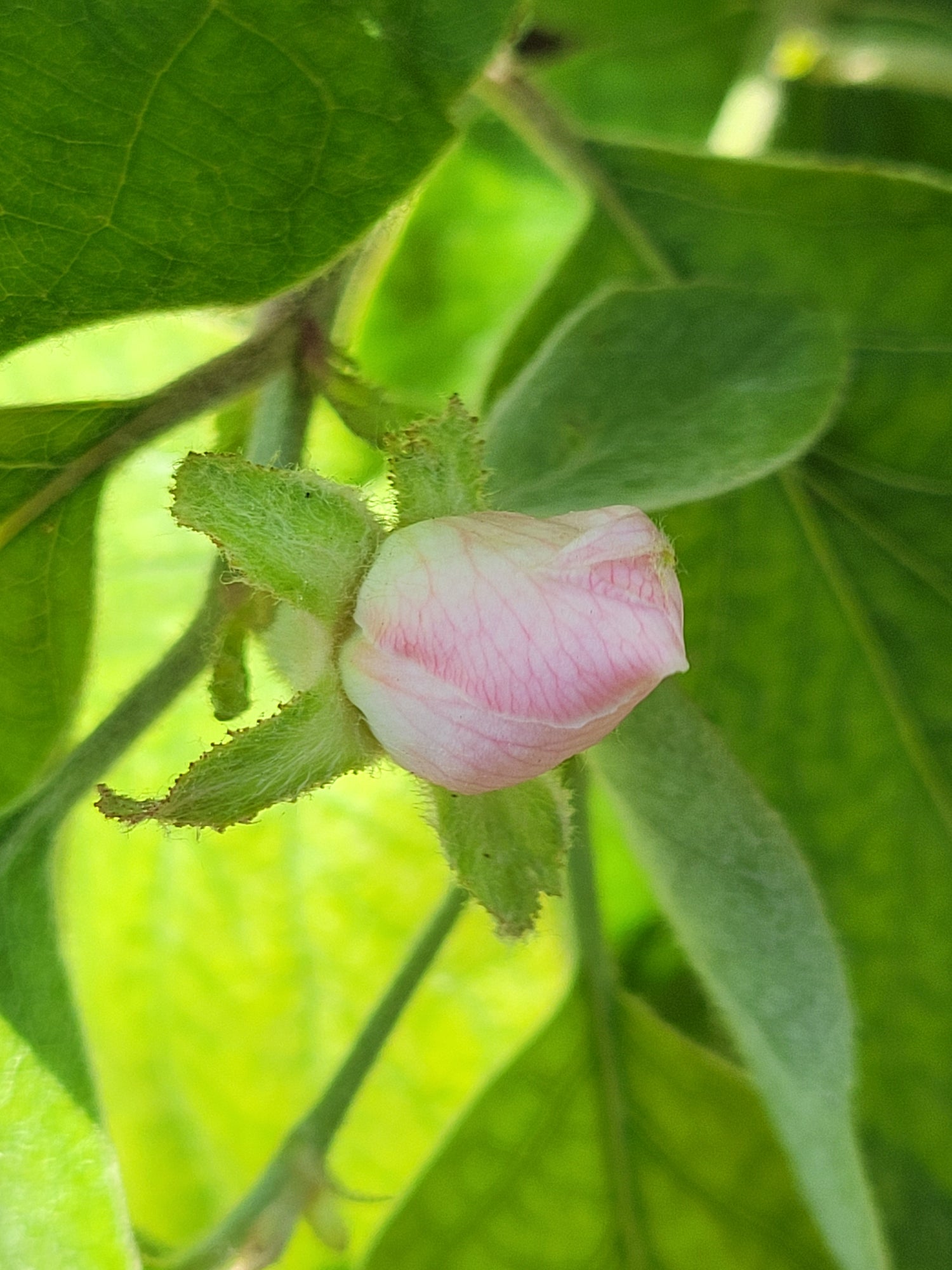
Species: Cydonia oblonga
History: The seedlings were sprouted from seeds sourced from Ontario.
Why We Grow It: By growing quince from seeds in our area, we hope these seedlings will be a little more cold hardy. Like all quince, the fruit from your seedlings are best used for cooking, baking, and preserving since the intense, tart flavour is a bit much when eaten fresh.
We have seedlings of the following varieties:
- Ernie's Favourite - A favourite from a homestead in Mt. Pleasant that has produced fruit for decades. It performs well in our climate.
- Quince Seedling - The seedlings were sprouted from seeds sourced from an old mother tree on a local farm. The previous owners have enjoyed the fruit for generations, proving that this is a nice, reliable variety.

History: Rouville apples were created by R.L. Granger and G.L. Rouselle in 1962 at the Agriculture and Agri-food Canada research centre located in St.-Jean-sur-Richelieu, Quebec. The variety was introduced in 1983.
Why We Grow It: This lovely Quebec cider apple has a wonderful bitter-sweetness that is great for fresh eating and juicing and sauce. It is resistant to scab and has grown very well in our test orchard.
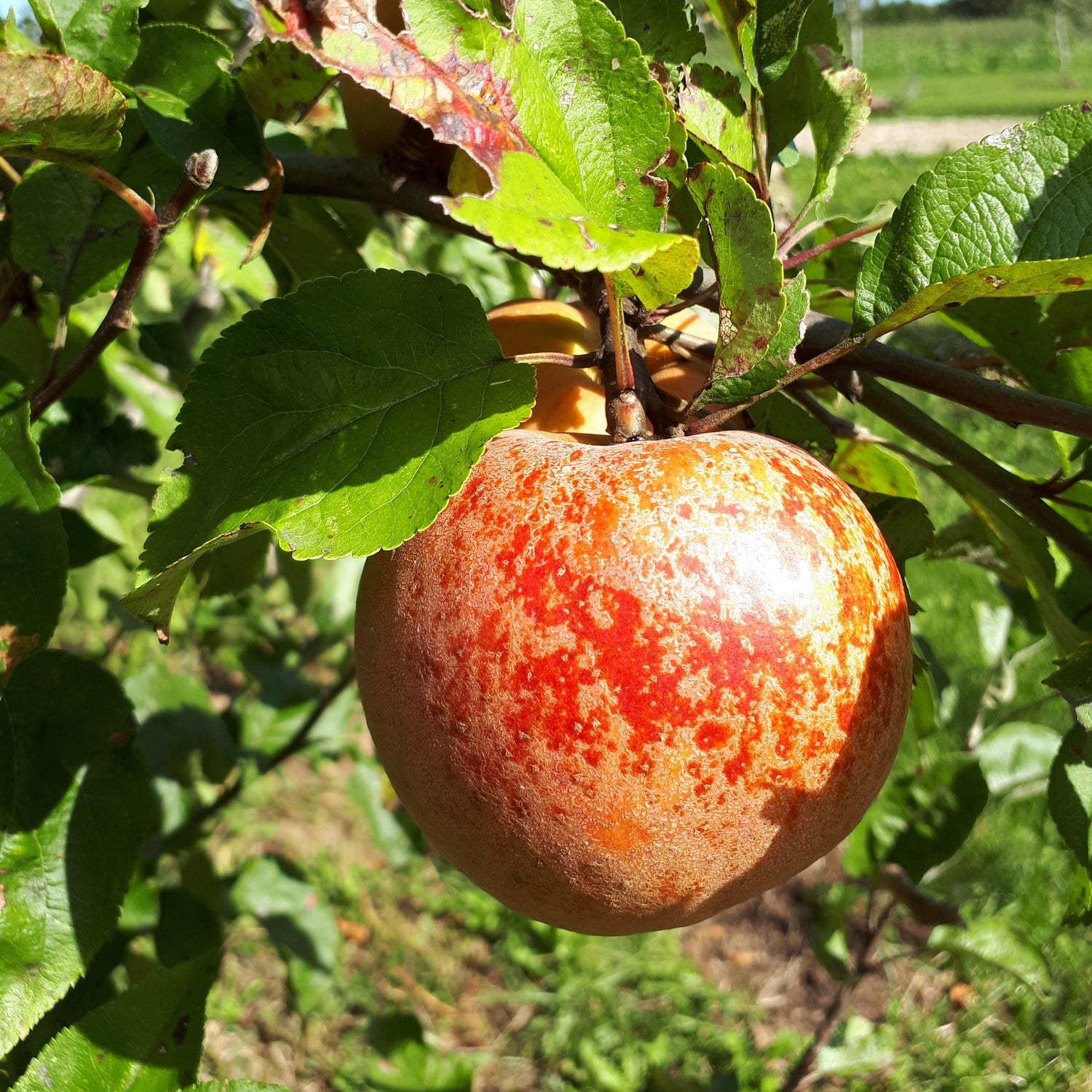
History: Roxbury Russet is the oldest American apple still under cultivation. It was discovered around 1650 in Roxbury, near Boston. These apples were well-known for their long keeping ability and qualities for cider making. They were grown by Thomas Jefferson at Monticello and are even referenced in one of Nathanial Hawthorne's novels. Due to the russet skin, these apples have never achieved true commercial success but they can still be commonly found in American farmer's markets.
Why We Grow It: Aside from its historic roots, Roxbury Russet is an excellent all-around apple that can be eaten fresh, used in cooking, and made into a great cider. It has a nice flavour that is sweet and sharp. This variety is also a good choice for organic orchards.

History: Royal Gala is a natural sport (mutation) of the Gala apple that was patented by Stark Bro's Nurseries in 1977. It boasts a deeper red colouring than the original Gala which makes it more visually appealing. In New Zealand, where the Gala apple originated, it has been almost entirely replaced by the Royal Gala in commercial growing operations.
Why We Grow It: Like the Gala apple, Royal Gala is popular for a reason. It is juicy and crisp with a sweet flavour and the fruit stores quite well.
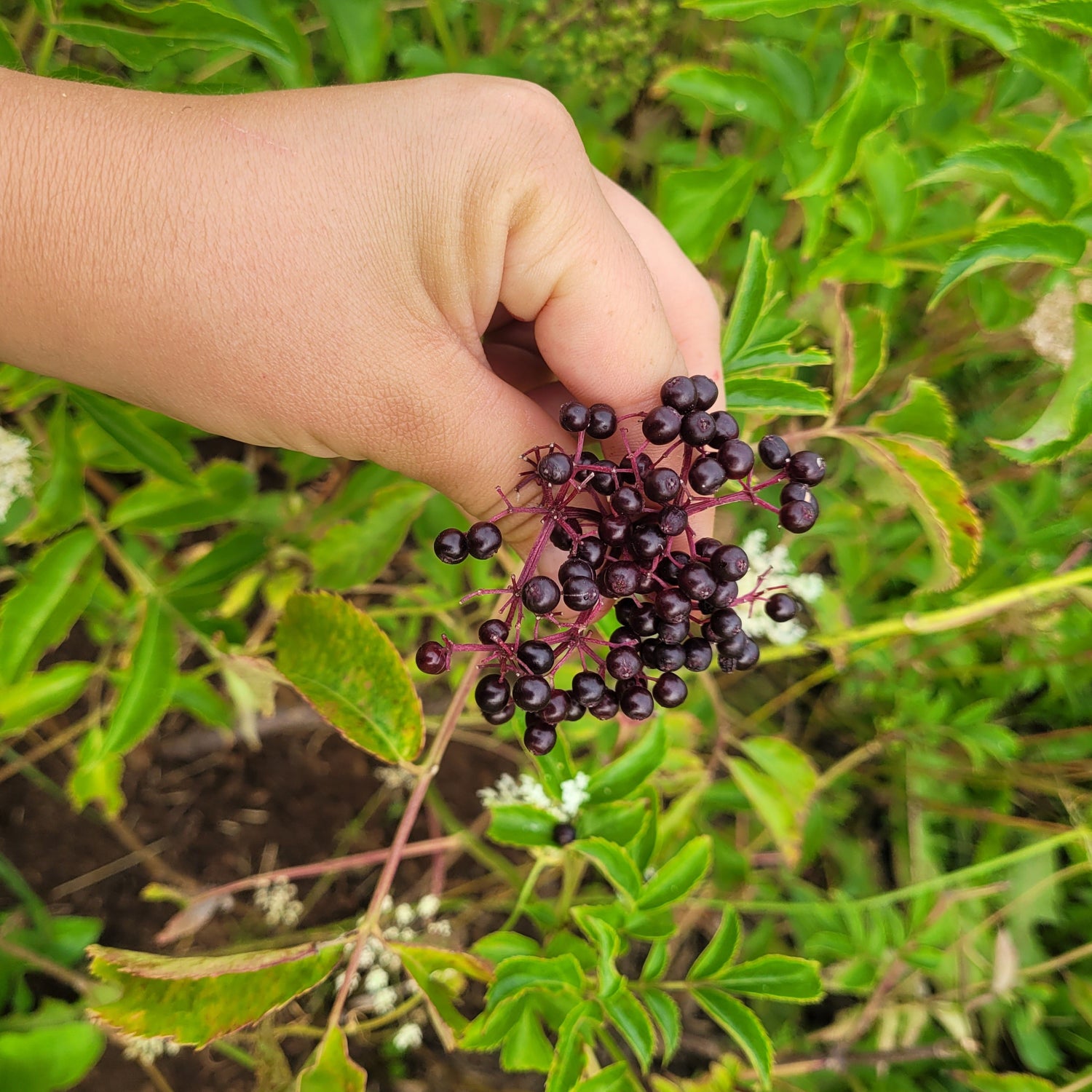
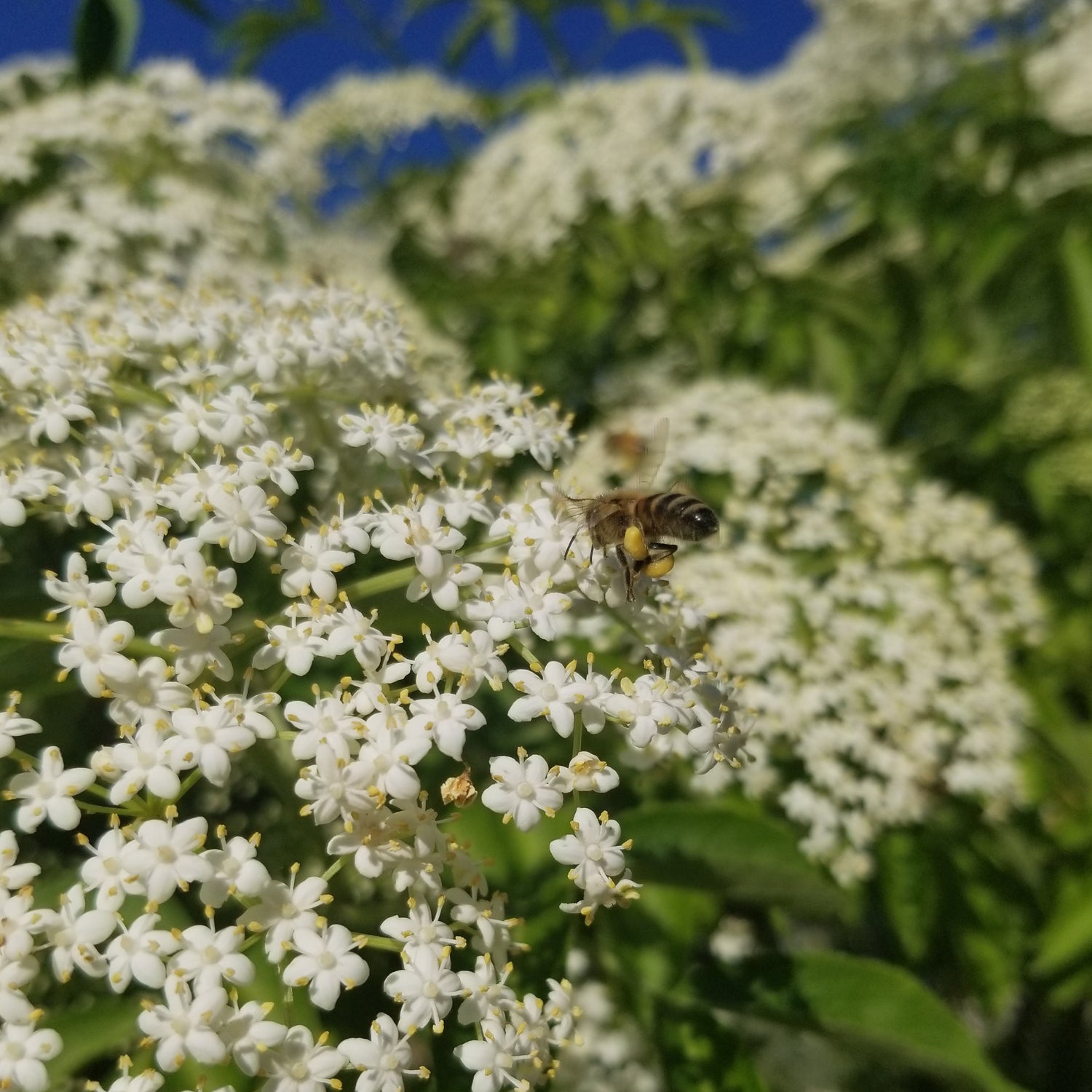
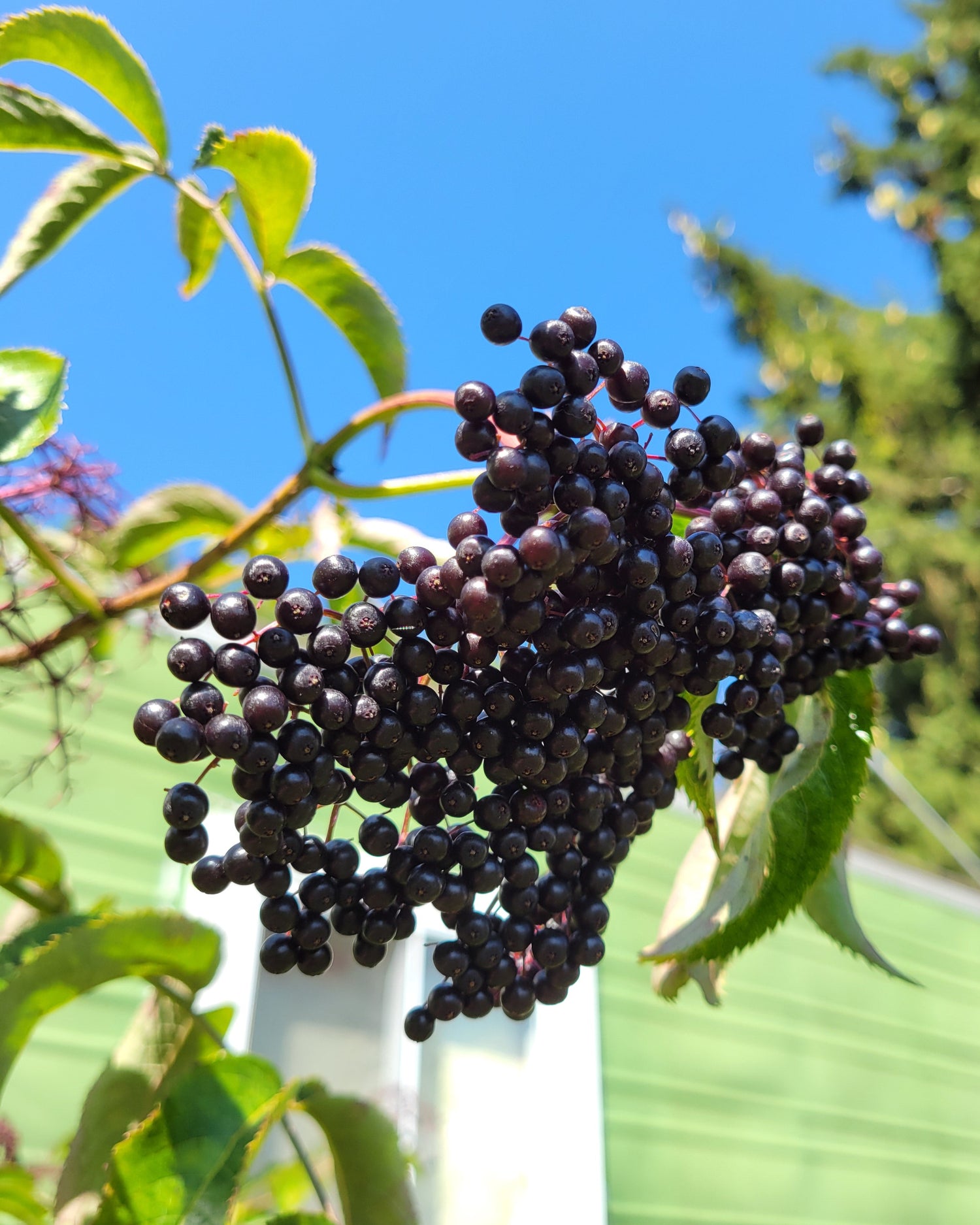
Species: Sambucus canadensis
History: Scotia was developed at the Kentville AAFC Research and Development Centre in Nova Scotia. It is a seedling of another variety, Adams 2, and was released by the research station in 1960, alongside the variety Nova. It is grown commercially in Canada.
Why We Grow It: Scotia elderberries ripen early in the season and have the highest sugar content of any named cultivar- though also some of the smallest berries. They are great for a variety of uses such as making juice and wine, baked goods, and even tinctures. Eating the raw elderberries can cause adverse reactions so it is recommended that you cook them first!
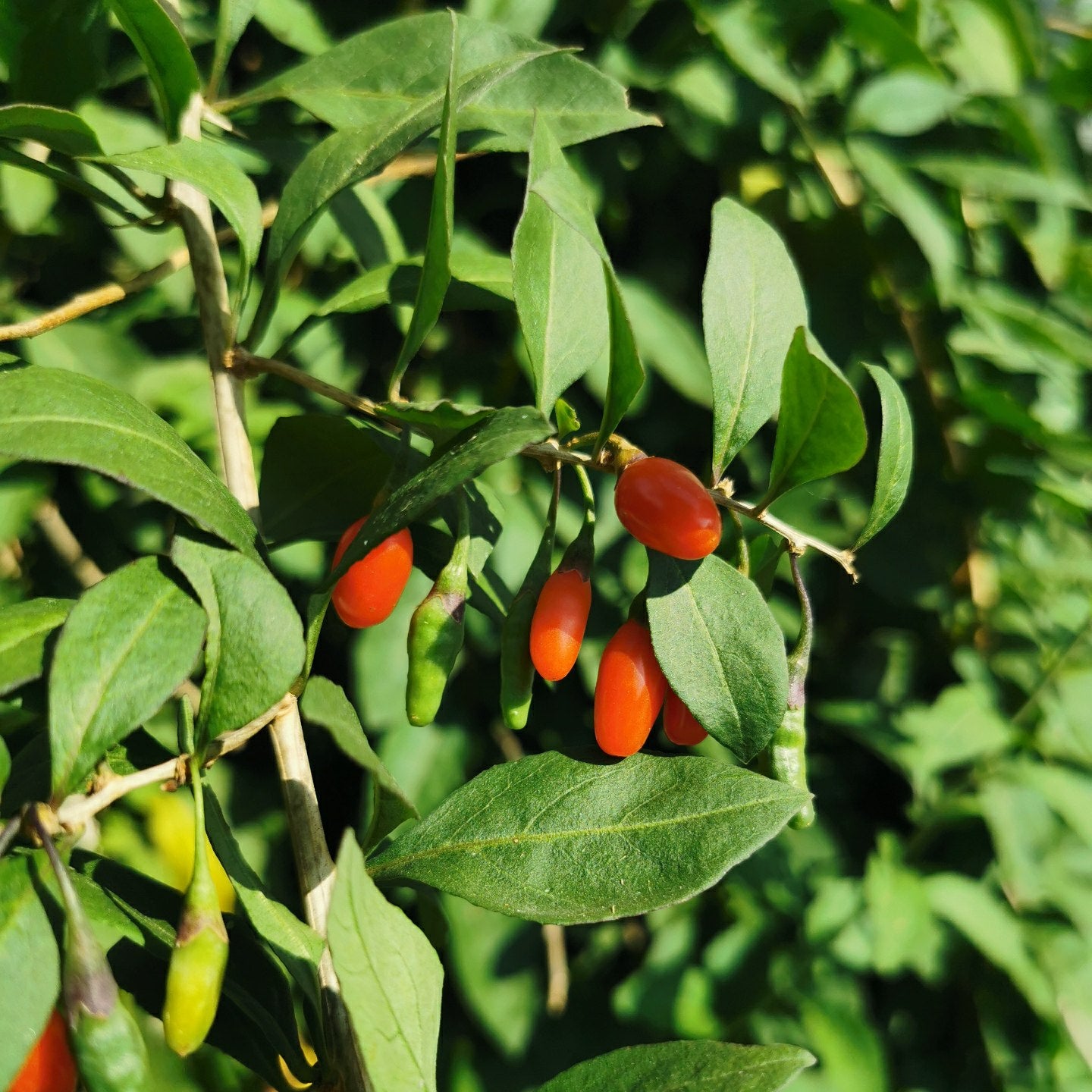
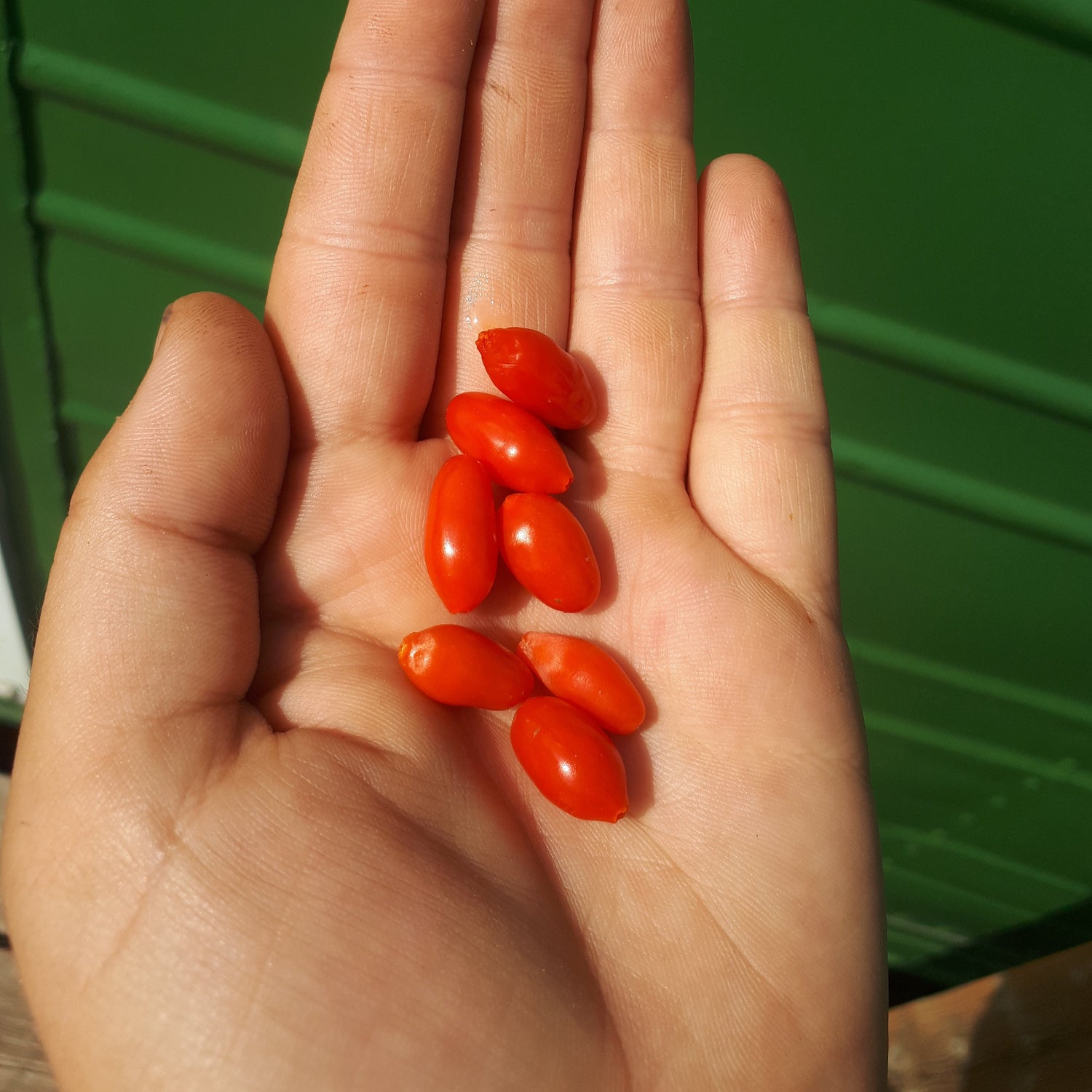
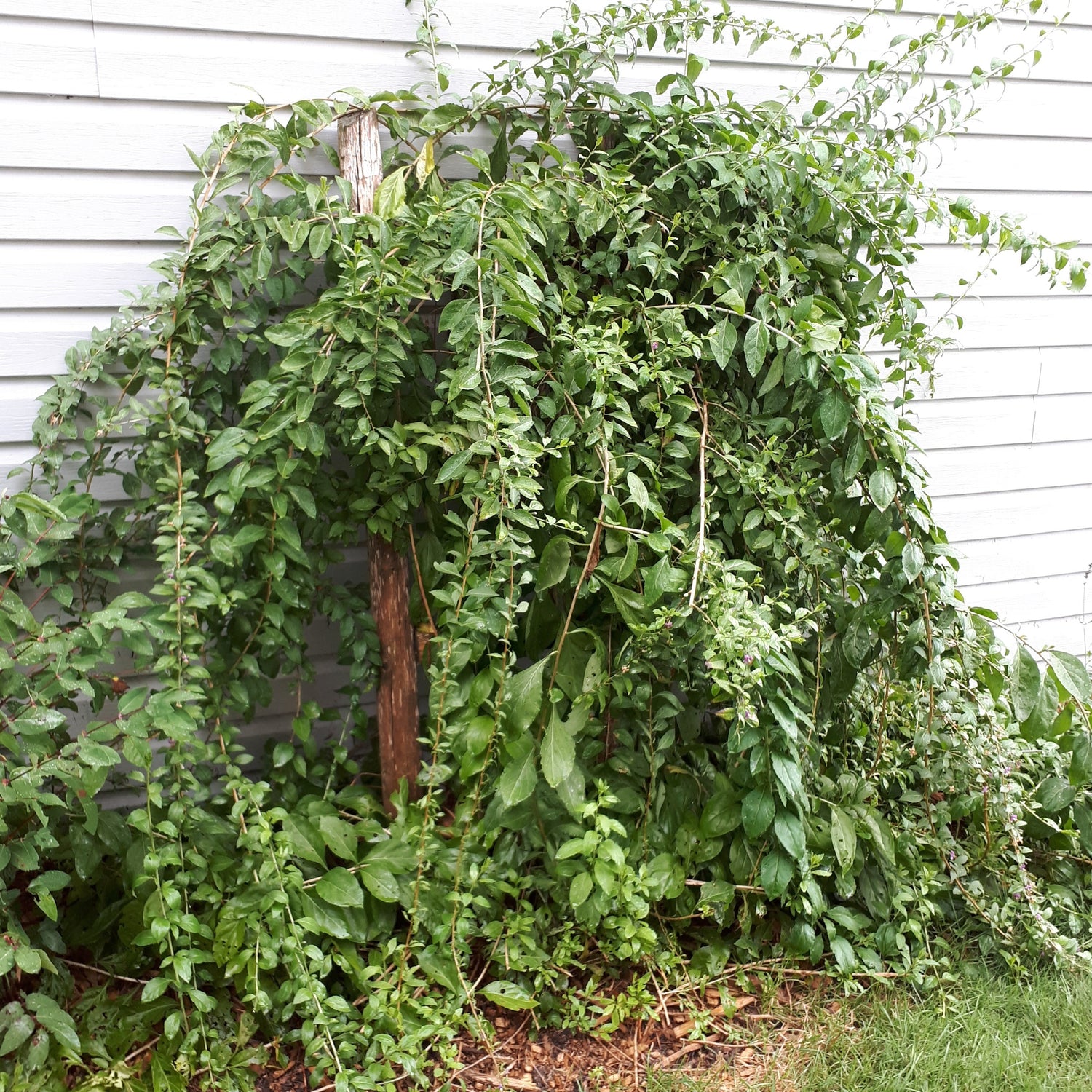
Species: Lycium barbarum
History: Goji berries are native to China where they are an important commercial crop. They spread to the UK in the 1700s where they have remained popular as hedgerows and have become increasingly common in North America due to the health benefits of the berries.
Why We Grow It: Goji berries a.k.a. wolf berries are well known in the health food industry for their high antioxidant levels. The plant grows prolifically, and must be trellised or grown against a wall due to it's weeping growth habit. The fruit itself is sweet, with a mild fruity flavour, however the seeds are a bit bitter and seem to sweeten after a mild frost later in the season. The fruit dries well, and makes for a unique tasting jam!

History: Little is known about this pear in the Western world aside from the fact it came from China. Seuri is possibly the Japanese version of the Chinese name Se Li (translated as 'red pear' from Mandarin).
Why We Grow It: Seuri Li has yellow-brown skin and the flesh is sweet yet slightly tart with a hint of apricot. It is considered one of the most flavourful of the Asian pears. The tree grows well and has heavy crops.

History: Shinko (translated from Japanese as 'new light') was created in Niigata, Japan as part of a pear breeding program and released in 1941. It is a cross between Nijiseiki and Amanogawa.
Why We Grow It: Shinko produces medium, golden-brown pears that are crisp and sweet with rich flavour. Their taste and texture are both considered excellent! The trees are known for starting to bear at a young age and producing reliable and heavy crops of delicious fruit.


Why We Grow It: Although it failed to take off commercially, Silken is an excellent early fresh-eating apple. It is attractive with pale yellow skin sometimes with a faint pinkish blush. The fruit has crisp, juicy flesh that is quite sweet with a little bit of acidity. The tree grows quickly and tends to start bearing fruit at a young age.

Species: Shepherdia argentea
History: Silver Buffaloberries are native to the southern parts of the prairies, parts of the northern US with scattered populations further south. It is an important source of food and habitat for many species including Saskatchewan's provincial bird the sharp-trailed grouse. It is traditionally used by indigenous peoples in its range as food, seasoning, medicine, dyes, and in coming-of-age ceremonies for girls.
Why We Grow It: Silver Buffaloberries are an excellent addition to native gardens, food forests, and hedgerows! They are tolerant of a wide array of conditions and are also nitrogen-fixing. These shrubs are some of the first to produce flowers each spring, making them good resource for pollinators. The berries, which are often red but may be orange or yellow, are a good source of food for birds later in the season. The edible berries are on the bitter/tart side but are much more enjoyable when made into jams, jellies, and pies! Just be mindful these shrubs are thorny and will spread over time.

History: In the 1830s in Lancaster County, Pennsylvania, a seedling apple tree grew beside the smokehouse of William Gibbons. Perhaps it sprang from a core that some one had tossed there while they tended the fire. Who knows? What we do know is that the aptly named Smokehouse was commonly grown in the area until its popularity waned as sweeter apple varieties appeared on the market. Still, this variety has stood the test of time due to its great flavour.
Why We Grow It: Traditionally Smokehouse apples are picked a little early and used for baking, but if they're allowed to ripen fully on the tree, some people have described the balanced flavour as being “like drinking fresh-pressed cider!”.
2026/2027 Staff Favourite
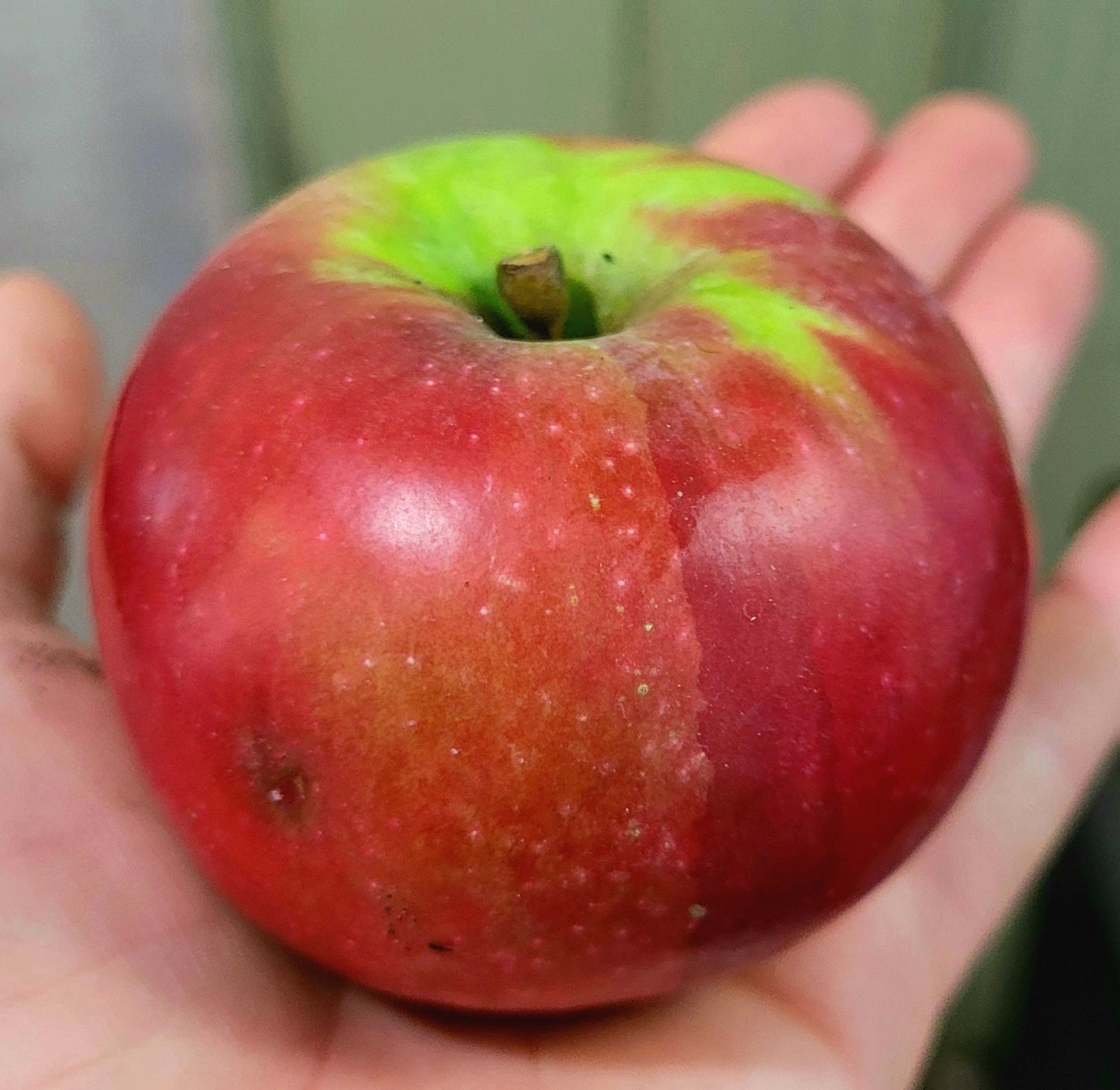
Snow is Mouse's favourite this year! In their eyes, “Snow is a standout Canadian heritage variety! This cold hardy apple is named for its snow-white flesh and it has a distinctively sweet flavour. For fans of Canadian and/or heritage apples, Snow apples are often a favourite!”
All Staff Favourites are 20% off. The Staff Favourite Discount cannot be combined with other quantity discounts.
History: Snow, aka Fameuse, apples originated near Lake Champlain in Quebec some time before the 1730s. The exact origin is unclear but this variety is thought to have originated from a seedling or cutting brought from France. From about 1750-1850, this was one of the most commonly grown apples in Quebec until the orchards were almost wiped out in the latter half of the 19th century by disease and failed to regain their popularity. However, these lovely apples may still be with us in their own way as they are one of the potential parents of McIntosh.
Why We Grow It: It is easy to see why Snow apples were once so popular. These apples have a lovely deep red skin with pure white flesh with a sweet strawberry flavour. These trees are also quite cold hardy and produce heavy crops.

Species: Lindera benzoin
History: Spicebush is native to eastern North America, although in Canada it can only be found in Ontario. It has been used medicinally by several indigenous peoples and early land surveyors used it to find good agricultural land due to its propensity to grow in good soil. It remains a popular ornamental plant along with its uses for spices and teas. Spicebush is also the only host plant for the spicebush swallowtail.
Why We Grow It: If you want to source your own spices locally, try this aromatic, native shrub! The leaves and berries can be used as substitutes for cinnamon, nutmeg, and allspice. It is attractive to butterflies and the early bloom time means it is a good source of pollen in the spring. The shrub is also quite pretty in autumn when its leaves turn a bright yellow.

History: Spigold (aka Spy Gold) was developed at the New York Agricultural Experiment Station in Geneva, New York and released in 1962. It is a cross between Red Spy and Golden Delicious that has remained somewhat popular in North America.
Why We Grow It: Spigold marries the best qualities of Golden Delicious and Red Spy. It produces very large apples that are crisp and juicy with a honeyed sweet/tart flavour. These large apples are excellent for fresh eating, making applesauce, baking into pies, and making into cider. They also store quite well and some say the flavour actually improves in storage.

History: The St. Lawrence apple was discovered in the Montreal area as a seedling of a Snow apple, the most popular variety in Quebec at the time. By 1835, these apples were commonly grown in the area where they were popular for fresh eating and cooking but have since faded into obscurity.
Why We Grow It: Although less popular now, these apples are still good for eating and baking. The boldly striped red skin also makes the fruit very attractive. The tree bears good crops each year and is relatively hardy.
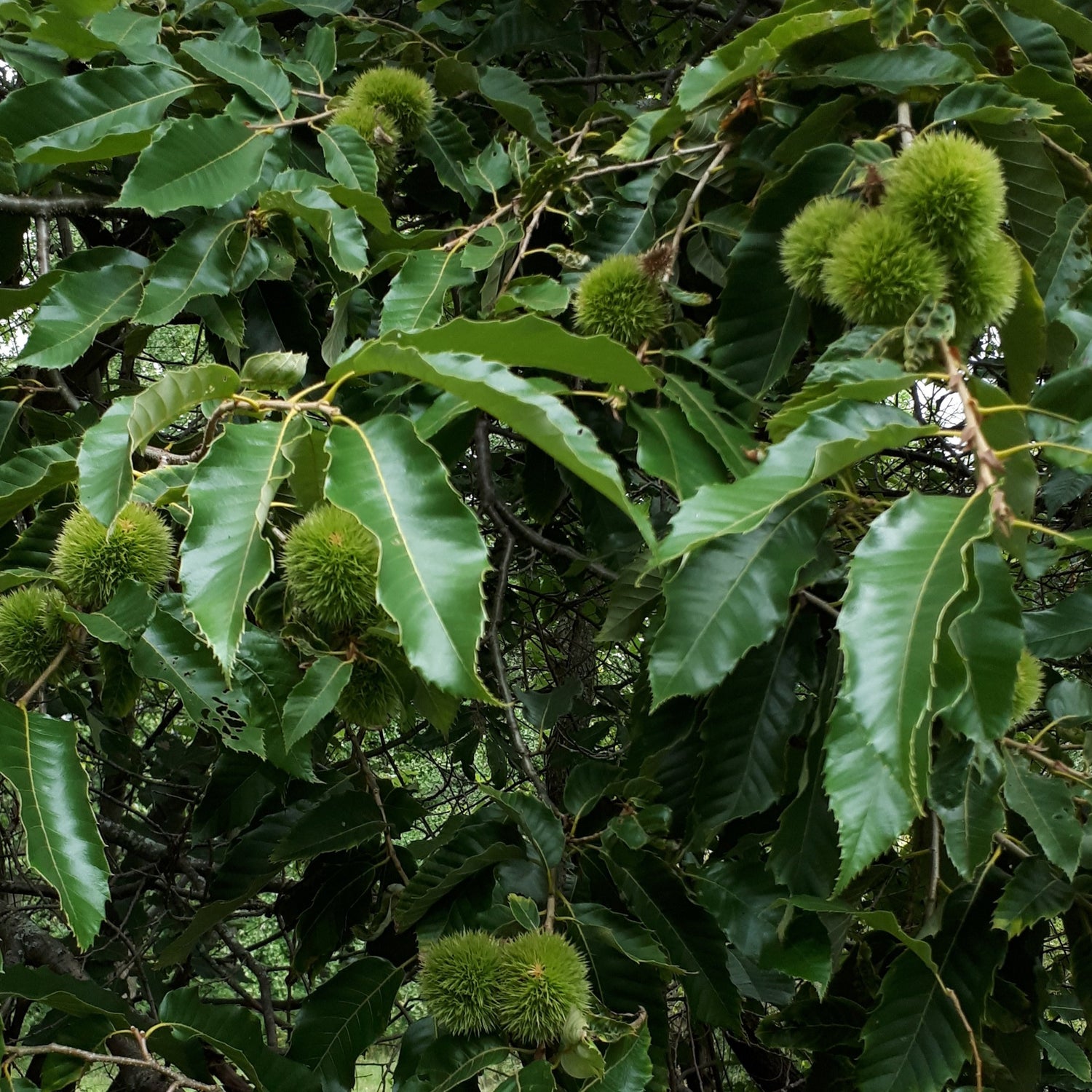
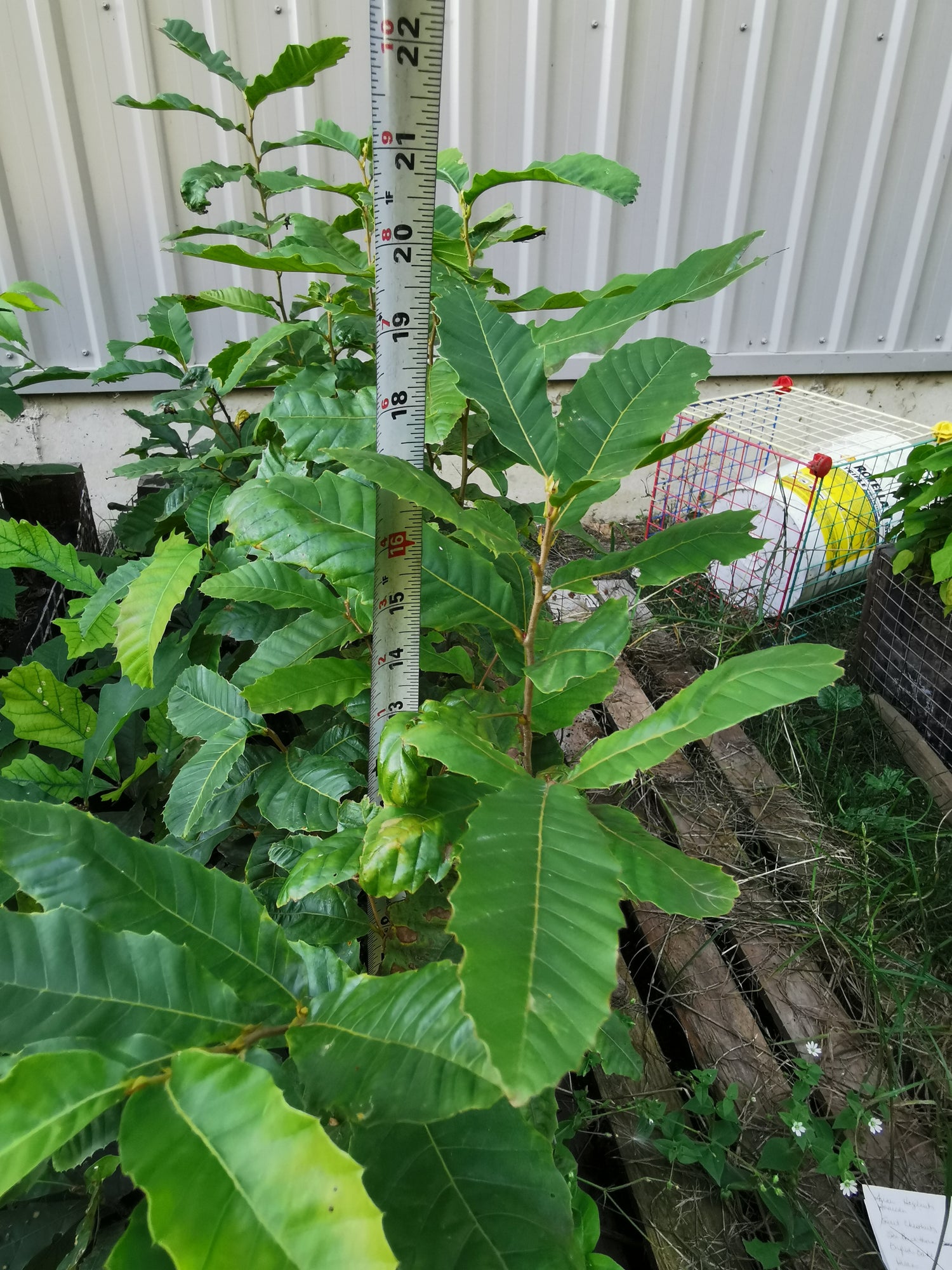
Species: Castanea dentata x mollissima
History: These seedlings are a cross between Chinese chestnuts and American chestnuts grown from seed from Grimo Nut Nursery. As a hybrid of Chinese and American chestnuts, these seedlings have blight resistance along with good cold hardiness.
Why We Grow It: This tree has incredible potential as a truly sustainable food source for humans. High in vitamins and starch, the nuts can be used to make a flour food staple, or pressed for oil to be made into bio fuel. For more inspiration and ideas in growing sweet chestnuts as a crop, we recommend the book Restoration Agriculture: Real-World Permaculture for Farmers by Mark Shepard.
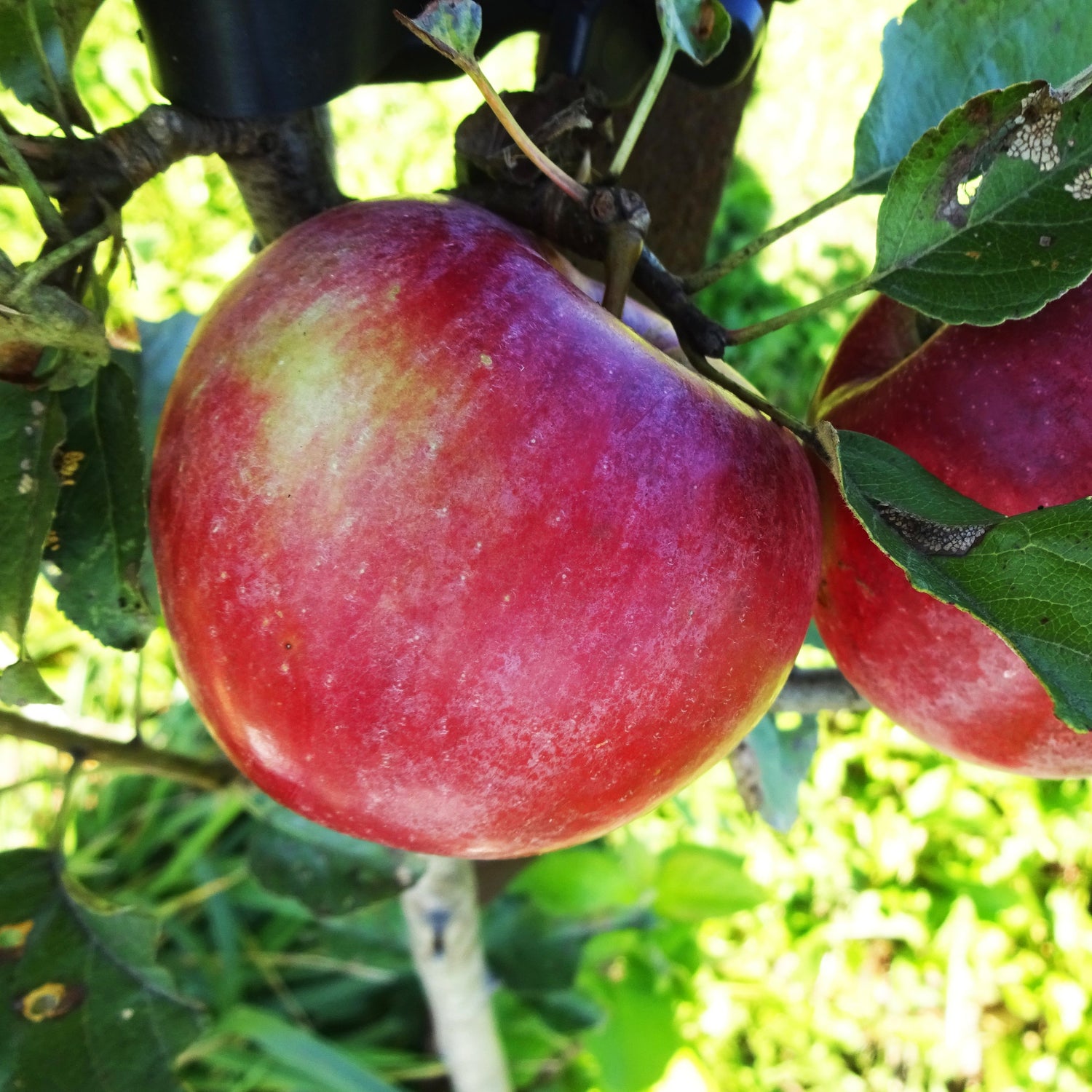
History: Sweet Sixteen was developed by the University of Minnesota and introduced in 1977. It is one of nearly thirty varieties released by the university since its breeding program began in 1888.
Why We Grow It: Some apples taste better when grown in colder climates, and Sweet Sixteen is one of them. For a fresh-eating apple, this is a favourite. Sweet Sixteen provides that crisp first bite that so many people love in an apple, and the pure white flesh will not disappoint for flavour with a very unique, distinct honeyed flavour. Its cold-hardiness and general disease-resistance (tolerant of scab and cedar rust) make it winner for the grower too.

Special Note: We take special care to grade out (remove) any of these seedlings that are showing visible thorns when we dig them in the fall. This increases the likelihood (although we cannot make any guarantees) that you will not have thorns develop on your Thornless Honey Locust Seedling. If you don't mind thorns on your Honey Locust, the ones we grade out are available here at a lower pricepoint.
Species: Gleditsia triacanthos
History: Thanks to its ability to tolerate a host of adverse conditions that would hinder or kill other trees, Honey Locusts have been cultivated for us as ornamental, urban trees. As a result, several thornless varieties have been developed including the mother tree for these seedlings.
Why We Grow It: Honey Locust has many benefits for permaculture and now growers do not need to worry about popping tires with thorns thanks to these thornless trees - though they are seedling so some may develop thorns though most will not; these can be top grafted with a thornless type if needed. Reaching 30 meters tall, this native nitrogen fixing tree benefits many including bees, wildlife, and even humans: we can use the sweet (honey flavoured) pulp inside their pods in baking, tea or for brewing beer. The durable, rot-resistant wood has a variety of uses.

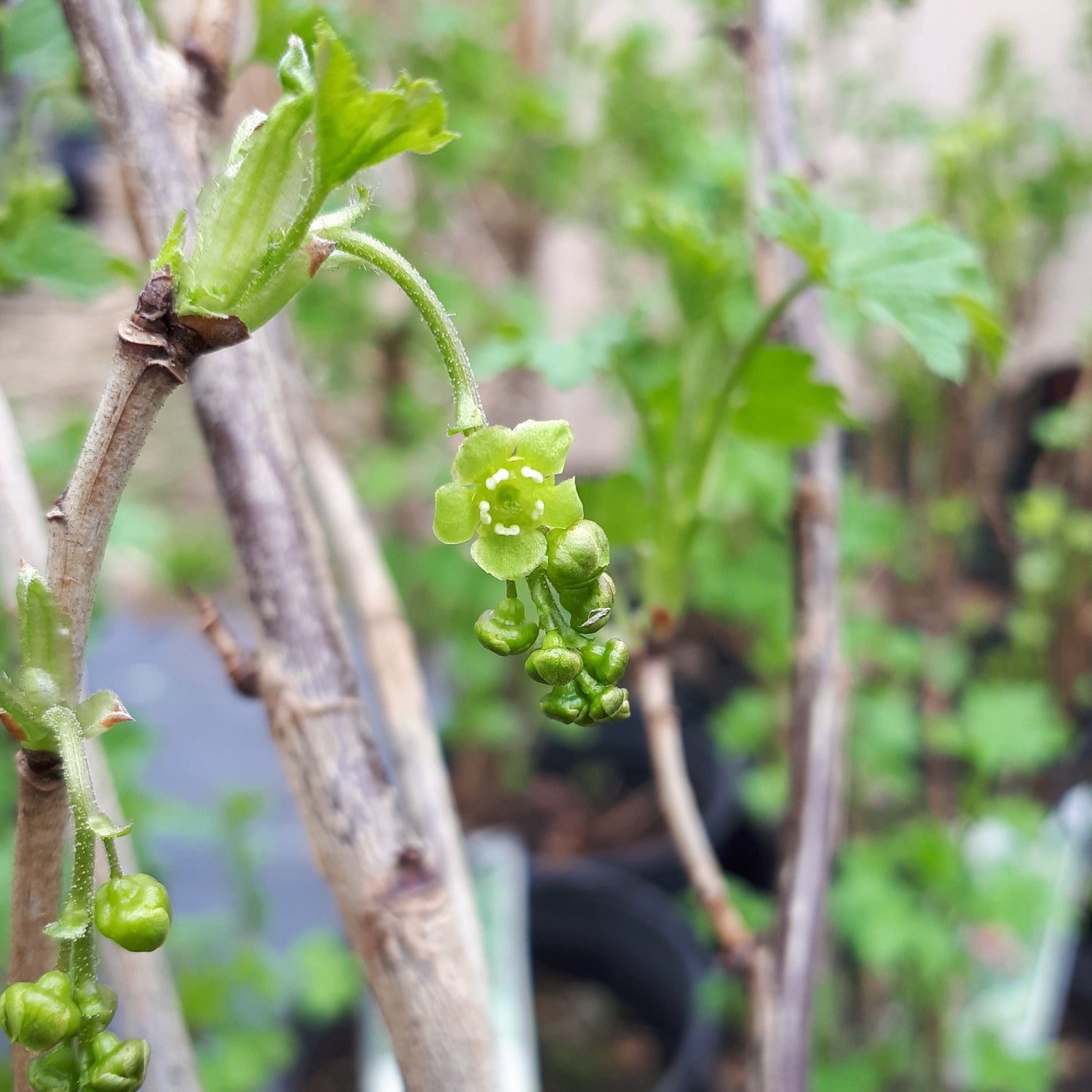

Species: Ribes nigrum
History: Titania black currant was developed by Pal Tamas in Sweden. It was bred as a cross between the varieties Consort, Kayaanin Musta, and Altaskaya Dessertnaya in 1969 and chosen for further evaluation in 1974. Since its release it has become one of the most popular currants in North America.
Why We Grow It: It is easy to see why Titania has become so popular. It produces large, juicy berries with a rich, mild flavour. It is also resistant to White Pine Blister Rust and mildew. The berries are great for a variety of uses, such as the black currant scones and black currant and blueberry tarts Steph made (see pictures)!


History: Little is known about the origin of this heritage apple, but Tolman Sweet has been highly valued since its discovery. It is uncertain whether it came from Massachusetts or New York in the 18th or 19th century but it was first recorded in 1822. This hardy tree was used as a source of rootstock at one time.
Why We Grow It: Tolman Sweet is a great all-purpose apple. The fruit are medium-sized with yellow skin, and have a distinctly sweet, dry flesh. They are nice for fresh eating but can also be used in baking, drying, and pickling. Their unusually low acid content helps to reduce acidity in both sweet and hard cider.

Species: Vaccinium corymbosum
History: Toro is a cross between Earliblue and Ivanhoe bred by USDA blueberry breeder Arlen Draper in Maryland. It was selected for its productivity, firmness, and flavour and introduced in 1987. It was named Toro ('bull' in Spanish) due to its strong and stocky structure, however this dense canopy structure prevented Toro from achieving true commercial success due to the added difficulty of pruning and harvesting it at a commercial level.
Why We Grow It: Toro produces large blueberries that are quite sweet and firm. They tend to produce heavy crops that ripen all at once, making mechanical picking easier. Like other blueberries, Toro is great for eating fresh, baking, and preserving!

Species: Lonicera caerulea
History: Tundra was developed at the University of Saskatchewan and released in 2010. It was selected for its large size, good flavour, and, perhaps most importantly, its firmness. The large, firm berries made the variety well-suited for commercial growing and harvesting.
Why We Grow It: Tundra produces large, elongated berries with a sweet and tangy flavour. The berries are firmer than other varieties which makes them a great option for mechanical harvesting in larger scale operations. Despite the firmness, they still have a pleasant texture and are great for all the usual haskap uses such as fresh eating, baking, or preserving.